ShanghaiDoctor - Where China's Healing Wisdom Shapes Modern Medicine

Update time:2026-08-28Visits:3109
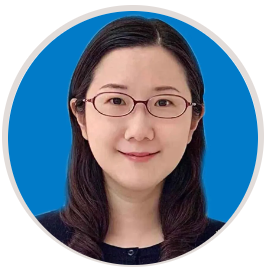
Chief Physician and Doctor of Medicine Obstetrics and Gynecology Hospital of Fudan University Core Member, Endometriosis Team Administrative Director of Obstetrics and Gynecology, Huashan Hospital Baoshan Campus Member, World Endometriosis Society
“Because I understand, I am kind. Kindness is the foundation of being a doctor; skill is what allows that kindness to take effect.”
— Ding Ding
Ding Ding is Chief Physician and Doctor of Medicine at the Obstetrics and Gynecology Hospital of Fudan University (the Red House Hospital). She is a core member of the hospital’s endometriosis team and currently also serves as Administrative Director of Obstetrics and Gynecology at Huashan Hospital’s Baoshan Campus. She holds a Shanghai Level-4 qualification in gynecologic endoscopic surgery and is a member of the World Endometriosis Society.
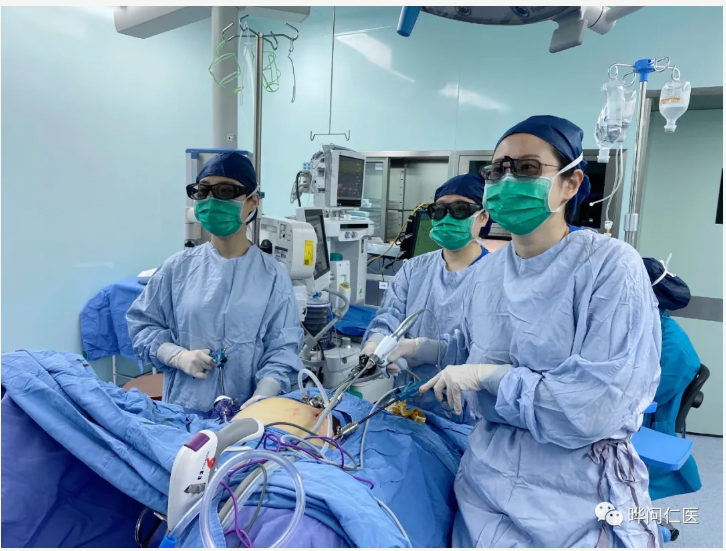
Her clinical work centers on endometriosis and adenomyosis, together with common gynecologic conditions such as uterine fibroids and ovarian cysts, and selected gynecologic cancers including endometrial and cervical cancer. She is known for laparoscopic surgery that emphasizes clear anatomy, layered dissection, and protection of the ureters, bowel, and bladder—especially in deep infiltrating disease and densely adhesive adenomyosis.
She is a member and secretary of the Endometriosis Group of the Obstetrics and Gynecology Branch of the Shanghai Medical Association, a youth member of the Minimally Invasive and Noninvasive Medicine Committee of the Chinese Medical Doctor Association, and a standing committee member of the Endoscopy International Training Center under the Chinese Adult Education Association’s Medical Continuing Education Committee. As first, co-first, or corresponding author she has published sixteen SCI-indexed papers. She has led two projects funded by the National Natural Science Foundation of China and one by the Shanghai Natural Science Foundation, and has contributed to several obstetrics and gynecology monographs.
She has given invited and oral presentations at the World Congress on Endometriosis and the Asian Congress on Endometriosis, and received the Best Oral Presentation Award at the Fifth Asian Congress on Endometriosis. Short visiting periods at the University of Michigan (2012) and Tottori University in Japan (2019) broadened her research contacts; as a student she also completed a brief clinical exchange at Columbia University.
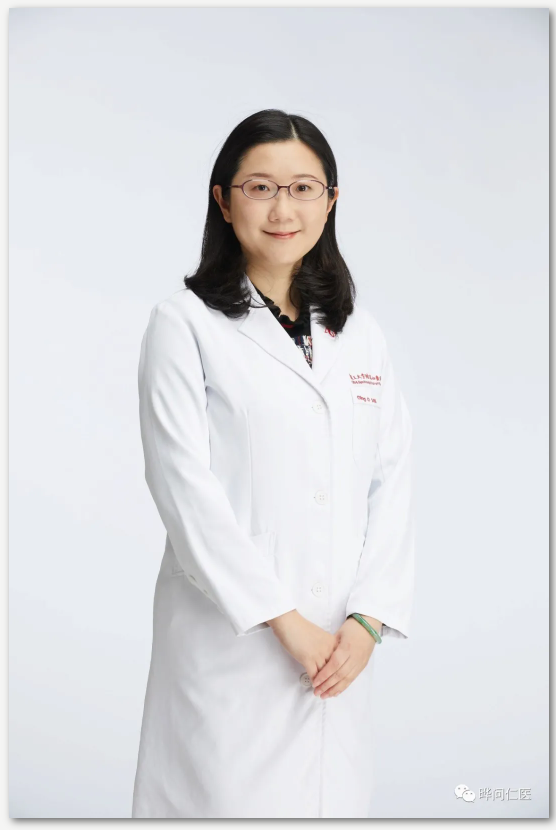
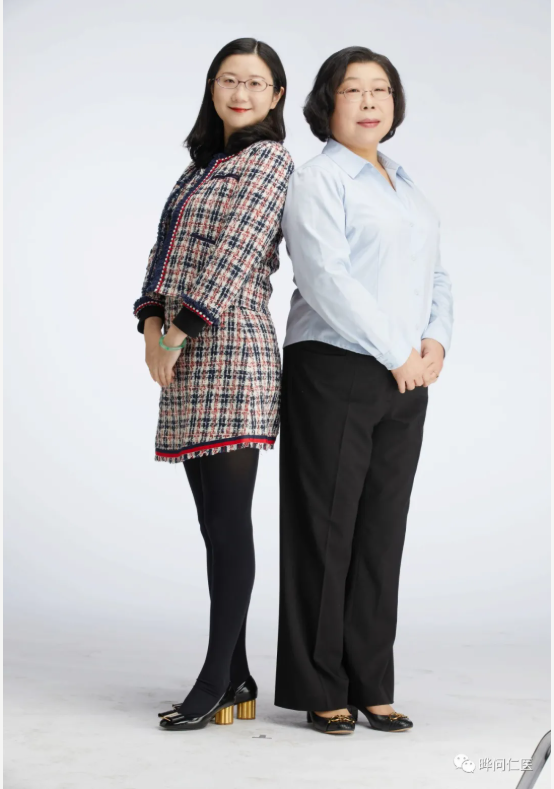
Ding Ding was born in Shanghai into a family of civil servants. Her mother belonged to the first generation of students admitted after the national college-entrance examination was restored—articulate, determined, and largely self-made. When Ding chose medical school, her mother supported her with a single condition: a doctor must accept solitude and hold to integrity. Once the decision was made, there would be no looking back.
She entered Shanghai Medical University. Anatomy was a shock. For a semester she avoided the dissection rooms; for a year she could not look at animal bones without nausea. The wish to become a physician who could work with her hands eventually overcame the fear. Excellent grades restored her confidence. A short student exchange at Columbia University, with rotations in obstetrics, gynecology, and internal medicine, strengthened her desire for operative work. For a woman who wanted to operate, gynecology seemed the most realistic path. Upon graduation she was assigned to the Obstetrics and Gynecology Hospital of Fudan University.
As a resident she rotated six months in gynecology and six in obstetrics. All of her gynecology time was spent on Professor Liu Xishi’s ward. Professor Liu, then director of gynecology, was already one of China’s leading figures in complex gynecologic surgery, cervical cancer, and endometriosis. Taking Ding into the operating room for hysterectomy and lymph-node dissection became, in the younger doctor’s memory, the most vivid hours of those years.
Liu taught from the smallest stitch under the lamp to the larger architecture of an operation. She was unsparing with herself—reading an international speech thirty or fifty times until no flaw remained—and equally exacting with her student. Ding has been made to cry. Yet the relationship never broke. They operate together, travel for consultations, do research, and attend meetings abroad. Ding spends more waking hours with her mentor than with her own mother. Both women, she later realized, belonged to the same generation of students who entered university after the examination system was restored, and both carried a similar discipline.
Before electronic records, some chemotherapy patients arrived with more than a dozen prior admissions; Ding copied their histories by hand late into the night. The habit of showing up before rounds knowing every patient on the list was formed then and has not left her.
After her master’s degree she continued under Professor Liu for the doctorate. The research topic was the pathophysiology of fibrosis in endometriosis—a disease whose mechanisms still contain much that is unknown, whose molecular pathways overlap with those of tumors, and whose prevalence makes it a central problem in general gynecology.
Independent operating began with relatively straightforward hysterectomies—uteri the size of a pear, no adhesions. By the end of the doctorate the cases had changed. One laparoscopic total hysterectomy for a large, densely adhesive adenomyotic uterus required her to free bowel layer by layer and identify the ureters under constant risk. When the last stitch was placed she felt, as she later told Chief Physician Jiang Hongyuan, that she had finally improved. From that day her confidence and flexibility grew. The hospital’s volume—more operations in a month than many hospitals see in half a year—did the rest. She later passed Shanghai’s Level-4 gynecologic endoscopic qualification.
Her surgical ideal, inherited from Liu Xishi and Jiang Hongyuan, is simple to state and hard to achieve: reconstruct the anatomy in the mind before cutting; free the ureters, bowel, and bladder as a whole; keep planes clear; avoid injury; reduce bleeding. A satisfactory operation, she says, is one with little blood loss, no wasted motion, intact organs, clean suturing, and reliable hemostasis—after which she can sleep.
The Red House endometriosis team was formed in 2010 under Professors Guo Sunwei and Liu Xishi. Guo, a highly cited scientist in the field, has supplied many of the group’s original ideas; Ding describes him as a lighthouse. The team’s work on platelet-mediated repeated injury and repair has framed endometriosis as a progressive fibrotic disease. Ultrasound elastography is being used to estimate the stiffness—and therefore the fibrosis—of lesions, with implications for who will respond to progestin therapy and who will not.
Ding’s own projects follow that line: mechanisms of disease and of progesterone resistance, and non-hormonal options for patients who do not improve on standard hormones. Two women with similar pain scores may have opposite responses to the same progestin; one uterus shrinks, the other does not, and hysterectomy becomes the last resort. Understanding why, she hopes, will allow earlier, more precise intervention and help more women keep their uterus—not only for fertility, but for a sense of bodily integrity that can last a lifetime.
Days are spent in clinic and the operating room; evenings often continue in the laboratory for six or seven hours. “Good research should serve clinical practice,” she says. The aim is not a paper for its own sake, but a staging method or a drug that changes what happens in the consulting room.
Patients describe her as unusually willing to listen. She admits she is not good at saying no, and often adds extra appointments for people she has never met, because she can feel their helplessness. One woman with adenomyosis called in the middle of the night, sobbing between words. Ding’s reply mixed medicine and perspective: try combined treatment; keep the uterus down to a manageable size; compare the situation with those who face life-threatening malignancy or who lose the uterus very young; keep going.
She does not accept gifts as a rule. One winter a patient brought a pair of hand-sewn cotton shoes—old-fashioned, but the warmest present she had ever received. “You never brush me off with a few words,” the woman said. “You listen.”
In 2018 she led a small team from the Red House to Jinping County in Yunnan, a remote border region, on a medical-outreach assignment. Sanitation was poor; many women with treatable gynecologic disease, including cancer, stayed home. Some pregnant and postpartum women died of hemorrhage that a county hospital might have prevented. Household decisions about a wife’s treatment often rested with her husband. Ding could not change the surrounding attitudes; she could treat the person in front of her. One young woman with early cervical cancer hesitated over a laparoscopic fee of less than 10,000 yuan—a fortune for a couple who farmed rubber trees. The look the patient gave as she turned to leave stayed with Ding. The team arranged a free operation at the county hospital. The laparoscope was not high-definition; the image was like looking through fog. Anatomy learned under Professor Liu carried the case. Afterward, through local interpreters, she felt the couple’s relief.
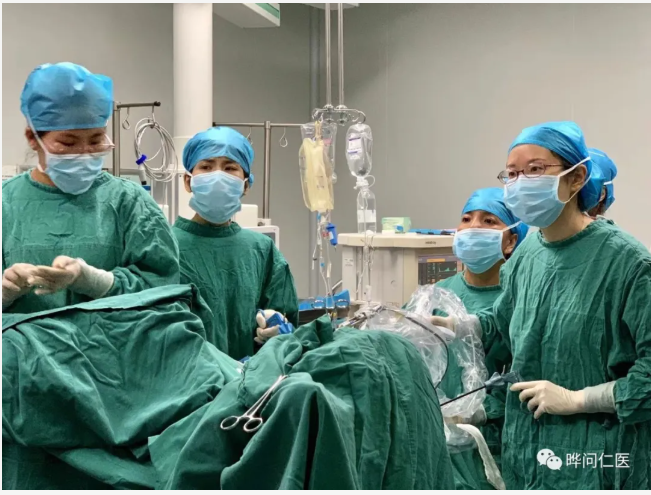

ShanghaiDoctor.cn: Director Ding, what are the distinctive features of your surgical technique?
Ding Ding: Clear anatomy, clean and neat. This is inherited from predecessors at the Red House such as Professor Liu Xishi and Chief Physician Jiang Hongyuan. Professor Liu always emphasized that anatomy is the key to surgery; a beautiful operation is a combination of technique and judgment. At the beginning one should not rush to cut, but reconstruct the original anatomical structure in the mind. Even in endometriosis surgery this is the most important step—freeing the ureters, intestines, and bladder as a whole, with clear layers, so as to avoid injury and reduce bleeding. Under good teachers I avoided many detours.
ShanghaiDoctor.cn: What makes a satisfactory surgery?
Ding Ding: Less bleeding, clear layered vision, no unnecessary movements, no organ damage, beautiful suturing, and thorough hemostasis—at that point I feel satisfied and can sleep well at night. Most operations now are minimally invasive. With 3D equipment the pelvic anatomy is very clear, and even small vessels can be seen. Technology has made surgery more precise. For that I am grateful for the rapid development of medical equipment.
ShanghaiDoctor.cn: How did you practice minimally invasive surgery in the beginning?
Ding Ding: I improved a little every day, practicing repeatedly at the hospital’s simulation base after work. The hospital’s volume gave me many opportunities. Thanks to Professor Liu’s guidance, doctors skilled in laparoscopic surgery have flourished here; the number of chief physicians with Level-4 endoscopic qualifications is the largest in Shanghai.
ShanghaiDoctor.cn: What is troubling you most at present?
Ding Ding: The original research project is nearing completion, so I hope to establish new topics and new projects. That may be the dilemma most academic physicians face.
ShanghaiDoctor.cn: Have you changed in personality over the years?
Ding Ding: I have never been someone who likes to show off. When my parents gave me this name, Ding—the tripod has three legs and stands stable—they hoped my life would be like that: family, work, and health, three aspects steady, without unnecessary waves. The undertone of my personality has not changed, but my ability to handle matters and work with people has improved greatly, thanks to Professor Liu. The annual endometriosis conference she chairs invites leading experts from China and abroad, and I independently took on the work of conference secretary. Speeches at international and domestic meetings have been received well. I am still introverted, but I have become more confident.
ShanghaiDoctor.cn: Apart from work, what do you most want to do?
Ding Ding: I hope to have time to accompany my mother more, and to spend more days with my husband and son. I had many hobbies when I was young. I loved singing; in college I served as deputy director of the student union’s arts department. My mother taught me piano and painting of bamboo and lotus. I still have a strong sensitivity to art. Art trains the ability to settle down and focus.
ShanghaiDoctor.cn: With clinical work, research, teaching, and presentations, as a mother do you still have time for your child?
Ding Ding: My child is still young. Work is often so busy that I cannot study together with him every day. I do not like to fill weekends with extra classes. I hope he can take me as an example and grow up to be hardworking, self-disciplined, someone who loves life and is useful to others.
From a Shanghai childhood shaped by a determined mother, through the fear of the anatomy room, the long apprenticeship under Liu Xishi, the slow conversion of volume into surgical confidence, and research aimed at fibrosis and progesterone resistance, Ding Ding has kept a single sentence close: because one understands, one is kind. Understanding, in her practice, means seeing the woman who is afraid of losing her uterus, the adolescent whose pain was dismissed as ordinary cramps, and the patient who calls at night because the pain has returned. Skill is what allows that understanding to become care.
Editor: Chen Qing
If you need any help from Dr. Ding, be free to email us at Chenqing@ShangahiDoctor.cn.
Dr.Sun Jing | Fertility-Sparing Surgery, and a Future Already Here
Dr. Li Qingyun | Sleep Apnea, and Illness Removed Without a Sound
Dr. Zhu Zhiling | Gynecologic Surgery, and a Line She Would Not Cross
Dr. Yuan Gongjie | Children's Smiles, and the Orthodontist Who Still Tells Stories
Dr. Wang Chaoyang | Vitrectomy, and Flowers Once Hidden in the Eye
Dr. Zhao Jinhua | Nuclear Medicine, and the Flowers Along the Road
Dr. Shi Yuling | Psoriasis, and Spring Mountains Beyond the Plain
Dr.Ying Chunmei | Laboratory Medicine, Renewed a Little Every Day
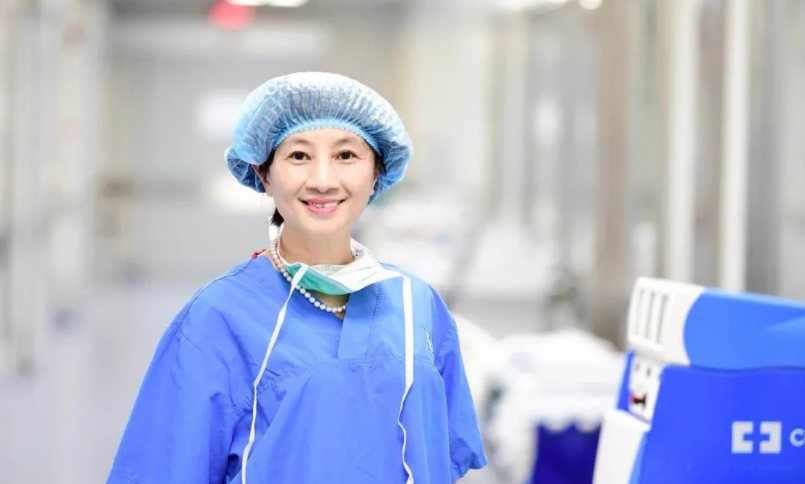
Dr.Sun Jing | Fertility-Sparing Surgery, and a Future Already Here
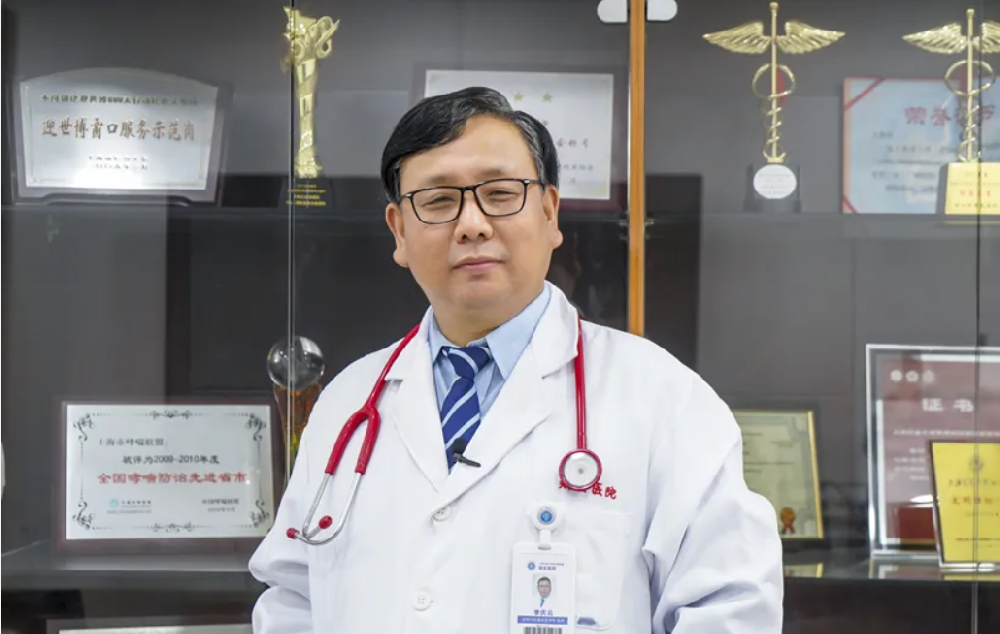
Dr. Li Qingyun | Sleep Apnea, and Illness Removed Without a Sound
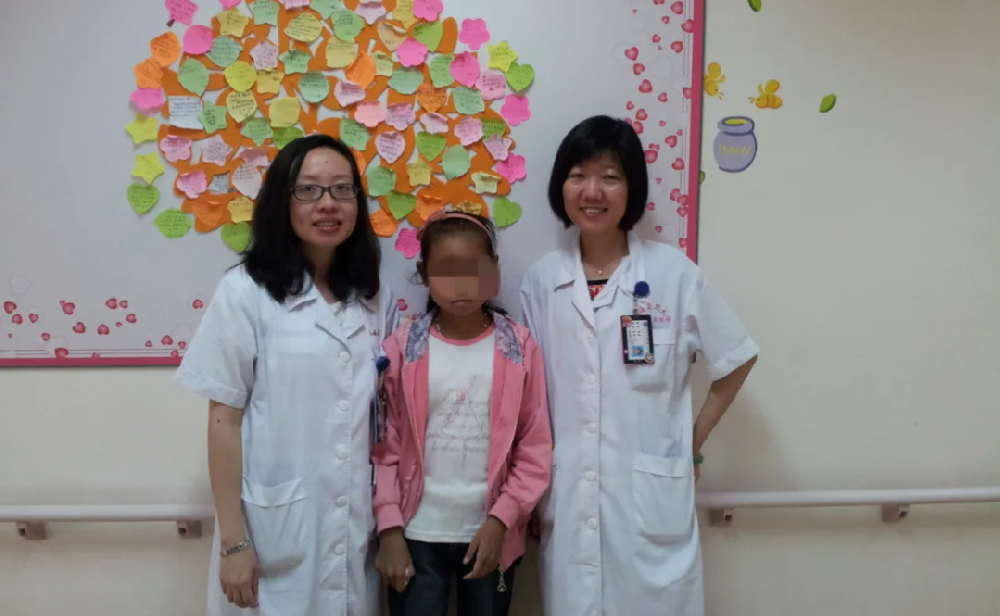
Dr. Shen Qian | Children’s Kidneys, Lucid and Gentle
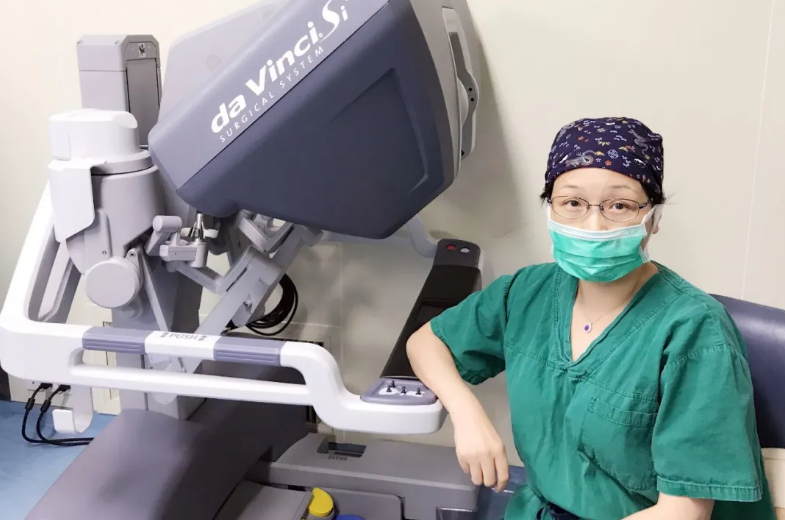
Dr. Zhu Zhiling | Gynecologic Surgery, and a Line She Would Not Cross
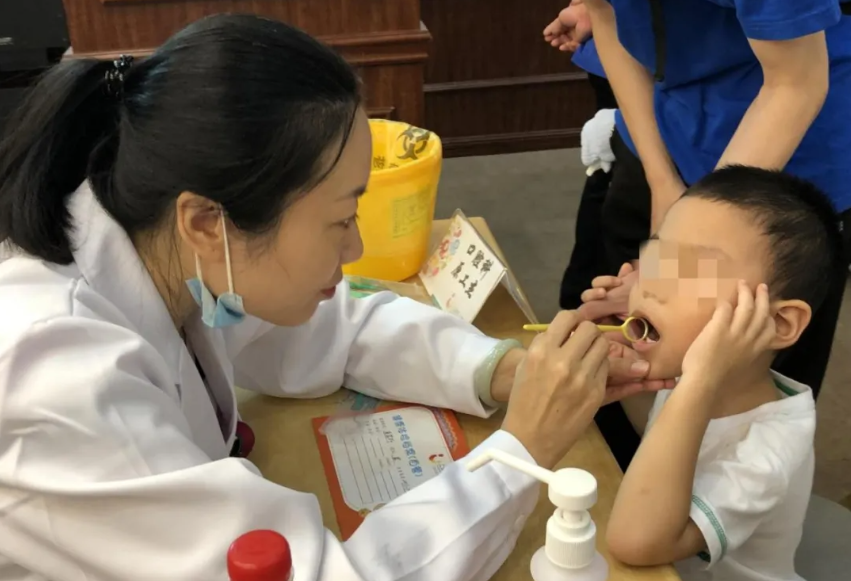
Dr. Yuan Gongjie | Children's Smiles, and the Orthodontist Who Still Tells Stories
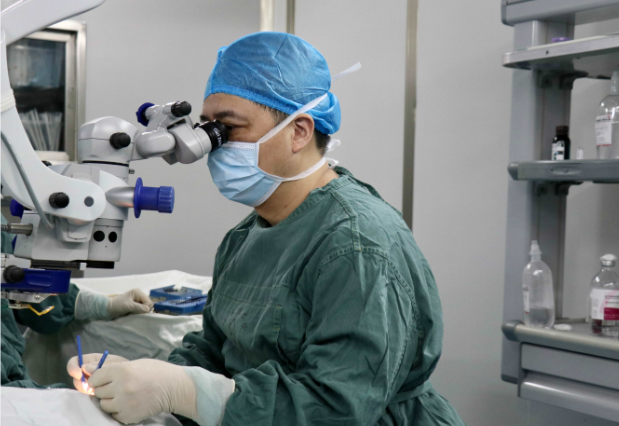
Dr. Wang Chaoyang | Vitrectomy, and Flowers Once Hidden in the Eye
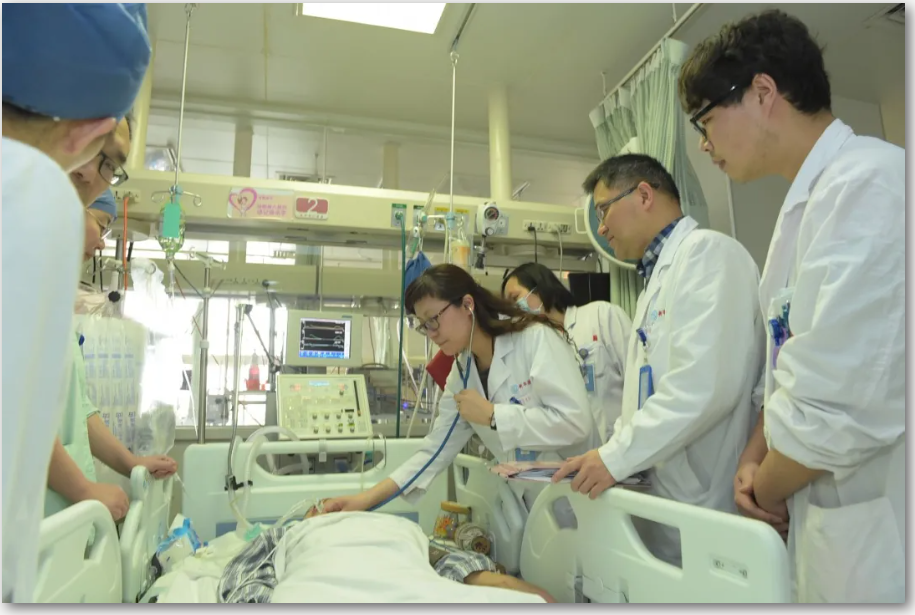
Dr. Fei Aihua | Emergency Medicine, and Striving to Win
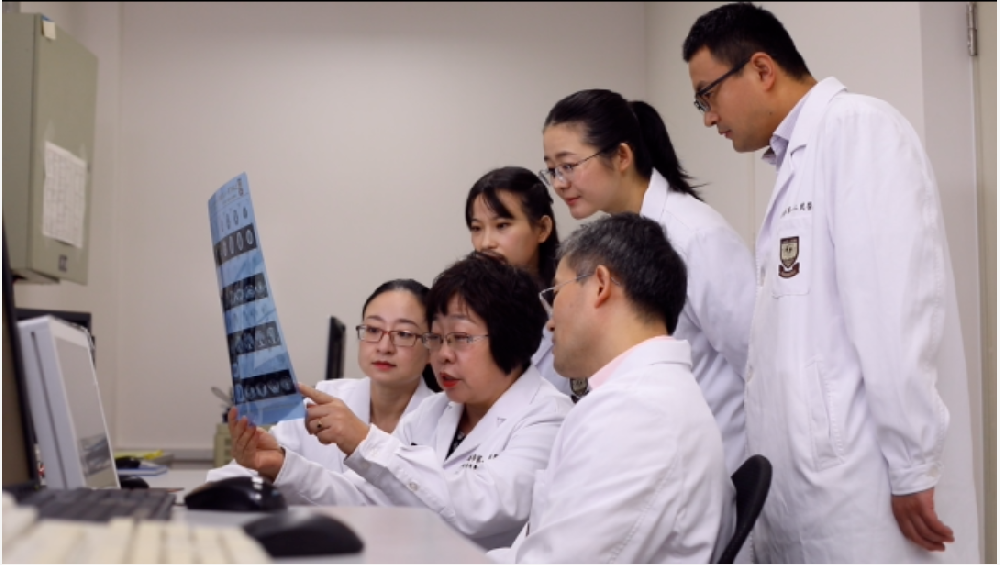
Dr. Zhao Jinhua | Nuclear Medicine, and the Flowers Along the Road
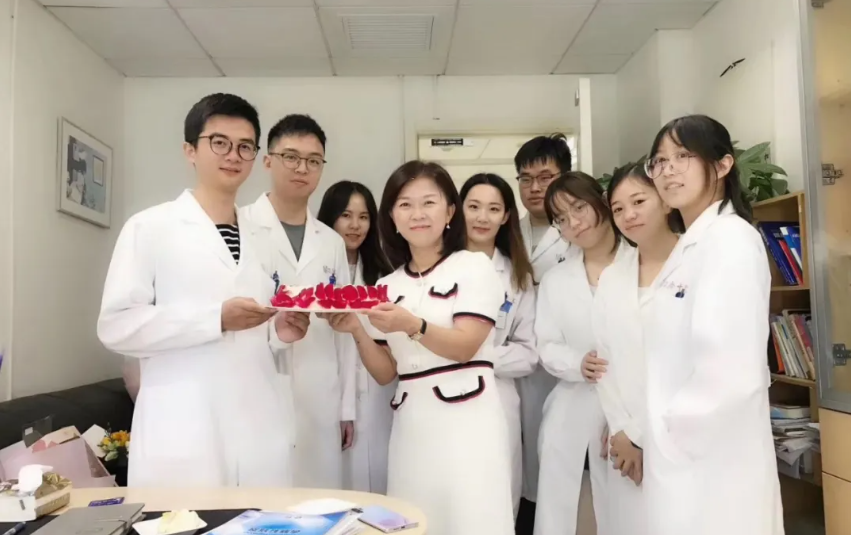
Dr. Shi Yuling | Psoriasis, and Spring Mountains Beyond the Plain
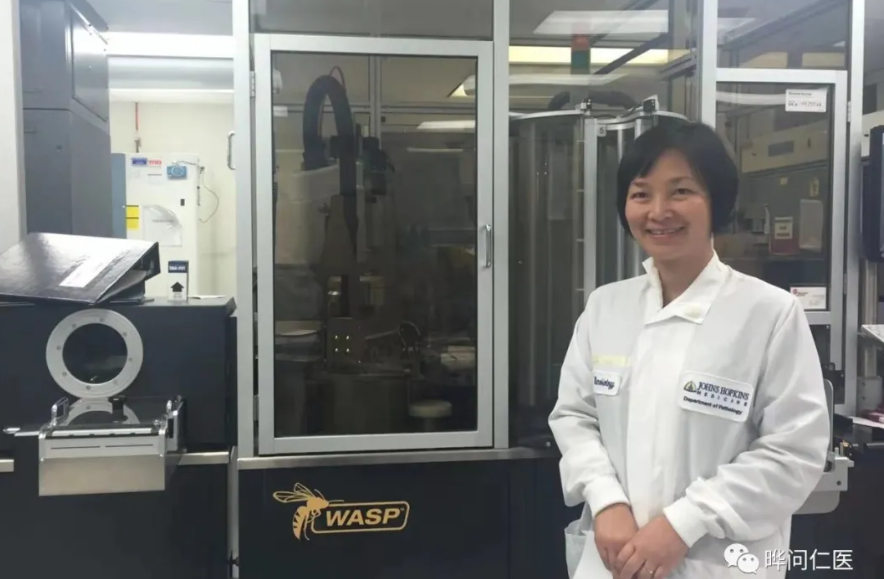
Dr.Ying Chunmei | Laboratory Medicine, Renewed a Little Every Day
Copyright © 2023 Yewen Renyi & ShanghaiDoctor.cn (This website is a non - profit medical humanities platform. The information contained herein is solely for biographical and historical purposes and does not constitute any medical advice.) 沪ICP备2023005392号-2 XML 沪公网安备31010902100835号
 中文
中文 English
 Español
 沪公网安备31010902100835号