ShanghaiDoctor - Where China's Healing Wisdom Shapes Modern Medicine

Update time:2026-08-28Visits:3953
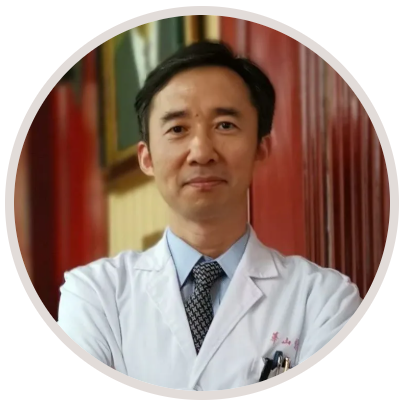
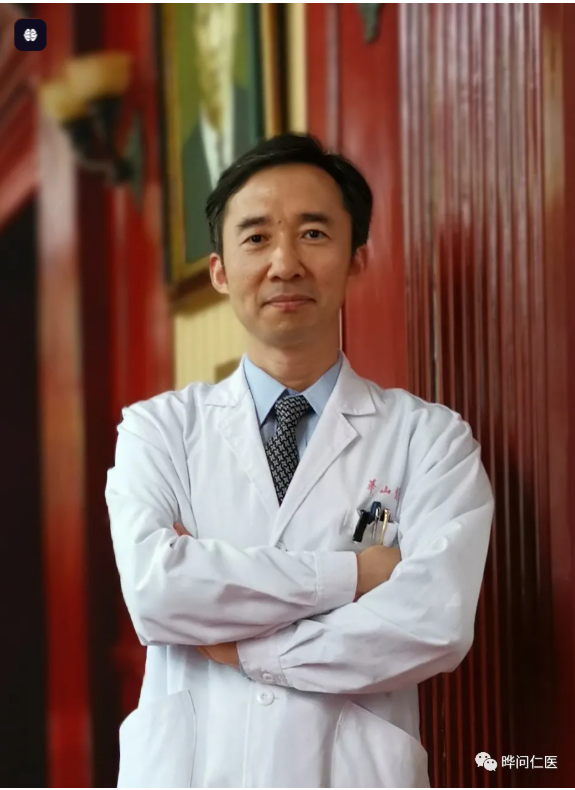
Chief Physician, Professor, and Doctoral Supervisor Department of Dermatology, Huashan Hospital, Fudan University Deputy Director, Shanghai Institute of Dermatology Standing Committee Member, Allergy Branch of the Chinese Medical Association
“Research is like hunting—adventurous, but never guaranteed. Clinical work is like growing grain: careful effort will yield a harvest. I hope to raise questions from the clinic, find the patterns in the laboratory, and return with answers patients can use.”
— Li Wei
Li Wei is Chief Physician, Professor, and Doctoral Supervisor in the Department of Dermatology at Huashan Hospital of Fudan University, and Deputy Director of the Shanghai Institute of Dermatology. He serves as a standing committee member of the Allergy Branch of the Chinese Medical Association, chairs its Skin Allergy Group, and is vice-chair of the allergy subcommittee of the Dermatology Branch of the Chinese Medical Doctor Association.
His clinical work covers allergic and inflammatory skin disease: atopic dermatitis, eczema, urticaria, psoriasis, and facial dermatoses including seborrheic, cosmetic-related, and photosensitive dermatitis. He is experienced in interpreting allergen tests and in desensitization. Patients who reach Huashan have often already seen several other hospitals; his aim, he says, is to give them a clear diagnosis, a direction, and a measure of hope.
He leads Huashan’s atopic-dermatitis specialty team and has built large Chinese patient cohorts for clinical phenotyping, biomarker endotyping, and real-world studies of targeted therapies such as dupilumab and JAK1 inhibitors. His laboratory work has examined the skin microbiome, a sebum–microbial metabolite–IL-33 axis that may initiate inflammation, and the role of keratinocyte opsin 3 in light-aggravated disease. Papers from the group have appeared in journals including the Journal of Experimental Medicine, the Journal of Allergy and Clinical Immunology, the British Journal of Dermatology, and the Journal of Investigative Dermatology.
He received the Outstanding Young and Middle-Aged Physician Award of the Chinese Medical Doctor Association’s Dermatology Branch in 2013 and the Annual Academic Award of the Chinese Medical Association’s Dermatology Branch in 2013 and 2017.
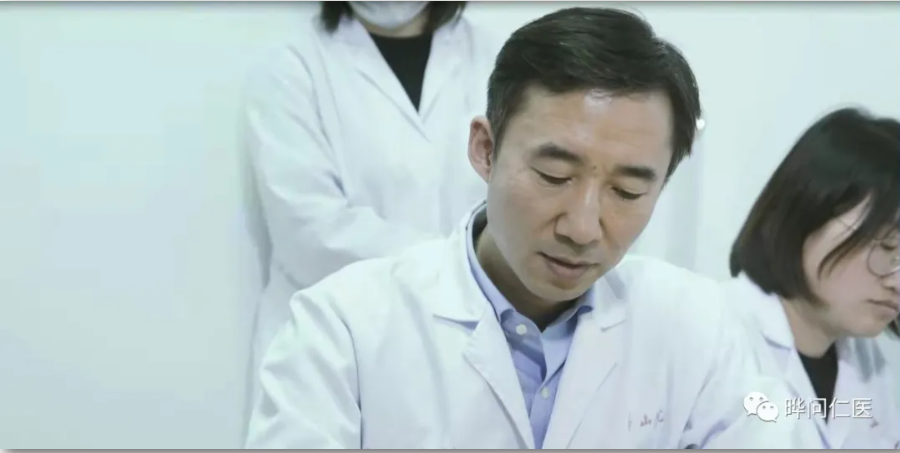
Li Wei grew up in Dandong, in northeastern China. His father, an agricultural-university graduate assigned to rural work, left him free to wander fields and woods—watching willows leaf out, collecting grasshoppers as specimens, building model planes and ships. He had few playmates and did not mind. That solitary curiosity later proved useful in a laboratory.
He entered the clinical-medicine program at the Fourth Military Medical University and trained as a military physician. After undergraduate study he joined Xijing Hospital, the university’s first affiliated hospital. His master’s supervisor, Professor Liu Yufeng, a respected figure in Chinese dermatology known for work on natural anti-keratin antibodies, taught research, teaching, and professional conduct by example. His doctoral co-supervisor, Professor Han Hua, had spent nearly a decade in the laboratory of Tasuku Honjo, later a Nobel laureate in physiology or medicine, and brought an international immunology perspective. Under both mentors Li built a solid foundation in immune mechanisms and a lasting taste for experimental work.
He wore a military uniform for twenty-five years. The hospital culture gave him discipline and a readiness to take difficult assignments. As a military doctor he also provided care at remote posts and on medical-service missions. He describes the dual identity simply: in ordinary times he is a physician; in an emergency he is expected to go where he is needed.
After several years at Xijing he found his immunology research drifting away from the clinic. When he went to UCLA in 2007 he therefore chose a laboratory attached to clinical allergy services. Food allergy was a major focus there; the clinically oriented style of the work helped him locate the intersection he wanted. He returned to China in 2010 and made atopic dermatitis his principal subject—first at Xijing, then, from 2016, at Huashan.
The disease cannot yet be cured. It mainly affects children and older adults; children account for roughly two-thirds of cases. Intense itch, sleep loss, lichenified flexures, and social withdrawal are familiar to anyone who treats it. Many children avoid outdoor play because heat and sunlight flare the skin; many older patients describe nights spent scratching. Li’s clinic strategy is to hit hard in an acute flare—stronger topical steroids, and when needed a short course of systemic agents—then taper once control is gained. Newer biologics and JAK inhibitors have changed the outlook for moderate-to-severe disease, but he still regards them as products of earlier research. The questions that drive him are more basic: why the disease starts, why it relapses, and what a future treatment might look like.
He divides his week into three roughly equal parts: clinic, laboratory, and teaching. Five half-day outpatient sessions are fixed. The mind, he says, is like a spinning top; it turns while he walks, eats, or brushes his teeth. The most relaxing hours are often those spent with patients. Communication, for him, is not an interruption of research. It is where the questions come from.
In 2016 he left Xijing and joined Huashan’s dermatology department. The move from northwestern China to Shanghai meant a new patient mix, in-house topical preparations, an electronic record system, and even a new dialect. He felt, briefly, like a junior doctor again. The volume soon became an advantage. Huashan’s outpatient clinic is one of the busiest dermatology services in the country; patterns that would take years to see elsewhere appear in months.
In his first Shanghai winter he noticed how many elderly patients presented with eczema that, on closer look, was late-onset atopic dermatitis. He summarized the clinical features, added serum markers, and published one of the earlier international papers on elderly atopic dermatitis in a Chinese population. He later described facial dermatitis linked to prolonged mobile-phone use in winter—photopatch tests positive, ordinary patch tests often negative—in housewives, shop clerks, and university students who spent five or six hours a day on a screen.
He is careful not to stop at a convenient label. Eyelid or nape dermatitis once called “neurodermatitis,” and some facial seborrheic pictures, may still be atopic disease with a photosensitive or allergic trigger. A clear diagnosis matters because long-term management is similar across typical cases; what differs is which triggers to avoid. Allergic disease can follow an “atopic march” from skin to airway and gut. Early recognition, he argues, can change that trajectory.
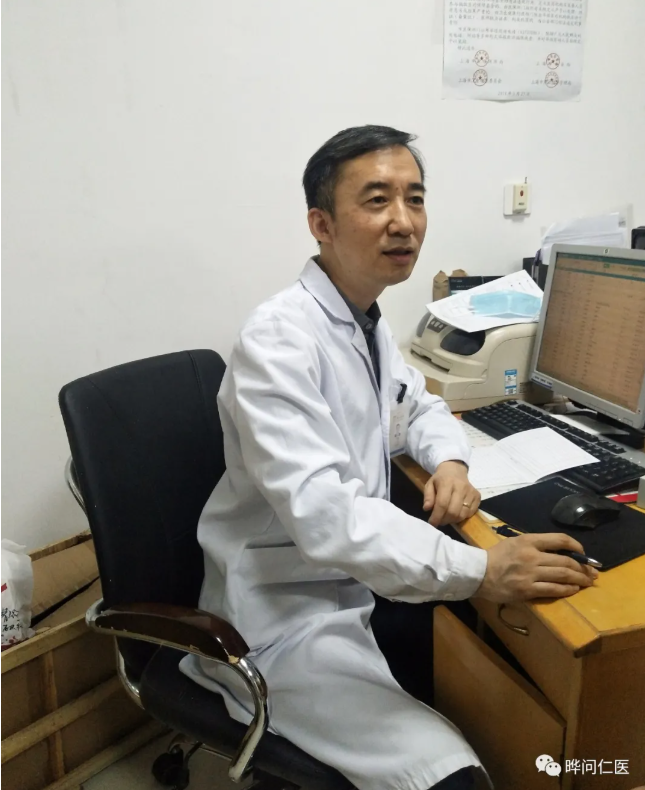
He is frank about the loneliness of laboratory life: experiments that start at five in the morning, projects that yield nothing after three years. At UCLA he spent three years on antibody variable-region diversity without a paper. What kept him going was interest. He now tells younger colleagues to change the frame: imperfect data are not the same as failure; they are simply unfinished.
A major municipal grant in 2020 for work on the skin microbiota in atopic dermatitis felt like recognition after years of writing applications. The broader program has since included real-world studies of dupilumab and abrocitinib in Chinese patients, serum-biomarker endotypes that may predict who responds to targeted therapy, and mechanistic papers on how sebum-derived microbial metabolites and visible light interact with keratinocytes. He still thinks the field has revealed only the tip of the iceberg. Altering gut and skin ecology with probiotics is, in his view, among the strategies closest to changing the allergic constitution itself—though that goal remains distant.
The value of research, as he states it, is scale. One clinician can see only so many people; a new drug, a new method, or a clearer theory might help far more. He may not solve the central problem in his lifetime. He wants the chance to try.
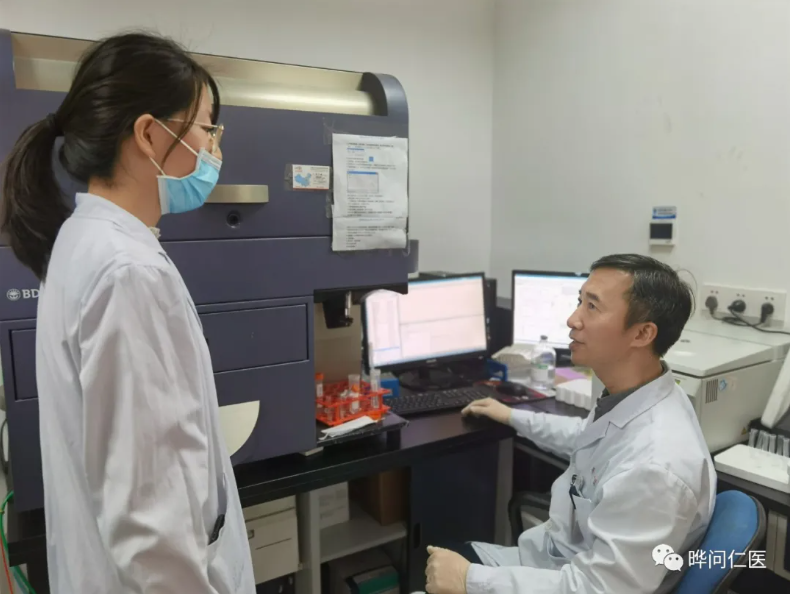

Li Wei: It goes back to my sophomore year, when I started doing cell culture with faculty from the microbiology office, working on culture conditions. That was my first real exposure to research—I learned the basics of experimental design. Over the decades since, I have never stopped doing research alongside clinical work. I have devoted a tremendous amount of time to it.
ShanghaiDoctor.cn: What draws you to research? Where does the joy lie?
Li Wei: Research is about solving a problem and revealing a phenomenon—sometimes one that attracts wide attention, sometimes one that people have not yet recognized. The latter is precisely what excites us; that is the heart of science. Interest is crucial; the life sciences are full of fascinating questions. Take mutations in the variable regions of antibodies. Most people focus on genetic stability, but antibodies need extraordinary diversity to recognize a vast array of antigens. How can they achieve that diversity while still preserving genome stability? That is a profoundly interesting question, and it was the line I pursued abroad. I spent three years on it in the United States without publishing a single paper. What kept me going was deep interest.
ShanghaiDoctor.cn: How did you come to focus specifically on allergy?
Li Wei: I have always wanted to be a good clinician. When I went abroad in 2007 I made allergy my primary focus. My background is immunology, and within dermatology the most relevant area of immunology is allergy. In retrospect it was the right choice—the field is receiving increasing attention, and the understanding of atopic dermatitis has changed dramatically, with new drugs appearing continuously. That was something I could not have imagined in 2007. After I returned I spent another six years at Xijing confirming the direction: academic exchanges, conference talks, and grant applications all focused on allergy.
ShanghaiDoctor.cn: In 2016 you came to Huashan Dermatology. What were the challenges?
Li Wei: Moving from the northwest to the Yangtze Delta was a huge challenge. The pressure came mainly from clinical work. I was not particularly known for my clinical skills then, but when I devoted myself to it I found my adaptability was strong. Perhaps that was the military background: I am willing to take on a hard assignment. In retrospect the training at Xijing was sufficient. They placed great emphasis on dermatopathology, and a dermatologist must understand pathology—that is a fundamental skill of the specialty. Patients are also my teachers. Nearly ten thousand patients each year have taught me a great deal. Huashan is a very good platform.
ShanghaiDoctor.cn: What are the characteristics of your clinical approach?
Li Wei: I am quite meticulous. With allergy patients you have to find the cause from subtle clues—traces others have not noticed. Allergy treatment is not complicated once the cause is found; insight is essential. That may be a habit from long-term research. A few years ago I noticed facial dermatitis related to mobile phones. It was winter. Photopatch tests were often positive while ordinary patch tests were negative. The patients used their phones five or six hours a day—housewives, counter staff, senior university students. Once the trigger is found, targeted advice becomes possible. I published a summary of that pattern.
ShanghaiDoctor.cn: You can feel the suffering of patients with atopic dermatitis, right?
Li Wei: Yes. Elderly patients often tell me they cannot sleep, that they scratch all night. Many children are withdrawn; I can see the inferiority and helplessness. With those children I make a point of being especially patient—I am the one who talks a little longer, reminding them about sun and other triggers, writing notes for school if they need them. Atopic dermatitis cannot be cured at present. We can only help patients control it and ease symptoms. People who come to Huashan have typically already been to many other hospitals. Some have received ambiguous diagnoses; others are dissatisfied with results. My job is to give them a clear answer, a direction, and a sense of hope.
ShanghaiDoctor.cn: You are said to diagnose atopic dermatitis at a glance. What does that mean for patients?
Li Wei: Take dermatitis on the eyelids or the back of the neck. It used to be labeled only as neurodermatitis. Most of those cases are still atopic dermatitis with an allergic or photosensitive origin—sunlight or phone light. Patients scratch or rub, and that itself belongs to the same picture. Some facial seborrheic dermatitis, examined carefully, is also linked to an atopic constitution. With a clear diagnosis the most important task is long-term management. Symptomatic treatment is similar across cases; the difference lies in avoiding triggers. Allergic disease can follow an atopic march from dermatitis into other allergic conditions. If patients understand that pattern early, the course may not progress. That is hugely significant.
ShanghaiDoctor.cn: So far, how many of the disease’s causes do you think you have uncovered?
Li Wei: Not even the tip of the iceberg—the field is immensely complex. One of my main directions now is the skin microbiota. I received a grant for that work in 2015 and have published several papers. I am also looking at oral probiotics, hoping to modify the allergic constitution by changing gut ecology. That may be among the strategies currently closest to the goal of “curing” atopic dermatitis.
ShanghaiDoctor.cn: Over the years your main battlefield has been clinical practice. Where does that sense of joy come from?
Li Wei: Like a farmer tending crops, there is something to be glad about every day. Most patients respond well. When they come back and we see the change, that is a real sense of achievement. I once received a handmade card from a patient whose symptoms had been resistant for a long time. After I prescribed dupilumab the disease came under control. The patient was overjoyed. We have since become friends.
ShanghaiDoctor.cn: What are your expectations for yourself?
Li Wei: I still want to do clinically oriented research that can benefit more people. I treat patients well and mentor students well, and I pursue research I am genuinely interested in. It has to be useful and it has to solve real problems. At my age time waits for no one—any investment of people, materials, or money must address clinical questions. Otherwise it is not worth doing.
ShanghaiDoctor.cn: If you were asked to give a lecture to medical students, what kind of class would you want to teach?
Li Wei: I would like to talk about how a doctor can develop an interest in research, and what research can bring to a clinician.
ShanghaiDoctor.cn: I know you like literature. Do you still read now?
Li Wei: I rarely read print books these days. What I read most is a current-affairs and ideas account I browse every day. I do consider myself a lover of literature. In junior high a teacher gave me the taste; in college The Ordinary World had a strong impact, and I read many Shaanxi writers. I even tried biographical writing. Later my style shifted entirely to academic papers and grant applications. Even those, though, carry a trace of narrative: raise a question, draw the reader in, then expand from what others have not yet seen. It is more like telling a scientific story.
ShanghaiDoctor.cn: Looking back now, what do you think makes a good doctor?
Li Wei: First, sufficient knowledge—clinical knowledge and skills are the foundation. Second, you must keep the patient’s interests at heart. Third, through research you should find clues and ultimately solve clinical problems in a more complete way.
From a solitary childhood in Dandong, through military medical school, two demanding mentors, three unpublished years in a Los Angeles laboratory, and a second beginning in one of China’s busiest dermatology clinics, Li Wei has kept two sentences in balance. Research asks for loneliness and a tolerance for imperfect results. The clinic asks for a diagnosis, a plan, and something a patient can hold onto at night when the itching returns. He has not promised a cure. He has promised to keep asking the questions that might one day make a cure less distant.
Dr.Sun Jing | Fertility-Sparing Surgery, and a Future Already Here
Dr. Li Qingyun | Sleep Apnea, and Illness Removed Without a Sound
Dr. Zhu Zhiling | Gynecologic Surgery, and a Line She Would Not Cross
Dr. Yuan Gongjie | Children's Smiles, and the Orthodontist Who Still Tells Stories
Dr. Wang Chaoyang | Vitrectomy, and Flowers Once Hidden in the Eye
Dr. Zhao Jinhua | Nuclear Medicine, and the Flowers Along the Road
Dr. Shi Yuling | Psoriasis, and Spring Mountains Beyond the Plain
Dr.Ying Chunmei | Laboratory Medicine, Renewed a Little Every Day

Dr.Sun Jing | Fertility-Sparing Surgery, and a Future Already Here
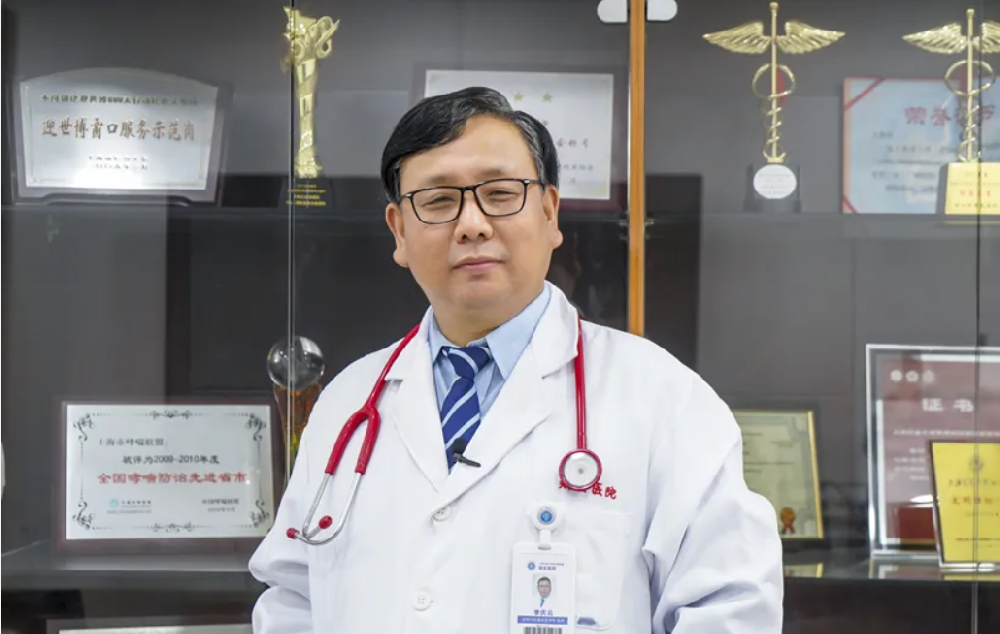
Dr. Li Qingyun | Sleep Apnea, and Illness Removed Without a Sound
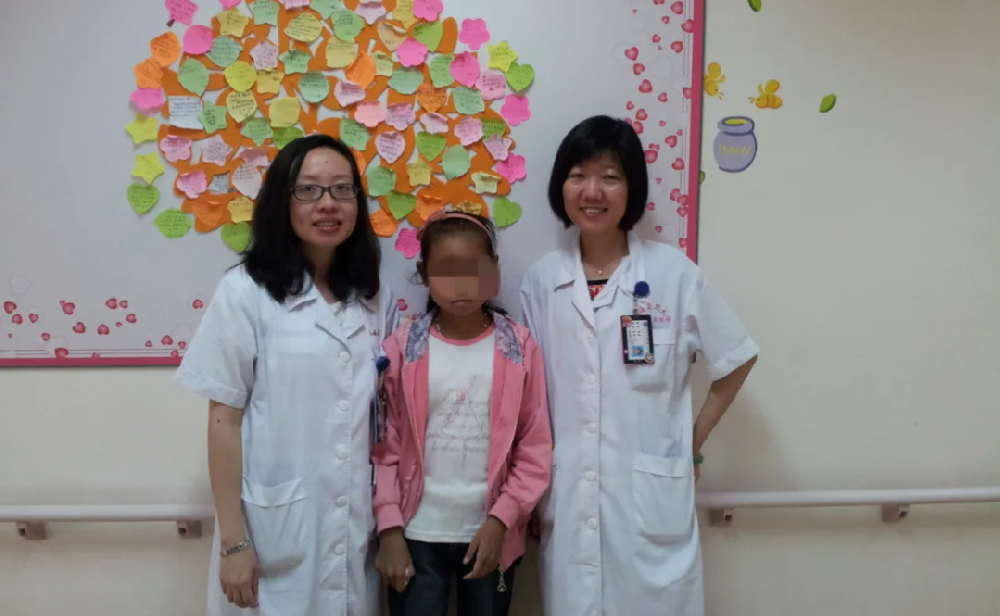
Dr. Shen Qian | Children’s Kidneys, Lucid and Gentle
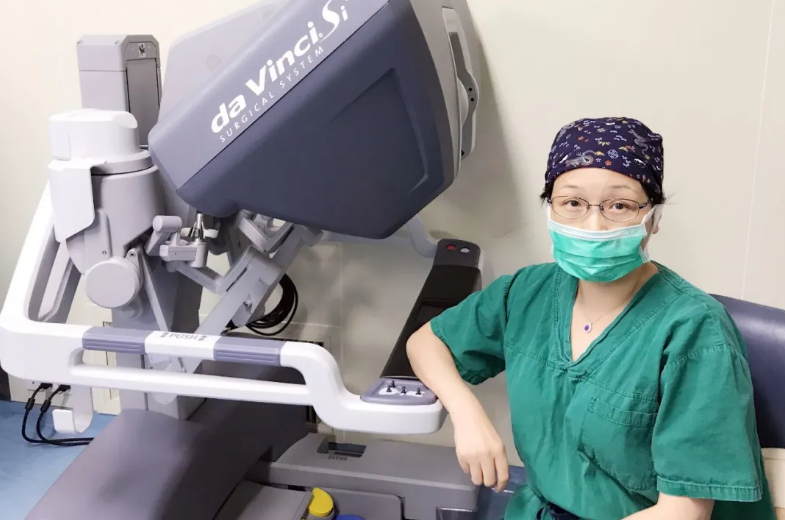
Dr. Zhu Zhiling | Gynecologic Surgery, and a Line She Would Not Cross
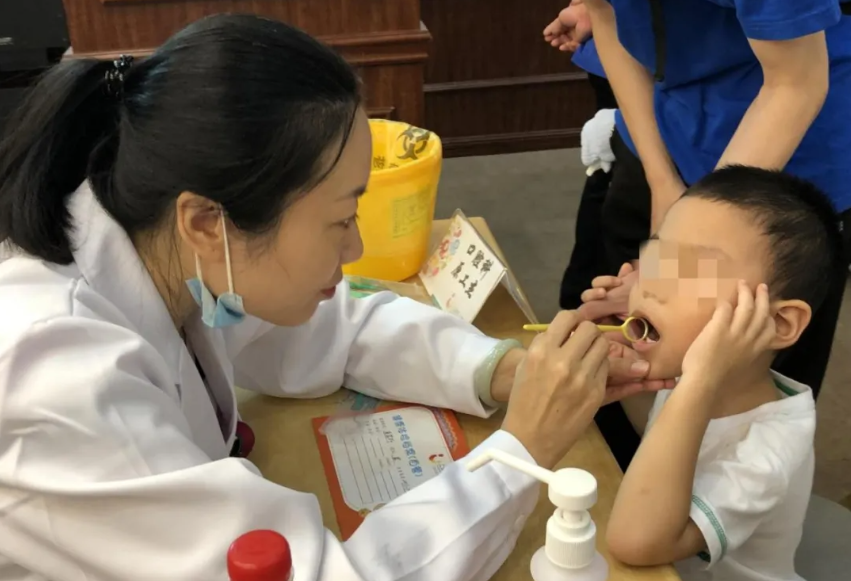
Dr. Yuan Gongjie | Children's Smiles, and the Orthodontist Who Still Tells Stories
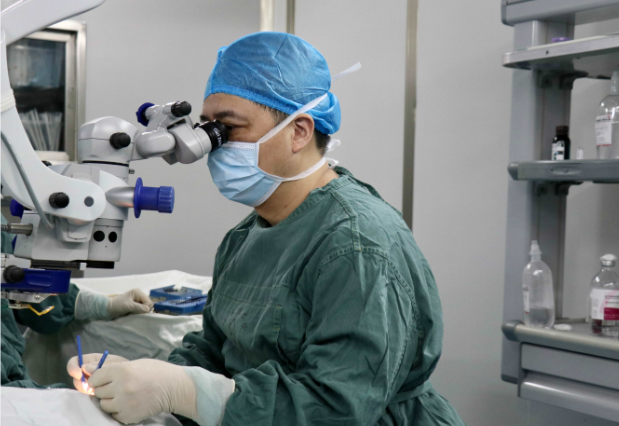
Dr. Wang Chaoyang | Vitrectomy, and Flowers Once Hidden in the Eye
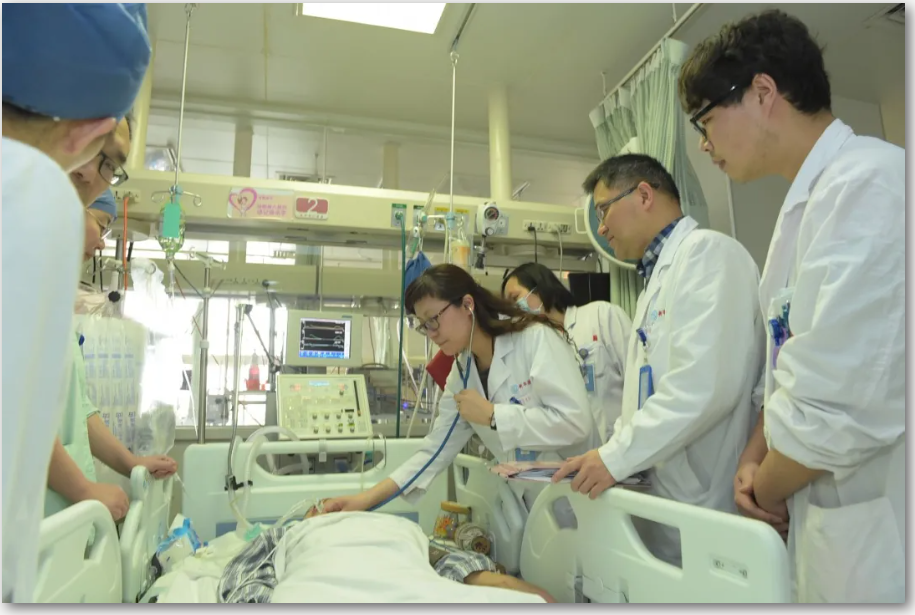
Dr. Fei Aihua | Emergency Medicine, and Striving to Win
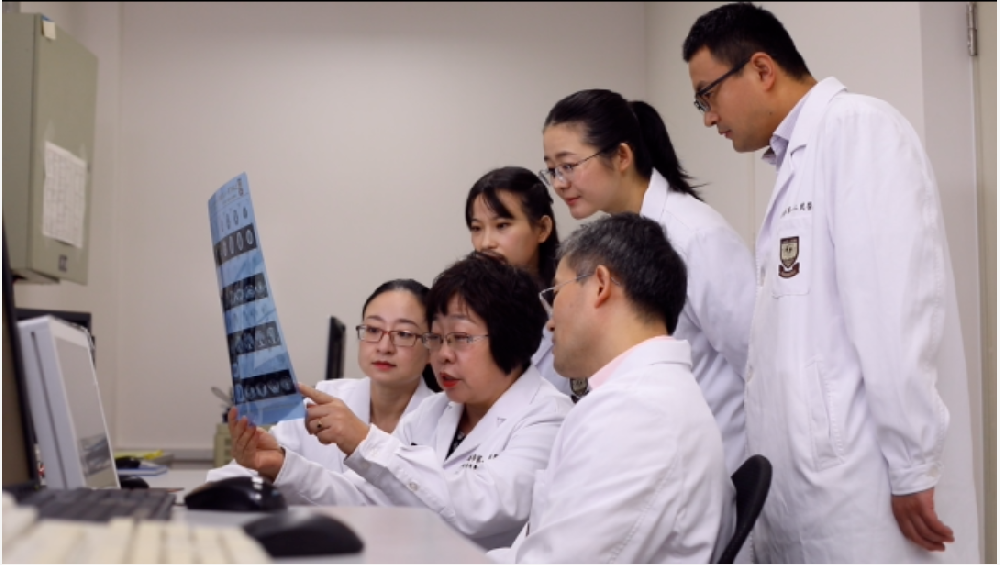
Dr. Zhao Jinhua | Nuclear Medicine, and the Flowers Along the Road
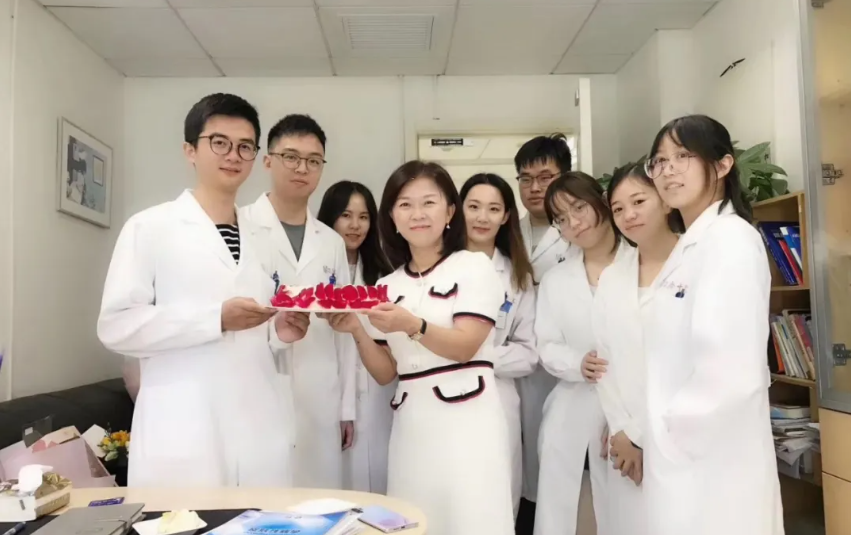
Dr. Shi Yuling | Psoriasis, and Spring Mountains Beyond the Plain
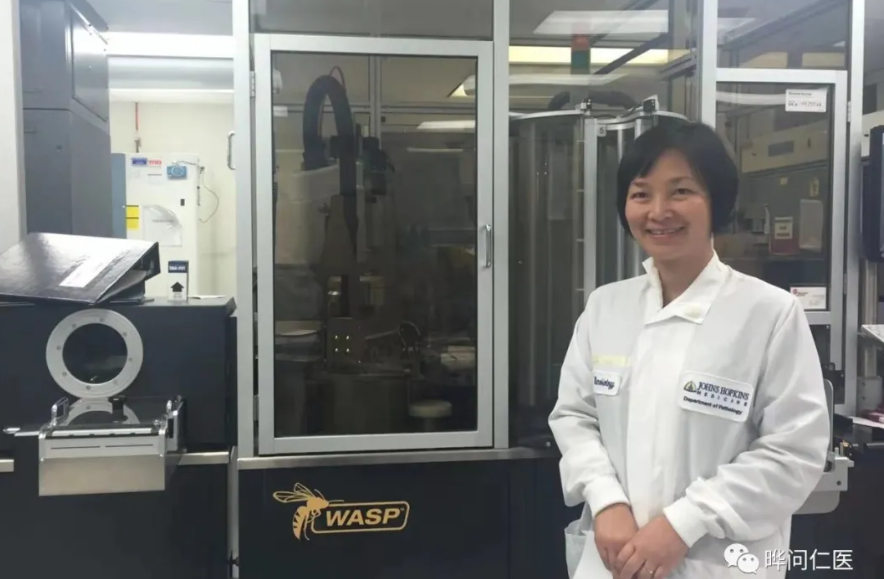
Dr.Ying Chunmei | Laboratory Medicine, Renewed a Little Every Day
Copyright © 2023 Yewen Renyi & ShanghaiDoctor.cn (This website is a non - profit medical humanities platform. The information contained herein is solely for biographical and historical purposes and does not constitute any medical advice.) 沪ICP备2023005392号-2 XML 沪公网安备31010902100835号
 中文
中文 English
 Español
 沪公网安备31010902100835号