ShanghaiDoctor - Where China's Healing Wisdom Shapes Modern Medicine

Update time:2026-08-21Visits:3772
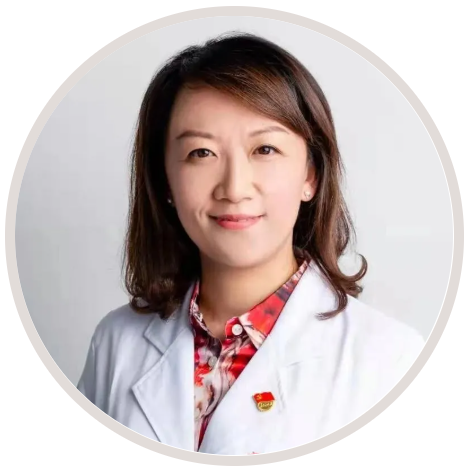
Chief Physician, Doctor of Medicine, and Master's Supervisor Department of Hematology and Oncology, Shanghai Children's Hospital Deputy Leader, Hematology Group, Pediatric Branch of the Shanghai Medical Association Member, Oncology Group of the Pediatric Branch, Chinese Medical Association Member, Pediatric Tumor Professional Committee, Chinese Anti-Cancer Association
“Saving a child is saving a family. When we do everything possible for the child, the whole family can remain stable and face the future with greater courage.”
— Shao Jingbo
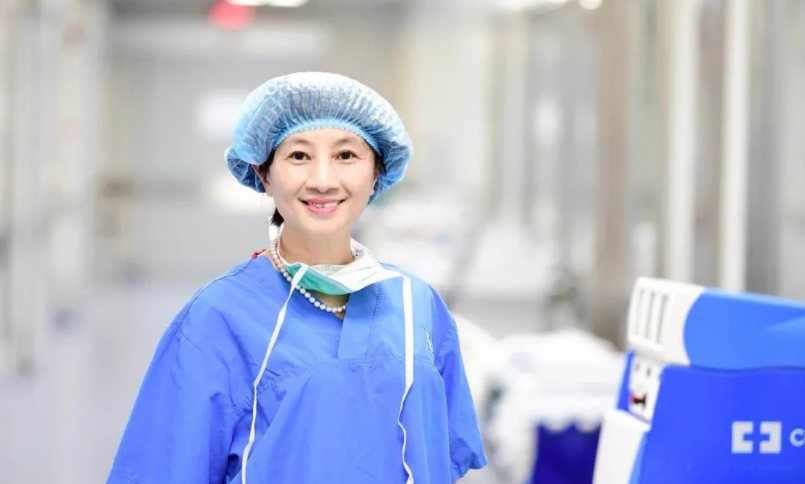
Shao Jingbo is Chief Physician, Doctor of Medicine, and Master’s Supervisor in the Department of Hematology and Oncology at Shanghai Children’s Hospital. She serves as Deputy Leader of the Hematology Group of the Pediatric Branch of the Shanghai Medical Association and holds memberships in the Oncology Group of the Pediatric Branch of the Chinese Medical Association, the Pediatric Tumor Professional Committee of the Chinese Anti-Cancer Association, and related national bodies focused on children’s hematologic diseases and tumors.
Her clinical work covers the full spectrum of pediatric blood and cancer disorders—childhood anemias of various causes, immune thrombocytopenia, aplastic anemia, acute leukemias, and solid tumors. A central focus of her practice is the diagnosis and treatment of rare genetic blood diseases and the application of hematopoietic stem cell transplantation, including haploidentical (half-matched) transplantation from a parent. Under her team’s care the department performs more than forty transplants annually, with a transplant success rate of approximately 95 percent and long-term survival around 83 percent.
She is known among colleagues and families for calm meticulousness, emotional steadiness in the face of life-threatening illness, and a sustained commitment to lifelong learning in a rapidly evolving field.
After graduating from the Department of Pediatrics at Shanghai Second Medical University in 1999, Shao Jingbo joined Shanghai Children’s Hospital and rotated through several pediatric services. None felt quite like home until she reached the hematology ward. Unlike children in other departments, the patients here often remained hospitalized for long periods. In those years family members were not yet allowed to stay overnight, so the medical staff lived alongside the children day and night. “When you are with them constantly you develop a deep sense of responsibility and belonging. The moment I think of going to work I feel genuinely happy.”
Under the guidance of Chief Physicians Jiang Hui and Lu Zhenghua she found her professional direction. Director Jiang Hui was exacting, tireless, and brought extensive experience in childhood anemia, bleeding disorders, and hematologic malignancies; her work on the diagnosis and chemotherapy of pediatric acute leukemia achieved remission and long-term survival rates that ranked among the best internationally. Shao absorbed both clinical method and professional ethos from her mentor.
Early in her career two teenage patients died suddenly despite every effort at rescue. The closeness of the ward—doctors, nurses, and children sharing meals and daily life—made the losses especially painful. A nurse later described still hearing a child’s voice in the break room. For days Shao could not move past the grief. Director Jiang’s counsel became a turning point: a physician must possess the courage to set emotion aside, learn from every outcome, and continue forward. Without that capacity, one cannot become an excellent hematologist. Shao dried her tears and kept running. In more than twenty years since, she has never again doubted her path.
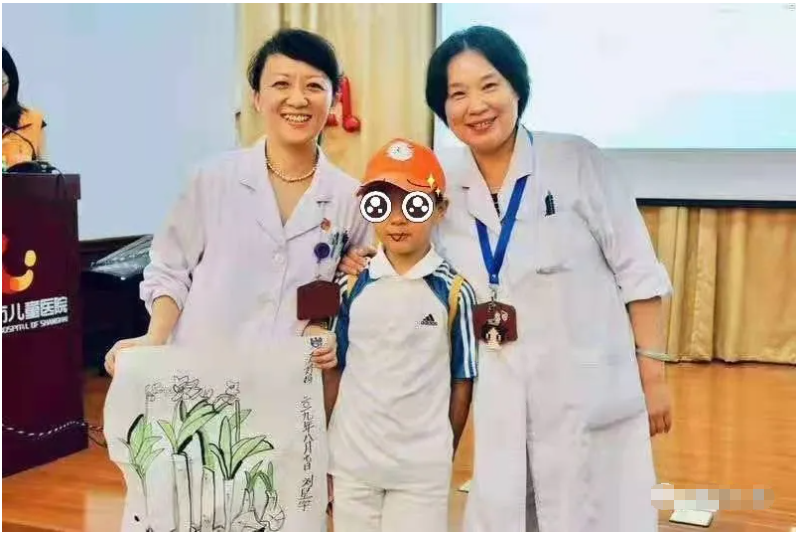
Director Jiang’s frequent remark—“Saving a child is saving a family”—has remained a guiding principle. When a child falls ill, entire families often relocate to Shanghai, renting apartments, finding temporary work, and enduring intense material and psychological pressure. Successful treatment keeps the family intact and strengthens its ability to face future risks. Shao sees the physician’s role as professional leadership: on the basis of the child’s condition the doctor evaluates available options, discusses benefits and risks with the family, and, at critical moments, shows the courage to recommend the plan whose advantages outweigh its harms.
She meets parental anxiety with steady guidance rather than detachment. Pediatric hematology, she notes, treats not only the disease but also the parents’ understanding, emotional state, and capacity to care for their child over the long term.
In 2016 the department opened dedicated laminar-flow transplant rooms—sealed environments that filter out 99.9 percent of bacteria and particles larger than three microns. Initially intended mainly for relapsed leukemia, the units quickly began receiving referrals from across the country and children with rare genetic diseases from other specialties. With refined genetic typing and maturing transplant technology, transplantation is no longer solely a salvage option; it has become a planned modality for high-risk patients whose chance of cure with chemotherapy alone is low.
At diagnosis the team stratifies children into conventional chemotherapy, transplantation, or close observation after initial response. Donor sources include cord blood (especially suitable for young children), unrelated bone-marrow registries, and matched siblings. Because fully matched related donors are scarce, the program has deliberately developed haploidentical transplantation—using a parent as donor under high-resolution matching. Half of current transplants are haploidentical. The approach provides a reliable backup when an unrelated donor becomes unavailable and gives families greater security.
Concrete results illustrate the impact: a three-year-old with monogenic inflammatory bowel disease (Crohn-like enteropathy) received cord-blood transplantation; the genetic defect was corrected and growth normalized. A boy with Wiskott–Aldrich syndrome (thrombocytopenia, eczema, immunodeficiency) underwent cord-blood transplant and achieved normal blood counts without recurrence. After an older brother was diagnosed with adrenoleukodystrophy, the younger brother—still asymptomatic but carrying the same mutation—received preemptive transplantation, preventing irreversible neurologic damage.
For many rare metabolic disorders, enzyme-replacement therapy can improve quality of life but does not correct the underlying genetic defect. Gene therapy remains early; transplantation offers a more established route to durable correction for selected diseases. Shao regards the overall task as still long and demanding, yet each successful case strengthens confidence for the next family.
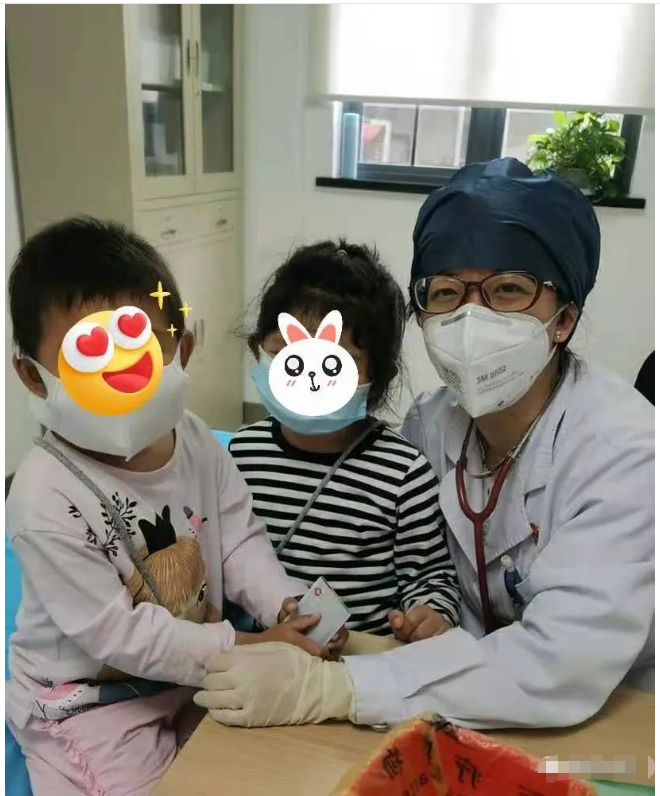
More than twenty years of practice have left Shao with a store of experiences—perilous, moving, and unforgettable—that continually refine her judgment. Her original intention remains unchanged: to treat every child she sees to the best of her ability and to hope each one remains safe, healthy, and happy. When severely ill or relapsed patients are transferred to intensive care, attending physicians continue to follow the course and communicate jointly with intensive-care colleagues. She invests substantial time in observation, reflection, and conversation, searching for the best available path.
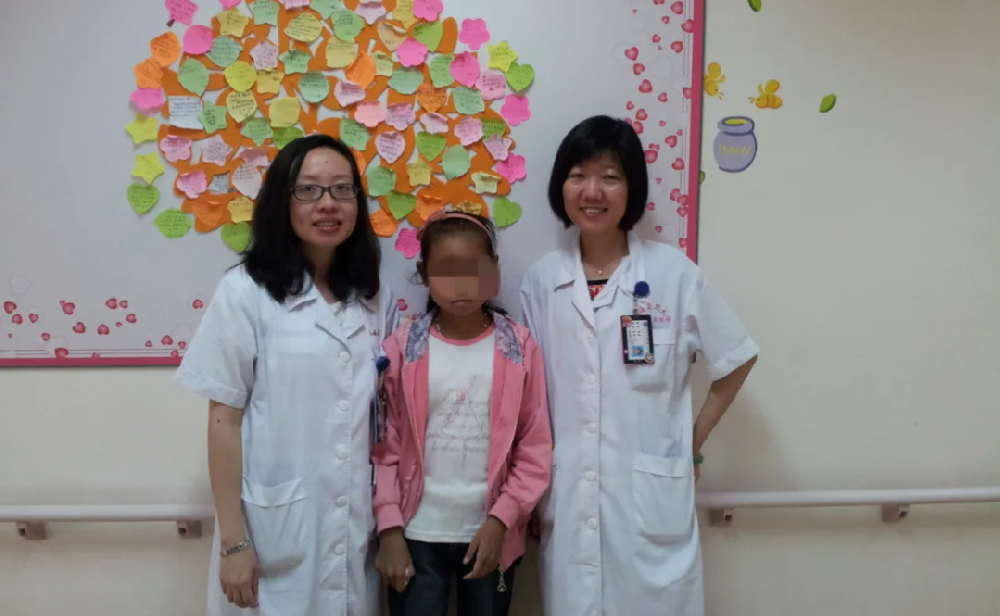
Cured children return during school holidays, filling the ward with laughter. One young man in stylish clothes followed her until she asked who he was. He replied shyly that he was the boy she had treated for leukemia at age twelve—now more than ten years in remission, married, and the father of a son and a daughter. He had come simply to see her. Moments like these, she says, constitute a physician’s deepest sense of achievement: the tangible touch of a life that continues.
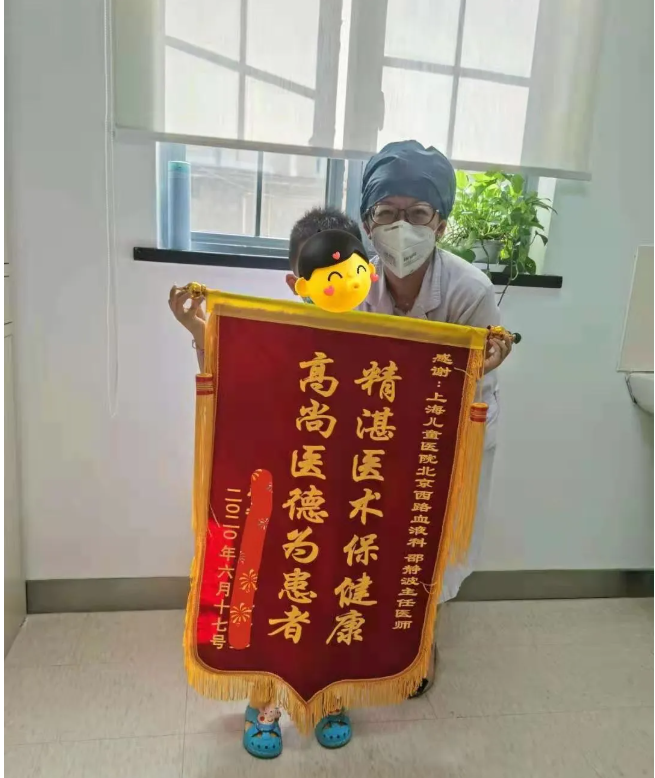

ShanghaiDoctor.cn: Over the past century, treatment of hematologic malignancies has evolved from conventional chemotherapy and radiotherapy to differentiation therapy, immunotherapy, targeted and gene therapy, and hematopoietic stem cell transplantation. How do you view the future?
Shao Jingbo: I believe there will be even greater progress. New technologies, including gene therapy, are opening doors and giving us new weapons and ideas. Although these approaches still have limitations and side effects and will take time to mature, they represent genuine new paths. Gene therapy, transplantation, and targeted therapy will see substantial development in the coming decades and will markedly improve outcomes for diseases that are currently difficult to cure.
ShanghaiDoctor.cn: Which diseases are considered rare in hematology, and how can they be detected early?
Shao Jingbo: Rare diseases have extremely low incidence. They existed before but were often undiagnosed. Greater awareness and better diagnostic tools now make them more visible. In China’s rare-disease catalogue, most blood-related conditions are disorders of the hematopoietic system. Wiskott–Aldrich syndrome, for example—eczema, thrombocytopenia, and immunodeficiency—does not respond to ordinary platelet treatment because it is genetic. About 85 percent of rare diseases have a hereditary basis. Conventional treatment can only improve symptoms; without addressing the genetic root, cure is difficult. Early clues include recurrent anemia in a young child, growth retardation, distinctive facial features or malformations, family history of early deaths or miscarriages, or failure to improve after two to three months of standard care. In such cases referral to a specialized center is essential.
ShanghaiDoctor.cn: Could you share some rare-disease cases you have encountered?
Shao Jingbo: One of our earliest transplants was for a three-year-old with monogenic inflammatory bowel disease—recurrent diarrhea and polypoid intestinal lesions caused by a gene mutation. Growth was that of a one-year-old. After cord-blood transplantation the genetic defect was corrected; years later the child had caught up with peers and laboratory values were normal. A boy with Wiskott–Aldrich syndrome presented with low platelets, systemic bleeding, and blood in the stool. Genetic testing confirmed an X-linked mutation. Cord-blood transplantation corrected the defect and blood counts normalized permanently. In a family with adrenoleukodystrophy the older brother was diagnosed only after irreversible neurologic damage had occurred. The younger brother, still asymptomatic but carrying the same mutation, received preemptive transplantation and was spared that damage. Bone-marrow failure syndromes with congenital anomalies are also common in our practice; genetic testing is often decisive when conventional treatment fails.
ShanghaiDoctor.cn: What are the differences between domestic and international treatment of rare blood diseases?
Shao Jingbo: Transplantation is one route; many conditions can also be managed with enzyme-replacement therapy. Because patient numbers are small, drug development is costly and prices remain high. Access channels are broader in some other countries; in China options have historically been fewer and more expensive. Hemophilia illustrates progress: once treated only during bleeding episodes, it is now managed preventively with regular factor infusions, and insurance coverage has made this feasible for ordinary families. Replacement improves quality of life but does not cure. Only gene therapy, transplantation, or targeted approaches can address the root cause, and these technologies are still maturing. We run our own clinical research and drug trials and also learn from adult oncology. Seeing a child survive changes how you approach the next similar case; parents are often remarkably cooperative, willing to try every reasonable option.
ShanghaiDoctor.cn: What is a transplant chamber, and what hope does it bring?
Shao Jingbo: A transplant chamber, or laminar-flow room, is a sealed environment that removes 99.9 percent of bacteria and particles three microns or larger. After myeloablative conditioning the patient’s immune system is essentially a vacuum; the sterile room is critical for preventing infection until engraftment. We opened dedicated units in 2016 expecting to serve mainly our own patients. Demand quickly expanded to referrals from other hospitals and rare diseases identified through cross-specialty collaboration. Waiting lists now stretch months ahead. Transplantation has moved from last-resort therapy for relapsed leukemia to a planned option that improves cure rates and reduces relapse for carefully selected high-risk children. Haploidentical transplantation from a parent provides a reliable backup when an unrelated donor becomes unavailable, giving families greater reassurance.
ShanghaiDoctor.cn: What kind of person are you in daily life?
Shao Jingbo: I’m actually quite easygoing. Every summer the cured children come back to visit; the ward feels like a holiday. A few years ago a young man in bright clothes kept following me. He was a boy I had cared for as chief resident when he was twelve and newly diagnosed with leukemia. More than ten years later he is a father of two and had come simply to see us. Moments like that bring a deep sense of accomplishment. Some children still insist on returning for check-ups five years after stopping treatment. When they arrive, if they didn’t tell you, you would never know they had once been patients.
ShanghaiDoctor.cn: How do you manage your time?
Shao Jingbo: I use spare moments to follow cutting-edge developments. When I get home, if I haven’t opened the computer my son will ask, “Mom, don’t you need to study?” Sometimes when I want to relax after a difficult problem I feel supervised by my own child. Being a doctor means learning throughout one’s life. If I’m on vacation and don’t study, I feel I’ve wasted the day.
ShanghaiDoctor.cn: What do you most want to say to young doctors?
Shao Jingbo: The sense of accomplishment in this work is profound. In hematology, if you do not help these children they often have no other chance. When a patient recovers, the feeling that touches you is about life itself and strengthens your own sense of purpose. The most important qualities are seriousness, conscientiousness, and the ability to put yourself in the patient’s place. Professional knowledge will always have gaps; those gaps are precisely the room for growth. With a diligent heart and earnest effort you will move forward and help more people.
ShanghaiDoctor.cn: If you had to choose again, would you still become a doctor?
Shao Jingbo: I’m somewhat conflicted, especially when I think about my own son’s future. He sees the work as sacred but also exhausting. My husband’s advice is that if he is not afraid of hardship he can choose medicine. Being a doctor sometimes means neglecting family, and the family bears a great deal. Yet medicine is a profession that accumulates: with age and experience one only grows more capable. As long as the aspiration remains, improvement continues. You can help a great many people, and that is deeply meaningful.
From the first sense of belonging in a hematology ward, through the hard lesson of early losses, the steady guidance of mentors, the building of a transplant program that now offers hope to children with both common leukemias and rare genetic diseases, and the quiet joy of watching former patients return as healthy adults and parents, Shao Jingbo has held to a simple standard: do everything possible for the child in front of you, and thereby steady the family around that child. The sea of learning remains boundless; the heart continues to turn toward calmer waters.
Dr.Sun Jing | Fertility-Sparing Surgery, and a Future Already Here
Dr. Li Qingyun | Sleep Apnea, and Illness Removed Without a Sound
Dr. Zhu Zhiling | Gynecologic Surgery, and a Line She Would Not Cross
Dr. Yuan Gongjie | Children's Smiles, and the Orthodontist Who Still Tells Stories
Dr. Wang Chaoyang | Vitrectomy, and Flowers Once Hidden in the Eye
Dr. Zhao Jinhua | Nuclear Medicine, and the Flowers Along the Road
Dr. Shi Yuling | Psoriasis, and Spring Mountains Beyond the Plain
Dr.Ying Chunmei | Laboratory Medicine, Renewed a Little Every Day
Dr.Sun Jing | Fertility-Sparing Surgery, and a Future Already Here
Dr. Li Qingyun | Sleep Apnea, and Illness Removed Without a Sound
Dr. Shen Qian | Children’s Kidneys, Lucid and Gentle
Dr. Zhu Zhiling | Gynecologic Surgery, and a Line She Would Not Cross
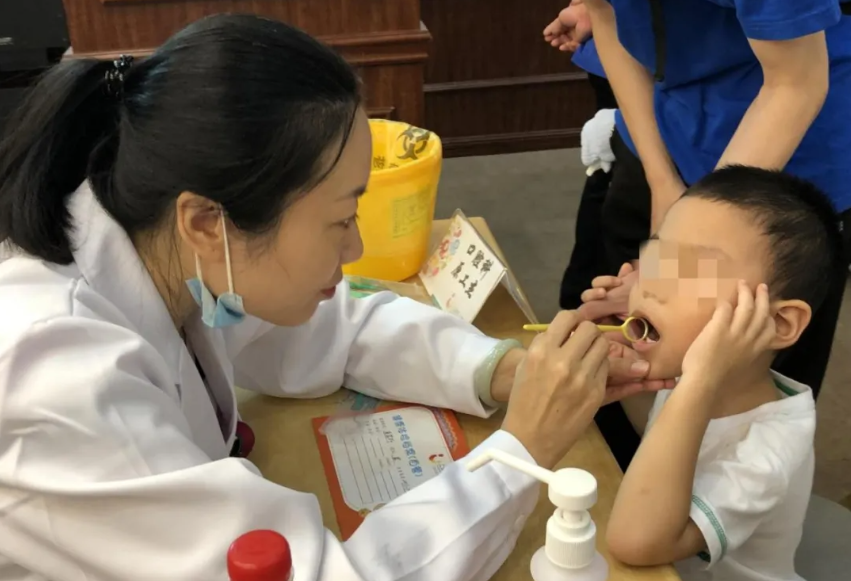
Dr. Yuan Gongjie | Children's Smiles, and the Orthodontist Who Still Tells Stories
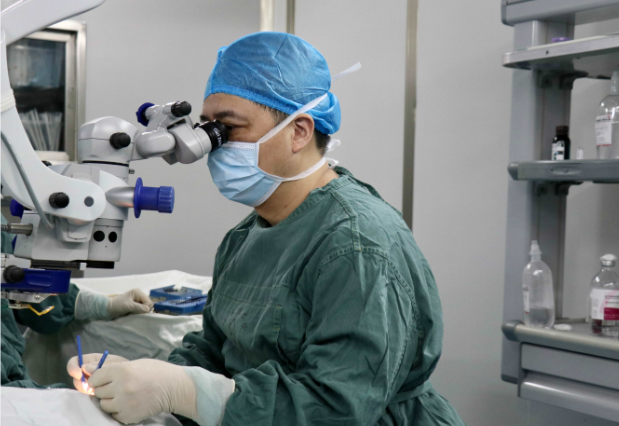
Dr. Wang Chaoyang | Vitrectomy, and Flowers Once Hidden in the Eye
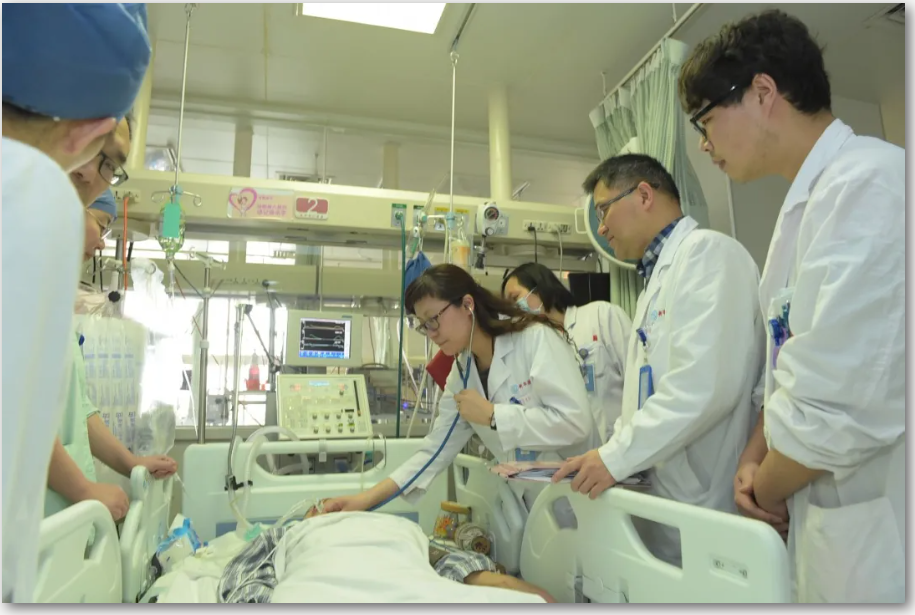
Dr. Fei Aihua | Emergency Medicine, and Striving to Win
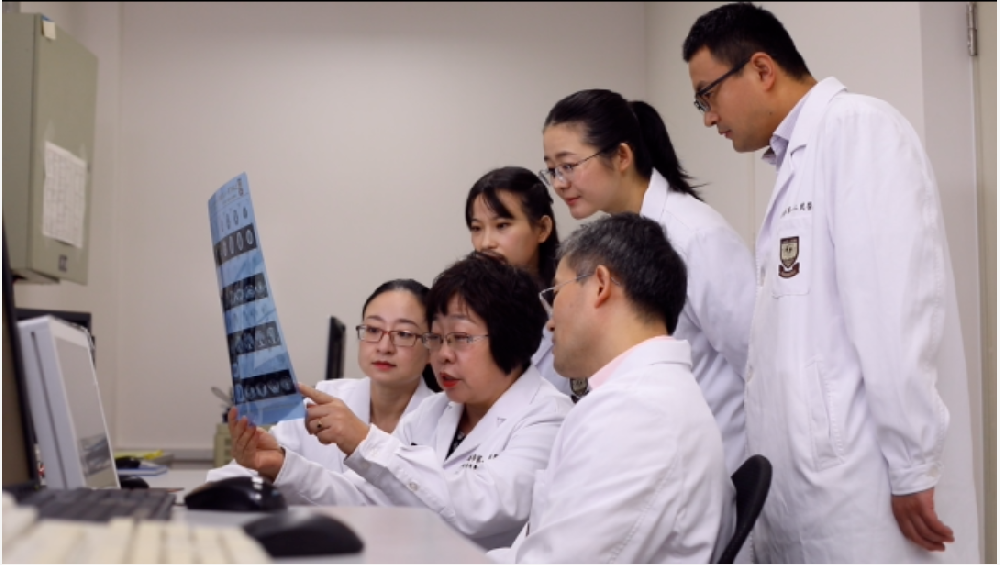
Dr. Zhao Jinhua | Nuclear Medicine, and the Flowers Along the Road
Dr. Shi Yuling | Psoriasis, and Spring Mountains Beyond the Plain
Dr.Ying Chunmei | Laboratory Medicine, Renewed a Little Every Day
Copyright © 2023 Yewen Renyi & ShanghaiDoctor.cn (This website is a non - profit medical humanities platform. The information contained herein is solely for biographical and historical purposes and does not constitute any medical advice.) 沪ICP备2023005392号-2 XML 沪公网安备31010902100835号
 中文
中文 English
 Español
 沪公网安备31010902100835号