ShanghaiDoctor - Where China's Healing Wisdom Shapes Modern Medicine

Update time:2026-08-23Visits:3199
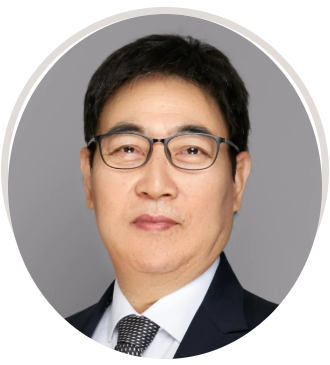
Chief Physician, Professor, and Doctoral Supervisor Department of Dermatology, Changhai Hospital, Naval Medical University Academic Leader of Dermatology, Tenth People's Hospital of Tongji University Adjunct Doctoral Supervisor, Tongji University & Shanghai University of Traditional Chinese Medicine Chair, Dermatology and Venereology Committee, Chinese Association of Integrative Medicine
“Medical values and medical ethics are not formed overnight. They require the accumulation of years—of seeing patients, facing difficult cases, and learning what it means to care for another human being.”
— Gu Jun
Gu Jun is Chief Physician, Professor, and Doctoral Supervisor in the Department of Dermatology at Changhai Hospital of the Naval Medical University. He also serves as academic leader of Dermatology at the Tenth People’s Hospital of Tongji University and as adjunct doctoral supervisor at both Tongji University and Shanghai University of Traditional Chinese Medicine.
For more than four decades he has practiced dermatology and venereology, with particular depth in the comprehensive management of psoriasis—a chronic, relapsing inflammatory skin disease that imposes substantial physical and psychological burdens. He currently chairs the Dermatology and Venereology Committee of the Chinese Association of Integrative Medicine and leads its Psoriasis Group. He previously served as chairman of the Dermatology and Venereology Branch of the Shanghai Medical Association and remains an advisor to the specialty.
His research record includes five projects funded by the National Natural Science Foundation of China, participation in national 863 and 973 programs, and support from the Shanghai Science and Technology Commission. He has authored or co-edited four books, contributed to ten others, and published more than one hundred papers. Colleagues and patients alike know him for careful diagnosis of complex skin conditions and for a deliberate, patient-centered approach to chronic disease.
Gu Jun was born in 1962 in Shazhou County, Jiangsu (now Zhangjiagang City). In 1979, among the early cohorts after the national college-entrance examination was restored, he was admitted to the Second Military Medical University in Shanghai. He still prefers to be addressed as “Military Doctor Gu” whenever the uniform is relevant; the dual identity of soldier and physician has shaped more than forty years of his life.
Cadet life was highly structured—reveille at six, lights-out at ten, mandatory midday rest—and the academic demands were intense. Students trained voluntarily in the afternoons and competed with one another to master the vast body of medical knowledge. Gu recalls that teachers insisted on meticulous detail because every fact could one day determine a patient’s outcome. University, he came to understand, was only the foundation.
After graduation he spent a year at East China Normal University in a philosophy training program for teaching assistants. That year introduced him to medical humanities and the dialectical nature of clinical learning: initial confusion giving way to provisional understanding, then deeper uncertainty, then further insight—an unending spiral. When the course ended he chose dermatology at Changhai Hospital, drawn by the detective-like challenge of seeing past surface appearances to underlying disease mechanisms.
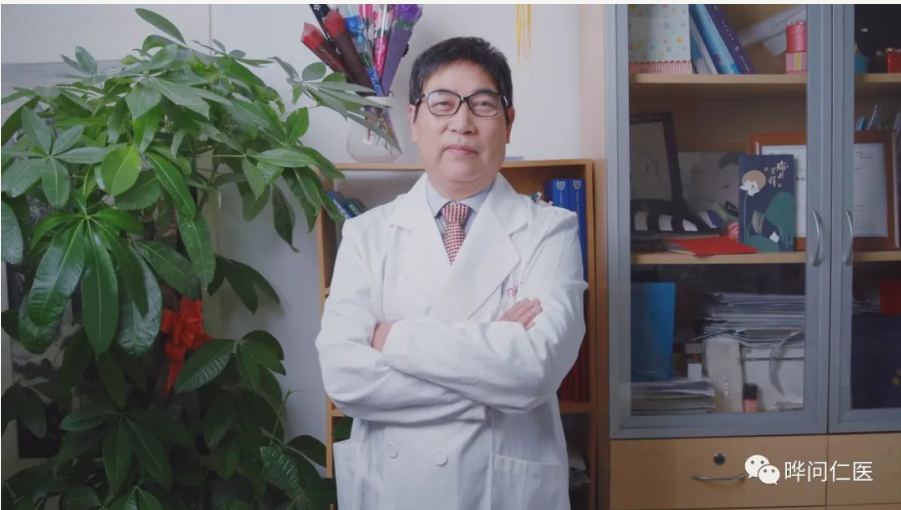
On 2 January 1986 Gu reported for duty in the dermatology department of Changhai Hospital under Professor Chen Ming, who became his most influential mentor. The department then had twelve physicians and its own wards. Young doctors worked long days and stayed after hours to apply medications and change dressings—tasks that, Gu later realized, taught him to observe lesions closely, judge drug response, and refine prescriptions.
After completing graduate training he spent six additional months in the pathology department of an oncology hospital. He had already recognized that dermatopathology is often the final arbiter of difficult diagnoses. “If you don’t understand pathology, you’re only looking at disease with your eyes. Once you learn pathology, you can analyze from the perspective of mechanisms—and your judgment becomes far stronger.”
In 1998, at the age of thirty-six, he became department director—among the youngest dermatology directors in a major Shanghai tertiary hospital—and was promoted to chief physician in 2002. The team at the time was largely junior. Gu instituted regular Monday case discussions, emphasized mastery of pathology and mycology, and rotated through specialized clinics (mycology, hemangioma, alopecia, sexually transmitted diseases, vitiligo). Clinical volume and quality both rose. After 2005 the department’s contributions in discussions grew more substantial and errors declined.
Psoriasis had long been a signature strength of Changhai’s dermatology service. As successor, Gu made it a central clinical and research priority. The disease is chronic, often lifelong, and exacts a heavy toll on both physical comfort and psychological well-being. Its classic signs—erythema and scale—appear most commonly on the scalp and extensor surfaces and frequently worsen in winter. Gu’s approach insists on seeing the whole patient rather than the lesions alone, because the same guideline-based regimen can produce markedly different results in different individuals.
In 2010 he became chairman-elect of the Dermatology Branch of the Shanghai Medical Association and later served as chairman, progressing through the ranks by steady contribution rather than sudden appointment. After retiring from the military in 2019—ending more than forty years in uniform—he accepted an invitation to lead dermatology at the Tenth People’s Hospital of Tongji University, continuing both clinical work and teaching.
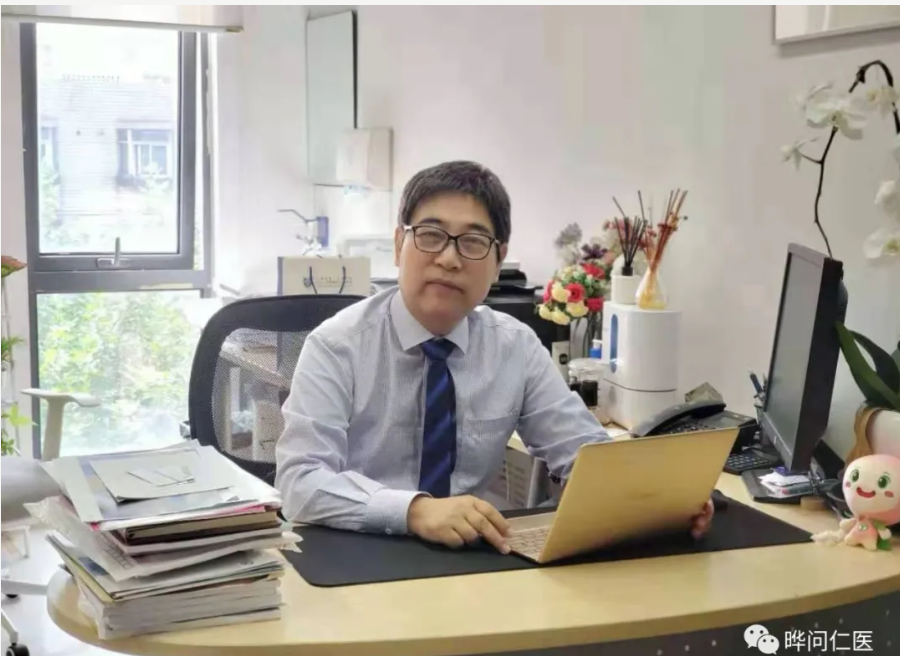
Gu identifies two inseparable requirements: technical competence and the way a patient is made to feel. Genuine goodwill toward the patient is non-negotiable. Skin diseases are frequently intertwined with emotional state and stress; a cold or indifferent encounter can undermine even the best pharmacologic plan. He recalls a patient with a sexually transmitted infection who visited his professional website every morning simply to exchange a few words—often the only person the patient felt able to confide in. Consistent counseling and encouragement helped the man recover fully and return to ordinary life.
He is equally insistent on clear communication about topical therapy. Many patients leave the clinic without understanding how to apply a cream or ointment; a month later the treatment has “failed” only because it was used incorrectly. Explaining the practical details is, in his view, the final and essential step of good dermatologic care.
When resources are limited, he chooses treatments the patient can actually afford rather than recommending expensive options that will only deepen financial and emotional distress. “Patients have social attributes. When you see a patient, you must always see the person—not just the disease.”
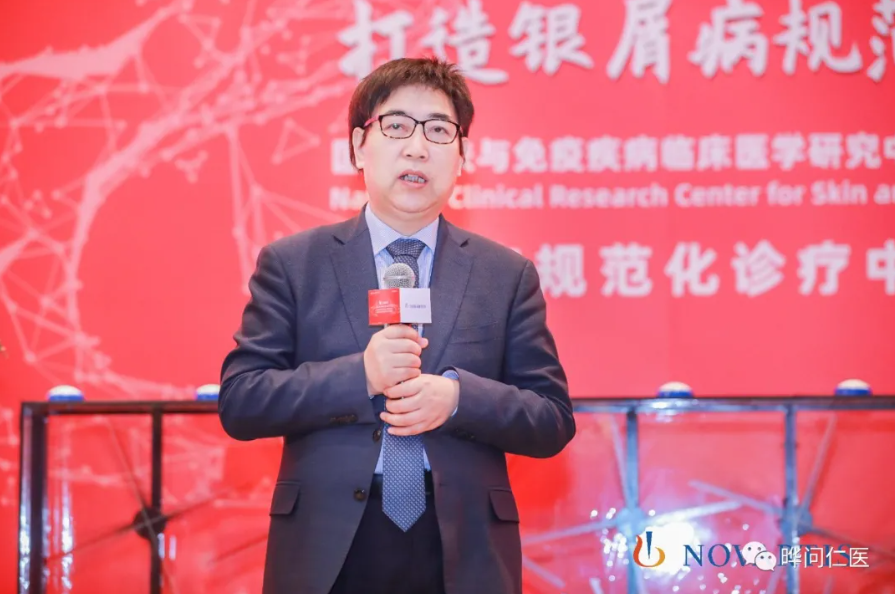

ShanghaiDoctor.cn: How did your forty-one-year military career shape you as a person?
Gu Jun: I have admired soldiers since I was a child. My forty-one years of military life left an indelible mark on my later life, my way of dealing with people, my habits, and the formation of my character. I am grateful for the military’s cultivation, which made me an independent thinker with strong survival skills. Whether in life, study, or work, I am strong-willed; when I encounter difficulties I dare to face them head-on and can fight hard battles. To be honest, when the time came to take off the uniform, I felt deep emotion and reluctance.
ShanghaiDoctor.cni: When you were department director, what was distinctive about your management style?
Gu Jun: A military hospital requires that actions follow clear commands and that professional standards be visible. I used to wear my uniform to work; it reminded me at all times of my identity. When I was director at Changhai I advocated that men wear uniforms and ties beneath their white coats, and that women maintain a neat professional appearance. In the wards one did not sit while in work clothes; teaching ward rounds had a defined order of entry and standing positions. These habits reinforced discipline and a sense of duty.
ShanghaiDoctor.cn: Do you still remember some of the things from when you were a junior doctor?
Gu Jun: There are many. Because I loved this specialty I was very sensitive to it. When I was in charge of the ward I clearly remembered every patient who passed away—not only the diagnosis but also the bed number. Those are not things that are easily forgotten.
ShanghaiDoctor.cn: In your view, what matters most in being a doctor?
Gu Jun: Two things: technical skill, and the way you make the patient feel. As a physician you must maintain genuine goodwill toward your patients. You can be firm with family members if necessary, but you must be good to the patient. Sometimes attitude matters more than technique. Many skin conditions are tied to emotional state and stress. A patient living with a stubborn, hard-to-cure disease already carries anxiety, low self-esteem, and despair. Meeting a cold or indifferent doctor only deepens the harm. Even the best treatment plan will fail if the patient does not trust the doctor or follow the regimen. I often tell my students: if patients leave feeling grateful, you will feel happy yourself. If they leave cursing, can you really feel good about that?
ShanghaiDoctor.cn: Have you ever encountered patients who didn’t understand you?
Gu Jun: Yes. In the outpatient clinic patients sometimes argue if the wait has been long or if they are dissatisfied. At such moments you must not escalate the conflict. Put yourself in their shoes and resolve the matter calmly. The doctor–patient relationship is, at bottom, a relationship between people; differences in perspective are inevitable. On review websites you can find two opposite comments about the same doctor for the same brief consultation—one patient feels dismissed, another feels cured. Sometimes you simply do your best and keep a clear conscience.
ShanghaiDoctor.cn: Could you share something about your approach to treatment?
Gu Jun: One of the diseases I focus on is psoriasis. Guidelines outline standard treatments, yet different patients respond differently because the disease “grows” on different individuals. A doctor must see not only the disease but the whole person. Equally essential is careful communication. Some physicians analyze an illness at length yet begrudge a few extra minutes explaining how to use the medication. Topical therapy is one of the areas that best demonstrate a dermatologist’s skill; explaining it clearly is the final, crucial step that ensures the patient can actually follow through.
ShanghaiDoctor.cn: What is your understanding of medicine?
Gu Jun: Being a doctor means rescuing and helping patients. The treatment goal is to minimize the impact of the disease on the patient’s life. Every decision must be considered from the patient’s perspective. If a psoriasis patient is severely ill but financially constrained, you treat with methods he can afford rather than recommending expensive biologics he cannot obtain. Telling a patient about a treatment he cannot afford only deepens his suffering. Patients have social attributes. When you see a patient you must always see the person—not just the disease.
ShanghaiDoctor.cn: Over the years, do you have any regrets?
Gu Jun: There are bound to be some. In every field there are moments when doctors feel helpless. Some skin diseases truly have no effective treatment, and watching patients suffer is painful. Another regret is that after becoming a doctor almost all my time has gone to seeing patients, meetings, and academic work. I owe far too much to my family. At this age I cherish them even more—family is a very important part of life.
ShanghaiDoctor.cn Do you still have the habit of reading now?
Gu Jun: The sea of medicine is boundless and learning has no end—reading is endless. I still prefer paper books. Reading requires calming the mind; reading on a phone or tablet is not really reading because you cannot settle yourself. I have a habit of annotating as I go, leaving traces of my thinking. For that, paper remains best.
ShanghaiDoctor.cn: If you were to teach medical students a course unrelated to their major, what would you teach?
Gu Jun: I would teach how to be a good doctor. A good doctor is one who satisfies patients. Technique is important, but medical ethics are even more so. Both clinical skill and medical ethics require cultivation. Every patient is a living life. Over time the encounters shape a stable medical value system. All of this requires the accumulation of years. I entered university in 1979. The reason I feel such emotion is that I have witnessed, through my own growth, the gradual changes of this world and the unpredictable turns of human fate. As medical students you must carefully ponder these humanistic thoughts.
From a rural Jiangsu childhood and the rigorous cadence of a military medical academy, through decades of clinical work, pathology training, departmental leadership, and a sustained focus on psoriasis, Gu Jun has returned again and again to the same conviction: technical skill alone is not enough. The values that guide a physician—attention to the whole person, careful explanation, respect for the patient’s circumstances, and the willingness to keep learning—are formed only through the slow accumulation of years at the bedside. That is the standard he continues to set for himself and for the students who follow.
Editor: Chen Qing
If you have any questions for Dr. Gu, please be free to let us know at Chenqing@ShanghaiDoctor.cn.
—
Dr.Sun Jing | Fertility-Sparing Surgery, and a Future Already Here
Dr. Li Qingyun | Sleep Apnea, and Illness Removed Without a Sound
Dr. Zhu Zhiling | Gynecologic Surgery, and a Line She Would Not Cross
Dr. Yuan Gongjie | Children's Smiles, and the Orthodontist Who Still Tells Stories
Dr. Wang Chaoyang | Vitrectomy, and Flowers Once Hidden in the Eye
Dr. Zhao Jinhua | Nuclear Medicine, and the Flowers Along the Road
Dr. Shi Yuling | Psoriasis, and Spring Mountains Beyond the Plain
Dr.Ying Chunmei | Laboratory Medicine, Renewed a Little Every Day
Dr.Sun Jing | Fertility-Sparing Surgery, and a Future Already Here
Dr. Li Qingyun | Sleep Apnea, and Illness Removed Without a Sound
Dr. Shen Qian | Children’s Kidneys, Lucid and Gentle
Dr. Zhu Zhiling | Gynecologic Surgery, and a Line She Would Not Cross
Dr. Yuan Gongjie | Children's Smiles, and the Orthodontist Who Still Tells Stories
Dr. Wang Chaoyang | Vitrectomy, and Flowers Once Hidden in the Eye
Dr. Fei Aihua | Emergency Medicine, and Striving to Win
Dr. Zhao Jinhua | Nuclear Medicine, and the Flowers Along the Road
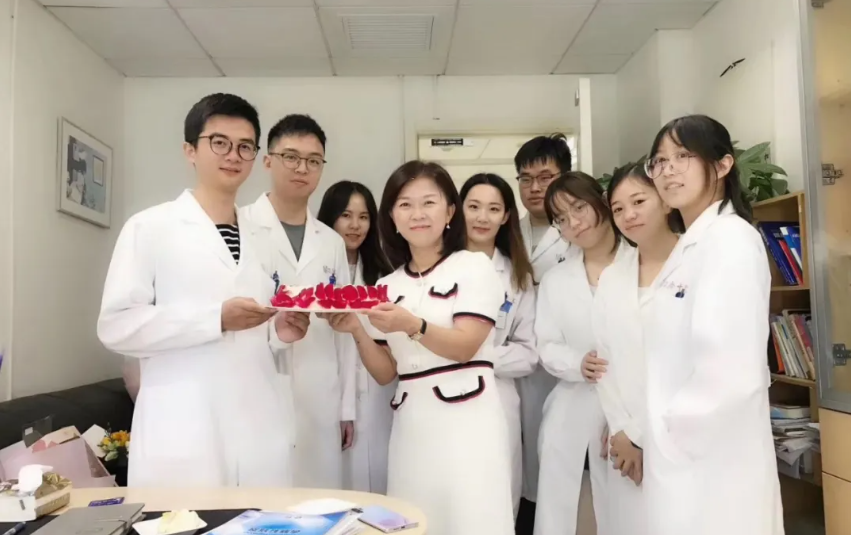
Dr. Shi Yuling | Psoriasis, and Spring Mountains Beyond the Plain
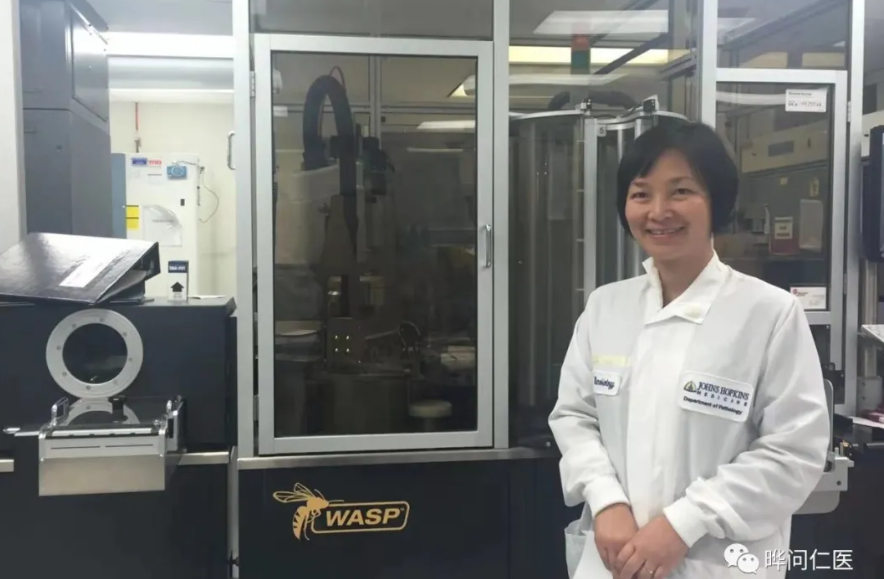
Dr.Ying Chunmei | Laboratory Medicine, Renewed a Little Every Day
Copyright © 2023 Yewen Renyi & ShanghaiDoctor.cn (This website is a non - profit medical humanities platform. The information contained herein is solely for biographical and historical purposes and does not constitute any medical advice.) 沪ICP备2023005392号-2 XML 沪公网安备31010902100835号
 中文
中文 English
 Español
 沪公网安备31010902100835号