ShanghaiDoctor - Where China's Healing Wisdom Shapes Modern Medicine

Update time:2026-08-15Visits:3732
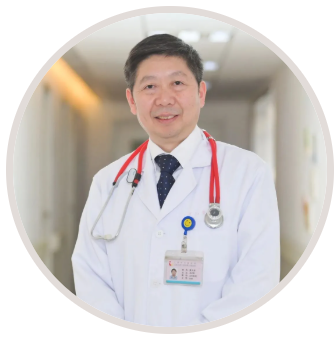
Director, Chief Physician, and Doctoral Supervisor Department of Nephrology, Rheumatology and Immunology Shanghai Children's Hospital / Children's Hospital Affiliated to Shanghai Jiao Tong University Director, Blood Purification Center Director, Precision Diagnosis and Treatment Research Center for Hereditary Kidney Diseases
“I am nothing special. I just treat patients and save lives—an ordinary doctor. Yet if medicine is practiced as an art, one can become a true medical master.”
— Huang Wenyan
Huang Wenyan is Director, Chief Physician, and Doctoral Supervisor of the Department of Nephrology, Rheumatology and Immunology at Shanghai Children’s Hospital (Children’s Hospital Affiliated to Shanghai Jiao Tong University). He also serves as Director of the hospital’s Blood Purification Center and of the Precision Diagnosis and Treatment Research Center for Hereditary Kidney Diseases.
He specializes in the full spectrum of primary and secondary kidney diseases in children, rheumatic and immune disorders—including refractory nephrotic syndrome, IgA nephropathy, Henoch–Schönlein purpura and purpura nephritis, lupus nephritis, and acute and chronic renal failure—as well as congenital and hereditary kidney diseases. He is particularly known for integrating conventional and traditional Chinese medicine approaches in the management of refractory nephropathy and immune-related conditions.
After graduating from the Department of Pediatrics at Nanjing Medical University in 1988, he completed master’s and doctoral training in pediatric nephrology and later undertook postdoctoral research at the Pediatric Kidney Center of Georgetown University in the United States. In 2011 he was selected for the Shanghai health system’s “New Hundred Talents” program.
His academic roles include membership in the Nephrology Group of the Pediatric Branch of the Chinese Medical Association, the Pediatric Blood Purification Committee of the Chinese Medical Doctor Association, and leadership of the Immunology Group within the Pediatric Branch of the Shanghai Medical Association. He serves on the editorial boards of several leading pediatric journals and has led or participated in more than twenty national and provincial research projects, including three National Natural Science Foundation grants. He has published more than eighty papers as first or corresponding author and co-edited six professional volumes.
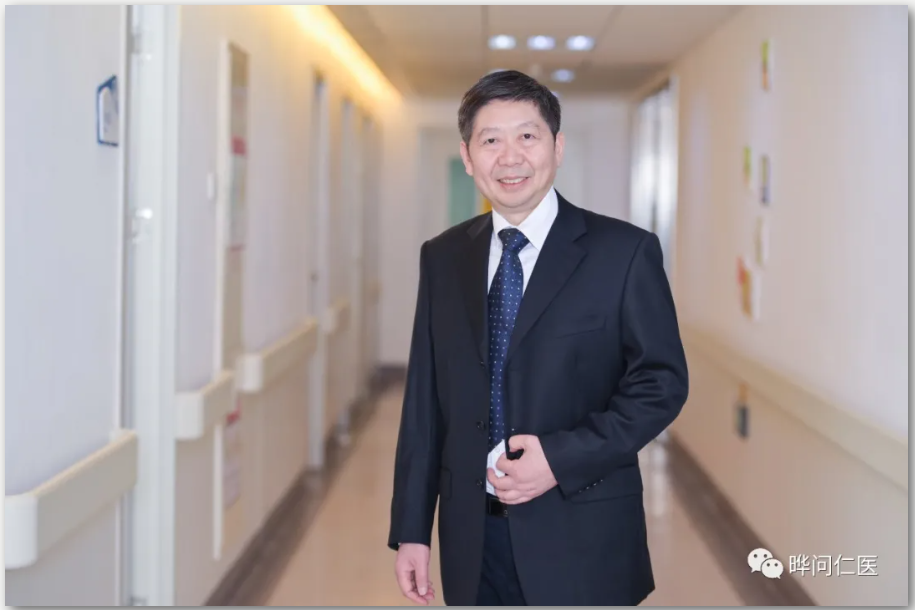
In 1983 Huang Wenyan became the first university student from his village. Strong in mathematics, physics, and chemistry, he had listed the Computer Science Department of Southeast University as his first choice. He missed it by a single point and was admitted instead to the Pediatrics Department of Nanjing Medical University—his second choice. Once on campus he was drawn to the intellectual demands of medicine. His logical mind and scientific grounding gave him an early facility with pathology, physiology, and the nervous system. In one examination a bonus question asked under what conditions the murmur of congenital heart disease disappears; applying pathophysiological principles, he earned full marks.
“I knew I had made the right choice. I love medicine deeply. Being a doctor is both a joy and an ideal for me.” During summer breaks he also spent weeks at a traditional Chinese medicine hospital learning cupping, acupuncture, and acupoint injection—an experience that reinforced a holistic way of thinking.
As an intern at Suzhou Children’s Hospital he impressed supervisors with meticulous record-keeping and steady hands; he performed his first appendectomy while still a student. After graduation he trained under Professor Jiang Xinyou, a pioneer of pediatric nephrology in China. From that point he devoted himself steadily to the study and treatment of kidney disease in children.
Huang has long held that clinical work and research are inseparable. During his graduate years the laboratory lights rarely went out. Early attention to pediatric renal tubular diseases and their mechanisms placed much of his work at the frontier of the field, linking renal pathology, clinical specialty, and immunology. Many of his forward-looking studies have since been translated into direct clinical benefit. He later moved from Nanjing to Shanghai, joining the Department of Nephrology, Rheumatology and Immunology at Shanghai Children’s Hospital and beginning a new chapter.
“The times have shaped me. I am not a darling of the times, but I am a fortunate one. Life does not require complaining. Do things steadily and honestly, and deal with people sincerely. Having experienced so much, I still choose to be an ordinary doctor.”
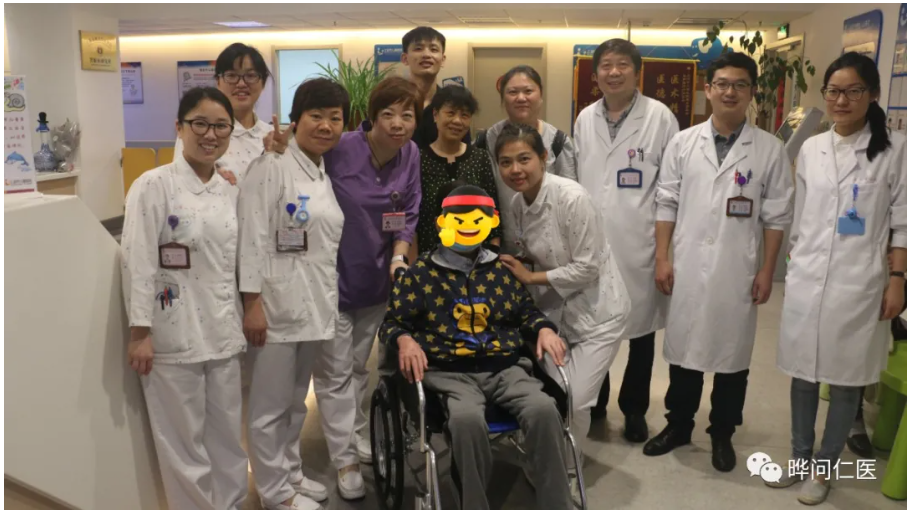
Five years later Huang still remembers the Dragon Boat Festival of that year. In 2016 a teenage patient was transferred to the department with life-threatening lupus nephritis after falling ill while traveling abroad. Proteinuria was extreme; multi-organ failure followed. The child entered the intensive-care unit nearly ten times, with repeated convulsions and coma. Tissue throughout the body was so fragile that even cardiothoracic surgeons hesitated to place a catheter.
Huang made a rapid decision. After consulting the family he initiated dialysis within a day, removing nearly ten kilograms of fluid—an aggressive step that, he acknowledges, defied ordinary textbook caution. “Sometimes saving a life requires this kind of risk. If you do everything strictly by the book, you may miss the chance to save the patient.”
Over 330 days of hospitalization the parents hovered more than once on the edge of despair, yet repeatedly told the team: “Director Huang, go ahead and treat him. Whatever you do, we believe in you.” Near-fatal infections, heart failure, liver failure, renal failure, respiratory failure, and convulsions followed one after another. Huang cut short business trips and vacations to lead rescues. The day of discharge coincided with the Dragon Boat Festival. Parents and staff wept together. The head nurse later wrote of the long struggle, the trust of the family, and the willingness to accept responsibility that together produced a miracle.
When the child later underwent kidney transplantation, Huang intervened again during a visit after convulsions reappeared, correctly identifying an unsuitable medication and guiding a change that stopped the seizures. The patient remains healthy and still visits the department with his parents. “In a sense, doctors learn from their patients; patients are their teachers. Every patient must be treated with great care and in accordance with established standards—yet one must not be bound by them.”
Shanghai Children’s Hospital was among the earliest in China to focus systematically on pediatric hereditary kidney diseases. Early diagnosis is essential yet difficult: the conditions are progressive, often insidious, easily mistaken for more common disorders, and frequently revealed only through careful family history and parental urine testing. Huang’s team has also refined protocols for macrophage-activation syndrome and for the use of biologics in systemic juvenile idiopathic arthritis, significantly reducing mortality in these life-threatening settings.
One practical diagnostic study combined urinary microprotein measurement with left-renal-vein ultrasound to clarify orthostatic proteinuria in adolescents. The approach shortened the diagnostic process from roughly a week to a single day and avoided unnecessary hospitalization. Parallel efforts in genetic verification led to free testing for families, the establishment of a hospital sample bank, and eventual collaboration with the Reproductive Medicine Center of the International Peace Maternity and Child Health Hospital under Academician Huang Hefeng. Pre-implantation genetic testing, chorionic-villus sampling, and amniocentesis have enabled nearly twenty families to have healthy children free of the familial kidney disease. Privacy and careful communication remain paramount; a genetic diagnosis must never be allowed to fracture a family.
“A doctor must have a spirit of dedicated inquiry, using the most advanced means and the best concepts to thoroughly study and solve problems. This is what a clinical doctor should do, without regard for utilitarian returns.”
Huang regards medicine as more than natural science—a synthesis of nature, society, philosophy, and the humanities. “If a person practices medicine as an art, that person can become a great medical master.” The holistic outlook drawn from traditional Chinese medicine informs his approach: therapeutic effect must be balanced not only against side effects but against physical, mental, and social well-being. A child with kidney disease should still exercise moderately, eat a sensible low-salt diet, and above all remain happy. Extra academic pressure should be matched by extra rest. The goal is a healthy lifestyle rather than mere disease control.
Communication itself is part of the art. In one memorable case a young girl with joint pain cried out whenever examined, yet no organic cause could be found. After a gentle, unexpected pat on the bottom startled her into standing and walking, Huang spoke with her alone and learned that she felt displaced by a younger brother. Private counseling of the parents, public affirmation of the girl’s “illness,” and a simple glucose-and-vitamin infusion allowed her to leave the hospital the next day, schoolbag in hand and smiling. “Many children do not decide to fall ill on their own. We must learn to encourage them and protect their self-esteem.”
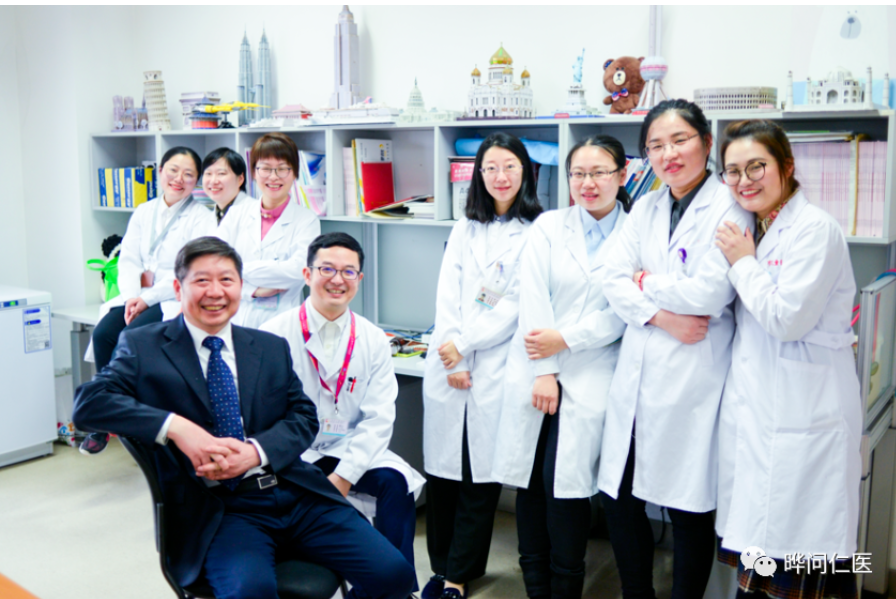
As a department leader he continually asks three questions of every case: Is the diagnosis correct? If not, what else could it be? Is the treatment truly in the patient’s best interest? Correct diagnosis, he insists, is harder—and more important—than simply treating well. The craftsman spirit of lifelong refinement, combined with the willingness to keep pace with new knowledge and to place every patient first, is the path he sets for himself and for the younger doctors he trains.

ShanghaiDoctor.cn:Children with kidney disease—how should daily life be managed carefully?
Huang Wenyan: Several practical points matter:
1. Appropriate exercise. Kidney disease does not mean the child must remain completely at rest. Moderate activity, such as walking, provided the child does not feel fatigued, supports recovery.
2. Light, easily digestible diet. Keep salt low, especially while edema or hypertension is present; later the restriction can be relaxed somewhat. Avoid overly greasy foods and ensure adequate protein, vegetables, and fruit.
3. Hygiene and infection prevention. Infection is the most common trigger for relapse. Good personal hygiene and avoidance of crowded public places reduce risk. Prophylactic antibiotics are not recommended.
4. Strict adherence to medical advice. Dosages must not be reduced or medications stopped arbitrarily; this is essential throughout treatment.
5. Caution with vaccination. During active disease and for a period afterward, vaccination should generally be deferred. Once remission is achieved, inactivated vaccines may be considered; live attenuated vaccines require specialist guidance.
ShanghaiDoctor.cn:I understand you collaborate with the Reproductive Medicine Center of the International Peace Maternity and Child Health Hospital on precise intervention for hereditary kidney disease.
Huang Wenyan: Precision intervention means using established techniques to prevent hereditary disease from being passed to the next generation. This is not something one person can achieve alone. Hereditary kidney disease often causes suffering across generations and can carry deep stigma within a family or village. One of my patients had a child diagnosed early; tracing the pedigree revealed that the grandmother had nine children by two marriages—two sons who both developed kidney failure and five of seven daughters who had hematuria. Subsequent sons required dialysis and transplantation. The family was ashamed to speak of it. I arranged free genetic testing, established a sample bank, and later worked with Academician Huang Hefeng’s center so that families could undergo pre-implantation genetic testing, chorionic-villus sampling, and amniocentesis. Nearly twenty families have since had healthy children. A clinical doctor should pursue such solutions without calculating personal return. At the same time, privacy and careful communication are essential; a correct medical diagnosis must never be allowed to break a family.
ShanghaiDoctor.cn:What kind of person are you in daily life? What do you do outside of work?
Huang Wenyan: I enjoy sports and make a point of swimming regularly. I love the arts and am reasonably skilled at Go and Chinese chess, though I simply do not have the time these days. When my daughter was little she was fascinated by microscopes and always wanted to learn chess from me. My life is essentially a straight line: home, hospital, cafeteria. I believe family matters enormously. If a doctor neglects his family, then however well he performs his work, his life is not complete. My wife is a nurse. In all these years it was mainly during our courtship that I accompanied her shopping or for coffee. Her understanding has meant everything. With family support, any doctor can become a good doctor.
From a village first-generation university student who nearly studied computers, through decades of clinical work, laboratory nights, a 330-day battle for one child’s life, the quiet establishment of genetic pathways that spare future generations, and a conviction that medicine is an art requiring both science and human understanding, Huang Wenyan continues to describe himself simply: an ordinary doctor who treats patients and saves lives. The artistry lies in the steady, careful practice of that ordinary calling.
Editor: Chen Qing
If you need any help from Dr. Huang, be free to let us know at Chenqing@ShanghaiDoctor.cn.
Dr. Yuan Gongjie | Children's Smiles, and the Orthodontist Who Still Tells Stories
Dr. Wang Chaoyang | Vitrectomy, and Flowers Once Hidden in the Eye
Dr. Zhao Jinhua | Nuclear Medicine, and the Flowers Along the Road
Dr. Shi Yuling | Psoriasis, and Spring Mountains Beyond the Plain
Dr.Ying Chunmei | Laboratory Medicine, Renewed a Little Every Day
Dr. Zhang Lei | Children's Airways, and a Preference for Being Plain
Dr. Chen Tongyu | Chest Surgery Without a Tube, and No Claim to Greatness
Dr. Hua Xiaolin | High-Risk Obstetrics, and a Child Worth Keeping
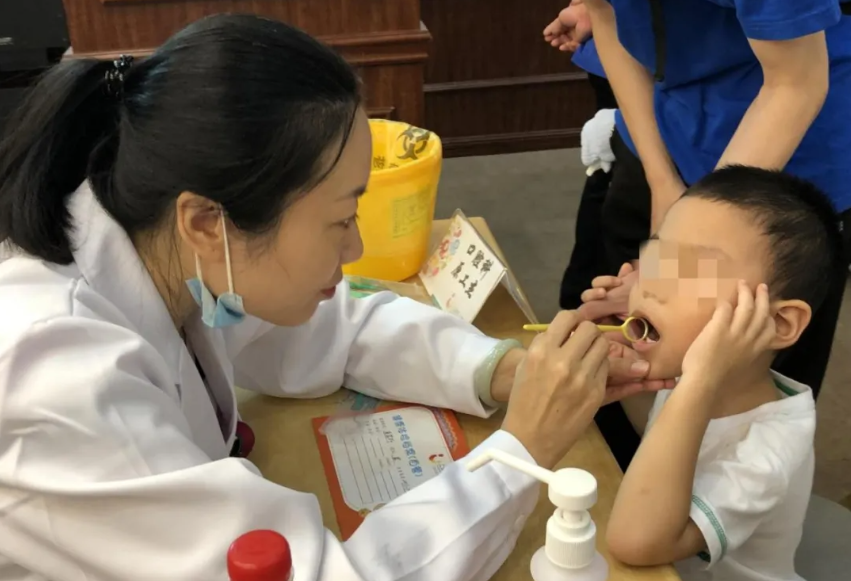
Dr. Yuan Gongjie | Children's Smiles, and the Orthodontist Who Still Tells Stories
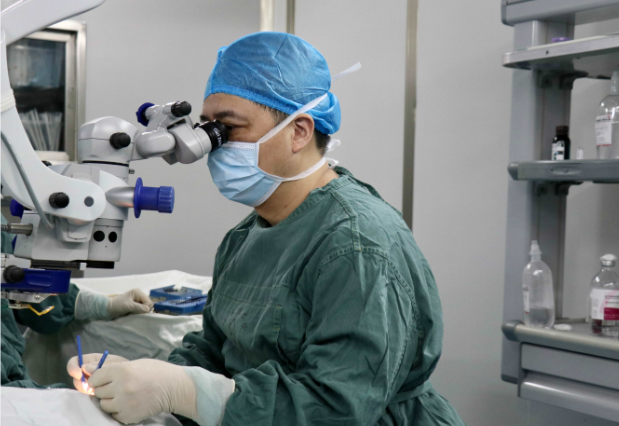
Dr. Wang Chaoyang | Vitrectomy, and Flowers Once Hidden in the Eye
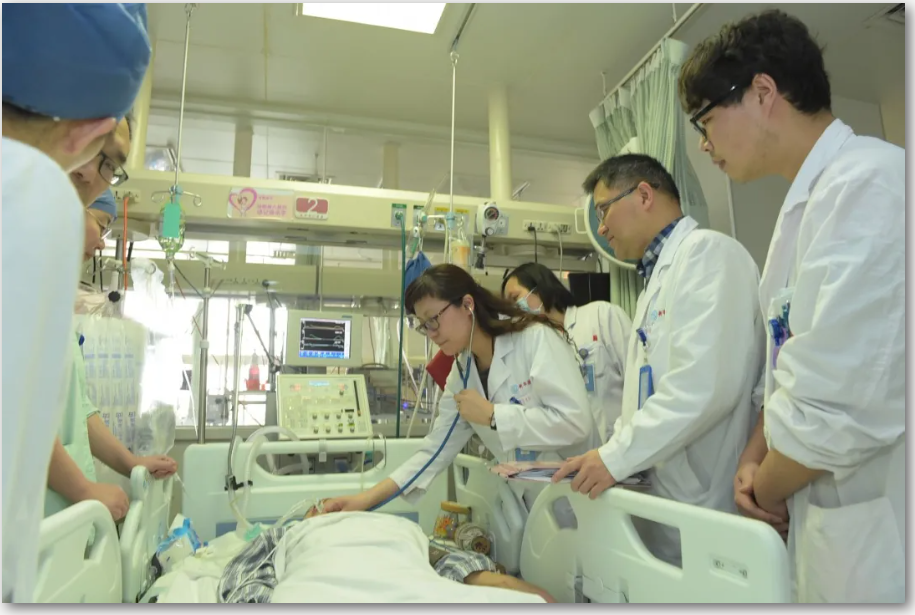
Dr. Fei Aihua | Emergency Medicine, and Striving to Win
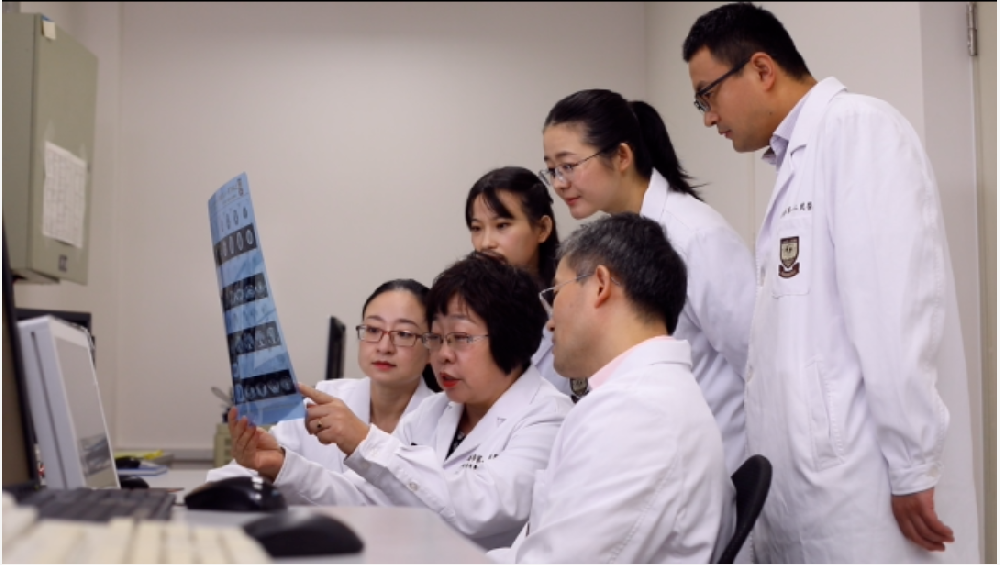
Dr. Zhao Jinhua | Nuclear Medicine, and the Flowers Along the Road
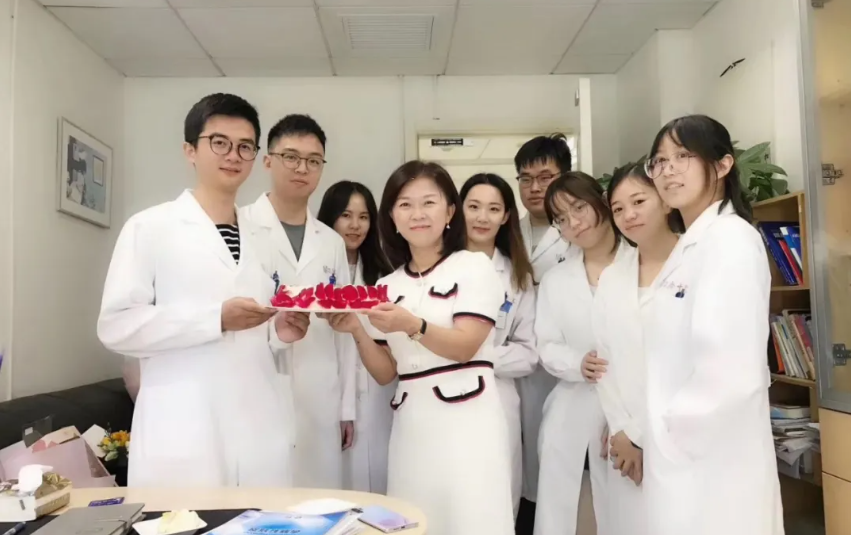
Dr. Shi Yuling | Psoriasis, and Spring Mountains Beyond the Plain
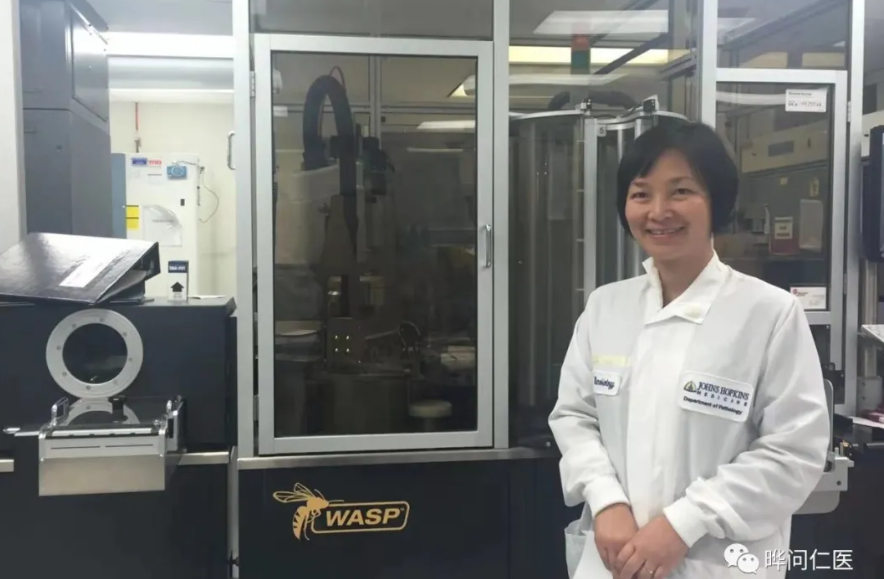
Dr.Ying Chunmei | Laboratory Medicine, Renewed a Little Every Day
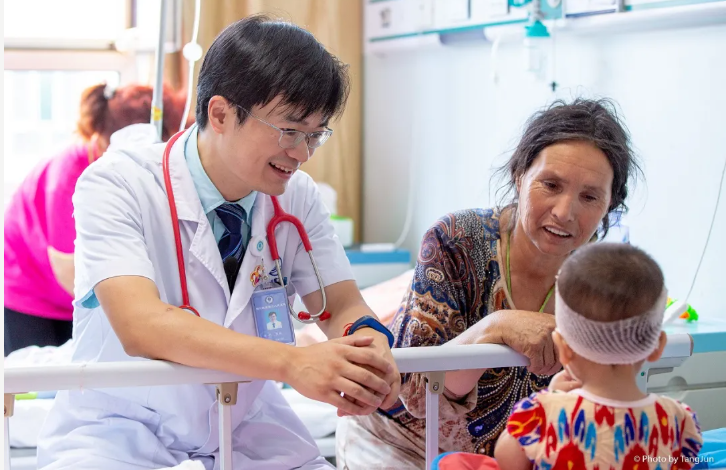
Dr. Zhang Lei | Children's Airways, and a Preference for Being Plain
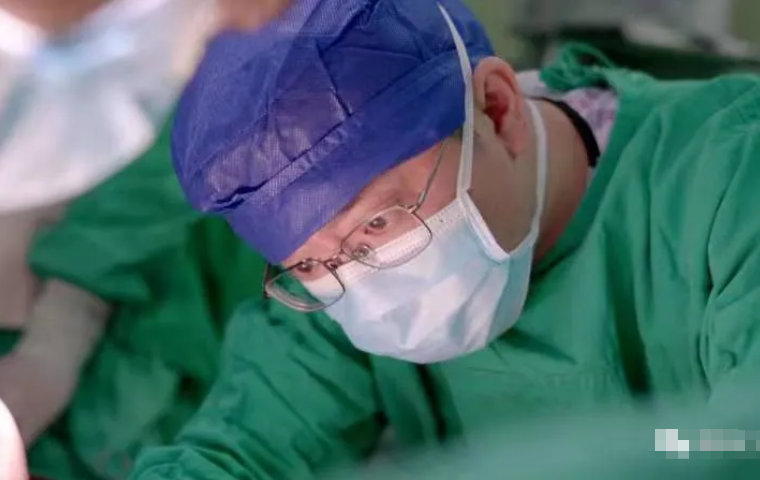
Dr. Chen Tongyu | Chest Surgery Without a Tube, and No Claim to Greatness
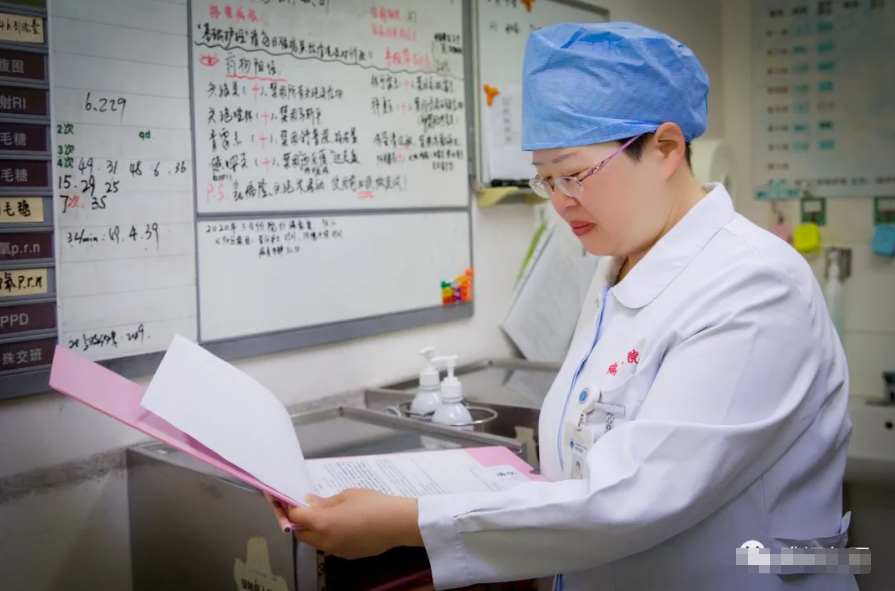
Cui Jie | An Infectious-Disease Nurse Who Kept Walking In
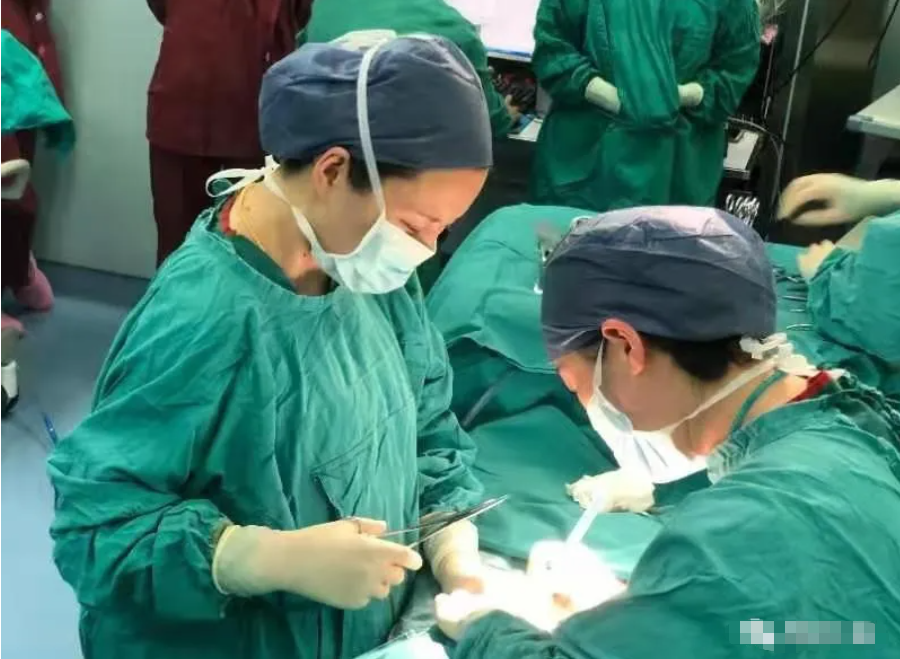
Dr. Hua Xiaolin | High-Risk Obstetrics, and a Child Worth Keeping
Copyright © 2023 Yewen Renyi & ShanghaiDoctor.cn (This website is a non - profit medical humanities platform. The information contained herein is solely for biographical and historical purposes and does not constitute any medical advice.) 沪ICP备2023005392号-2 XML 沪公网安备31010902100835号
 中文
中文 English
 Español
 沪公网安备31010902100835号