ShanghaiDoctor - Where China's Healing Wisdom Shapes Modern Medicine

Update time:2026-10-25Visits:17
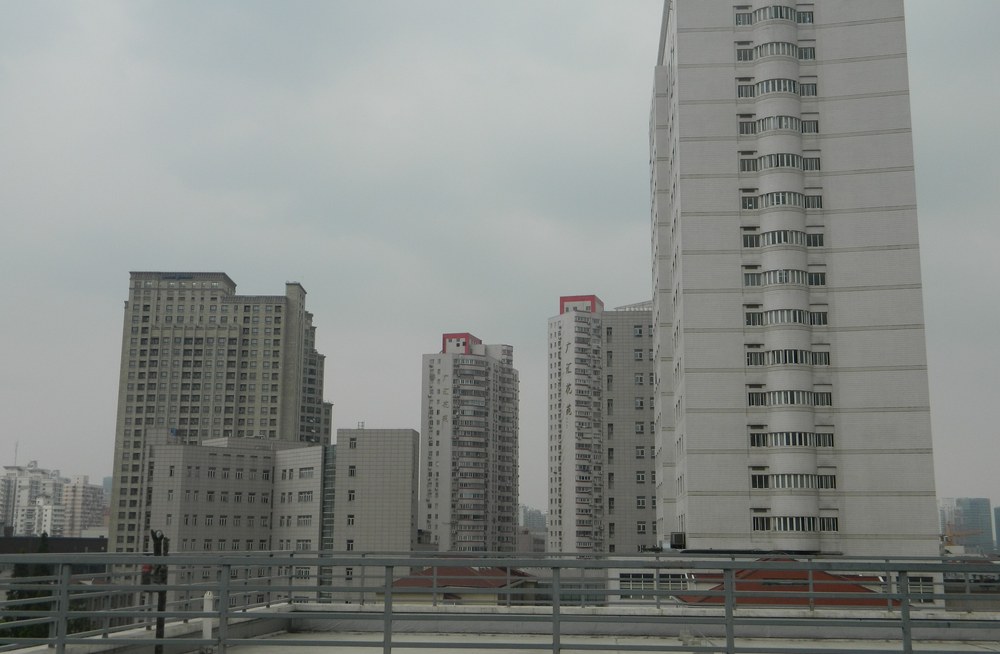
Founded on March 1, 1931, Fudan University Shanghai Cancer Center is the earliest cancer hospital established in China and the only Grade 3, Class A cancer hospital in Shanghai that integrates medical care, teaching, research and prevention. It is a budget-management unit of the National Health Commission and a directly affiliated hospital of Fudan University. Its predecessor was the Sino-Belgian Radium Institute.
The hospital has two campuses, Xuhui and Pudong, and operates in close integration with the Shanghai Proton and Heavy Ion Center. It has been approved to build the National Regional Medical Center for Cancer in Fujian, and co-builds a Xiamen hospital with the Xiamen Municipal Government and a Minhang branch with the Minhang District Government, forming a pattern of one hospital, multiple campuses and uniform quality. As of the end of 2025, the Xuhui and Pudong campuses had 2,177 open beds, 50 clinical and medical technology departments of all kinds, and 3,120 staff.
The hospital is working to become the National Cancer Medical Center. It is a National Civilized Unit and a pilot unit for the high-quality development of Shanghai public hospitals. In the national performance monitoring of tertiary public hospitals it has long been rated A, the highest grade among cancer hospitals in China, and in the performance appraisal of Shanghai municipal hospital directors it has been rated A (excellent) for many years in a row. In the Fudan ranking for 2023 it is placed in the A+++ tier.
The hospital has 2 key disciplines of the Ministry of Education, 7 national key clinical specialties, 3 clinical key disciplines of the Ministry of Health and 1 innovation team of the Ministry of Education. It is a national drug clinical trial institution, and has more than 10 Shanghai clinical medical centers, key disciplines and key specialties, as well as 3 Shanghai key laboratories for breast cancer, pancreatic cancer and radiation oncology. It hosts the Shanghai quality control centers for pathology and radiotherapy and is the chairing unit of the Shanghai Anti-Cancer Association.
In 2025 the hospital received 2.5 million outpatient visits, admitted 170,000 inpatients, performed 80,000 operations and delivered 420,000 radiotherapy sessions. It builds comprehensive centers for individual cancer types through multidisciplinary (MDT) clinics and wards, precision cancer treatment, minimally invasive surgery and whole-course patient management, and it improves the patient experience through a smart hospital, AI-assisted care, day surgery and day chemotherapy and radiotherapy. Its 22 items of high-end equipment include the da Vinci surgical robot, an MR-linac, TomoTherapy, PET-CT, PET-MR and a 5.0T MRI. The overall five-year survival rate of its cancer patients has reached 72%, leading the country and comparable to the level of developed countries.
The hospital has 37 person-times of national-level talents, and its experts hold about 70 positions as vice presidents, chairs and vice chairs of the China Anti-Cancer Association and other bodies. It runs 8 standardized residency training bases and 8 specialist training bases, training large numbers of young oncologists for the country each year.
In 2025 the hospital won 339 research projects at all levels with total funding of more than 400 million yuan, including 100 new projects of the National Natural Science Foundation of China. It launched 695 new clinical studies, about three quarters of them as the leading institution. Its research results changed international clinical guidelines 17 times in the year, and it published 35 papers with an impact factor of 20 or above, including 3 in BMJ and Nature.
The hospital supports Tibet, Xinjiang, Yunnan and Morocco, and has signed cooperation agreements with more than 10 well-known institutions in France, Italy, Japan, Russia, Singapore and other countries. Guided by its mission of “fighting cancer and helping the world”, it continues to work for the building of the National Cancer Medical Center and for “Healthy China” and “Healthy Shanghai”.
Cover photo by Weixi Zeng, via Wikimedia Commons, licensed under CC BY-SA 3.0.
Shanghai Mental Health Center, Shanghai Jiaotong University School of Medicine
Changzheng Hospital, the Second Affiliated Hospital of Naval Medical University
Obstetrics & Gynecology Hospital of Fudan University (Red House Hospital)
Xinhua Hospital, Shanghai Jiaotong University School of Medicine
Changhai Hospital, the First Affiliated Hospital of Naval Medical University
Shanghai Sixth People’s Hospital, Shanghai Jiaotong University School of Medicine
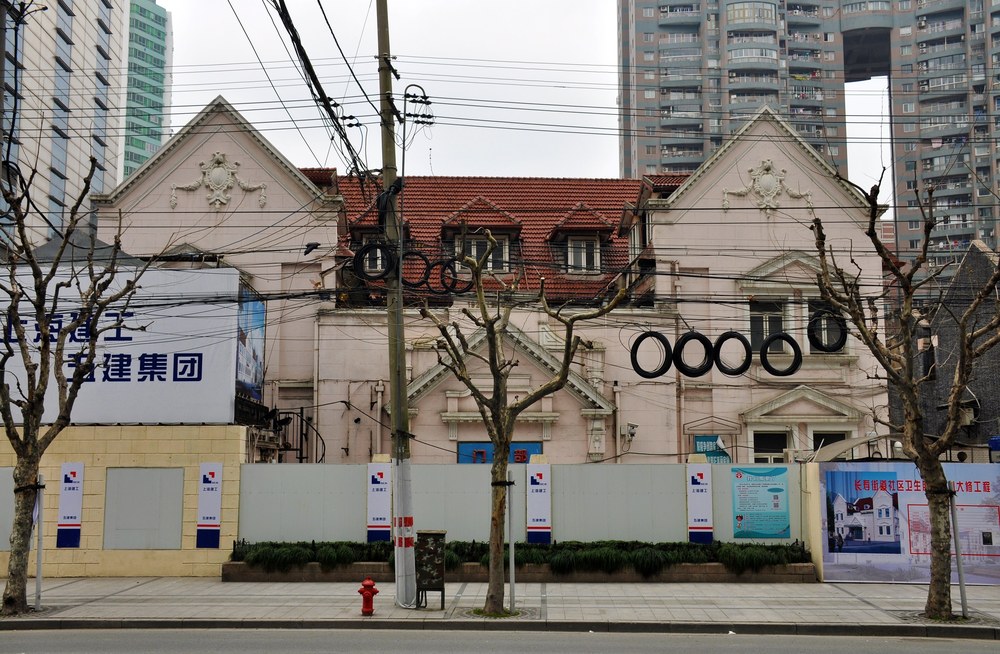
International Peace Maternity & Child Health Hospital of China Welfare Institute, Shanghai Jiaotong University School of Medicine
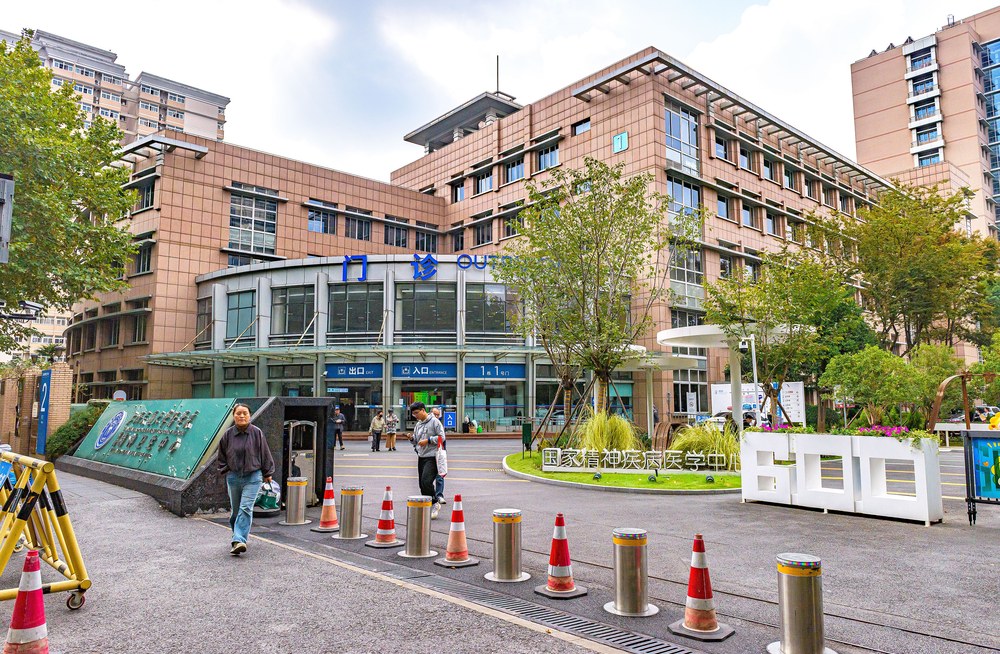
Shanghai Mental Health Center, Shanghai Jiaotong University School of Medicine
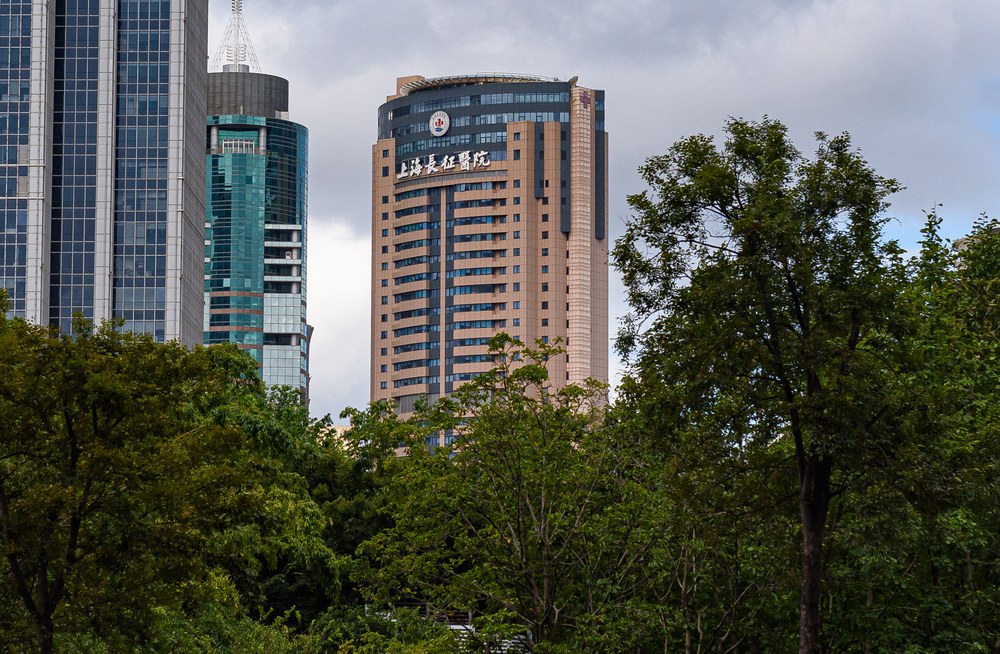
Changzheng Hospital, the Second Affiliated Hospital of Naval Medical University
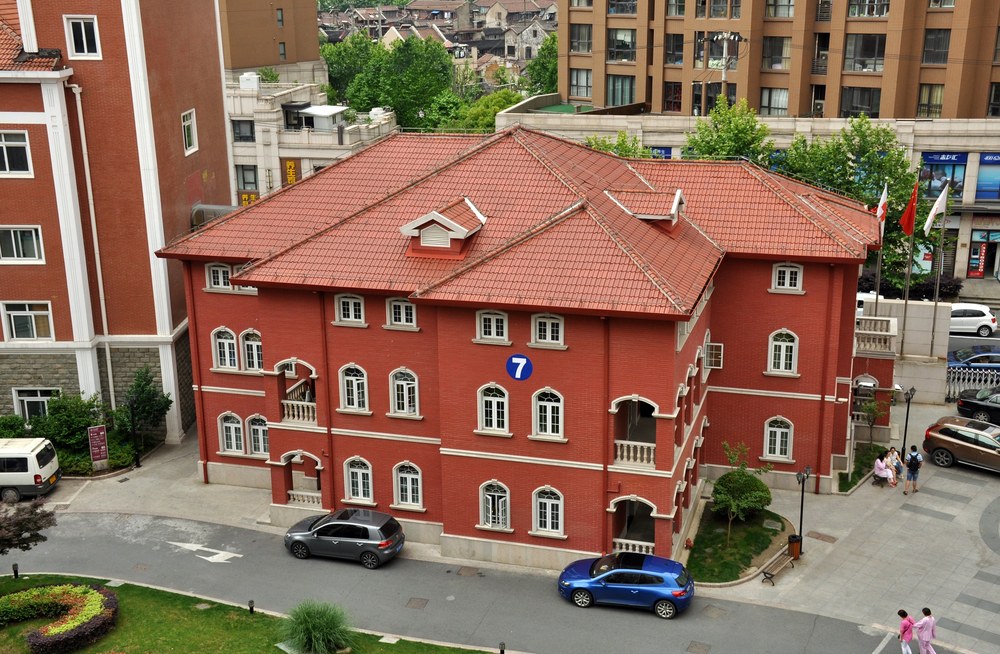
Obstetrics & Gynecology Hospital of Fudan University (Red House Hospital)
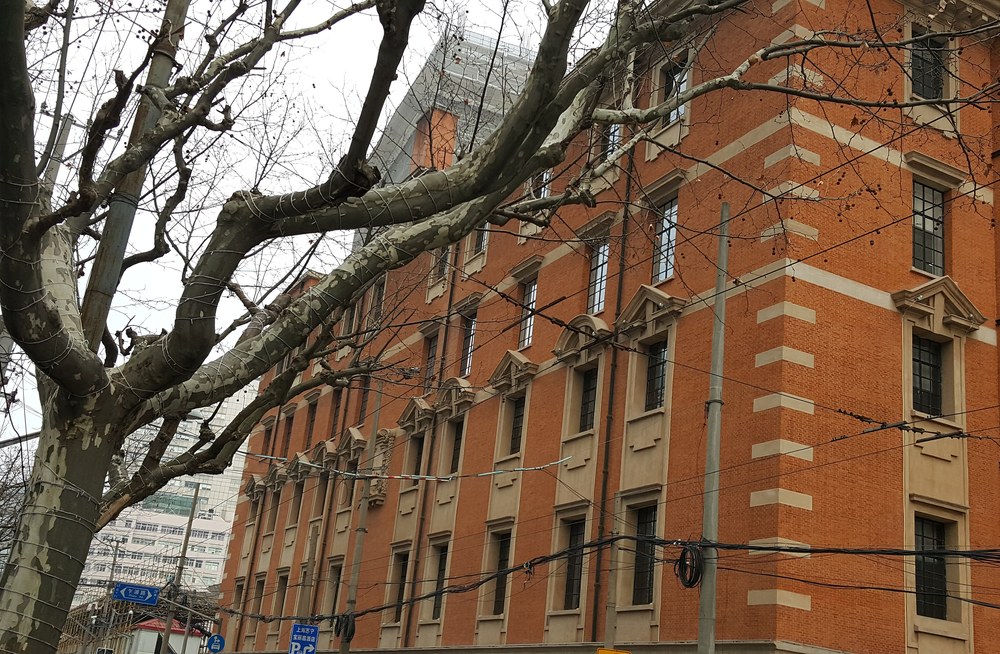
Shanghai General Hospital (Shanghai First People’s Hospital), Shanghai Jiaotong University School of Medicine
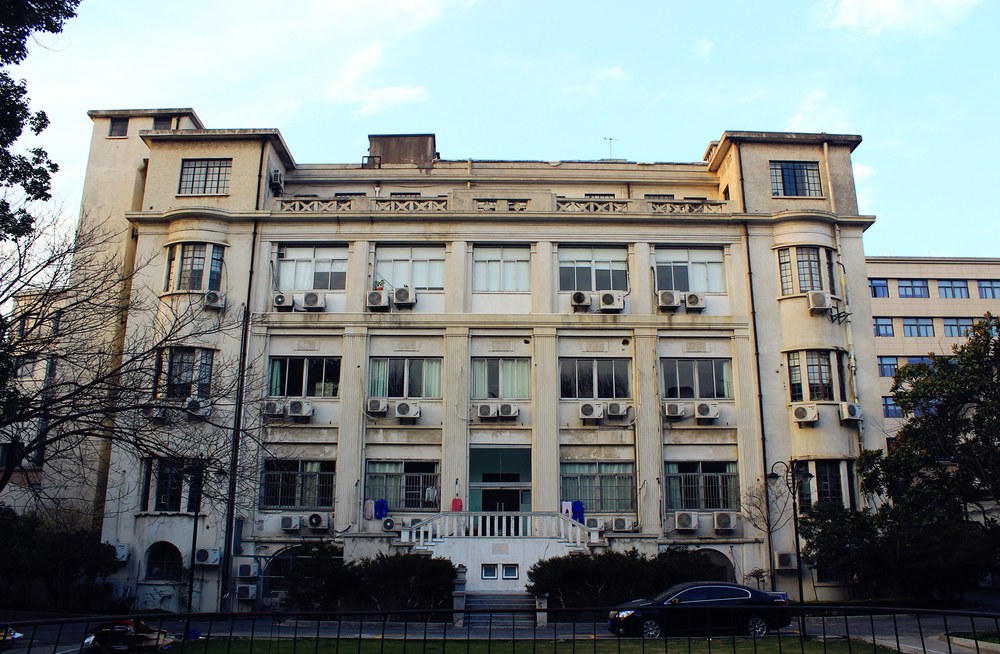
Eye & ENT Hospital of Fudan University
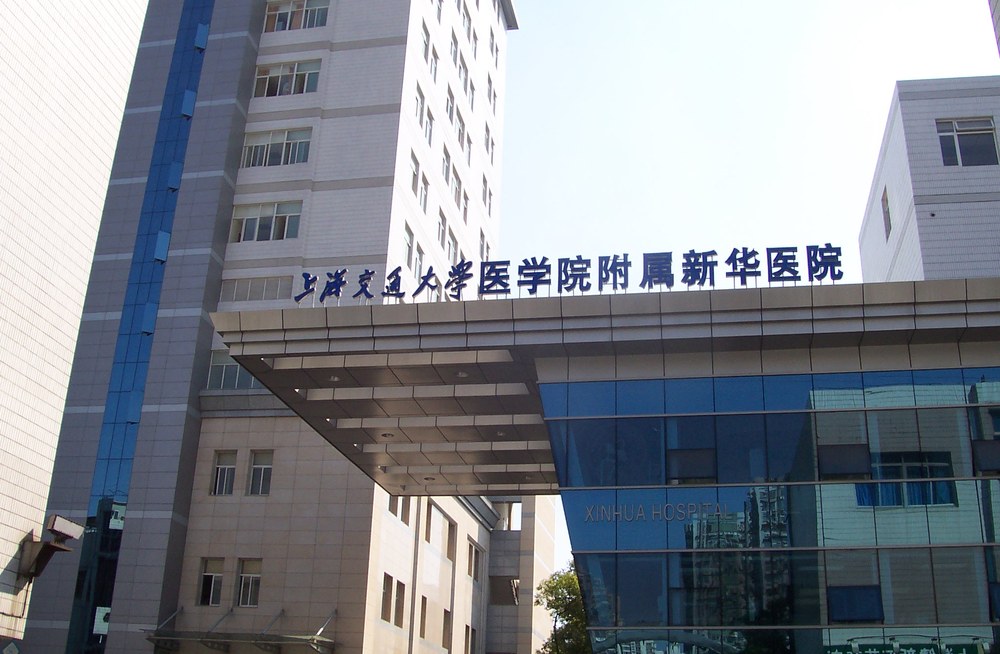
Xinhua Hospital, Shanghai Jiaotong University School of Medicine
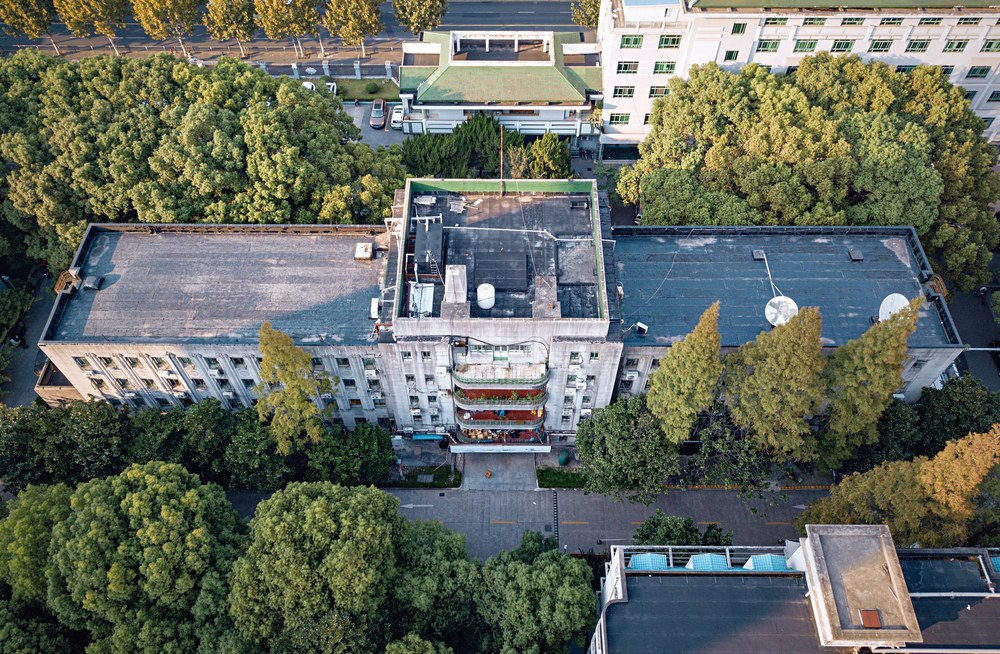
Changhai Hospital, the First Affiliated Hospital of Naval Medical University
Fudan University Shanghai Cancer Center
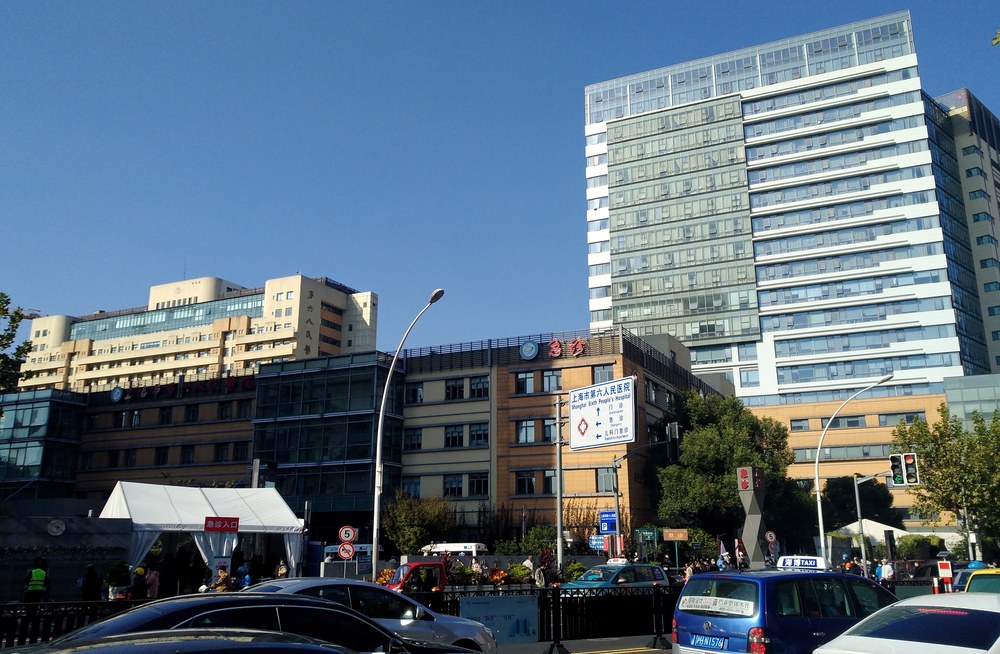
Shanghai Sixth People’s Hospital, Shanghai Jiaotong University School of Medicine
Copyright © 2023 Yewen Renyi & ShanghaiDoctor.cn (This website is a non - profit medical humanities platform. The information contained herein is solely for biographical and historical purposes and does not constitute any medical advice.) 沪ICP备2023005392号-2 XML 沪公网安备31010902100835号
 中文
 English
 Español
 沪公网安备31010902100835号
