ShanghaiDoctor - Where China's Healing Wisdom Shapes Modern Medicine

Update time:2026-10-25Visits:13
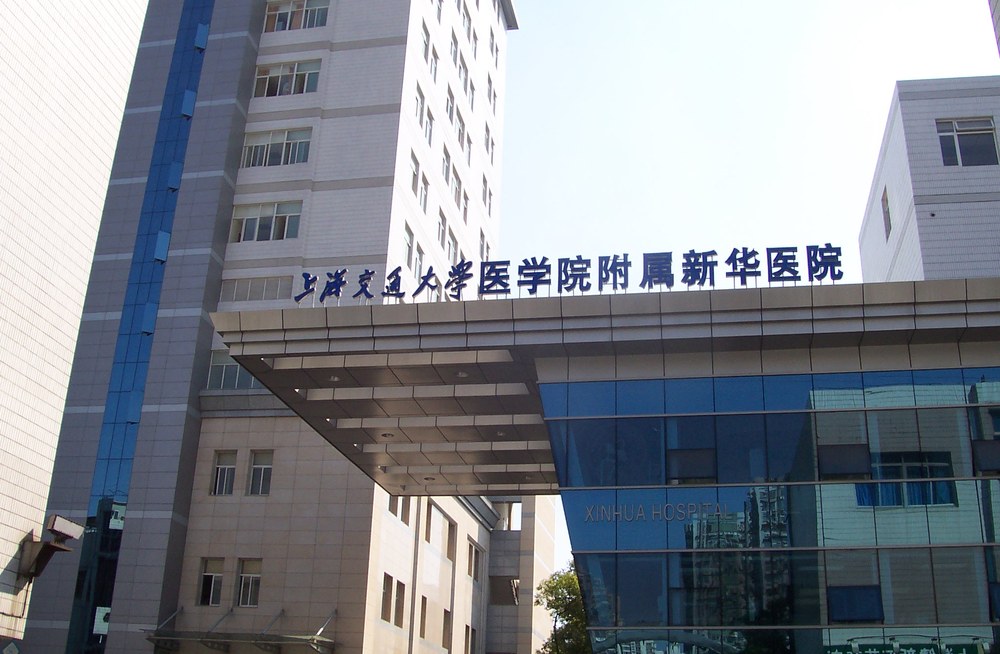
Founded in 1958, Xinhua Hospital, affiliated to Shanghai Jiaotong University School of Medicine, was the first general hospital independently designed and built in Shanghai after the founding of the People’s Republic of China. Today it is a Grade 3, Class A hospital in which pediatric and adult disciplines develop side by side, offering health services across the whole life cycle from birth to over 100 years of age.
The hospital has 63 clinical and medical technology departments and treatment platforms covering internal medicine, surgery, obstetrics and gynecology, pediatrics and other fields, with 2,700 open beds and 5,100 staff. It has received honors including National Advanced Collective, Advanced Unit of the National Health System and Shanghai Civilized Unit. In the Fudan ranking for 2023 it is placed in the A++ tier.
The Fengxian campus of Xinhua Hospital officially opened on June 28, 2025, and the hospital now operates two campuses, Yangpu and Fengxian. The Yangpu campus covers 109 mu and has separate areas for adult and pediatric care; the Fengxian campus covers 152 mu with a total floor area of 256,000 square meters and integrated “one-stop” facilities. The Fengxian campus is the first Grade 3, Class A general hospital in Fengxian District and a key public service project of Shanghai’s “five new towns”. Since opening it has served nearly 500,000 outpatient and emergency visits and 14,000 discharges, and has performed a number of first-in-the-region procedures such as emergency PCI for acute myocardial infarction and remote robotic radical surgery for rectal cancer.
Xinhua is the only Grade 3, Class A general hospital in Shanghai that has both perinatal care and a complete range of pediatric subspecialties, forming a complete system of prevention, screening, diagnosis, treatment and care from the fetal stage to old age. It has strong influence in the diagnosis and treatment of rare diseases in both adults and children, and hosts 9 Shanghai centers, including those for critically ill pregnant women and critically ill newborns, and 2 Shanghai quality control centers, including one for rare diseases. Eleven of its disciplines are national key clinical specialties: general surgery, cardiology, cardiac and great vessel surgery, pediatric surgery, emergency medicine, dermatology, otorhinolaryngology–head and neck surgery, pediatric respiratory medicine, pediatric traditional Chinese medicine, clinical laboratory and clinical pharmacy.
The hospital has 12 provincial and ministerial research bases, including the Ministry of Education Engineering Research Center for Congenital Heart Disease Technology and Devices and the Ministry of Education and Shanghai Key Laboratory of Environment and Child Health. In the past five years it has undertaken 880 research projects, including 15 key and major projects, won 1 second prize of the National Science and Technology Progress Award and 28 provincial and ministerial awards, and published 2,233 SCI papers, 167 of them with an impact factor above 10. It also builds and operates the Shanghai International Pediatric Medical Technology Trading Service Platform, the first specialized trading platform for medical technology in China.
Xinhua was the first hospital in the Shanghai Jiaotong University School of Medicine system to adopt an integrated “big education” model covering undergraduate and long-program teaching, graduate training, postgraduate medical education and continuing education. It led the founding of the School of Pediatrics of Shanghai Jiaotong University School of Medicine, the largest school of pediatrics in China. It has 25 teaching and research sections, 19 doctoral and 22 master’s programs, 103 doctoral supervisors and 157 master’s supervisors, and it edits successive editions of the national textbooks Pediatric Internal Medicine and Pediatric Surgery.
Since 2009 the hospital has been fully responsible for developing a tertiary hospital in Chongming, and in 2018 it led the pilot “health-oriented” Xinhua–Chongming regional medical alliance. It also leads the northern Shanghai pediatric alliance and the Xinhua–Yangpu medical alliance. It provides long-term support to hospitals in Yunnan, Xinjiang and Tibet, and its staff have served in China’s medical aid teams abroad since the 1960s.
With whole-life-cycle health services at its core, and true to its original aspiration of “loving and benefiting the people, guarding their health”, Xinhua Hospital will continue to contribute to “Healthy Shanghai” and “Healthy China”.
Cover photo by Intern1984 (talk), via Wikimedia Commons, licensed under CC BY-SA 3.0.
Shanghai Mental Health Center, Shanghai Jiaotong University School of Medicine
Changzheng Hospital, the Second Affiliated Hospital of Naval Medical University
Obstetrics & Gynecology Hospital of Fudan University (Red House Hospital)
Xinhua Hospital, Shanghai Jiaotong University School of Medicine
Changhai Hospital, the First Affiliated Hospital of Naval Medical University
Shanghai Sixth People’s Hospital, Shanghai Jiaotong University School of Medicine
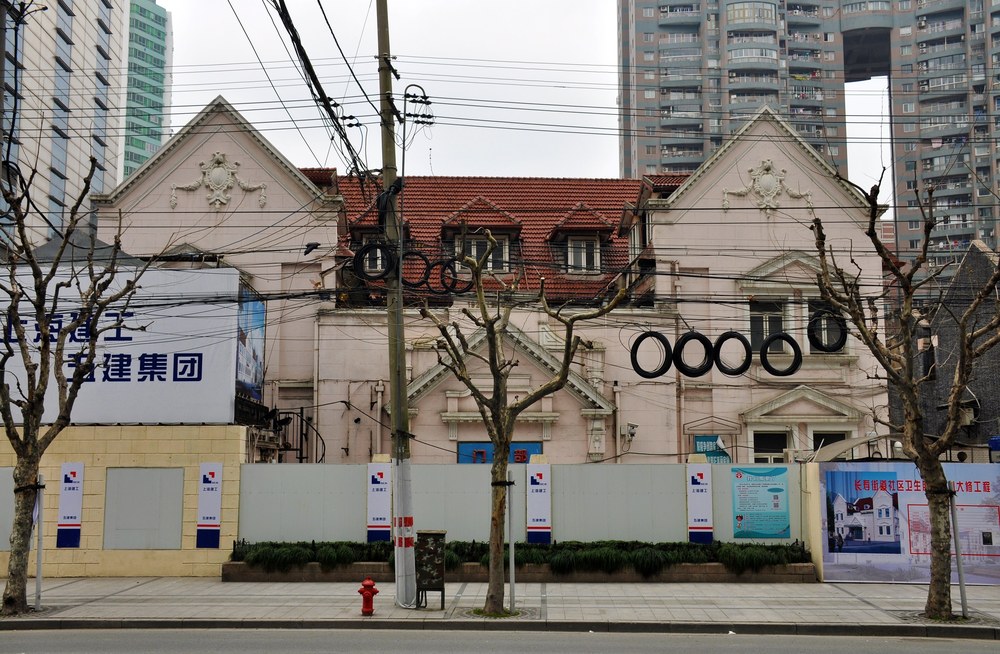
International Peace Maternity & Child Health Hospital of China Welfare Institute, Shanghai Jiaotong University School of Medicine
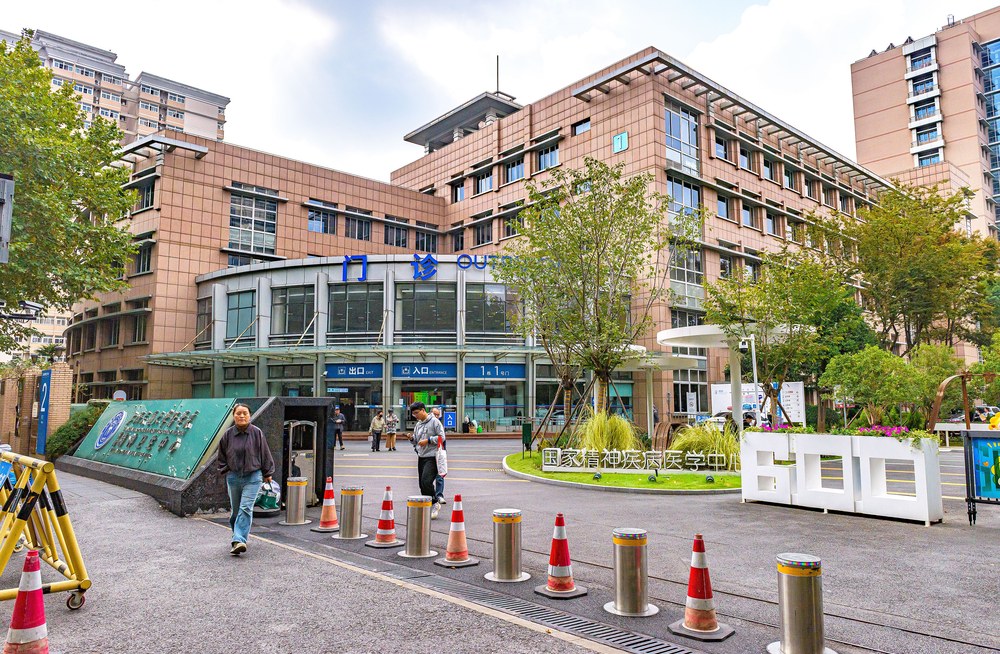
Shanghai Mental Health Center, Shanghai Jiaotong University School of Medicine
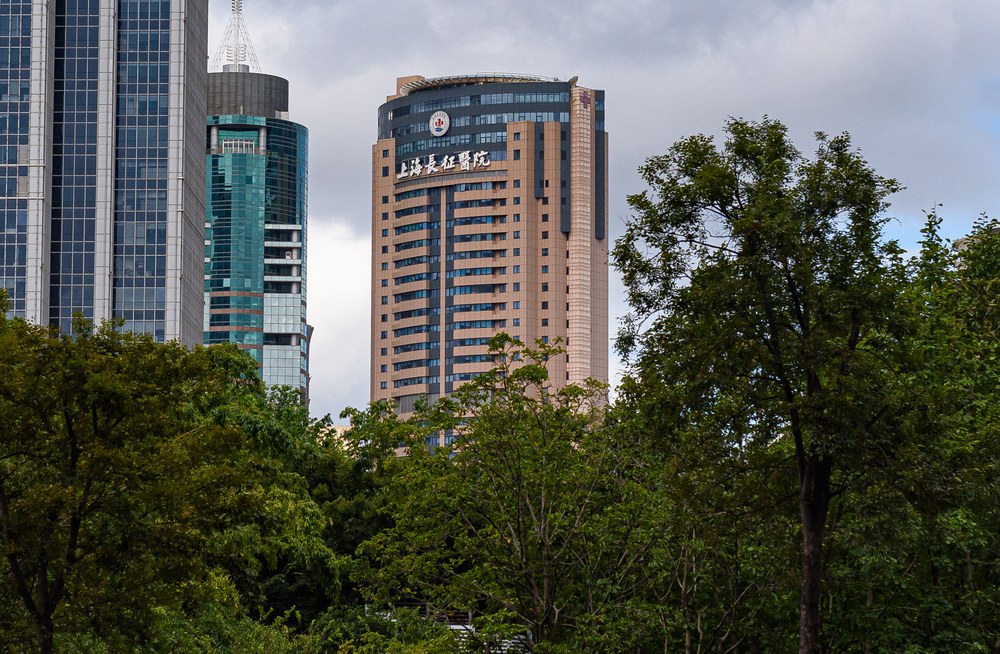
Changzheng Hospital, the Second Affiliated Hospital of Naval Medical University
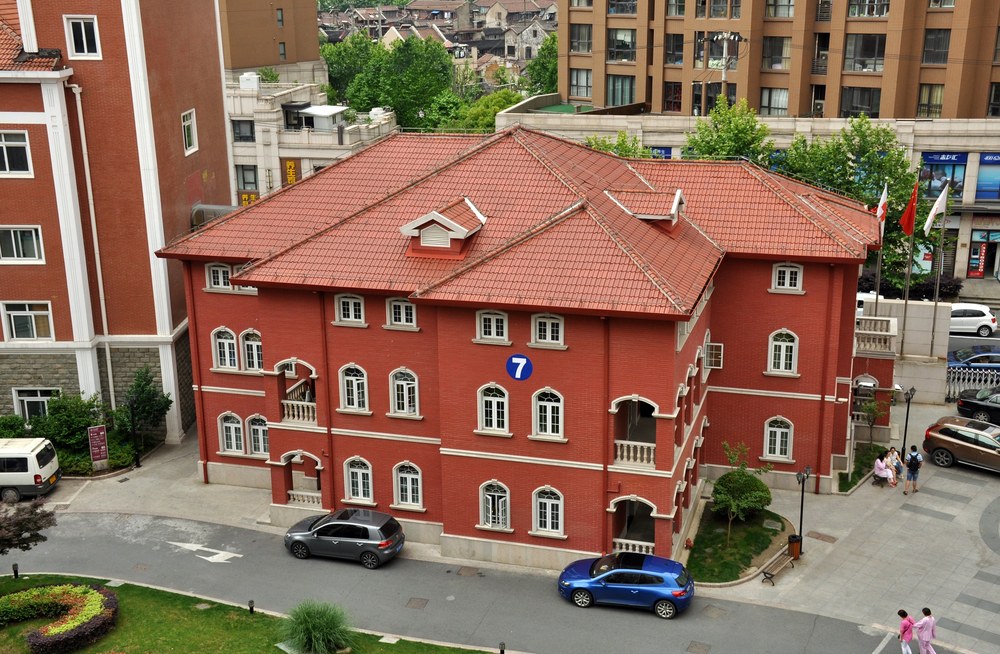
Obstetrics & Gynecology Hospital of Fudan University (Red House Hospital)
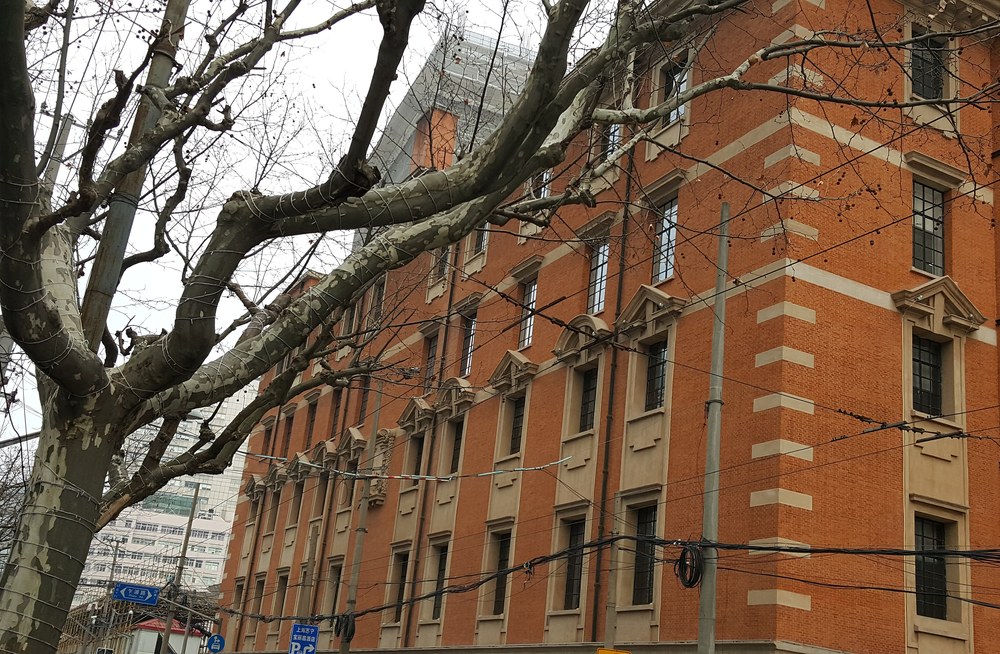
Shanghai General Hospital (Shanghai First People’s Hospital), Shanghai Jiaotong University School of Medicine
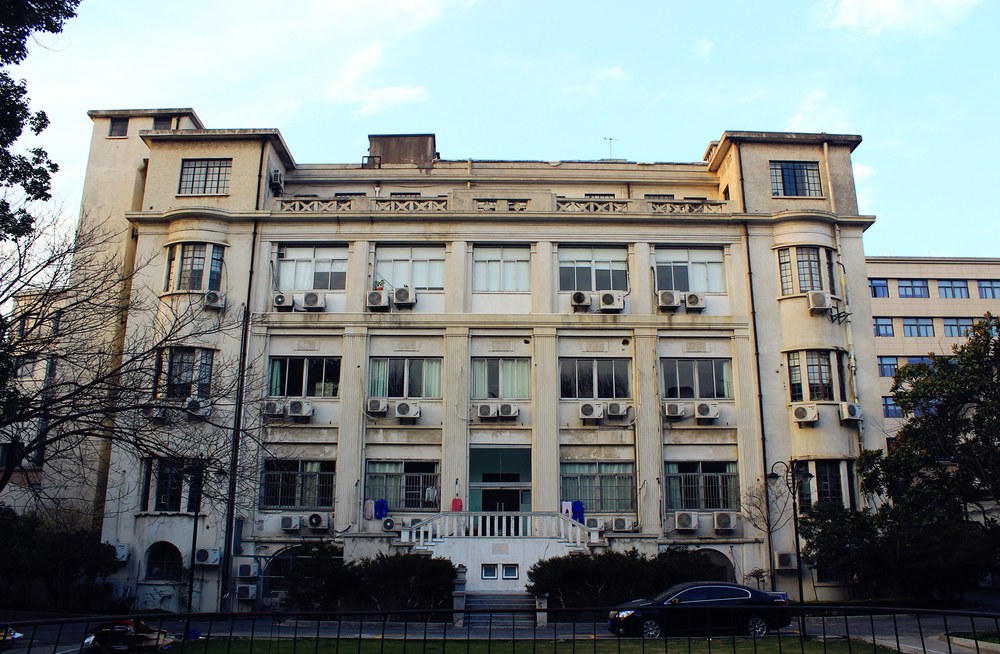
Eye & ENT Hospital of Fudan University
Xinhua Hospital, Shanghai Jiaotong University School of Medicine
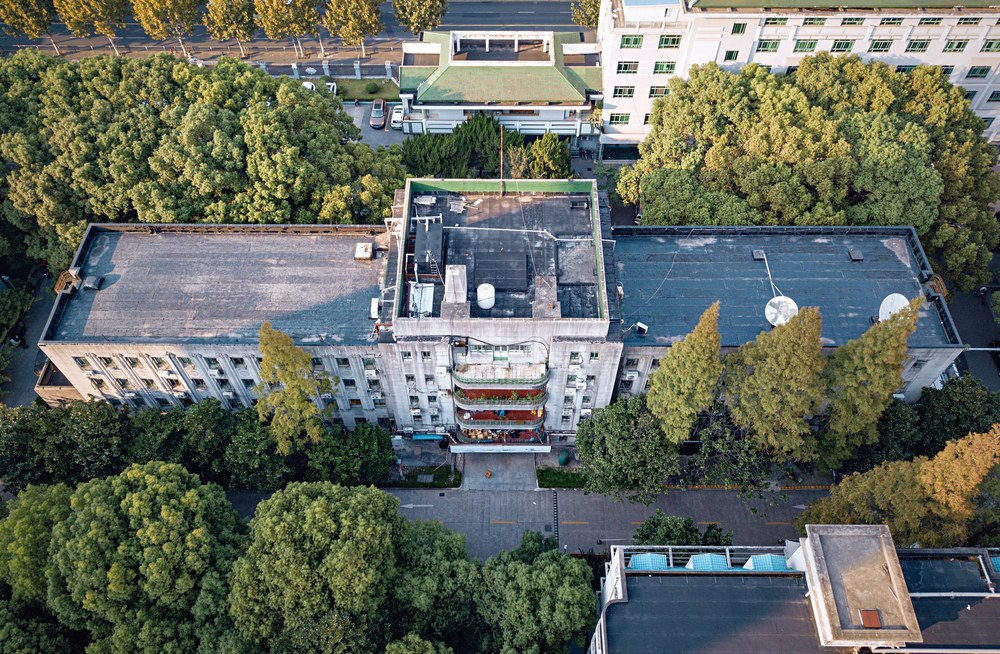
Changhai Hospital, the First Affiliated Hospital of Naval Medical University
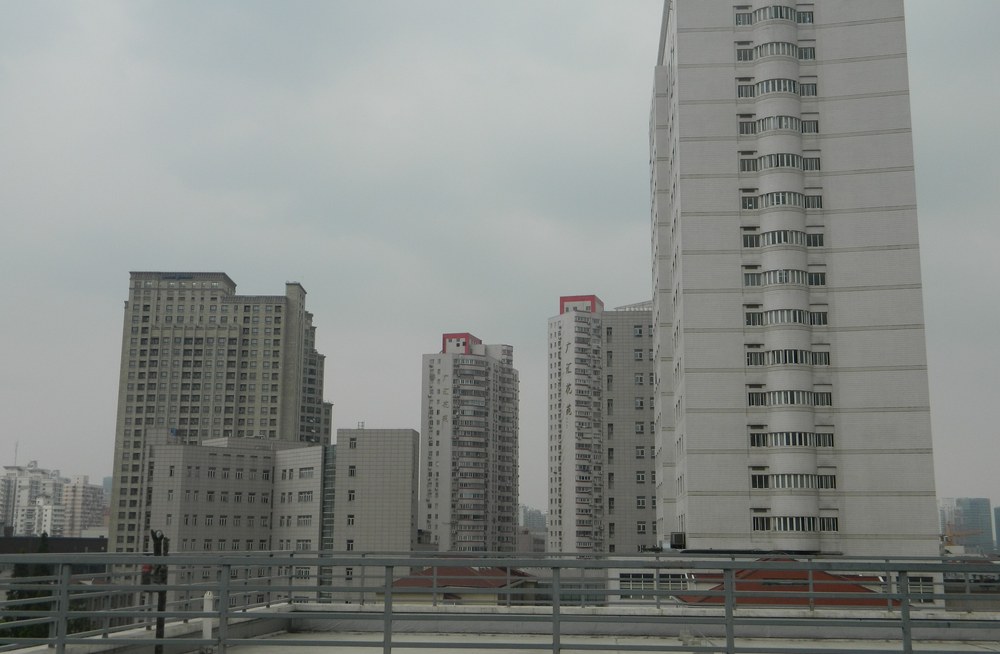
Fudan University Shanghai Cancer Center
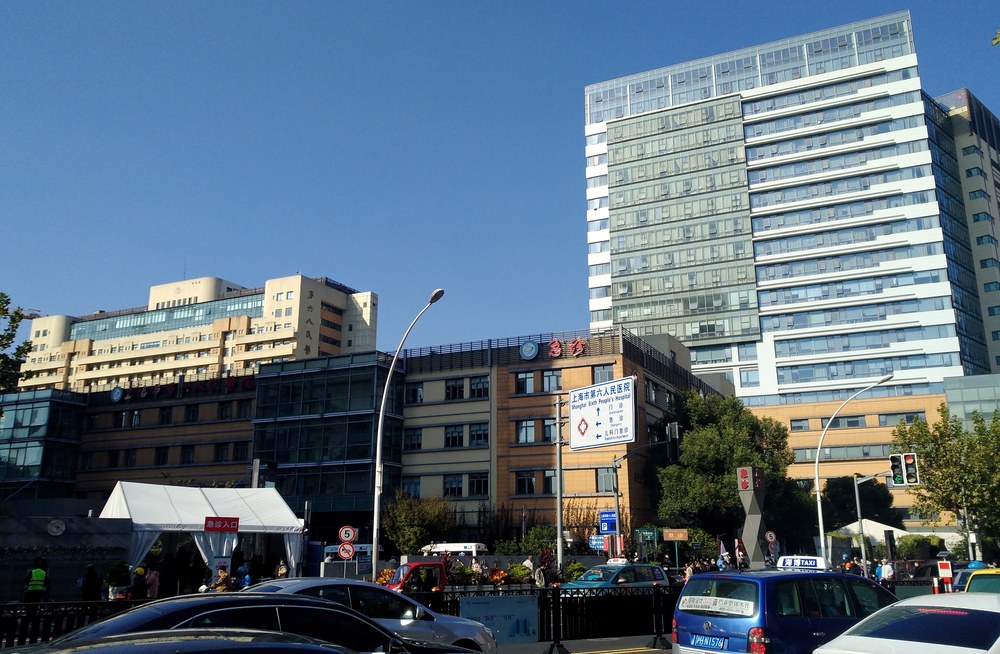
Shanghai Sixth People’s Hospital, Shanghai Jiaotong University School of Medicine
Copyright © 2023 Yewen Renyi & ShanghaiDoctor.cn (This website is a non - profit medical humanities platform. The information contained herein is solely for biographical and historical purposes and does not constitute any medical advice.) 沪ICP备2023005392号-2 XML 沪公网安备31010902100835号
 中文
 English
 Español
 沪公网安备31010902100835号
