ShanghaiDoctor - Where China's Healing Wisdom Shapes Modern Medicine

Update time:2026-10-25Visits:25
Founded in 1907 as the Chinese Red Cross General Hospital and Medical School, Huashan Hospital was the first hospital in Shanghai founded and run by Chinese people, and it trained some of China’s earliest modern medical professionals. In 1992 it was among the first hospitals in China to pass the national “Grade 3, Class A” evaluation. Today it is a hospital under the National Health Commission, an affiliated hospital of Fudan University and a hospital named by the Red Cross Society of China, and one of the best-known and most internationalized centers of medical care, teaching and research in the country. The hospital currently has 3,142 approved beds and 450 research beds, with 44 clinical and medical technology departments, and operates a main campus together with the Pudong, Hongqiao and Baoshan campuses.
Huashan Hospital is home to the National Center for Neurological Disorders, the National Medical Center for Infectious Diseases and the National Clinical Research Center for Geriatric Diseases, and is preparing the national quality control center for dermatology and sexually transmitted diseases. It has 20 national key clinical specialties, including orthopedics, nursing, clinical laboratory, endocrinology, neurosurgery, hand surgery, neurology, traditional Chinese medicine (pulmonary diseases), dermatology, urology, nephrology, surgery, gastroenterology, oncology, infectious diseases, rehabilitation medicine, sports medicine and medical imaging, as well as key laboratories for hand surgery and antibiotics. It also has 10 national key disciplines of the Ministry of Education, 2 national key laboratories, 3 Shanghai key laboratories, 2 municipal clinical medical research centers, 6 municipal engineering and technology centers, and 4 of Shanghai’s “top priority” clinical medical centers.
In recent years the hospital has handled more than 6 million outpatient and emergency visits a year, nearly 200,000 discharges and more than 100,000 operations. Huashan was the first hospital in Shanghai to provide medical services for foreigners. It is a designated medical institution for the consulates of 10 countries and has served more than 600,000 visits by international patients from over 100 countries and regions. It has provided medical support for major international events held in China, including the China International Import Expo, the World Expo, the Olympic Games, the APEC meetings, the CICA Summit, the Shanghai Cooperation Organisation Summit, and visits by foreign leaders.
Huashan Hospital Fujian, which Huashan leads and operates in partnership with the Fujian Provincial Government, is one of the first national regional medical centers. Building on Huashan’s long cooperation with the First Affiliated Hospital of Fujian Medical University, it opened to patients in May 2021.
The hospital has strong technical expertise and a large group of renowned specialists. It employs more than 6,000 staff, over 80% of them medical professionals, including more than 800 senior specialists. Since its founding it has had 4 academicians, 35 appointments to national high-level talent programs, 17 to national young talent programs, and 23 lifetime professors, and nearly 40 of its experts serve as chairs or vice chairs of national professional societies, with more than 60 holding the same roles in Shanghai societies. In the national performance appraisal of tertiary public hospitals it is rated A++, placing it in the country’s top tier.
Alongside its heavy clinical workload, Huashan has an outstanding research record. It has won the second prize of the National Science and Technology Progress Award three times, undertaken more than 420 projects funded by the National Natural Science Foundation of China, and published more than 4,200 papers, over 2,900 of them indexed by SCI. Its hand surgery team pioneered “contralateral C7 nerve transfer” to restore arm function in patients paralyzed on one side after stroke or other central nervous system injury. The work was published in The New England Journal of Medicine and named one of the most notable articles of 2018; it went on to win the Shanghai Science and Technology Progress Award (Special Prize) in 2020 and the first prize of the National Science and Technology Progress Award in 2024.
As a teaching hospital, Huashan Clinical Medical College of Fudan University teaches more than 2,000 students and trainees each year. The hospital has 21 doctoral programs and postdoctoral research stations, offers master’s programs in every discipline, and runs 20 national standardized residency training bases and 27 standardized specialist training bases. Each year it holds more than 120 national continuing medical education programs for more than 10,000 participants. It hosts a series of international academic conferences, has sent teams and individuals to study and exchange in more than 40 countries and regions, and has established partnerships with Harvard Medical School, Massachusetts General Hospital and Klinikum rechts der Isar of the Technical University of Munich, among others.
Since 1907, Huashan has upheld the Red Cross spirit of “humanity, fraternity and dedication”. It has carried out humanitarian relief at home and abroad, including the Wenchuan earthquake (for which it was named a “National Heroic Collective in Earthquake Relief”), the aftermath of the typhoon in the Philippines, the Nepal earthquake, and the treatment of Ebola in Africa. Since 1965, more than 40 of its medical staff have served on medical missions to Somalia, Algeria, Togo, Morocco and Laos, and in 2017 it sent a medical team to Gwadar Port in Pakistan. Through smart healthcare programs, its services now reach more than 200 hospitals in over 20 provinces and cities.
The Pudong campus, in the Jinqiao area next to the Biyun international community, opened in April 2006. In December 2009 it was approved by the Ministry of Health as Shanghai International Hospital. With 200 inpatient beds and 11 operating rooms, it offers general clinics, specialist clinics, VIP (special needs) clinics and clinics for foreigners, as well as a CyberKnife treatment center, a health management center, a rehabilitation center and a dermatology laser center. Since 2018 it has also been a designated medical insurance (yibao) provider, combining basic care with special-needs and premium services.
The Baoshan campus, in Gucun, Baoshan District, opened in December 2012. It has 1,050 approved beds, 150 research beds and 15 operating rooms, and all of Huashan’s national key disciplines and key clinical specialties run clinics or wards there. The Hongqiao campus, in Huacao Town, Minhang District, began trial operation in June 2018. With 800 approved beds (including 100 ICU beds), 300 research beds and 40 operating rooms, it focuses on the National Center for Neurological Disorders, a Yangtze River Delta stroke and trauma center, and a regional medical center for the Greater Hongqiao area, and it is a first-class designated hospital for the China International Import Expo.
Huashan Hospital has been named a “Shanghai Civilized Unit” 18 times and a “National Civilized Unit” 3 times. Building on more than a century of history, it continues to serve patients from Shanghai, across China and around the world.
Cover photo: “Huashan Hospital Shanghai” by Livelikerw, via Wikimedia Commons, licensed under CC BY-SA 3.0.
Shanghai Mental Health Center, Shanghai Jiaotong University School of Medicine
Changzheng Hospital, the Second Affiliated Hospital of Naval Medical University
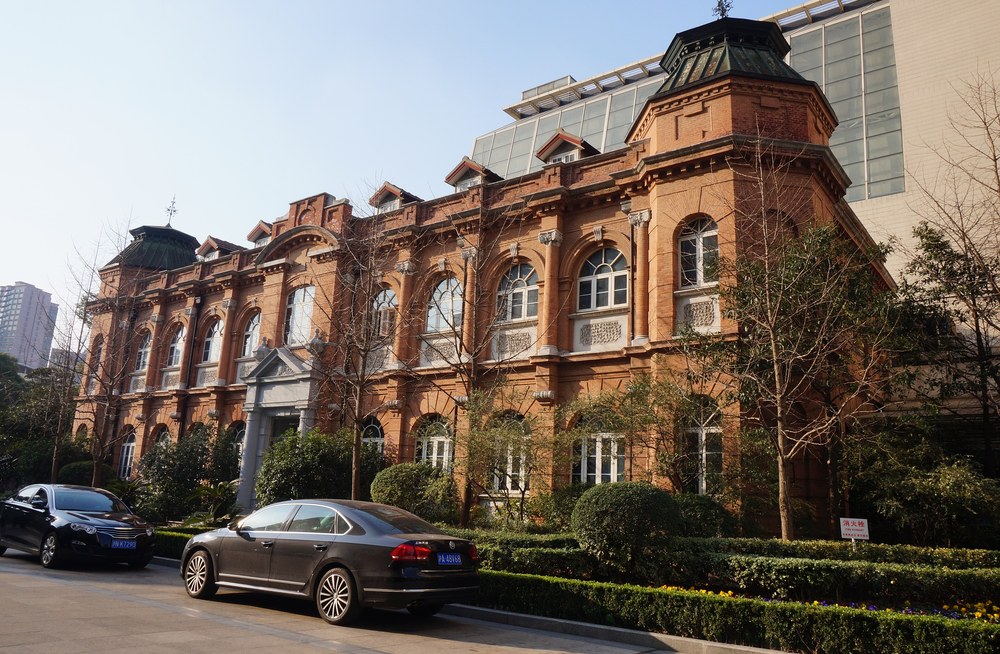
Obstetrics & Gynecology Hospital of Fudan University (Red House Hospital)
Xinhua Hospital, Shanghai Jiaotong University School of Medicine
Changhai Hospital, the First Affiliated Hospital of Naval Medical University
Shanghai Sixth People’s Hospital, Shanghai Jiaotong University School of Medicine
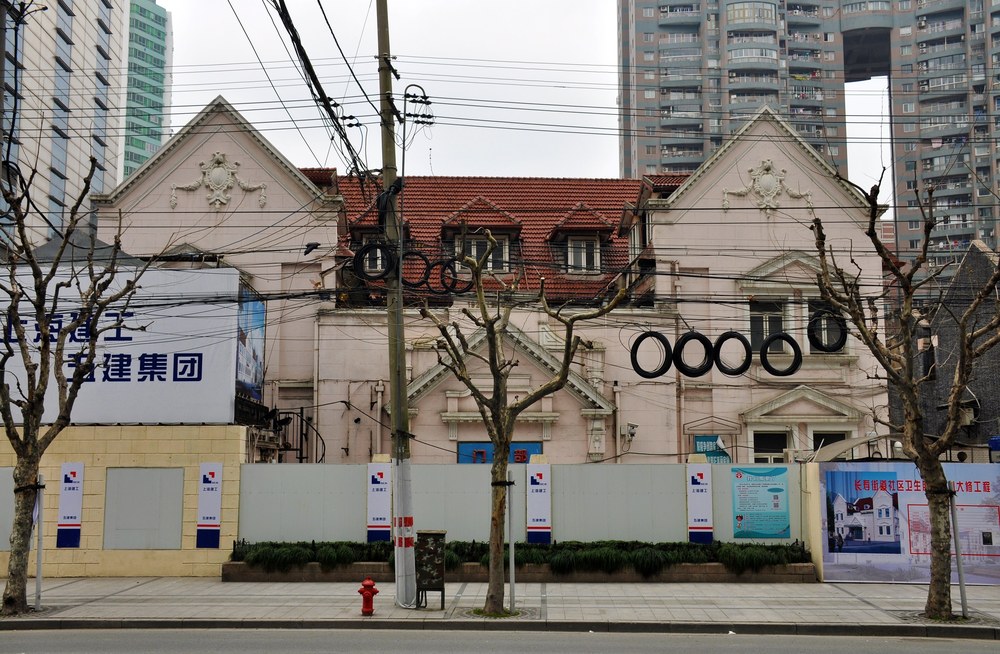
International Peace Maternity & Child Health Hospital of China Welfare Institute, Shanghai Jiaotong University School of Medicine
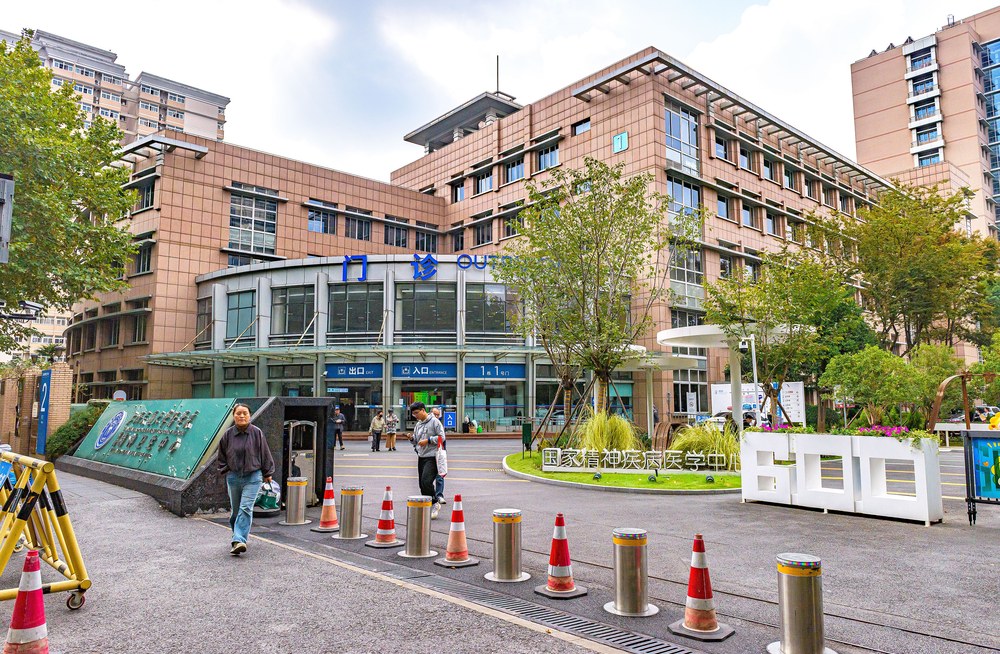
Shanghai Mental Health Center, Shanghai Jiaotong University School of Medicine
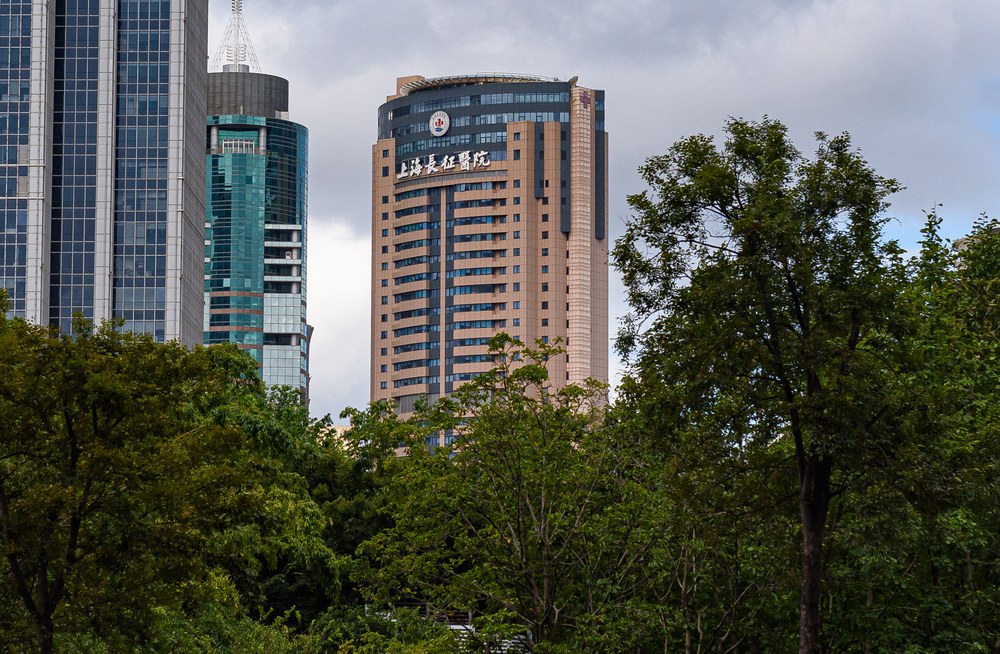
Changzheng Hospital, the Second Affiliated Hospital of Naval Medical University
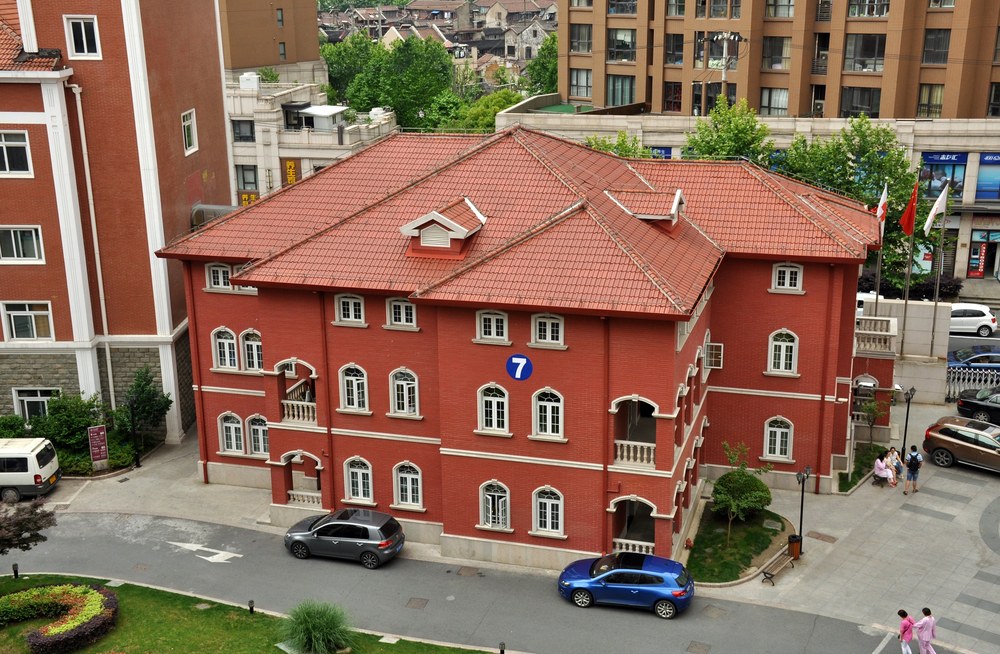
Obstetrics & Gynecology Hospital of Fudan University (Red House Hospital)
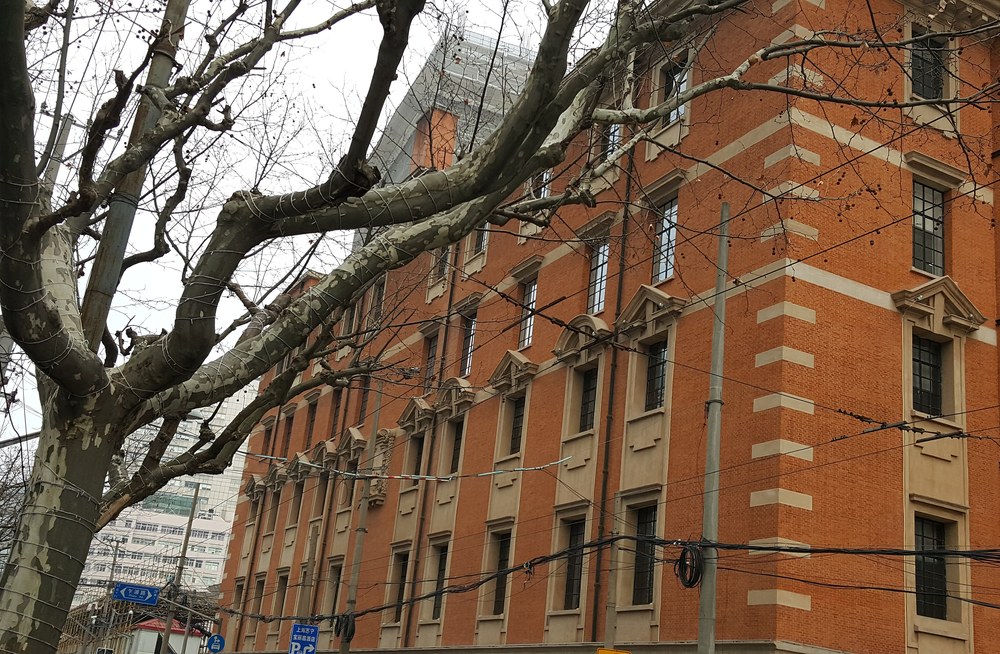
Shanghai General Hospital (Shanghai First People’s Hospital), Shanghai Jiaotong University School of Medicine
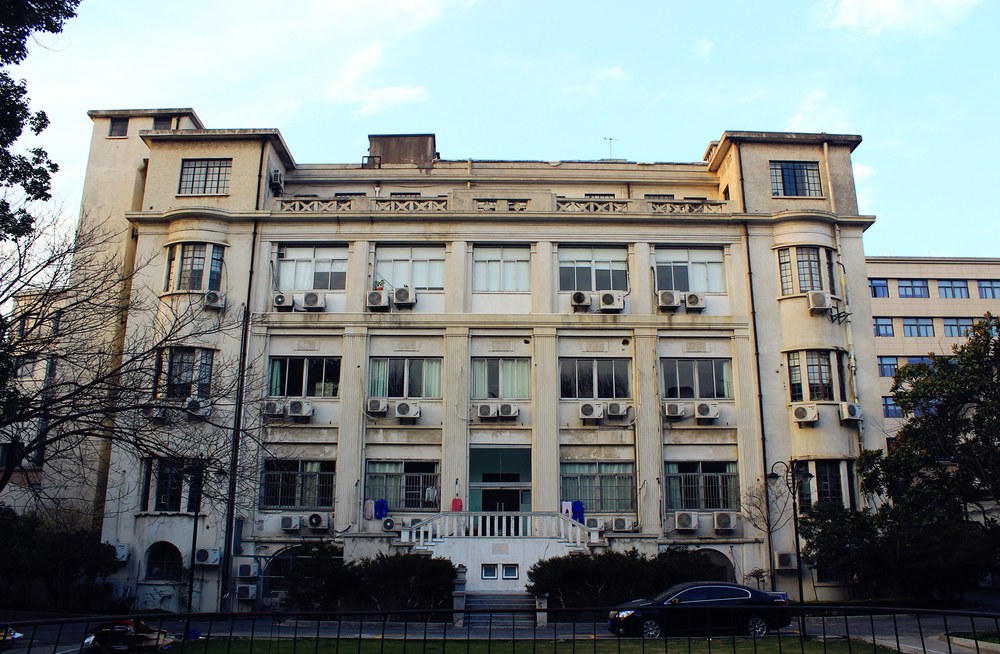
Eye & ENT Hospital of Fudan University
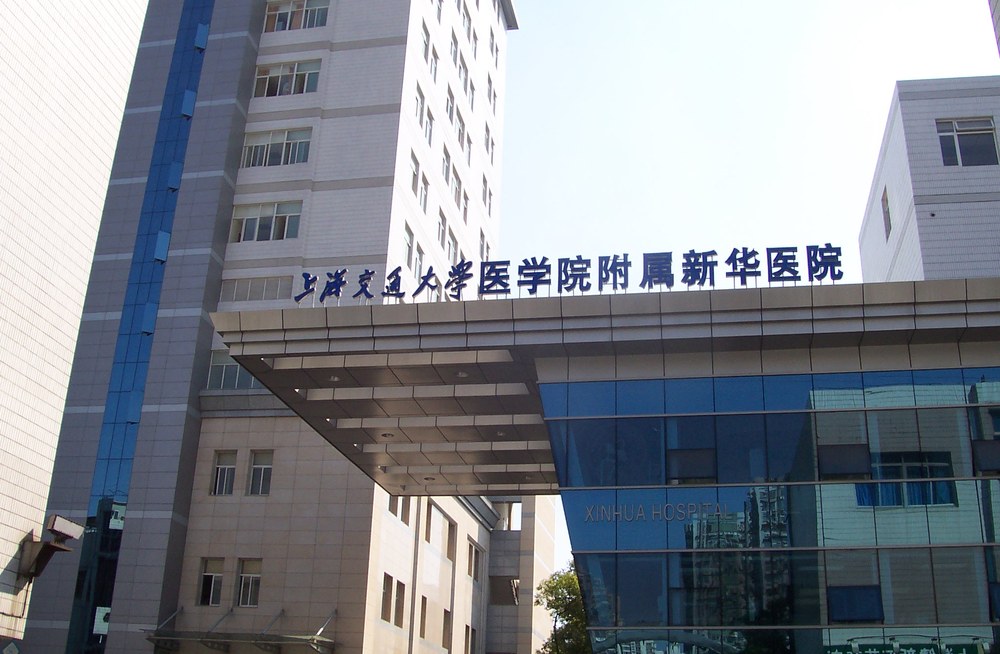
Xinhua Hospital, Shanghai Jiaotong University School of Medicine
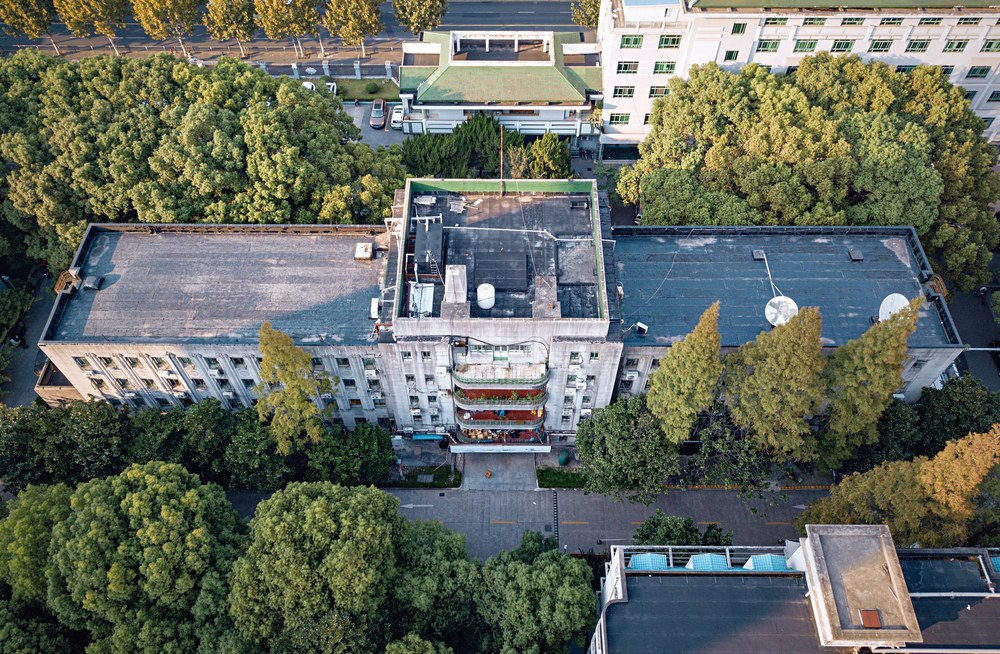
Changhai Hospital, the First Affiliated Hospital of Naval Medical University
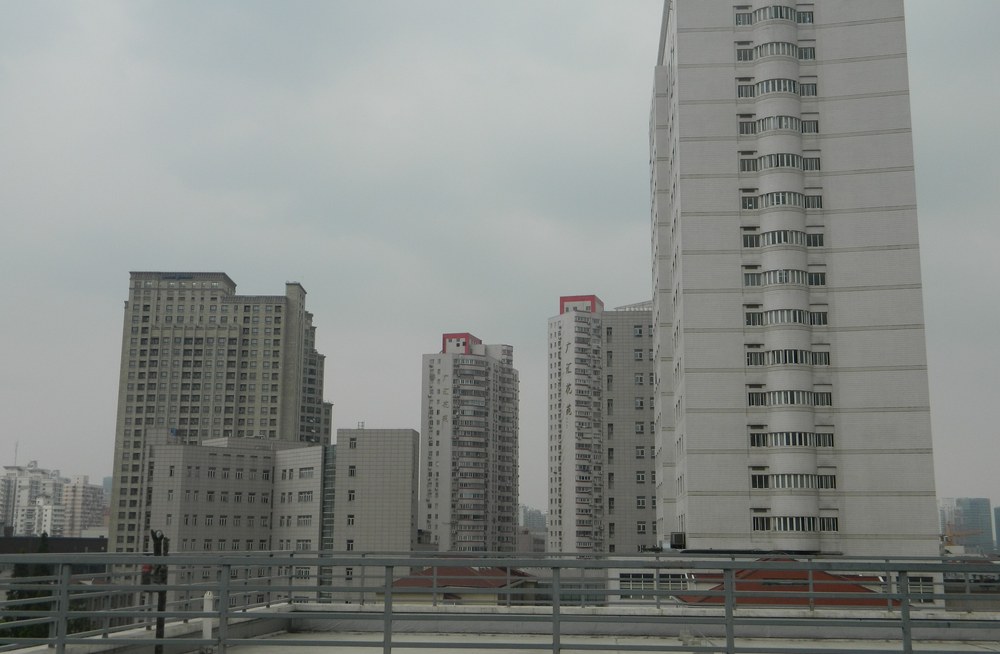
Fudan University Shanghai Cancer Center
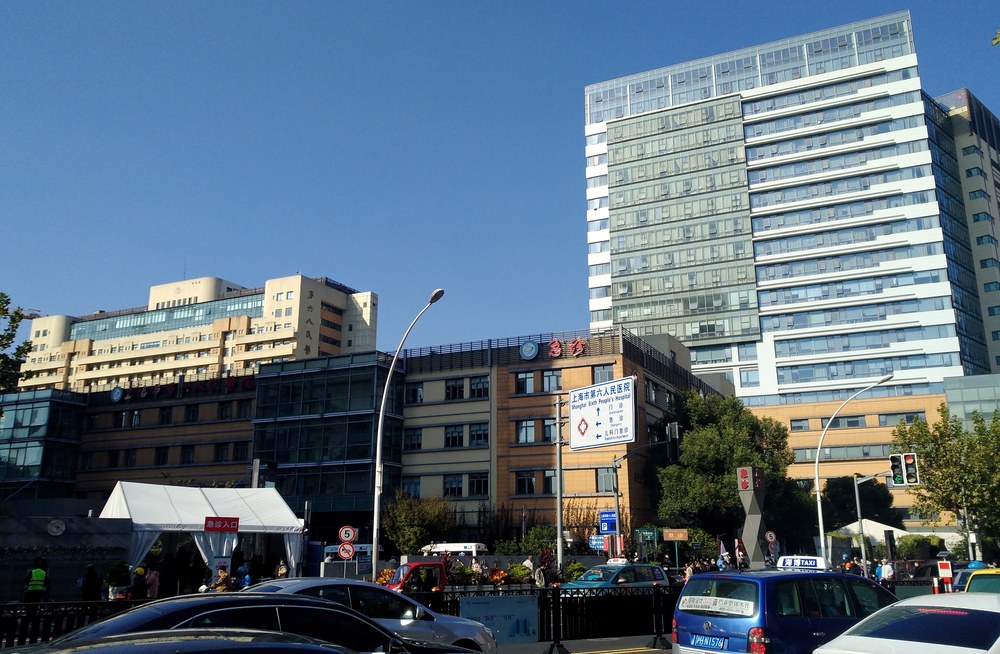
Shanghai Sixth People’s Hospital, Shanghai Jiaotong University School of Medicine
Copyright © 2023 Yewen Renyi & ShanghaiDoctor.cn (This website is a non - profit medical humanities platform. The information contained herein is solely for biographical and historical purposes and does not constitute any medical advice.) 沪ICP备2023005392号-2 XML 沪公网安备31010902100835号
 中文
 English
 Español
 沪公网安备31010902100835号
