ShanghaiDoctor - Where China's Healing Wisdom Shapes Modern Medicine

Update time:2026-10-25Visits:14
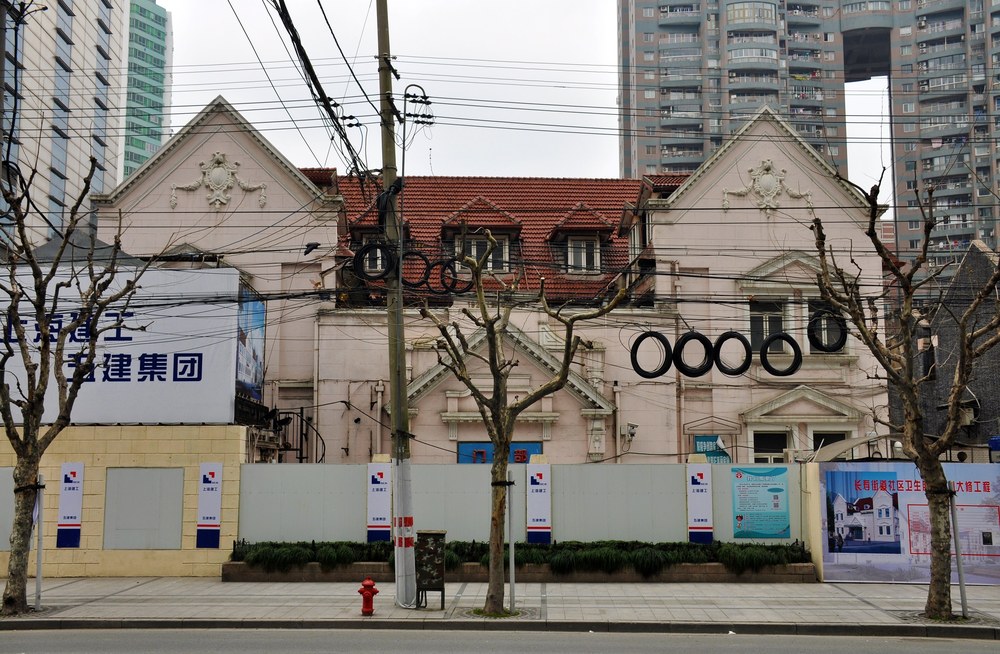
The International Peace Maternity & Child Health Hospital (IPMCH) of China Welfare Institute was founded in 1952 by Madame Soong Ching Ling, one of the founders of New China, Honorary President of the People’s Republic of China and founder of the China Welfare Institute. Today it is a Grade 3, Class A hospital for obstetrics, gynecology and maternal and child health care that integrates medical care, health care, teaching and research, and a national “Baby-Friendly Hospital”.
Madame Soong founded the hospital on September 18, 1952, using the funds of the Stalin Peace Prize she had been awarded. In 2006 it became an affiliated hospital of Shanghai Jiaotong University School of Medicine. Throughout its history the hospital has followed the founding principle of “being experimental and demonstrative, and strengthening scientific research” and the tenet of “serving women and children wholeheartedly”. In more than seventy years, nearly 500,000 babies have been born at the hospital, and it has served a population of 30 million.
In September 2022, on the hospital’s 70th anniversary, the Fengxian campus opened. The hospital now has two campuses, with 480 approved beds in Xuhui District and 500 in Fengxian District, covering a total of 120 mu (151,000 square meters). The Xuhui campus focuses on premium medical care, while the Fengxian campus focuses on the combined development of medical care, research and education and on high-quality innovation and translation. The hospital has 1,349 staff, 1,236 of them health professionals, and 15.0% of its employees hold doctoral degrees. Its advanced equipment includes 3.0T MRI, CT, DSA, a hybrid operating room with DSA, a robotic-assisted laparoscopic surgery system and HIFU (high-intensity focused ultrasound).
Its key specialty departments include obstetrics, the prenatal diagnosis center, fetal medicine, neonatology, child health, general gynecology, pelvic floor disorders, gynecologic oncology, the reproductive medicine center, cervical diseases, family planning, breast diseases, anesthesiology, clinical nutrition and preventive health care. The hospital has 5 national construction projects for characteristic specialties, in prenatal and pregnancy care, neonatal health, menopausal health care for women, traditional Chinese medicine for women and children, and a flagship department for integrated Chinese and Western medicine (gynecology). Obstetrics and gynecology, birth defects, and female tumors are Shanghai key clinical specialties.
Each year the hospital receives about 1.39 million outpatient visits and admits more than 48,000 inpatients, performing more than 30,000 operations and around 14,000 deliveries. Its particular strengths include multidimensional fertility preservation, integrated perinatal care for birth defects, the diagnosis and treatment of abnormal fetal development in the womb, multidisciplinary care for gynecological tumors and endometriosis, and integrated Chinese and Western medicine in gynecology. Its maternal and perinatal mortality rates have long been kept at a very low level, close to advanced international standards, and its capability in diagnosing and treating gynecological malignancies is among the leaders in Shanghai.
The hospital was among the first group of reproductive medicine centers in Shanghai approved by the Ministry of Health and among the first training bases for grade 4 gynecological endoscopic surgery. It was one of the first national pilot units for the clinical use of high-throughput sequencing in PGD (preimplantation genetic diagnosis) and NIPT (non-invasive prenatal testing), and it is the National Twin Pregnancy–Fetoscopy Application Center and a member of the National Health Commission’s “Belt and Road” training program for gynecological endoscopic surgeons. In 2004 it set up its International Medical Department, one of the first high-end medical service departments in China. It also hosts the Shanghai Birth Defects Prevention and Health Care Center and the Shanghai Quality Control Center for Prenatal Diagnosis Technology.
As a teaching hospital, IPMCH is a national standardized residency training base for obstetrics and gynecology, a national training base for midwives and a national talent training base for birth defects. It offers master’s and doctoral programs and a postdoctoral research station in obstetrics and gynecology.
The hospital’s research platforms include the Shanghai Key Laboratory of Embryo Original Diseases, the Clinical Research Institute of Birth Defects and Rare Diseases of Shanghai Jiaotong University School of Medicine, the Maternal and Child Health Branch of the National Center for Translational Medicine (Shanghai), and the Soong Ching Ling Maternal and Child Health Research Center. Its research has won the second prize of the National Science and Technology Progress Award, the first prize of the Chinese Medical Science and Technology Award, the National Maternal and Child Health Science and Technology Award, the Soong Ching Ling Pediatric Medicine Award and the first prize of the Shanghai Science and Technology Progress Award, among others. In 2015 and 2016 it ranked ninth and eighth nationally in obstetrics and gynecology in the Science and Technology Influence ranking of Chinese hospitals published by the Chinese Academy of Medical Sciences.
True to its public welfare mission, the hospital shares its maternal and child health resources with hospitals in Xinjiang, Yunnan, Inner Mongolia and the Yangtze River Delta, and provides international medical assistance to Vanuatu and Morocco. It was one of the organizers of the first SCO Forum on Cooperation in Maternal and Child Health, and works with the World Health Organization, UNICEF, the Gates Foundation, the Canadian Institutes of Health Research, Columbia University, the University of Cincinnati, Monash University, the Yong Loo Lin School of Medicine of the National University of Singapore and many other institutions around the world.
The hospital has been honored as a National Civilized Unit and a National Advanced Collective, with the National May Day Labor Award, and as a national benchmark unit for ideological and political work in the health system. It has also been named one of China’s top ten model baby-friendly hospitals and a “Mother- and Baby-Friendly Hospital”. Carrying forward the cause that Madame Soong described as “building the future”, it is working to become a research-oriented hospital with first-class disciplines, leading specialties and a strong reputation in China and around the world.
Cover photo by Fayhoo, via Wikimedia Commons, licensed under CC BY-SA 3.0.
Shanghai Mental Health Center, Shanghai Jiaotong University School of Medicine
Changzheng Hospital, the Second Affiliated Hospital of Naval Medical University
Obstetrics & Gynecology Hospital of Fudan University (Red House Hospital)
Xinhua Hospital, Shanghai Jiaotong University School of Medicine
Changhai Hospital, the First Affiliated Hospital of Naval Medical University
Shanghai Sixth People’s Hospital, Shanghai Jiaotong University School of Medicine
International Peace Maternity & Child Health Hospital of China Welfare Institute, Shanghai Jiaotong University School of Medicine
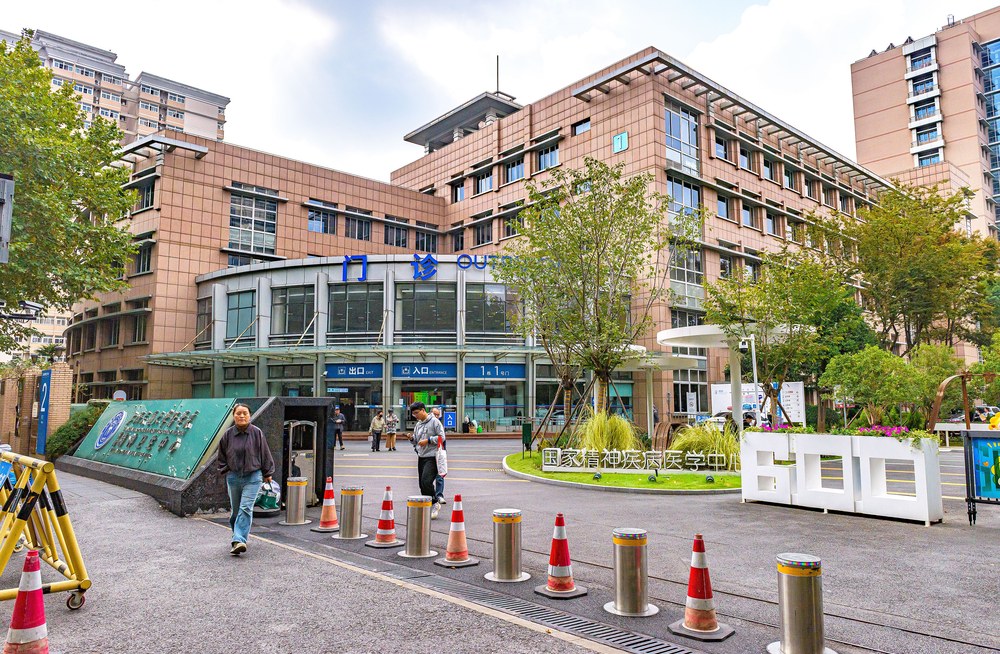
Shanghai Mental Health Center, Shanghai Jiaotong University School of Medicine
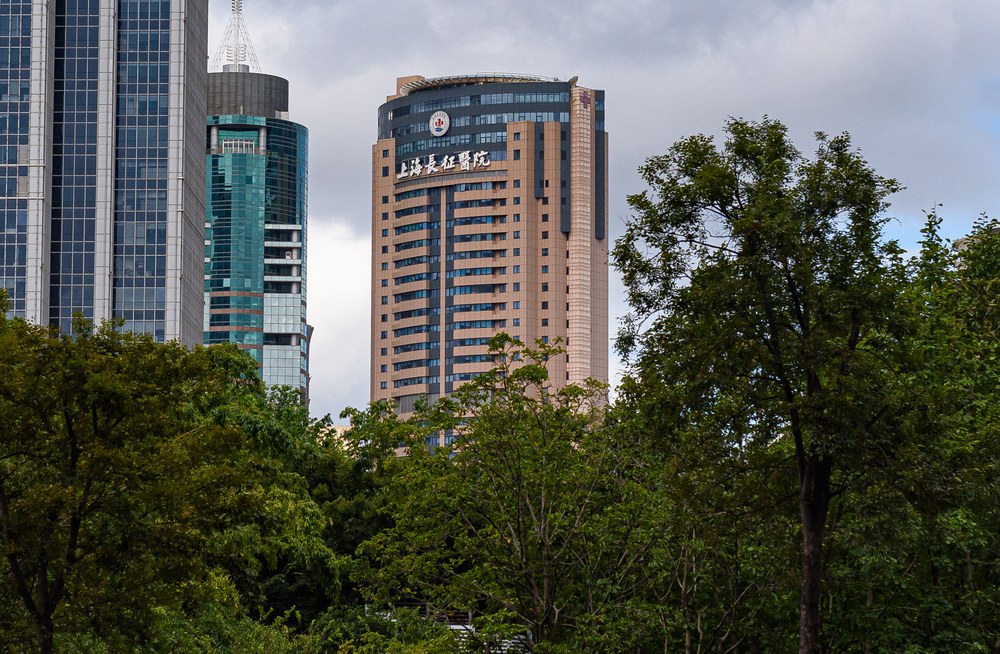
Changzheng Hospital, the Second Affiliated Hospital of Naval Medical University
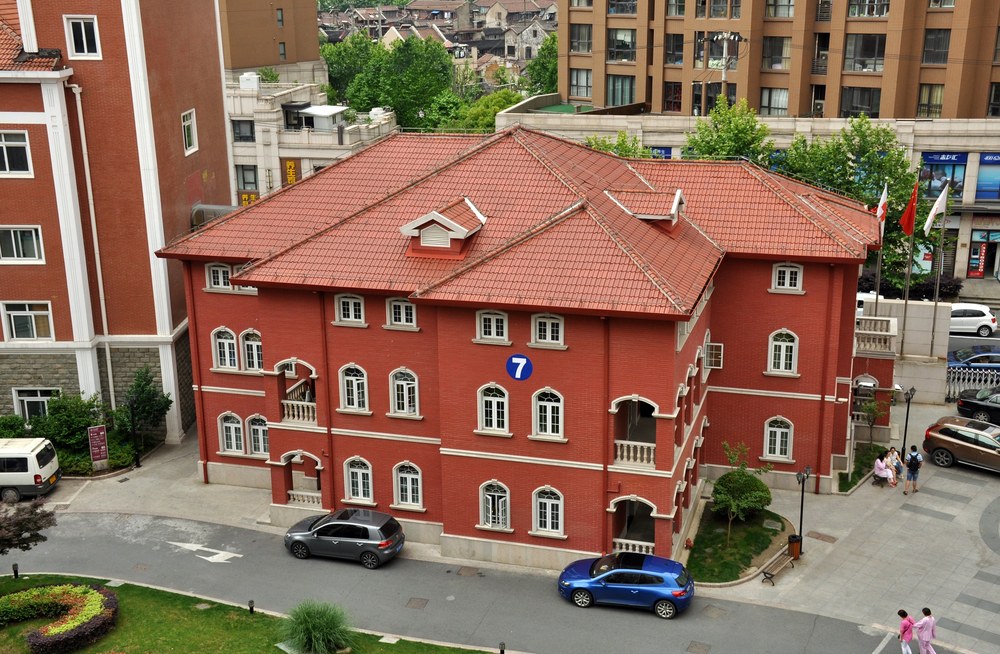
Obstetrics & Gynecology Hospital of Fudan University (Red House Hospital)

Shanghai General Hospital (Shanghai First People’s Hospital), Shanghai Jiaotong University School of Medicine
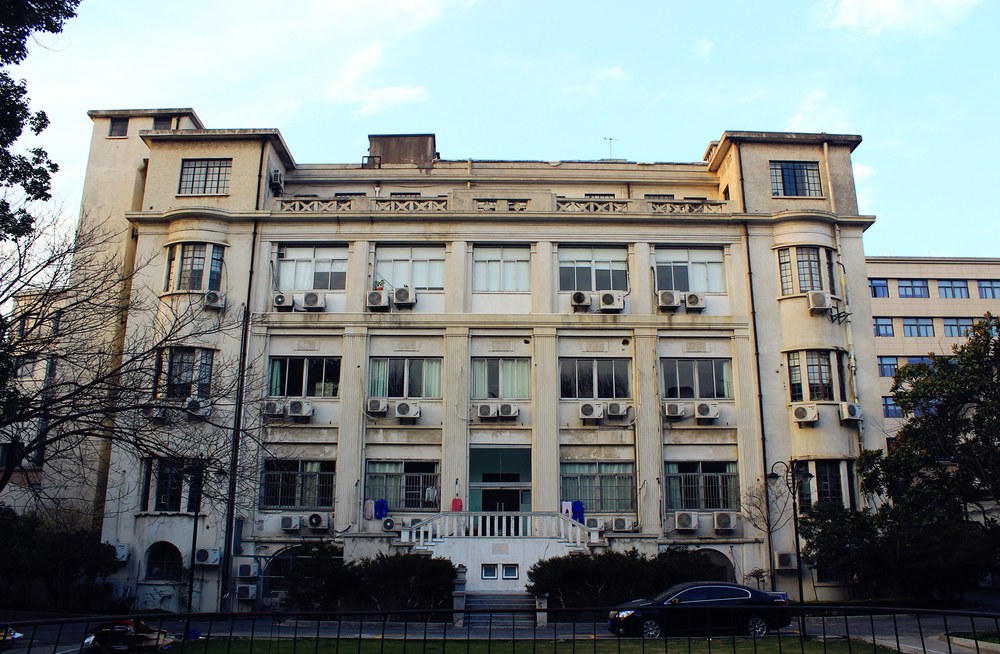
Eye & ENT Hospital of Fudan University
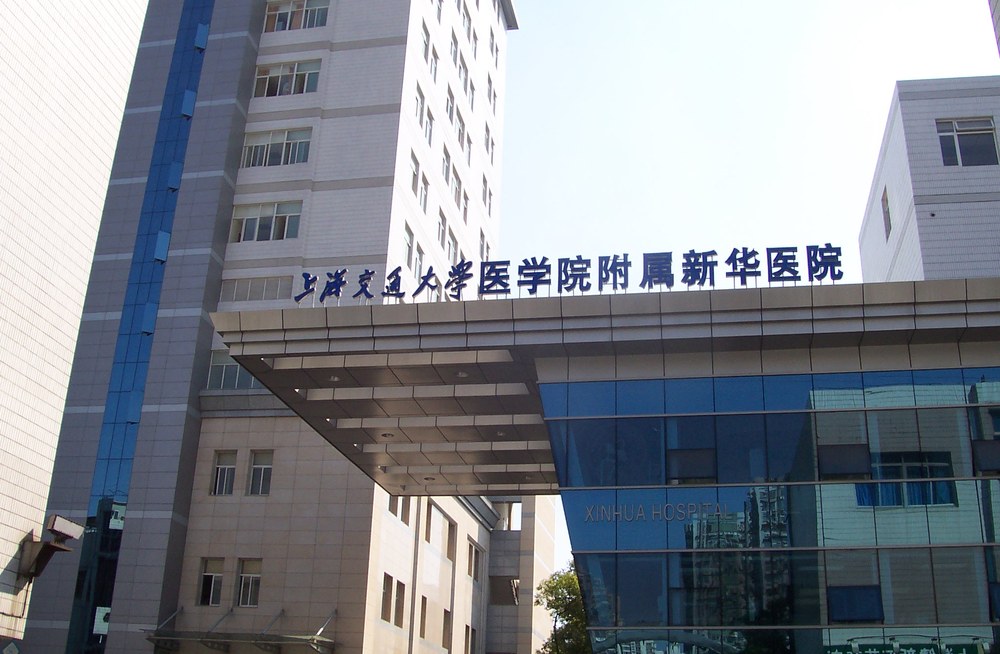
Xinhua Hospital, Shanghai Jiaotong University School of Medicine
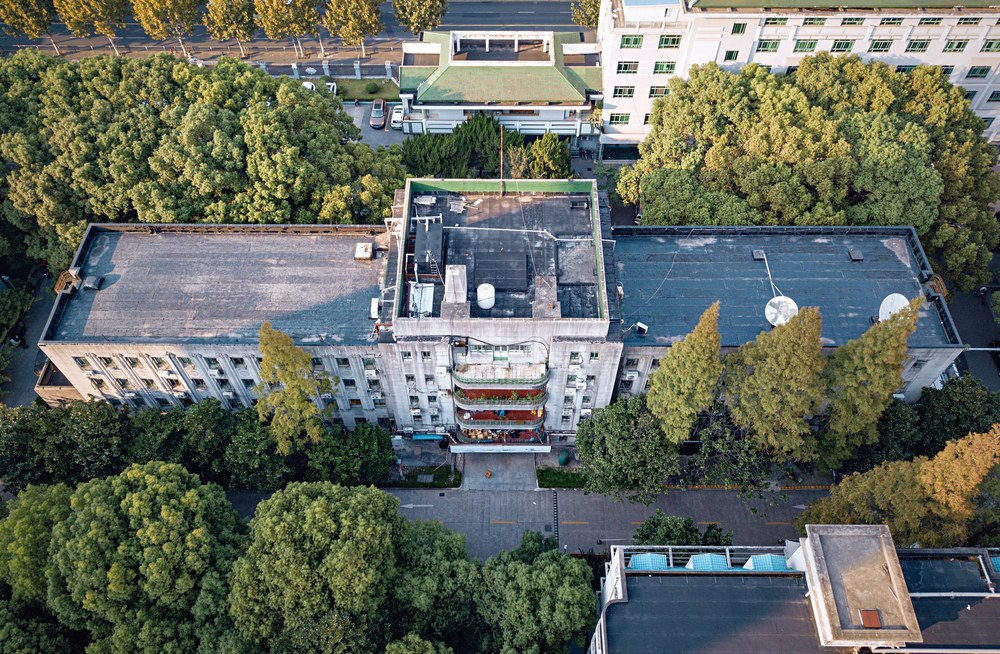
Changhai Hospital, the First Affiliated Hospital of Naval Medical University

Fudan University Shanghai Cancer Center
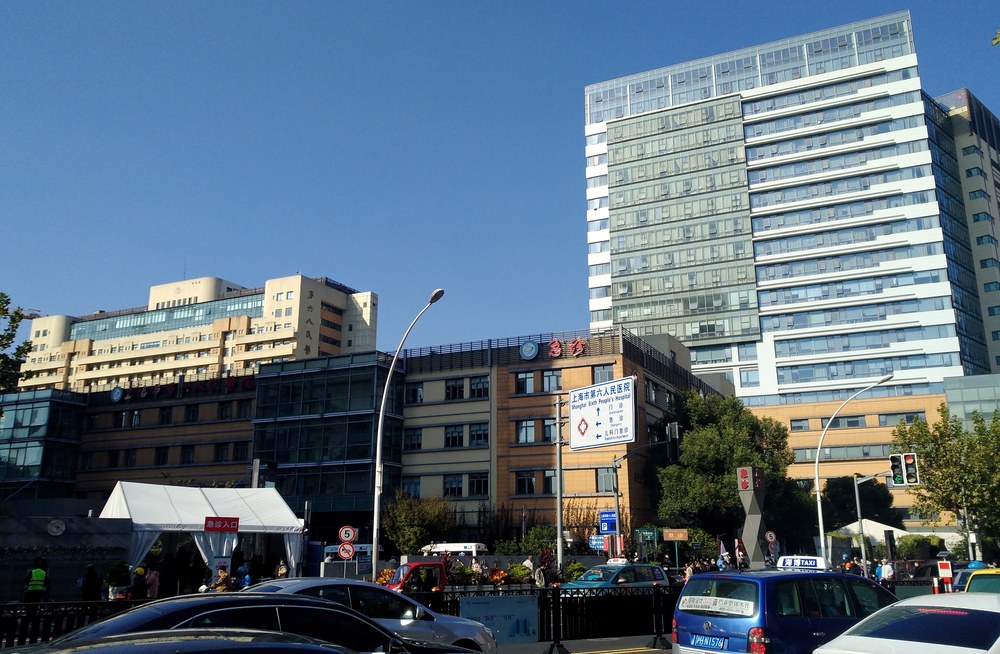
Shanghai Sixth People’s Hospital, Shanghai Jiaotong University School of Medicine
Copyright © 2023 Yewen Renyi & ShanghaiDoctor.cn (This website is a non - profit medical humanities platform. The information contained herein is solely for biographical and historical purposes and does not constitute any medical advice.) 沪ICP备2023005392号-2 XML 沪公网安备31010902100835号
 中文
 English
 Español
 沪公网安备31010902100835号
