ShanghaiDoctor - Where China's Healing Wisdom Shapes Modern Medicine

Update time:2026-01-18Visits:3712
SHANGHAI — "Is there a doctor on board?"
It is the call every traveling physician anticipates but hopes never to hear. For Dr. Ma Xiaobo, a nephrologist from Shanghai’s prestigious Ruijin Hospital, the request came mid-flight over the weekend as China Eastern Airlines Flight MU6222 cruised high above the clouds on its way from Kashgar, Xinjiang, to Shanghai.
What followed was a tense, hour-long medical drama that saw three veteran specialists turn a cramped airplane galley into an ad hoc intensive care unit, saving a man’s life with little more than a stethoscope and professional intuition.
The Emergency Call
The silence of the cabin was shattered by an urgent broadcast from the flight crew. Dr. Ma, who was returning to Shanghai after a medical mission in Xinjiang, instinctively pressed his call button. He was joined by Xu Boqing, a public service official with medical training.
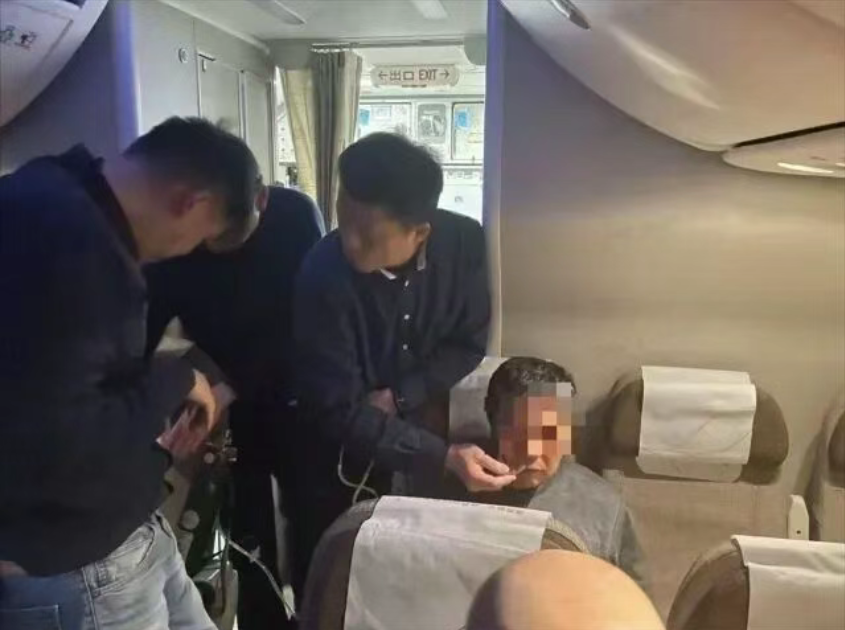
At the rear of the plane, they found an elderly male passenger in significant distress. Disoriented and gasping for air, the man was deliriously clawing at his oxygen mask. His pulse was rapid, his consciousness fading, and his family was in a state of panic.
"Don't worry, I am a doctor," Ma told the family, his voice a steadying force amidst the high-altitude chaos.
Medical Detective Work
The rescue hit an immediate roadblock: the patient was unable to speak, and his family could not clearly recount his medical history. In the absence of a hospital chart, the team turned to "medical detective work."
Scouring the patient’s carry-on bag, they discovered a cocktail of medications: Amlodipine, Telmisartan, Clopidogrel, and Sodium Valproate. To a trained eye, these were clear markers for a history of hypertension, coronary heart disease, and epilepsy.
"This is likely an acute cerebrovascular event," Ma concluded. The clinical data confirmed the danger: the man’s blood pressure had spiked to a dangerous 175/120 mmHg, and his oxygen saturation had plummeted to 90%.
A Trio Reunited
As the situation escalated, a third expert joined the fray: Lu Renhua, a former medical aid specialist from Renji Hospital. The three doctors, all with experience serving in China’s frontier regions, formed an "airborne medical team."
With the plane’s limited emergency kit, they monitored the patient’s vitals for nearly an hour. Under their watchful care, the man’s blood pressure began to stabilize and his consciousness gradually returned. When the aircraft finally touched down at Shanghai Hongqiao International Airport, the cabin erupted in applause.
True to their vocational oath, the doctors did not leave the patient’s side upon landing. They escorted him through the jet bridge and personally handed him over to the awaiting paramedics, only breathing a sigh of relief once the ambulance doors closed.
"Beyond the Hospital Walls"
This was not Dr. Ma’s first high-altitude intervention; he had assisted another passenger in respiratory distress just months prior. For him, the location is irrelevant to the mission.
"A doctor’s battlefield isn't just within the walls of a hospital," Ma said. "Whether in a consultation room, a remote village, or 30,000 feet in the air, the responsibility to protect life remains the same."
The story has since gone viral on Chinese social media, with thousands praising the "Shanghai doctors" for their composure and expertise.
Travel Advisory: Flying with Chronic Conditions
Medical experts involved in the incident reminded the public that high-altitude travel presents unique physiological challenges. For those with pre-existing conditions, they recommend:
- Assessment: Consult a physician before flying, especially when traveling between vastly different altitudes or climates.
- The "Medical ID": Elderly passengers or those with chronic illnesses should carry a card detailing their diagnosis and current medications. In an emergency, this "silent history" is often the difference between life and death.
Editor: Chen Qing @ Shanghai Doctor.cn
Groundbreaking Diagnosis: Shanghai Medical Team Identifies Ultra-Rare Bone Disorder
Foreign travelers can get service from Shanghai’s community hospital from now on
Shanghai Team Performs First ABO-Incompatible Heart Transplant on Infant
Shanghai Medical Pilot Realizes “Walking Dream” for Bulgarian Girl with Cerebral Palsy
A Shanghai Doctor Uses Ultrasound to “Wake Up” Mother's Alzheimer's
Shanghai Medical Trio Stages High-Altitude Rescue on Flight from Xinjiang
Shanghai Children’s Hospital Uses Remote MDT to Diagnose Rare CIPA
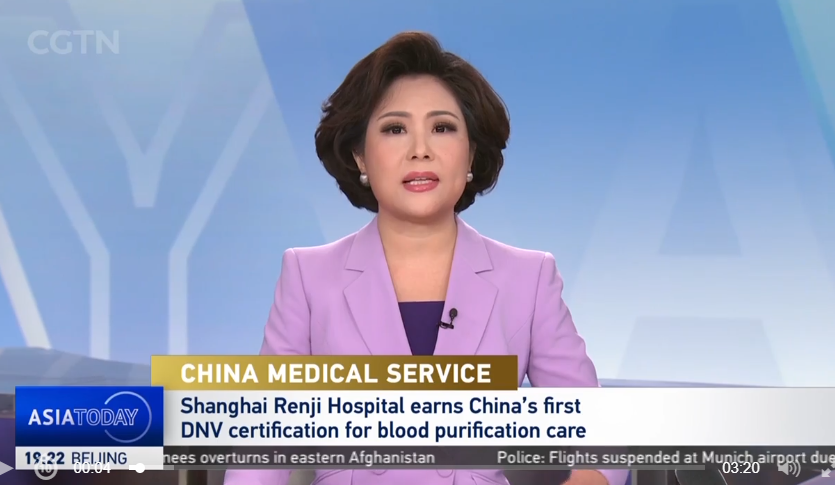
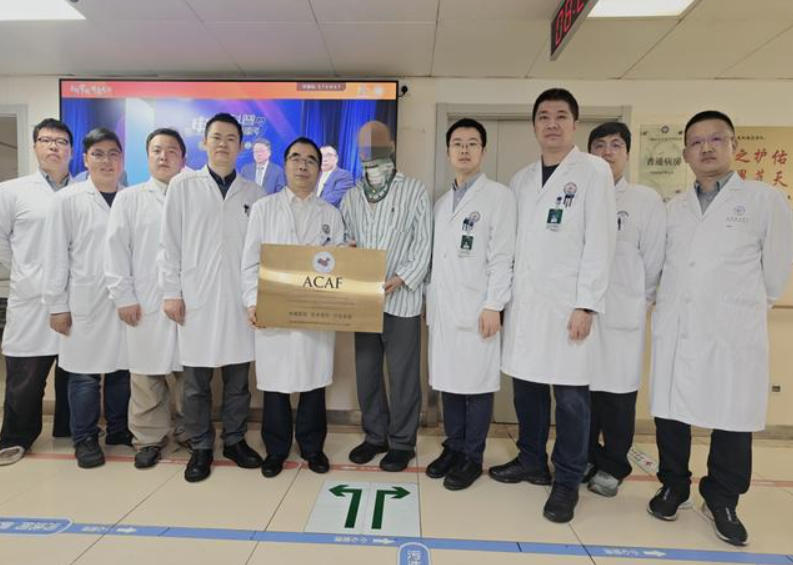
Dr. Gu Leyi | Shanghai Renji Hospital’s Blood Purification Center Earns Landmark International Certification
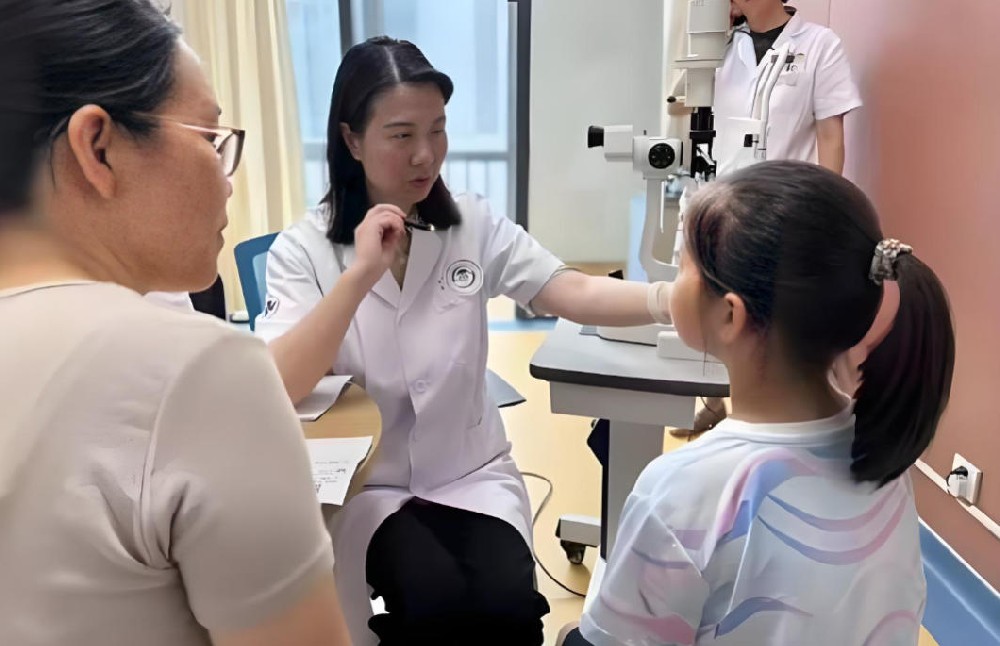
Groundbreaking Diagnosis: Shanghai Medical Team Identifies Ultra-Rare Bone Disorder
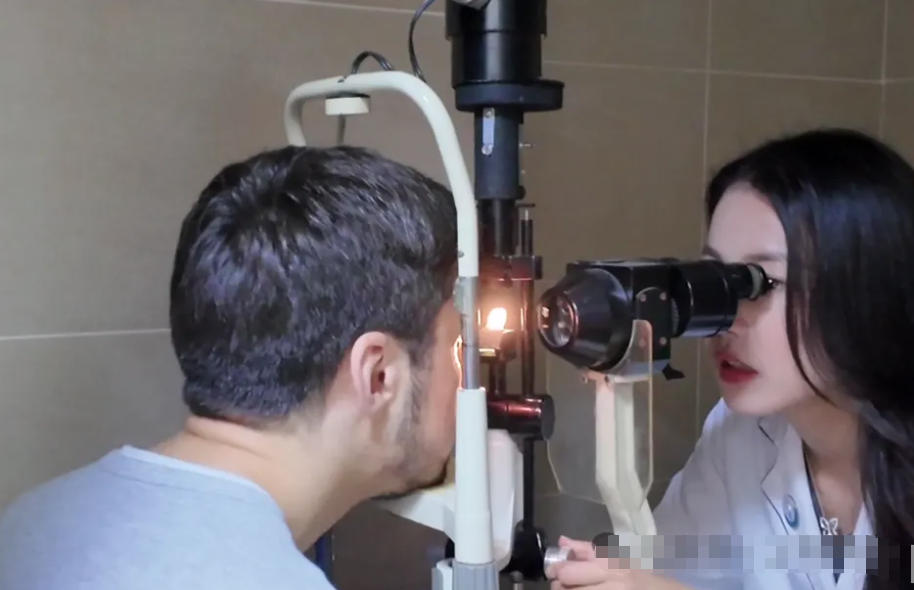
Foreign travelers can get service from Shanghai’s community hospital from now on
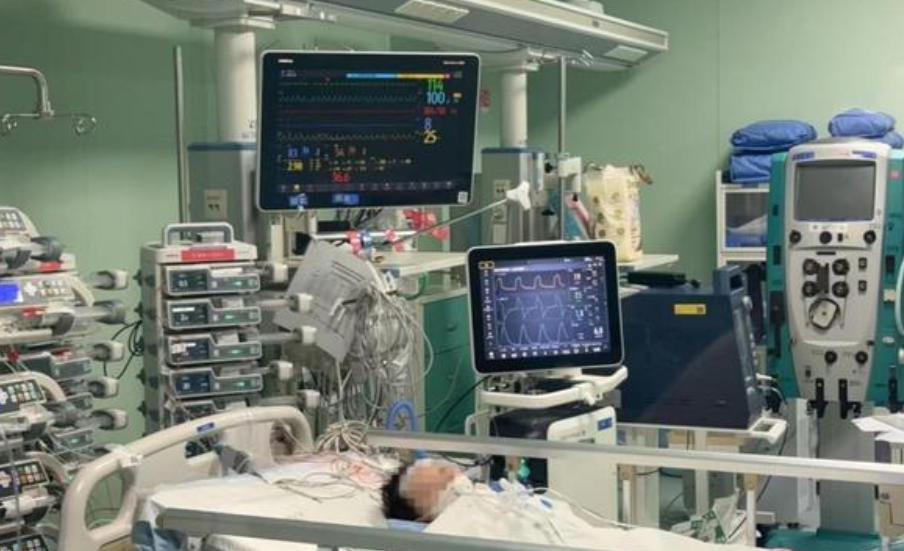
Shanghai Team Performs First ABO-Incompatible Heart Transplant on Infant
For 54-year-old Malaysian Chinese businessman Mr. Chan, the last three months had been profoundly unsettling. His own hands no longer felt like his own. Simple, everyday acts—fastening a shirt button, holding chopsticks, gripping a pen—had become monumental challenges.

An overseas Chinese was treated from Shanghai Changhai Hospital with successful removal of a pancreatic tumor.

Shanghai Medical Pilot Realizes “Walking Dream” for Bulgarian Girl with Cerebral Palsy
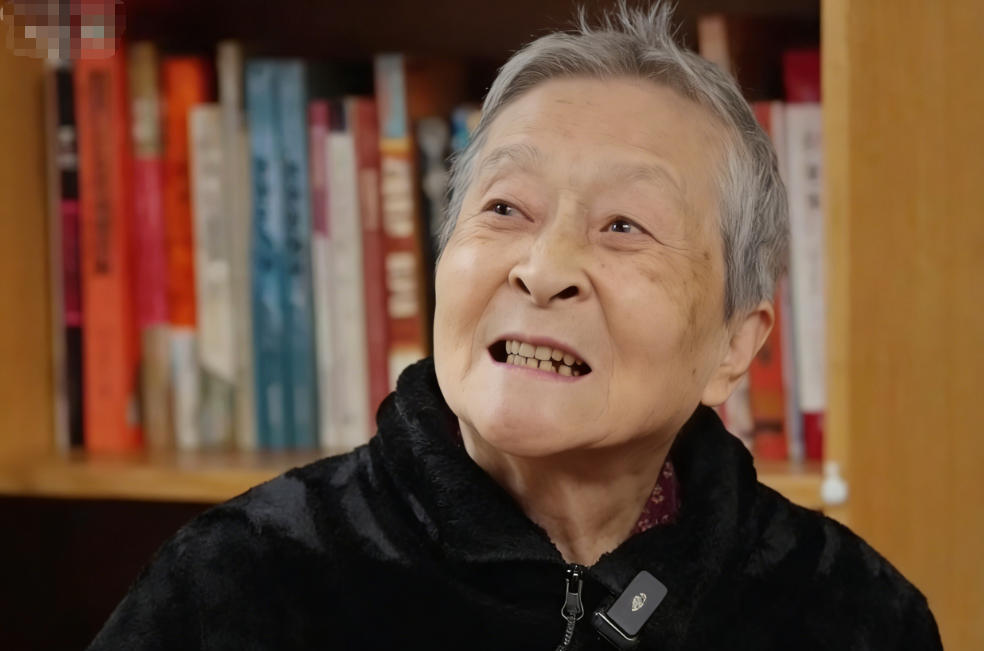
A Shanghai Doctor Uses Ultrasound to “Wake Up” Mother's Alzheimer's
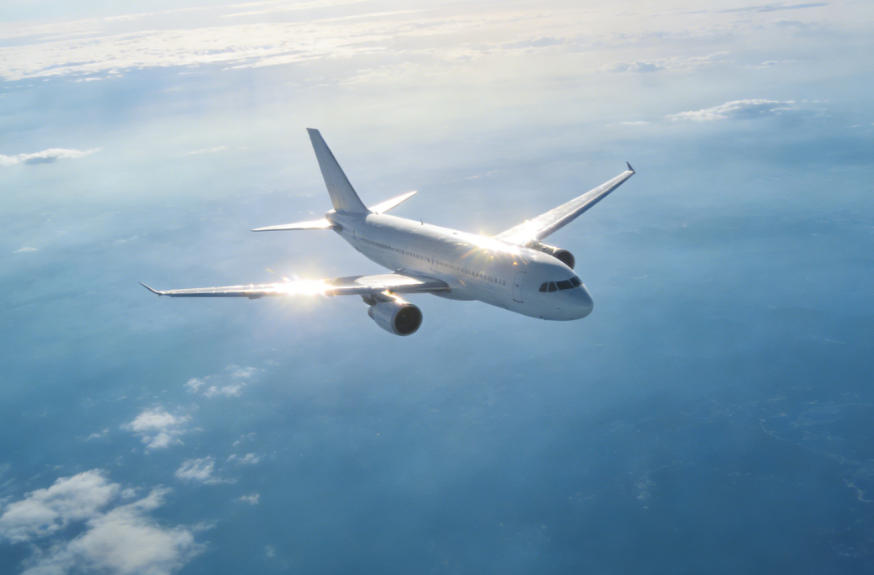
Shanghai Medical Trio Stages High-Altitude Rescue on Flight from Xinjiang

Shanghai Children’s Hospital Uses Remote MDT to Diagnose Rare CIPA
Copyright © 2023 Yewen Renyi & ShanghaiDoctor.cn (This website is a non - profit medical humanities platform. The information contained herein is solely for biographical and historical purposes and does not constitute any medical advice.) 沪ICP备2023005392号-2 XML 沪公网安备31010902100835号
 中文
中文 English
 Español
 沪公网安备31010902100835号