ShanghaiDoctor - Where China's Healing Wisdom Shapes Modern Medicine

Update time:2026-03-01Visits:4188
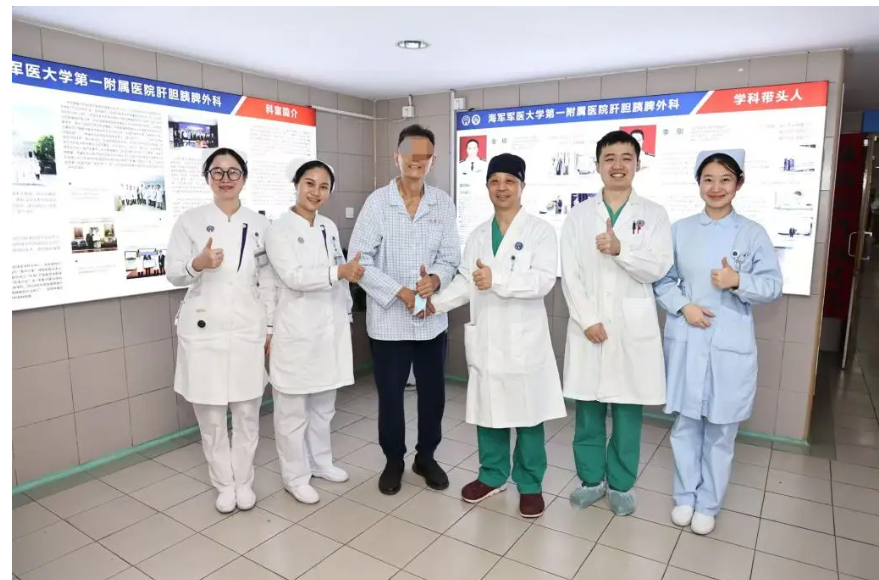
Recently, Mr. Chen, an overseas Chinese patient from Indonesia, was discharged from Shanghai Changhai Hospital following the successful removal of a pancreatic tumor.
On 28 February, The Paper learned from the First Affiliated Hospital of Naval Medical University (Shanghai Changhai Hospital) that Mr. Chen had recovered well and was discharged from the Department of Hepatobiliary, Pancreatic and Splenic Surgery. Reflecting on his cross-border medical journey, Mr. Chen expressed profound gratitude and relief. Initially told he required a pancreaticoduodenectomy—a major procedure—he instead underwent a surgery that completely preserved the organ. His postoperative recovery has been smooth, with a marked improvement in his quality of life.
According to the hospital, Mr. Chen had suffered recurrent pancreatitis since 2022 and sought treatment at several hospitals in the United States and Singapore. In June 2025, Singapore’s National University Hospital diagnosed him with a large intraductal papillary mucinous neoplasm (IPMN) in the pancreatic head, with a high suspicion of cancer, and recommended a pancreaticoduodenectomy as soon as possible.
The diagnosis left Mr. Chen deeply concerned. After extensive research, he decided to pursue further treatment in Shanghai. In early 2026, he was admitted to Shanghai Changhai Hospital under the care of a team led by Dr. Li Gang, director of the Department of Hepatobiliary, Pancreatic and Splenic Surgery.
After reviewing the case, Dr. Li’s team conducted a thorough evaluation of Mr. Chen’s condition. In collaboration with Professor Cao Kai from the Imaging Department, they used an AI model to analyze the medical data. Drawing on years of clinical experience, Dr. Li concluded that the lesion was most likely a benign IPMN—a turning point that opened the possibility of organ-preserving surgery. The team then used 3D imaging to carry out detailed multidisciplinary simulations, gradually shaping a bold yet precise surgical plan: to enucleate the pancreatic head tumor while preserving the duodenum and avoiding full pancreatic head removal.
Further examination, however, revealed unexpected complexity. Recurrent pancreatitis had caused severe adhesions and obscured tissue planes in the abdomen, significantly raising the surgical risk. The team conducted extensive preoperative simulations and preparations to navigate these challenges with precision during the operation.
In January 2026, the surgery went ahead as planned. Led by Dr. Li Gang and supported by multidisciplinary experts including Professor Xiong Yuanchang from Anesthesiology, the team worked for over six hours to carefully separate the diseased tissue. An intraoperative frozen section analysis was performed, and the pathology report delivered encouraging news: malignancy was ruled out, overturning the earlier cancer diagnosis. Crucially, the patient’s pancreatic head, stomach, duodenum, and other vital structures were preserved intact, avoiding the extensive trauma of a traditional radical resection.
Changhai Hospital reported that Mr. Chen recovered smoothly after surgery and met all discharge criteria. Recent follow-ups show continued physical and mental improvement. Mr. Chen has expressed sincere thanks to the medical team, noting that the treatment not only saved his life but also preserved a critical organ, allowing him to regain his confidence and quality of life.
Editor: Chen Qing Chenqing@ShanghaiDoctor.cn
Groundbreaking Diagnosis: Shanghai Medical Team Identifies Ultra-Rare Bone Disorder
Foreign travelers can get service from Shanghai’s community hospital from now on
Shanghai Team Performs First ABO-Incompatible Heart Transplant on Infant
Shanghai Medical Pilot Realizes “Walking Dream” for Bulgarian Girl with Cerebral Palsy
A Shanghai Doctor Uses Ultrasound to “Wake Up” Mother's Alzheimer's
Shanghai Medical Trio Stages High-Altitude Rescue on Flight from Xinjiang
Shanghai Children’s Hospital Uses Remote MDT to Diagnose Rare CIPA
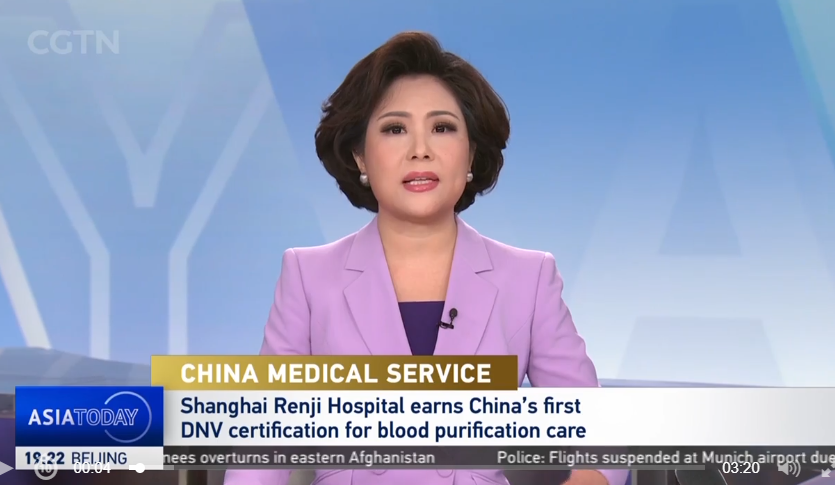
Dr. Gu Leyi | Shanghai Renji Hospital’s Blood Purification Center Earns Landmark International Certification
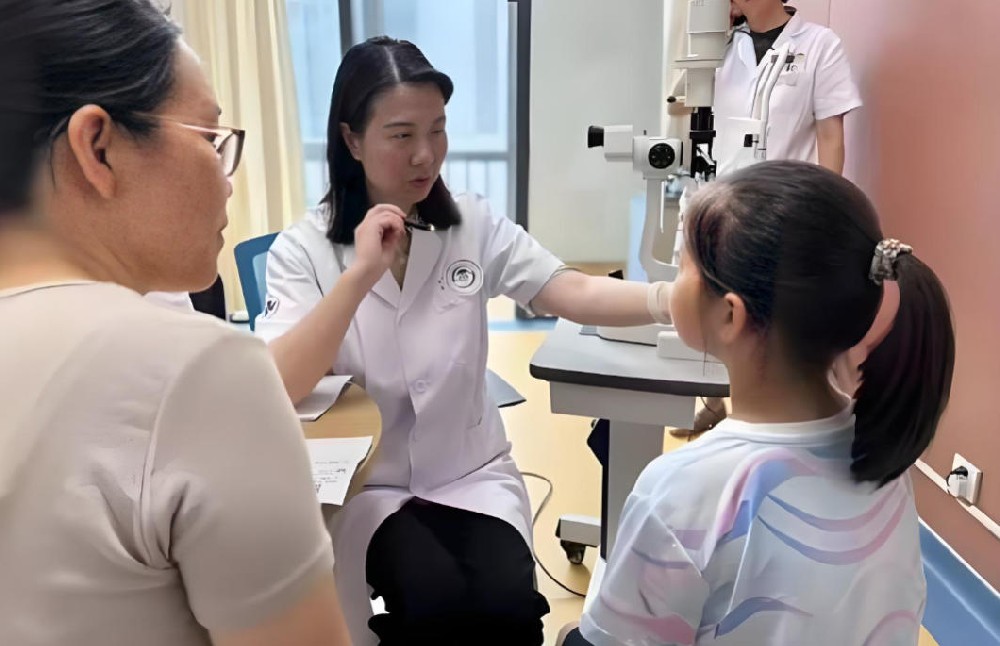
Groundbreaking Diagnosis: Shanghai Medical Team Identifies Ultra-Rare Bone Disorder
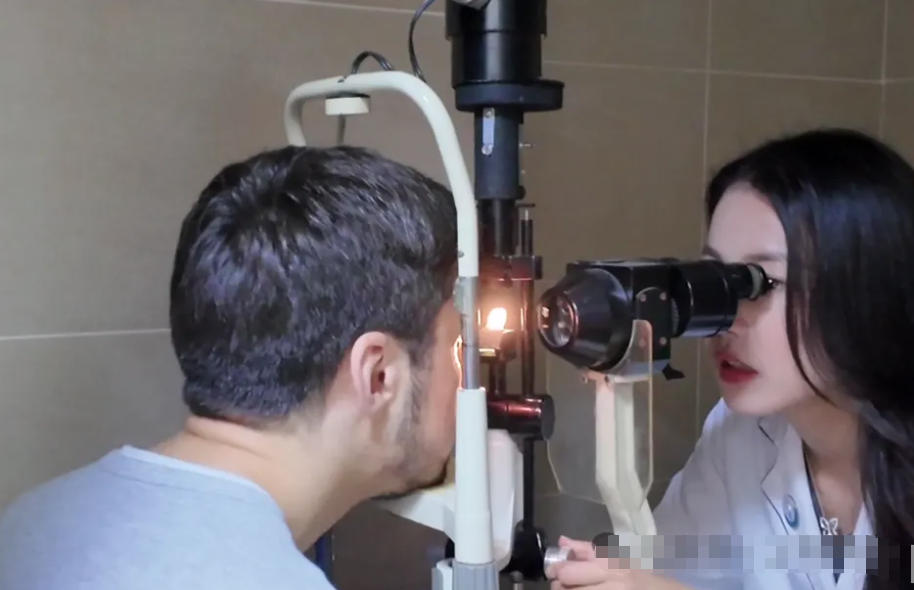
Foreign travelers can get service from Shanghai’s community hospital from now on
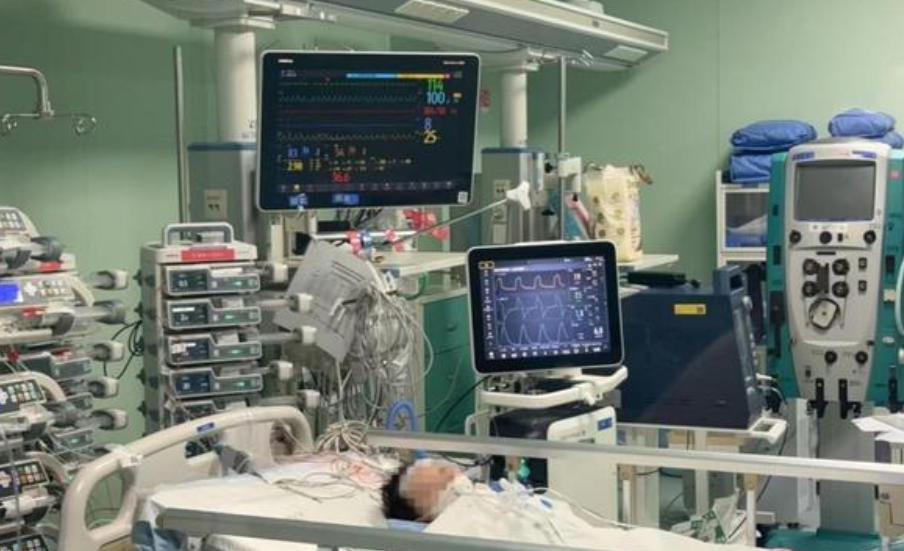
Shanghai Team Performs First ABO-Incompatible Heart Transplant on Infant
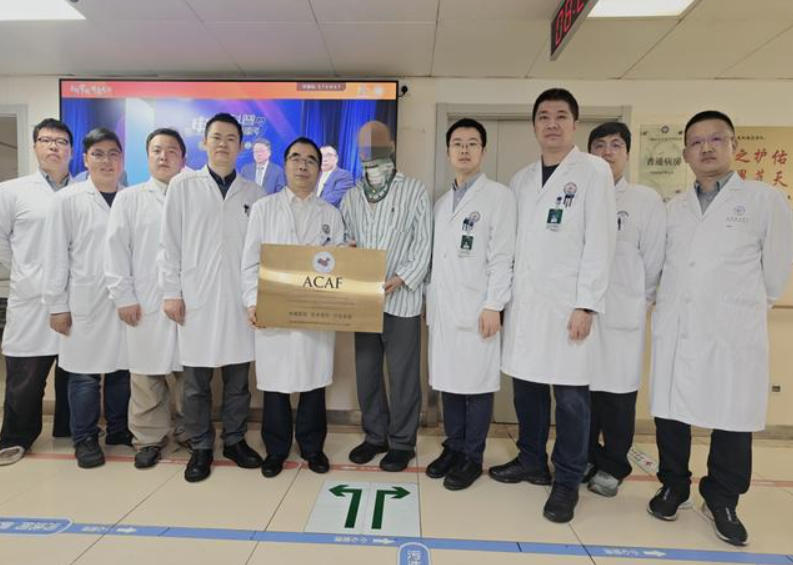
For 54-year-old Malaysian Chinese businessman Mr. Chan, the last three months had been profoundly unsettling. His own hands no longer felt like his own. Simple, everyday acts—fastening a shirt button, holding chopsticks, gripping a pen—had become monumental challenges.
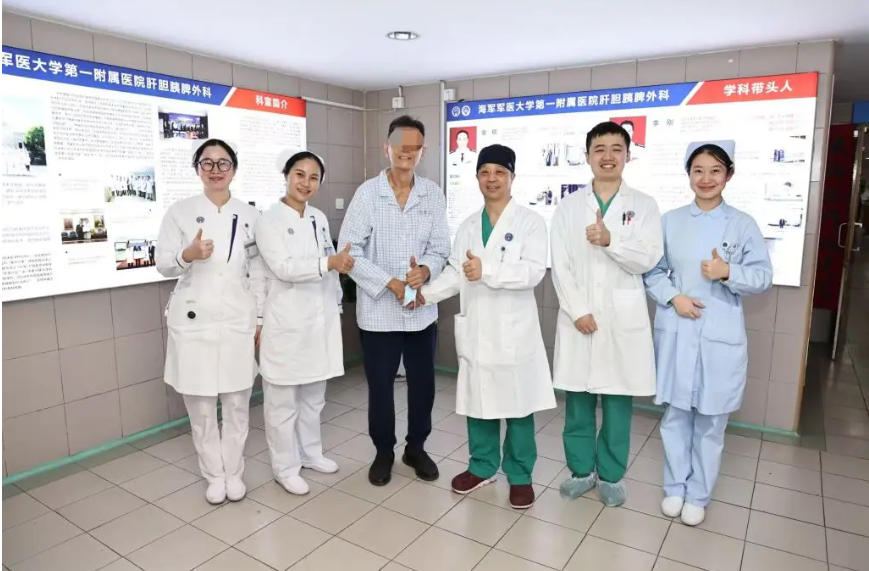
An overseas Chinese was treated from Shanghai Changhai Hospital with successful removal of a pancreatic tumor.
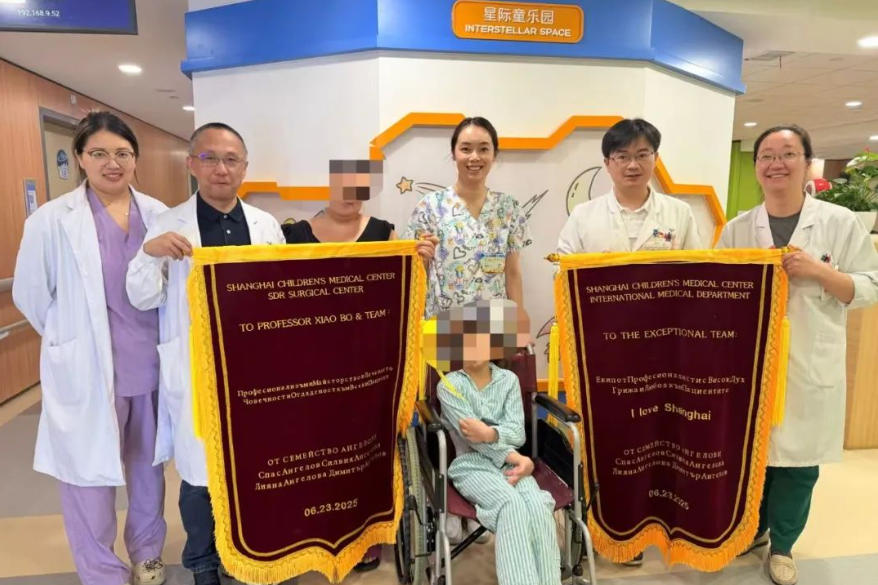
Shanghai Medical Pilot Realizes “Walking Dream” for Bulgarian Girl with Cerebral Palsy
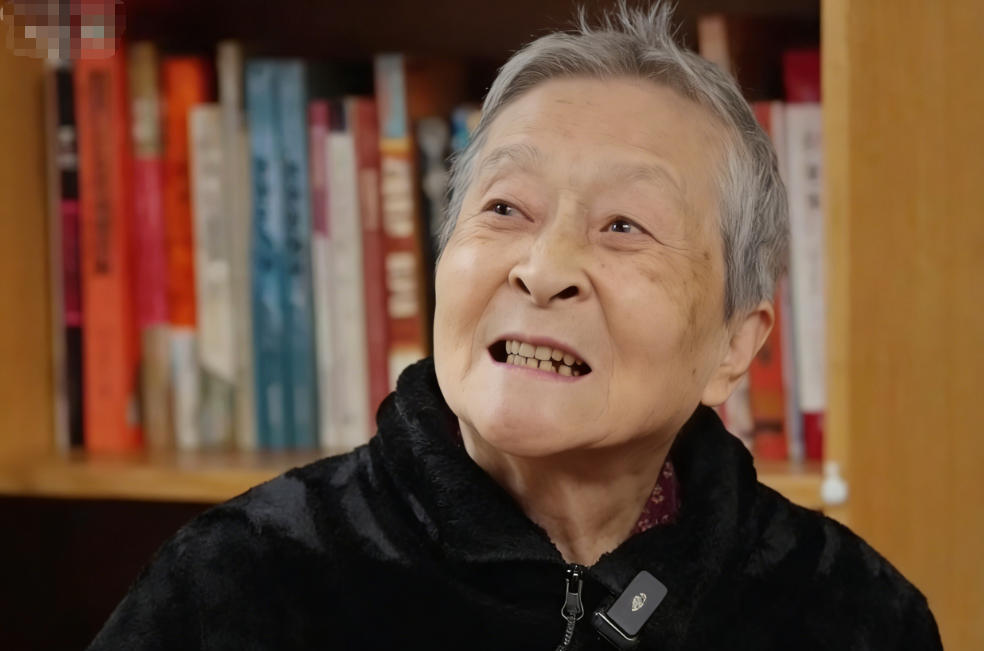
A Shanghai Doctor Uses Ultrasound to “Wake Up” Mother's Alzheimer's

Shanghai Medical Trio Stages High-Altitude Rescue on Flight from Xinjiang
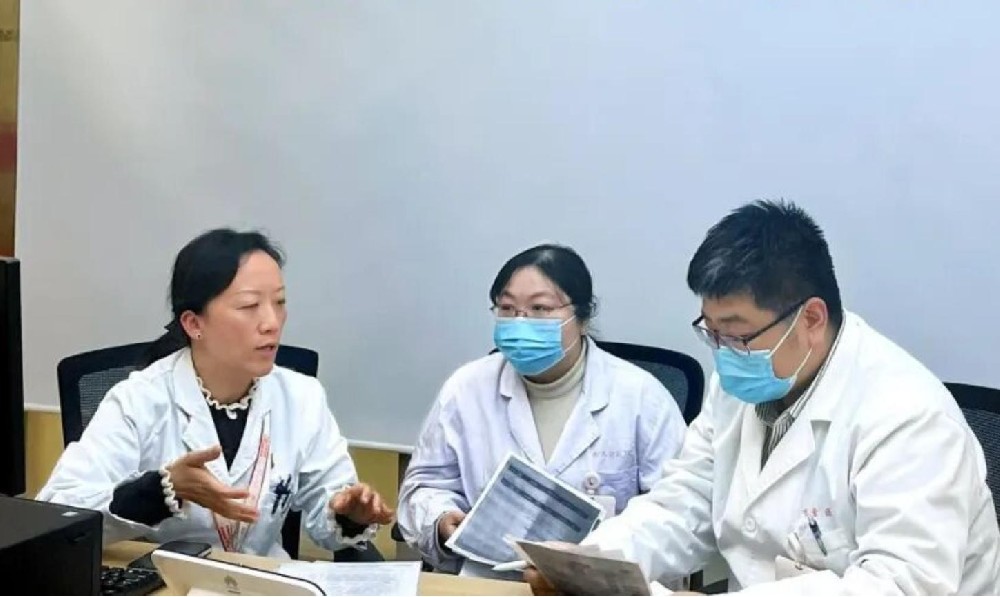
Shanghai Children’s Hospital Uses Remote MDT to Diagnose Rare CIPA
Copyright © 2023 Yewen Renyi & ShanghaiDoctor.cn (This website is a non - profit medical humanities platform. The information contained herein is solely for biographical and historical purposes and does not constitute any medical advice.) 沪ICP备2023005392号-2 XML 沪公网安备31010902100835号
 中文
中文 English
 Español
 沪公网安备31010902100835号