ShanghaiDoctor - Where China's Healing Wisdom Shapes Modern Medicine

Update time:2026-10-15Visits:49
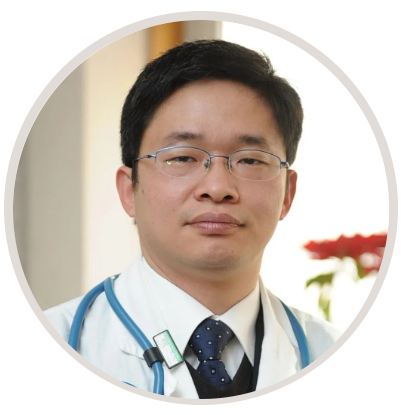
“Stay young. Stay moved to tears.”
— Chen Sun
Chen Sun is Chief Physician, Doctoral Supervisor, and Director of the Children’s Heart Center at Xinhua Hospital, Shanghai Jiao Tong University School of Medicine. Born in 1976 in Taixing, Jiangsu, he treats complex congenital heart disease, diagnoses and treats heart disease in the fetus, performs catheter-based interventions for congenital heart defects, and manages Kawasaki disease and cardiomyopathy.
He is vice chair of the youth committee of the Chinese Medical Association’s pediatrics branch and leader of its collaborative group on perinatal congenital heart disease, a member of the congenital heart disease expert committee of China’s National Center for Cardiovascular Diseases, and a standing committee member of the congenital heart disease committee of the Chinese Medical Doctor Association.
The center he leads had, at the time of the interview, thirty to forty doctors and nurses, thirty-seven beds, sixteen monitored beds, and its own intensive-care unit. Over the preceding five years his team had performed nearly two hundred catheter procedures on newborns with critical pulmonary valve stenosis or atresia.
He likes his name. Sun means bamboo shoot, and he was born during a spring rain. He quotes an old line of verse—spring rain soaks the wild wood, and new shoots burst up like young dragons—and the idiom that goes with it: like bamboo shoots after rain, everything springing to life.
He was strong in science as a boy and had his eye on physics at Nanjing University, but his parents urged medicine: a steady job, and a way to help the family. He did not then know what career planning was. He did not get his physics, he says, but in medicine he found a pleasure that runs along the same lines.
In 1993 he entered the clinical medicine program at Tongji Medical University in Wuhan. The teachers were learned and broad-minded, and he went to class happily and came away with something new each day. He played badminton, joined an English poetry society, and watched two-yuan laser-disc films. University is his happiest memory. Even then he was drawn to cardiology; the beating heart, it seemed to him, obeyed the laws of physics. He swallowed cardiology books whole at first, half understanding, and the more he chewed on them the deeper the subject became.
He graduated in 1998 and set his sights on graduate school in Shanghai. Wuhan, he jokes, was too hot and its people too fierce; he preferred the gentler south of the Yangtze. The notice for an interview at Shanghai Second Medical University the next day reached him while he was on a rural internship at an air force hospital. He bought a plane ticket at once and flew that night through a thunderstorm, the plane bucking in black cloud, his own nerves no steadier than the weather. By the time the plane touched down the wind and rain had stopped. His admission took several twists and turns, and in the end Professor Chen Shubao of Xinhua Hospital took him on.
Chen Shubao is one of China’s best-known specialists in congenital heart disease in children, a former Party secretary of Xinhua Hospital and a former president of Shanghai Children’s Medical Center, with deep experience in using echocardiography to assess congenital heart disease. The interview went unusually smoothly, Chen Sun says; it was over very fast, and he still does not know why.
In pediatric cardiology he did ultrasound under Chen Shubao. Pediatric echocardiography, unlike adult, is mainly about structure. Fetal development fascinates him; there are steps in the formation of the heart that medicine still cannot explain. Finding a congenital defect by ultrasound is not easy. The scan gives a series of flat slices, and turning them back into a three-dimensional shape takes imagination, experience, and familiarity with the embryology of the child.
Chen Shubao, he says, was rigorous, serious, and upright, and in his eighties still reads and studies every day. Chen Sun owes his ultrasound skill to him, and for a cardiologist that skill is worth a great deal. Now retired, the professor is “Grandpa Chen” to Chen Sun’s students, always smiling. It was not always so. He used to be so stern that the students went quiet around him and steered clear, like mice around a cat. On rounds he asked question after question. If you did not know, you said so and went to learn. If you pretended, he kept asking until you could not hold your story together in front of everyone. The one trait a doctor cannot tolerate, Chen Sun says, is faking.
By 2004 Chen Shubao had stopped taking doctoral students, and Chen Sun did his doctorate under Professor Sun Kun. Afterward he stayed on in cardiology at Shanghai Children’s Medical Center, then still part of Xinhua Hospital. The work was hard. There were few pediatric echocardiographers and the service ran at full load. When a difficult case came up, he would excuse himself to the toilet, run to the library to look it up, and come back to write the report. He never saw himself as only a sonographer; he was a cardiologist, and ultrasound was one diagnostic tool along the way. He took records home to study and read the literature alongside them, so that each report would be right for the child it described. Later he also managed ward patients and performed angiography and catheter interventions. Skill, he found, only grows through a great many cases.
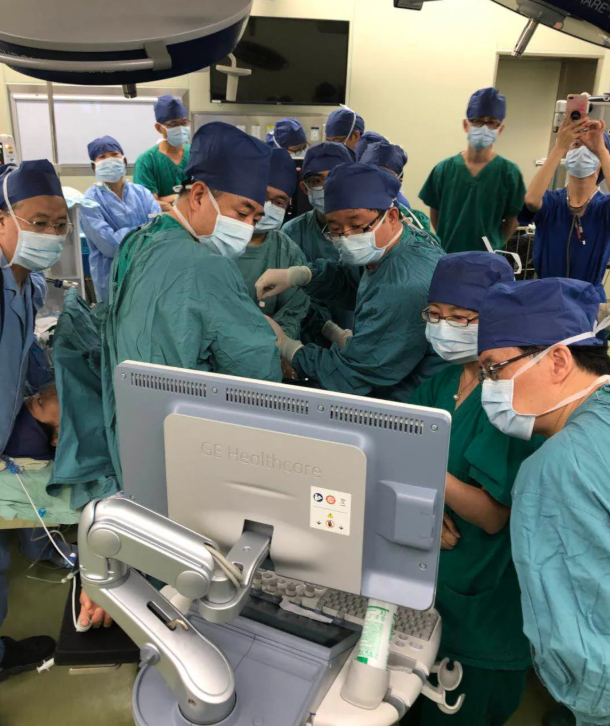
In 2009 he returned to Xinhua Hospital, to a pediatric cardiology group inside the department of pediatrics with four beds. Interventions were mostly closures of a patent ductus arteriosus or an atrial septal defect, a few dozen a year. Not one patient could be allowed to go wrong, and they built a reputation carefully. Only in 2015 did the group become a full Department of Pediatric Cardiology.
He gave it a direction: perinatal care, with fetal echocardiography and the treatment of heart disease in newborns and young infants as its strengths. Xinhua is a general hospital with very strong obstetrics, and was the first in China to put forward the concept of perinatal medicine—diagnosis and care from before birth to after it. The problem was that he had almost never done fetal diagnosis; all his scans had been after birth. He taught himself, gathered material, followed babies after delivery, and quickly worked out his own approach.
Then came the next gap. Fetal diagnosis was not enough if newborn procedures could not be done. A fetus with pulmonary stenosis or atresia is safe in the womb, but becomes short of oxygen as soon as it is born and needs treatment fast. One early case was a baby four or five days old, two kilograms, with critical pulmonary stenosis. The floating catheter normally used for such procedures would not pass into the underdeveloped right ventricle, and the baby was at risk on the table. Frustrated and anxious, he remembered a catheter used for gastrointestinal angiography in adults, with a particular curve at the tip. He tried it, and the angle solved the problem. That catheter, modified, became standard equipment for newborn interventions and spread across the country.
The next case broke the method again. A baby born at thirty-four weeks had pulmonary atresia. In the earlier cases of severe stenosis, the valve had been like an unlocked door that opened with a push. This one was completely sealed, a locked door. With no other way forward on the table, he cut the guidewire inside a microcatheter to a bevel, making a kind of needle, and used it to punch through the valve. The catheter then went through. After two or three successes he judged it too risky. The wire was thick and, once cut, its tip was stiff and sharp; if it missed the valve it could pierce the heart. He searched online through the night and found an ultra-fine wire designed for chronic total occlusions in adult arteries, with just enough stiffness at the tip. Hard and complex diseases, he says, force you to innovate. His team, he says, performs more wire perforations for pulmonary atresia than any other in China.
Many expectant mothers now transfer to Xinhua before delivery. The babies are safe in the womb; once born, the heart is in great danger, so the procedure has to be done in the perinatal window. In perinatal interventions for congenital heart disease, he says, the team has had no procedure-related deaths, where earlier surgical approaches carried high mortality. Every sudden idea in a crisis, and every lesson drawn from it afterward, was forced out by necessity and by accumulated experience.
In 2019 the department was renamed the Children’s Heart Center. Its roots go back to the pediatric cardiology service founded in the 1970s—among the first in China to diagnose and treat congenital heart disease in children—under senior specialists Liu Weiting and Ding Wenxiang, and built up over decades into an integrated center for care, teaching, and research. It brings surgeons, physicians, interventional cardiologists, intensive-care staff, perfusionists, anesthetists, and nurses into a single team, and its hybrid procedures, which combine catheter work with surgery, have widened the options for complex heart disease.
A center needs a strong pediatric heart surgery service to have confidence, he says. During some interventions he is anxious: what if there is a perforation? Catheters solve only part of the problem; the rest depends on surgery, and surgery is the backstop. After much difficulty they found Professor Lu Yanan, who shares the same view. There is no turf war between medicine and surgery. Both put the patient at the center: whichever method suits the child best is the one they use. The surgeons and physicians round together and decide jointly which approach is best for the child.
One case stays with him. A ten-year-old boy from Guizhou had already had three operations elsewhere. When Chen and Lu saw him, he was small and thin, his abdomen hugely swollen; fluid had to be drained every two days, 500 milliliters each time, and this had gone on for four or five years. He had had two years of school before dropping out. He was unusually mature, and came to Chen alone. Doctor Chen, he said, save me. I am not afraid of dying, but living like this is worse than dying. Chen cried. The boy’s mother, a woman from the mountains, had never given up on him.
The diagnosis was double-outlet right ventricle. His first two operations elsewhere had been single-ventricle repairs. Afterward, because pressure and resistance in his lung arteries were so high, the surgeons thought he would not survive, and the family took him home to prepare for his death. He lived. But the pressure in his great veins stayed high and his abdomen swelled like a ball. Another hospital placed a stent in a narrowed branch of the pulmonary artery, which did not solve it. Chen and Lu considered a catheter approach—punching through between the pulmonary artery and the atrium and placing a stent—which might relieve the venous pressure but could leave the boy severely short of oxygen. After weighing it again and again, they decided to take down all the earlier repairs and do a complete corrective operation, in effect cutting out and rebuilding the floor of the ventricle. Lu operated for six hours. An abdominal infection followed. The family had scraped together fifty thousand yuan; the real cost was far higher. While treating him, Chen and Lu used their own connections to find money, appealing to a children’s foundation and to entrepreneurs they knew. The boy made it through. He has grown taller and gone back to school.
Like his name, the center has grown like shoots after rain. The cases keep getting harder, and he says he does not dare stop. A method worked out for one child will not necessarily fit the next. Only by gritting your teeth and pushing on, he says, smiling, do you get the chance to save one more child.
ShanghaiDoctor.cn: After all these years in medicine, what is your greatest reward?
Chen Sun: Finding the truth of many diseases through ultrasound, clearing the cloud over a child’s head through intervention, and seeing a family go back to happiness.
ShanghaiDoctor.cn: Is the pressure growing?
Chen Sun: Yes. More and more difficult cases, and more and more people. Doctors and nurses together are thirty or forty now, with thirty-seven beds, sixteen monitored beds, and our own ICU. More responsibility, more pressure.
ShanghaiDoctor.cn: Xinhua began fetal cardiac intervention two years ago. Can you tell us about it?
Chen Sun: Fetal cardiac intervention means treating the fetus inside the uterus, because some conditions cannot wait until birth. If a ventricle is developing too poorly and no one intervenes early, it will not work after birth. Under Professor Sun Kun we began thinking about this in 2010. There was little to learn from anywhere in the world, so we went by books and the literature. We started with animal experiments on pregnant ewes and their lambs, and only after success there did we try it in patients. The first case, in 2018, was a fetus with severe congenital aortic valve stenosis, referred from the Obstetrics and Gynecology Hospital of Fudan University, known in Shanghai as the Red House Hospital.
The literature puts congenital aortic stenosis at about 3 to 6 percent of congenital heart disease. If it develops early in pregnancy, the left ventricle receives less and less blood as the weeks go on, grows poorly, and fails, producing hypoplastic left heart syndrome. After birth those children can survive long term only with staged Norwood or hybrid operations. First-stage mortality is still above 20 percent, and even after all three stages the right ventricle alone must supply the body, with a poor long-term outlook. In short, many hospitals in China advise against treatment and end the pregnancy. This mother and her family were determined to keep the child.
Intervention in the uterus can markedly improve blood flow through the aorta and promote growth of the left ventricle, giving the child a chance at a two-ventricle circulation after birth. It is complex and needs the full cooperation of pediatric cardiology, obstetrics, neonatology, and anesthesia, so few centers in the world can do it, and fewer can do it independently. Before the operation we met several times across specialties, went over the whole process, and prepared three plans. The most important thing was that the baby survive. The fetus is anesthetized through a precise puncture of the umbilical vessels. A needle goes through the mother’s abdomen, the uterus, and the fetal chest wall into the left ventricle. The pediatric cardiologist passes a guidewire and balloon into the ventricle, steers the wire through the badly narrowed aortic valve, positions the balloon, and dilates the valve. Obstetrics, pediatric cardiology, and anesthesia each take their part in a relay. It went smoothly. The first case took thirty-five minutes. Diagnosing and treating a fetus in the womb as you would an adult—that is the crown of fetal medicine.
ShanghaiDoctor.cn: Do you have regrets from these years?
Chen Sun: No. Honestly, a doctor should not chase perfection. I have saved more children than I can count, but there are two I could not save, and I always remember them. I keep wondering what would have happened with another doctor, whether I did something wrong. I cannot help thinking about it. After I have thought it through, I am at peace.
ShanghaiDoctor.cn: Tell us about the sense of achievement.
Chen Sun: Being a doctor gives a great deal of it, especially when children who have recovered come bounding into follow-up calling me Grandpa Chen—I am not really that old—when once their lives hung by a thread. I sometimes joke that a few tens of thousands of yuan in surgery buys a child seventy more years. Excellent value (laughs).
ShanghaiDoctor.cn: What kind of person are you outside work?
Chen Sun: Easygoing. I do not want much. A steady job, a home, a car, no debts. My mind is at ease (laughs).
ShanghaiDoctor.cn: What makes a good doctor?
Chen Sun: Thinking of the patient. From the patient’s side there is still much in medicine that needs improving. Processes are not always sensible, and if the doctor’s attitude is poor as well, of course the patient is angry. We cannot change the system, but we can say a few more words that show we understand. Many conflicts come from unclear communication. Sometimes doctors describe a condition as worse than it is to avoid conflict. That is wrong; you cannot frighten patients to escape responsibility. Patients lack medical knowledge, and some search online, where much of the information is distorted. The best thing is to leave it to a specialist and trust the specialist. Doctors should understand patients’ anxiety, and patients should understand the limits of medical resources and the system. With understanding on both sides, there are fewer conflicts.
ShanghaiDoctor.cn: Do you have free time, or hobbies?
Chen Sun: I am usually busy, and I do not have many hobbies. I do not smoke. I read and watch films. When the pressure is high you have to relax. I like American and European films best, a habit from university. Some classics I watch again and again—Legends of the Fall, The Shawshank Redemption. They make you think about many things.
ShanghaiDoctor.cn: What advice would you give students just entering medical school?
Chen Sun: Study medicine out of interest and with real feeling for it. Whatever others think of you, you must at least be at peace with yourself. If you can pass your own test, you can keep to why you began.
ShanghaiDoctor.cn: One sentence for students?
Chen Sun: Stay young. Stay moved to tears.
The phrase Chen Sun gives his students is a line popular among young Chinese readers, often attributed to Jack Kerouac. He uses it plainly. A catheter borrowed from adult angiography, a guidewire cut to a bevel and then put away as too dangerous, a fetal valve opened in thirty-five minutes. A ten-year-old who said he was not afraid of dying and asked to be saved, and a doctor who cried and then went looking for the money. Two children he could not save, still remembered. Staying young, in his sense, is being able to be moved by that, and then going back to work.
Editor: Chen Qing
If you need any help from Dr. Chen, be free to let us know at Chenqing@ShanghaiDoctor.cn.
Adapted from the Yewen Renyi (晔问仁医) interview “陈笋 | 永远年轻,永远热泪盈眶,” published on WeChat on 21 September 2020. Facts and titles are as of that date.
Dr. Chen Sun | Newborn Heart Intervention, and Staying Young Enough to Be Moved
Dr. Wu Yurong | Fetal Echocardiography, and Kindness as Part of the Job
Dr. Li Dawei | Sphincter-Saving Surgery, and the Operation That Fits the Patient
Dr. Zhang Jian | Laparoscopy, and the Hearth Fires of Ordinary Life
Dr.Sun Jing | Fertility-Sparing Surgery, and a Future Already Here
Dr. Li Qingyun | Sleep Apnea, and Illness Removed Without a Sound
Dr. Zhu Zhiling | Gynecologic Surgery, and a Line She Would Not Cross
Dr. Yuan Gongjie | Children's Smiles, and the Orthodontist Who Still Tells Stories
Dr. Chen Sun | Newborn Heart Intervention, and Staying Young Enough to Be Moved
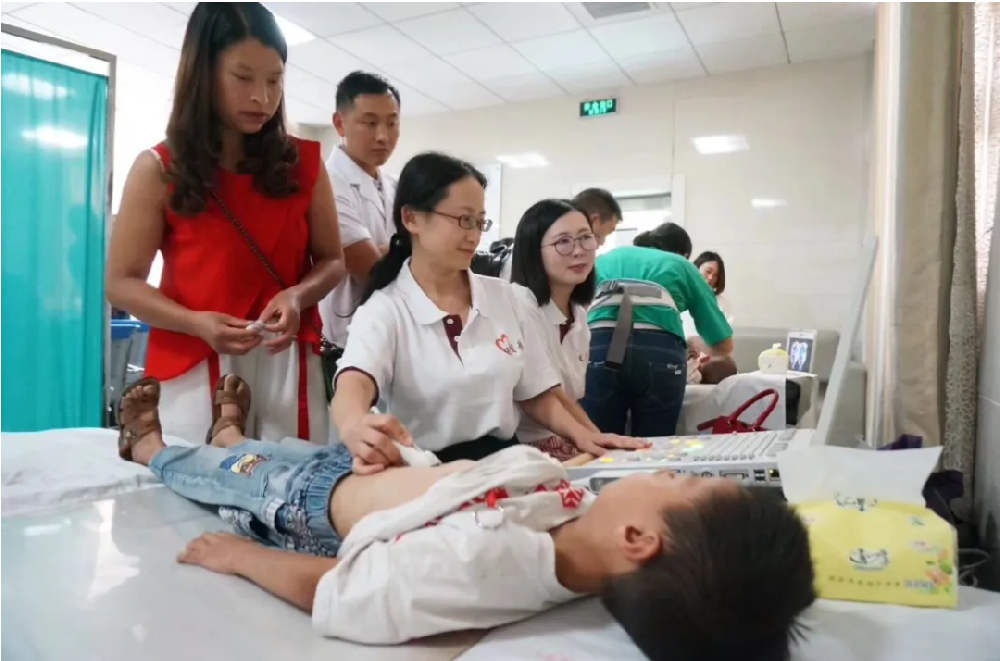
Dr. Wu Yurong | Fetal Echocardiography, and Kindness as Part of the Job
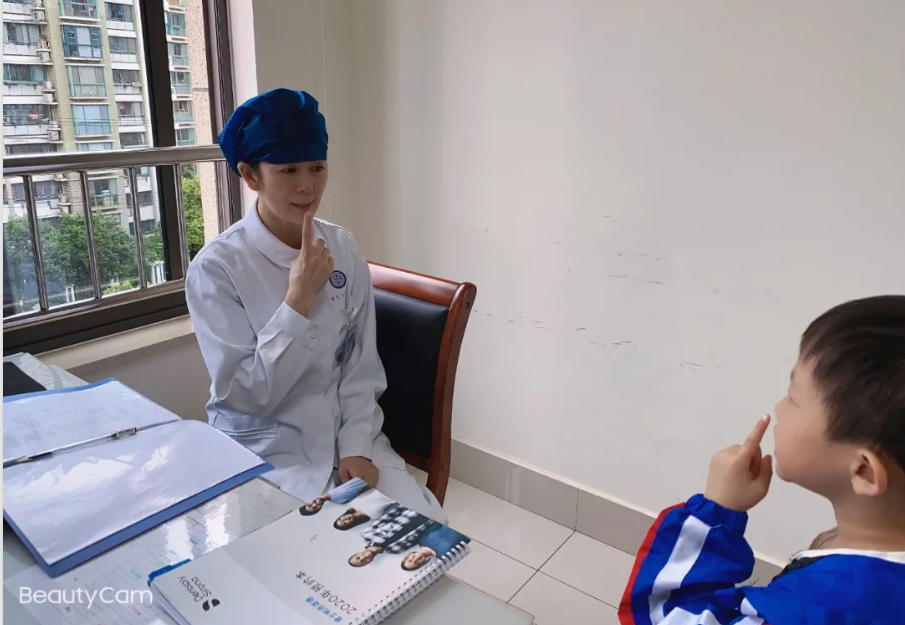
Jiang Liping | Speech Therapy, and the Lamp She Carries
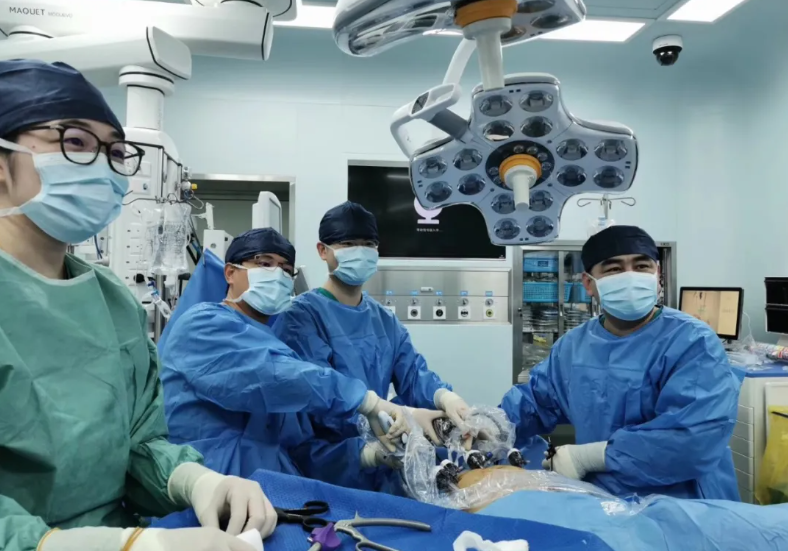
Dr. Li Dawei | Sphincter-Saving Surgery, and the Operation That Fits the Patient
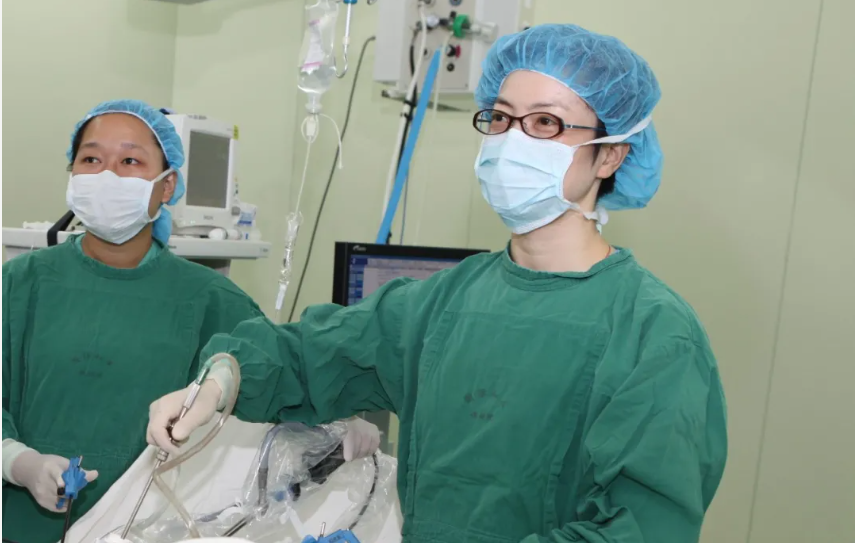
Dr. Zhang Jian | Laparoscopy, and the Hearth Fires of Ordinary Life

Dr.Sun Jing | Fertility-Sparing Surgery, and a Future Already Here
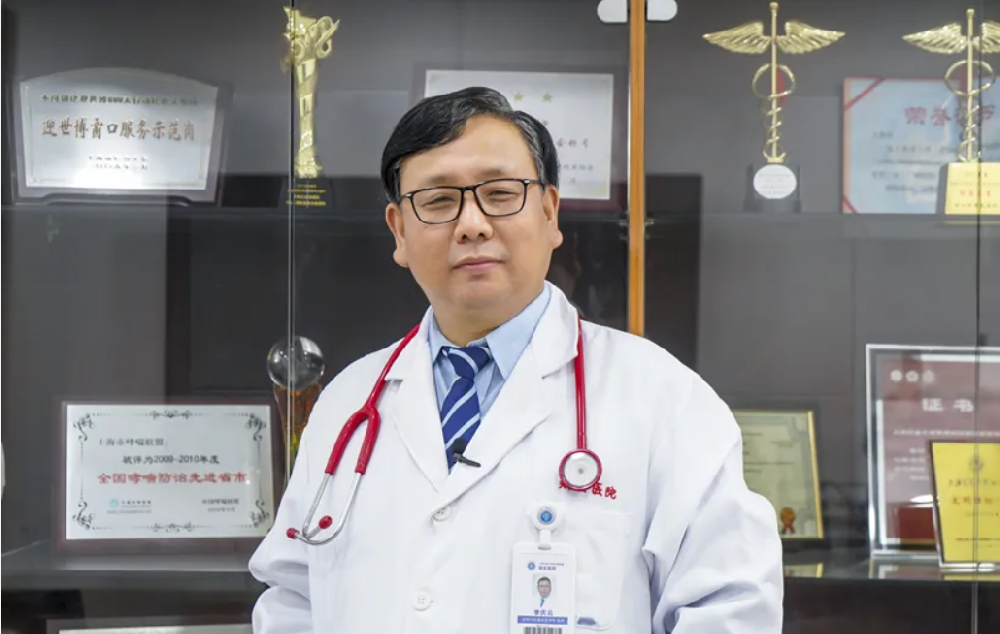
Dr. Li Qingyun | Sleep Apnea, and Illness Removed Without a Sound
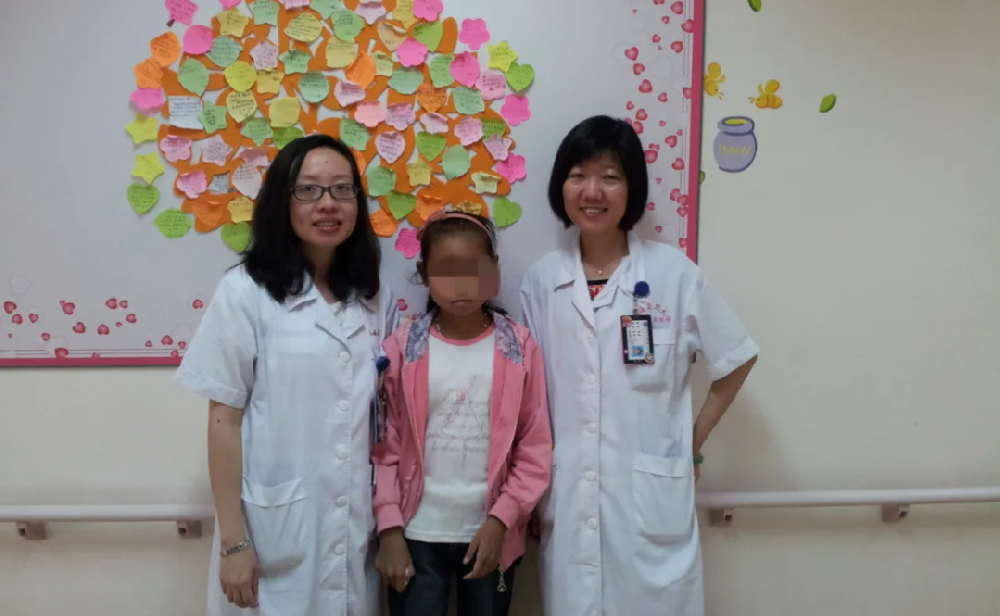
Dr. Shen Qian | Children’s Kidneys, Lucid and Gentle
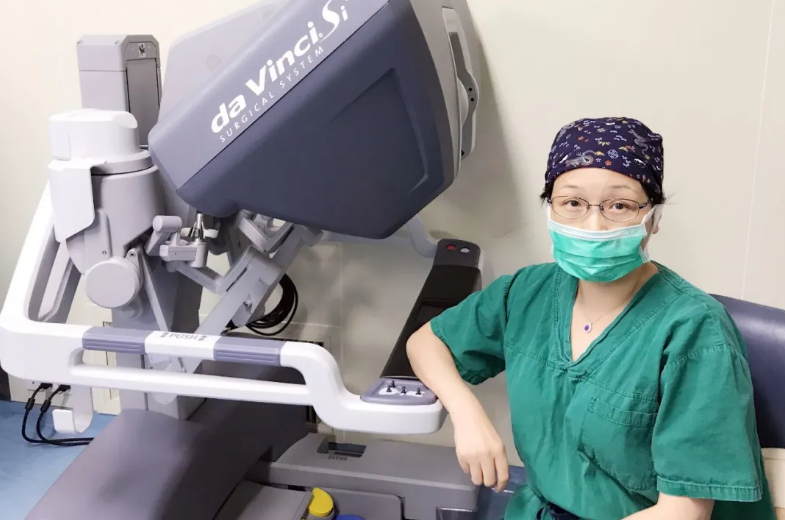
Dr. Zhu Zhiling | Gynecologic Surgery, and a Line She Would Not Cross
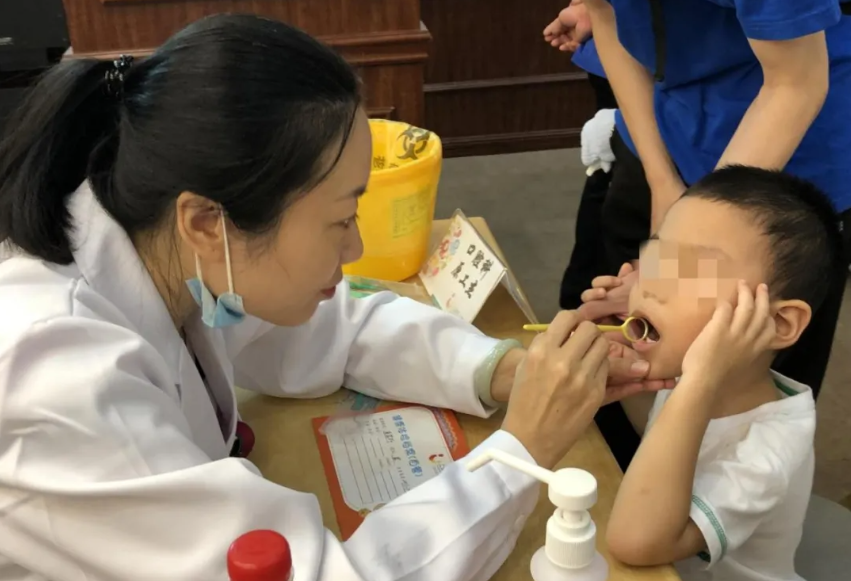
Dr. Yuan Gongjie | Children's Smiles, and the Orthodontist Who Still Tells Stories
Copyright © 2023 Yewen Renyi & ShanghaiDoctor.cn (This website is a non - profit medical humanities platform. The information contained herein is solely for biographical and historical purposes and does not constitute any medical advice.) 沪ICP备2023005392号-2 XML 沪公网安备31010902100835号
 中文
中文 English
 Español
 沪公网安备31010902100835号