ShanghaiDoctor - Where China's Healing Wisdom Shapes Modern Medicine

Update time:2026-10-15Visits:42
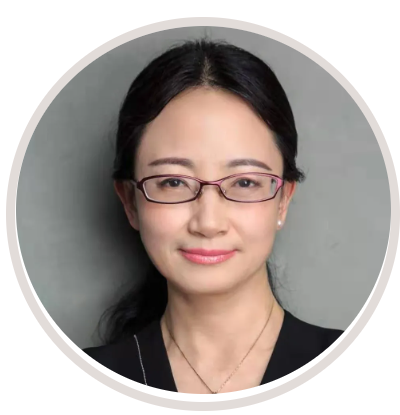
“Medicine is a profession of dealing with people, so it should also be a profession of being good to people.”
— Wu Yurong
Wu Yurong is Associate Chief Physician in the Children’s Heart Center of Xinhua Hospital, Shanghai Jiao Tong University School of Medicine, Director of its Pediatric Echocardiography Center, and a Master’s Supervisor. Born in 1973 in Qi County, Shanxi, she diagnoses and treats congenital heart disease, cardiomyopathy, myocarditis, and Kawasaki disease, and is known above all for fetal and pediatric cardiac ultrasound and for diagnosing and managing fetal heart disease around the time of birth.
She is a national member of the pediatric cardiology group of the Chinese Medical Association, a member of the pediatric imaging branch of the Chinese Medical Doctor Association and of the Chinese Medical Association’s collaborative group on pediatric myocarditis and cardiomyopathy, a committee member of the Cross-Strait Echocardiography Association, and committee member and secretary of the Shanghai pediatric cardiology group.
She is small and slight, cries easily, and by her own account could never have been a surgeon or watched death up close for long. None of that stopped her from becoming a specialist many pregnant women travel a long way to see. They come for a judgment. Sometimes she has to steady herself and give them the hardest news. She does it quietly, and with concern, and helps them hold on to what hope there is.
Qi County is the heartland of the Shanxi merchants, the trading and banking families of the Ming and Qing dynasties. It is home to the Qiao Family Compound, a merchant mansion now known across China, and its old stories filled her childhood. The heart of those stories, she says, was love. The Shanxi merchants’ family precepts were about the root of being a person and about caring for the world—that people everywhere should have food, clothes, and a roof. She did not go into trade, but she has tried to keep those precepts in medicine.
As long as she can remember, she wanted to wear a white coat. Her father was always in the hospital, and from childhood she was the one going there to look after him. She never thought of business. On her university application she wrote a medical school in every column, and was admitted to the pediatrics program of Shanxi Medical University. To her, children meant vitality—something pure and without flaw. She has never regretted the choice.
She kept her place near the top of the class through five years. At first she joined the student union, read the news on the campus radio station, and hosted the university’s song contest. Medical school soon left no room for anything else. In the first term of her fourth year, when clinical observation began, she felt a sudden excitement: she was finally going to be a doctor. On a one-week rotation through adult gastroenterology, a middle-aged man died of stomach cancer on the ward. His wife beat her chest and wailed, and Wu stood beside her and cried for a long time. “I cry easily,” she says.
She graduated second in her year and was assigned to pediatrics at the First Hospital of Shanxi Medical University. In four years there she became a horse that did not tire, once working seventy-two hours straight. Pediatrics was not valued then. There were two newcomers, and the other doctors were all about fifty. She worked through the year without a day off. Medical capacity in Shanxi was limited, and she often felt her abilities fall short: so many sick children, so little that could be done. For childhood leukemia the hospital could manage only the first stage of treatment, could not use the best chemotherapy regimens, and saw infections follow. Faced with a problem she could not solve, she decided to sit the graduate exam. Otherwise, she says, there was no way forward but to let the time pass.
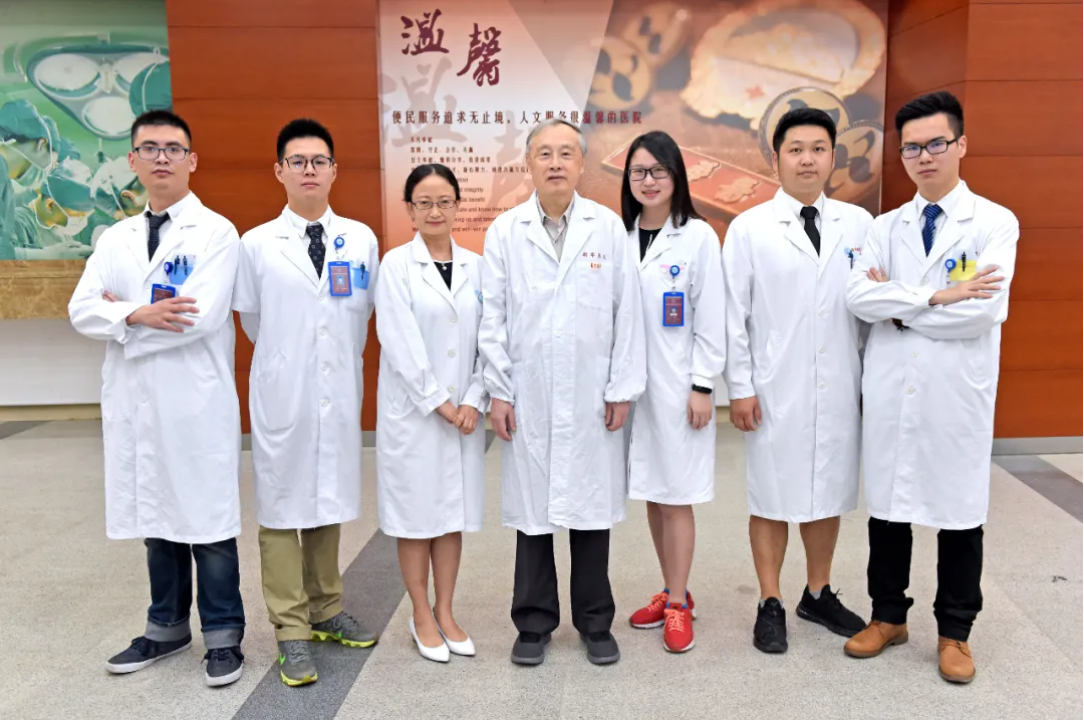
In 2000 she entered Shanghai Second Medical University for combined master’s and doctoral study under Professor Chen Shubao of Xinhua Hospital. Chen is one of China’s best-known specialists in congenital heart disease in children, a former vice president and Party secretary of Xinhua Hospital, and a former president of Shanghai Children’s Medical Center, with deep experience in using echocardiography to assess the anatomy, function, and blood flow of congenital heart disease. She followed him, she says frankly, because of what he had built in noninvasive diagnosis, including many of the diagnostic standards in the field.
There was a quieter reason. Years of deaths she could not prevent had not hardened her; they had made her softer. In intensive care, she says, when a patient cried, she still cried too. Ultrasound diagnosis suited her state of mind, because she would not have to face death directly.
She was his last student, and the bond has lasted twenty years. People’s first impression of Chen is severity, and at first she wanted to keep her distance. Over time his character reshaped her. Though he had stepped down as Party secretary, he still saw outpatients. A model heart sat on his desk, and he explained the physiology to parents patiently and simply, along with the full treatment plan. His clinics often ran late so that every patient had enough time. On rounds or in lectures he held to the principle of seeking truth from facts. Asked something he did not know, he said so, and promised to check the literature and come back with an answer.
What she admired most was his ultrasound skill. At the time, congenital heart disease was diagnosed first by ultrasound and then confirmed by cardiac catheterization and angiography, which is invasive and expensive. Most of the patients Chen examined himself did not need angiography, because his ultrasound findings matched what surgeons found at operation almost exactly, and the surgeons trusted them. In five years of study, she says, she was never scolded. She was obedient and worked hard, she says, laughing, and by then he had left administration and his temper had softened.
Chen’s way with patients stayed with her as much as his technique: the model heart, the plain explanation, the clinic that ran late rather than rush anyone. She finished her doctorate in 2005 and took on ultrasound diagnosis of congenital heart disease along with medical treatment of children’s heart disease. The idea handed down from Chen, she says, is that a pediatric cardiac sonographer must also be a clinician. Only by joining physiology to the image can you get at the truth of the disease.
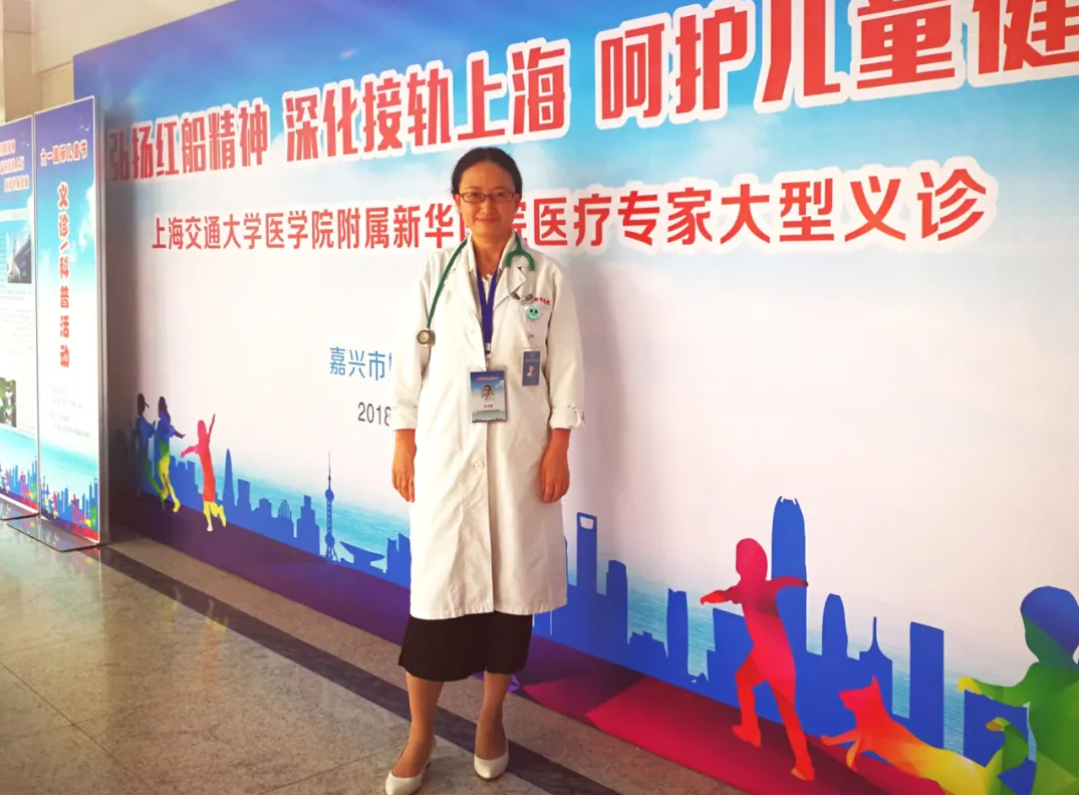
For detecting and diagnosing congenital heart disease before birth, fetal echocardiography has no real substitute among imaging techniques. It demands a grounding in pathophysiology and pathological anatomy, skilled hands, and sound analysis, and has long been one of the hardest parts of fetal ultrasound.
Congenital heart disease is the most common birth defect in China, with about two hundred thousand new cases a year. It ranges from simple lesions to conditions that are critical soon after birth—severe pulmonary stenosis, pulmonary atresia, transposition of the great arteries—which, with proper specialist treatment, have a good outlook. Yet many families, she says, decide to terminate a pregnancy after a fetal heart diagnosis because no one gives them precise advice about treatment and prognosis. That is painful to see, and it causes needless harm to many mothers. Screening for major anomalies, up to detailed fetal heart scans, is spreading. Its purpose is to find severe disease with a poor outlook, not to end every pregnancy in which something is found. Fetal medicine, she says, is no longer only about diagnosis. What matters more is that some birth defects can be treated early, reducing the harm to the family. Many congenital heart conditions can be treated, and treated well. A fetus is also a life—above all, she says, after twenty-eight weeks, when ethically it must be regarded as one. In clinic she often sees women whose local obstetricians have simply advised termination. Some cannot bear it and come to her for a specialist opinion. Many, after her diagnosis, have continued their pregnancies and had healthy babies.
A doctor’s framing, she says, carries great weight. If a woman knows little about heart defects and the doctor describes the problem as grave without explaining treatment and outcome, she may well terminate without understanding. A ventricular septal defect, for example—a hole between the lower chambers—can after treatment allow most children to grow up like any other. Prognosis is what decides whether parents keep a pregnancy, so the doctor making a prenatal diagnosis must explain it clearly.
She does not make the decision for them. Families differ in what financial and emotional weight they can carry. Some keep a child who will need three or four operations at great cost; some cannot accept any risk. Some women come after obstetric screening wanting a final answer—a verdict, as they see it. Saying a grave finding aloud is not what is hardest; some women still break down on the spot, and she stays with them. What she can do is make an exact diagnosis and set out the risks, the costs, and the possible outcomes as fully and precisely as she can. The decision belongs to the parents.
One woman had become pregnant on her fifth round of IVF, after four had failed. The fetus had complex congenital heart disease, and another hospital had concluded that after birth only a single-ventricle repair would be possible—in effect, a long-term sentence on the child. She did not give up and came to Xinhua. After the diagnosis, Wu organized a multidisciplinary consultation. There were two options: a single-ventricle repair after birth, with a poor long-term outlook and likely problems in the teens, or a two-ventricle repair. Wu told her the chance of a two-ventricle repair was about 70 percent. The family agonized and came back to talk many times. In the end Wu told her: if I were you, I would keep the baby, because you may never have another chance at a child of your own, and there is a 70 percent chance of a two-ventricle repair. The woman wept. She had been to countless hospitals, and most had said single-ventricle repair or nothing. Wu was the only doctor who encouraged her.
The pregnancy was hard, and the mother held on. At three months the baby had a successful two-ventricle repair. The child is three now, lively and full of fun, and the worry has gone from the mother’s face. What Wu sees there now, she says, is a long-awaited blossoming. Since then she often tells students that if you put yourself in the patient’s place, some problems are easier than you expect; keep going, and spring will come.
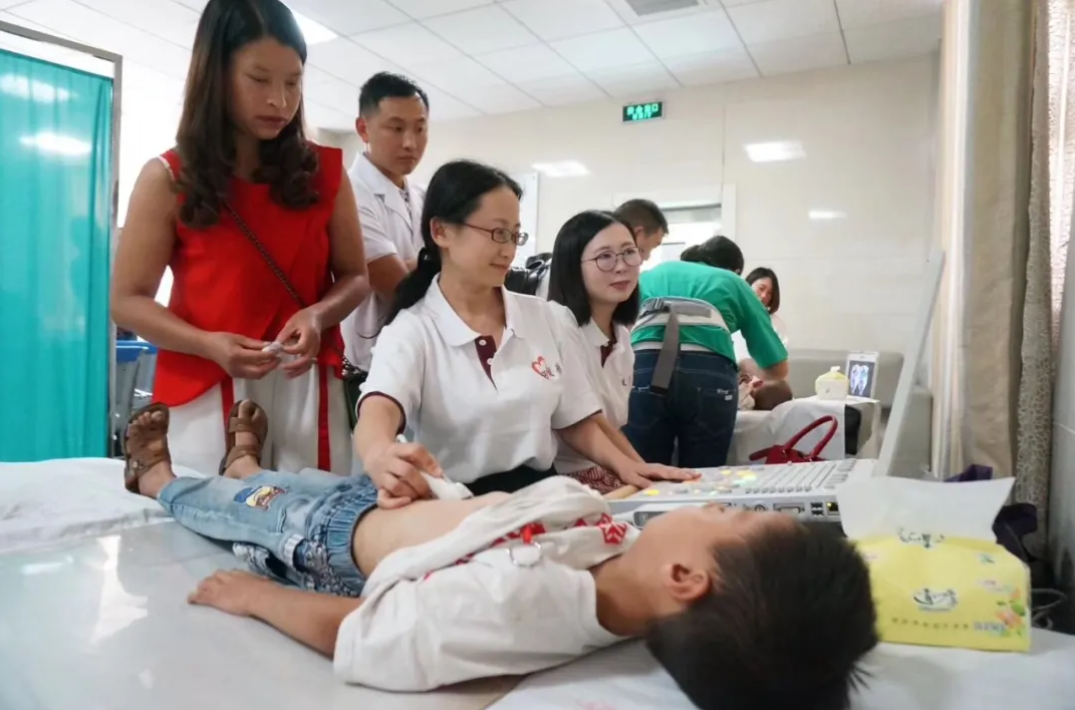
ShanghaiDoctor.cn: As a pediatric cardiac sonographer, how do you get the best images and an exact diagnosis?
Wu Yurong: First, care and responsibility. Second, combine the image with pathophysiology; only then is the diagnosis precise. Third, composure matters a great deal. If you cannot see the heart, do not panic; panic brings misdiagnosis and missed diagnosis. Fourth, talk to the patient. If the fetus is in a bad position and I cannot see clearly, I tell the mother to go out and walk for a while so the baby shifts. That is being responsible to her. Explain the situation and she will understand.
ShanghaiDoctor.cn: What idea do you most try to give your students?
Wu Yurong: First, do not think of yourself only as a sonographer. You must understand the pathophysiology of the heart and not just describe pictures. Second, keep the probe moving. Congenital heart disease has no standard views, so you must combine many planes. I may look through dozens. Never fix the probe in one place. Follow the segmental approach to diagnosis of congenital heart disease.
ShanghaiDoctor.cn: After all these years, any regrets?
Wu Yurong: Only that the sense of achievement may not be as strong as a surgeon’s (laughs). Mine comes from patients’ recognition, and from saving a small life through an exact diagnosis.
ShanghaiDoctor.cn: After more than twenty years in medicine, what do you think medical humanities is?
Wu Yurong: In my understanding, it is the habit of standing in the patient’s place: their tolerance for risk, their finances, their marriage, their family, what they hope for. Medicine deals with people, and it should also be a profession of being good to people.
ShanghaiDoctor.cn: Where does your happiness come from?
Wu Yurong: The sense of achievement in the work, which I am not sure other fields give so often. I enjoy my profession. Fetal diagnosis is busy, but I am absorbed in the value of being needed.
ShanghaiDoctor.cn: If you had time to empty your mind, what would you do?
Wu Yurong: Go home most of all. My mother is in a care home. I used to visit every few months, and this year the epidemic got in the way. And I want to go to Tibet. I have been three times—Shigatse, Lhasa, Namtso—and I still want to go. Tibet is no longer only a place to me. It has become something like a faith, something I cannot put down or forget. There is a pure, almost unreal feeling there, where I can find the best memories of my childhood.
ShanghaiDoctor.cn: If you taught medical students a class outside your specialty, what would it be?
Wu Yurong: Perhaps medical psychology. In this job we face every side of human life from morning to night and deal with life and death. Even so, I hope a doctor, if not treating the patient as someone close, will at least treat them as a living person of flesh and blood, with dignity. Then we would not see so much of the hostility in doctor–patient relations that we see now.
ShanghaiDoctor.cn: If you were not a doctor, what would you be?
Wu Yurong: A teacher, or a radio announcer, because I love reading aloud.
ShanghaiDoctor.cn: Do you still feel the uncertainty you felt back then?
Wu Yurong: Now I have a strong hospital behind me, advanced technology, a good team, and a place at the front of the field. My head is clear and my heart open. It is still the same sentence: keep going, and in the end things will be good. I want to say that about my own path, and to every family with a child who has congenital heart disease.
Lately Wu Yurong has been reading Yang Jiang’s We Three, the memoir in which the writer, at ninety-two, recalled sixty-three years of family life with her husband, the scholar Qian Zhongshu, and their only daughter, Qian Yuan—both of whom she had outlived. What Wu took from it was not the sorrow but the warmth that kept flowing, calm and measured, through hard days. She wants to be that kind of quiet intellectual: someone she loves, a family to protect, and one or two things she will not give up and would gladly do for life. In clinic it looks simpler. A hole in a fetal heart, explained clearly. A 70 percent chance, said out loud. A mother who kept her child, and her face three years later.
Editor: Chen Qing
If you need any help from Dr. Wu, be free to let us know at Chenqing@ShanghaiDoctor.cn.
Adapted from the Yewen Renyi (晔问仁医) interview “武育蓉 | 医生的职业,是救死扶伤,更是与人为善,” published on WeChat on 22 September 2020. Facts and titles are as of that date.
Dr. Chen Sun | Newborn Heart Intervention, and Staying Young Enough to Be Moved
Dr. Wu Yurong | Fetal Echocardiography, and Kindness as Part of the Job
Dr. Li Dawei | Sphincter-Saving Surgery, and the Operation That Fits the Patient
Dr. Zhang Jian | Laparoscopy, and the Hearth Fires of Ordinary Life
Dr.Sun Jing | Fertility-Sparing Surgery, and a Future Already Here
Dr. Li Qingyun | Sleep Apnea, and Illness Removed Without a Sound
Dr. Zhu Zhiling | Gynecologic Surgery, and a Line She Would Not Cross
Dr. Yuan Gongjie | Children's Smiles, and the Orthodontist Who Still Tells Stories
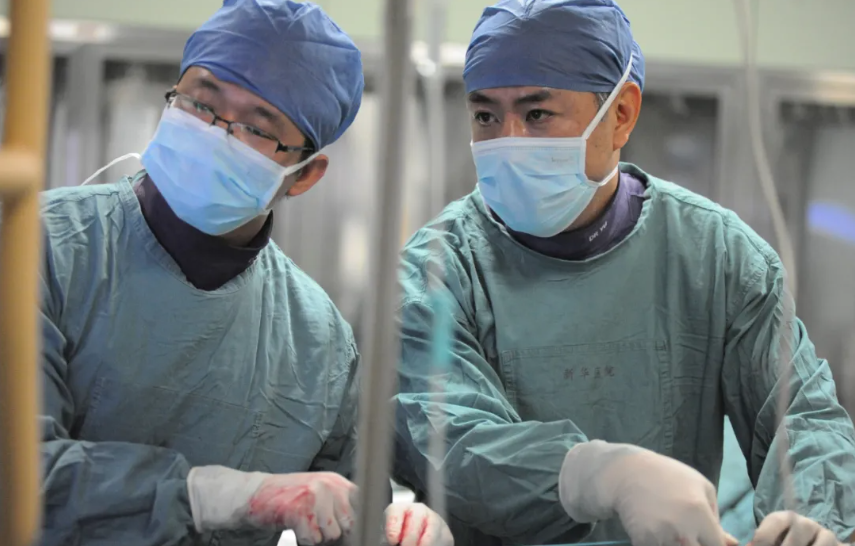
Dr. Chen Sun | Newborn Heart Intervention, and Staying Young Enough to Be Moved
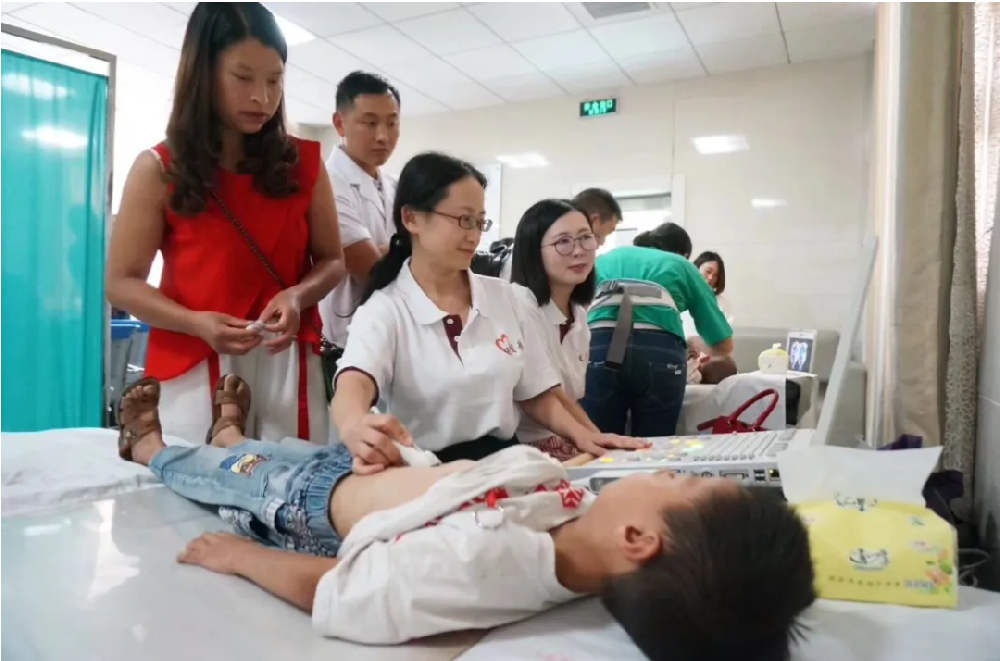
Dr. Wu Yurong | Fetal Echocardiography, and Kindness as Part of the Job
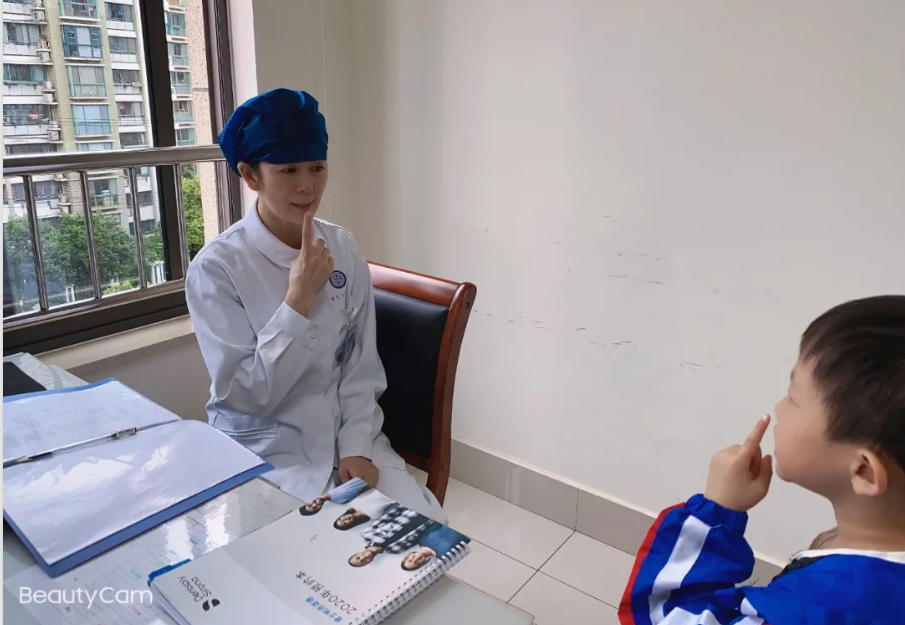
Jiang Liping | Speech Therapy, and the Lamp She Carries
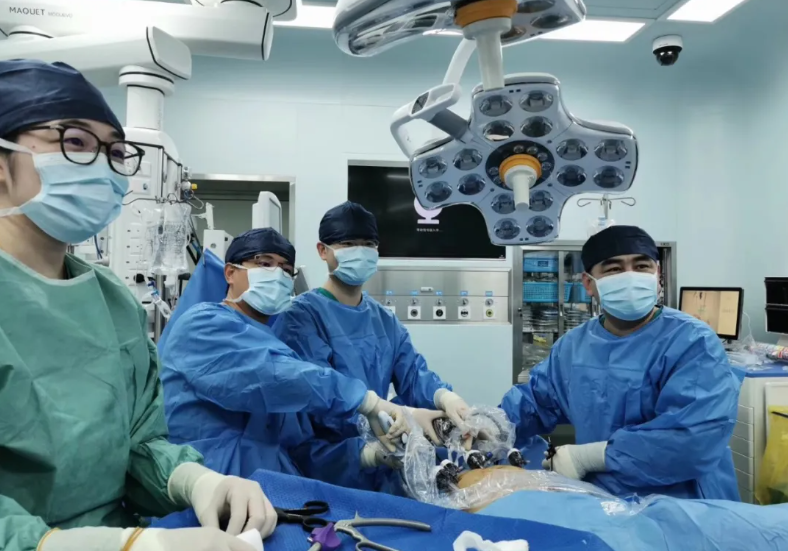
Dr. Li Dawei | Sphincter-Saving Surgery, and the Operation That Fits the Patient
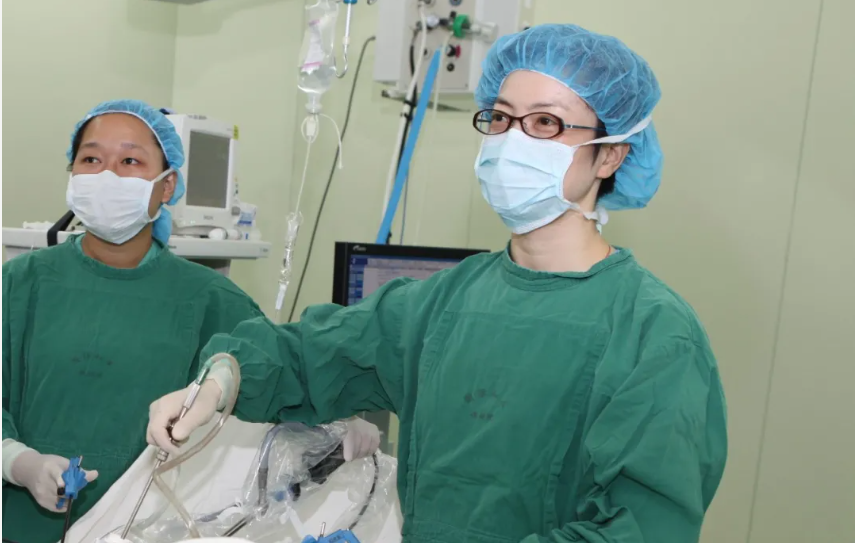
Dr. Zhang Jian | Laparoscopy, and the Hearth Fires of Ordinary Life
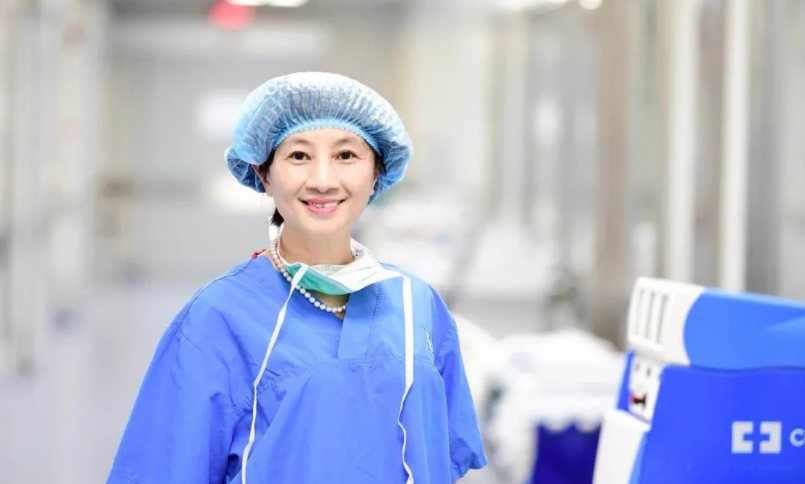
Dr.Sun Jing | Fertility-Sparing Surgery, and a Future Already Here
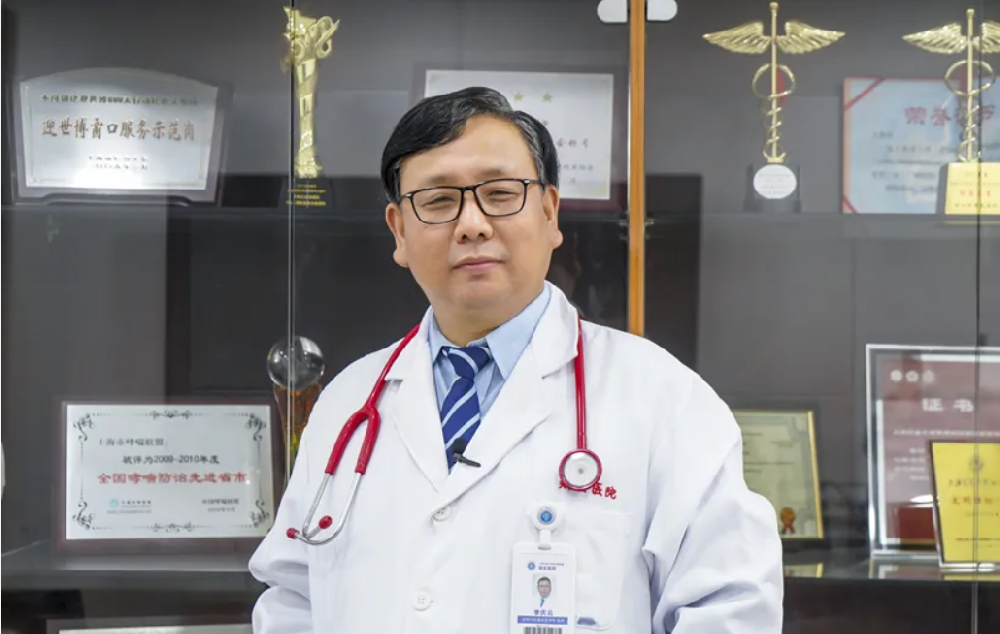
Dr. Li Qingyun | Sleep Apnea, and Illness Removed Without a Sound
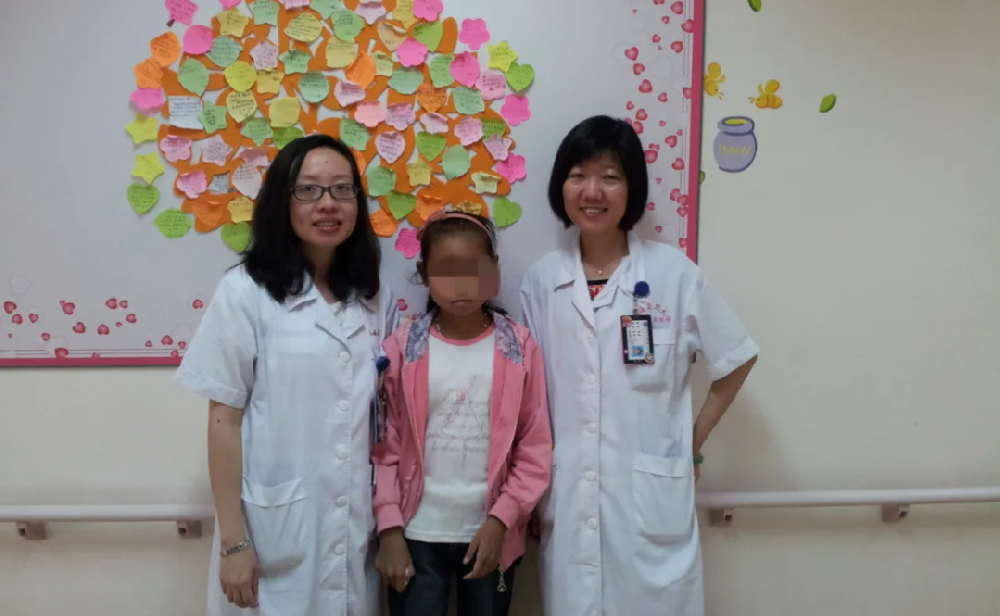
Dr. Shen Qian | Children’s Kidneys, Lucid and Gentle
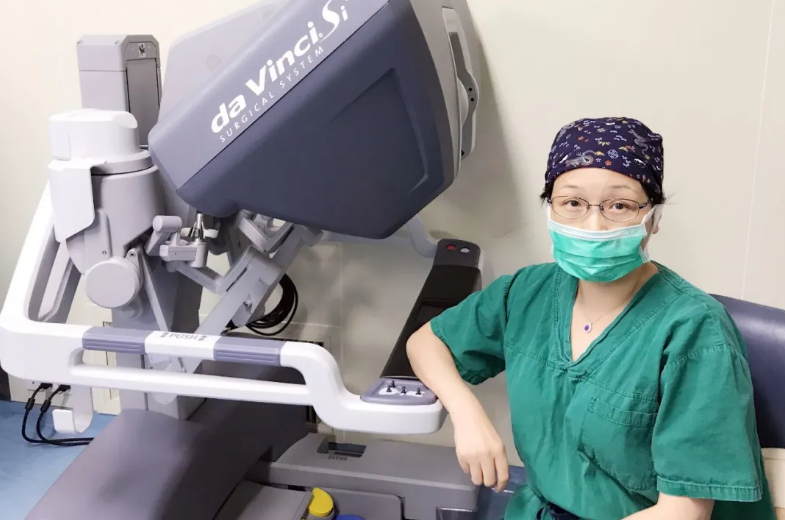
Dr. Zhu Zhiling | Gynecologic Surgery, and a Line She Would Not Cross
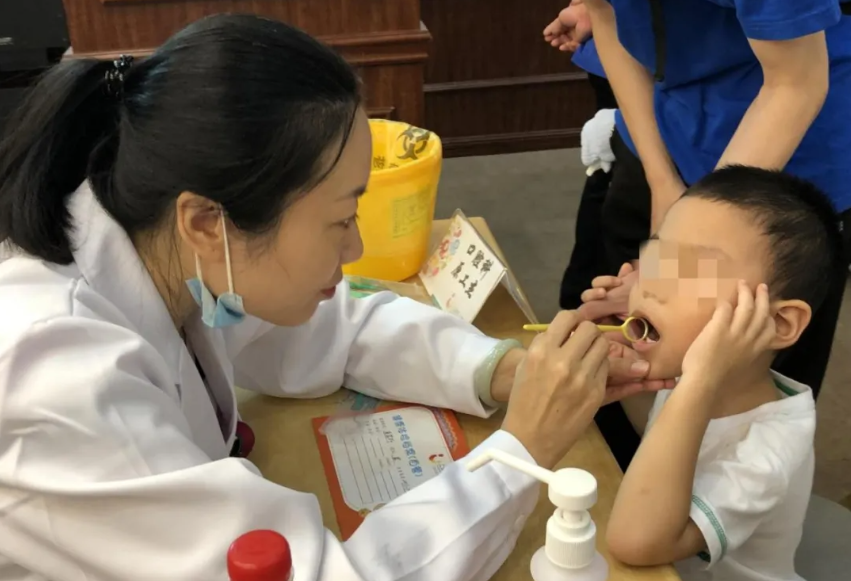
Dr. Yuan Gongjie | Children's Smiles, and the Orthodontist Who Still Tells Stories
Copyright © 2023 Yewen Renyi & ShanghaiDoctor.cn (This website is a non - profit medical humanities platform. The information contained herein is solely for biographical and historical purposes and does not constitute any medical advice.) 沪ICP备2023005392号-2 XML 沪公网安备31010902100835号
 中文
中文 English
 Español
 沪公网安备31010902100835号