ShanghaiDoctor - Where China's Healing Wisdom Shapes Modern Medicine

Update time:2026-10-15Visits:42
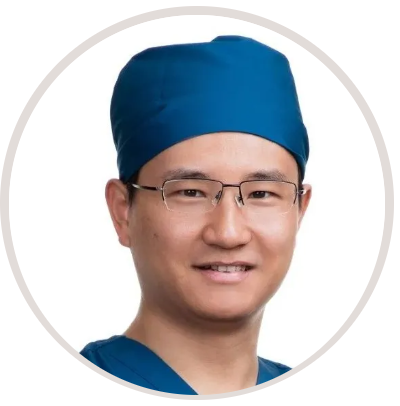
“A successful operation is the operation that suits the patient.”
— Li Dawei
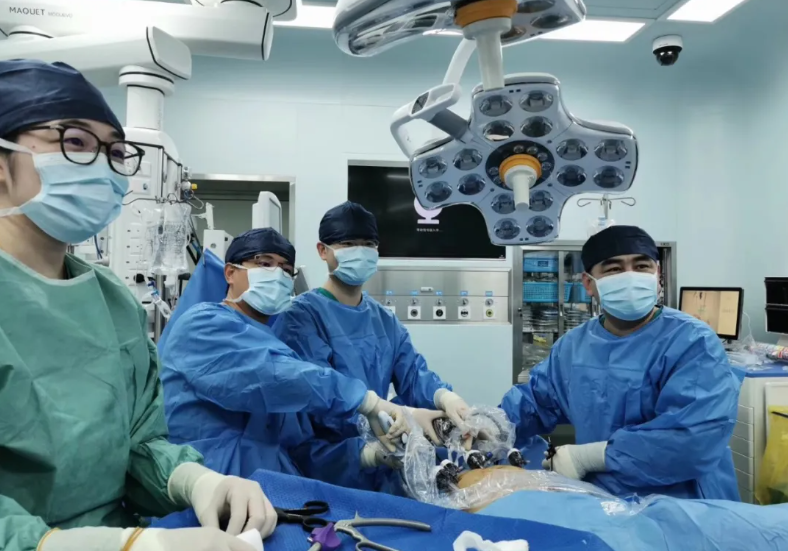
Li Dawei is Associate Chief Physician, Associate Professor, and Master’s Supervisor in the Department of Colorectal Surgery at Fudan University Shanghai Cancer Center. He earned his doctorate in surgery at Shanghai Jiao Tong University School of Medicine. His work is minimally invasive and multimodal treatment of gastrointestinal cancers and of recurrent or metastatic abdominal tumors. He is particularly known for sphincter-preserving surgery for very low rectal cancer—operations that remove the tumor while keeping the anus and its function—for radical lymph-node clearance in gastrointestinal cancer, and for laparoscopic surgery in patients with multiple primary tumors.
He serves as committee member and secretary of a peritoneal-tumor treatment group of the Chinese Medical Doctor Association’s colorectal branch, and sits on committees of the China Anti-Cancer Association, the Chinese Research Hospital Association, and several Shanghai Anti-Cancer Association groups for laparoscopic gastrointestinal surgery, minimally invasive oncology, and early colorectal cancer detection.
He has led more than ten national and international collaborative projects with over five million yuan in funding, published more than thirty papers in international journals, and contributed to several books. Shanghai has named him to its Rising Star program for young scientists and its Pujiang talent program, and as an outstanding young medical talent and outstanding young physician; the Chinese Society of Clinical Oncology listed him among thirty-five most promising young oncologists in China. Research to which he contributed has won a first prize in the Ministry of Education’s higher-education science and technology awards and a first prize of the Shanghai Science and Technology Progress Award. As a student he received a national scholarship from the Ministry of Education.
He grew up in Tai’an, Shandong, a small city at the foot of Mount Tai, the most revered of China’s five sacred peaks, with the Dawen River curling past on its way west to the Yellow River. Other people are second-generation rich, he jokes; he is third-generation medicine. In the Republican era his maternal grandfather apprenticed under a missionary, then practiced alone and opened a hospital, treating local people through years of war. His father was director of surgical oncology at Tai’an Tumor Hospital. His mother was a nurse.
His parents were often on duty, so he played alone at the hospital. The operating room, mysterious to most children, was a place he dropped into like a neighbor’s house. Other children grew up in the sun, he says; he grew up under ultraviolet lamps and the smell of disinfectant. When he skinned his knee he walked himself to the emergency room and cleaned and dressed the wound the way his father had shown him.
His father was his first hero. In the late 1980s a young man from the countryside, riding a train without a ticket, jumped off when the inspector came and suffered a severe head injury. He reached the hospital barely alive. Li’s father operated and saved him. Because the young man had no money, the department pooled funds for a month of his meals. He stayed six weeks, paid nothing, and went home recovered. Later his own father sold the family’s ox, traveled a long way to find the hospital, and knelt before the surgeon. Save one life, Li says, and you save the family. The scene is distant and still perfectly clear to him.
With that example, medicine followed naturally. He studied at Shandong First Medical University and felt there that many questions had no answers yet, and that he did not have the methods to find them. He had reached the door, he says, without knowing how to open it. He decided early on graduate school and went on to master’s and doctoral study at Shanghai Jiao Tong University School of Medicine, including a year and a half of laboratory research in Texas under a Ministry of Education joint-training program.
His doctoral supervisor was Professor Peng Zhihai of Shanghai General Hospital (Shanghai First People’s Hospital), a general surgeon and one of the country’s leading liver-transplant specialists. Peng led Shanghai’s first reduced-size orthotopic liver transplant, its first combined liver-kidney transplant, its first emergency transplant for fulminant hepatitis, and its first combined pancreas-kidney transplant, and has held senior posts in national transplant societies and directed the Shanghai Organ Transplantation Research Center. Li describes him as academic in style—standard, rigorous technique, fine and economical dissection, delicate hands, a pleasure to watch. He was an ascetic figure, Li says, with little interest in fame or money and great interest in research, tireless across clinic, research, administration, and teaching; after a liver transplant he would still sit down to discuss research progress. What Li took from those years was a down-to-earth rigor, a stubborn will to keep pushing, and the habit of driving surgical technique to its limit. Keep a low profile as a person, he says, and set a high standard in the work.
He also learned laparoscopic gastrointestinal cancer surgery from Qiu Zhengjun, director of general surgery, whose range covered the liver, bile ducts, pancreas, stomach, and bowel.
Around 2010, laparoscopic surgery was expanding fast in China and had an almost fashionable aura for surgeons: a magnified view, finer handling, less injury, faster recovery. Surgery was also specializing, and for cancer the multidisciplinary team had become the standard. By then Li was at Fudan University Shanghai Cancer Center, assisting Professor Cai Sanjun, then director of colorectal surgery and of Fudan’s colorectal cancer center, and chair of the China Anti-Cancer Association’s colorectal cancer committee. Li studied Cai’s colon and rectal resections over and over. Cai’s style was simplicity to the extreme: divide the vessels, tie them at the root, clear the lymph nodes, remove the specimen, join the bowel. Every step was patterned, like a computer’s default settings, with no wasted movement allowed. Li assisted him for years. His first operation as lead surgeon felt natural because of it.
He likes, he says, to chase perfection: gentle movements, clear anatomy, thorough clearance. Every vessel that needs exposing is clearly seen, and the operation is not slow. In a right colectomy some surgeons fear touching the superior mesenteric vein; he exposes it fully every time, because working in the correct anatomical plane means less bleeding. Better slower and by the standard, one step at a time. He does not hesitate at the table. A surgeon must be decisive, and the harder the operation, the more reason to meet it.
Just before the 2016 Lunar New Year, a 96-year-old woman arrived with colon cancer that had already obstructed the bowel and perforated locally. She had a fever, was weak and badly distended, and was becoming delirious. Hospitals generally avoid major surgery over the holiday for safety reasons. She could not wait. After a full discussion, the family agreed to try. Her condition allowed only spinal anesthesia, and the operation had to be fast and gentle, with as little trauma as possible—handled like an antique, he says. It took one hour and twenty minutes, and the tumor came out whole. A couple of years ago she was still in touch, and doing well.
Another patient had a large colon tumor invading the duodenum and pancreas, which required a pancreaticoduodenectomy together with a right colectomy—a combined resection that, in abdominal surgery, he ranks second only to liver transplantation. The family broke down in tears when they met him and were resolute once he proposed the plan. The operation succeeded. A fine, difficult operation, he says, is not the doctor’s credit alone; the family’s support and understanding matter.
A young father in his early thirties, poor and caring for two children, arrived with a tumor of nearly twenty centimeters invading the tail of the pancreas and the spleen. Without surgery, Li thought, the family would lose its main support. The disease was locally severe but had not spread, and its biology was favorable—the kind of patient, he says, most worth fighting for. Many come from across the country after visiting many hospitals, holding on to a last hope. He cannot bear to give up on them.
What makes an operation successful? Beyond the surgical rules, Li says, it means putting the person first and fitting the plan to the patient. Sphincter preservation in rectal cancer is the clearest example. After rectal surgery many patients lose the anus and live with a stoma bag, at real cost to their quality of life, and most want very much to avoid it. But for some patients, because of tumor biology or function, a sphincter-saving operation would be technically possible and of no real benefit. A surgeon should not sacrifice the patient’s interest to show off technique. For suitable patients, he should try hard.
Rectal cancer, in his view, needs whole-course management: accurate staging first, then a sphincter-preservation strategy built on stage, tumor biology, anal function, and the patient’s wishes. It is not a matter of the surgeon wheeling the patient in and cutting. Laparoscopy makes some extreme operations possible. In laparoscopic intersphincteric resection, removing the innermost muscle at the far end of the rectum lengthens the distal margin by a centimeter or two, enough to keep the sphincter. He has done this for tumors three centimeters from the anus in patients who had been told elsewhere it could not be done. For someone who has met disappointment after disappointment, he says, keeping the sphincter changes the course of a life, and the relief is beyond words. These operations give him his deepest sense of achievement. Function matters as much as form. Repairing a car so the body looks good but the engine does not run is pointless, he says, so follow-up includes training patients to rebuild anal function. Most of the young patients who have had his ultra-low operations have recovered well.
He also points to the information gap between doctor and patient. Cancer patients are anxious, and good communication eases their fear. A large part of a doctor’s responsibility is to tell patients what options they have, what operation they face, and what the risks are, so that they understand what will be done to their bodies. A surgeon should know that besides the knife there are other weapons available—a sword, a dart.
ShanghaiDoctor.cn: Professionally, what does sphincter-saving treatment for rectal cancer involve, and where is colorectal cancer treatment heading?
Li Dawei: First, accurate preoperative staging: depth of invasion, metastasis, spread beyond the bowel. Second, an individualized sphincter-preservation strategy based on the lesion, the patient’s wishes, and tumor biology. Third, follow-up after surgery and anal rehabilitation. That is whole-course management. As for the future, oncology is moving into precision medicine—dividing patients by genotype and treating accordingly, much as traditional Chinese medicine speaks of treating one disease in different ways and different diseases in one way. The hottest area is still immunotherapy. In patients with certain genetic subtypes it activates the body’s own immune system, using lymphocytes to kill cancer cells, and unlike surgery, chemotherapy, radiotherapy, or targeted drugs, once it works the remission is often durable. There will be progress on combining it with other treatments, selecting patients, and turning immunologically “cold” tumors “hot.” For small subgroups with rare mutations or fusions, specific targeted drugs are another focus; patients with NTRK fusions respond well to larotrectinib. In rectal cancer, radiotherapy combined with immunotherapy can bring a large share of patients to clinical complete response. That does not mean the tumor is certainly gone. But with very close follow-up and salvage surgery if it recurs, the outlook is still good. Trading time for a chance at keeping the sphincter without surgery is the watch-and-wait strategy. How to raise the complete-response rate is worth exploring.
ShanghaiDoctor.cn: After all these years, what matters most to you, and what does a good doctor need?
Li Dawei: I am from Shandong, the home of Confucius and of Confucian thought, whose core idea is ren, humaneness. In medicine I understand it as a heart that thinks of the patient. First, care for the patient as much as you can, including making sure the patient and family are fully informed. That is respect, and with cancer patients, who are generally anxious, good communication eases tension and fear. Second, an individualized plan that is the most suitable: the best outcome and the best quality of life. A person should not only live, but live with dignity.
ShanghaiDoctor.cn: Is there a patient you remember especially?
Li Dawei: Quite a few. One was a young woman just over twenty with rectal cancer, recently married, who had not yet had children. The tumor was three centimeters from the anus. I did a low sphincter-saving operation. It went smoothly and her prognosis was good. Later she became pregnant, had her baby, and brought the child to see me. She has done well.
ShanghaiDoctor.cn: Do you have regrets?
Li Dawei: Yes. Too little time with my family. And I value a line the British neurosurgeon Henry Marsh made famous: every surgeon carries within himself a small cemetery. Beyond the technical questions I often wonder whether another approach would have been better for a patient, with less suffering. There is no “if.” A doctor knows the satisfaction of turning a case around and the helplessness of an outcome he cannot change. The road of medicine is also a path of self-cultivation. A humane heart and humane skill—you need both.
ShanghaiDoctor.cn: What are you focused on clinically now?
Li Dawei: First, sphincter preservation in rectal cancer, which has long been both difficult and important. Beyond surgical technique, newer nonsurgical treatments—chemoradiotherapy, immunotherapy—may spare some patients the trauma of an operation while keeping the cure. Second, health education. The median age at diagnosis of colorectal cancer is about seventy; it is a disease of older people. We recommend regular colonoscopy screening from fifty; the American Cancer Society says forty-five. Some patients, sadly, are found with advanced cancer in their twenties or thirties, and a large share of those cases are hereditary, with a clear family pattern. For them we manage the whole family, telling patients and relatives to seek cancer-risk counseling and screening. In China, colorectal cancer ranks third or fourth in incidence. In the biggest cities—Beijing, Shanghai, Guangzhou—it is around fifty per hundred thousand and rising. In the United States, because screening is well established, incidence and mortality have been falling year by year.
ShanghaiDoctor.cn: Do you feel anxious at work?
Li Dawei: There is always pressure, and it is a positive pressure. You hope to become a better version of yourself and not waste your best years. Among any three people, one can be my teacher; learn from everyone. I am working at it, and the scenery along the way matters too.
ShanghaiDoctor.cn: What do you do outside work?
Li Dawei: A surgeon needs to be physically fit. I play football, fish when there is time, play a game of chess. Weekends with my family and children are a pleasure.
ShanghaiDoctor.cn: What have you done in the past two years that felt meaningful?
Li Dawei: Some health education, and a good number of free clinics. Education is necessary. Talk about the value of early screening, or a healthy way of life, and sometimes you help someone. I also supervise students now and have my own research team. I enjoy discussing new findings and papers with them and imagining what comes next.
ShanghaiDoctor.cn: If you taught medical students a class outside your specialty, what would it be?
Li Dawei: Remember why you started, and stay true to it. One figure says that ten or twenty years in, only about 30 percent of doctors still treat medicine as their lifelong career. In an economic age the temptations are many, and doctors work very hard, but the work means a great deal. What I can do is keep the feeling for medicine I had when I filled in my university application.
Li Dawei’s first lesson in surgery was not technical: a farmer who sold the family ox to make the long journey and kneel before his father. What he added later was method—Peng Zhihai’s rigor, Cai Sanjun’s patterned steps, a full view of the superior mesenteric vein. The test he applies to his own work joins the two. A low rectal tumor removed with the sphincter intact is a good operation only if the patient can live well afterward. If not, the knife is not the right weapon, and there are others to choose from.
Editor: Chen Qing
If you need any help from Dr. Li, be free to let us know at Chenqing@ShanghaiDoctor.cn.
Adapted from the Yewen Renyi (晔问仁医) interview “李大卫 | 有温度,有技术,有担当,” published on WeChat on 24 September 2020. Facts and titles are as of that date.
Dr. Chen Sun | Newborn Heart Intervention, and Staying Young Enough to Be Moved
Dr. Wu Yurong | Fetal Echocardiography, and Kindness as Part of the Job
Dr. Li Dawei | Sphincter-Saving Surgery, and the Operation That Fits the Patient
Dr. Zhang Jian | Laparoscopy, and the Hearth Fires of Ordinary Life
Dr.Sun Jing | Fertility-Sparing Surgery, and a Future Already Here
Dr. Li Qingyun | Sleep Apnea, and Illness Removed Without a Sound
Dr. Zhu Zhiling | Gynecologic Surgery, and a Line She Would Not Cross
Dr. Yuan Gongjie | Children's Smiles, and the Orthodontist Who Still Tells Stories
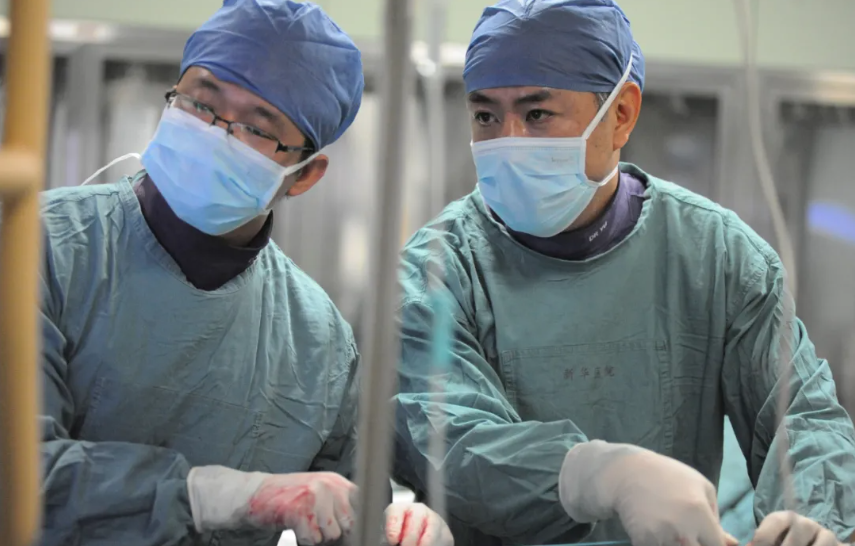
Dr. Chen Sun | Newborn Heart Intervention, and Staying Young Enough to Be Moved
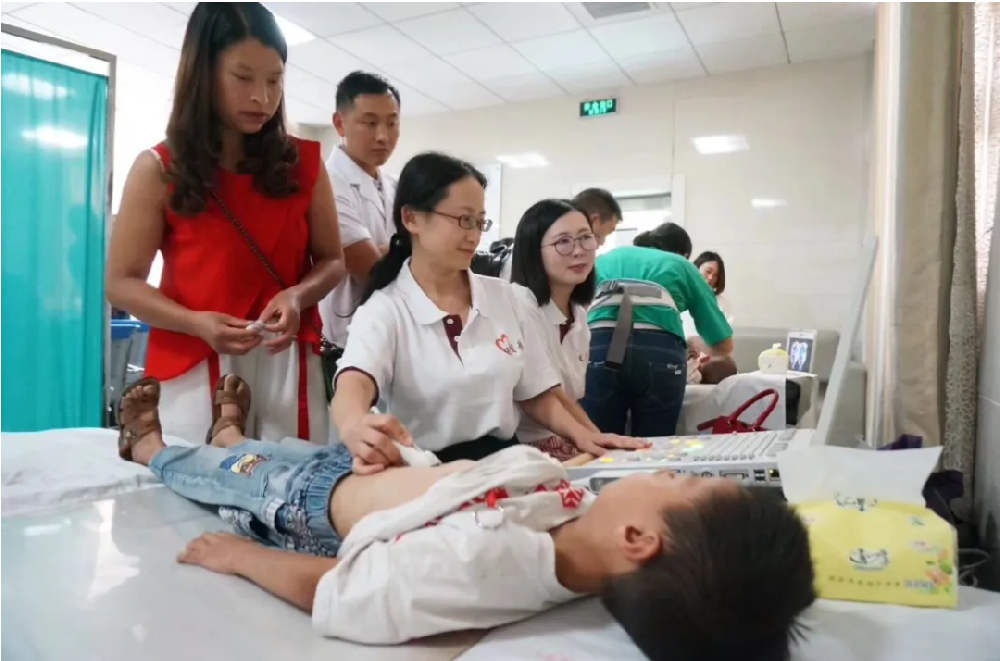
Dr. Wu Yurong | Fetal Echocardiography, and Kindness as Part of the Job
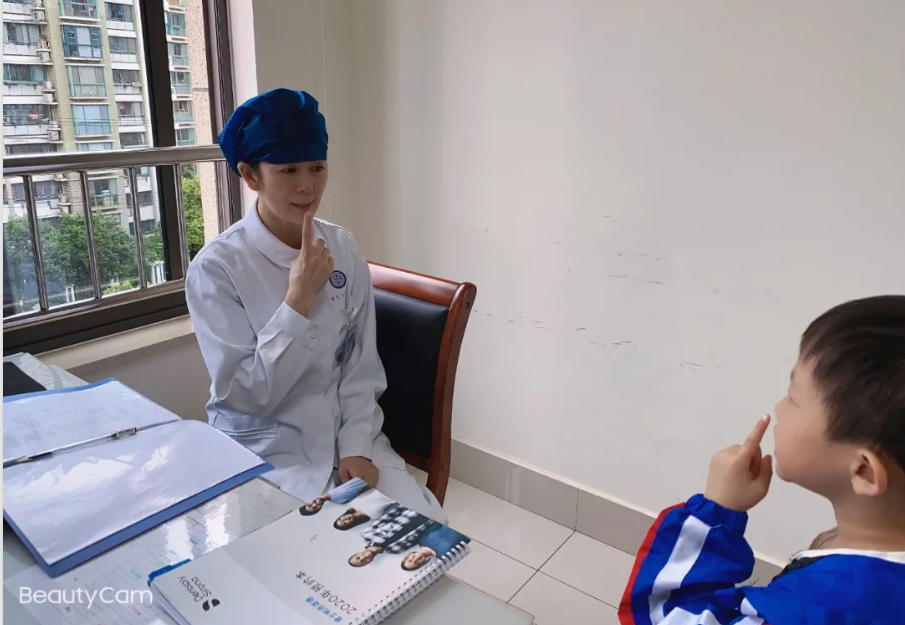
Jiang Liping | Speech Therapy, and the Lamp She Carries
Dr. Li Dawei | Sphincter-Saving Surgery, and the Operation That Fits the Patient
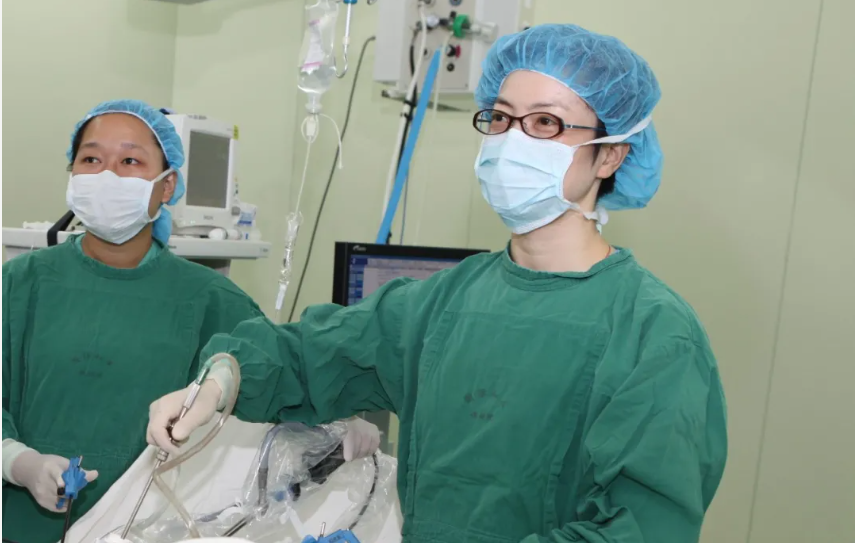
Dr. Zhang Jian | Laparoscopy, and the Hearth Fires of Ordinary Life

Dr.Sun Jing | Fertility-Sparing Surgery, and a Future Already Here
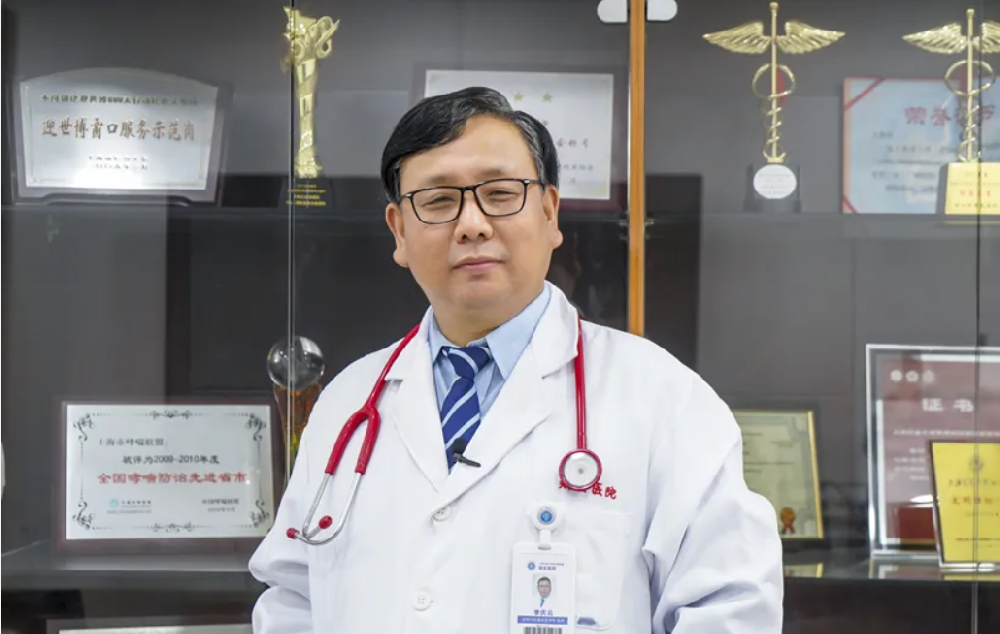
Dr. Li Qingyun | Sleep Apnea, and Illness Removed Without a Sound
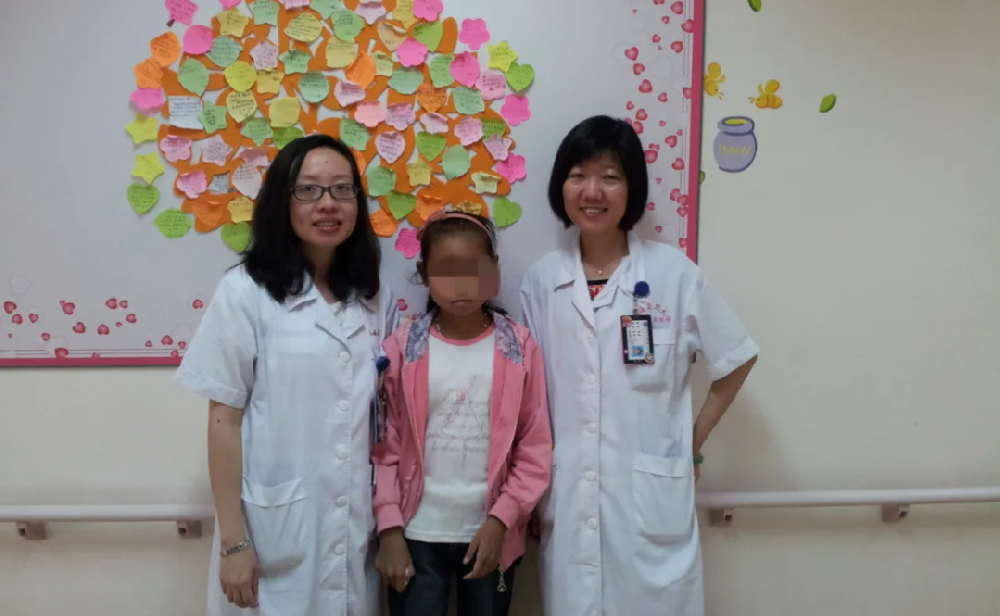
Dr. Shen Qian | Children’s Kidneys, Lucid and Gentle
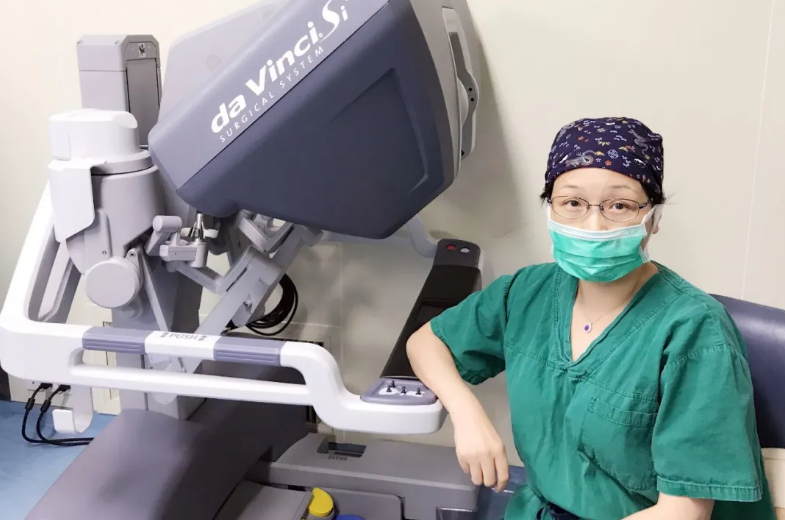
Dr. Zhu Zhiling | Gynecologic Surgery, and a Line She Would Not Cross
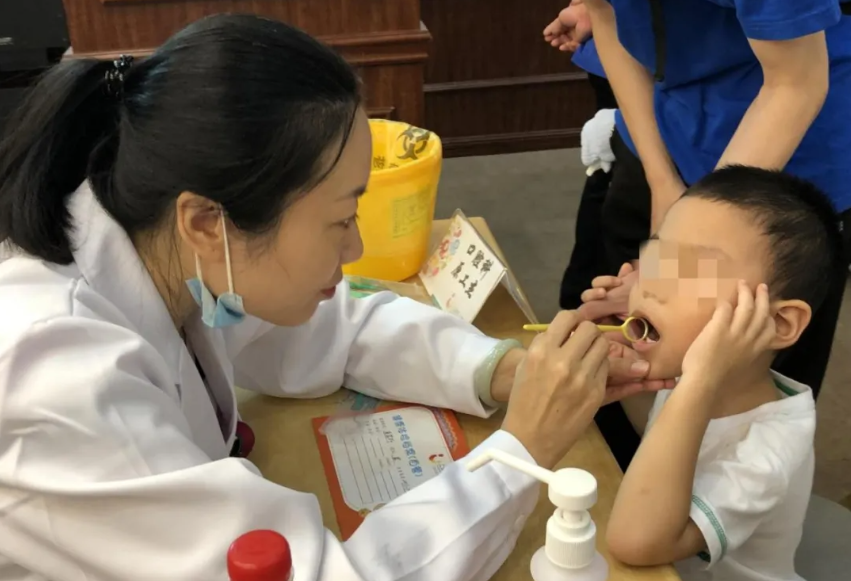
Dr. Yuan Gongjie | Children's Smiles, and the Orthodontist Who Still Tells Stories
Copyright © 2023 Yewen Renyi & ShanghaiDoctor.cn (This website is a non - profit medical humanities platform. The information contained herein is solely for biographical and historical purposes and does not constitute any medical advice.) 沪ICP备2023005392号-2 XML 沪公网安备31010902100835号
 中文
中文 English
 Español
 沪公网安备31010902100835号