ShanghaiDoctor - Where China's Healing Wisdom Shapes Modern Medicine

Update time:2026-10-16Visits:13
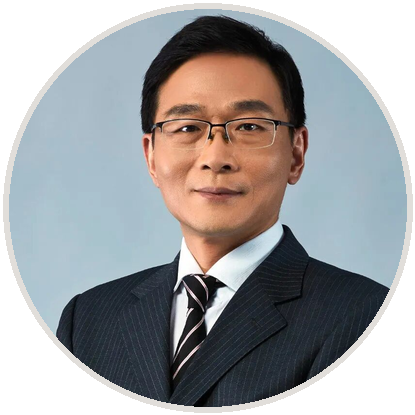
“You have to keep feeling other people’s pain. Only when you truly feel it do you become a great doctor.”
— Lu Yanan
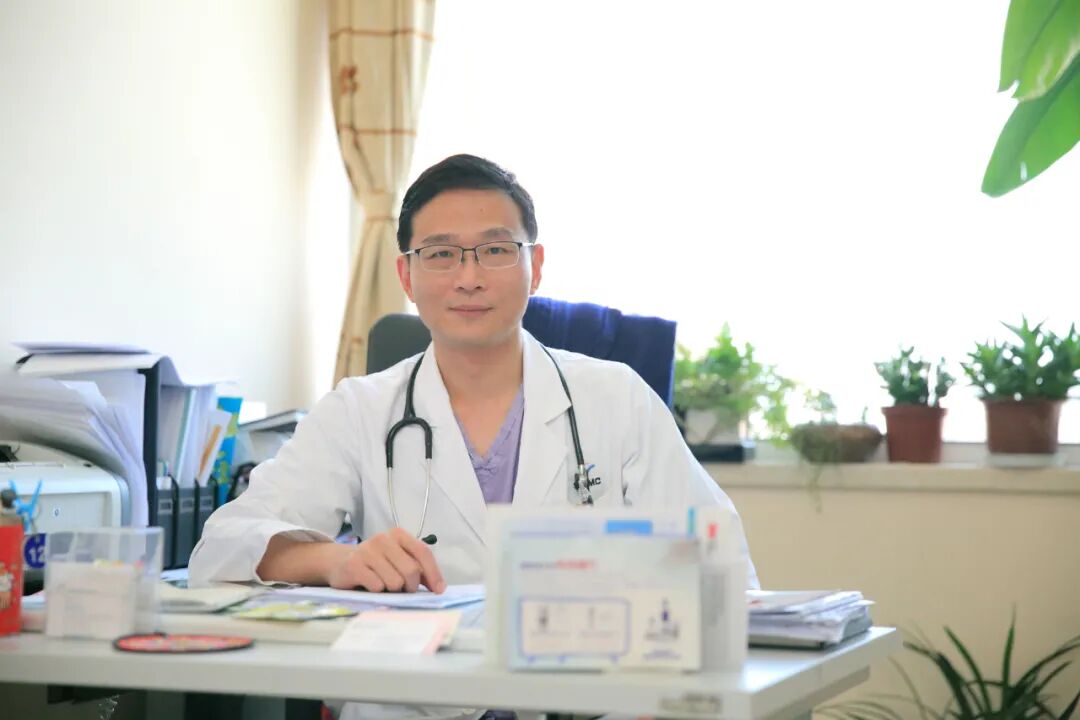
Lu Yanan is Chief Physician, Doctor of Medicine, and Master’s Supervisor, and Co-Director of the Pediatric Heart Center at Xinhua Hospital, Shanghai Jiao Tong University School of Medicine. For ten years he led the cardiothoracic surgery team at the National Children’s Medical Center (Shanghai)—Shanghai Children’s Medical Center, Xinhua’s sister hospital. His field is the surgical repair of congenital heart disease in children, above all in infants and newborns, and of complex and critical defects: transposition of the great arteries, pulmonary atresia, double-outlet right ventricle, total anomalous pulmonary venous drainage, single ventricle, and valve repair in children. He also performs small-incision, minimally invasive pediatric chest surgery.
He has been lead surgeon on more than five thousand operations for congenital heart disease and more than a thousand general pediatric chest operations, with a success rate above 98 percent. He sits on the congenital heart disease committee of the national cardiovascular expert committee, is a youth committee member of the pediatric surgery branches of the Chinese Medical Association and of the Shanghai Medical Association, and serves on the editorial board of the Journal of Clinical Pediatric Surgery.
He was born in the 1970s in Yucheng, a small city in Shandong whose name honors Yu the Great, the legendary tamer of floods; a pavilion said to mark one of Yu’s works still stands there. His father was an engineer, and the boy took things apart. The family radio and the alarm clock both came to pieces in his hands, and both went back together, he says, without breaking. The manual skill he is known for may have started there.
He was a sickly child, and his mother often took him to the doctor. Doctors seemed great to him; they could always make him well. Once she took him to a well-known local physician whose hospital was a long way from home. By the time he had been treated it was past mealtime, and the doctor took mother and son to his own house for lunch. The kindness stayed with the boy, and the idea of being a doctor took root.
At sixteen he entered Qingdao Medical College. The five years there, he says, shaped him deeply: it was the age when a person’s view of the world forms, and the college was rigorous and well run. China’s reform era was gathering pace, and the mix of ideas around them fed his generation. He studied hard, read the martial-arts novels of Jin Yong and Gu Long and the novels of Lu Yao and Liang Xiaosheng in the library, and ran on the track team—the college’s undisputed hundred-meter champion.
His internship showed him he loved surgery. He would spend whole days there, holding a retractor when there was an operation and finding reasons to stay in the theater when there was not. The surgeons and teachers liked him, he says, because he learned fast and was good with his hands, and they gave him chances. He chose pediatric surgery for graduate study, one of the most demanding surgical fields, under Professor Liu Runji of Shandong Medical University, his first true teacher in surgery. People imagine surgeons as rough and sweeping, he says, but pediatric surgery is the opposite. Liu’s hands were deft, his cutting fine, the anatomical layers always clear; each operation was like a work of art.
After his master’s degree he joined Shandong Provincial Hospital, a major hospital in the province. He remembers being its hundredth working surgeon. Three years of rotations took him mostly through adult surgery—general, orthopedic, urologic, burns and plastic surgery—“a hard-working apprentice,” he says. Surgery, in his view, is one connected discipline whose principles carry from one field to another. A broad surgical foundation first, then the heart, was the right order.
Wanting to go further, he chose to do a doctorate in what he saw as the most challenging branch of pediatric surgery, the pediatric heart, and to do it at the strongest place. That was Shanghai Second Medical University, then the leading school in China for pediatric surgery and often called the birthplace of Chinese pediatrics. His doctoral supervisor was Professor Ding Wenxiang of Xinhua Hospital, a pioneer of pediatric cardiothoracic surgery in China, who built infant heart surgery from almost nothing and set many of the country’s firsts in the field.
Ding, he says, was a born leader. Following in others’ footsteps is easy; founding something is hard. In an era when almost none of the conditions existed, Ding took on pediatric heart surgery, the hardest of problems. From him Lu absorbed surgical judgment, summed up in four Chinese characters: bold in heart, careful in hand. The risks in pediatric heart surgery are so high, he says, that a surgeon frightened off by difficulty would never have got this far.
Ding was also tenacious. Lu remembers a two-year-old with a complex and very rare heart defect whose parents brought him to Xinhua after many hospitals had turned him away. Ding said that once a child had come to Xinhua, they could not refuse him. The boy was admitted, the case was discussed across medicine and surgery, and they operated. It was long and did not go smoothly.
After a heart is repaired, Lu explains, it first has to start beating while the heart-lung machine is still running. Only when the heart beats strongly enough to keep up its own circulation and blood pressure can the machine be slowly weaned off. Normally that takes about half an hour, and certainly less than an hour. This child’s heart could not come off bypass. There was no ECMO then, the external heart-lung support now used in such cases, so the only option was to keep extending the weaning and try again; if that failed, the child could die on the table. Ding would not stop. The operation lasted more than ten hours in all, and the child came through. Ding was nearly seventy. He stayed completely focused throughout and did not take even a sip of water. Lu says he admired him enormously. From that day he understood that a heart surgeon needs, besides deep knowledge, physical stamina, a resilient mind, and a will that does not bend.
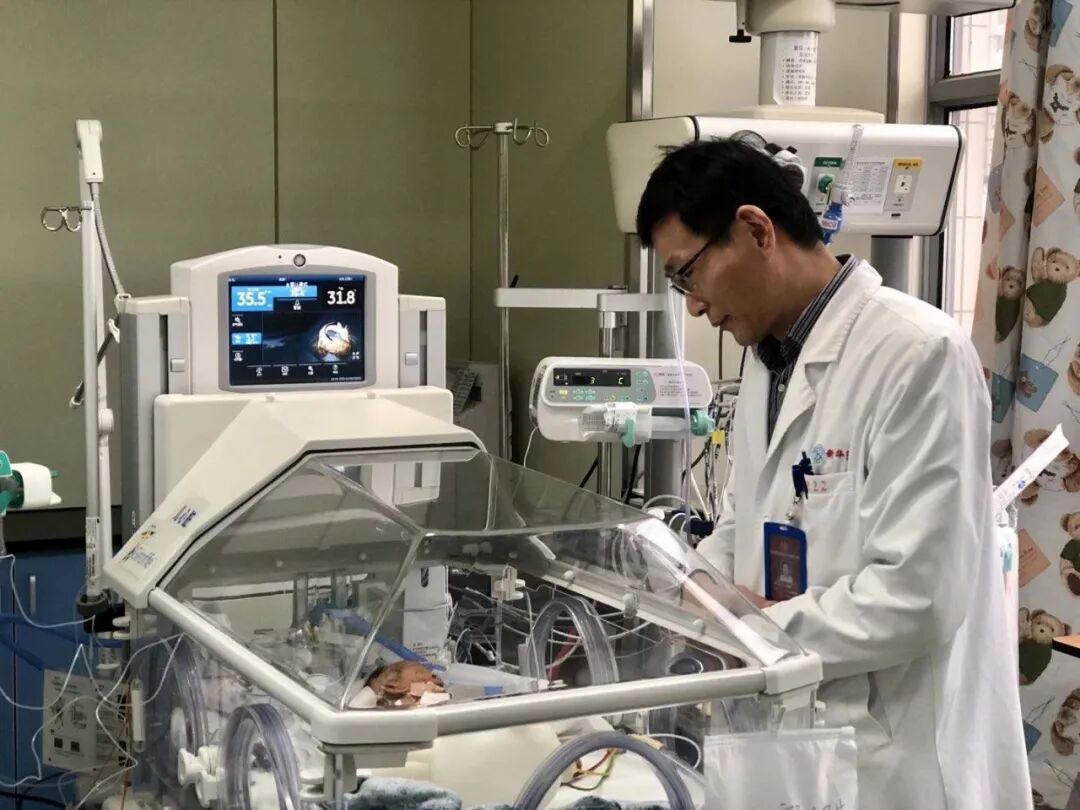
After his doctorate Lu stayed at Xinhua just as its sister hospital, Shanghai Children’s Medical Center, was being set up. He counts himself lucky: Ding’s generation had laid the path, Xinhua’s pediatric congenital heart program was among the strongest in the country, and he arrived as the field began to grow fast.
His first operation as lead surgeon came in 1999, a ligation of a patent ductus arteriosus done with Liu Jinfen, president of the Children’s Medical Center. He was nervous, he says, but it went very smoothly, and the anesthetists and nurses were impressed. Not long afterward he was operating independently on atrial septal defects and similar repairs, and step by step moved from simple defects to the most complex. He was among the first doctors to move from Xinhua to the new center. Heart operations there numbered just over six hundred in the first year, passed a thousand in the second, and now approach four thousand. In under ten years he went from new graduate to leader of the center’s pediatric cardiac surgery team, and has done, he says, essentially every difficult congenital heart repair, including the double switch and aortic root translocation. On emergency duty he once did eight arterial switch operations in a month. The operation takes five or six hours at best, often more than ten. Each one is a battle, he says; by the end the anesthetists could barely move.
Now around fifty, he has returned to Xinhua, and his idea of surgery has deepened. Heart surgery, he says, is like art. Repairing congenital heart disease is not only correcting the structure of the heart but protecting the circulation, and that tests a surgeon’s understanding. Not every defect can simply be patched. The choice of operation determines whether the patient’s circulation will be sound and stable afterward, and that is what decides whether the surgery has succeeded.
He also believes congenital heart disease is best treated by medicine and surgery together. The old model was single-track: diagnose, then operate, with the cardiologist and the surgeon in separate lanes. That never made sense to him. Diagnosis, analysis of the circulation, and judging when surgery is indicated are the cardiologist’s work; the surgeon’s goal is to do the operation as well as possible in the shortest time. The Pediatric Heart Center now joins the two seamlessly. Perhaps in a decade or so, he says, there will be no distinction between pediatric cardiologists and pediatric heart surgeons—only pediatric heart doctors, with strict criteria for which treatment each defect should receive. He hopes the center can lead the way in that direction.
ShanghaiDoctor.cn: Why did you choose the pediatrics department at Qingdao Medical College?
Lu Yanan: Actually I was assigned to it. That turned out well; I like children. In those days few medical schools in China had a pediatrics department. Many have since closed theirs, which is a real pity.
ShanghaiDoctor.cn: How did you develop your surgical hands?
Lu Yanan: Partly from your teachers, especially early on. If the teacher’s technique is fine and his thinking clear, the effect on a student is enormous. And a surgeon needs talent. With training, most medical students can become competent surgeons, but an outstanding one needs talent, hard work, and real passion. Any profession done to the limit is top-class. How do you get there? You have to treat the work as your hobby.
ShanghaiDoctor.cn: What was your first encounter with congenital heart disease?
Lu Yanan: As a medical student on placement. There were many children with heart defects then. You would often see typical tetralogy of Fallot—lips blue, sometimes the whole body tinged purple. They were admitted, tested, and once the diagnosis was clear there was nothing to be done. We could only tell the parents surgery was not possible, and send them home. Pediatric heart surgery in China was still far behind. Cardiac surgery was the last surgical specialty to develop; people call it the jewel in the crown of surgery, and that is fair, because it is the hardest. The first true heart operation in China was done by Su Hongxi, the father of Chinese cardiac surgery, who in 1958 closed a ventricular septal defect under direct vision on cardiopulmonary bypass. Progress stayed slow into the 1960s, especially for infants. In 1973, under extremely hard conditions, Professor Ding Wenxiang used a heart-lung machine he had built himself to perform China’s first infant heart operation at Xinhua. Risk and mortality were very high, and it was the Cultural Revolution; it was a hard beginning. When I was at university, many of the best provincial hospitals still could not operate on congenital heart disease.
ShanghaiDoctor.cn: Can you explain the arterial switch operation?
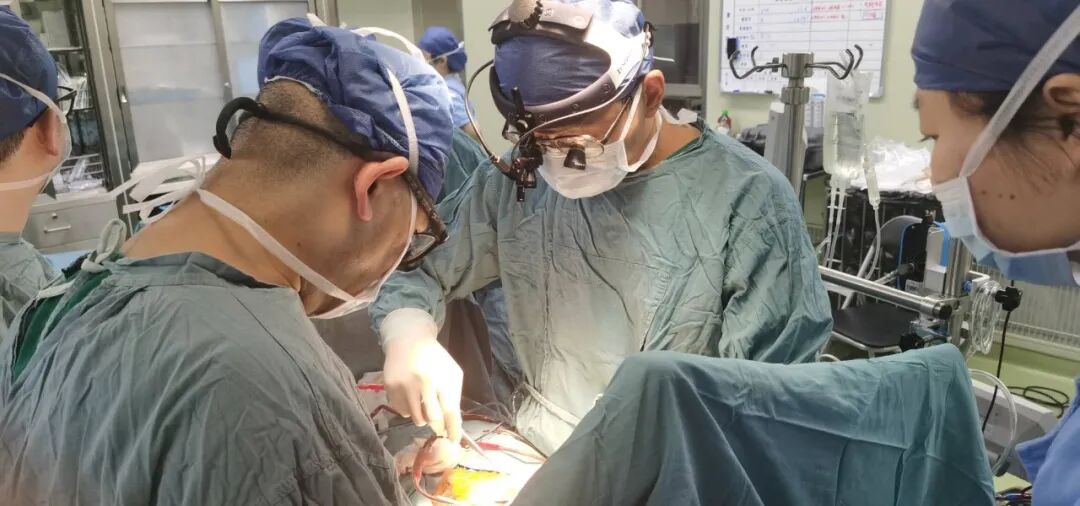
Lu Yanan: Complete transposition of the great arteries is a special kind of defect. The baby faces severe oxygen shortage from birth and must be operated on as a newborn, sometimes as an emergency, or will not survive. It is not rare; we see it often, and many patients are transferred from other provinces. The arterial switch is the signature operation of congenital heart surgery, because newborn surgery carries high risk. In the 1980s and 1990s only a handful of centers in China could do it, and mortality was close to 50 percent. When the ventricular septum is intact, the operation should in principle be done within two weeks of birth; otherwise the left ventricle weakens and its wall thins, and the chance for a full repair is lost. With a ventricular septal defect, surgery can wait a little. After the efforts of several generations, we now treat it to a high standard. Most cases are diagnosed in pregnancy, precise prenatal diagnosis allows an exact risk assessment, and high-risk mothers are transferred, managed through the perinatal period, and the baby treated promptly after birth. Success now exceeds 95 percent.
ShanghaiDoctor.cn: Why does understanding the physiology of the circulation matter so much in this surgery?
Lu Yanan: Because a sound plan, built on the whole circulation, decides not only the immediate risk but the long-term outcome. Congenital heart disease is a structural malformation, but we have to correct it physiologically as well as anatomically. Half of our patients are operated on before their first birthday. The perfect solution is a heart that keeps working as long as possible—for a lifetime, ideally, like a normal heart. If a one-year-old I operate on lives only to ten, I do not consider that a success. What I have to think about is how to bring the child as close as possible to normal heart function and a normal lifespan. Most defects, especially the simpler ones, do very well after surgery. Today 95 percent of children with congenital heart disease survive to adulthood.
ShanghaiDoctor.cn: Xinhua’s Pediatric Heart Center is known for cardiologists and surgeons solving complex cases together. Can you tell us about it?
Lu Yanan: We can now manage the whole perinatal period as one. Diagnosis comes earlier and earlier; most defects are found by twenty weeks of pregnancy. We have a prenatal diagnosis team, and we can intervene to some extent in the womb, so the baby is in better condition at birth. Every defect has its own timing and plan. For some that need urgent treatment in the newborn period, neonatologists are already involved while the mother is being transferred. They judge what to do from the baby’s oxygen levels, and if it is very urgent, resuscitation may begin in the delivery room. The surgeons are already on standby. That integrated perinatal care has let us save many children who could not have been saved before. We do roughly a thousand operations a year, but volume is not the point. Doing each one well and precisely is the goal. In size we are not the largest. In the model of care and its quality, I want to go as far as it can go, and to become the best pediatric heart center in the country, a center that leads.
ShanghaiDoctor.cn: What temperament does a surgeon need? Do you feel pressure?
Lu Yanan: My temperament is fairly strong and steady, which a good surgeon must have, because in heart surgery the slightest slip can have serious consequences. The clearest mark of a mature surgeon is confidence. Faced with any challenge, however complex or difficult the operation, you are not afraid. When I have the ability and am sure I can do it, I do not feel pressure.
ShanghaiDoctor.cn: What makes a good doctor?
Lu Yanan: A doctor faces a person. Skill, sympathy, and love together make a good doctor. Skill is the foundation, but love and sympathy—passing warmth to the patient—are in some ways more important than the scalpel. I would use one phrase: bao chu wei tong, to take another’s suffering as your own pain. You have to keep feeling other people’s pain. Only when you truly feel it do you become a great doctor.
ShanghaiDoctor.cn: If you gave new medical students a class, what would you share?
Lu Yanan: The history of cardiac surgery. New students are still finding their way. The life stories of those who came before can kindle their enthusiasm for medicine and give them faith in the ideal of a great physician—excellent in skill and sincere in heart.
ShanghaiDoctor.cn: Are you satisfied with yourself?
Lu Yanan: Fairly satisfied. I grew up in Shandong, a land of heroes. Sometimes I feel that standing at the operating table for more than ten hours counts as heroic. But as I get older, I think there is only one kind of heroism: to see life as it truly is, and still love it.
The phrase Lu Yanan chose for his interview, bao chu wei tong, means to take another’s pain as your own. Chu tong, bodily suffering that is hard to bear, appears in the Records of the Grand Historian, in a passage on the cruelty of punishments that cut the body. He uses it for something more ordinary. A doctor who once fed a sick boy and his mother lunch. A teacher who would not give up on a heart that could not come off bypass, and did not take a sip of water in ten hours. A blue-lipped child in a student’s memory, sent home because nothing could be done, set against a success rate now above 95 percent for one of the hardest operations in the field. His measure of success is not that a child leaves the hospital. It is that the heart he has repaired is still working when that child is grown.
Editor: Chen Qing
If you need any help from Dr. Lu, be free to let us know at Chenqing@ShanghaiDoctor.cn.
Adapted from the Yewen Renyi (晔问仁医) interview “鲁亚南 | 抱楚为痛,” published on WeChat on 16 September 2020. Facts and titles are as of that date.
Dr. Lu Yanan | Pediatric Heart Surgery, and Feeling Another’s Pain as One’s Own
Dr. Chen Sun | Newborn Heart Intervention, and Staying Young Enough to Be Moved
Dr. Wu Yurong | Fetal Echocardiography, and Kindness as Part of the Job
Dr. Li Dawei | Sphincter-Saving Surgery, and the Operation That Fits the Patient
Dr. Zhang Jian | Laparoscopy, and the Hearth Fires of Ordinary Life
Dr.Sun Jing | Fertility-Sparing Surgery, and a Future Already Here
Dr. Li Qingyun | Sleep Apnea, and Illness Removed Without a Sound
Dr. Zhu Zhiling | Gynecologic Surgery, and a Line She Would Not Cross
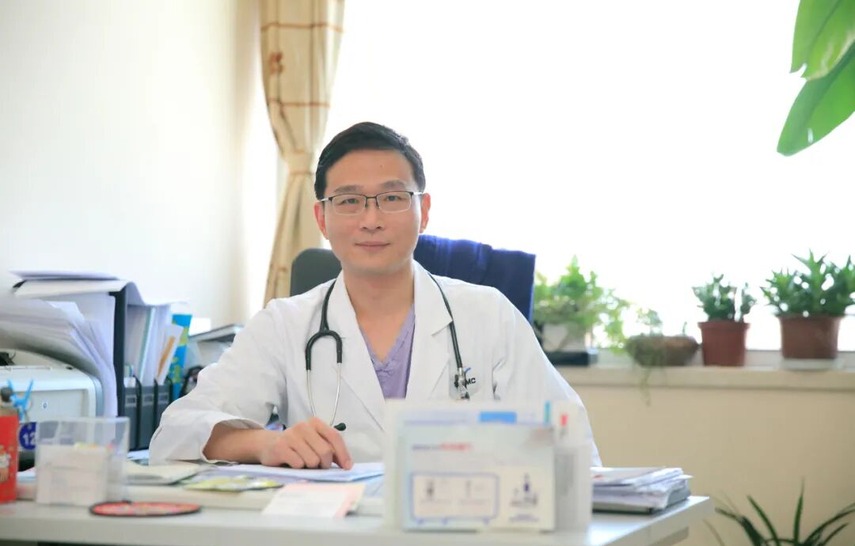
Dr. Lu Yanan | Pediatric Heart Surgery, and Feeling Another’s Pain as One’s Own
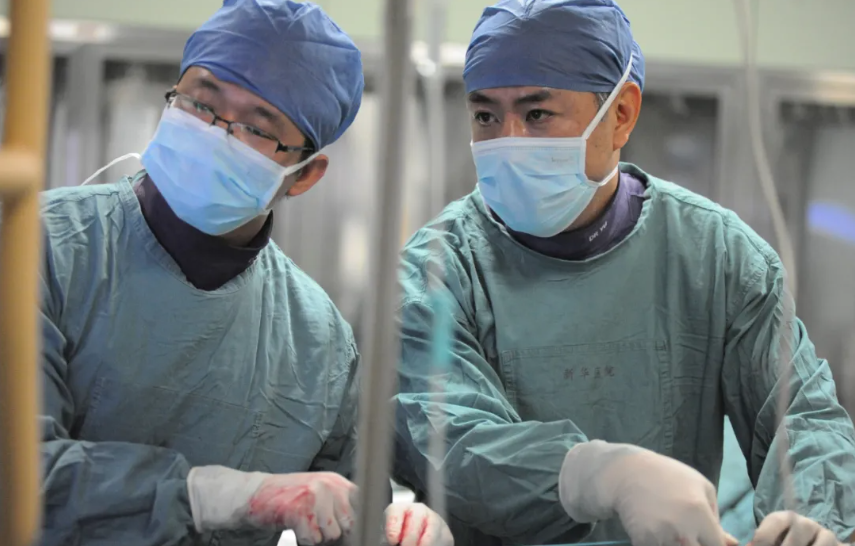
Dr. Chen Sun | Newborn Heart Intervention, and Staying Young Enough to Be Moved
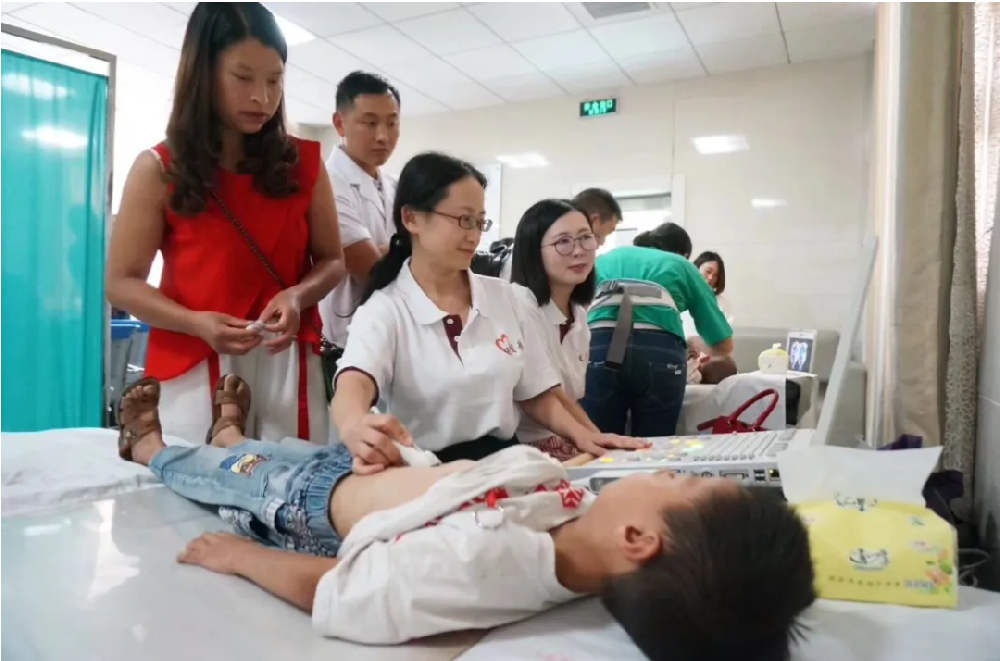
Dr. Wu Yurong | Fetal Echocardiography, and Kindness as Part of the Job
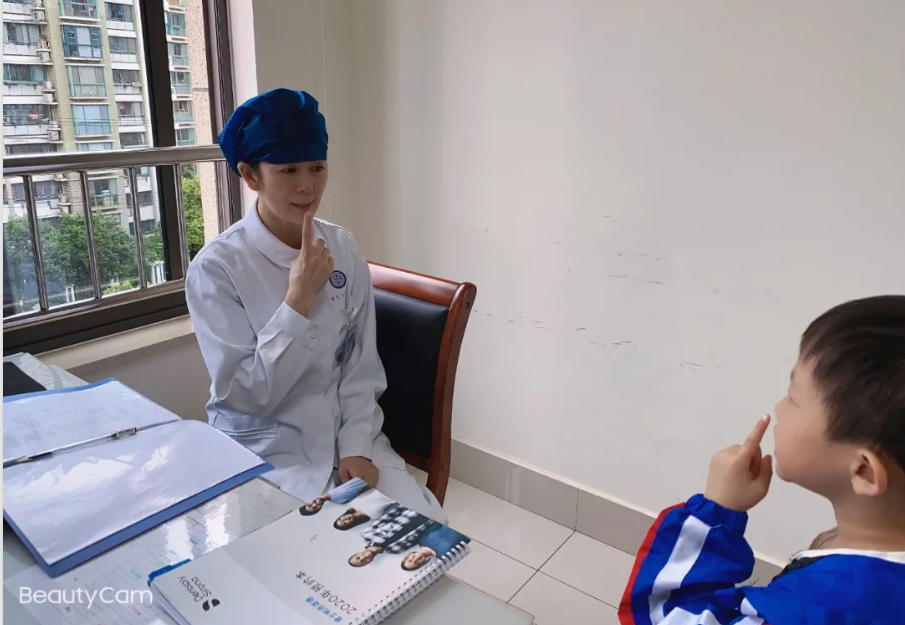
Jiang Liping | Speech Therapy, and the Lamp She Carries
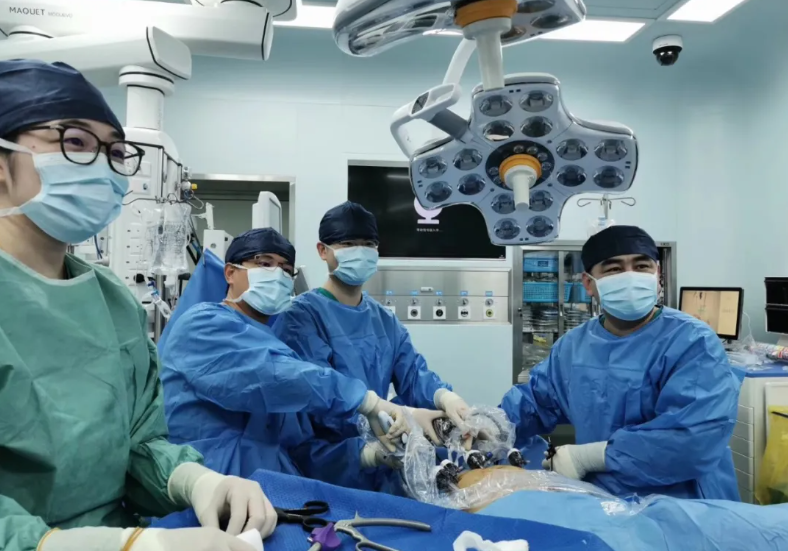
Dr. Li Dawei | Sphincter-Saving Surgery, and the Operation That Fits the Patient
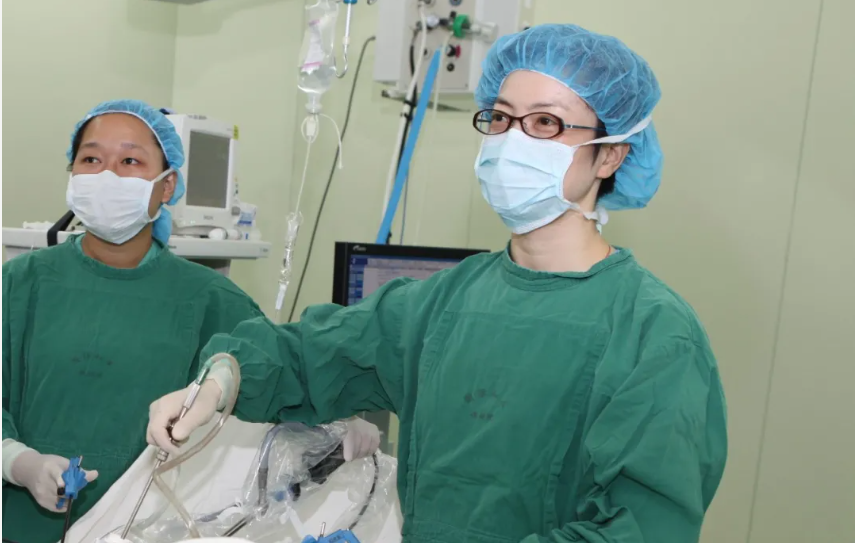
Dr. Zhang Jian | Laparoscopy, and the Hearth Fires of Ordinary Life

Dr.Sun Jing | Fertility-Sparing Surgery, and a Future Already Here
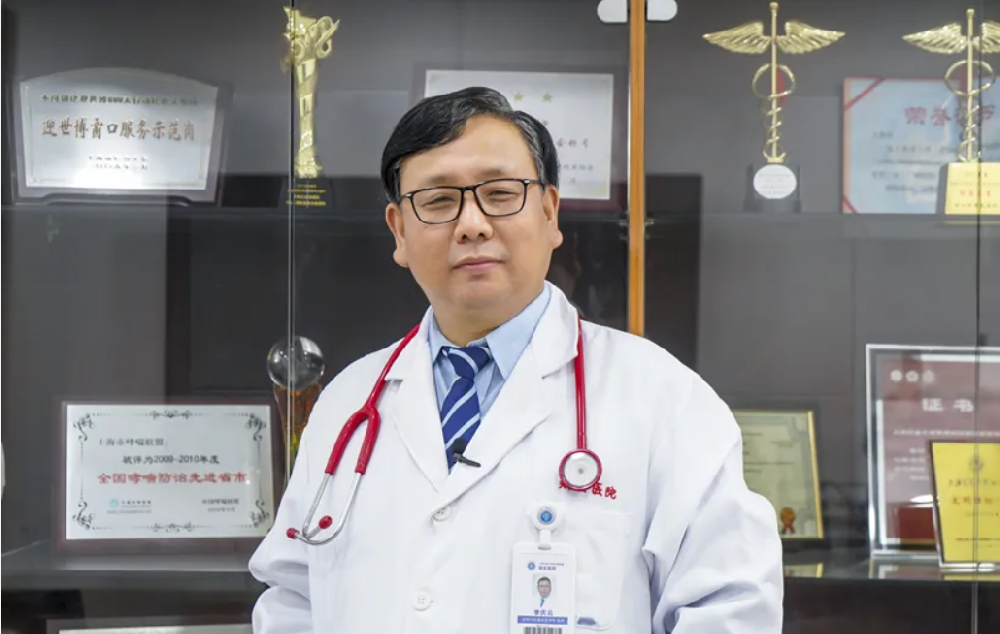
Dr. Li Qingyun | Sleep Apnea, and Illness Removed Without a Sound
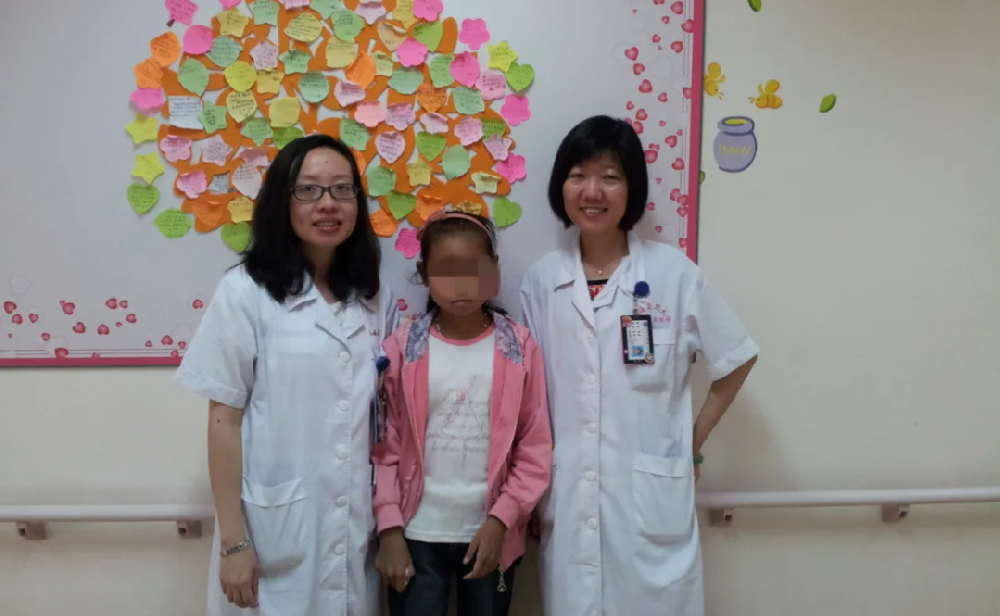
Dr. Shen Qian | Children’s Kidneys, Lucid and Gentle
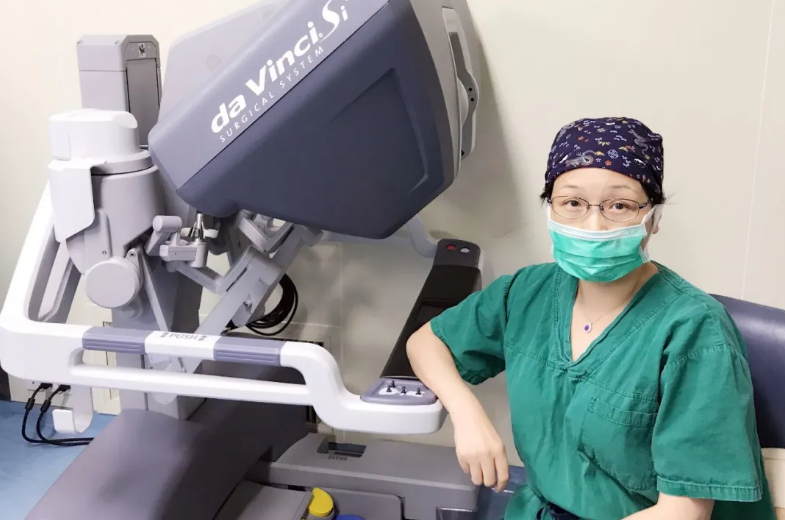
Dr. Zhu Zhiling | Gynecologic Surgery, and a Line She Would Not Cross
Copyright © 2023 Yewen Renyi & ShanghaiDoctor.cn (This website is a non - profit medical humanities platform. The information contained herein is solely for biographical and historical purposes and does not constitute any medical advice.) 沪ICP备2023005392号-2 XML 沪公网安备31010902100835号
 中文
中文 English
 Español
 沪公网安备31010902100835号