ShanghaiDoctor - Where China's Healing Wisdom Shapes Modern Medicine

Update time:2026-03-12Visits:6097
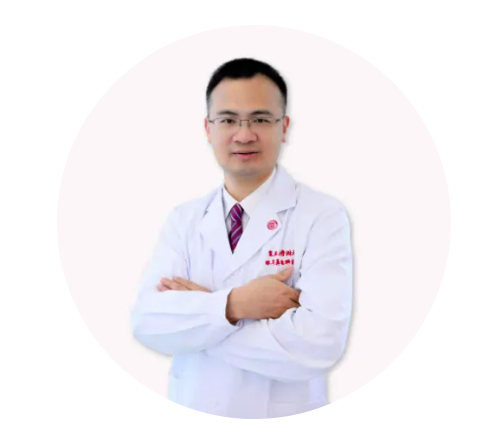
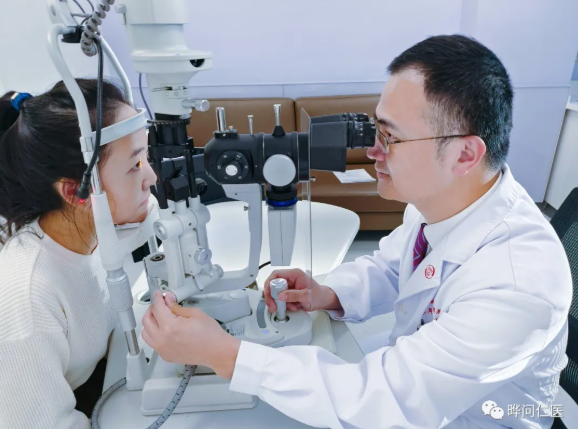
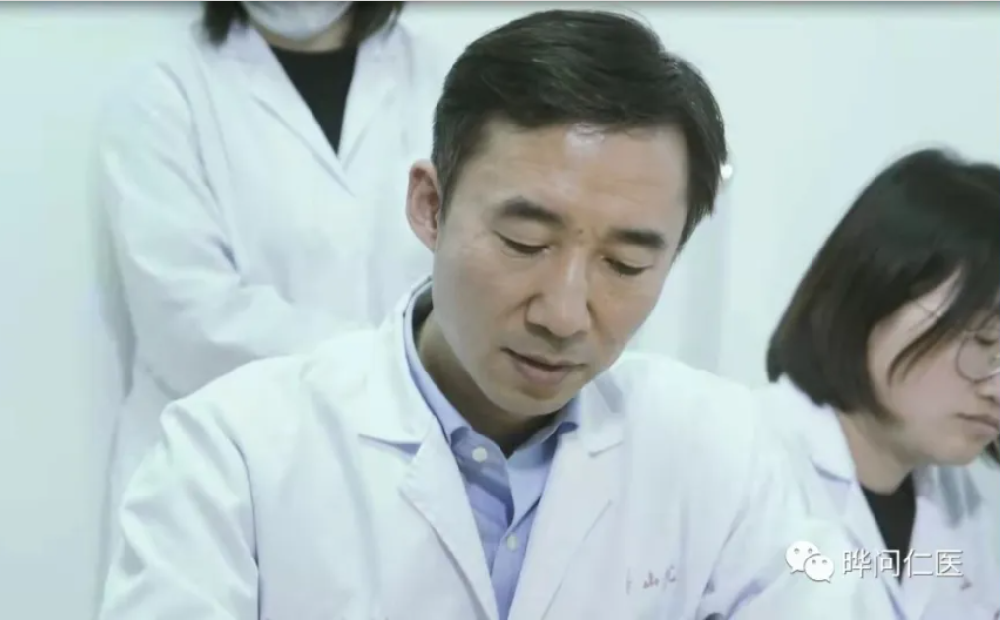
Dr. Huang Jinhai is Executive Vice President of the Institute of Medical Engineering and Innovation, Vice President of the Ophthalmology Research Institute, and Deputy Director of the Department of Optometry at the Eye & ENT Hospital of Fudan University, as well as Deputy Director of the Shanghai Research Center of Optometry and Vision Science. A provincially recognised high-level health talent, he specialises in refractive surgeries—including SMILE, LASIK, and ICL for myopia, hyperopia, astigmatism, and presbyopia—as well as corneal collagen cross-linking for keratoconus. His work has been incorporated into the American Academy of Ophthalmology's Preferred Practice Pattern (PPP) guidelines. With extensive clinical experience, he possesses particular expertise in Smart TPRK/SMILE/LASIK, complex refractive revision surgery, and the treatment of late-stage progressive keratoconus.
First-Person Perspective
"Modern ophthalmology no longer just aims to help patients see clearly and sharply, but also comfortably and sustainably. The goal is to reduce eye fatigue and achieve aesthetically pleasing results." This, to me, is the most comprehensive summary of the evolution of optometry and vision science.
Becoming an outstanding ophthalmologist required decades of dedicated cultivation. Witnessing an increasing number of patients regain their sight through my work fills me with a profound sense of pride. Over time, I grew to love my specialty deeply, embracing the fulfilment it brings.
I strive to be a confident practitioner, steering the course of my professional life with assurance, which has smoothed my medical journey. At the same time, I remain a humble specialist, diligently expanding my expertise to better serve and reassure my patients. The sight of my patients' eyes, once again bright and full of life, is a constant source of joy.
My care extends beyond technical skill to include genuine psychological support. To my patients, I aim to be a pillar of reassurance. I believe every case is unique, demanding an individualised approach. "My mission is to guide patients toward their optimal treatment plan. Whether it involves adjusting medication or proceeding with surgery, the best choice is what suits the patient perfectly. Achieving this requires a blend of courage and meticulous attention to detail at every step."
In my view, an ophthalmologist's impact rests on a triad of research, clinical practice, and teaching. I emphasise the translation of research into clinical practice, arguing that a surgeon must not only master current techniques but also embrace—and even pioneer—new technologies. This is how medical advances can sooner and more safely protect patients, holding up a "guardian shield" for their vision.
1. The Path to Medicine
The Chaoshan region breeds a spirit of courage. Its people have an enduring bond with the sea—generations have navigated its winds and waves, making their homes across the world with relentless determination. For these seafarers, the goddess Mazu has long been a spiritual anchor. This is a land rich with stories of everyday heroism, tales passed down through centuries that speak of "integrity, compassion, and profound humanity." As a child, I travelled extensively with my family, gaining a broader view of the world earlier than most. Perhaps it was then that I first understood how vital a pair of healthy, seeing eyes truly is.
From a young age, I was surrounded by family and friends who held the medical profession in the highest esteem. My own decision to pursue clinical medicine stemmed from a deep curiosity about the field and a simple, heartfelt wish: how wonderful it would be to one day help alleviate people’s suffering. In those days, medical resources were scarce, with too few doctors and medicines to go around. It left a profound impression on me that many people lived only into their sixties, or even less. I hoped that I might, in some way, help others live longer and better lives. That hope led me to medicine.
With outstanding academic results, I was admitted to Wenzhou Medical University. It was a fortunate coincidence that the university’s ophthalmology and optometry programme was—and remains—highly influential in China. This reputation guided my choice to specialise in ophthalmology without hesitation.
I remember that decision clearly. At the time, major medical advances often centred on internal medicine or general surgery, yet I felt ophthalmology might offer a unique sense of fulfilment. I was also struck by the number of people around me whose sight was failing, or who had lost it entirely due to eye disease. To be unable to see the world dims the colour of a person’s life. The thought that I could help thousands of patients emerge from that darkness felt like a life well spent. (Smiles)
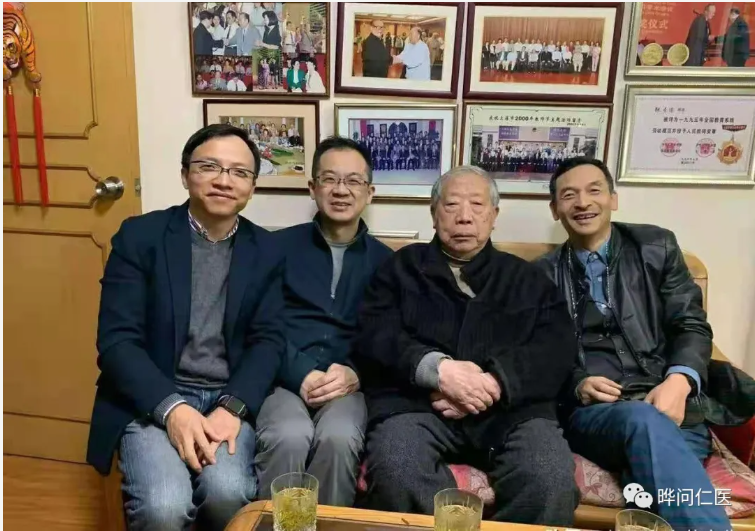
The study of medicine is demanding, and ophthalmology requires an exceptional degree of precision. During my training, I discovered a particular aptitude for delicate surgical work, which later became a hallmark of my practice. No one grows in a vacuum, and I was fortunate to learn under two remarkable mentors: Professor Zhou Xingtao, Dean of the Eye & ENT Hospital of Fudan University, and Professor Wang Qinmei, Dean of the Eye Hospital of Wenzhou Medical University. Their guidance was, to me, like a lamp illuminating the path ahead.
I am deeply grateful to Professor Wang Qinmei, who was my ‘guide’ into the field of refractive surgery. At that time, refractive procedures did not receive the same level of attention in China as they do today, and biometry technology was scarcely discussed. With Professor Wang’s encouragement and support, I helped establish the first high-end ophthalmic and optometric instrument evaluation and application research institute. We built it from the ground up, progressing step by step from nothing to something of excellence.
Later, by chance, I met Professor Zhou Xingtao, who became the ‘talent scout’ of my career. Dean Zhou has devoted his life to helping people with myopia live without glasses, often remarking, ‘The ultimate goal is to perform fewer and fewer myopia surgeries.’ Beyond his substantial clinical, educational and research work, he has tirelessly advocated for the prevention and control of myopia in young people. Under his careful mentorship, I continued to grow, developing further in both clinical and research domains.
Dean Zhou aims to address myopia at its source—a goal I believe lies at the very heart of ophthalmology and optometry. From him, I have also learned the essence of leadership: to nurture a department and mentor its students requires rigour and kindness, inclusivity and selflessness, and a genuine passion for teaching. I intend to carry these principles forward, to continue learning and imparting knowledge, so that our field may thrive in an open and progressive environment.
A good teacher is defined by integrity and prudence. As a graduate supervisor, I dedicate a substantial portion of my time—alongside my clinical responsibilities—to mentoring students and leading my team. I tailor my guidance to each student’s unique strengths, aptitudes, and personality, fostering their ability to independently select research topics, design projects, and think critically. By supporting their ideas and encouraging them to look beyond their immediate work, I help them broaden their horizons and develop into well-rounded individuals.
2. All for the Sake of Light
“As long as I wear this white coat, my duty is to understand my patients’ concerns, ease their worries, and relieve their suffering. Whenever I see the bright smile of a patient who has regained their sight, I feel profound gratification—and a renewed urgency to improve, so I can help even more.”
Once, a young man came to my clinic and said, “Doctor, I want to join the military. Can you help me stop wearing glasses?” His face, still youthful, was filled with hope—and a touch of anxiety. He was clearly worried that poor eyesight might limit his future.
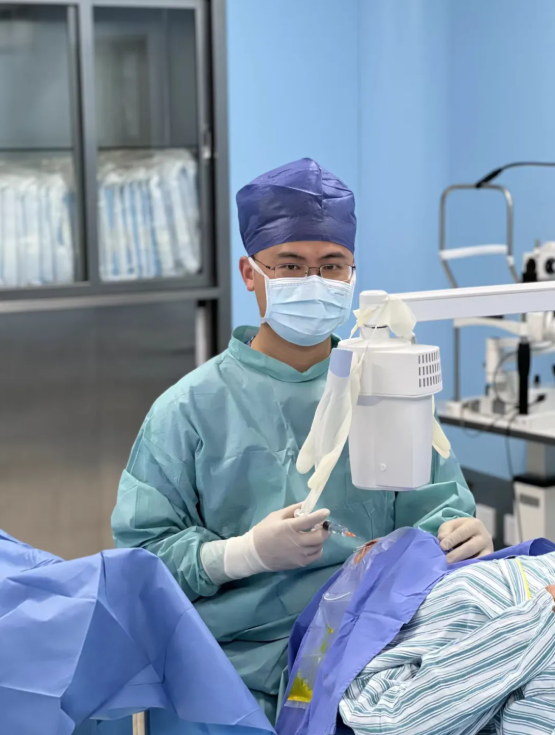
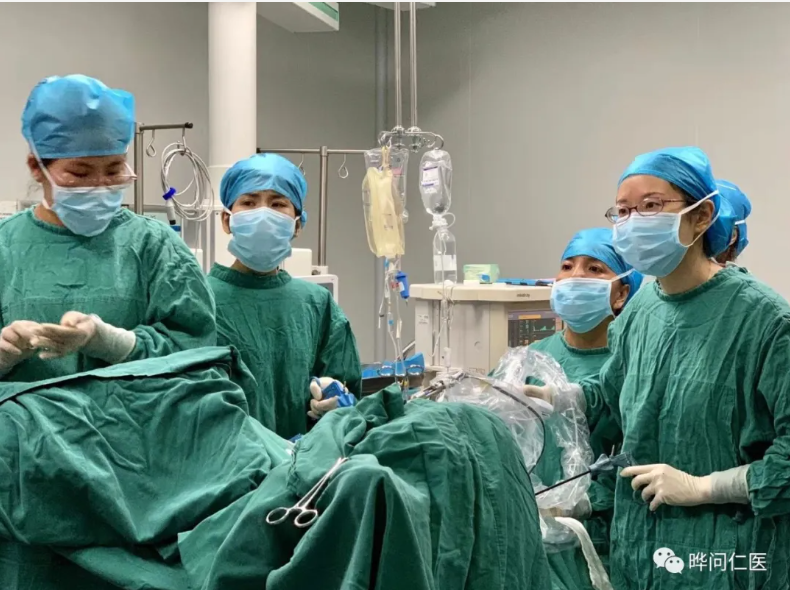
I promptly arranged an examination. The results showed the young man had an asymmetrical corneal topography, making him a high-risk candidate for postoperative ectasia following SMILE surgery. Moreover, his shallow anterior chamber depth ruled out an ICL implant. After careful analysis and discussion, my team decided on a combined approach: Transepithelial Photorefractive Keratectomy (TPRK) with corneal cross-linking.
Before the procedure, I conducted precise measurements of the patient’s ocular structure and tailored both the surgical plan and parameters accordingly. Thanks to this thorough preparation, the surgery proceeded smoothly. The young man recovered quickly and later succeeded in joining the military as he had hoped.
In my view, today’s advanced ophthalmic techniques allow for exceptionally detailed preoperative preparation. Comprehensive testing and measurement greatly enhance treatment success. In fighting illness, doctor and patient should engage with the sincerity, honesty, and trust of family or comrades-in-arms—always striving for the best possible outcome.
I recall another patient from last year, who had travelled from Gansu Province. This patient’s cornea was just 296 micrometers thick—extremely thin—and showed extensive scarring. I recommended a corneal transplant, but after careful consideration, the patient was inclined to decline due to the perceived risks.
“I understood his apprehension completely,” I explained. “So I took time to discuss the procedure and risks in detail. Gradually, he came to accept it. He finally found the courage to undergo the transplant here, and now he’s recovering very well. In a way, I’m grateful to him. Patients give us doctors the opportunity to apply more advanced technology and better methods to heal them.”
I believe that a doctor must approach patients with honesty and sincerity—and with compassion and a commitment to doing good. Only then can the journey toward healing be as complete and pure as possible.
3. Interdisciplinary Integration: Driving Medical Innovation Through Engineering
"My motivation comes from a fundamental curiosity about research itself. It is the process of transforming the unknown into the known, and the seemingly impossible into the possible. This is essential for the advancement of any field. Furthermore, many scientific discoveries become the catalyst for translating medical and engineering innovations into tangible benefits for patients."
Ophthalmology is now a profoundly interdisciplinary specialty. Its progress is no longer driven by medicine alone but through deep integration with fields like engineering and biology, where breakthroughs occur regularly. The fusion of medicine and engineering in eye care is vast and fertile ground. There are no rigid boundaries between the disciplines; instead, they strengthen each other. To harness this potential, the Eye & ENT Hospital of Fudan University has established the Institute for Interdisciplinary Innovation in Medicine and Engineering. This initiative leverages collaborative advantages, connects high-quality resources, and fosters cross-disciplinary cooperation to solve complex clinical challenges. This approach not only propels the field forward but also delivers a steady stream of promising news for patients.
"Current cutting-edge technologies in ophthalmology include advanced ultrasound imaging, ICL implantation, and gene editing. I believe the entire specialty is in a phase of accelerated growth, and I am confident that new treatments for many conditions will emerge in the near future."
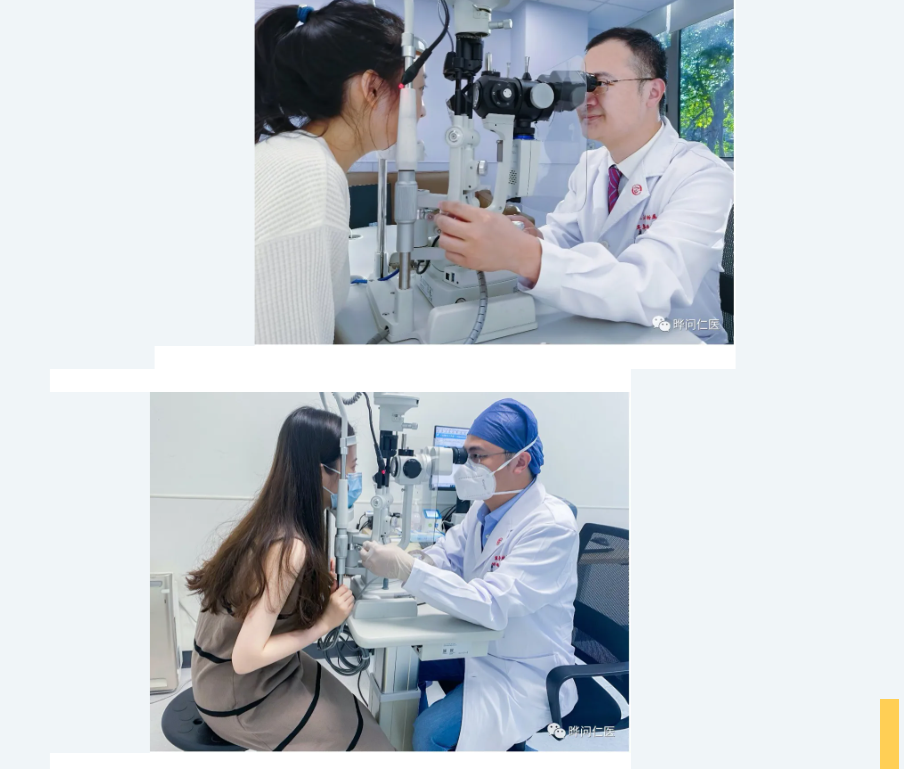
Discussing diagnostic advances for the front of the eye, I highlighted the ArcScan Insight anterior segment arc-scanning ultrasound system. This technology provides micron-level precision imaging of ocular structures, offering significant clinical value—particularly for visualising areas behind the iris. It reveals previously obscured details and brings structures like the suspensory ligaments into clear view. Remarkably, this precise imaging requires no surface anaesthesia or coupling gel; a simple mouse click assists doctors in diagnosing conditions related to refractive lenses, glaucoma, cataracts, and corneal diseases.
My research into corneal cross-linking for keratoconus began in 2010. In March 2022, my team published a study on a novel transepithelial riboflavin composite nanomaterial. This innovation targets corneal ectatic diseases, such as keratoconus and post-surgical corneal weakening. Previously, standard riboflavin solutions could not effectively penetrate the intact corneal epithelium to reach the underlying stroma, necessitating its removal. This increased postoperative pain and infection risk. For the first time, our team developed a nanomaterial capable of carrying hydrophilic riboflavin molecules through the hydrophobic epithelial layer and delivering a high concentration to the stroma. Animal studies confirmed that the treated cornea showed superior resistance to enzymatic breakdown and anti-ectasia performance compared to the standard epithelium-off protocol. Crucially, by preserving the epithelium, the method demonstrated excellent biosafety and stability. Following successful testing in rabbit models, this technique may see clinical application in the future.
"Clinical translation will require further validation over time. My hope is that future patients will benefit through improved drug delivery, enhanced surgical outcomes, and better control of complications."
My team was also a pioneer in applying OLCR/OLCI technology to refractive cataract surgery. Unlike traditional ultrasound methods, this optical approach enables high-precision, non-contact eye measurements, eliminating significant drawbacks such as corneal indentation. By replacing sound waves with light, optical biometry offers considerable advantages: it is easier to perform, entirely non-invasive, and highly accurate. Its critical role lies in obtaining precise preoperative measurements of ocular structures, which allows surgeons to select the most appropriate intraocular lens formula, calculate the ideal lens power, and deliver a personalised treatment plan that meets each patient’s visual expectations.
In fact, I have achieved numerous medical “firsts” throughout my career—each one the result of extraordinary dedication.
“When working at the frontiers of global research, every small advance is hard-won. We must contend with established conventions, classical methods, and often a chorus of differing opinions and opposition. Pioneering requires courage and entails risk. On one hand, we are treating patients with severely impaired vision, or even blindness; on the other, we are striving to secure the patient’s one best chance at sight. That is why behind every ‘first,’ we conduct exhaustive literature reviews and repeated experimental verifications before any clinical attempt. Only with deep knowledge and firm confidence can we withstand the pressures and challenges that innovation brings.”
Clinical practice, like farmland, requires diligent cultivation. Exploration is not merely about discovering new lands, but about developing new perspectives and refining new methods. I navigate the vast blue ocean of ophthalmology with thoughtful precision. I understand that only through weathering the waves do the reefs become smoother and more resilient.

Q&A
ShanghaiDoctor.cn: What are your aspirations for your department and for your own future?
Huang Jinhai
Under the leadership of Dean Zhou Xingtao, our Department of Optometry and Ophthalmology is developing rapidly. Three generations of ophthalmologists—senior, mid-career, and young—work together seamlessly, and we have built a strong reputation both in China and internationally. We have made substantial progress in clinical care, teaching, and translational research. Currently, we are advancing five or six major technology translation projects, and the departmental atmosphere is highly collaborative—some of our doctors routinely work until 10 PM. This solid foundation, I believe, will enable our hospital to achieve even more in medical excellence, education, research, and med-tech innovation in the years ahead.
ShanghaiDoctor.cn: As a leading institution in Chinese optometry, have you supported grassroots hospitals to help raise the overall standard of medical care in China?
Huang Jinhai
We currently provide remote diagnosis and treatment support to remote and mountainous regions, leveraging our technological and data capabilities to help address local healthcare challenges. We also run public welfare initiatives in communities, schools, and at the grassroots level, all aimed at reducing the incidence of myopia. One of our projects, "Myopia Little Guardians," recently conducted over 100 myopia prevention and awareness activities, bringing science-based education on eye health into numerous primary and secondary schools. I believe this work is deeply meaningful.
Moving forward, we hope to further assist partner hospitals and local clinics in enhancing their diagnostic and treatment capacities.
ShanghaiDoctor.cn: There have been reports about gene editing therapies being applicable to conditions like retinitis pigmentosa and viral keratitis. We understand your team is also involved in related projects. What direction do you plan to take in your future research?
Huang Jinhai
We are focused on applying gene editing technology to treat blinding eye diseases. Many such conditions have limitations under conventional treatments—often with modest efficacy and significant side effects. Gene editing holds promise in overcoming these shortcomings, for example in keratoconus, granular corneal dystrophy, corneal neovascularization, age-related macular degeneration, and diabetic retinopathy. We are dedicated to advancing both the research and application of gene editing, with the goal of developing safe and effective therapeutic strategies.
ShanghaiDoctor.cn: In terms of cutting-edge ophthalmic technology, is there still a gap between China and developed countries such as those in Europe and the United States? If so, what is the nature of that gap?
Huang Jinhai
Compared to decades ago, the gap has narrowed significantly, though it still exists. We started from a later point, and much of the widely adopted equipment we use is still developed and manufactured abroad. Some of our foundational research systems are also not as mature. However, our researchers are working hard to catch up and are building a research system with its own distinct characteristics. I am confident that these gaps will continue to shrink in the near future.
ShanghaiDoctor.cn: As a mentor to master’s students and postdoctoral researchers, what is your approach to teaching?
Huang Jinhai
As a mentor, I believe that interest in scientific research is the greatest motivator. Our work is about turning the "impossible" into the "possible." For students with different strengths, abilities, and personalities, I always tailor my guidance to the individual. I focus on cultivating their ability to independently choose topics, design projects, and think critically, while providing support and feedback on their ideas. I also encourage them to broaden their horizons and gain experience beyond their immediate research, aiming for well-rounded development.
ShanghaiDoctor.cn: What will be the focus of your work going forward?
Huang Jinhai
I will continue my work on myopia prevention and control, supporting the national effort to reduce myopia rates among young people in China. Secondly, I am committed to raising awareness about keratoconus and focusing on tackling this global challenge. Furthermore, as mentioned earlier, the convergence of medicine and engineering represents a major future trend. Technologies like artificial intelligence are gradually entering the medical field and will form part of my future research plans.
ShanghaiDoctor.cn: What hobbies or interests do you have outside of work?
Huang Jinhai
I have always been very sporty. In my student days, I even qualified as a National Level 2 Athlete. While I no longer have the time for systematic training, I still make a point of going for a run or a brisk walk whenever I can. The hospital often organises long-distance running events, and I’m an active participant.
I also make time to follow domestic and international political news. I often encourage my students not to live in an ivory tower, but to read widely and think critically.
Editor: Chen Qing @ShanghaiDoctor.cn
If you'd like to contact to Dr. Huang, be free to contact with the email of Chenqing@ShanghaiDoctor.cn.
Dr. Chen Gong | Children's Bile Ducts, and a Future He Chose Himself
Dr. Luo Zhiguo | An Oncologist Still Hoping for One More Reunion
Dr. Shi Hongcheng | Growing Nuclear Medicine from One Old Scanner
Dr. Huang Anhua | Still Glad to Stand Under the Gallbladder Lamp
Dr. Ding Ding | Kindness in the Room Where Endometriosis Is Cut Away
Dr. Wang Xuefei | Gastrointestinal Surgeon Advancing Care for Early-Onset Gastric Cancer
Dr. Gu Jun | A Dermatologist Whose Medical Values Were Forged Over Decades
Dr. Chen Gong | Children's Bile Ducts, and a Future He Chose Himself
Dr. Luo Zhiguo | An Oncologist Still Hoping for One More Reunion
Dr. Shi Hongcheng | Growing Nuclear Medicine from One Old Scanner
Dr. Li Wei | Loneliness in the Lab, Hope for Itchy Skin
Dr. Huang Anhua | Still Glad to Stand Under the Gallbladder Lamp
Dr. Ding Ding | Kindness in the Room Where Endometriosis Is Cut Away
Dr. Wang Xuefei | Gastrointestinal Surgeon Advancing Care for Early-Onset Gastric Cancer
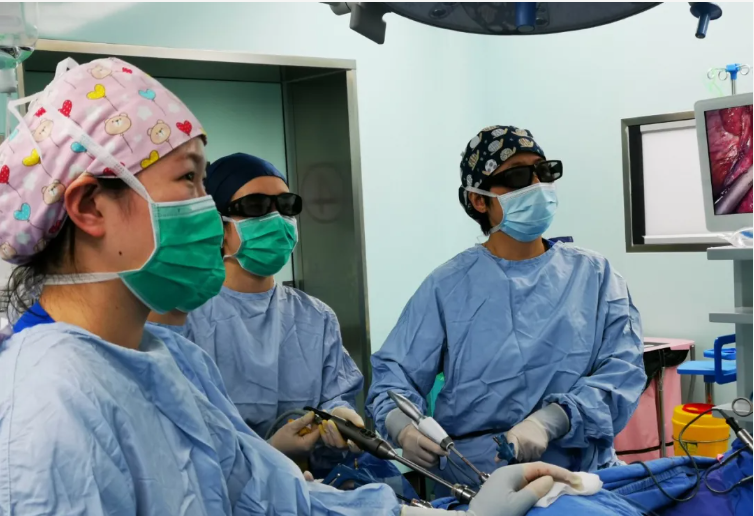
Dr. Yi Xiaofang | Director of General Gynecology — Expertise in Endometriosis and Minimally Invasive Surgery
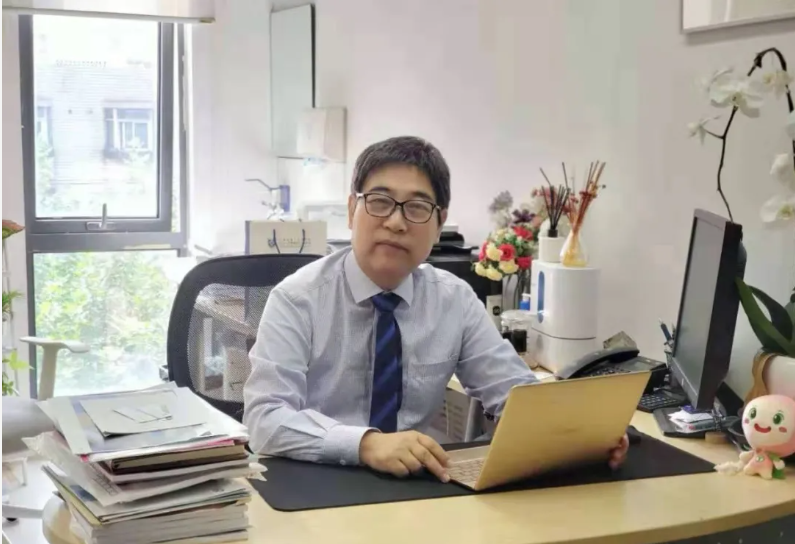
Dr. Gu Jun | A Dermatologist Whose Medical Values Were Forged Over Decades
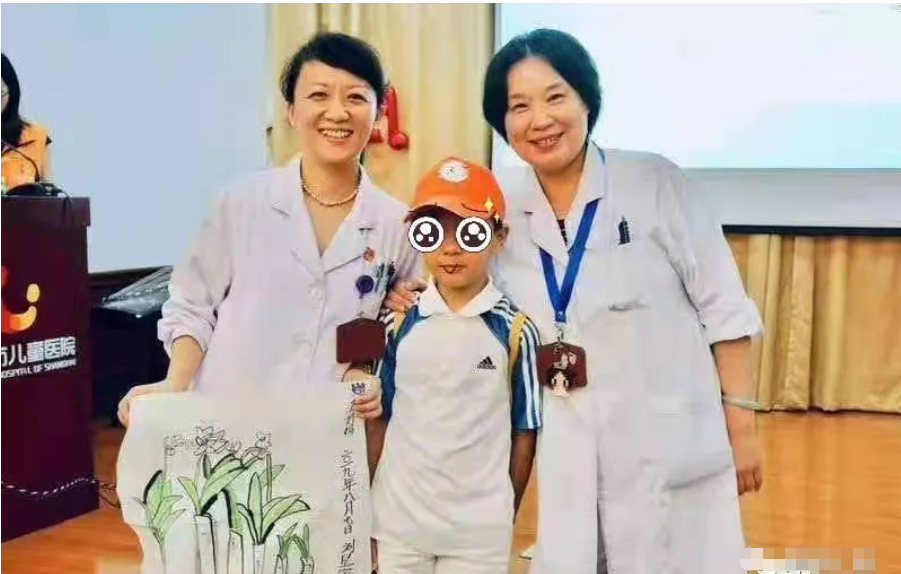
Dr. Shao Jingbo | Pediatric Hematologist Specializing in Leukemia, Rare Diseases, and Stem Cell Transplantation
Copyright © 2023 Yewen Renyi & ShanghaiDoctor.cn (This website is a non - profit medical humanities platform. The information contained herein is solely for biographical and historical purposes and does not constitute any medical advice.) 沪ICP备2023005392号-2 XML 沪公网安备31010902100835号
 中文
中文 English
 Español
 沪公网安备31010902100835号