ShanghaiDoctor - Where China's Healing Wisdom Shapes Modern Medicine

Update time:2026-03-23Visits:5196
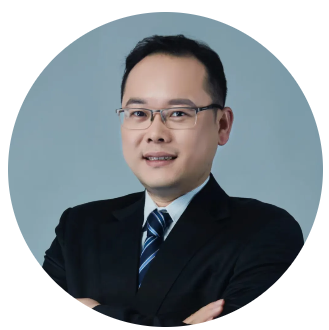
Profile
Ji Xunda is a Chief Physician and a member of the Jiusan Society. A graduate of Shanghai Jiao Tong University, he serves as a Corresponding Editorial Board Member for the *Chinese Journal of Ocular Fundus Diseases* and is listed in the Shanghai Expert Database for Critical Newborn Rescue. He also acts as a Medical Expert for the China Charities Aid Foundation for Children's 9958 Assistance Platform.
His professional affiliations include membership in the Pediatric Retina Group of the Cross-Strait Medical and Health Exchange Association's Ophthalmology Committee, a position on the Standing Committee of the Shanghai Biopharmaceutical Industry Association's Precision Medicine Committee, and membership in the International Society of Ocular Oncology. He completed a visiting scholarship at the renowned Wills Eye Hospital in the United States.
Dr. Ji has led multiple research initiatives, including projects for the Shanghai Municipal Education Commission, the Shanghai Jiao Tong University Science and Technology Fund, and the Shanghai Key Disciplines Project. He has also been a key contributor to major national projects funded by the National Health Commission, the National Natural Science Foundation of China, and Shenkang Clinical Research. His work has been recognized with awards such as the Third Prize in the 2021 Maternal and Child Health Science and Technology Awards and a Bronze Medal at the 23rd Shanghai Outstanding Invention Selection Competition. Xinhua Hospital has honored him with titles including "Artisan Physician" and "Service Model." He has authored or co-authored over 10 SCI-indexed academic papers.
Specialties: Phacoemulsification cataract surgery; surgical treatment of ocular trauma, retinal detachment, vitreous hemorrhage, and macular holes; comprehensive management of intraocular tumors (including retinoblastoma and uveal melanoma); and diagnosis and treatment of pediatric retinal diseases such as retinopathy of prematurity.
In His Own Words
On a sweltering summer weekend, stepping into his department brings a sense of calm. Seeing hundreds of patients daily, he discusses his work with the detailed familiarity of a seasoned expert, yet without any sense of rush. A patient once described him as "a ray of light on a difficult path to healing." As a doctor, he believes in never giving up, always striving for the best possible outcome.
Decades of practice have instilled in him not only a physician's resolve but also a passion for exploration—a constant pursuit of new pathways and better treatments. This drive stems not from a desire for grandeur, but from a profound sense of fulfillment. It is, he feels, the foundation for a better life, both for himself and for his patients.
He is Dr. Ji Xunda, Chief Physician of Ophthalmology at Xinhua Hospital.
In his vision, every child should have eyes that shine with light. To that end, he has never stopped working. Under his care, hundreds of children with retinoblastoma have been given a new lease on life and the gift of sight. Treating this condition demands a comprehensive skill set, requiring coordination across multiple departments and determined collaboration under pressure to achieve optimal results. When speaking of his mentors and colleagues, his simple words carry warmth, and his smile reflects deep gratitude and professional satisfaction.
To him, every young patient is like a delicate bud, nurtured by family and tended by physicians. These little buds, wrapped in their protective sheaths, are on the cusp of breaking through. At that precise moment when they are ready to emerge, a helping hand can allow them to bloom into their full, radiant potential.
Teaching is a gentle spring breeze; a teacher’s kindness runs as deep as the ocean.
Ji Xunda hails from a county in Wenzhou, a region that stood at the forefront of China’s market economy after the country’s reform and opening-up. Its culture celebrates enterprise, exploration, and venturing into the world. This environment unlocked the potential of people—the most dynamic element of productivity—and instilled a tradition of diligence in every household, where individuals often became both tireless workers and pioneers. Growing up here, what left the deepest imprint on Ji was the value of hard work.
“When I was young, my father was always the first to rise, starting his day around five in the morning and working well into the evening. Sometimes my parents would labour past midnight. When schoolwork allowed, we children would help out. Their dedication and work ethic profoundly shaped us. Though many say studying is difficult, I found it far more enjoyable compared to the physical toil of those early years.”
“If I had to describe why I initially chose to study medicine, one word comes to mind: instinct. People often say medical school is gruelling, but for me, it was a labour of love. The deeper I went, the more fascinating it became.”
He writes his passion with the years and embodies a teacher’s ethos through action.
In 1994, Ji Xunda lived up to expectations by gaining admission to Wenzhou Medical College (now Wenzhou Medical University). The university enjoys an excellent reputation, and its ophthalmology department is among the most prestigious in China.
Upon entering university, Ji maintained his habit of rising early. He cherished this learning opportunity and immersed himself in his studies as though discovering a hidden treasure. After graduating with outstanding results, he was selected to join Wenzhou Eye Hospital. “The hospital was founded in 1998 and provided an exceptional platform. As a clinical medicine graduate, I was fortunate to be chosen—they primarily recruited optometry majors at the time. I chose ophthalmology because I was drawn to the cleanliness of ophthalmic surgery, its extraordinary precision, and the high demands it places on the surgeon. The discipline was led by Professor Qu Jia, who was already highly respected across China. I was very lucky to begin my medical career on such strong footing, which laid the groundwork for my later studies in Shanghai. For that, I am deeply grateful.”
After several years of experience, Ji continued to advance, earning a place at the School of Medicine of Fudan University, where he studied under Professor Xu Gezhi. Professor Xu heads the Vitreoretinal Diseases Department and currently serves as Vice President of the Eye & ENT Hospital of Fudan University. “Before studying with Professor Xu, I was also guided by Professor Shen Lijun, now Director of the Ophthalmology Center at Zhejiang Provincial People’s Hospital. It is often said that the books you read, the people you meet, and the places you see shape who you become. In that sense, my journey in medicine has been extraordinarily fortunate. My mentors not only solidified my foundation but also expanded my horizons.”
To this day, Ji Xunda vividly recalls following Professor Shen Lijun to observe early fundus surgeries. In the 1990s, this advanced procedure was just emerging in China, available only in a handful of hospitals in major cities. Professor Shen was a pioneer in the field. "She was my foundational mentor in fundus diseases. I shadowed her for over a year. Her surgical technique was elegant and proficient—every movement clean, precise, and without a single unnecessary motion. Beyond skill, her meticulous care and profound sense of responsibility left a deep impression on me. Professor Shen led by example, personally handling even the smallest details." Ji Xunda remembers that even for routine procedures, she never cut corners, demonstrating each step with utmost seriousness and clarity.
He explains that the equipment at the time was primitive compared to today’s standards. A complex surgery could last three or four hours. The crux of fundus surgery lies in pinpointing the exact location of the retinal lesion, which shortens the surgical pathway, reduces risk, and speeds patient recovery—a process far from simple.
"Fundus surgery isn't like cataract surgery, where results are immediate and patients instantly rejoice at restored sight. The early days were fraught with challenge," says Ji Xunda. "Most fundus procedures are classified as Level IV surgeries—the highest grade for technical difficulty, complexity, and risk. At the time, many of these techniques filled critical regional gaps in medical expertise."
When people think of eye diseases, they typically know of myopia, hyperopia, cataracts, or glaucoma. Yet there is another prevalent category: fundus diseases. These involve pathological changes to the vitreous, retina, or optic nerve. Due to their complex causes and unpredictable progression, by the time patients notice vision loss, the condition is often severe. Fundus diseases have thus become a leading cause of irreversible blindness.
Deeply aware of this, Ji Xunda turned his focus to the vast, uncharted territory of fundus disease. Outside the clinic, he devoted himself to studying its surgical treatment.
With a clear goal, he immersed himself in research, later studying under Professor Xu Gezhi to hone his expertise and lay the groundwork for his future achievements in retinoblastoma.
"Professor Xu Gezhi is a truly wise man—erudite, thoughtful, and dedicated to the pursuit of knowledge. His demeanor is gentle and refined," Ji Xunda recalls. "He often says fundus disease is an art of intersection and integration. These are not merely ocular conditions; they are intimately linked to systemic diseases. The eye is a window not just to the soul, but to the body—vascular issues, for instance, often manifest here." Regarding the relationship between medical and surgical fundus care, Professor Xu believed they should not be rigidly separated. A skilled fundus specialist must be proficient in both. The diagnostic reasoning of internal medicine helps surgeons plan their approach, while comprehensive technical mastery is essential. Beyond core vitreous surgical techniques, procedures like external scleral buckling are fundamental skills. On this foundation, one must have the courage to innovate."
Today, Ji Xunda enjoys a far stronger platform at Xinhua Hospital. The hospital’s Ophthalmology Department is home to the Shanghai Jiao Tong University Diagnosis and Treatment Center for Retinopathy of Prematurity and Pediatric Eye Diseases. Its pediatric fundus disease specialty is a dedicated subspecialty built upon Xinhua’s extensive pediatric platform. The department itself was founded in 1958 by Professor Lu Daoyan, a pioneer of Chinese ophthalmology. Its development was further advanced in 2007 under Professor Zhao Peiquan, a nationally renowned expert in both adult and pediatric vitreoretinal surgery. With Professor Zhao’s encouragement and support, Ji Xunda has achieved repeated successes in treating retinoblastoma. Today, Xinhua Hospital stands as a flagship institution for pediatric retinoblastoma care—a point of immense pride for Ji Xunda and every member of the ophthalmology team.
“Professor Zhao Peiquan is a leading national expert in pediatric and adult retinal diseases and one of the very few surgeons in China performing pediatric vitreoretinal surgery,” Ji notes. “He pioneered the screening, diagnosis, and treatment of retinopathy of prematurity in China, establishing the country’s first ROP training and screening center. Professor Zhao has developed numerous surgical techniques and innovations, and has led his team in publishing many groundbreaking studies. He recently identified and named a distinct ocular condition (AAPFV). Today, our team is highly skilled in managing complex, difficult, and critical cases, including retinopathy of prematurity and retinoblastoma. We have built a comprehensive treatment system covering intensive care, perioperative management, surgery, and postoperative rehabilitation. In collaboration with the NICU, we screen an average of 200 premature infants each month. Beyond routine ROP screening and laser treatment, pediatric fluorescein angiography, and chemoreduction for retinoblastoma, we also perform a high volume of surgeries for challenging conditions. These include infectious endophthalmitis, advanced ROP, Coats’ disease, severe ocular trauma, advanced familial exudative vitreoretinopathy, persistent fetal vasculature, and congenital retinoschisis. Our admission and cure rates for severe and complex pediatric cases are among the highest in China.”
It is clear that in Ji Xunda’s heart, a teacher’s guidance is like a candle illuminating his path; a teacher’s care is like a fire—every sincere piece of advice and every lesson by example is something he will carry with him for life.
2. A Child’s Eyes Should Hold Light and Hope
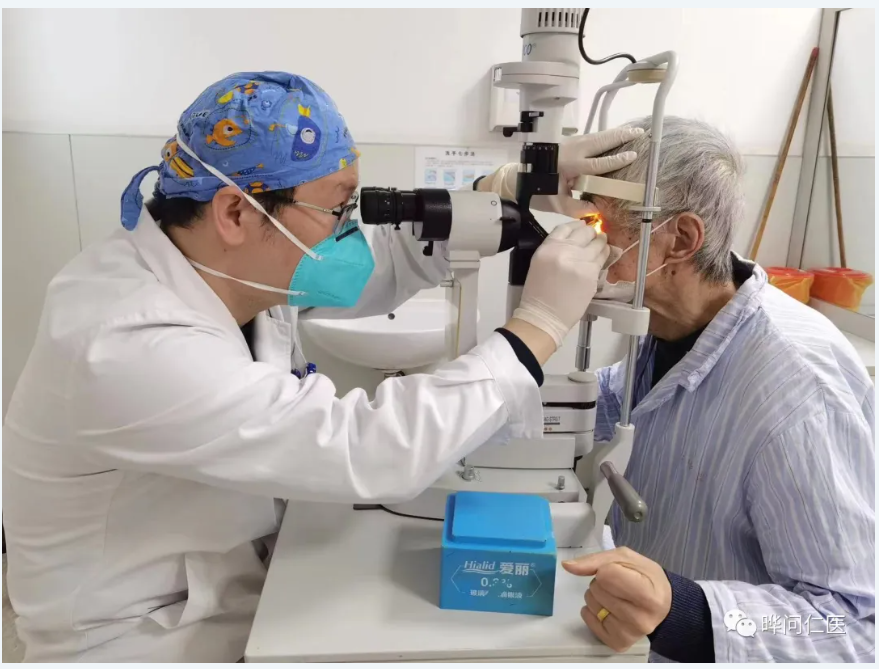
Pediatric fundus disease is a leading cause of impaired visual development and blindness in children. Compared to adult fundus conditions and other pediatric eye disorders, these diseases are harder to detect early. Diagnosis and treatment are particularly challenging and can easily lead to permanent, irreversible damage to a child’s sight. Given the structural differences between children’s and adults’ eyes, surgical intervention requires even greater caution, meticulous skill, and an exceptional emphasis on safety—demanding the highest level of surgical expertise. Family expectations are also intensely high; it is not uncommon for a single young patient to be accompanied by three or four family members.
Due to the significant anatomical differences between infants and adults, paediatric surgery presents exceptional challenges. Success requires overcoming three major hurdles: anaesthesia risk, the complexity of the operation itself, and postoperative care. While doctors treat patients, sometimes patients profoundly move their doctors. Throughout his work with retinoblastoma, Ji Xunda has met thousands of children and their families. Some parents, sparing no effort to secure treatment for their child, have deeply touched him with their devotion, inspiring him to strive for the best possible outcome in every case.
One memory remains particularly vivid for Dr. Ji Xunda: the parents of a special-needs child seeking his team’s help. Their child, developmentally delayed and also suffering from retinoblastoma, required multiple rounds of intra-arterial chemotherapy. "These parents were truly remarkable—so tenacious, never giving up on their child. I believe such unconditional love can only come from parents. Since they refused to give up, how could we, as doctors, do any less? It took two years to treat this child, but we essentially saved the eye." In Ji Xunda’s eyes, every life deserves to be honoured.
He recalls the team’s determined efforts in detail: anterior chamber paracentesis to release fluid, intravitreal chemotherapy, cryotherapy, and laser photocoagulation of the tumour. Thus began a protracted battle against the cancer. For this family, who had travelled across provinces, a green channel was opened—a fast-track to lifesaving care. Ji Xunda and his team gave them the hope of preserving both vision and the eye itself.
Retinoblastoma, commonly known as "eye cancer," is the most common and severe intraocular malignancy in children. It predominantly affects those under three years old, with fewer than 10% of cases occurring in children over five. "Current treatment adopts a comprehensive approach," Ji Xunda explains, "including intra-arterial, intravenous, and intravitreal chemotherapy, alongside laser therapy, cryotherapy, radiotherapy, and surgery." Clinically, retinoblastoma progresses through five stages: A through E. "If detected early, we can usually achieve a cure while preserving vision. However, delayed treatment may cost the eye and can even become life-threatening."
What might seem a straightforward procedure is, in reality, a high-stakes contest with the disease. Operating on a child’s eyeball is akin to a duel between masters: every move must be fast, precise, and decisive to "eliminate" the tumour in a clash of skill. The Ophthalmology Department at Xinhua Hospital is a national leader in screening, diagnosing, and treating retinal diseases in premature and high-risk infants. Their expertise in techniques such as infant intravitreal injection, paediatric retinal laser photocoagulation, cryotherapy, and intra-arterial chemotherapy for retinoblastoma has filled critical technical gaps in infant eye care.
Beyond medical advances and evolving clinical concepts, there is a pressing need for broader societal awareness and support. Whenever Ji Xunda encounters patients or families facing financial hardship, he seeks every possible means to assist them. To this end, his team has established and partnered with numerous charitable foundations to help more children access treatment. "There are far too many children in need of rescue," he notes. "With the support of wider society, we have the chance to save many more."
Dr. Ji Xunda now works in close partnership with his patients, actively involving them in a system of mutual support. This has fostered a thriving ecosystem where compassion continues to take root and grow.
“We’ve established several support communities,” he explains. “They facilitate communication and provide mutual comfort. Some members, serving as volunteers, have even taken on certain roles typically handled by doctors. We’re deeply grateful for this, as it saves us considerable time in liaising with young patients’ families, allowing us to focus more energy on diagnosis and treatment. New parents in the community often know very little about the condition initially, but after just a few days of talking with others, they gain a clear understanding.”
This compassionate bond between doctors and patients can make society better—encouraging gratitude, communication, and mutual aid. Dr. Ji’s dedication has elevated the doctor-patient relationship to a new level.
3. The Unceasing Pursuit of Knowledge
Medical science demands precision; medical thought requires focus.
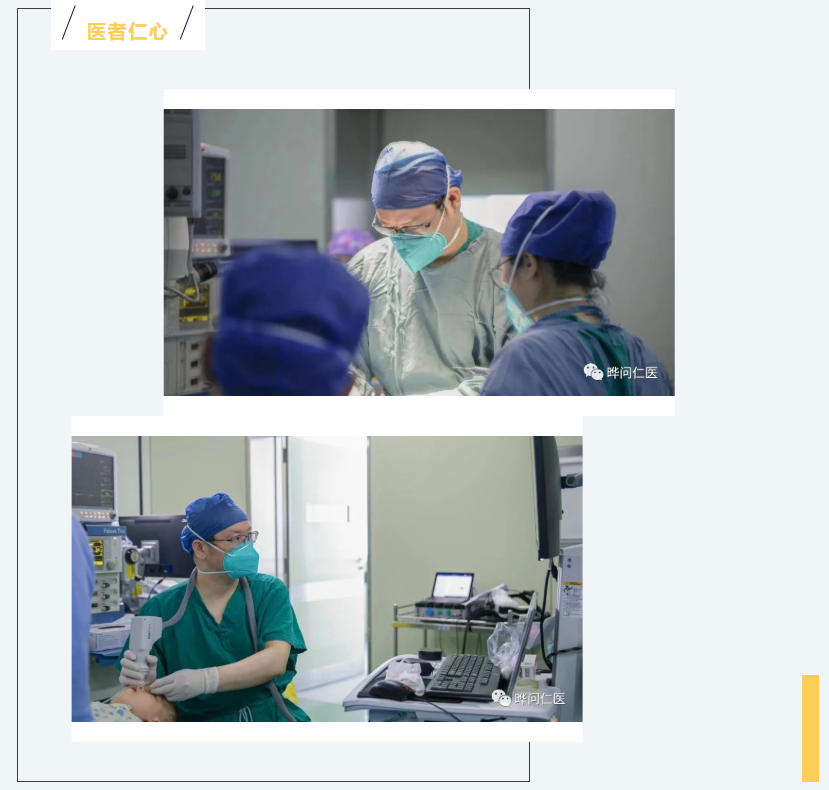
“The pediatric ophthalmology department at Xinhua Hospital is quite renowned nationally,” says Dr. Ji. “Director Zhao Peiquan has built an outstanding platform for us. Within that, we’ve developed our own speciality in retinoblastoma. It’s a unique niche—both a pediatric retinal disease and a tumour. In the early days, vitrectomy wasn’t an option for retinoblastoma; the eye was simply removed. Now, for a select number of patients, we can perform vitrectomy to excise the tumour. Our goal is to help patients ‘preserve life, preserve the eye, preserve vision.’ Achieving that is not easy. It requires us to be both physicians and surgeons. Beyond performing operations and administering chemotherapy, we must also pioneer new techniques, which involves the intersection of many disciplines and skills.”
To master more advanced methods, Dr. Ji travelled to Europe and America to learn from leading experts. “My mentor was Dr. Carol L. Shields, a top ocular oncology specialist in the United States and a past president of the International Society of Ocular Oncology. She is extremely rigorous, and those who train under her hold her in great awe. Her clinic is immaculate and quiet. She is quite serious at work and particularly strict with her students—if one makes a mistake, she offers stern correction. Yet with patients, she is remarkably kind, sometimes even holding their hands to ask how they are. They see fewer patients per day than we do, which allows much more time for communication.”
Abroad, Dr. Ji sought mentors, built connections, and diligently refined his skills, preparing to establish an international platform for Xinhua Hospital. “Besides learning techniques, networking is essential. Only then can you properly build a collaborative system. At the time, I didn’t just study at my host centre—I also sought out other renowned specialists. I recall being in Philadelphia and learning that Professor David Abramson at Memorial Sloan Kettering Cancer Center in New York was a leading figure in retinoblastoma. I made a special trip to observe his surgeries. We developed a good rapport, and I learned a great deal from him. After returning to China, I often emailed him. When I was first exploring certain details of retinoblastoma treatment and encountered uncertainties, I would write to him, and he would always kindly reply with guidance.”
After completing his studies and returning to China, Ji Xunda began establishing a multidisciplinary collaboration model for retinoblastoma at Xinhua Hospital. In the beginning, the challenge was considerable—they were essentially starting from scratch, with the team having to manage every aspect themselves. Through collective effort, Ji Xunda gradually developed Xinhua Hospital’s retinoblastoma diagnosis and treatment system into a more comprehensive program, marked by growing interdisciplinary cooperation.
When Memorial Sloan Kettering Cancer Center celebrated the 100th anniversary of its retinoblastoma treatment program, Professor Abramson invited Ji Xunda to attend. There, he connected with experts from around the world, which prepared him well for future global multicenter collaborations. Over time, Xinhua Hospital also began co-authoring international research papers, raising its profile worldwide. Experts increasingly sought out Ji Xunda to work together. In his view, hands-on experience and international exchange have significantly strengthened Xinhua’s own capabilities.
Moreover, coordination among various hospital departments became more streamlined, and multidisciplinary integration greatly improved retinoblastoma care.
“In our hospital, whenever I’ve needed to collaborate with other specialists—pediatric oncologists, cardiac, neuro, or vascular interventional radiologists—I’ve reached out to them all. Because our field bridges internal medicine and surgery, we must explore together. What we’ve achieved today is inseparable from the support of doctors and department heads across specialties. Without that spirit of exploration and trial, none of this would have been possible.”
When a person turns gratitude into tangible acts of care, they gain a sense of responsibility, self-respect, and purpose—a state of being illuminated, as if by a ray of sunshine. For a hospital or a doctor to achieve meaningful progress, they must continually expand their boundaries, integrate with other fields, and broaden their horizons. For Ji Xunda to elevate his specialty to a higher platform requires persistent effort. All of this is so that, looking back in later years, he can feel he lived up to his youth and the seasons of his life.
Never Stop Moving.
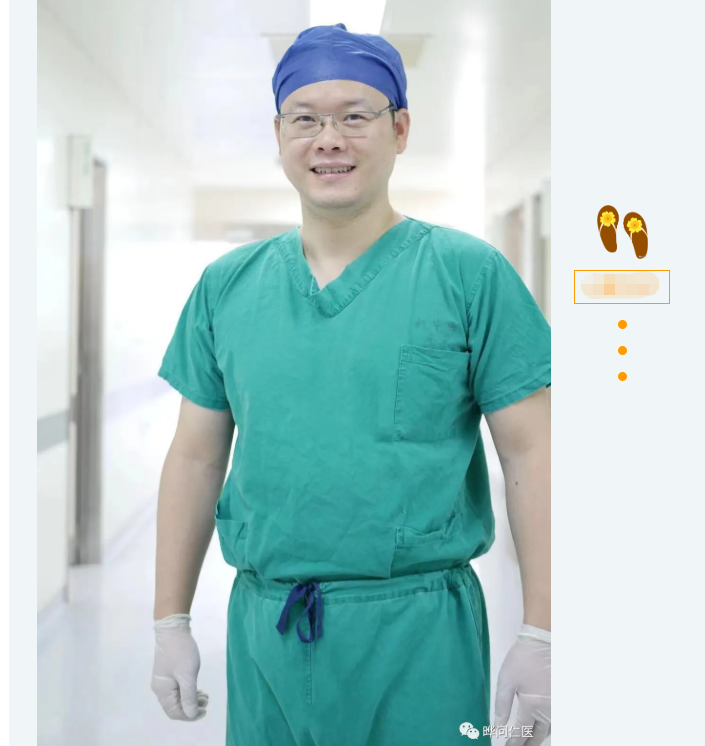

ShanghaiDoctor:s a major health threat to many children, what causes retinoblastoma and what are its clinical signs?
Dr. Ji Xunda:Retinoblastoma is the most common intraocular malignant tumor in infants and young children, posing a serious risk to both vision and life.
Modern research shows its incidence is about 1 in 15,000 to 1 in 20,000 live births. It is mostly unilateral, accounting for roughly 60% of cases, and most children are diagnosed before age five. The development of retinoblastoma is closely linked to mutations and inactivation of the RB1 gene in retinal tissue—such as nonsense or frameshift mutations. The RB1 gene, located on the long arm of chromosome 13, was the first tumor suppressor gene identified in humans. As the name suggests, tumor suppressor genes help prevent cancer. Thus, the inactivation or mutation of RB1 is strongly associated with the development of several tumors, including retinoblastoma.
Retinoblastoma is also associated with other genetic abnormalities, such as mutations in the c-myc and P53 genes. It can sometimes co-occur with abnormalities on other chromosomes, including chromosomes 1 and 6.
The primary initial symptom is leukocoria, a white pupillary reflex often called "cat’s eye." This is present in approximately 60% of cases. Some children may also exhibit strabismus (crossed eyes), eye redness, pain, or vision loss. In advanced stages, the eye may enlarge, a condition known as "buphthalmos" or "ox eye." If the disease progresses, the tumor can extend outside the eye into the orbit, spread along the optic nerve to the brain, or metastasize via the lymphatic system or bloodstream to organs such as the liver, kidneys, and bones, becoming life-threatening.
Early detection and prompt treatment of retinoblastoma dramatically reduce mortality risk. However, if the cancer reaches an advanced stage with systemic metastasis, the mortality rate exceeds 90%.
ShanghaiDoctor:How crucial is standardised screening and early intervention for paediatric retinal diseases?
Dr. Ji Xunda:Early detection in children is entirely dependent on screening. Young patients often cannot describe their symptoms and have difficulty cooperating with standard vision tests or slit-lamp examinations. This makes it challenging for clinicians to gather accurate, comprehensive information for a diagnosis. Furthermore, many examinations and treatments for paediatric retinal conditions must be performed under sedation or general anaesthesia.
It’s also important to understand that a child’s eye is not merely a smaller version of an adult’s. The treatment principles for adult retinal diseases cannot be directly applied to children. All management must account for the unique characteristics of paediatric ophthalmology, a point which deserves significant emphasis.
ShanghaiDoctor:In treating retinoblastoma, does an ophthalmologist need to become a multi-disciplinary expert?
Dr. Ji Xunda:Absolutely. You must be proficient in surgery while also understanding chemotherapy. In the past, when we administered chemotherapy in ophthalmology, we had to manage the complications ourselves. For issues beyond our expertise, we coordinated directly with other specialists, often being called in urgently late at night. For instance, if a child’s platelet count dropped dangerously low, raising the risk of bleeding and causing skin petechiae, the parents wouldn’t call a haematologist—they would call us. We would then arrange for blood transfusions, paediatric emergency care, and more. At times, we handled every detail ourselves, to the point where we scarcely felt like ophthalmologists. We needed to know the routine management of paediatric symptoms like fever and diarrhoea. Each of us kept a notebook for such information, and our learning had long since expanded far beyond the field of ophthalmology.
ShanghaiDoctor:Do you recall the early days of treating retinoblastoma?
Dr. Ji Xunda:That was a long time ago. Initially, we were very cautious and uncertain about both surgery and chemotherapy. Later, when we saw how effective chemotherapy could be, our confidence grew. At the time, we only had systemic chemotherapy, not the arterial interventional procedures available today. Witnessing improvement after a cycle of treatment felt truly miraculous. That success motivated our early focus and research. Today, the eye preservation rate for retinoblastoma is very high. Unlike some cancers with high mortality rates, such as pancreatic cancer, retinoblastoma has a very low mortality rate when properly managed.
ShanghaiDoctor: What is the current cure rate for retinoblastoma?
Dr. Ji Xunda:The cure rate is exceptionally high. Provided treatment begins before the cancer reaches a very advanced stage or develops severe metastasis, the majority of patients can achieve both survival and eye preservation. For tumours contained within the eye, with proper and timely treatment, the current survival rate exceeds 90%.
Our treatment philosophy pursues three progressive goals: first, to save the patient’s life; second, to preserve the eyeball; and third, to retain as much vision as possible. Our primary aim is always lifesaving, but where possible, we strive to save the eye and, to the greatest extent, protect the patient’s sight.
Dr. Shi Yuling | Psoriasis, and Spring Mountains Beyond the Plain
Dr.Ying Chunmei | Laboratory Medicine, Renewed a Little Every Day
Dr. Zhang Lei | Children's Airways, and a Preference for Being Plain
Dr. Chen Tongyu | Chest Surgery Without a Tube, and No Claim to Greatness
Dr. Hua Xiaolin | High-Risk Obstetrics, and a Child Worth Keeping
Dr. Shen Chun | Neonatal Surgery, and a Vow That Makes No Speech
Dr. Yang Ji | A Dermatologist Who Measures the Years by Who Gets Better
Dr. Chen Gong | Children's Bile Ducts, and a Future He Chose Himself
Dr. Luo Zhiguo | An Oncologist Still Hoping for One More Reunion
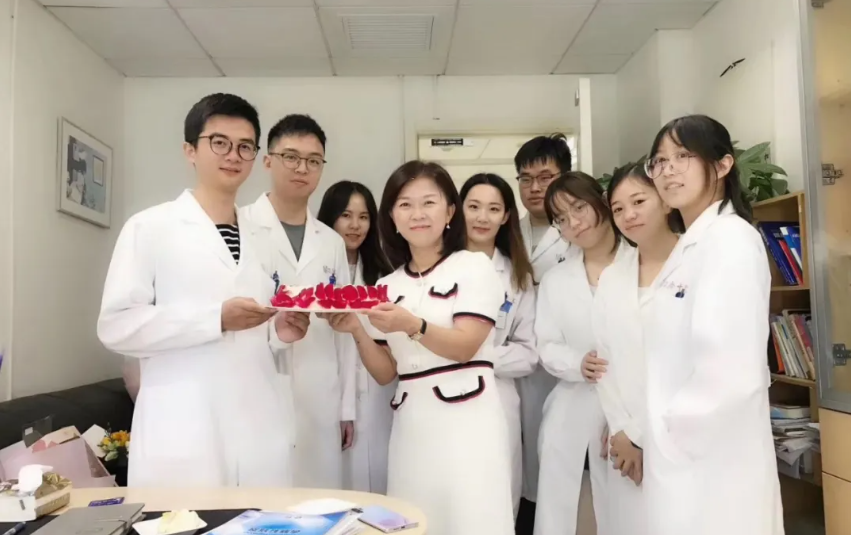
Dr. Shi Yuling | Psoriasis, and Spring Mountains Beyond the Plain
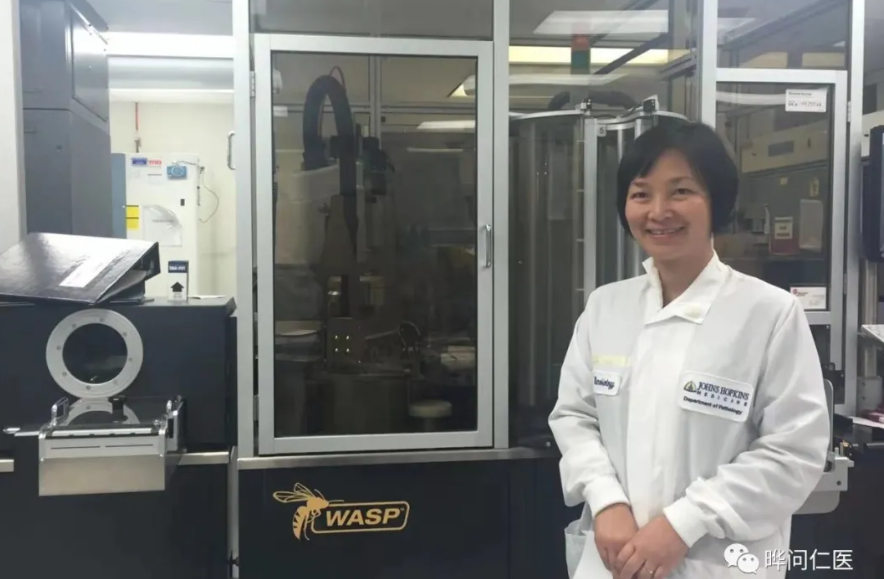
Dr.Ying Chunmei | Laboratory Medicine, Renewed a Little Every Day
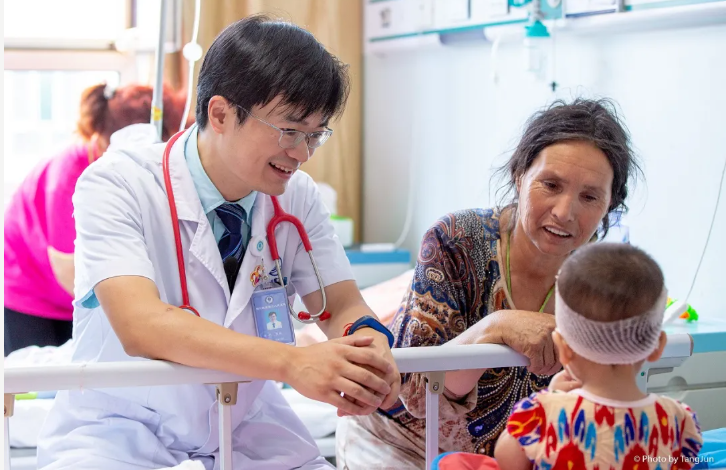
Dr. Zhang Lei | Children's Airways, and a Preference for Being Plain
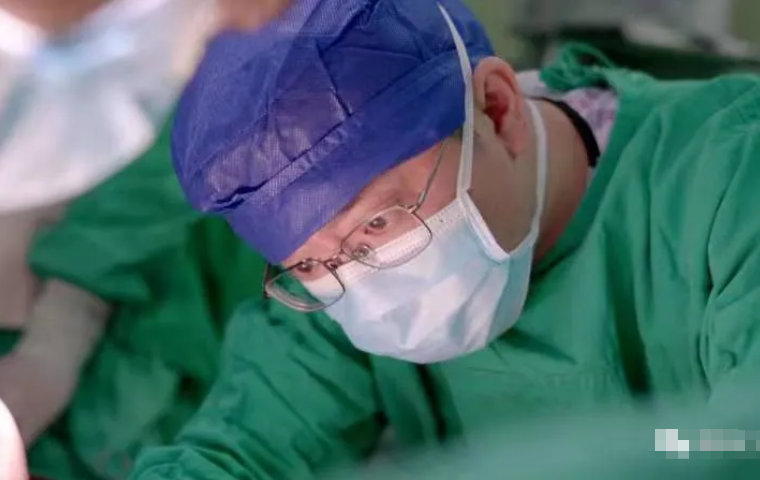
Dr. Chen Tongyu | Chest Surgery Without a Tube, and No Claim to Greatness
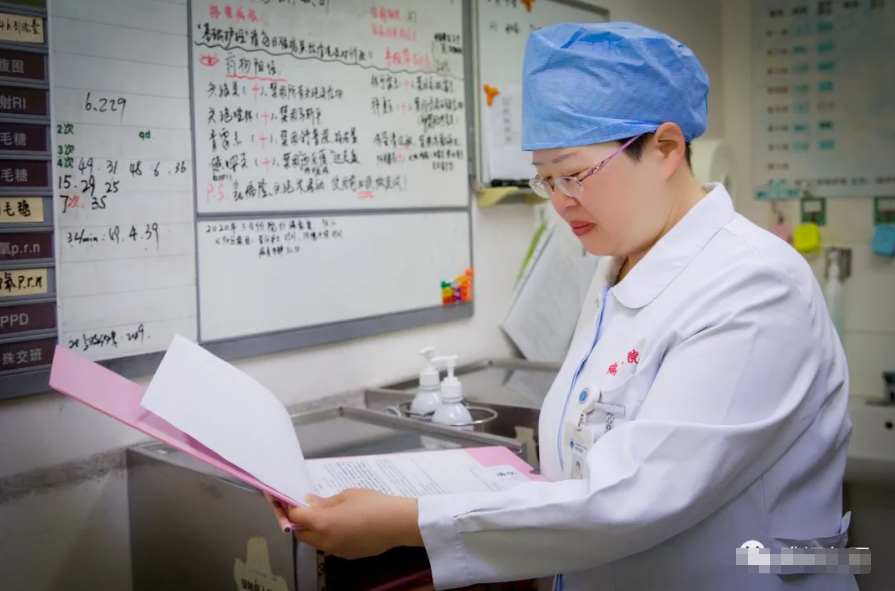
Cui Jie | An Infectious-Disease Nurse Who Kept Walking In
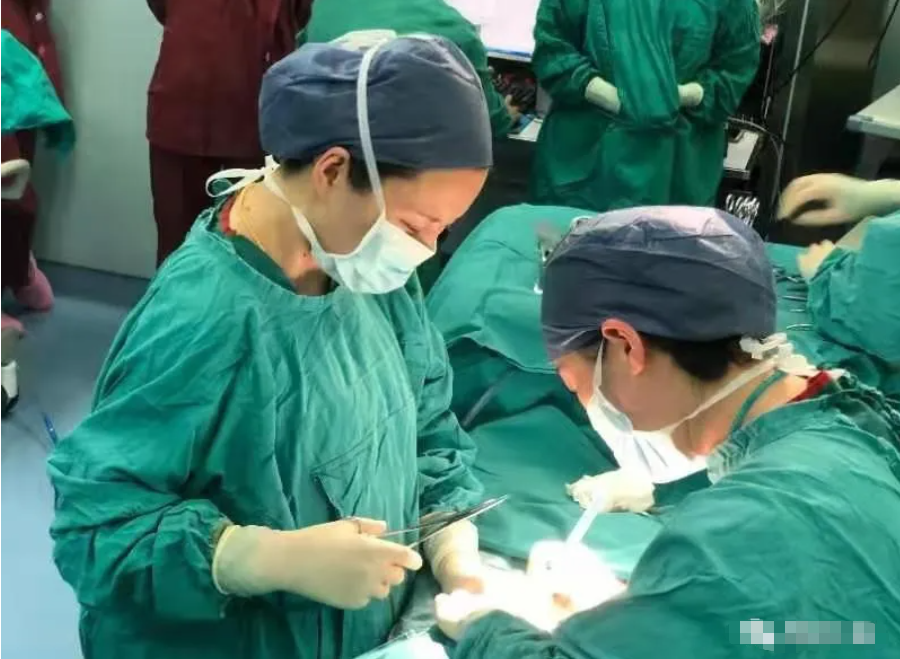
Dr. Hua Xiaolin | High-Risk Obstetrics, and a Child Worth Keeping
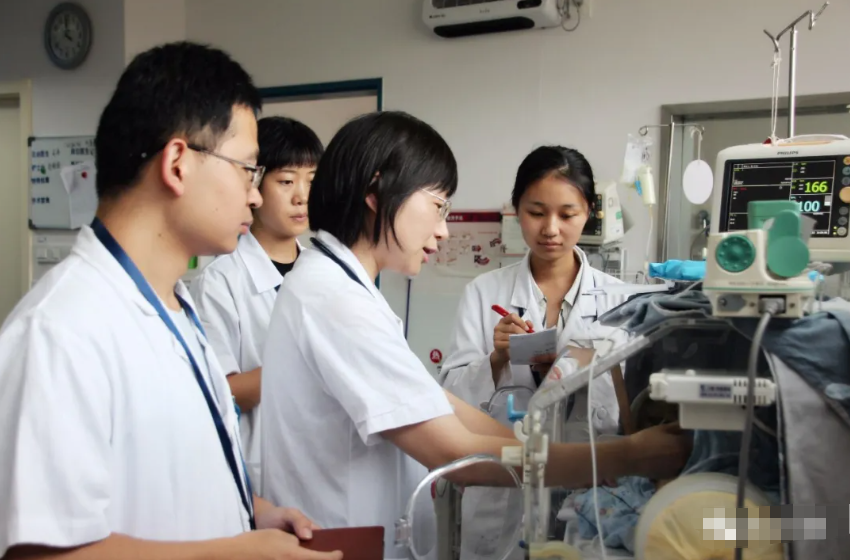
Dr. Shen Chun | Neonatal Surgery, and a Vow That Makes No Speech
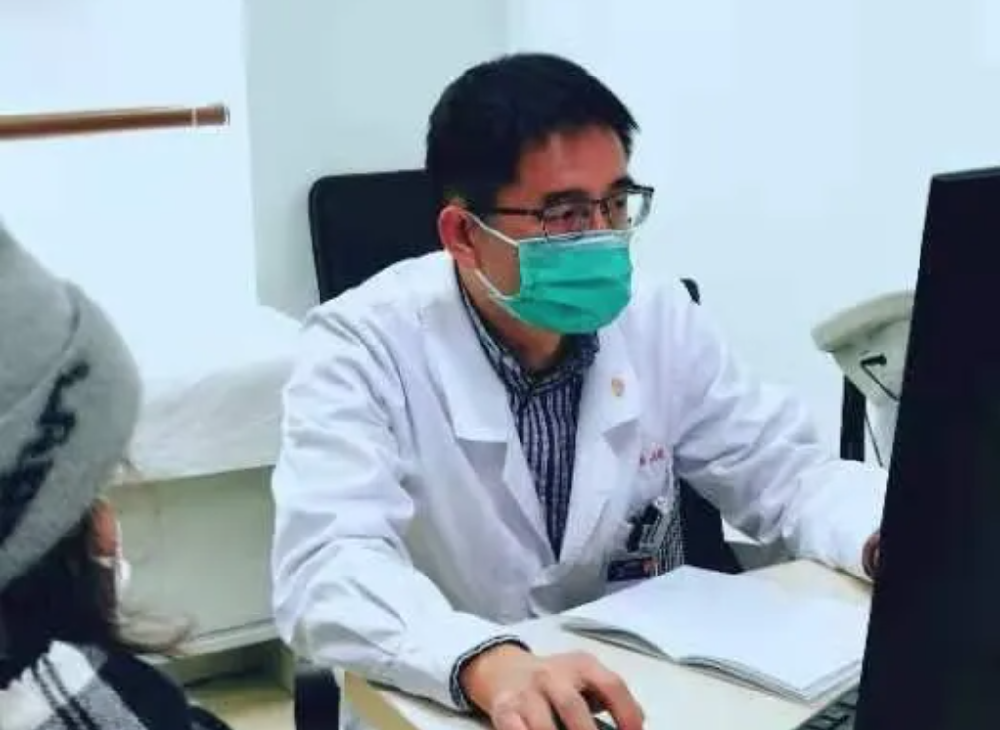
Dr. Yang Ji | A Dermatologist Who Measures the Years by Who Gets Better
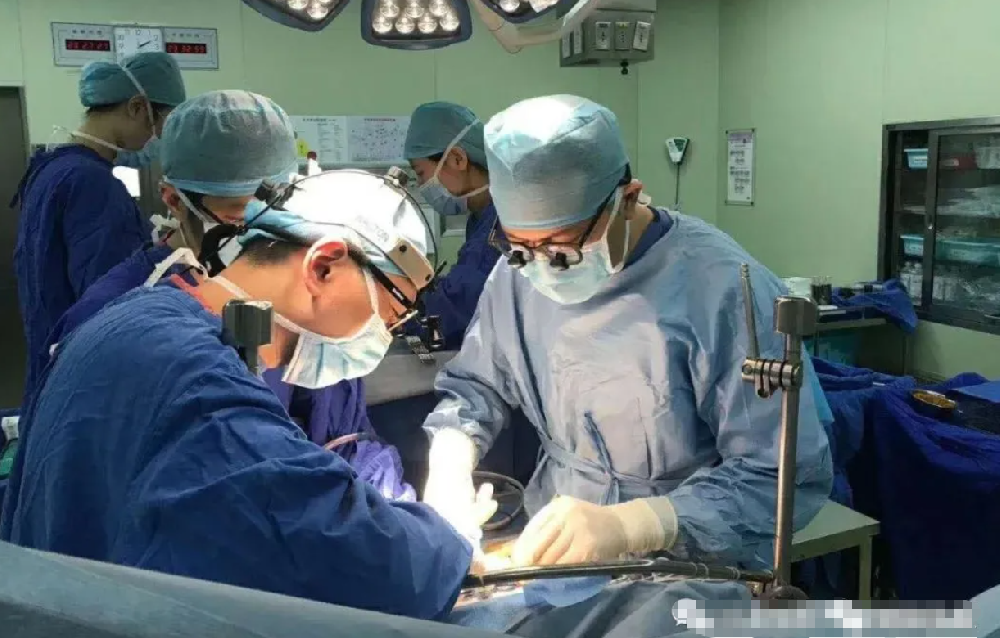
Dr. Chen Gong | Children's Bile Ducts, and a Future He Chose Himself
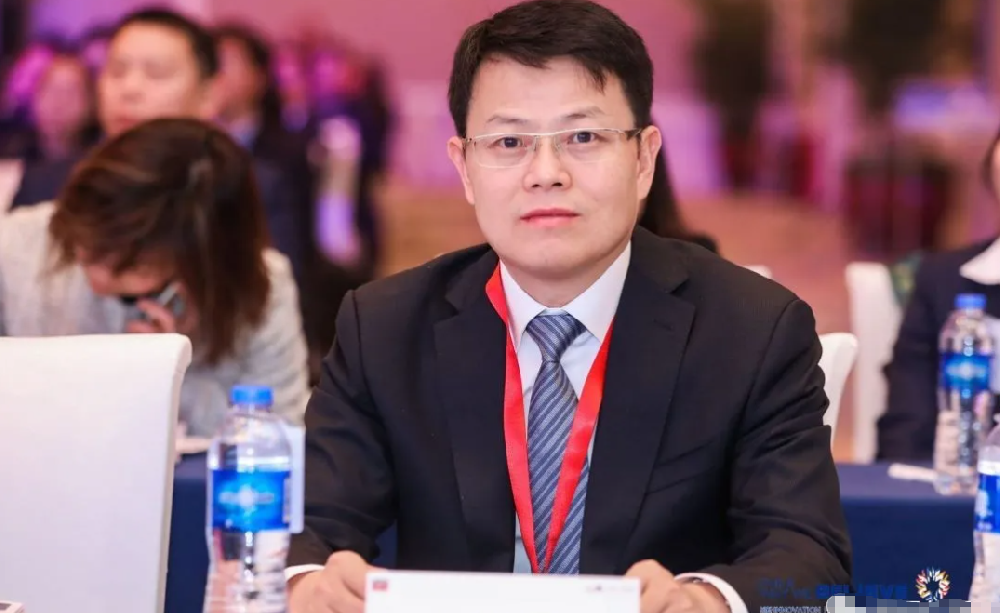
Dr. Luo Zhiguo | An Oncologist Still Hoping for One More Reunion
Copyright © 2023 Yewen Renyi & ShanghaiDoctor.cn (This website is a non - profit medical humanities platform. The information contained herein is solely for biographical and historical purposes and does not constitute any medical advice.) 沪ICP备2023005392号-2 XML 沪公网安备31010902100835号
 中文
中文 English
 Español
 沪公网安备31010902100835号