ShanghaiDoctor - Where China's Healing Wisdom Shapes Modern Medicine

Update time:2026-04-26Visits:5349
Profile
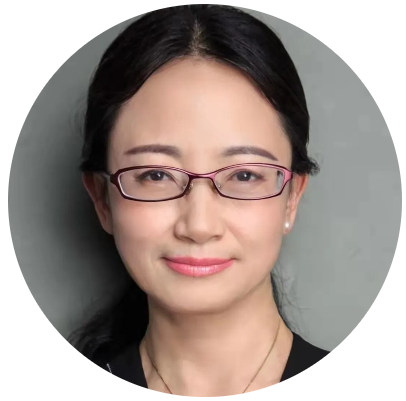
Wu Yurong is a Chief Physician in the Department of Pediatric Cardiology at Xinhua Hospital, affiliated with Shanghai Jiao Tong University School of Medicine. She holds a Ph.D. and serves as a master’s supervisor.
She graduated in 2005 with a specialization in Pediatric Cardiovascular Medicine from Shanghai Second Medical University. For over two decades, she has been dedicated to the diagnosis and treatment of pediatric heart diseases, with particular expertise in ultrasound diagnosis and assessment of fetal and pediatric cardiac conditions.
She serves as a member of the Pediatric Cardiovascular Group of the Chinese Medical Association, a member and secretary of the Shanghai Pediatric Cardiovascular Group, a member of the Pediatric Imaging Physician Branch of the Chinese Medical Doctor Association, and a member of the Cross-Strait Ultrasound Special Committee. She has led multiple national and provincial-level projects, including those funded by the National Natural Science Foundation of China, the Shanghai Science and Technology Commission, and the Shanghai Jiao Tong University Medical-Engineering Cross-Disciplinary Program. She has contributed to seven cardiovascular-related monographs and published over 20 SCI papers.

First Person Perspective
Wu Yurong
“Always work hard, be considerate, and be kind-hearted.” — Maye Musk, A Woman Makes a Plan
Two years later, we met her again, still in the consultation room at Xinhua Hospital. She greeted us with a smile. Seemingly slender and delicate, she continues to strive in the field of pediatric heart disease. Countless pregnant women come to see her from all over the country, carrying the hope of life, and she always does her utmost to give them a satisfactory answer.
This time, we talked about A Woman Makes a Plan, the autobiography of Maye Musk, mother of “Iron Man” Elon Musk. She said this book gives women strength, beauty, and composure. From it, she learned that not every change in life needs to be planned down to the last detail; when problems arise, one must focus fully on solving them. Maintaining a positive mindset, making the exterior as confident as the interior, and not feeling ashamed or fearful because of love—there is no one-step solution in this world. Only with sufficient common sense and the ability to make plans can one achieve the state of “life is up to me.”
A revisit with Wu Yurong, Chief Physician of the Pediatric Cardiology Department at Xinhua Hospital.
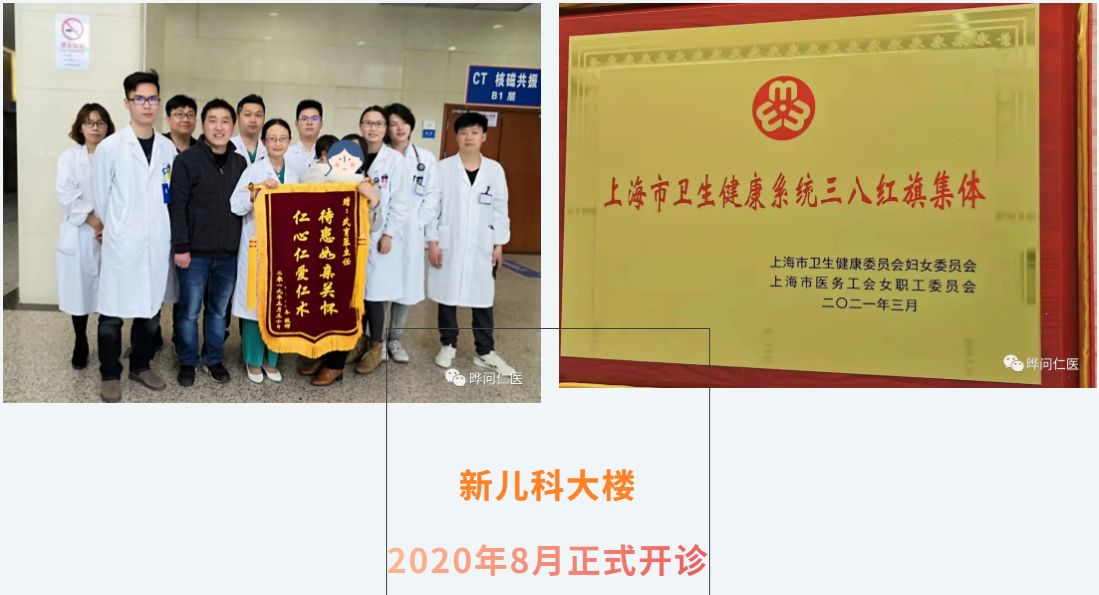
Over the past two years, she has not only been promoted to a senior professional title but has also gained a broader scope for her team in the newly built Xinhua Hospital Pediatric Building, with increasingly harmonious collaboration within the cardiac center model. In 2021, she received many honors: her team was awarded the March 8th Red-Banner Collective by the Shanghai Health System. Also in 2021, she was named a “Craftsman Doctor” by Shanghai Xinhua Hospital, and she and her husband received a gift for International Women’s Day—the “Flying in Pair Model Couple” award from Shanghai Jiao Tong University.
Chatting with her feels calm and joyful. Even when discussing extraordinary achievements or thrilling stories, her words remain composed and unruffled, handling heavy matters with ease. I know that countless efforts and courage have been poured into this to achieve such remarkable talent.
1. Setting Sail Again
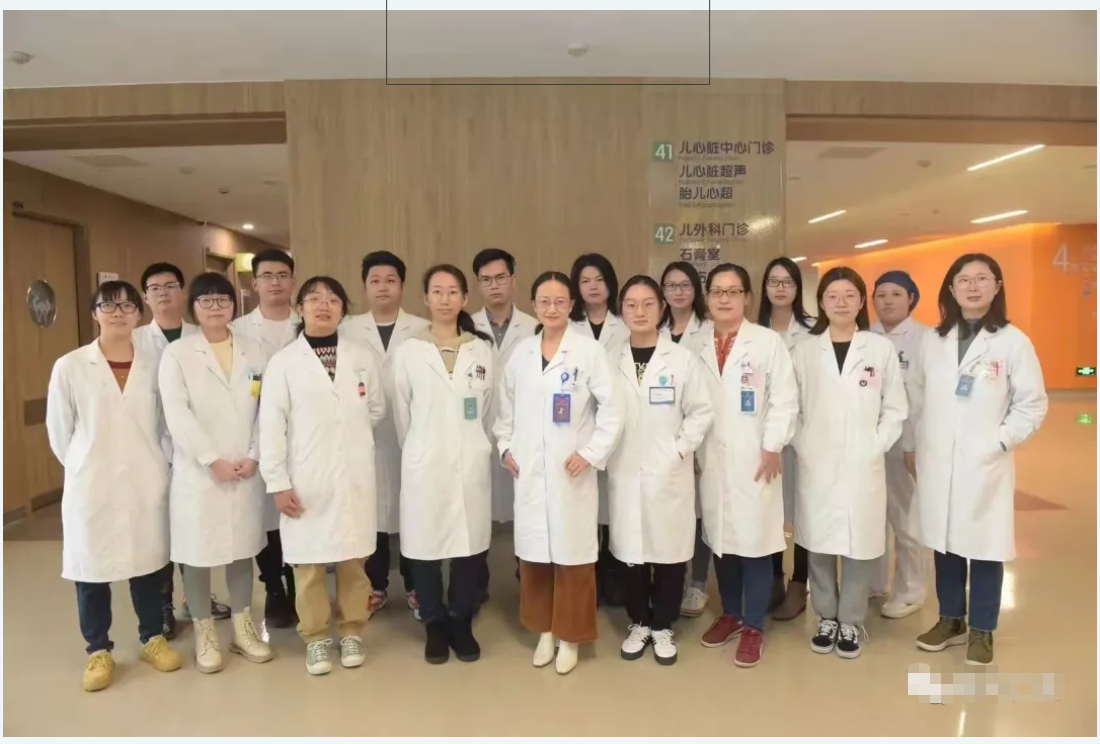
“Our department, under the leadership of the hospital director and two department heads, and with our move to the new Pediatric Building No. 28 in August 2020, has greatly benefited the development of our department and the entire pediatric field,” Wu Yurong remarked as soon as she saw us.
The new pediatric building that Wu Yurong refers to is a state-of-the-art facility that officially opened in August 2020. It brings together China’s most elite pediatric departments, housed in a strikingly modern structure. With its silver-white exterior walls, bright windows, and green decorative strips that seem to evoke the breath of life, the building exudes a fresh, hopeful energy. Stepping into the first-floor lobby, visitors are greeted by a spacious and comfortable waiting area, integrated one-stop pediatric diagnosis and treatment services, and an array of sculptures and children’s activity zones brimming with childlike charm. It is hard to tell whether this is a children’s hospital or a playground. Presumably, children coming here for treatment feel happy and less afraid.
The achievements of Wu Yurong’s department, however, are not solely the result of upgraded facilities. Many other factors have played a role. Wu Yurong believes that the sincere cooperation and strong unity among every medical worker in the department are crucial. It is precisely this spirit that has elevated the pediatric cardiology discipline at Xinhua Hospital to a higher standing in Shanghai. “First, under the leadership of Dean Sun Kun, our academic standing is very high, enabling us to perform intrauterine interventional procedures for fetal congenital heart disease and integrated perinatal management of critical congenital heart disease. Second, the collaboration between cardiology and cardiac surgery within our heart center model is remarkably harmonious. Moreover, both department heads—whether in academic research, clinical experience and skills, or personal character—command genuine admiration from everyone. Following their leadership, we move forward with a clear sense of purpose. I believe these are the reasons our department has achieved success.” What Wu Yurong values most is the shared success and mutual benefit she experiences with her team. In such an environment, as long as one advances together with the team and puts in a little extra effort, it is possible to keep pace with the times. Team collaboration also stimulates the learning motivation of its members, which in turn enhances the overall capability of the group.
The year 2021 was undoubtedly a fruitful one for Wu Yurong’s department, and she personally received several honors and achievements. “With the support of the hospital and the department, our pediatric cardiac ultrasound team was awarded the Shanghai Health System March 8th Red-Banner Collective. Personally, I was quite fortunate to receive the ‘Flying in Pair, Model Couple’ award from Shanghai Jiao Tong University. My husband works at Huashan Hospital, and since both of us are in the medical field, receiving this award felt like an honor for our entire family. I was also lucky to receive the title of ‘Craftsmanship Doctor’ from Xinhua Hospital. Actually, I feel that this honor is also the result of collective effort,” Wu Yurong said with a smile.
In Wu Yurong’s view, many hands make light work, and many drops make a flood. An individual is weak and powerless—even a wandering explorer is the same. Only by working together with a team can remarkable things be accomplished. This, she believes, is the fundamental reason a department can achieve lasting success.
2. The “Sherlock Holmes” of Pediatric Echocardiography
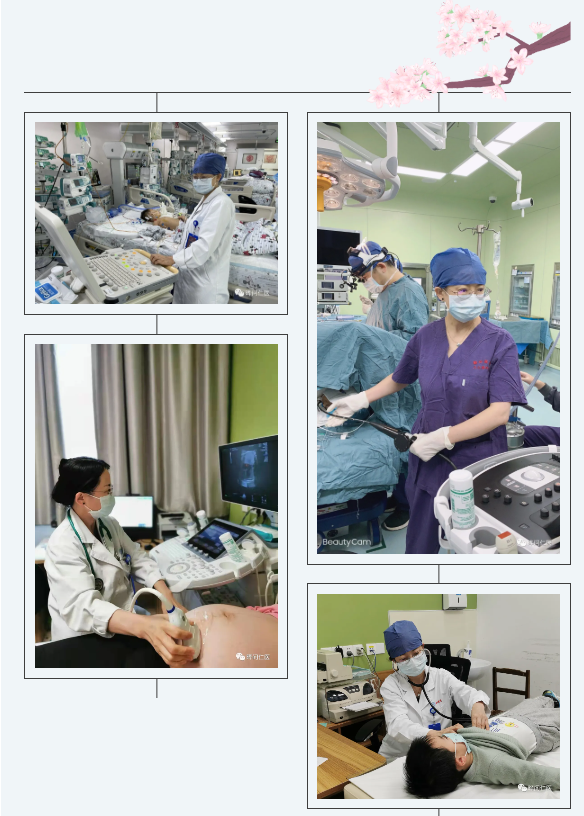
When it comes to paediatrics, many people assume it simply means doctors who treat children. In reality, paediatricians are quite different from physicians who treat adults. To become an excellent paediatrician requires solid professional knowledge, sharp insight, sufficient patience, and meticulous attention to detail—merely liking children is far from enough. At the same time, paediatricians must be able to communicate effectively with parents and possess some knowledge of psychology and communication skills in order to reduce the likelihood of disputes. Paediatrics is a specialty where disputes are relatively common. Most heart diseases are complex and critical, especially in the field of congenital heart disease in children, which is the focus of Wu Yurong, demanding even higher comprehensive qualities.
"Paediatricians face a group that cannot cooperate or communicate verbally. So I believe paediatricians must first be exceptionally perceptive—you need to find clues that aid diagnosis and treatment from a child's body language, complexion, expressions, and so on, without relying on verbal or eye contact. This places very high demands on perceptiveness. Therefore, I think sharp insight, observation, and judgment are fundamental qualities for a paediatrician. Secondly, I believe paediatricians must be very meticulous and patient; otherwise, they can easily become irritable, which affects accurate judgment of the condition and communication with family members," Wu Yurong shared warmly.
At the same time, when diagnosing and treating diseases, paediatricians must also consider the psychological state of the family. This is a crucial point when communicating with patients. Especially when treating critical illnesses in fetuses, newborns, and infants, communicating with the family may involve not only the prognosis of the disease itself but also the family's multifaceted capacity to cope—such as financial resources, risk tolerance, and the family's health planning and cognitive abilities. Sometimes, the treatment and prognosis of fetuses, newborns, and infants may not depend solely on the child's condition.
Today, there are many new technologies and methods for diagnosing and treating paediatric heart disease, but the most critical factors remain early diagnosis, early treatment, reducing complications, and regular monitoring after discharge—these are what ensure a good prognosis for the child. "After treating critical cardiac malformations, long-term regular monitoring and rehabilitation guidance are also very important. So at our Xinhua Hospital, after many congenital heart disease surgeries, we conduct regular follow-ups—at one year, two years, three years, five years—to detect problems early and intervene promptly."
In recent years, the treatment of children with congenital heart disease has evolved beyond a focus solely on surgical techniques and short-term outcomes. Increasing attention is now being paid to preoperative and postoperative nutritional support, as well as rehabilitation guidance, all of which contribute to improved long-term prognosis. “Children with congenital heart disease often have poor nutritional status before surgery due to compromised cardiac function. On one hand, this is caused by the pathological condition itself; on the other hand, parents lack understanding and scientific guidance. Today, every child admitted to our department undergoes a nutritional assessment and receives nutritional guidance. Moreover, dietitians are involved in formulating nutritional plans both before and after surgery.” Speaking of this, Wu Yurong feels a deep sense of pride. She believes that only with such increasingly comprehensive care plans can children achieve better cure rates and prognoses. “It is worth noting that, in addition to nutritional support, postoperative rehabilitation guided by professional rehabilitation physicians is also becoming a hallmark of Xinhua Hospital. The management of congenital heart disease is indeed becoming more and more comprehensive.”
When discussing treatment, one cannot avoid addressing disciplinary progress. Over the more than two decades of Wu Yurong’s medical career, she has witnessed the rapid advancement of diagnostic and therapeutic methods for congenital heart disease. Deeply impressed and grateful for these technological breakthroughs, she hopes to share the progress she has observed—along with strategies for preventing and treating congenital heart disease—with both the public and her peers.
“The diagnosis and treatment of congenital heart disease have advanced very rapidly over the past twenty to thirty years. In China, surgery for congenital heart disease patients began around the 1970s. Among the earliest hospitals to attempt this was Shanghai Xinhua Hospital, which has since remained a leading institution for congenital heart disease surgery in the country.” In Wu Yurong’s view, the field has undergone significant changes over the past nearly 40 years, mainly reflected in the following aspects:
First, the timing of both diagnosis and treatment has shifted markedly earlier. Previously, the disease could only be detected when it became very severe. Now, congenital heart disease can be identified during the fetal period. From a diagnostic perspective, the point of detection has been advanced. From a treatment perspective, the timing has also moved up. In the past, patients often presented with very severe conditions, and some were critically ill before coming to the hospital. For example, in the 1970s and 1980s, the disease was often severe, and treatment methods were very immature. It was not until around 2000 that the treatment of congenital heart disease in China became essentially mature, with systematic treatment methods established, and more approaches were applied to earlier-stage intervention.
Second, because diagnosis and treatment have been advanced, the spectrum of diseases seen in patients has also changed. For instance, severe congenital heart disease—especially types with poor prognoses—was previously more common. In 2000, the outpatient department of Xinhua Hospital faced numerous complex and critical cases of congenital heart disease every day. Now, since complex congenital heart disease can be detected prenatally, some pregnant women choose to terminate the pregnancy. As a result, the birth rate of congenital heart disease with poor prognoses has decreased, and the number of complex and critical patients has declined. This has actually reduced the burden on many families and on society as a whole. Thus, the disease spectrum has shifted.
Third, treatment technology has also undergone transformation. From a therapeutic perspective, minimally invasive approaches represent a major trend. From roughly the 1970s to the late 1990s, the treatment of congenital heart disease could only be treated through open-heart surgery—a procedure that inflicted significant trauma, left noticeable scars, and carried high surgical risks. From the late 1990s through 2000, however, some forms of congenital heart disease began to be treatable with minimally invasive techniques, known as interventional therapy. By 2017, the first domestic intrauterine interventional treatment for congenital heart disease was successfully performed, meaning surgery was conducted on the fetus while still in the womb. In 2018, Xinhua Hospital pioneered Asia’s first intrauterine interventional treatment for aortic valve stenosis, a breakthrough that caused a sensation in the medical community at the time. This achievement established Xinhua Hospital’s technological leadership in the field of intrauterine intervention and marked the hospital’s development of a mature, leading system for the integrated perinatal management of congenital heart disease.
The devices used in interventional surgery have also evolved. Taking occluders as an example, earlier interventional treatments relied on permanent occluders, which were implanted in the body and remained there for the patient’s lifetime. Over the past five years or so, the trend has shifted toward absorbable occluders or absorbable stents.
“I believe there are three key trends: first, moving the timeline forward, with both diagnosis and treatment occurring earlier; second, changes in the types of diseases being treated; and third, the shift toward minimally invasive procedures,” Wu Yurong said with a smile.
As she spoke, I could picture a physician who works busily yet methodically every day, and I sensed a kind of happiness—the happiness of going to and from work without fatigue or boredom. One could feel her unique sense of achievement, pride, and responsibility toward the hospital and her team. Just as her motto goes: “The harder you work, the luckier you get.”
3. Let Love Spread
The essence of love is giving.
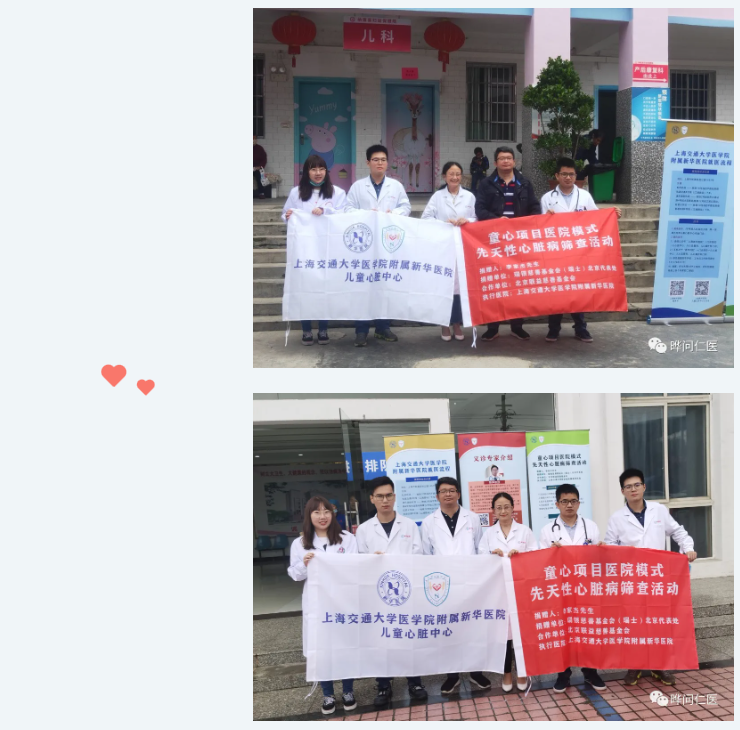
Wu Yurong is especially eager to share one of her clinical experiences with a wider audience. In her practice, she has found that many people suffer from autoimmune diseases—such as lupus erythematosus, Sjögren’s syndrome, and rheumatoid arthritis—and that the actual incidence rate in the population may be higher than commonly assumed. Some pregnant women may not be aware of these conditions before pregnancy, or may not know about them at all. If these women become pregnant, the condition could potentially affect the fetus. The mother’s autoantibodies can be transmitted to the fetus through the placenta, causing two main effects: first, fetal atrioventricular block, which slows the fetal heart rate; and second, the development of fetal cardiomyopathy. When a pregnant woman notices that the fetal heart rate is too slow, she should consider investigating the underlying cause and explore whether treatment could improve the fetus’s condition—rather than hastily considering induced labor.
“We encountered a case where a pregnant woman presented with a slow fetal heart rate. Upon examination, we found that the mother indeed had Sjögren’s syndrome, yet she had no clinical symptoms. Sjögren’s syndrome does not necessarily manifest as dry skin; in this case, the patient’s body contained specific antibodies—positive anti-SSA and anti-SSB—which, when reaching a certain titer, can affect the fetus through the placenta. The pregnant woman herself may be completely unaware. After our treatment, which involved administering hormones and immunoglobulin to the mother to block the transmission of maternal antibodies across the placenta to the fetus, the fetal atrioventricular block converted to a normal heart rhythm.” Wu Yurong earnestly shared this invaluable and often overlooked experience. The pregnant woman sought care from Wu Yurong’s team at 24 to 25 weeks of gestation, and ultimately, the fetal heart rate improved, saving another small life.
In addition, this type of pregnant woman may present with other manifestations, such as infertility—difficulty conceiving in the early stages—only to discover upon examination that they have an autoimmune disease. “So I believe this really requires public education to spread the word. If a pregnant woman encounters this situation—either a slow fetal heart rate or difficulty getting pregnant—she must be checked for autoimmune diseases. If it is indeed an autoimmune disease, active treatment before and during pregnancy can prevent the occurrence of third-degree atrioventricular block in the fetus. Never wait until the fetus has already developed third-degree atrioventricular block, as it may lead to a poor prognosis in utero or require a pacemaker after birth. In our case, after treatment, the atrioventricular block reversed, the prognosis was good, and the child avoided needing a pacemaker. I believe that awareness of this disease is still insufficient, both among the general public and some grassroots obstetricians. Especially obstetricians—when encountering these issues, if they can think of autoimmune diseases, diagnose and treat them early, and administer medication to the pregnant woman promptly, they can prevent adverse outcomes for the fetus.” As she spoke, Wu Yurong’s tone conveyed urgency; she did not want any pregnant woman to have regrets in her life.
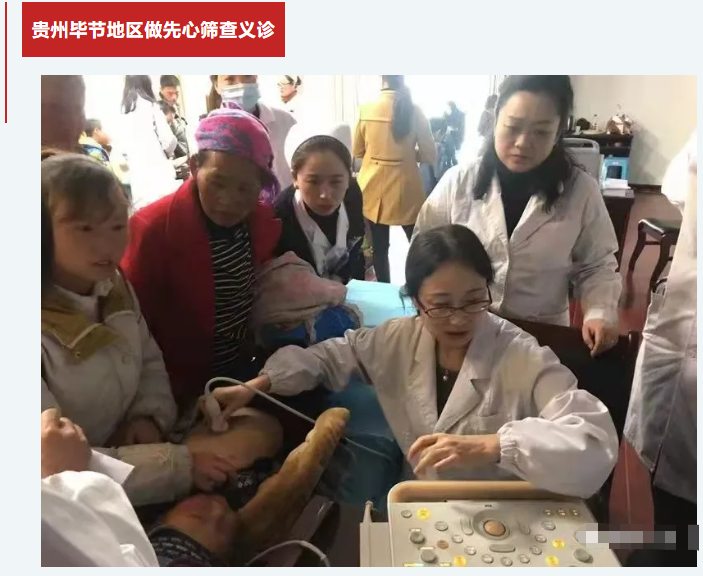
Throughout Wu Yurong’s career, she sees thousands of patients every year. Her communication and sharing with patients stem solely from the “love” in her heart. In the eyes of patients and children, she is like an angel in white, holding flowers, spreading wings, and radiating the hope of life. In Wu Yurong’s heart, all human lives are equal, and the best way to respect life is to help everyone around her maintain a longing for a better life, carrying the physician’s reverence for life and the kindness of humanity in her heart to sincerely treat everyone in need.

ShanghaiDoctor:
You are the recipient of the “Craftsman Doctor” award. How do you interpret the word “craftsmanship”?
Dr. Wu Yurong:
There is a saying: If the heart is in a craft, the craft will be perfected; if the heart is in a profession, the profession will flourish. The way of craftsmanship begins with a calm mind and is fulfilled through focus. As a physician, my understanding of “craftsmanship” is delicacy and dedication; it represents professionalism and, more importantly, resilience. Therefore, I hope that in my medical work—whether in diagnosis or treatment—I can strive for continuous improvement and devote my expertise and focus to my patients and their families. I believe that all beautiful sentiments, noble convictions, and attitudes toward life can be brought to perfection through the practice of craftsmanship.
ShanghaiDoctor:
With the development of departments and the continuous progress of medicine, do these advances also bring certain challenges or pressures?
Wu Yurong
Medical work is often accompanied by challenges and pressures. Congenital heart disease has a high incidence rate and causes great harm. In China, it ranks first among birth defects, with a live birth incidence rate of 8.94‰ (severe congenital heart disease at 2.74‰)—a serious situation. Fetal cardiac ultrasound is safe, non-invasive, and highly repeatable, making it beneficial for screening and follow-up of congenital heart disease. It can reduce the birth of fetuses with severe and complex cardiac malformations. For treatable congenital heart disease, it also enables integrated perinatal management, achieving early diagnosis and treatment, improving prognosis, and promoting eugenics.
Fetal cardiac ultrasound is a highly specialized field. Due to the differences between fetal and postnatal circulation, as well as the dynamic developmental process of the fetus, the examination presents certain difficulties. Additionally, the heart’s structure is complex, and the fetal heart is small, making clear visualization challenging. Therefore, accurately diagnosing and assessing some congenital cardiac malformations is difficult. This requires a very solid foundation in anatomy, theory, and operational skills. Sometimes, your diagnostic result determines the fate of a small life. At such moments, the pressure feels immense, and one dares not act rashly. Beyond fetal cardiac ultrasound, there is also the need to perform transesophageal echocardiography and assessments during congenital heart disease surgery, which often present many challenges. For this reason, lifelong learning is necessary, and continuous accumulation is essential. Through repeated experience and summarization, we strive to avoid missed diagnoses, misdiagnoses, and misjudgments as much as possible, ensuring that every small life has the opportunity for a safe birth, healthy growth, and appropriate treatment.
ShanghaiDoctor:
What do you think is the relationship between clinical practice and scientific research? How do they promote and complement each other?
Wu Yurong
Clinical practice and scientific research indeed promote and complement each other. The academic community is now gradually placing greater emphasis on clinical research. True clinical research is a necessity of evidence-based medicine, where the results and conclusions ultimately solve problems encountered in clinical practice. For example, surgery for tetralogy of Fallot, a type of congenital heart disease, has been performed abroad for about seventy years. Long-term follow-up data have been published, and the research findings have led to improvements in subsequent surgical methods, which is very helpful for improving prognosis. In fact, in modern medicine, clinical practice and scientific research are like two sides of the same coin—integrated and inseparable.
ShanghaiDoctor:
Being a doctor requires so much sacrifice. If you had the chance to choose again, would you still embark on the path of medicine?
Wu Yurong
When I pause to reflect, I ask myself the same question. As is well known, pediatrics is often called the “mute department”—young patients cannot clearly articulate their symptoms, and their conditions can change rapidly, demanding keen observation and extensive experience from doctors. The work is intense and carries high risks, requiring even greater patience and a stronger sense of responsibility from pediatricians. Yet over the years, I have gained so much. In particular, when pregnant women and critically ill or complex pediatric patients—who had been turned away elsewhere—come to our Xinhua Hospital and receive treatment, I feel a deep sense of pride. When we successfully save one little life after another, the joy and sense of fulfillment can only be truly understood by a doctor. So if I had to choose again, I believe I would still become a doctor.
ShanghaiDoctor:
Do you have any hobbies outside of work?
Wu Yurong
When I was a child, influenced by my father, I loved calligraphy and was quite skilled with a brush. Now, due to a busy work schedule and the need for continuous learning, calligraphy has been put on hold for the time being. It might become one of the goals I pick up again after retirement. Because work is demanding, my life outside of it is relatively simple. When I have time, I still enjoy reading—wandering through words is a kind of pleasure. The most beautiful moment is holding a book in my hands, slowly savoring the exquisite and perfect language. The power of words lies in their ability to calm the mind. In the future, if I have the time, I would also like to learn some psychology, because I have found that psychological adjustment is very important for the people around me, including patients. I hope to have the opportunity to study it systematically someday.
Dr. Wang Xudong | Craniomaxillofacial Surgery, and Years Written into Chapters
Wang Xiaoning | Operating Room Nursing, and a Grace Like the Orchid
Dr. Li Guichao | Radiation Oncology, and a Peach Blossom Spring in the Heart
Dr. Lu Yanan | Pediatric Heart Surgery, and Feeling Another’s Pain as One’s Own
Dr. Chen Sun | Newborn Heart Intervention, and Staying Young Enough to Be Moved
Dr. Wu Yurong | Fetal Echocardiography, and Kindness as Part of the Job
Dr. Li Dawei | Sphincter-Saving Surgery, and the Operation That Fits the Patient
Dr. Zhang Jian | Laparoscopy, and the Hearth Fires of Ordinary Life
Dr.Sun Jing | Fertility-Sparing Surgery, and a Future Already Here
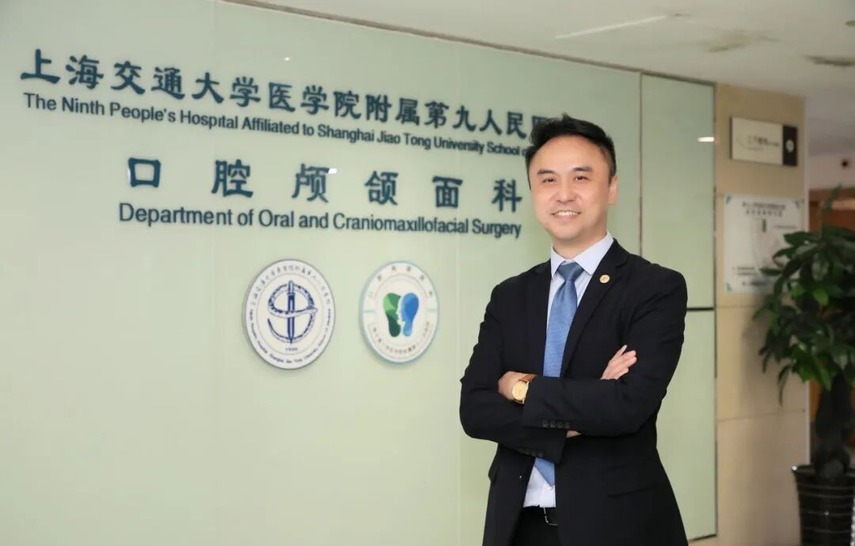
Dr. Wang Xudong | Craniomaxillofacial Surgery, and Years Written into Chapters
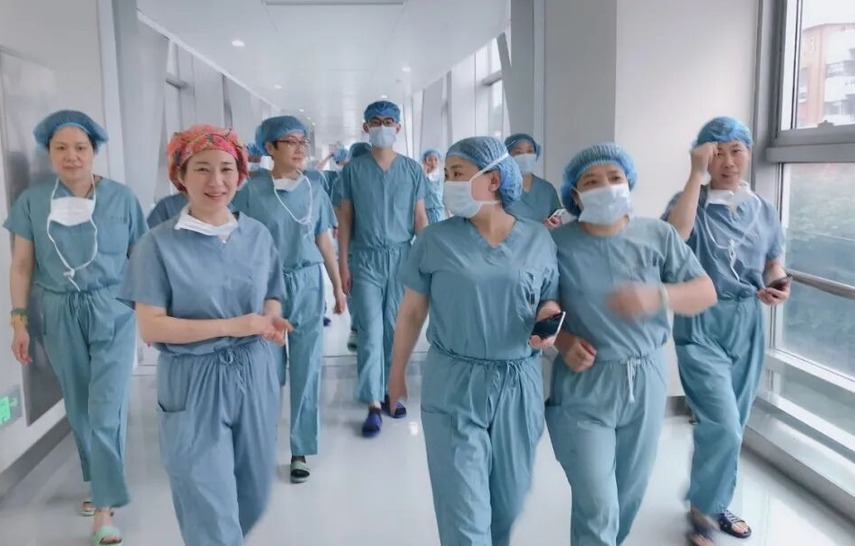
Wang Xiaoning | Operating Room Nursing, and a Grace Like the Orchid
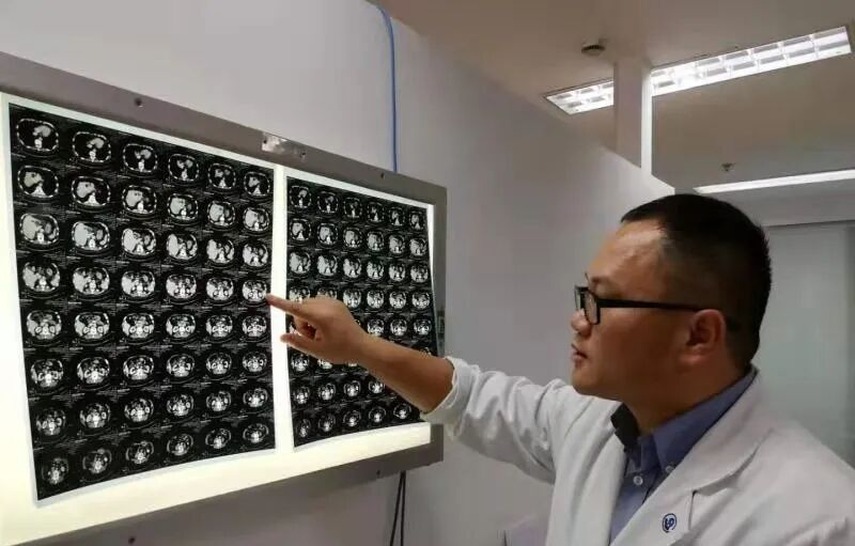
Dr. Li Guichao | Radiation Oncology, and a Peach Blossom Spring in the Heart
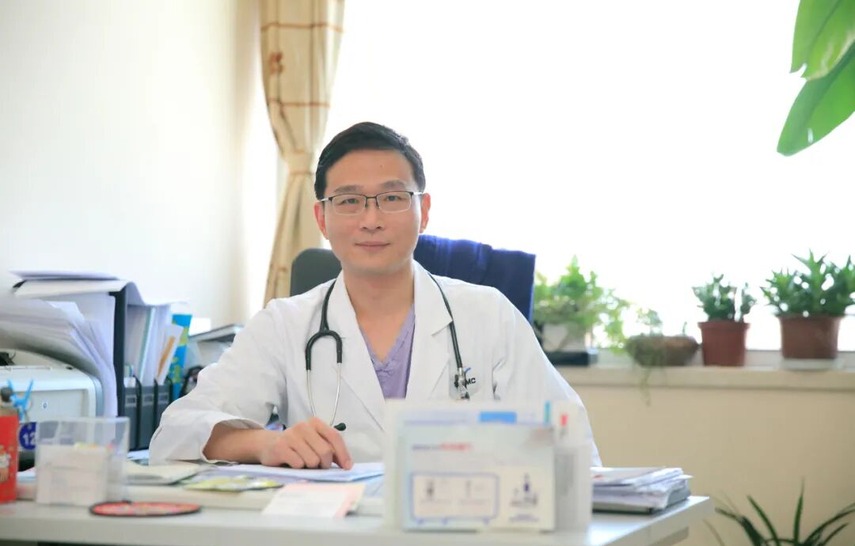
Dr. Lu Yanan | Pediatric Heart Surgery, and Feeling Another’s Pain as One’s Own
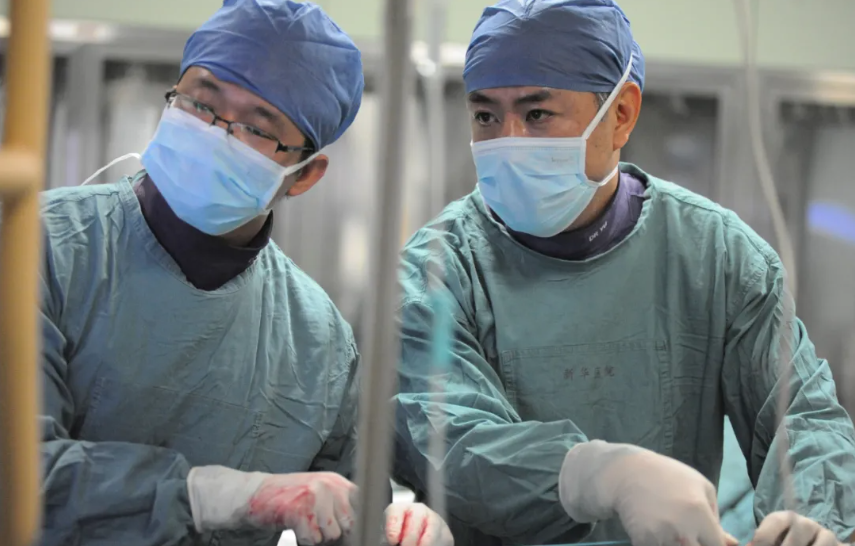
Dr. Chen Sun | Newborn Heart Intervention, and Staying Young Enough to Be Moved
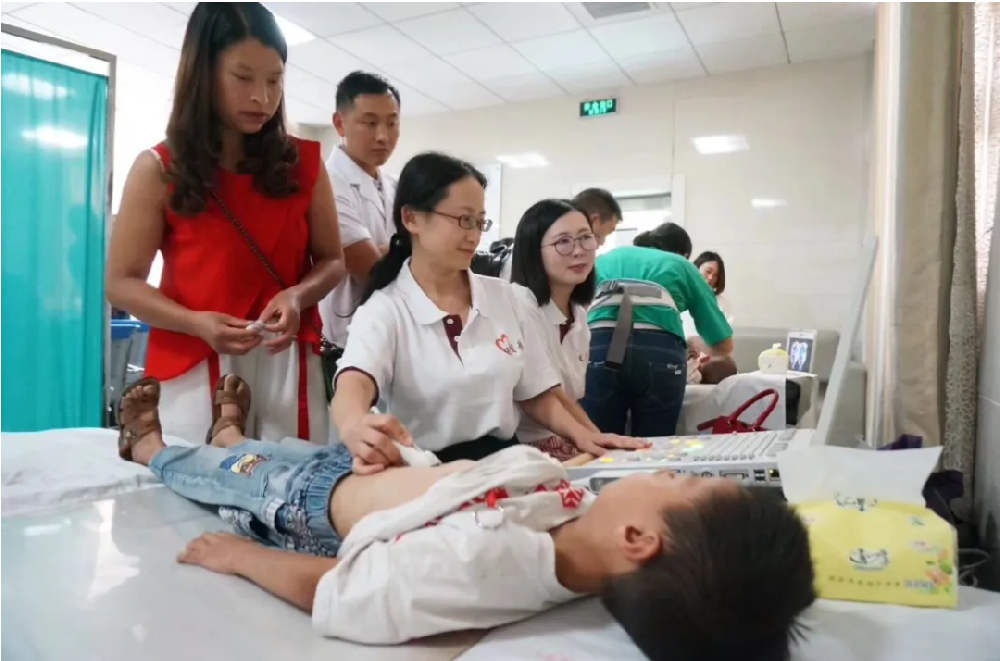
Dr. Wu Yurong | Fetal Echocardiography, and Kindness as Part of the Job
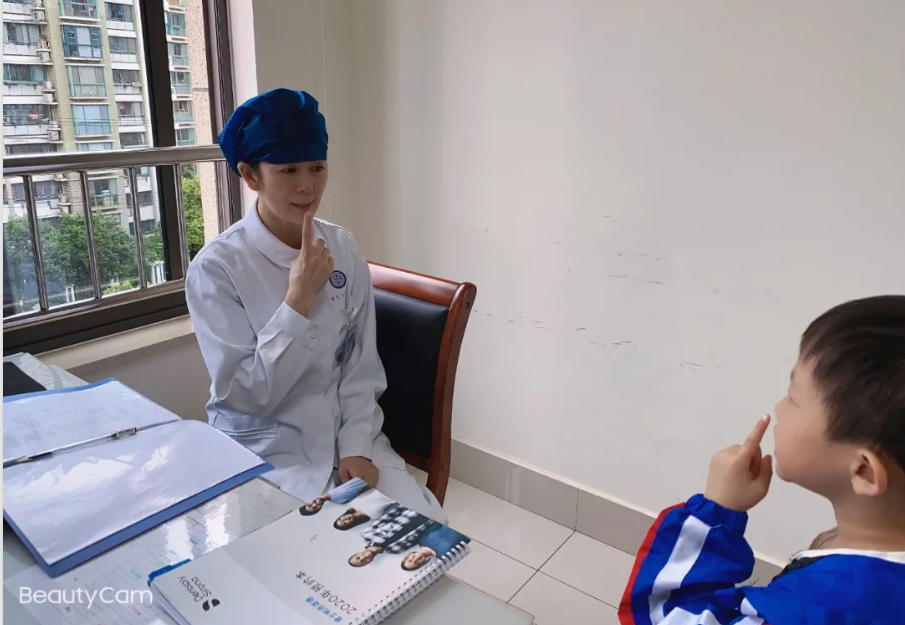
Jiang Liping | Speech Therapy, and the Lamp She Carries
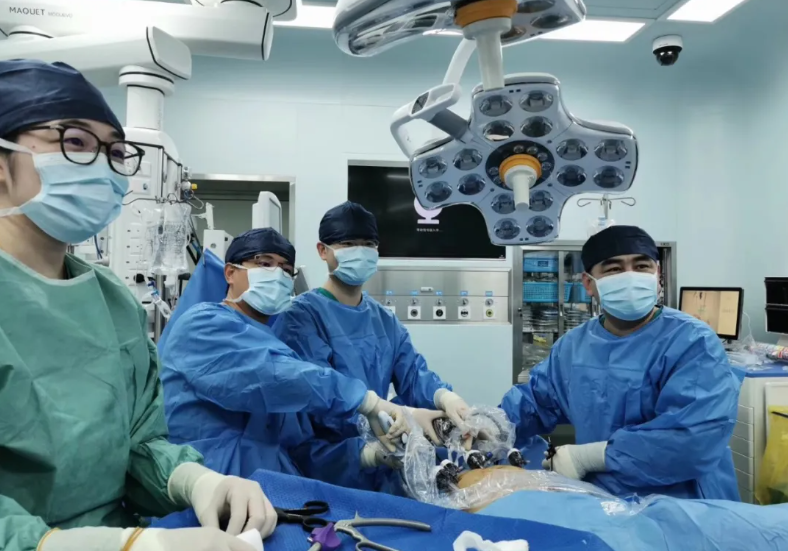
Dr. Li Dawei | Sphincter-Saving Surgery, and the Operation That Fits the Patient
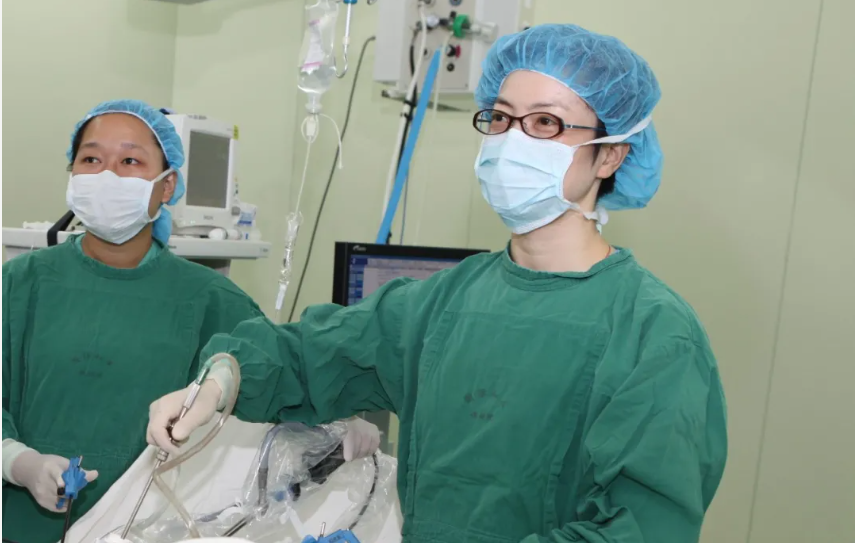
Dr. Zhang Jian | Laparoscopy, and the Hearth Fires of Ordinary Life
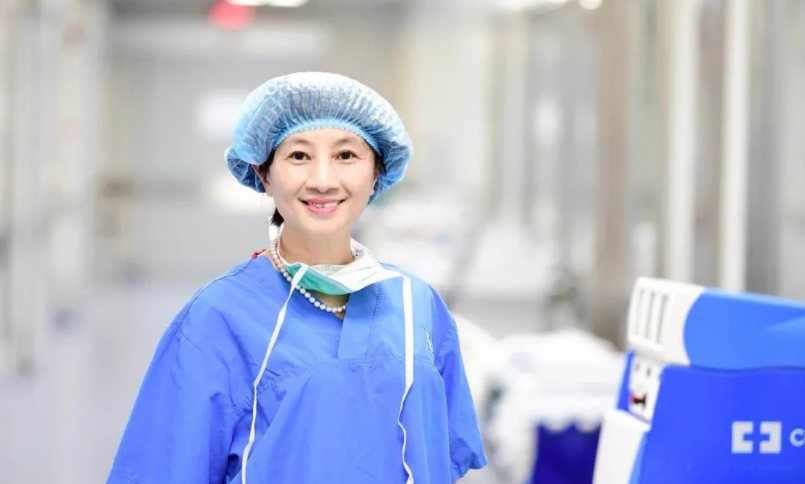
Dr.Sun Jing | Fertility-Sparing Surgery, and a Future Already Here
Copyright © 2023 Yewen Renyi & ShanghaiDoctor.cn (This website is a non - profit medical humanities platform. The information contained herein is solely for biographical and historical purposes and does not constitute any medical advice.) 沪ICP备2023005392号-2 XML 沪公网安备31010902100835号
 中文
中文 English
 Español
 沪公网安备31010902100835号