ShanghaiDoctor - Where China's Healing Wisdom Shapes Modern Medicine

Update time:2026-09-02Visits:2006
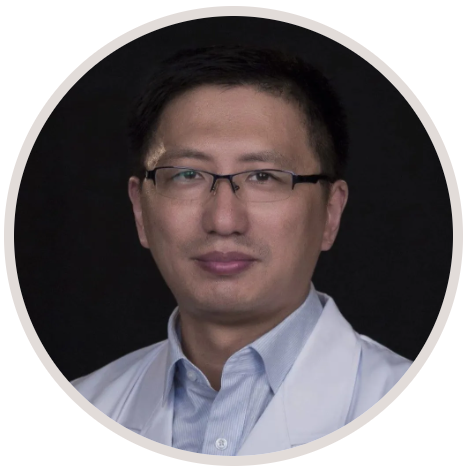
“There is no single definition of success. The success I mean requires conviction, and it stands in the right future.”
— Chen Gong
Chen Gong is Chief Physician and Doctoral Supervisor at the Children’s Hospital of Fudan University, where he serves as deputy director of the general-surgery center and director of hepatobiliary and gastrointestinal surgery. Born in Wuhu, Anhui, in 1973, he now concentrates on complex structural anomalies of the child’s liver, bile ducts, and pancreas—biliary atresia, choledochal cysts, cavernous transformation of the portal vein—and on bringing adult hepatobiliary techniques, including ERCP and interventional drainage, into pediatric practice.
He is a member of the Hepatobiliary Group of the Pediatric Surgery Branch of the Chinese Medical Association, the Shanghai Pediatric Surgery Society, the Shanghai ERCP group, and the Pacific Association of Pediatric Surgeons. He sits on the publishing committee of the Journal of Pediatric Surgery. He has led a National Natural Science Foundation project and several provincial grants, and in 2018 was named to Shanghai’s “Medical Star” program for outstanding young physicians.
His operative range includes laparoscopic and robotic surgery for choledochal cysts, esophageal hiatal hernia, Hirschsprung disease, biliary atresia, and congenital esophageal stricture, as well as endoscopic stone extraction and stent dilation. He has a working knowledge of pediatric liver transplantation and congenital portal-vein malformations. Short periods at King’s College Hospital in London and at the Kaohsiung Chang Gung liver-transplant center, plus months of endoscopy training at Eastern Hepatobiliary Surgery Hospital, are the only extended off-site chapters in an otherwise domestic career.
Medicine was not his idea. His father, an orthopedic surgeon, filled the college-application form with medical schools. Chen had wanted physics—Newton, Kepler, borrowed university textbooks. In 1990 he went to Wannan Medical College without joy. After graduation in 1995 the railway hospital sent him, for a compulsory grassroots year, to Wuhu East Station, a marshaling yard 120 kilometers from Nanjing. He treated colds, wrote prescriptions, and listened to freight whistles at night. The question he asked himself was blunt: was this the rest of his life?
While colleagues played cards he opened the textbooks again. Not because interest had returned, but because wasting the years seemed worse. A year later, back at the general hospital for rotations in medicine and surgery, the resentment loosened. Under senior surgeons he began to form a view of operative work. Life, he still says, is like a set of tracks: at different stages the cars are marshaled differently. When you are young you have more chances to switch the points yourself.
In 1999 he went south to Sun Yat-sen University of Medical Sciences for surgical training. His father had once joined mountain medical teams and traveled northeast for further study; the son chose the opposite compass point and, after some thought, pediatric surgery—then a quieter corner of the surgical system, and therefore a place where a distinctive path might still be cut.
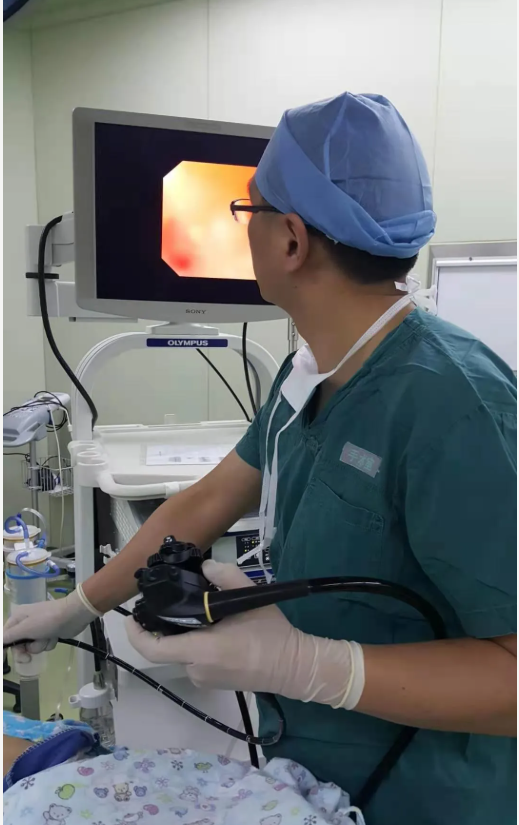
The first two years in Guangzhou were adult surgery: vascular and thyroid work, hepatobiliary cases, kidney transplant, intensive care. Only in the third year of the master’s program, under Professor Mo Jiacong, did he meet pediatric surgery properly. A one-kilogram infant left him at a loss. The department took one graduate student a year. He read at night to close the gap. Six months as chief resident meant emergencies every day and, even on supposed days off, sitting by the emergency room to watch others operate.
The teachers’ drill for hands was almost domestic: first tie knots around a key ring on the table without dragging it; then hold a biscuit tin and carry the suture to the bottom without touching the walls. He went into the operating room, took notes, and came back to the literature until general surgery and pediatric surgery shared one framework in his head.
The doctorate was at the Children’s Hospital of Fudan University, under Professor Zheng Shan—vice president of the hospital, director of surgery, and a leading figure in neonatal and digestive malformations. She criticized him, sometimes in public. A few of her sentences stayed. A newborn’s body is the most delicate; the hands must be able to start and stop at will, force issued from an inch; the inner state is to stand still, like a mountain, at the edge of a drop. He did not fully understand that “inch strength” until he had watched enough senior operators and written enough of his own cases into a surgical log that now runs across dozens of disease categories. Before an operation he still reviews videos and literature; falling asleep, he walks the next day’s steps in his mind.
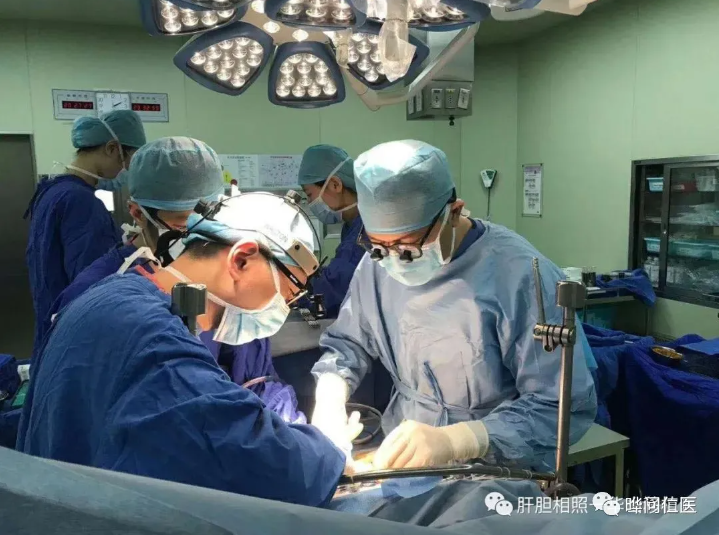
In 2011 he received a senior title and began taking more complex work, open and laparoscopic. One case from Gansu—a child of four or five with a cystic-solid mass in the head of the pancreas—stays with him. Under the laparoscope he dissected a lesion nearly ten centimeters across. Near the end a leak appeared where the pancreatic duct met the cyst, large and badly angled. He finished the resection and made two anastomoses to the intestine. The child’s parents still send photographs at the New Year; she joined the school martial-arts team.
Early surgery, he says, was often destructive. Watching vascular and bile-duct reconstruction at transplant centers taught him what it means to work on a structure as fine as a hair. Laparoscopy and endoscopy are already less invasive; the next question is whether reconstruction can sit closer to normal physiology, and what pediatric surgery can borrow from adult practice. Common-bile-duct stones that once required opening the duct can now be extracted through a duodenoscope. Some strictures can be stented or dilated through a percutaneous transhepatic approach rather than reopened.
A children’s hospital without an adult surgical department forces its surgeons to be generalists: endoscopy and interventional methods included. Even as a chief physician he spent six months at Eastern Hepatobiliary Surgery Hospital learning duodenoscopy. Every technique has a long path from first familiarity to honest clinical use.
Not every crisis waits for that path to finish. A one-month-old with a choledochal cyst came to laparoscopy with a bile-duct wall already perforated by inflammation. A light push of the suction tip tore the portal vein; the abdomen filled with blood. Fear was useless. He clamped the hepatoduodenal ligament with one hand, opened the abdomen with the other, and called a senior colleague. The team saved the infant. Curing, he repeats, is the only thing that matters—and curing, in a crisis, is a group act.

ShanghaiDoctor.cn: At this stage, what is your understanding of medicine?
Chen Gong: What I understand most clearly is surgical technique. The ailments doctors can actually resolve are limited. Even when an operation succeeds, the long-term outlook may still be poor. Medicine is a long process. What we live through is only a small stop on that road. At this stop we have to think about better technique—and also, after different groups of patients have been treated, what happens to them. That is no longer only a matter of the hands. It needs the mindset of clinical research, looking at surgery from a wider angle.
ShanghaiDoctor.cn: What do you do to relieve anxiety?
Chen Gong: I adjust my expectations, go home to spend time with my family, and sometimes return to my hometown, until a calmer state of mind comes back.
ShanghaiDoctor.cn: In 2020, what made you happy?
Chen Gong: Our department’s duodenoscopy program, built through coordination among several units, developed steadily and approached fifty cases.
ShanghaiDoctor.cn: What expectations do you have for yourself?
Chen Gong: At work I hope to make progress in clinical research and obtain qualification for transplant surgery. In personal life I hope to have more time with my child, who is entering adolescence.
ShanghaiDoctor.cn: Your given name is Gong, which can suggest accomplishment. How do you understand the word “success”?
Chen Gong: There is no single true success. Different people mean different things by it. A friend of mine said that by middle age, if you are healthy, have some savings, a considerate partner, children who are all right, a job you fairly enjoy, and are living as the person you want to be—that is success. The success I speak of requires conviction, and it stands in the right future.
The night whistle at Wuhu East still turns up in his dreams. Between that marshaling yard and a pancreatic anastomosis in a child from Gansu lies a career that was assigned before it was chosen, and then chosen again—in a library instead of a card game, in Guangzhou instead of the northeast, in a specialty his father had not practiced. Pediatric hepatobiliary surgery asks for hands that can stop on an inch and a mind that can convert a laparoscope to an open incision before the abdomen fills. The future he calls “correct” is not a slogan. It is the next child who leaves the hospital, and the next technique that makes that leaving more likely.
Dr. Lu Yanan | Pediatric Heart Surgery, and Feeling Another’s Pain as One’s Own
Dr. Chen Sun | Newborn Heart Intervention, and Staying Young Enough to Be Moved
Dr. Wu Yurong | Fetal Echocardiography, and Kindness as Part of the Job
Dr. Li Dawei | Sphincter-Saving Surgery, and the Operation That Fits the Patient
Dr. Zhang Jian | Laparoscopy, and the Hearth Fires of Ordinary Life
Dr.Sun Jing | Fertility-Sparing Surgery, and a Future Already Here
Dr. Li Qingyun | Sleep Apnea, and Illness Removed Without a Sound
Dr. Zhu Zhiling | Gynecologic Surgery, and a Line She Would Not Cross
Dr. Lu Yanan | Pediatric Heart Surgery, and Feeling Another’s Pain as One’s Own
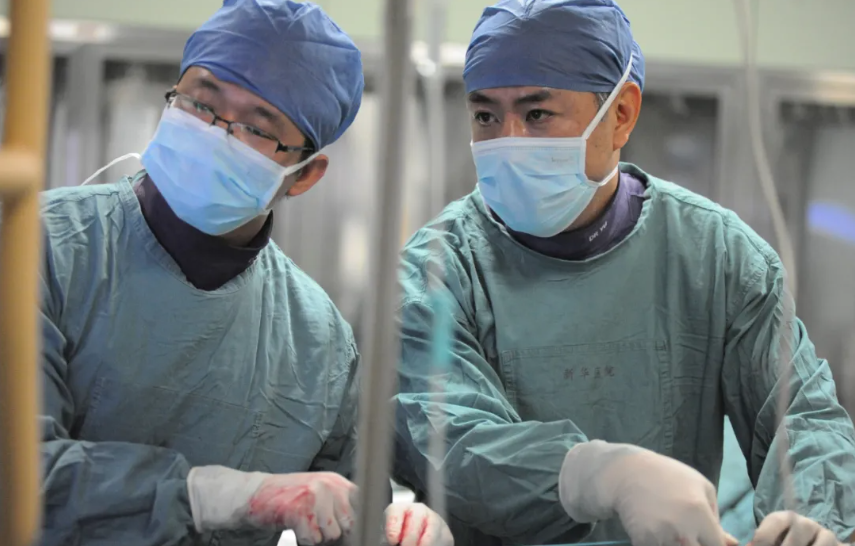
Dr. Chen Sun | Newborn Heart Intervention, and Staying Young Enough to Be Moved
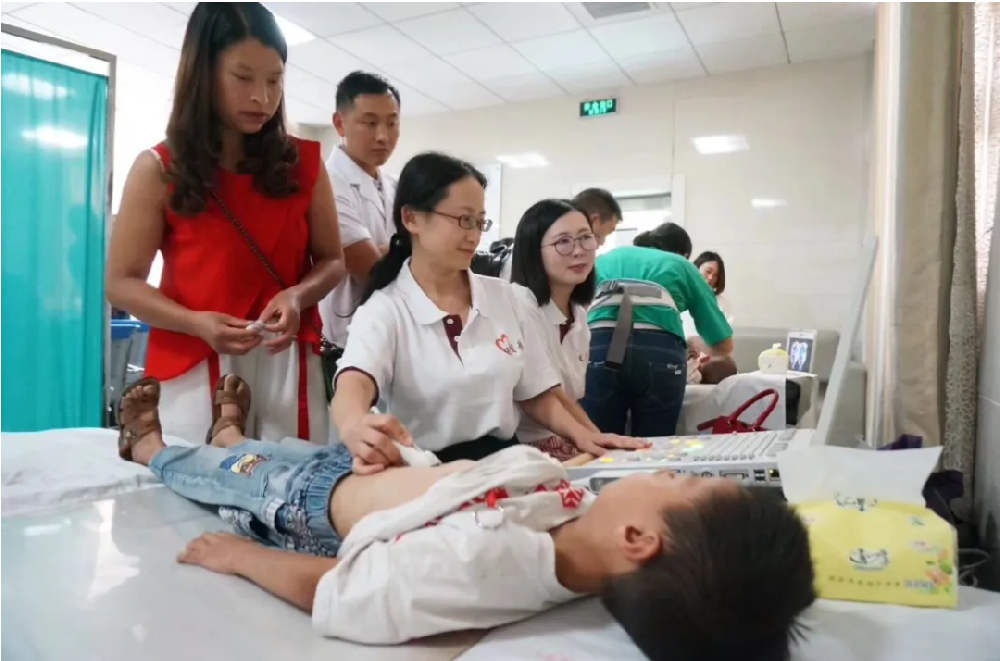
Dr. Wu Yurong | Fetal Echocardiography, and Kindness as Part of the Job
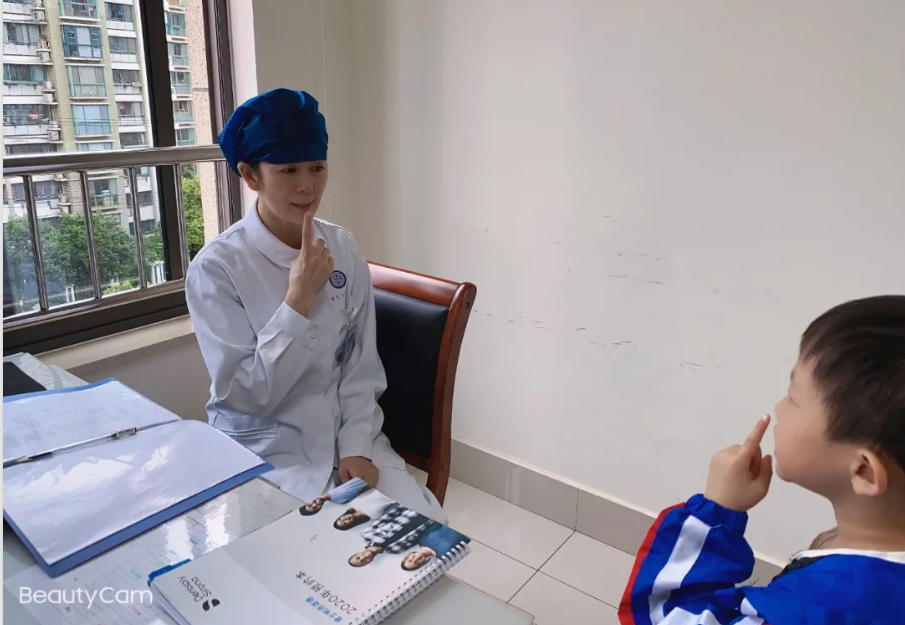
Jiang Liping | Speech Therapy, and the Lamp She Carries
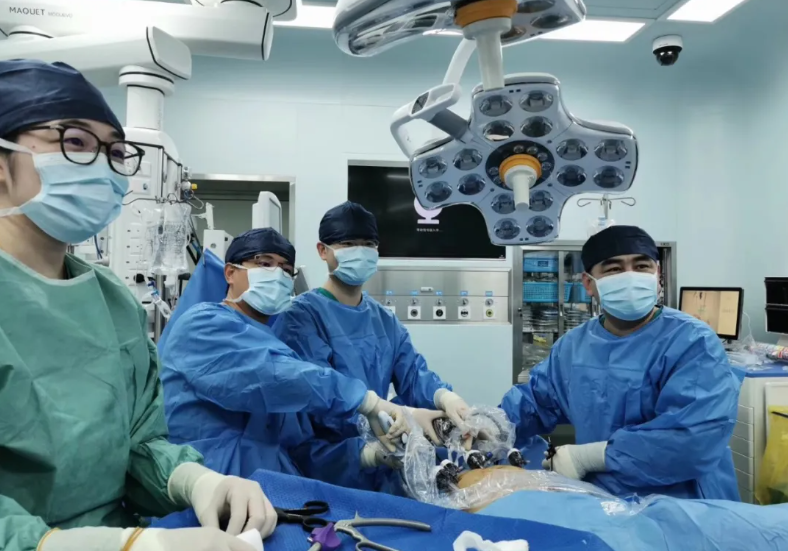
Dr. Li Dawei | Sphincter-Saving Surgery, and the Operation That Fits the Patient
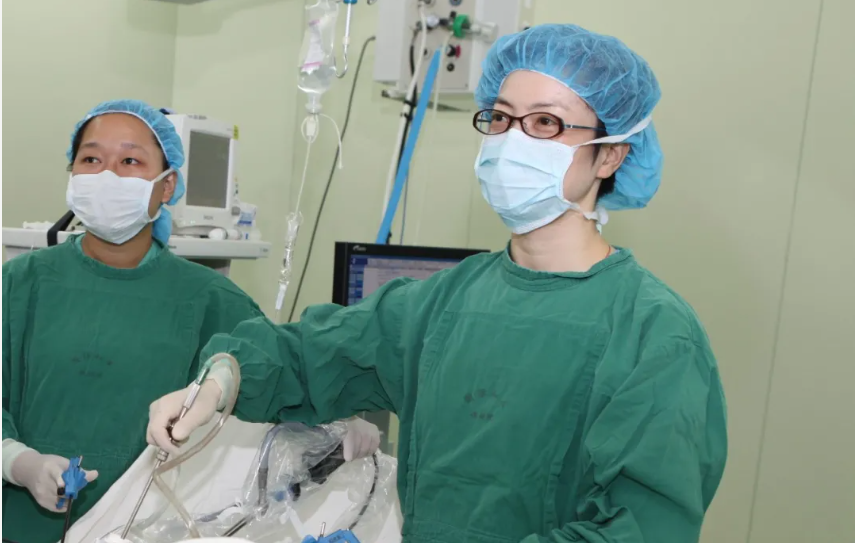
Dr. Zhang Jian | Laparoscopy, and the Hearth Fires of Ordinary Life

Dr.Sun Jing | Fertility-Sparing Surgery, and a Future Already Here
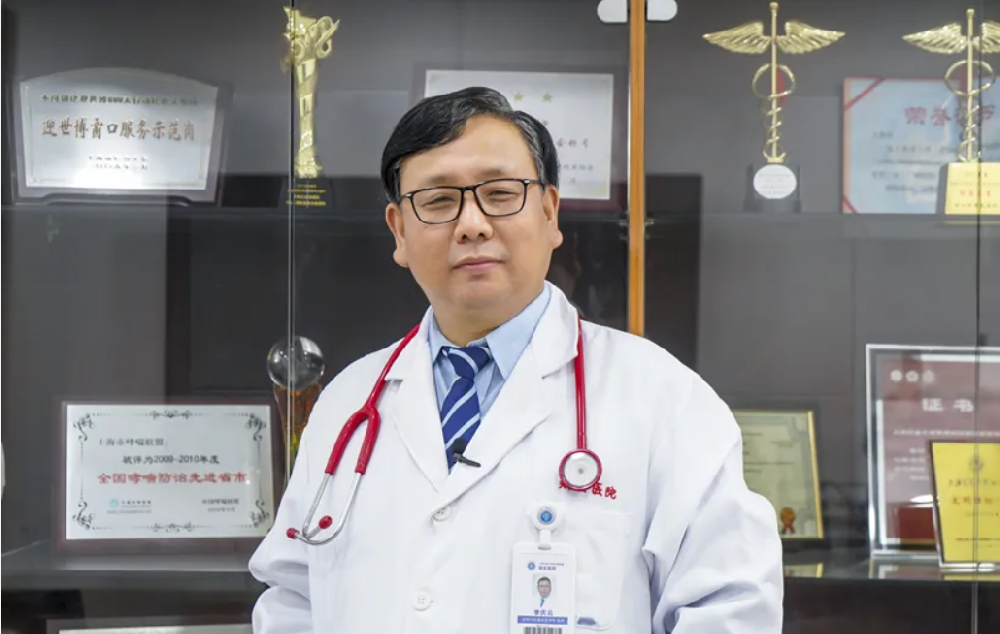
Dr. Li Qingyun | Sleep Apnea, and Illness Removed Without a Sound
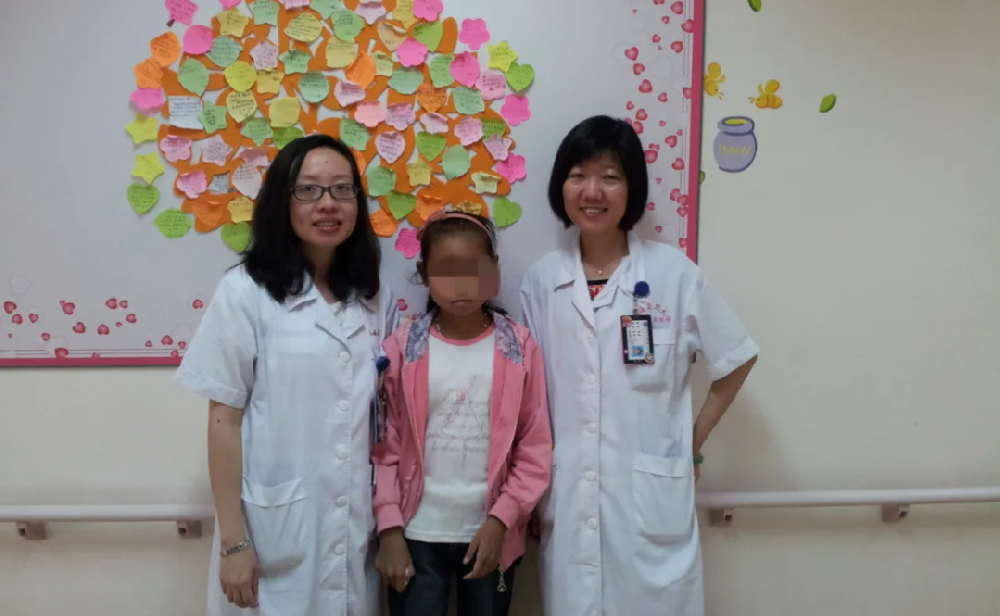
Dr. Shen Qian | Children’s Kidneys, Lucid and Gentle
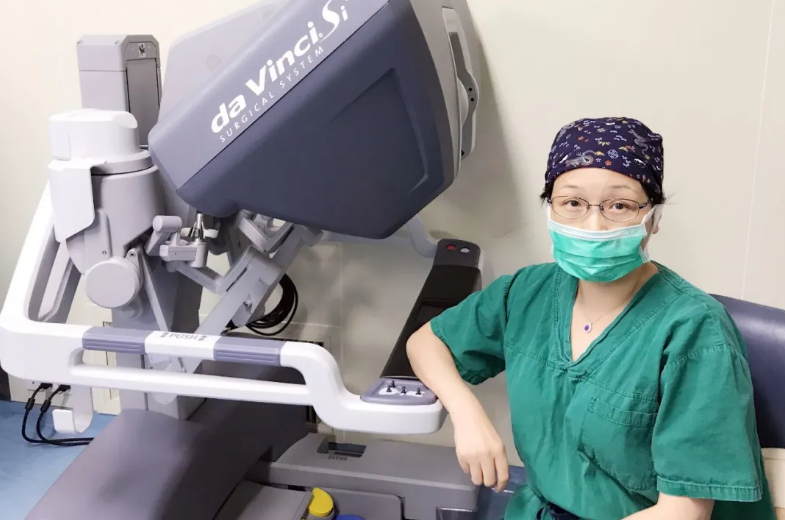
Dr. Zhu Zhiling | Gynecologic Surgery, and a Line She Would Not Cross
Copyright © 2023 Yewen Renyi & ShanghaiDoctor.cn (This website is a non - profit medical humanities platform. The information contained herein is solely for biographical and historical purposes and does not constitute any medical advice.) 沪ICP备2023005392号-2 XML 沪公网安备31010902100835号
 中文
中文 English
 Español
 沪公网安备31010902100835号