ShanghaiDoctor - Where China's Healing Wisdom Shapes Modern Medicine

Update time:2026-09-02Visits:1980
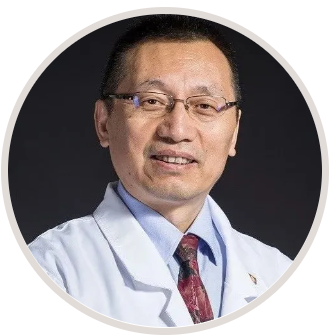
“Radiologists are doctors among doctors. They use what the image hides—and what the clinic already knows—to reconstruct how a disease began and where it is going.”
— Shi Hongcheng
Shi Hongcheng is Chief Physician, Professor, and Doctoral Supervisor, and Director of Nuclear Medicine at Zhongshan Hospital of Fudan University. He also directs the Fudan University Institute of Nuclear Medicine and serves as deputy director of the Shanghai Institute of Imaging Medicine. Born in Fushun, Liaoning, in 1964, he trained first in diagnostic radiology and later in nuclear medicine—a dual foundation that still shapes how he reads hybrid scans.
His clinical work covers SPECT/CT, PET/CT, and PET/MRI, the comparison of nuclear images with CT and MRI, cardiac nuclear imaging, and radionuclide therapy for hyperthyroidism, differentiated thyroid cancer, and painful bone metastases. He is president-elect of the Nuclear Medicine Branch of the Chinese Medical Association and has chaired the Shanghai nuclear-medicine society. He is an honorary Fellow of the American College of Nuclear Medicine and has received a distinguished-contribution award from the leadership of the Society of Nuclear Medicine and Molecular Imaging (SNMMI).
Under his leadership the Zhongshan department grew from a small unit with a single aging SPECT camera into a service with PET, SPECT, radionuclide-therapy, and molecular-probe centers. The team has published operational standards for SPECT/CT and evidence-based interpretation protocols for PET/CT, helped validate domestically built PET/MRI and total-body PET/CT systems, and built a quality-management framework that later received a Shanghai Quality Gold Award. He has edited several monographs, contributed to national textbooks and practice standards, and published widely in the field.
A one-year visiting period at Emory University Hospital in 2004–2005, focused on cardiac nuclear medicine, PET/CT, and radionuclide therapy, is the only extended overseas training in his career.
Shi did not fall in love with imaging at once. What kept him in the specialty was a temperament that could move from resistance to acceptance and then to genuine interest. Teachers had told him that an imaging doctor must know medicine first, then use the hidden information in a film to reconstruct the life of a disease. Those words stayed with him.
After graduation he spent three years in the radiology department of the Fushun Aluminum Factory Staff Hospital, serving more than twenty thousand workers and their families. The disease mix was narrow; there were only two X-ray machines; little of what he had learned in school could be used. The hospital would not release him for graduate study. A transfer to Fushun Mining Bureau General Hospital—the city’s largest tertiary center—brought volume and pace, but the work still felt like routine. Nationwide, medical imaging offered fewer than ten graduate places a year. In 1991 he took one of them, entering Suzhou Medical College under Professor Qian Minghui, a leading Chinese radiologist. It was his first long journey south.
The master’s years mixed theory with CT-room work. His research was the imaging of degenerative lumbar-disc disease. CT was already standard; MRI was just arriving. He returned to Fushun after the degree to care for his father. As the only imaging graduate in the city he was put in charge of a newly purchased MRI scanner. Early ischemic brain lesions that CT missed were visible at once. He became, locally, a figure of some celebrity—honors included a city award for young scientific talent—and declined to be carried away by it.
In 1998 he left that comfortable standing and entered a doctoral program at Shanghai Medical University. Friends did not understand why. He wanted the frontier, not a reputation already earned. Assigned not to radiology but to nuclear medicine—a field then poorly understood, with limited clinical reach—he was past thirty, far from home, and unable to follow the local dialect. The old feeling of a dead end returned. He thought of going back to Fushun. Adaptability saved him again. He decided to keep both radiology and nuclear medicine in play and look for the crossing between them.
After a year of theory he spent two years at Zhongshan Hospital. The nuclear-medicine department was small, with one outdated SPECT machine, few patients, little clinical standing, and most of its work in laboratory assays. Public unease about anything “nuclear” made collaboration harder. He stayed.
A year at Emory sharpened his sense of indications, standards, and how to explain the specialty to other clinicians. In 2006, a year after returning, he became department director. The first task was not a grand redesign. It was to make the single camera useful. He spent six months with hematology using coincidence imaging to judge lymphoma response. He spent nearly a year building a quality-assurance system so those assessments would be credible. For two years the whole department walked the corridors of other services—endocrinology, orthopedics, urology—repeating a simple claim: we can do this, and we can do it well.
Trust arrived slowly, then equipment followed. A new SPECT/CT came in 2009; PET/CT after that; PET/MRI for clinical validation in 2017; in 2019 a domestically built total-body dynamic PET/CT. Because he could read both nuclear and anatomical images, he pushed each machine past the brochure. The team’s SPECT/CT and PET/CT manuals were drawn largely from their own cases rather than from imported citations. Device-validation work with United Imaging produced patents and an expert consensus on PET/MRI workflow. Papers on total-body PET/CT appeared in leading journals within a year of installation.
The department’s working rule is blunt: being able to do a scan and being able to do it well are different things. Each step of the pathway—history, glucose check, injection, rest, acquisition, processing, report—has an owner. When clinicians send a patient, the team gathers more history than some wards do and writes a personalized protocol. Shi also led a multidisciplinary group for the comprehensive management of bone metastases. Knowledge, he says, should move in both directions: outward to the clinicians who use the reports, and back again as new clinical questions.
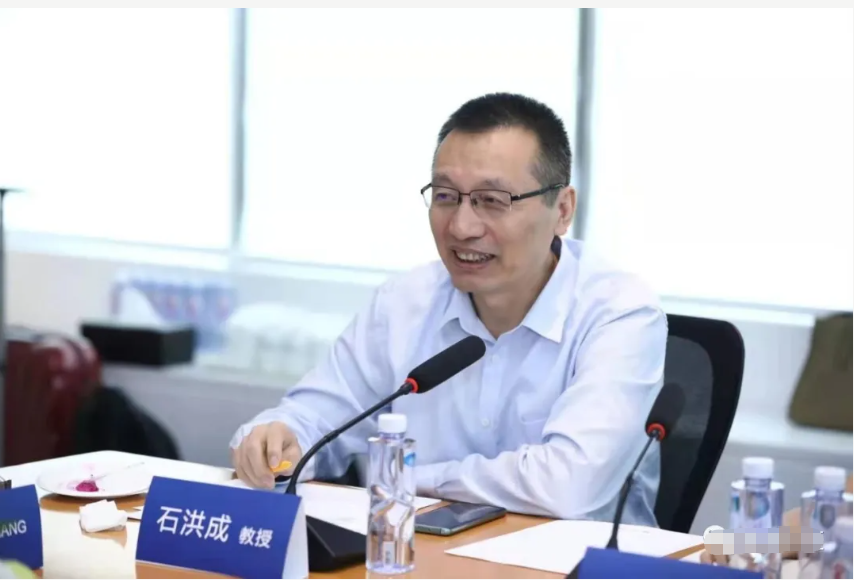
Nuclear medicine injects a trace radiopharmaceutical that seeks a target; the rays it emits become a map of function. Combined with CT or MRI in the same gantry, the study shows both what a tissue is doing and where it sits. Twenty years ago that sentence would have sounded abstract in many Chinese hospitals. Today the same department runs tumor, inflammation, neurologic, and cardiac PET studies, conventional SPECT work, and a radionuclide-therapy ward. The growth that matters to Shi is not only square meters and machines. It is young first authors on European papers, trainees speaking at the American annual meeting, and a continuing-education lecture he himself was asked to give there two years running.
He likes the image of a tree that takes root in poor soil. Do the work in front of you, he says, and do not keep asking the future for a guarantee. A promise, once made, is a debt that a mountain should not be allowed to block.

ShanghaiDoctor.cn: When you worked at the Fushun Aluminum Plant Staff Hospital and the Fushun Mining Bureau General Hospital, did you feel a sense of accomplishment?
Shi Hongcheng: Regardless of the conditions, each stage has its own kind of accomplishment. I could turn what I had studied into practical skill, serve people, and ease some suffering—that was deeply fulfilling. Imaging standards were low then. Completing certain diagnoses with rudimentary methods left me feeling rather proud of myself.
ShanghaiDoctor.cn: Your department now has about fifty-five people. How does the team usually work together?
Shi Hongcheng: Nuclear-medicine procedures have their own sequence. A doctor receives the patient, takes the history, and draws up a personalized acquisition plan. A nurse checks blood glucose, gives the injection, and lets the patient rest. A technologist positions the patient, acquires and processes the images, and sends them for interpretation. We specify who owns each step. Every person is an indispensable part of the chain. One person’s conscientiousness is the greatest support they can offer the colleague who handles the next step.
ShanghaiDoctor.cn: What is your management approach?
Shi Hongcheng: Everyone’s ultimate goal is the patient’s health. The part must serve the whole, and the individual must serve the department. Every matter has to be handled with the department’s best interests in mind.
ShanghaiDoctor.cn: In 2020, what were you most satisfied with about yourself?
Shi Hongcheng: What gratified me most was that the Zhongshan nuclear-medicine team grew richer in substance. We published, or had accepted, a series of six papers in Europe’s leading nuclear-medicine journal—one of them invited. The first authors were all young members of the department. That told me the team-building was beginning to work. Young colleagues also presented at the American nuclear-medicine annual meeting. I myself was invited two years running to give a thirty-minute continuing-education lecture there. At the Japanese annual meeting I was asked to deliver a one-hour plenary keynote—the first time that conference had extended such an invitation to a Chinese scholar. The honor belongs to the department, to Zhongshan, and to colleagues across Chinese nuclear medicine.
ShanghaiDoctor.cn: When you were young you drew inspiration from Lei Feng, a well-known Chinese symbol of selfless public service. Decades later, what does that spirit mean to you as a physician?
Shi Hongcheng: I believe it is simply the most concrete practice of serving patients wholeheartedly. That does not go out of date.
From two X-ray rooms in an aluminum-factory hospital to an MRI that made him a local name, from a doctoral assignment he did not choose to a department that once owned a single tired scanner, Shi Hongcheng’s career is a study in taking root. Nuclear medicine needed someone who could wait out suspicion, teach other specialties what a functional image is for, and refuse to treat “good enough” as the same as “good.” The tree image he likes is not a slogan about destiny. It is a working method: find water, find light, and grow where you have been planted.
Dr. Lu Yanan | Pediatric Heart Surgery, and Feeling Another’s Pain as One’s Own
Dr. Chen Sun | Newborn Heart Intervention, and Staying Young Enough to Be Moved
Dr. Wu Yurong | Fetal Echocardiography, and Kindness as Part of the Job
Dr. Li Dawei | Sphincter-Saving Surgery, and the Operation That Fits the Patient
Dr. Zhang Jian | Laparoscopy, and the Hearth Fires of Ordinary Life
Dr.Sun Jing | Fertility-Sparing Surgery, and a Future Already Here
Dr. Li Qingyun | Sleep Apnea, and Illness Removed Without a Sound
Dr. Zhu Zhiling | Gynecologic Surgery, and a Line She Would Not Cross
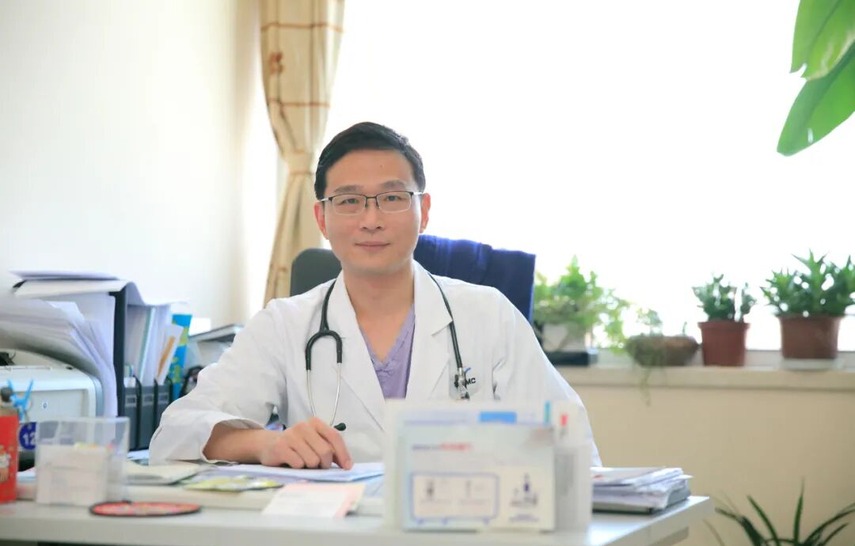
Dr. Lu Yanan | Pediatric Heart Surgery, and Feeling Another’s Pain as One’s Own
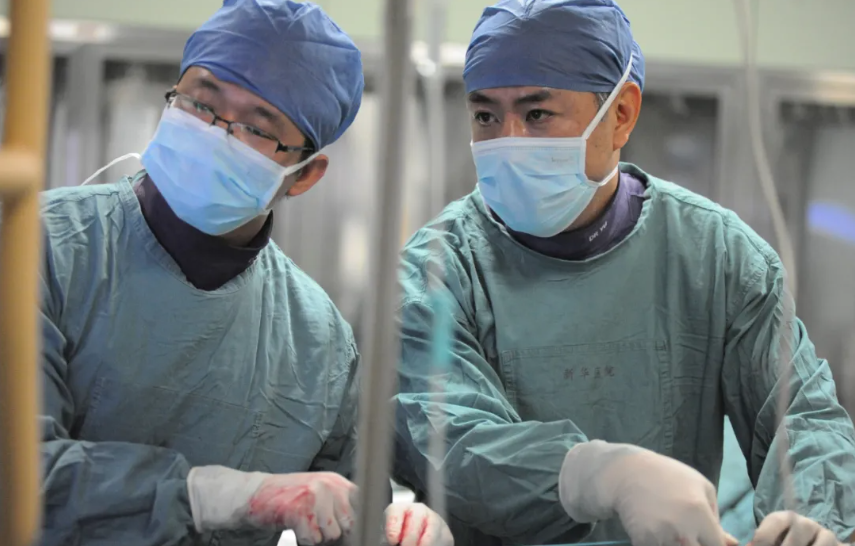
Dr. Chen Sun | Newborn Heart Intervention, and Staying Young Enough to Be Moved
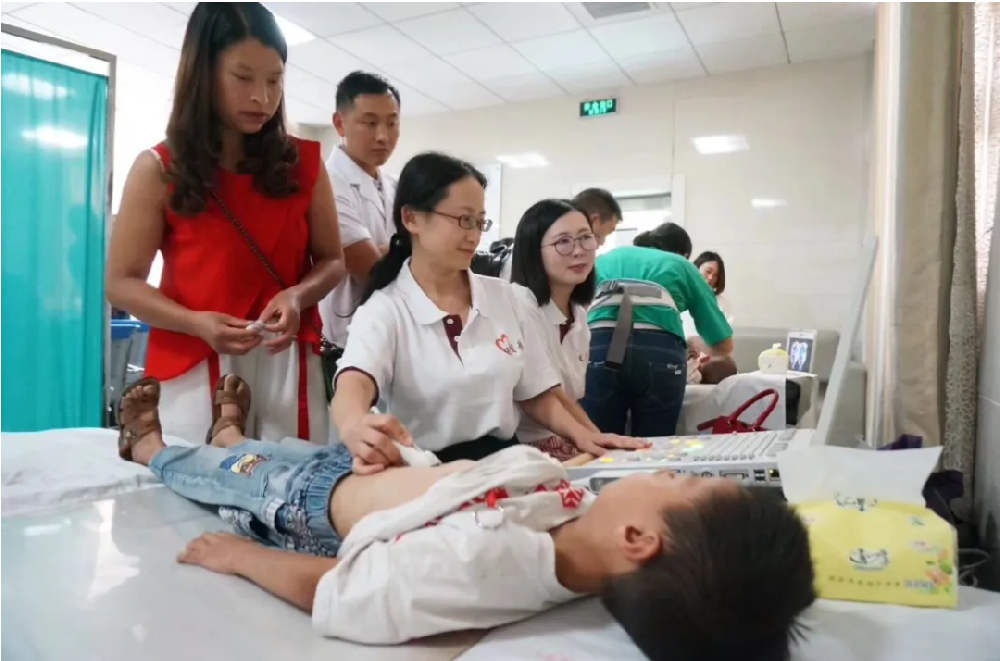
Dr. Wu Yurong | Fetal Echocardiography, and Kindness as Part of the Job
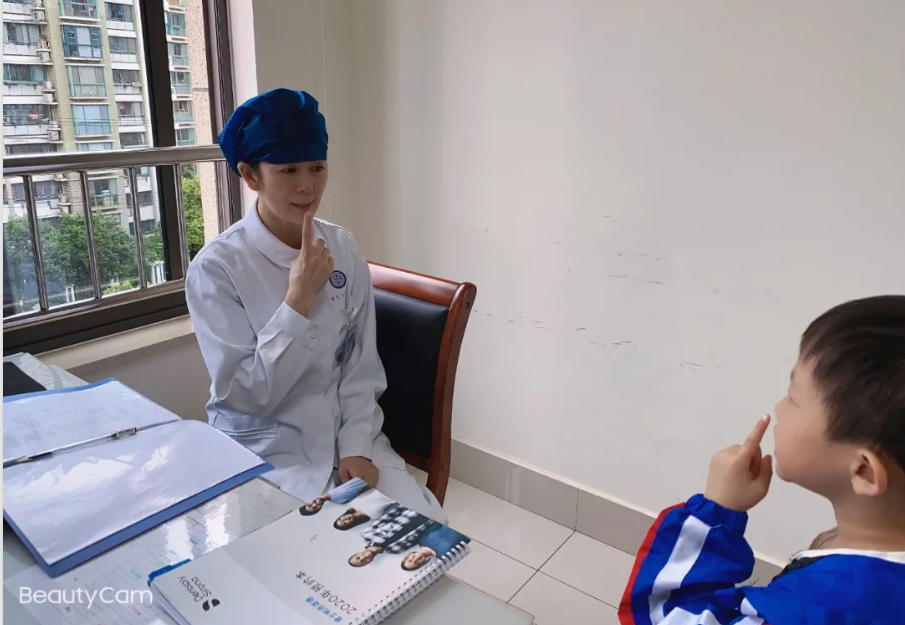
Jiang Liping | Speech Therapy, and the Lamp She Carries
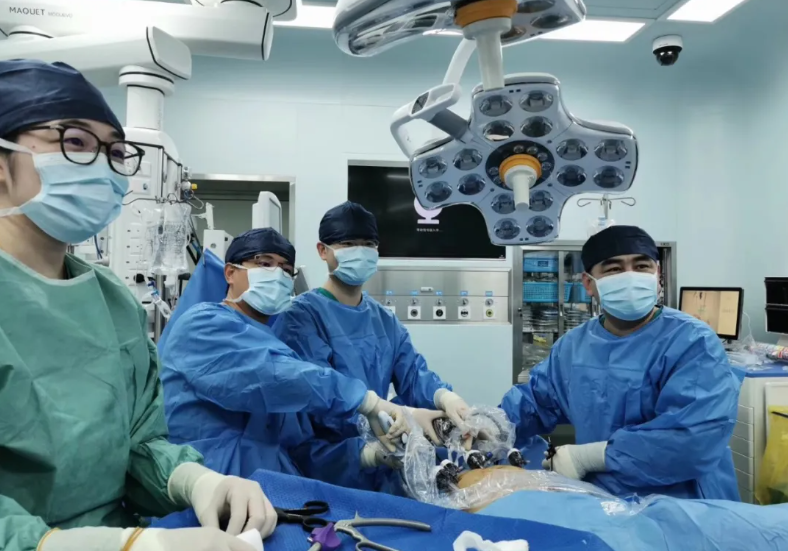
Dr. Li Dawei | Sphincter-Saving Surgery, and the Operation That Fits the Patient
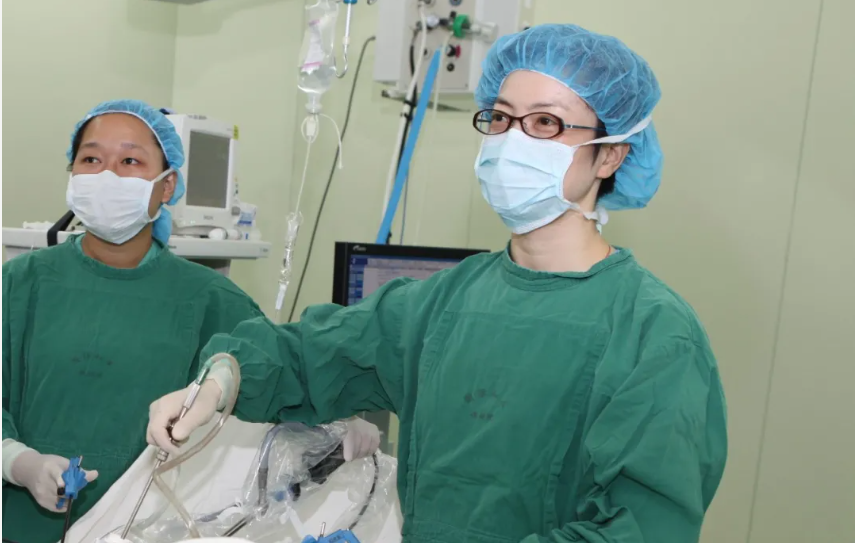
Dr. Zhang Jian | Laparoscopy, and the Hearth Fires of Ordinary Life
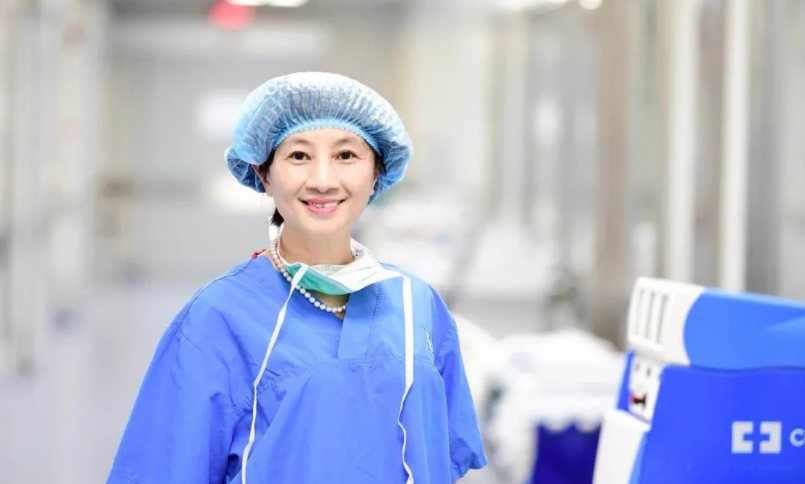
Dr.Sun Jing | Fertility-Sparing Surgery, and a Future Already Here
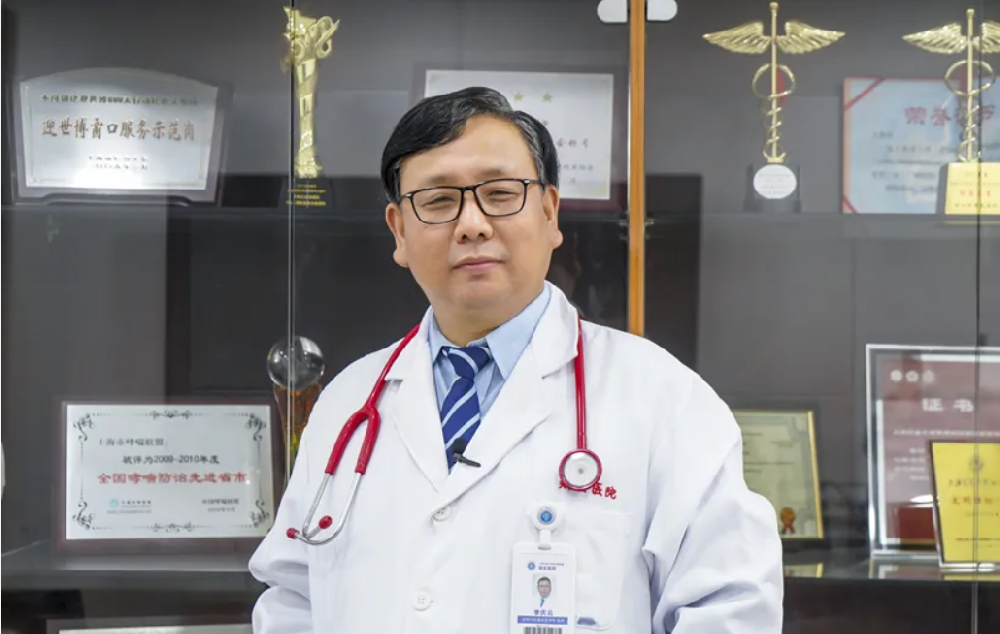
Dr. Li Qingyun | Sleep Apnea, and Illness Removed Without a Sound
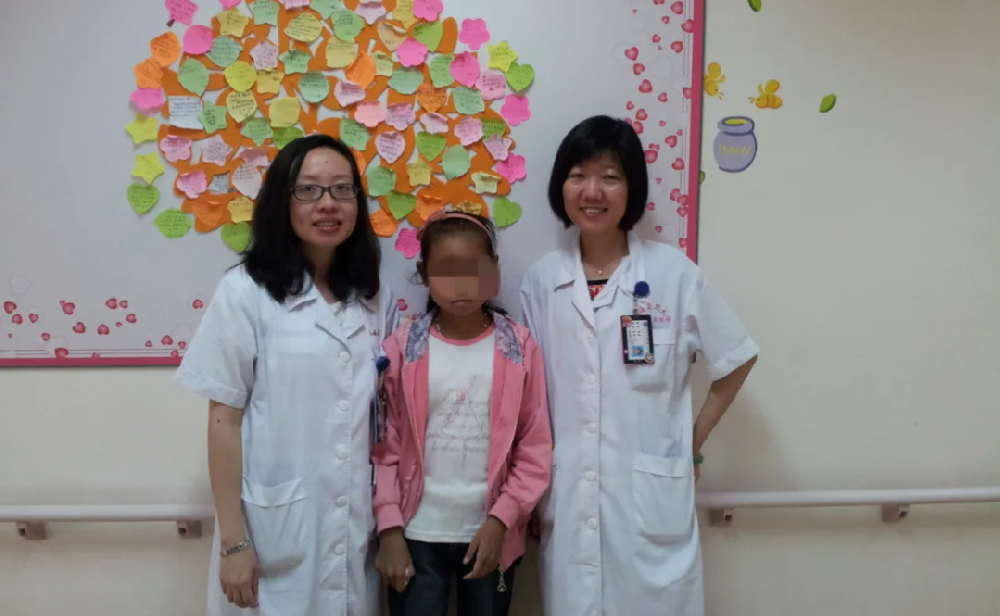
Dr. Shen Qian | Children’s Kidneys, Lucid and Gentle
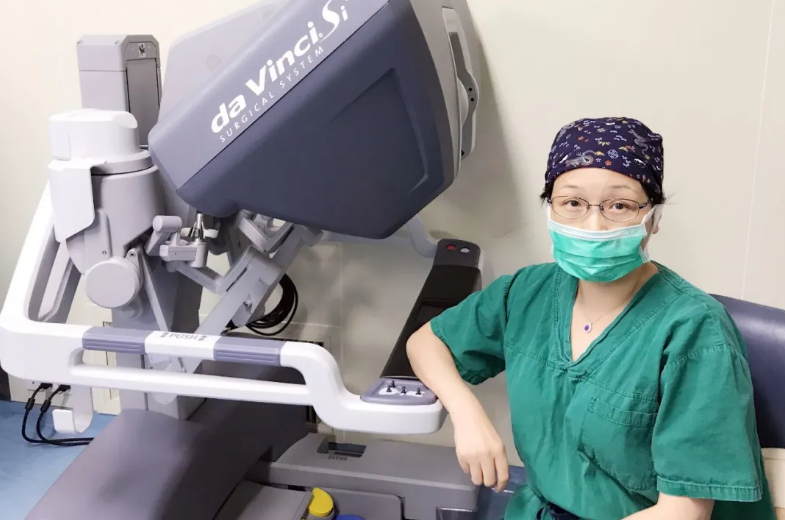
Dr. Zhu Zhiling | Gynecologic Surgery, and a Line She Would Not Cross
Copyright © 2023 Yewen Renyi & ShanghaiDoctor.cn (This website is a non - profit medical humanities platform. The information contained herein is solely for biographical and historical purposes and does not constitute any medical advice.) 沪ICP备2023005392号-2 XML 沪公网安备31010902100835号
 中文
中文 English
 Español
 沪公网安备31010902100835号