ShanghaiDoctor - Where China's Healing Wisdom Shapes Modern Medicine

Update time:2026-03-23Visits:3492
A creeping numbness and weakness, like an incoming tide, had spread from his fingertips to his entire arms. This was more than mere clumsiness; it was a dangerous warning sign. His spinal cord was being crushed by a silently growing "stone."
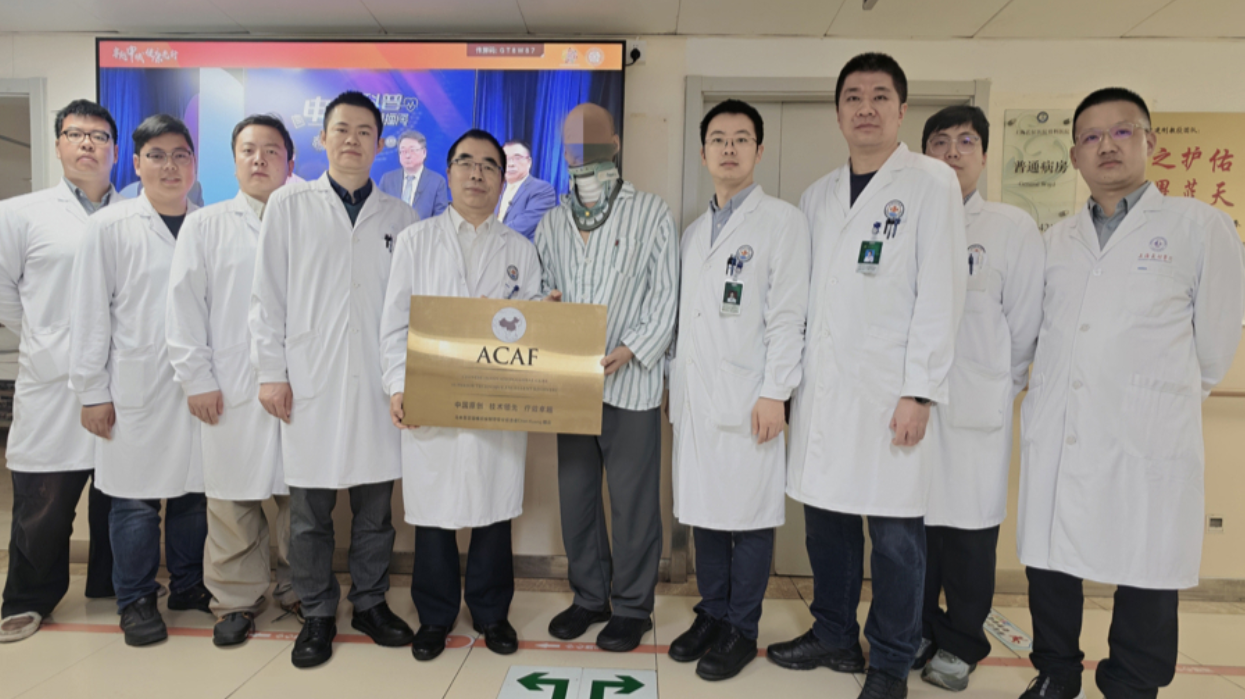
Without intervention, he faced the prospect of total paralysis. In Shanghai, however, an innovative technology developed by a team at the Second Affiliated Hospital of Naval Medical University (Shanghai Changzheng Hospital) offered him new hope.
The Spinal "Stone" and a High-Stakes Gamble
Mr. Chan was diagnosed with cervical Ossification of the Posterior Longitudinal Ligament (OPLL). Doctors explained that the soft, protective ligament in his cervical spine had, over time, hardened into bone. This ossified bar, like a rock, was encroaching from the front of his spinal canal, compressing his cord until less than 10% of the space remained.
In spinal surgery circles, this condition is notoriously difficult. The traditional approach is a "workaround": surgeons operate from the back of the neck to indirectly enlarge the canal, hoping the cord will drift backward away from the anterior pressure. For severe cases like Mr. Chan’s, however, this is akin to having a boulder blocking your front door and trying to solve the problem by moving the house instead of the rock. The result is often inadequate relief, and the forced displacement of the cord can itself cause damage.
His local doctors were candid: surgery was possible, but the outcome was uncertain and the risk of recurrence high.
This prognosis left Mr. Chan in despair. Was he simply to wait for paralysis to take hold?
A "Mountain-Moving" Solution from Shanghai
The turning point came from a Malaysian doctor, Aaron Tan. Having taken part in medical exchanges in China, he was familiar with an original "mountain-moving" technique pioneered by Chinese surgeons.
"Go to Shanghai," Dr. Tan advised. "Find Professor Shi Jiangang at Changzheng Hospital. He may be able to solve your problem." Clinging to this final thread of hope, Mr. Chan travelled to Shanghai. By then, his condition was worsening; not only were his hands useless, but his gait had become unsteady.
Professor Shi Jiangang’s team, upon accepting his case, moved swiftly. Their assessment revealed a complex situation: long segments of ossification, severe canal occupancy, and bone as hard as rock. Yet, Professor Shi offered reassurance. "We will not take a detour, nor will we risk chipping haphazardly at that stone," he said. "Our plan is to move the entire obstruction away to create space for your spinal cord."
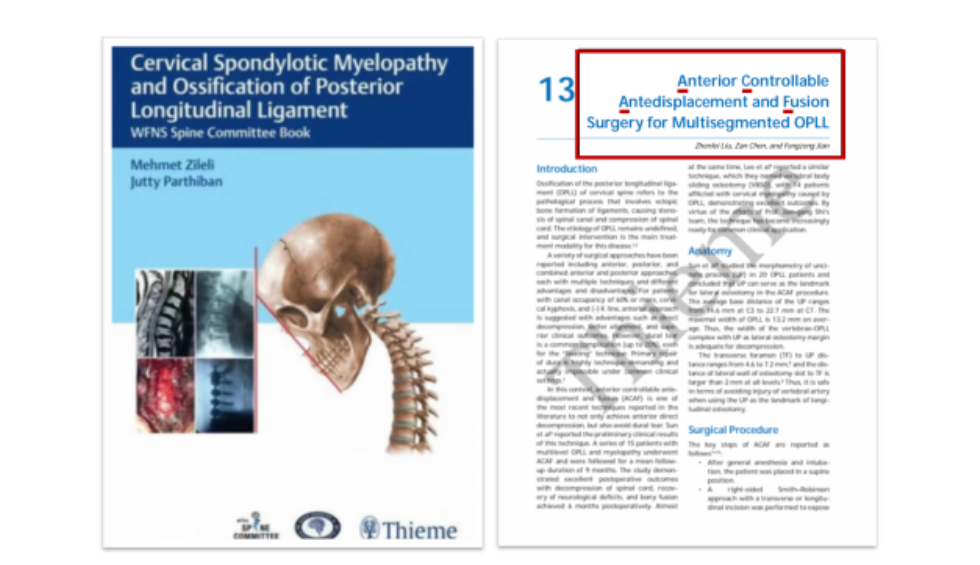
The method Professor Shi referred to is the original Anterior Controllable Antedisplacement and Fusion (ACAF) technique—a pioneering technology independently developed by his team.
Faced with this spinal cord "boulder," the traditional surgical approach of "chiselling it away" carries extreme risk, where the slightest error could have catastrophic consequences. The brilliance of the ACAF technique is that it avoids a direct confrontation with the stubborn mass. Instead, the structure is moved forward intact, along with its "foundation"—the vertebral body.
It is akin to relocating an entire mountain to clear the riverbed it occupied, allowing the "river" of the spinal cord behind it to flow freely. Throughout the entire procedure, the severely compressed spinal cord is never directly disturbed, yet the most thorough and safest form of "in-situ decompression" is achieved.
To ensure absolute safety, the team also developed a "combination punch" plan for Mr. Chan. This incorporated the more refined "Bird's Nest Technique" and endoscopic assistance, guaranteeing surgical precision down to the millimetre.
A Four-Hour "Mountain Move" and a "Rebirth" for His Hands
The surgery was performed by Professor Sun Jingchuan under the全程 guidance of Professor Shi Jiangang. Over four hours later, this intricate engineering feat was successfully completed.
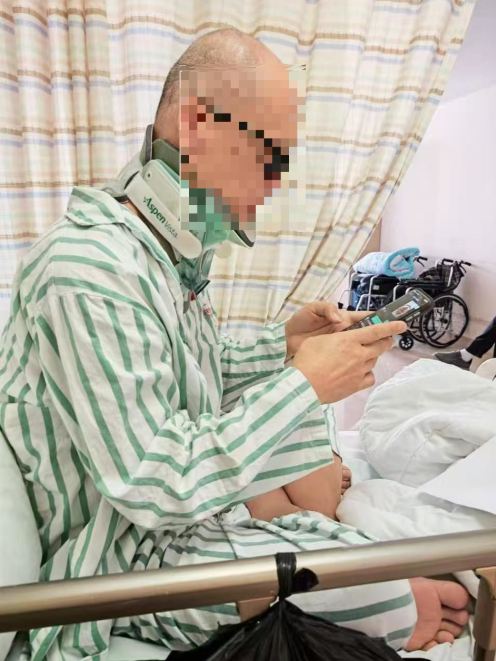
Upon waking from anaesthesia, Mr. Chan moved his fingers instinctively. An immense joy surged through him—the persistent numbness was gone. His fingers could move.
Postoperative MRI scans clearly showed the compressive "boulder" had been shifted forward as a whole. The spinal cord was successfully "liberated," regaining its natural,舒展 form.
By the fourth day after surgery, he was already out of bed and walking steadily. His once "malfunctioning" hands also regained their strength and fine motor control.
When Mr. Chan sent his postoperative scans back to Malaysia, his doctor, Aaron Tan, could not help but give a thumbs up: "This is a textbook-level surgery."
On the day of his discharge, Mr. Chan grasped Professor Shi Jiangang's hand firmly. Those hands, which had nearly lost their function, were now full of strength. "Thank you to the Chinese doctors," he said. "They have given me hope again."
Groundbreaking Diagnosis: Shanghai Medical Team Identifies Ultra-Rare Bone Disorder
Foreign travelers can get service from Shanghai’s community hospital from now on
Shanghai Team Performs First ABO-Incompatible Heart Transplant on Infant
Shanghai Medical Pilot Realizes “Walking Dream” for Bulgarian Girl with Cerebral Palsy
A Shanghai Doctor Uses Ultrasound to “Wake Up” Mother's Alzheimer's
Shanghai Medical Trio Stages High-Altitude Rescue on Flight from Xinjiang
Shanghai Children’s Hospital Uses Remote MDT to Diagnose Rare CIPA
Dr. Gu Leyi | Shanghai Renji Hospital’s Blood Purification Center Earns Landmark International Certification
Groundbreaking Diagnosis: Shanghai Medical Team Identifies Ultra-Rare Bone Disorder
Foreign travelers can get service from Shanghai’s community hospital from now on
Shanghai Team Performs First ABO-Incompatible Heart Transplant on Infant
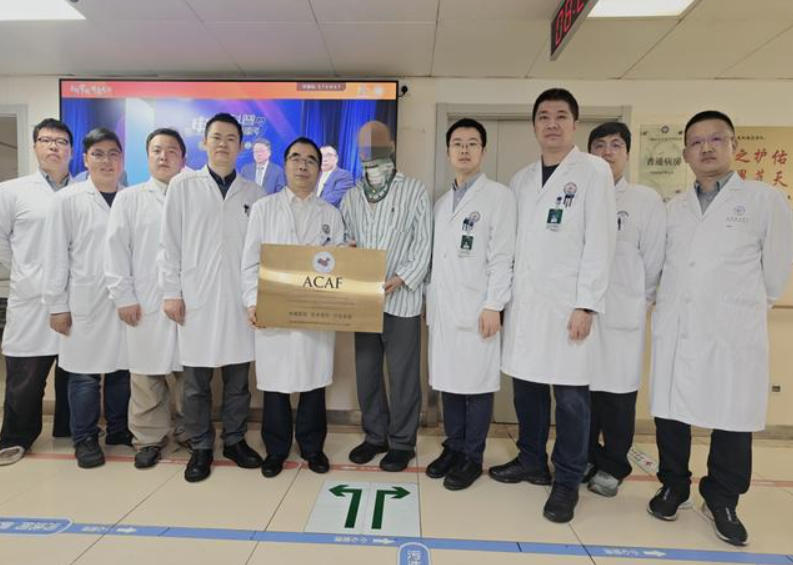
For 54-year-old Malaysian Chinese businessman Mr. Chan, the last three months had been profoundly unsettling. His own hands no longer felt like his own. Simple, everyday acts—fastening a shirt button, holding chopsticks, gripping a pen—had become monumental challenges.
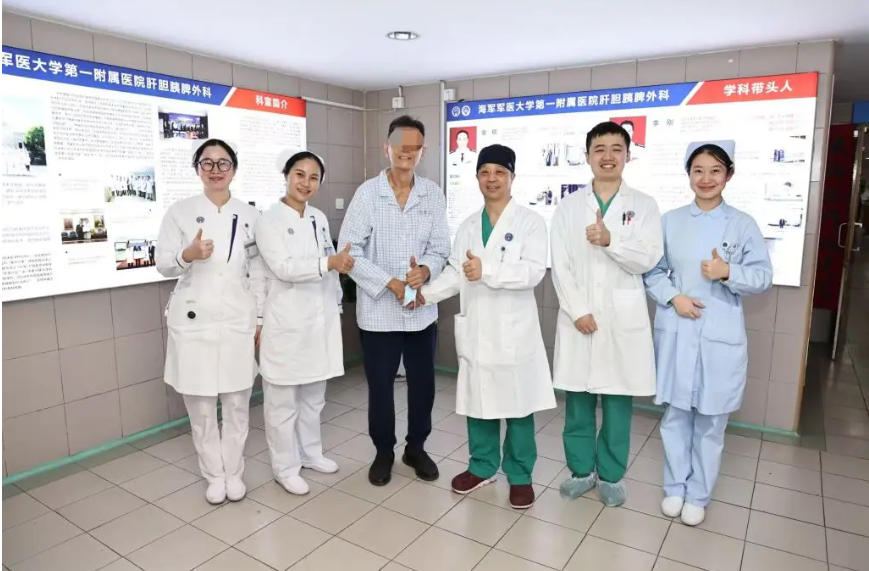
An overseas Chinese was treated from Shanghai Changhai Hospital with successful removal of a pancreatic tumor.
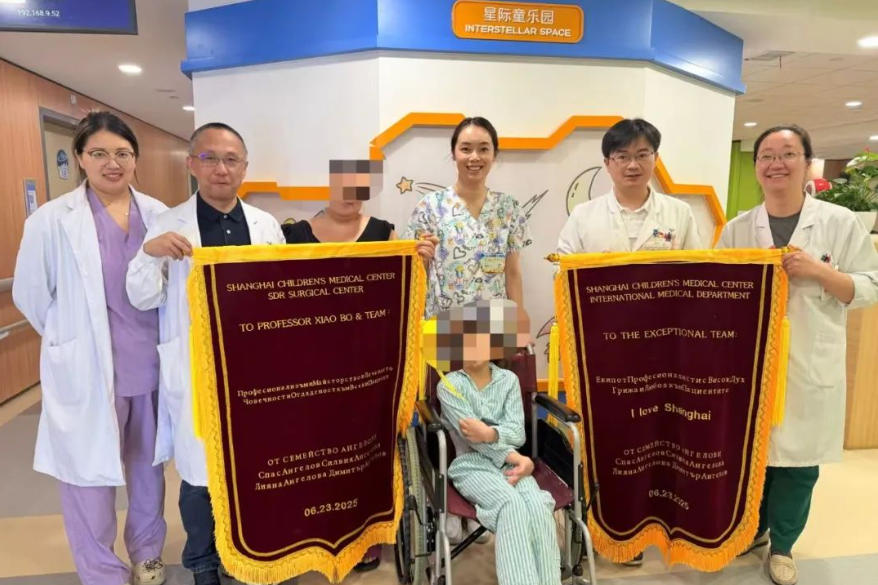
Shanghai Medical Pilot Realizes “Walking Dream” for Bulgarian Girl with Cerebral Palsy
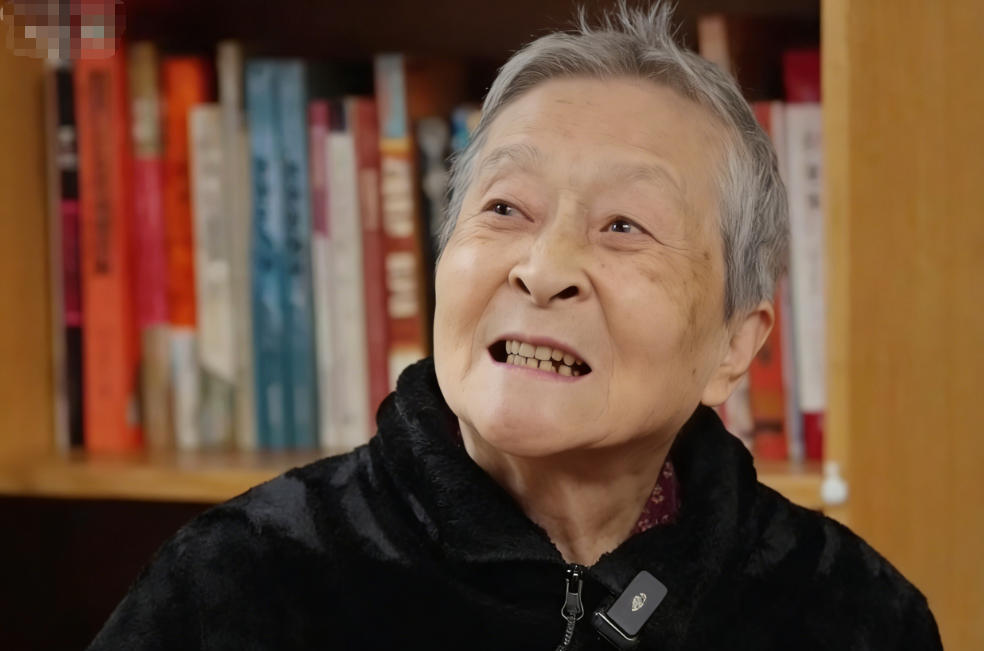
A Shanghai Doctor Uses Ultrasound to “Wake Up” Mother's Alzheimer's

Shanghai Medical Trio Stages High-Altitude Rescue on Flight from Xinjiang
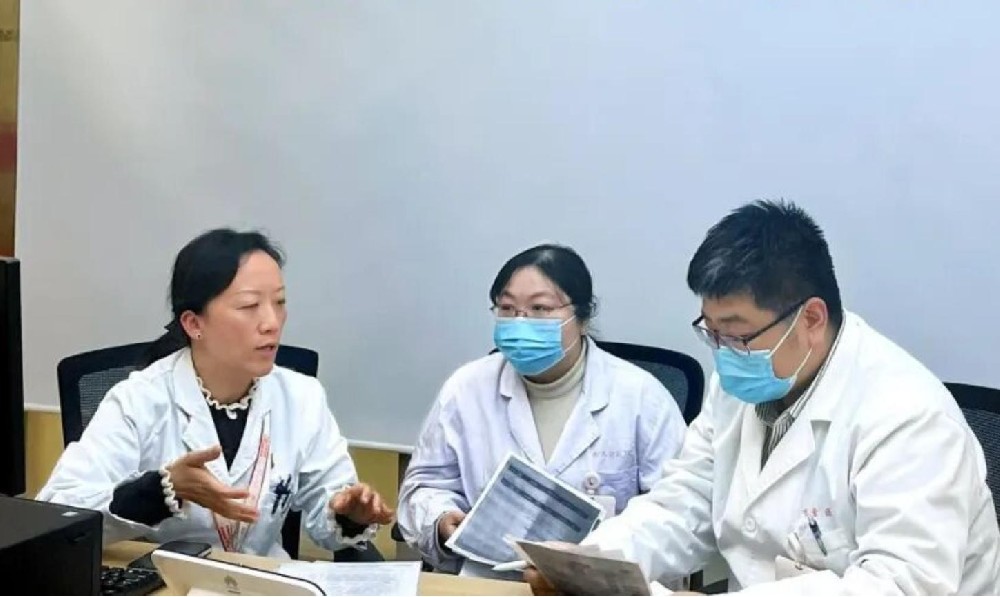
Shanghai Children’s Hospital Uses Remote MDT to Diagnose Rare CIPA
Copyright © 2023 Yewen Renyi & ShanghaiDoctor.cn (This website is a non - profit medical humanities platform. The information contained herein is solely for biographical and historical purposes and does not constitute any medical advice.) 沪ICP备2023005392号-2 XML 沪公网安备31010902100835号
 中文
中文 English
 Español
 沪公网安备31010902100835号