ShanghaiDoctor - Where China's Healing Wisdom Shapes Modern Medicine

Update time:2025-12-29Visits:4989
Dr. Shi Hongyu

Introduction to the Character
Dr. Shi Hongyu, Chief Physician and Administrative Director of the Department of Cardiology at Wu Song Hospital (Fudan University Affiliated Zhongshan Hospital) in Baoshan District, Shanghai, is a prominent expert in the field of cardiology. He holds several important positions, including expert in on-site review and undercover investigation for the Chinese Chest Pain Center, Vice Director of the Quality Control Center of the Chinese Chest Pain Center, Youth Committee Member of the Chest Pain Branch of the Chinese Medical Promotion Association, and a member of the Long Triangle Cardiovascular Critical Care Alliance. He also serves as a member of the Cardiovascular Disease Branch of the Shanghai Medical Association and the Chinese Microcirculation Society's Translational Medicine Committee, among others. Dr. Shi is a reviewer for several prestigious journals, including European Heart Journal (Chinese Edition), Shanghai Medicine, and Chinese Clinical Medicine (Electronic Version).
Dr. Shi graduated from the Clinical Medicine Department of Fudan University Shanghai Medical College in 2000 and pursued postgraduate studies in cardiology under the guidance of Academician Ge Junbo at Zhongshan Hospital from 2001 to 2006. After earning his PhD, he worked at the Department of Cardiology at the Shanghai Chest Hospital. Dr. Shi has been fortunate to receive advanced training in coronary intervention and clinical research in Singapore, Japan, and Australia.
Specializing in coronary artery disease and atherosclerosis research, Dr. Shi has published over 50 SCI articles, with more than 10 as the first or corresponding author. He has led and participated in several significant projects funded by the Shanghai Municipal Health Bureau, including multiple national and city-level research initiatives. He has also delivered oral presentations at the European Society of Cardiology (ESC) Annual Congress and presented research papers at international meetings such as TCT and PCR.
Dr. Shi's clinical expertise is focused on coronary artery interventions, including complex cases such as bifurcation lesions, left main disease, bypass graft lesions, and calcified lesions requiring rotational atherectomy. In recent years, his work has concentrated on chronic total occlusion (CTO) lesions, coronary imaging, and functional assessment, including IVUS, OCT, and pressure wire techniques. Dr. Shi has successfully performed over 4,000 coronary interventions to date, with more than 100 CTO procedures annually. He is also pioneering structural heart disease interventions, such as left atrial appendage closure.
The Busy Life of a Cardiologist
Being a doctor means being constantly on the move. Dr. Shi's days are filled with patient rounds, surgeries, research, teaching, and evaluations—all while navigating the heat and hectic pace of summer in Shanghai.
"How's bed 18 doing?"
"Temperature: 36°C, Pulse: 103 bpm, Respiration: 24 breaths/min, BP: 90/60 mmHg. Patient is alert but fatigued, semi-recumbent with cyanosis around the lips. Weakness and coarse breath sounds in the lower lungs, audible rales, heart sounds faint, grade 3 systolic murmur at the aortic valve area, and bilateral lower limb edema (++)."
In the Baoshan District Cardiovascular Disease Treatment Center, we find Dr. Shi, asking about a patient's condition. His dedication to medicine and his philosophy on being a doctor resonate with grace, straightforwardness, and charisma. For him, being a doctor is not just about technical expertise; it's also about embracing the beauty of humanism. This balance is the foundation of his career.
Dr. Shi often shares, “As the Book of Changes says, ‘Heaven moves in strength, and a gentleman strengthens himself constantly; Earth is vast and nurturing, and a gentleman bears it with great virtue.’ This is the pursuit of a doctor.” For him, "Heaven moves" means practicing in alignment with natural laws. "Virtue" refers to the kindness and care we show to our patients. Life’s trajectory inevitably brings pain and hardship, and healing is a process of rebirth. The goal is to guide each patient through this process, using both professional skill and genuine compassion.
Dr. Shi is not only the Administrative Director of Cardiology at Zhongshan Hospital Wu Song Hospital but also a mentor to students, guiding them in their medical journey. Reflecting on the influence of his mentors, he is deeply grateful for the silent care they provided, shaping him into a leader in cardiology. Today, as a mentor, he instills in his team that "every surgery must be of the highest quality."
He believes that life’s goal should not be too grand, that by focusing on a single thing with passion and persistence, one can achieve success. "Every spring will bring its own reward," he says.

The Road to Becoming a Doctor
Dr. Shi was born in Fujian’s Jinjiang, an area known for its beautiful landscapes and rich cultural heritage, often called "the hometown of overseas Chinese." Growing up in a region where the role of doctors and teachers is highly revered, Shī initially had no ambition to become a doctor. His childhood dreams were to become a mathematician or a scientist. However, during his high school years, he witnessed the challenges his family members faced in accessing medical care, which led him to consider medicine as a viable career.
After an excellent performance in the college entrance exams, Dr. Shi chose to study at Shanghai Medical University. There, he found a new sense of purpose in his academic journey. The campus was beautiful, especially the western part of the Fenglin campus, where the towering Kangquan Library stood amidst a vast green lawn. Dr. Shi fondly remembers how, as a student, he would hurry to classes, balancing the academic rigor of medical school with the camaraderie and excitement of learning. Medical school was not just about acquiring knowledge but also about learning human values, as emphasized by his mentor, Academician Gu Yudong. “To be a good doctor, one must possess love, warmth, responsibility, and a spirit of progress,” Academician Gu’s words left a lasting impression on him.
During his internship at Zhongshan Hospital in 1999, Dr. Shi witnessed the life-saving power of coronary intervention when Academician Ge Junbo performed a successful surgery on a patient with a completely blocked coronary artery. That moment deeply inspired him, cementing his decision to become a cardiologist.

After graduation, Dr. Shī began his medical career at Shanghai First People's Hospital's cardiology department. One year later, he successfully passed the entrance exam for a master's degree under Professor Wei Meng at Zhongshan Hospital, eventually becoming a doctoral student under the guidance of Academician Ge Junbo. With each step forward, Dr. Shī followed his mentors’ guidance, and their influence helped him become a leader in the field of cardiology.
He reflects, “Being a cardiologist is like being a surgeon in the eyes of internal medicine doctors and an internist in the eyes of surgeons. We go through countless trials, and in the end, we become like Sun Wukong. While we may not have mastered the abilities of the Great Sage, we must possess sharp adaptability and tireless enthusiasm—always ready to step in when needed.” According to Dr. Shī, cardiologists face many challenges, but overcoming them brings immense satisfaction, especially when a patient’s condition dramatically improves after a complex surgery. “It’s a joy to see a person revived through your efforts; it’s a sense of honor and respect for life,” he says. “I believe every cardiologist experiences this feeling, which comes not only from surgical skills but from respect and care for the patient as a person.”

Fusing Western and Eastern Approaches: A Commitment to Excellence
To continuously improve his skills and the capabilities of his team, Dr. Shī has traveled to many countries and participated in numerous international academic exchanges. He values every opportunity to learn and refine his expertise. These trips have allowed him to observe and learn from surgical techniques around the world, especially in Australia, Japan, and Singapore.
In Japan, Dr. Shī observed coronary intervention procedures, including the treatment of chronic total occlusion (CTO), using advanced tools and techniques. He was particularly impressed by the fact that Japanese surgeons often performed only two surgeries a day, with each one lasting up to eight hours, using a variety of techniques—some familiar and some not. In Australia, Dr. Shī focused on learning clinical research methods, gaining valuable insights that would help him design and implement future studies.
However, his time in Singapore was the most unforgettable. Even though Dr. Shī had already performed numerous interventions by this point, his six-month stay at the National University Hospital in Singapore gave him deeper insights into coronary intervention techniques and international standards of care.
"I found that while the surgical volume in Singapore is not as high as in China, the processes there are incredibly standardized and rigorous. For instance, they consistently perform functional assessments for patients with heart disease. Their quick adoption of new technologies also impressed me,” Dr. Shī recalls. Additionally, he was deeply moved by the humanistic care in Singapore’s healthcare system, which emphasized building strong doctor-patient relationships.
Dr. Shī also noted Singapore’s advanced data management system, which he hoped could be replicated in China. He has since advocated for improved data management systems in Chinese hospitals, believing that this would significantly improve patient care and prognosis management.
Through continuous learning and international collaboration, Dr. Shī has gained new perspectives and applied these lessons to enhance patient care in China.

Legacy and Leadership: Carrying the Torch
Dr. Shī's commitment to his patients and his team continues to shape the future of his department. One particularly memorable case involved a patient who came to the emergency department with a heart attack and went into ventricular fibrillation. Despite trying various emergency interventions, the patient’s heart failed to restart. After five minutes, ten minutes, and with no signs of recovery, Dr. Shī made the decision to inject medication directly into the patient’s heart. Finally, the heart began to beat again. However, the patient remained in a coma, so Dr. Shī performed an emergency intervention surgery to close a blood vessel. The patient’s condition was still unstable, and after several days, family members began to lose hope. But on the seventh day, signs of recovery appeared, and by the eighth day, the patient regained consciousness, although disoriented at first.
Two weeks later, the patient was ready for discharge, though his memory was still unclear. Dr. Shī provided rehabilitation recommendations and asked the family to return for a follow-up procedure when the patient was in better health. A month later, during a follow-up visit, the patient expressed his gratitude by bowing to Dr. Shī, saying, “Thank you for saving my life.” This moment filled Dr. Shī with pride and joy, as he felt that his perseverance had given the elderly man a new chance at life.
After years of practice and learning, Dr. Shī now shoulders more responsibility. He has been appointed as the Administrative Director of Cardiology at Zhongshan Hospital’s Wu Song Hospital and is focused on leading his team and department into the future.
"Before I took on this leadership role, I could focus solely on patient care and surgeries, without worrying about many other things," Dr. Shī reflects. "But now, leading a team requires coordination, collaboration, and a clear direction. It's no longer just about performing surgeries but ensuring that every surgery is of the highest quality. Every operation should be a masterpiece, and I stress to my team that quality is just as important as the technical aspects."
Dr. Shī's approach emphasizes teamwork and teaching, knowing that young doctors have valuable insights to offer. He believes in building a collaborative environment where everyone contributes to the growth of the department. His vision for the future is to create a department that specializes in certain subsets of cardiology, becoming known for its expertise and innovation in these areas.

Q&A with Dr. Shi Hongyu
ShanghaiDoctor: How can we prevent heart attacks or heart disease?
Dr. Shi: “First, it’s essential to understand your body. People with hypertension or diabetes should take extra care to manage their conditions and prevent complications. Smoking and excessive alcohol consumption are major risk factors, so quitting those is crucial. If you experience symptoms like chest tightness or pain, it’s important to get checked by a doctor. Early diagnosis and treatment are key to avoiding severe damage or even death.”
ShanghaiDoctor: What makes a person high-risk for coronary artery disease, and how can we screen for it?
Dr. Shi:“Coronary artery disease is often diagnosed based on symptoms, but high-risk individuals—such as those with peripheral vascular disease or diabetes—should undergo further evaluation. For example, coronary CT, echocardiography, or stress tests can provide additional insights into their condition.”
ShanghaiDoctor: Do you still engage in research besides clinical practice?
Dr. Shi: “Yes, we are continuously involved in both basic and clinical research. We're exploring areas like tumor cardiology, genetic studies, and myocardial infarction. We are also collecting data for clinical studies, and some of our projects are already in the process of being published.”
ShanghaiDoctor: What are your thoughts on your time at Wu Song Hospital?
Dr. Shi: "I joined Wu Song Hospital in April 2021, and I am most proud of how our team has grown. After a year, patients are coming to us because they've heard our department is becoming well-known and distinctive. We’ve also ventured into more complex surgeries, and it’s an honor to guide my team through these procedures. When I’m present, they feel more secure, and I’m always ready to step in when needed to ensure patient safety."
Editor:Chen Qing
If you need any help, please be free to contact us at Chenqing@ShanghaiDoctor.cn.
Dr. Yuan Gongjie | Children's Smiles, and the Orthodontist Who Still Tells Stories
Dr. Wang Chaoyang | Vitrectomy, and Flowers Once Hidden in the Eye
Dr. Zhao Jinhua | Nuclear Medicine, and the Flowers Along the Road
Dr. Shi Yuling | Psoriasis, and Spring Mountains Beyond the Plain
Dr.Ying Chunmei | Laboratory Medicine, Renewed a Little Every Day
Dr. Zhang Lei | Children's Airways, and a Preference for Being Plain
Dr. Chen Tongyu | Chest Surgery Without a Tube, and No Claim to Greatness
Dr. Hua Xiaolin | High-Risk Obstetrics, and a Child Worth Keeping
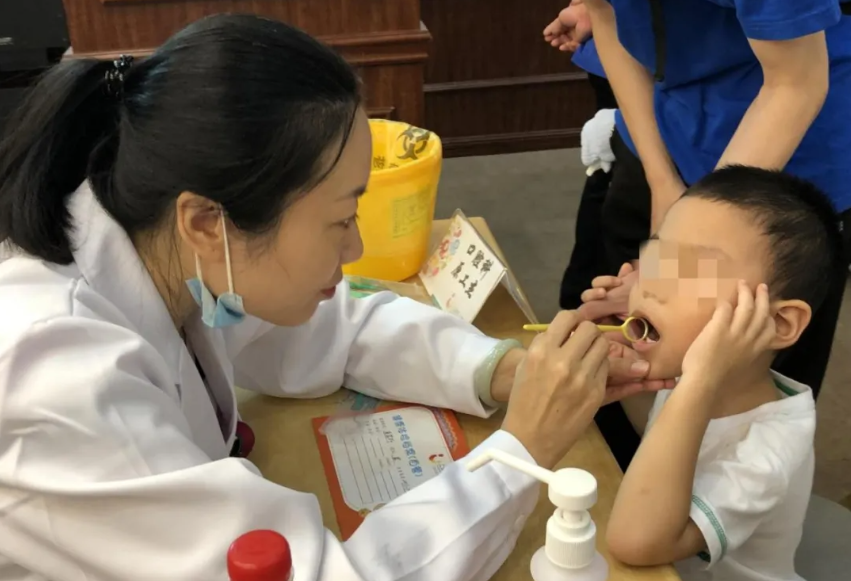
Dr. Yuan Gongjie | Children's Smiles, and the Orthodontist Who Still Tells Stories
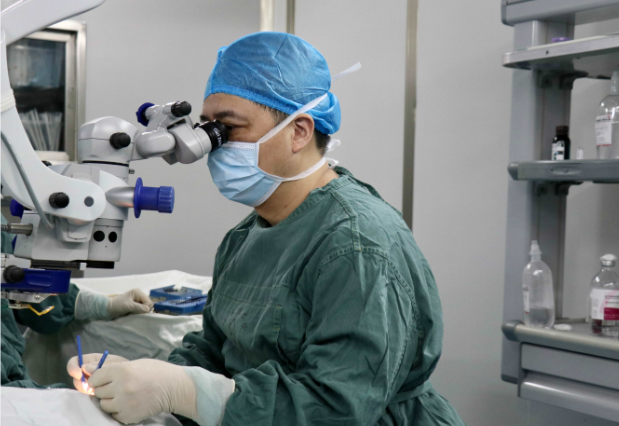
Dr. Wang Chaoyang | Vitrectomy, and Flowers Once Hidden in the Eye
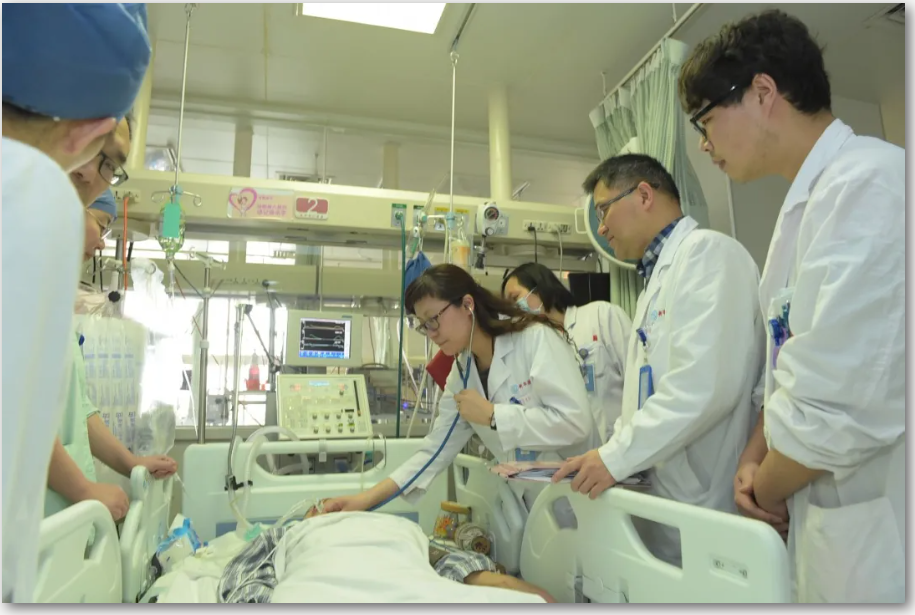
Dr. Fei Aihua | Emergency Medicine, and Striving to Win
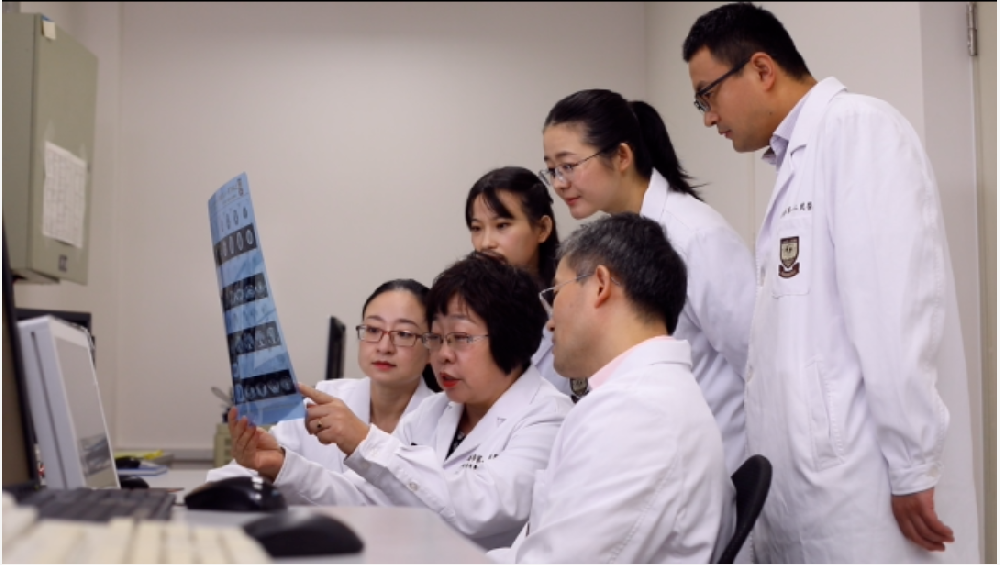
Dr. Zhao Jinhua | Nuclear Medicine, and the Flowers Along the Road
Dr. Shi Yuling | Psoriasis, and Spring Mountains Beyond the Plain
Dr.Ying Chunmei | Laboratory Medicine, Renewed a Little Every Day
Dr. Zhang Lei | Children's Airways, and a Preference for Being Plain
Dr. Chen Tongyu | Chest Surgery Without a Tube, and No Claim to Greatness
Cui Jie | An Infectious-Disease Nurse Who Kept Walking In
Dr. Hua Xiaolin | High-Risk Obstetrics, and a Child Worth Keeping
Copyright © 2023 Yewen Renyi & ShanghaiDoctor.cn (This website is a non - profit medical humanities platform. The information contained herein is solely for biographical and historical purposes and does not constitute any medical advice.) 沪ICP备2023005392号-2 XML 沪公网安备31010902100835号
 中文
中文 English
 Español
 沪公网安备31010902100835号