ShanghaiDoctor - Where China's Healing Wisdom Shapes Modern Medicine

Update time:2026-02-15Visits:3465
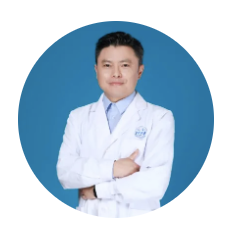
Dr. Liang Wei
Profile
Dr. Liang Wei is a Doctor of Vascular Surgery, Chief Physician, and Master’s Supervisor. He serves as the Administrative Deputy Director of the Vascular Surgery Department at Renji Hospital, Shanghai Jiao Tong University School of Medicine, and is the Head of the Vascular Surgery Department at the hospital’s South Campus.
He holds numerous prominent academic positions, including membership in the Vascular Surgery Branch of the Chinese Medical Doctor Association and its Endovascular Surgery Committee. He is also a member of the Lower Limb Arterial Disease Group under the National Cardiovascular Disease Expert Committee and holds key roles in the Peripheral Vascular Diseases committees of both the Chinese Association of Integrative Medicine and the Chinese Medical Doctor Association. At a regional level, he is the Deputy Director of the Shanghai Peripheral Vascular Diseases Committee of Integrative Medicine and a member of the Shanghai Medical Doctor Association’s Vascular Surgery Committee.
Dr. Liang has long been engaged in both research and the clinical treatment of peripheral vascular diseases. He has undertaken visiting fellowships at several world-renowned medical institutions, including the Vascular Surgery Departments at the Cleveland Clinic and the Mayo Clinic in the USA, and the Vascular Intervention Center at Park Hospital Leipzig in Germany.
In 2013, he helped establish the Vascular Surgery Department at Renji Hospital’s South Campus as part of a Shanghai municipal healthcare initiative, for which he was honoured as a "Minhang Health Guardian." His expertise is recognised globally; in 2019, he contributed to drafting the *Global Vascular Guidelines on the Management of Chronic Limb-Threatening Ischemia* as an international panel expert.
Areas of Expertise:
- Minimally invasive and surgical treatments for arterial and venous blockages and thrombosis.
- Comprehensive management of diabetic foot.
- Minimally invasive and open surgical repair of thoracic and abdominal aortic aneurysms.
- Complex surgical and interventional care for hemodialysis access in uremic patients.
- Minimally invasive treatment of varicose veins.

A Personal Perspective
Stretched end to end, the vessels in a single human body would circle the Earth’s equator two and a half times. These are the miraculous pipelines within us—our blood vessels.
They form a vast, interconnected network. Through these vital channels, nutrients, oxygen, and water are delivered to nourish every part of the body’s landscape, down to each individual cell.
When these pipelines become blocked or damaged, experienced vascular surgeons are called upon to repair and restore the flow. You could say we are the body’s master plumbers.
Though nearing midnight, the soft click and whir of machinery still hummed from the minimally invasive vascular interventional suite, where monitors rhythmically traced the patient’s vital signs. In such moments, time seems to suspend—each second becomes profoundly precious. Clad in a heavy lead apron, surgical cap, mask, and sterile gloves, he worked with deft precision, guiding wires and catheters to confidently confront the disease.
This is Dr. Liang Wei, Chief Physician and Administrative Deputy Director of the Department of Vascular Surgery at Shanghai Renji Hospital, and Director of Vascular Surgery at the hospital’s South Branch.
“Structurally, blood vessels are divided into arteries, veins, and capillaries. Diagnosing and treating vascular disease can be like navigating a maze—sometimes unpredictable. That’s why we must give our all to accurately diagnose and treat each condition, striving to offer every patient a new lease on life and a turning point in their health journey.”
Day after day, patient after patient, he moves between the clinic, the wards, and the operating room. His work is continually guided by his patients’ hopes, ensuring each one feels the warmth and strength of compassionate care.
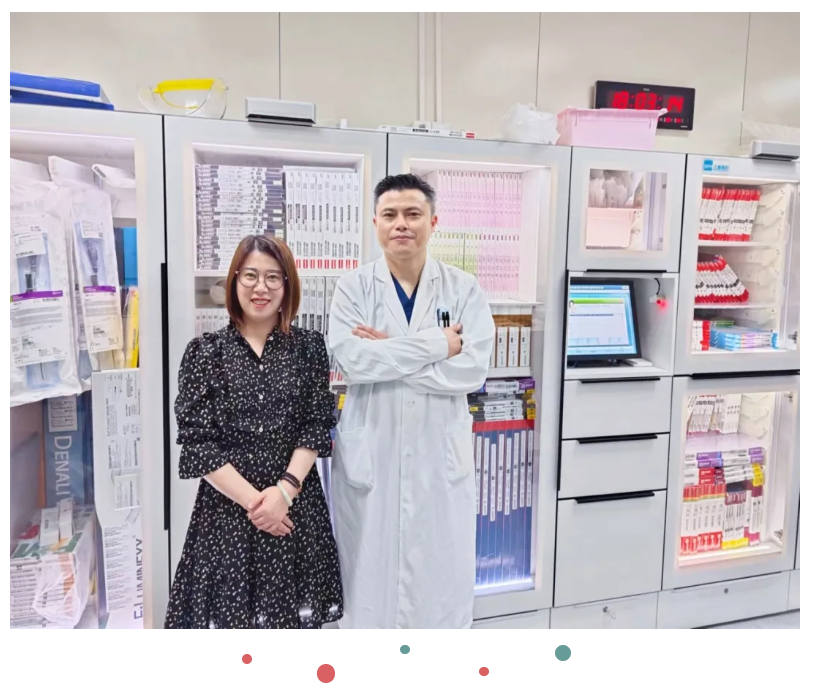
1. Patient First: The Heart of Medicine
“I remember one spring afternoon, sunlight streaming through the hospital window, casting a peaceful warmth over the ward. I was checking on a patient who had recently undergone surgery. When he was admitted, his legs had been pale, cold, and painful. Now, they were rosy and warm again. He had always been an active person, and seeing him steadily return to health filled me with deep satisfaction.”
Before coming to Renji Hospital to see Dr. Liang, this patient had faced repeated setbacks. It began when one leg grew weak and he lost the ability to walk. A local doctor diagnosed sciatica, suggesting nerve compression might be causing the dysfunction. Hoping for relief, the patient opted for spinal surgery.
“I can only imagine the hope he must have felt at that time. Yet the surgery didn’t help—in fact, his condition grew worse.”
After the operation, the pain in his leg persisted, and new symptoms emerged: aching lower limbs and ulcers on his toes, adding to his distress. He later described feeling “despair.” Just as he was about to give up, a friend mentioned Dr. Liang Wei’s experience treating lower limb conditions. Clinging to a final thread of hope, he travelled to Shanghai.
“When he came to my clinic, I could sense his profound longing to regain a normal life. He described his symptoms and surgical history in detail. After a thorough examination, I found a blockage in his abdominal aorta, severely reducing blood flow to both legs and causing his symptoms. To address it, I recommended minimally invasive interventional therapy.”
On the day of the surgery, Liang Wei and his team meticulously prepared to ensure a flawless procedure. The operation proceeded smoothly, with doctors precisely locating the blocked artery and successfully reopening it using minimally invasive techniques. Within days, the patient was back on his feet, feeling strength return to his legs—a moment that felt, to him, almost like a rebirth.
For Liang Wei, however, this patient represented just one of countless complex and challenging cases he encounters.
On any ordinary day, the vascular surgery outpatient clinic at Renji Hospital’s South Campus is bustling with activity. Liang Wei came to the South Campus in 2013, as part of the Shanghai municipal government’s "5+3+1" healthcare initiative, and has since built its vascular surgery department into one of the hospital’s signature specialties. The department’s doctors are both skilled and dedicated, drawing on extensive experience and deep medical knowledge to tailor the best possible treatment for every patient. Each day, they observe patients closely, listen carefully to their histories and symptoms, and strive to uncover the hidden clues behind every illness.
The growth of any seasoned doctor is rooted in the hard work of their early years. Reflecting on his own path into medicine, Liang Wei becomes thoughtful. In high school, he had dreamed of pursuing science and engineering, eager to explore the boundless world of knowledge. Yet, influenced by his parents—both medical professionals—he ultimately chose a career in medicine.
“I chose medicine partly because my father was a medical school professor and my mother a senior anesthesiologist,” he explains. “But I also believed that medicine would never lose its relevance—in any era, there will always be patients in need of care.”
After excelling in the national college entrance examination, Liang Wei was admitted to Shanghai Second Medical University’s prestigious seven-year combined bachelor’s and master’s degree program—one of the first of its kind.
“The instruction was in English, which was demanding. Interestingly, our first year was spent at Fudan University, with the remaining years at what was then Shanghai Second Medical University. Because we studied at two leading institutions, our graduating diplomas bore both names. Now, Shanghai Second Medical University has become the Shanghai Jiao Tong University School of Medicine—so I suppose I can claim an educational background from both Fudan and Jiao Tong Universities. That’s quite a rare combination in China!” he says with a smile.
During medical school, Liang Wei not only managed a rigorous academic load but also served as class monitor for the seven-year program.
“It was a significant responsibility. The original monitor was a female student who later went abroad for further study, so I took over. The role was tough and busy—largely about serving classmates and juggling countless small tasks. But it was also very rewarding.”
At the time, his duties brought him into contact with multiple university departments. He learned to balance and coordinate the needs of the school, faculty, and students—academics, dormitory life, and more—all while helping to maintain a strong sense of class unity.
“As class monitor, I felt a dual responsibility: to ensure teachers didn’t misunderstand my classmates, while also helping my peers see that much of what our teachers did was for our benefit. On top of that, I had to maintain strong academic performance myself—all of which added to the pressure and weight of the role.”
Being a class monitor demands considerable effort and dedication. For Liang Wei, it was a responsibility he shouldered with patience and commitment—all in the service of building a better learning environment and a more cohesive class where everyone could improve together.
When asked why he chose vascular surgery, Liang Wei explained that he had carefully considered various specialties—internal medicine, surgery, obstetrics and gynecology, pediatrics—and ultimately found vascular surgery deeply meaningful.
“At that time, vascular surgery wasn’t fully separate from general surgery; it was still a subspecialty.”
From the moment he entered the field, Liang Wei felt he was starting a journey full of promise. But becoming a skilled ‘plumber’ of the human circulatory system is no simple task. It requires the ability to accurately identify lesions, expertly treat diseases within the vascular network, and maintain the health of this intricate bodily highway.
To Liang Wei, blood vessels form a living roadmap that runs throughout the body. By treating vascular issues, one gains firsthand insight into solving a wide range of medical problems—a source of daily fulfillment in his medical career.
“In the 1980s, vascular surgery mainly involved procedures for varicose veins. Surgeries for arterial blockages or aneurysms were still relatively uncommon. Today, vascular surgery has grown far more complex. Treatment options have diversified enormously—from traditional open surgery to minimally invasive endovascular techniques and advanced pharmacological therapies. It’s a dynamic, fast-evolving field and one of the fastest-growing disciplines in modern clinical medicine. That growth has confirmed the judgment I made at graduation.”
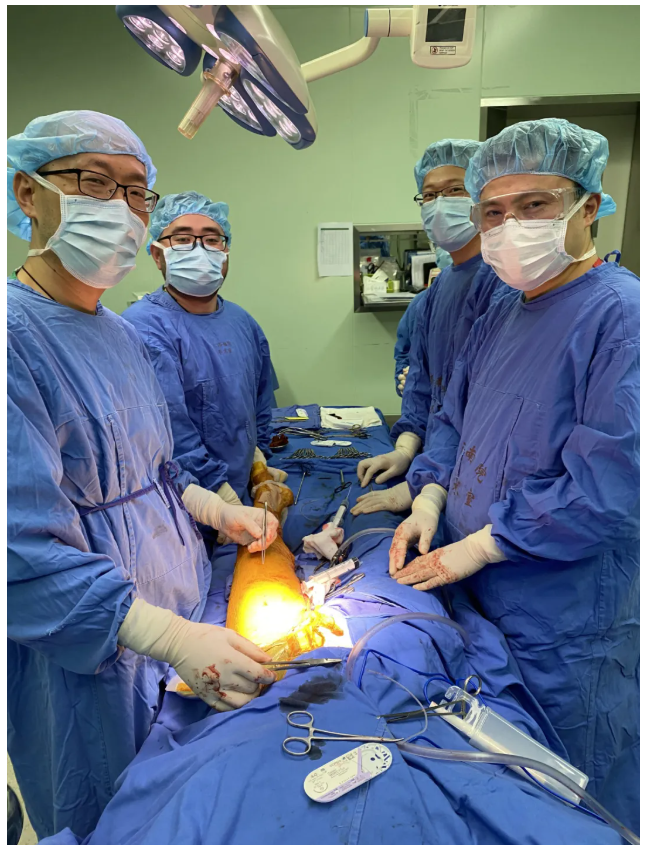
Building on the Past, Grounded in Practice
After graduating from Shanghai Second Medical University, Liang Wei joined the Vascular Surgery Department at Renji Hospital, where he studied under Professor Zhang Baigen—one of the pioneers of vascular surgery in China.
As early as the 1950s and ’60s, Professor Zhang had envisioned establishing a dedicated vascular surgery unit at Renji. Unfortunately, constraints in staffing and resources delayed its realization. It wasn’t until 1977, after Professor Zhang returned from a medical aid mission in Morocco, that—with the support of Professor Kuang Yaolin, then head of surgery—he finally embarked on founding Renji’s vascular surgery division.
“Professor Zhang Baigen is a wise and humble mentor, and a man of outstanding character and medical integrity. He once served as vice president of Renji Hospital and was among China’s earliest doctoral supervisors in vascular surgery. Professor Zhang emphasized the educational principle of ‘teaching a person to fish.’ He focused on cultivating students’ character and ethics, not just imparting medical knowledge, but also nurturing their critical thinking, judgment, and ability to thrive in society. To this day, he still visits our department regularly to engage with younger colleagues. In my eyes, he is a respected medical scientist, educator, and the guiding spirit of our department.”
Through the dedicated work of generations of vascular surgeons at Renji Hospital—from Professor Zhang Baigen to later Director Zhang Jiwei—the department has actively engaged with leading institutions both in China and abroad. By adapting international expertise to the national context, it has cultivated a distinctive clinical approach. Today, the Vascular Surgery Department at Renji Hospital has established a clear leading position in the treatment of lower limb arterial disease.
Dr. Liang Wei has undertaken multiple visiting fellowships at world-renowned centres, including the Vascular Surgery Departments at the Cleveland Clinic and the Mayo Clinic in the United States, and the Vascular Interventional Centre at Leipzig’s Park Hospital in Germany. These experiences provided him with deep insight into cutting-edge technologies and global standards of care for vascular disease, and reinforced the value of international exchange for surgical advancement.
Dr. Liang still recalls the 1990s, when a professor from Leipzig Hospital came to Renji to demonstrate below-the-knee arterial surgery. Witnessing the German expert successfully perform interventional procedures on such delicate lower-leg vessels filled Liang and his team with renewed confidence to develop their own department.
“Today, our hospital has achieved a qualitative leap in lower limb arterial intervention. From a technical and therapeutic standpoint, European countries—especially Germany, France, and Italy—excel in this field. We maintain strong collaborative relationships with them, continually exchanging knowledge to refine our medical expertise. This cooperation not only elevates our own capabilities but also contributes to progress across the specialty.”
Under Dr. Liang’s leadership, the Vascular Surgery Department at Renji Hospital’s South Campus has achieved numerous milestones. In 2019, he collaborated with more than sixty top vascular surgery experts worldwide to develop the *Global Guidelines for the Diagnosis and Treatment of Chronic Critical Limb Ischemia*, becoming a member of the international expert panel. This honour recognises not only his personal contribution, but also global acknowledgement of Chinese physicians’ experience in managing lower limb arterial disease—a point of pride for China’s vascular surgery community.
“Among the Chinese experts invited to help draft these guidelines, four were named. I was fortunate to be included, and I feel deeply honoured by this.”
To share Renji Hospital’s advancements with more institutions across China, Dr. Liang’s department pioneered a series of national training courses in lower limb arterial intervention. These programmes teach both foundational knowledge and clinical experience, while integrating advanced international techniques with local practice. They have attracted numerous doctors from across China and beyond.
“Many participants have since become department heads or provincial committee chairs, serving as pillars of their own disciplines.”
These courses have also cemented Renji Hospital’s clinical and academic reputation in the field of lower limb arterial disease.
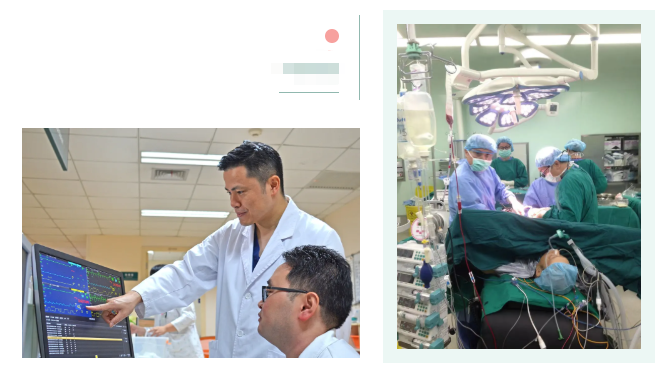
3. Interventional Treatment in Vascular Surgery Often Tests Comprehensive Capability
“Lower limb arterial disease is a highly serious condition that requires active prevention and early treatment.”
Liang Wei observed that lower limb pain is often misattributed to other conditions, such as lumbar spine problems or bone injuries, while vascular issues are frequently overlooked. In some cases, the pain becomes so severe that patients lose the ability to walk, yet still do not receive the correct treatment.
In his view, vascular surgery is a truly comprehensive discipline. He recalled one patient with uremia, who had already undergone a vascular intervention at another leading hospital. Due to diabetic complications, the patient developed a severe leg wound. That hospital had recommended amputation—an outcome the patient was unwilling to accept, which led them to seek Liang Wei’s help.
“I successfully reopened the severely blocked artery in his calf, managed the stubborn wound with a series of treatments including a skin graft, and simultaneously controlled his blood sugar and provided anti-infection therapy. In the end, we saved his leg from amputation. I believe vascular surgeons must consider the patient’s overall condition—not just the vessels, but also wound care and other systemic factors.”
According to Liang Wei, the vascular surgeon’s most critical task is to identify the “culprit vessels” and neutralise their impact first. An experienced surgeon can mentally compare the patient’s condition with the vascular maps ingrained in their mind, analyse the root cause, and determine the most direct and effective comprehensive treatment.
4. Technological Progress and Future Development
“Vascular surgery procedures fall into three main categories: lymphatic, arterial, and venous systems, with our focus being on the latter two. Conditions in these fields are further divided into expansive diseases, such as aneurysms, and occlusive diseases, like blockages. My particular interest lies in lower limb arterial disease, which will remain my primary focus moving forward.”
The core aim of vascular surgery is to ensure vessels remain open and do not rupture. Each patient’s condition is unique, but broadly speaking, surgery for expansive diseases focuses on preventing rupture, while surgery for occlusive diseases centres on completely removing the clot and restoring blood flow.
Whenever Liang Wei sees a patient walk again after treatment, his face lights up with a smile of satisfaction.
In today’s rapidly advancing technological landscape, treatment options for lower limb arterial disease are numerous and continually evolving. These include interventional procedures, open surgery, medication, drug-eluting stents, and more. Liang Wei is confident these innovations will lead to better outcomes for an increasing number of patients.
“Years ago, vascular intervention was only feasible for large vessels. Treating small vessels below the knee was extremely difficult. Later, advances in technology and materials made it possible to intervene in below-the-knee and even foot vessels. Where we once struggled with blockages longer than five centimetres, we can now manage occlusions of 20 or even over 30 centimetres. With the steady stream of new technologies, instruments, stents, guidewires and surgical techniques—alongside evolving thrombectomy methods—our ability to reopen blocked vessels keeps improving. New stents, for example, can now treat blockages through combined physical and chemical means, such as drug-eluting stents.”
The constant stream of new medical innovations is what Dr. Liang Wei finds truly exciting. With technology and treatment philosophies continually evolving, the process of diagnosing and treating disease has become more rewarding, offering patients greater hope.
“New medical technologies drive the development of clinical practice, while clinician feedback, in turn, refines and advances these technologies. The future of vascular surgery lies in greater minimally invasive techniques—less trauma for the patient, more durable outcomes, and faster recovery times.”
Dr. Liang is optimistic about this future. As a clinician, he is committed to contributing to the treatment of lower limb diseases through relentless effort and research.
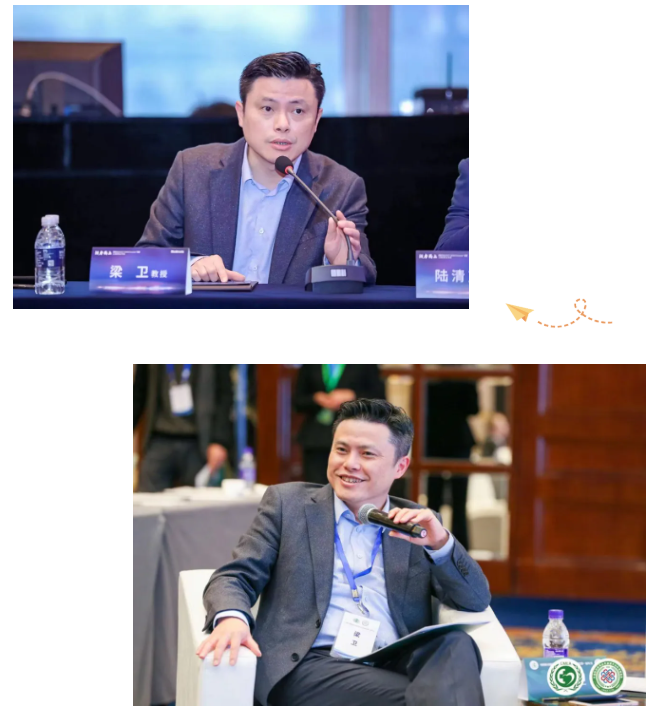
Q&A
ShanghaiDoctor.cn: Do you believe domestic substitution for the instruments and medications used in vascular surgery will become a trend?
Dr. Liang Wei:
Yes, I see domestic substitution as an inevitable trend in our field. In some cases, we are developing partial substitutes for items that aren't even available overseas. Currently, finding domestic alternatives for simpler instruments and medications is more straightforward. That said, we must be realistic: substituting highly complex devices is challenging. Truly innovative, home-grown products are still relatively rare in vascular surgery, as developing novel solutions that are clinically viable is difficult—it can even depend on a degree of serendipity.
Furthermore, I view progress in vascular surgery as a global, collaborative effort. While there are opportunities for domestic substitution, the field thrives on international exchange. Advances in China and abroad can inform and complement each other, jointly pushing the specialty forward.
ShanghaiDoctor.cn: Many diabetic patients develop foot complications and come to Renji Hospital's vascular surgery department for treatment. Are these numbers rising? And can it be prevented?
Dr. Liang Wei:
We are indeed seeing more patients with diabetic foot. The good news is that it is largely preventable.
Key preventive measures include:
- Managing Metabolic Health: Preventing or controlling the "big three"—diabetes, hyperlipidemia, and hypertension—through regular exercise, a balanced diet low in excess sugar and fat, and consistent monitoring of blood glucose, lipids, and blood pressure.
- Prioritising Foot Health: Protecting the skin on the feet to avoid burns and friction injuries. Check regularly for changes in skin temperature, any breaks in the skin, and compare the warmth of both feet.
- Vigilance and Early Action: For diabetic patients, early detection is crucial. Be alert to temperature changes in the feet and inspect between the toes for damage. Seek medical advice promptly if anything seems amiss.
With early detection and treatment, the prognosis for diabetic foot is generally positive. Through proactive prevention and timely intervention, we can significantly reduce its incidence and improve patients' quality of life.
ShanghaiDoctor.cn: Regarding lower limb vascular diseases, does your department engage in any public science education?
Dr. Liang Wei:
Our department undertakes public science outreach focused on lower limb vascular diseases. We provide educational materials in our wards and publish articles through digital channels. We also partner with radio and television stations to contribute to relevant health programmes.
This outreach is vital in preventing and managing lower limb vascular conditions, as it raises public health awareness. However, I must also stress the importance of patient vigilance. Today’s media landscape is vast, and not all health content is rigorous or professionally vetted. When seeking information on vascular health, patients should carefully evaluate their sources—opting for authoritative channels and, ideally, consulting directly with medical professionals or trusted healthcare institutions for accurate, science‑based guidance.
ShanghaiDoctor.cn: What encouragement or advice would you give to young medical professionals?
Dr. Liang Wei:
To young medical students and doctors, I would like to share a few thoughts:
Medicine is a noble calling. As a doctor, you carry the responsibility of treating patients and safeguarding health—a truly meaningful vocation. Always keep that mission in mind and cultivate strong ethical principles and professional integrity.
The medical field holds great potential. In the years ahead, rising public expectations will help improve clinical environments, and respect for the profession is likely to grow. We will also see more innovation—in pharmaceutical treatments, surgical techniques and medical technology. As a young professional, you will have the chance to contribute to these advances and help shape the future of healthcare.
The role of medicine is irreplaceable. In every era, healthcare remains essential to people’s wellbeing and quality of life. The work you do matters. Stay passionate about patient care and committed to expanding your knowledge and skills.
That said, I would also advise young doctors to be prepared for the demands of the profession:
Medical training requires considerable dedication. The curriculum is extensive and challenging, calling for sustained study and practice over many years—often more than in other fields.
The role can be mentally taxing. As a doctor, you carry responsibility for patients’ lives and health. Long hours, a high‑pressure environment, and clinical emergencies can create significant stress.
Learning never stops. Medicine is a career of lifelong education. Knowledge and technology evolve constantly, so ongoing study, training and professional development are essential to maintaining expertise.
There are also numerous examinations throughout one’s career, from licensing to specialist certifications, which require ongoing commitment.
ShanghaiDoctor.cn: Outside of medicine, what are your personal interests?
Dr. Liang Wei:
Beyond my work as a doctor, I have a few personal passions. I’m an avid racket sports enthusiast—tennis, badminton, and table tennis are all favourites. Before a hand injury slowed me down, I was a regular on the tennis court, a game I still dearly love.
I also enjoy travelling now and then, particularly seeking out quiet places for long walks. In these peaceful settings, I find both physical and mental relaxation. Stepping away from the fast pace of medical life allows me to slow down, reflect on the present, and contemplate the future.
Editor: Chen Qing
Dr. Yuan Gongjie | Children's Smiles, and the Orthodontist Who Still Tells Stories
Dr. Wang Chaoyang | Vitrectomy, and Flowers Once Hidden in the Eye
Dr. Zhao Jinhua | Nuclear Medicine, and the Flowers Along the Road
Dr. Shi Yuling | Psoriasis, and Spring Mountains Beyond the Plain
Dr.Ying Chunmei | Laboratory Medicine, Renewed a Little Every Day
Dr. Zhang Lei | Children's Airways, and a Preference for Being Plain
Dr. Chen Tongyu | Chest Surgery Without a Tube, and No Claim to Greatness
Dr. Hua Xiaolin | High-Risk Obstetrics, and a Child Worth Keeping
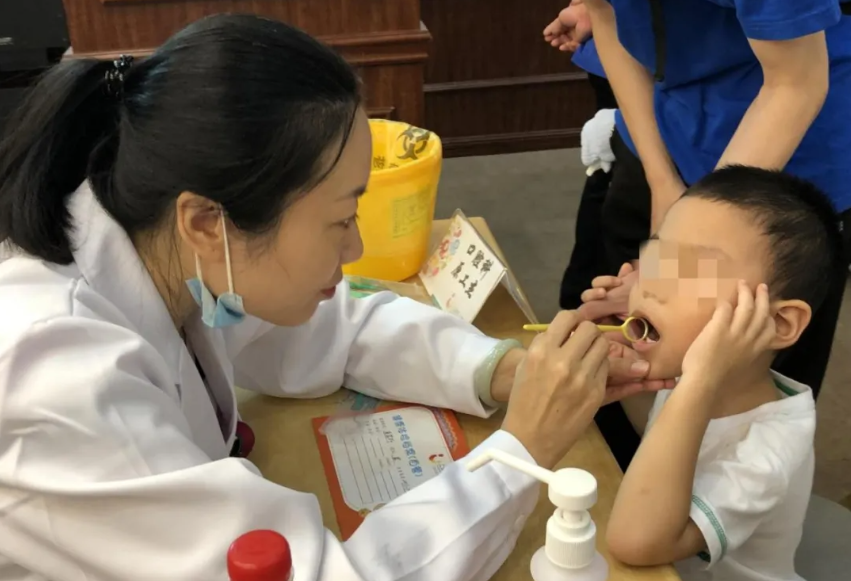
Dr. Yuan Gongjie | Children's Smiles, and the Orthodontist Who Still Tells Stories
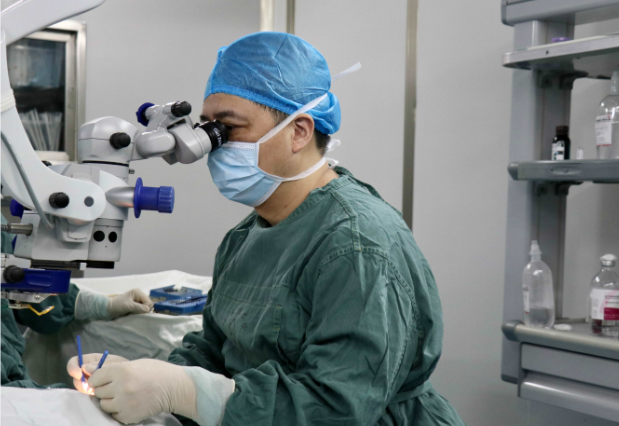
Dr. Wang Chaoyang | Vitrectomy, and Flowers Once Hidden in the Eye
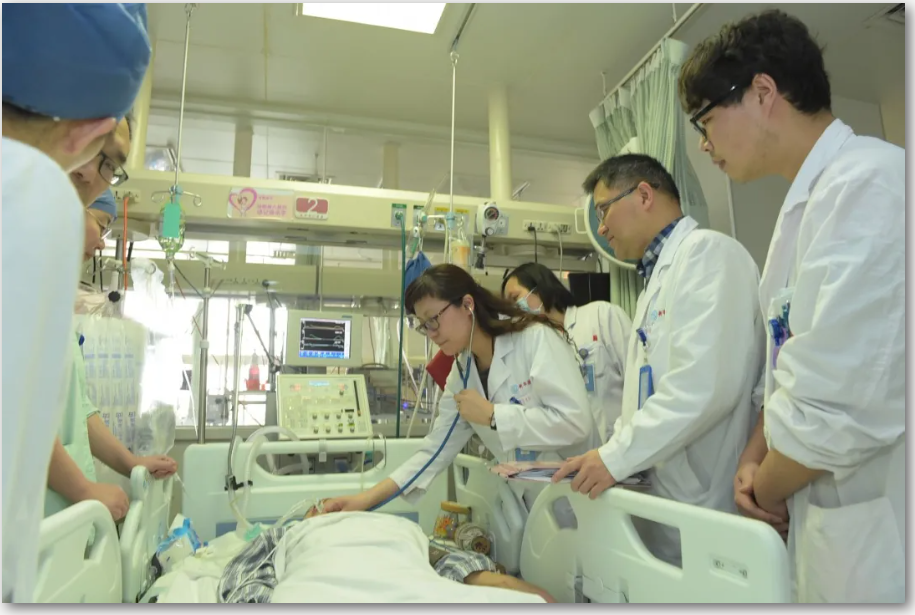
Dr. Fei Aihua | Emergency Medicine, and Striving to Win
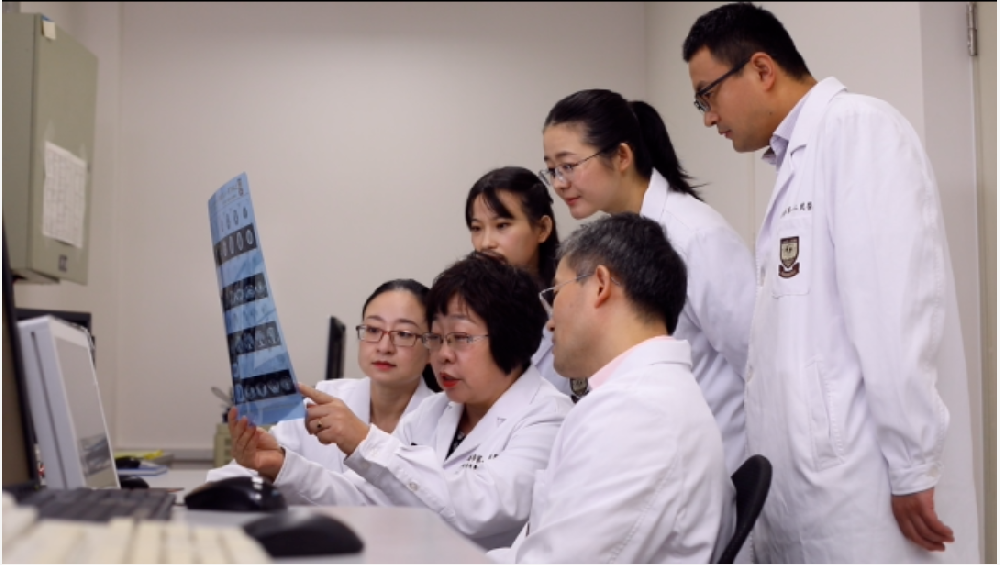
Dr. Zhao Jinhua | Nuclear Medicine, and the Flowers Along the Road
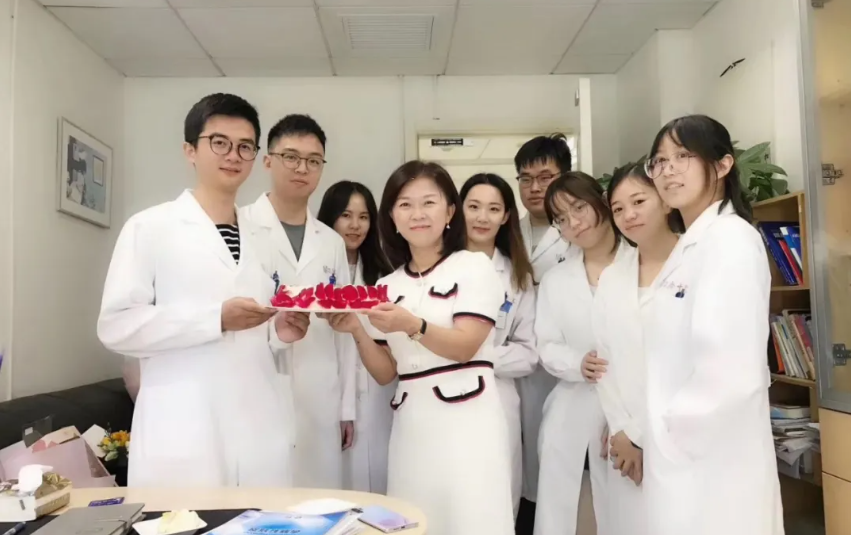
Dr. Shi Yuling | Psoriasis, and Spring Mountains Beyond the Plain
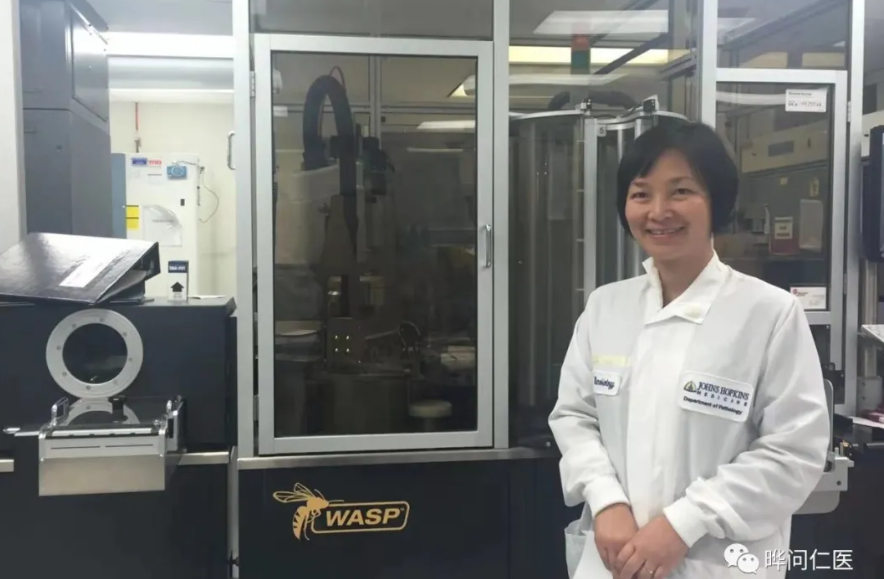
Dr.Ying Chunmei | Laboratory Medicine, Renewed a Little Every Day
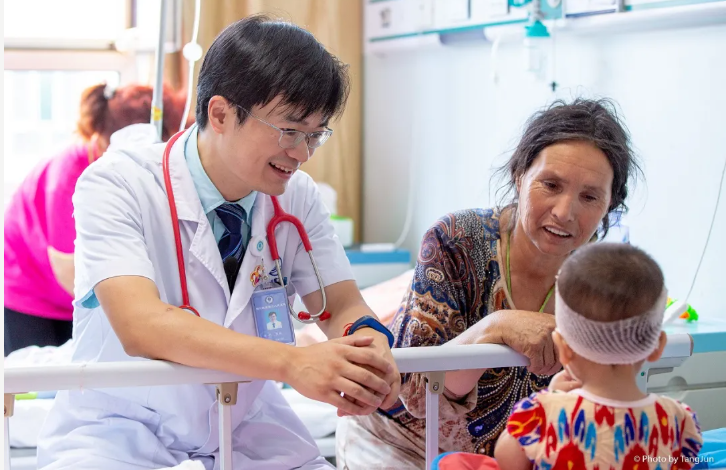
Dr. Zhang Lei | Children's Airways, and a Preference for Being Plain
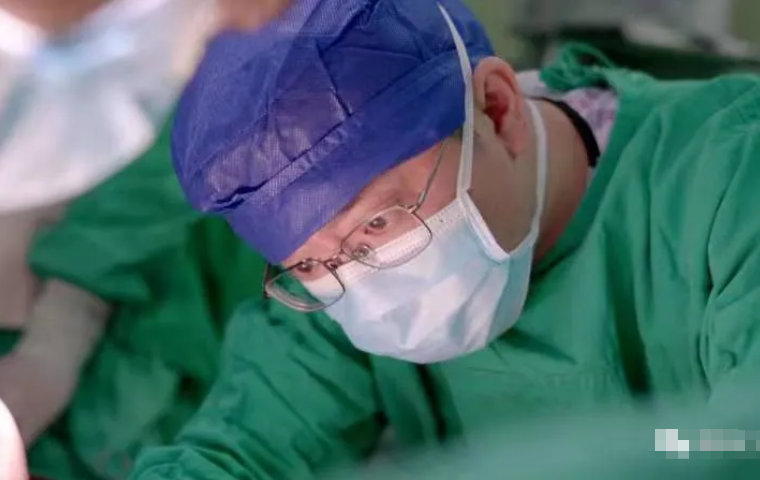
Dr. Chen Tongyu | Chest Surgery Without a Tube, and No Claim to Greatness
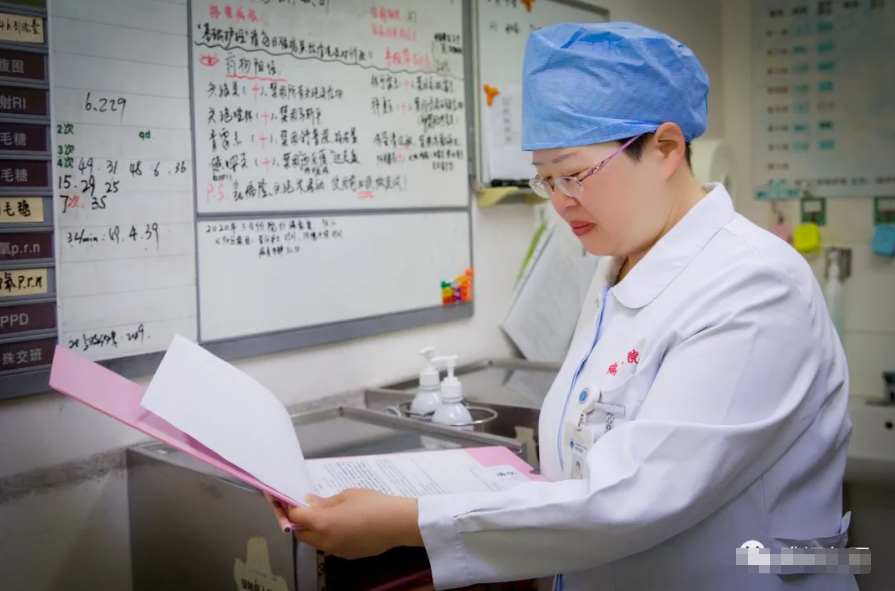
Cui Jie | An Infectious-Disease Nurse Who Kept Walking In
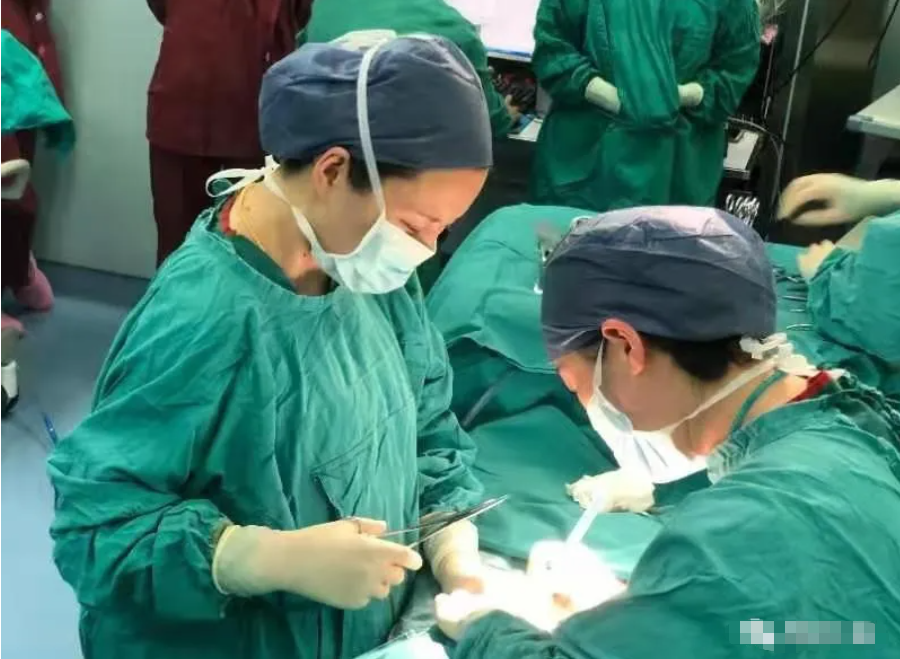
Dr. Hua Xiaolin | High-Risk Obstetrics, and a Child Worth Keeping
Copyright © 2023 Yewen Renyi & ShanghaiDoctor.cn (This website is a non - profit medical humanities platform. The information contained herein is solely for biographical and historical purposes and does not constitute any medical advice.) 沪ICP备2023005392号-2 XML 沪公网安备31010902100835号
 中文
中文 English
 Español
 沪公网安备31010902100835号