ShanghaiDoctor - Where China's Healing Wisdom Shapes Modern Medicine

Update time:2026-01-10Visits:4347
Dr. Cui Xingang
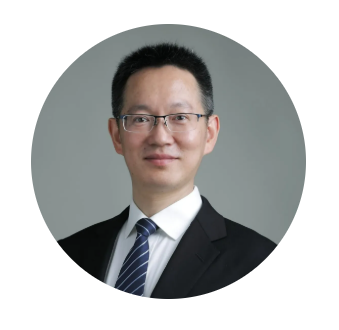
Director, Department of Urology, Xinhua Hospital affiliated with Shanghai Jiao Tong University School of Medicine; Chief Physician; Professor; Doctoral Supervisor.
Vice Chairman of the Youth Committee, Urological Surgery Branch of the Chinese Medical Association (CMA); Member of the Minimally Invasive and Robotic Surgery Groups, CMA Urological Surgery Branch; Deputy Director-General of the Endoscopic Physicians Branch of the Chinese Medical Doctor Association (CMDA); Deputy Secretary-General of the Urological Endoscopy Professional Committee, CMDA; Member of the Surgical (Urology) Professional Committee for Standardized Residency Training, CMDA; Standing Member of the Integrated Medicine Urology Professional Committee, CMDA; Member of the Urology Branch and Andrology Branch of the Shanghai Medical Association.
Recipient of the Shanghai “Excellent Academic Leader” award and “Shining Star of Medicine” Outstanding Youth award; Nominee for the “Benevolent Healer” Outstanding Specialist award; Winner of the “Influential Figure” award in Urology and Andrology from the Shanghai Medical Association; Executive Editorial Board Member of the *Chinese Journal of Urology*. He has published over 60 SCI papers as the first or corresponding author, with a highest impact factor of 18.9. He presides over 4 projects funded by the National Natural Science Foundation of China and 17 other projects, including the Shanghai “Science and Technology Innovation Action Plan.” He holds 15 patents.
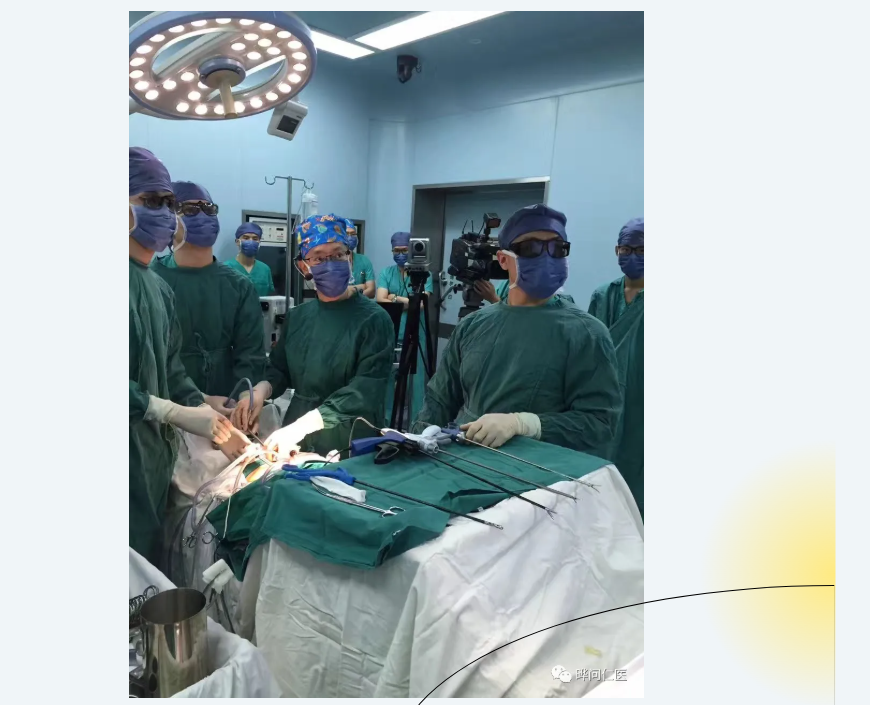
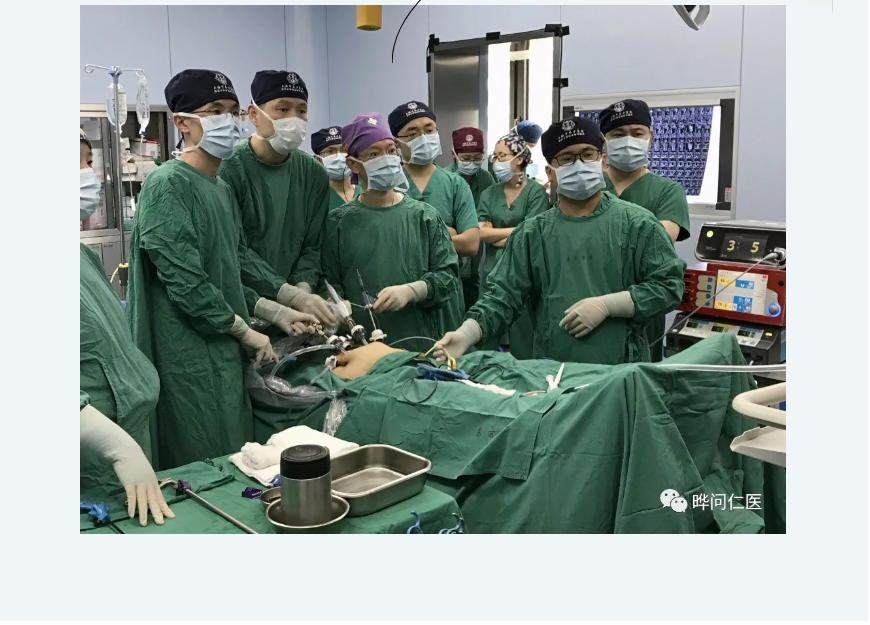
Specializes in laparoscopic and robotic surgery, as well as comprehensive treatment for urological tumors, particularly kidney and prostate cancer. He has performed over 100 surgical demonstrations at the Asian Urology Association annual meetings, various large-scale domestic conferences, and training sessions.
Introduction
Most people view life as a straight line.
Some live in the past, often saying, “If only I had chosen… back then, how great that would be.”
Some live in the future, thinking, “Once I earn enough money, I can… do what I want and realize my dreams.”
Only a few live in the present.
“Those who live in the moment do not see life as a straight line, but as a series of coordinates on intersecting curves, a series of instants,” reflects Cui Xingang. “Regardless of the past, right here, right now—is the best time of your life!”
Indeed, life is realized moment by moment. Fortunately, time “ceases neither day nor night.” If you tally it up, the sum of these solid moments will never equal zero. If people do not seize every moment to realize their own lives, but instead dwell on past gains and losses or the uncertainties of the future, they fall into an “infinite regress” and waste their time.
“Water before and water behind, ancient and modern flow in succession.” History essentially incorporates the past into the present; eternity lies within an instant, and a vast world exists within a speck of dust. Everything is the best arrangement.
“Success is the norm; failure means a life lost,” Cui Xingang says earnestly and gently. “Beyond the continuous refinement of medical skills, facing the expectations of patients is a heavy responsibility. This is a mission I understood on my first day of medical school.”
As a healer shouldering life and death, Cui Xingang has never given up. Holding the belief that “everything is for the patient,” he continues to learn and practice, never stopping his stride.
“What makes you strong is not what you can conquer, but what you can endure—the courage to bear and the willingness to take responsibility,” Cui says, taking a sip of coffee, his gaze firm. “Medicine is a systematic issue. As this system grows increasingly vast and complex, yet our understanding of the precision of the human body remains only skin-deep, doctors must move from rough to refined, and from general to specialized within this massive body of knowledge. This is the journey of a doctor’s growth, and it is also a spiritual practice. Be calm when busy; not empty when idle. Fearless in the face of major events; unhurried in the face of minor ones.”
In reality, whether doctor or patient, life is not about waiting for the storm to pass, but learning to dance in the rain. Peaks and valleys are both the burning of life; favorable and adverse circumstances are both insights of time. Life inevitably moves toward nirvana.
Peace in the heart is the true color of a healer.
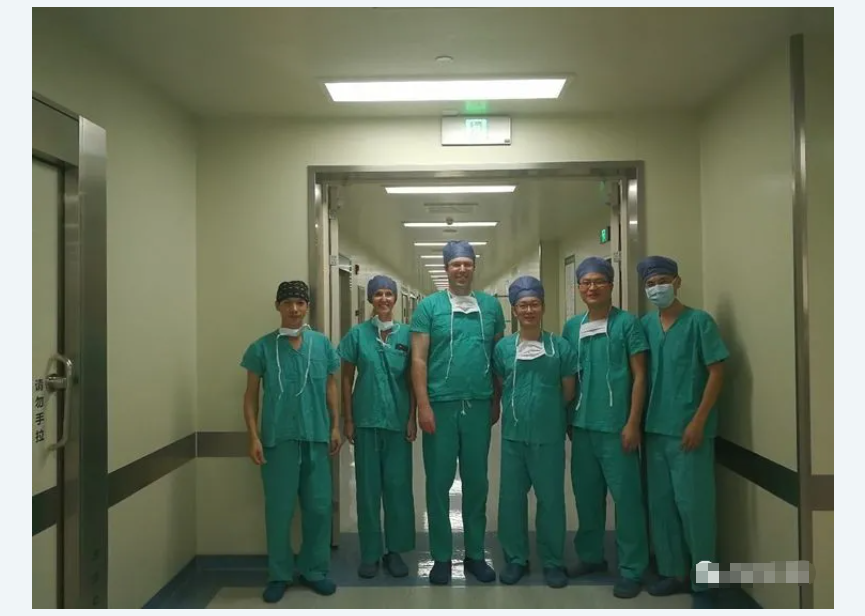
Focus on the Plowing
In 1994, Cui Xingang embarked on a journey from Harbin to Shanghai. The train roared, and the water vapor outside the window rose upward. This track spanning north and south was like a pilgrimage to the temple of medicine.
“Studying medicine was an interest and dream set since childhood. Being a military doctor added a sentiment of defending the country, a feeling that haunted my dreams.”
Wearing a uniform with heroic posture, Cui Xingang underwent military training at the Second Military Medical University in Shanghai. Waking up at 6:00 AM, lights out at 10:00 PM. Books were arranged from high to low, thick to thin; the handle of the enamel white mug was placed tilted at a forty-five-degree angle to the right… The strict discipline of the army subtly influenced him. Obeying orders and following commands were deep brands etched into his heart.
After graduating with his bachelor’s degree in 1999, Cui Xingang was exempted from the entrance exam for graduate studies due to his excellent grades. Two years later, he successfully passed the exam to transfer from master’s to doctoral studies, ultimately graduating with a combined Master’s and PhD. Opportunity favors the prepared. Among the many doctoral students graduating that year, Cui Xingang stood out, becoming one of the few selected to stay and teach at the affiliated Changzheng Hospital.
At that time, compared to the highly competitive orthopedics, neurosurgery, and general surgery, the Urology Department at Changzheng Hospital was already showing a trend toward minimally invasive development. After the separation of general urology and kidney transplantation, the general urology team was very young and full of drive.
“Minimally invasive surgery is definitely the future.” Cui Xingang keenly predicted that this was a field with immense prospects. His manual dexterity and talent happened to align perfectly with the precision required in urology. It was a perfect match, and he became even more determined to join the general urology department.
Thus began a history of struggle.
Seizing the opportunity of minimally invasive surgery, Cui Xingang and his team cultivated and worked hard until they made a name for themselves in the industry. During this period, the teachings and examples of many teachers deeply impacted him.
“Professor He Zongli, one of the founders of the Urology Department at Changzheng Hospital and a renowned expert, was still in the wards making rounds in his eighties. Professor He Changmin had the courage to break into forbidden zones. Director Min Zhilian was magnanimous and modest. Director Zhu Youhua was extremely dedicated. After the division, Director Xu Danfeng was persistent in his academic research and strived for perfection in urological surgeries. We navigated our way through many highly difficult surgeries; many procedures had great innovation and results. Everyone discussed things together, brainstormed, moved towards a common goal, and built Changzheng Hospital’s influence in the domestic minimally invasive field. Director Wang Linhui then brought department management and technological innovation to a new height. These teachers had a huge influence on me.”
Inheriting the tradition subtly while not forgetting innovation, Cui Xingang led the team to persist in academic research and strived for perfection in minimally invasive urological surgeries. They navigated challenges and completed many high-difficulty surgeries. It was a loving team that always discussed things, pooled wisdom, and moved toward a goal together.
Cui Xingang remembers it vividly. In 2005, during the first laparoscopic radical cystectomy with orthotopic neobladder, there was very little experience in China to draw from. He and his team studied with concentration and prepared meticulously. It was a difficult surgery lasting a full 12 hours, but he and his team persisted step by step. “Looking back now, our firm decision to carry out laparoscopic surgery early in China was very wise.”
Due to the early start, refined skills, and great fame, Changzheng Hospital’s Urology Department was among the top in the country. In 2006, it reported the largest number of laparoscopic urological surgeries in China, becoming a pioneer and explorer in nephron-sparing surgery for kidney cancer. In 2008, they won the Second Prize of the Military Medical Achievement. In 2009, continuing to innovate, they carried out and reported nearly 10 cases of single-port laparoscopic prostate cancer surgery, becoming pioneers in this field.
“There was no road ahead; we stepped one out,” Cui Xingang said with emotion.
In 2015, another critical juncture in life arrived. The reputation of Changzheng Hospital’s Urology Department was already established. The school expected Cui Xingang to transfer from Changzheng Hospital to Shanghai Eastern Hepatobiliary Hospital to serve as Director of the Urology Department, starting from scratch to rebuild the department.
Cui Xingang tossed and turned thinking about it for days and nights. Being cautious and prudent has always been his life credo. Before making a decision, he always tends to think for a long time, weighing the pros and cons; but once the goal is set, no matter how many temptations, he will move forward without wavering.
Starting from nothing means challenges, but it also means opportunities. He thought, “I’m only in my thirties. If I take a gamble, what’s the big deal?”
Indeed. While young, no matter how hard it is, take the gamble.
In six years, Cui Xingang led the team to work hard, going from zero to one, from clinical to scientific research, tempering a talented, united, and strong team. The department’s surgical volume ranked among the top in the hospital, and they obtained 34 various fund grants during the six years. The difficulties and hardships forged a surgeon’s decades of striving for perfection and keeping pace with the times. This August, Cui Xingang was invited to assume the post at the Urology Department of Xinhua Hospital. Regarding this, his goal is firm.
“Our goal is to provide patients with the most suitable treatment plans and the highest quality medical service, striving to make every surgery as exquisite as a work of art. Since arriving at Xinhua in August, we have worked hard to pioneer and learn from advanced disciplines. In just one month, we completed over 30 robotic surgeries, covering various complex tumor surgeries. Xinhua Hospital’s Urology Department has a long history and a solid foundation. I believe that through the team’s unremitting efforts, continuous learning, and constant innovation, we will certainly be able to ensure the longer-term development of the department and keep it at the forefront.”
Natural Success
There are three major tumors in the urinary system: kidney cancer, prostate cancer, and bladder cancer.
Cui Xingang and his team focus primarily on nephron-sparing surgery (kidney-sparing surgery) for kidney tumors. In the past, doctors were accustomed to removing the patient’s entire diseased kidney. If, unfortunately, both kidneys had tumors, after surgery, the patient could only rely on dialysis to sustain life, and their quality of life could not be guaranteed. Now, Cui and his team are taking the lead in trying various new technologies to meet patients’ needs for kidney preservation. While completely removing the kidney tumor, they protect kidney function to a greater extent, ensuring not only that the patient survives but also lives well and with dignity.
“First, precision resection. Utilizing 3D reconstruction and 3D printing, we precisely resect kidney tumors—not cutting too much, not leaving too little. We once resected 10 tumors from a solitary kidney, perfectly preserving sufficient kidney function and saving the patient from the pain of post-operative uremia dialysis. Second, minimizing warm ischemia time to the greatest extent. Recently, a patient had their left kidney removed in their twenties. Sixteen years later, a tumor appeared again in the right kidney. I saved the right kidney for him. Five years later, a tumor appeared in the kidney again. This case posed a huge challenge to us. For solitary kidney patients, we can no longer use 30 minutes as the standard; the shorter the ischemia time, the better, otherwise the patient’s kidney function will be almost impossible to recover. We used innovative techniques such as the ‘2+1’ suture method and the early sequential unclamping method, reducing kidney ischemia time to only 10 minutes. The patient recovered very smoothly after surgery. Our pioneering ‘2+1’ suture method was written into the new edition of Wu Jieping Urology. New views on nephron-sparing surgery have been written into the European Guidelines for the Diagnosis and Treatment of Kidney Cancer for four consecutive years. Techniques like the ‘sequential unclamping method’ and ‘DSA precise embolization without clamping for nephron-sparing surgery’ have been published in the Chinese Journal of Urology and widely reported by major media websites. These techniques have also been demonstrated in surgeries at major domestic hospitals many times, receiving high praise from peers.”
“Our patients, after surgery and a day of rest, can get out of bed and go home on the third day. Subsequently, every patient has dedicated follow-up. Our team’s nephron-sparing surgery rarely sees post-operative bleeding. The rate of delayed bleeding and nephrectomy is far lower than reported in the literature, which benefits from our fast and precise suture technique.” Cui Xingang is very pleased about this.
Practice makes perfect; speed is the inevitable result.
Cui Xingang once performed a complex kidney tumor resection. From tumor removal to the end of suturing, it took him 7 minutes. From 7 hours to 7 minutes, thinking and learning are the necessary path that cannot be bypassed. He often saves videos of peers and teachers, studies them comparatively, reduces and then reduces all superfluous movements in surgery until there are no extra movements. The surgery is then accomplished in one go, like flowing clouds and water, which is amazing.
“For a surgery, fast is not the goal, but the result. The shortest distance between two points is a straight line. When a surgery eliminates all unnecessary waste movements, the speed will inevitably be very fast,” a famous domestic expert once commented. “With surgery like Professor Cui’s, I see absolutely no need to buy a robot.” Although a joke, it fully indicates peer recognition.
Making a simple, routine surgery extremely visually appealing, and making a complex, difficult surgery fluid and clear so other peers can observe and learn. Short time is not the pursuit of a surgery, but the inevitable development of technical experience.
Regarding surgery and medical care, Cui Xingang’s requirements have always been the same: rigor. Ensuring every surgery is as exquisite as a work of art. From the moment he steps onto the operating table, his life is tightly bound with the patient. From open surgery to laparoscopic surgery, and then to the more advanced robotic surgery, Cui Xingang always believes that new things represent the future. Only by keeping pace with the times and trying without fear can the discipline continue to progress.
“To be a doctor, you must have no distractions and move forward with all your heart. Then, everything is the best arrangement, and everything will happen naturally.”
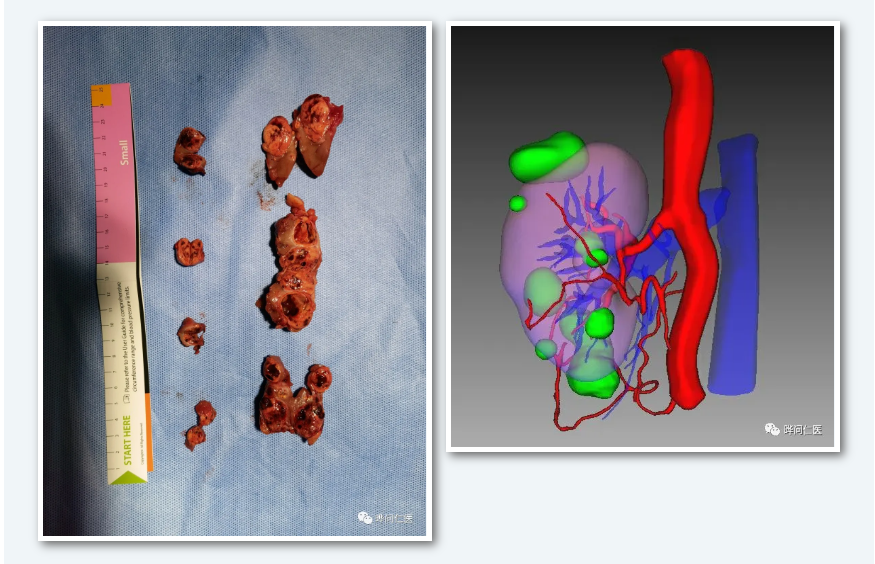

ShanghaiDoctor.cn: Dr. Cui, regarding kidney tumors, what is the current trend in incidence?
Cui Xingang: Kidney tumors currently rank third among urological tumors, and the incidence rate is increasing year by year. The five-year survival rate is about 80%, but the prognosis for late-stage patients is poor. With the popularity of targeted drugs and physical examinations, the early detection rate of kidney tumors is getting higher and higher, and nephron-sparing surgeries are being performed more and more. The overall incidence of kidney tumors is higher in men than in women, and higher in cities than in rural areas. It is also related to smoking, dyeing, textiles, and genetic factors. Kidney tumors are different from other tumors in that they do not have a tumor marker. Regular physical examinations and ultrasounds can detect extremely small nodules.
ShanghaiDoctor.cn: Facing the differences in individual patients, every surgery may require a lot of detailed work and precise evaluation and judgment. For patients, what is the best surgical plan? As a surgeon, where does his warmth lie?
Cui Xingang: Now, we emphasize targeted individualized treatment, formulating surgical plans based on the specific situation of each patient. For example, for kidney cancer patients, we choose appropriate methods based on the size and location of the tumor. If one kidney is healthy and the affected kidney has a tumor, depending on the condition, we may recommend a nephrectomy (kidney removal). If the other kidney’s function is impaired and removal would mean dialysis, we will do everything possible to perform nephron-sparing surgery. From experience, for particularly large tumors, preserving the kidney is very difficult, and there is also the possibility that the tumor resection might not be clean.
ShanghaiDoctor.cn: Currently, internationally, in the field you are good at, what level of development is our country at?
Cui Xingang: In the past, we had a big gap with foreign countries. Foreign experts had higher sub-specialization than domestic ones; the larger the specialty, the higher the degree of refinement and specialization. Today, in many fields, we are on par with them, but in terms of basic and multi-center research, we still need to walk our own path.
ShanghaiDoctor.cn: Can you talk about the application of surgical robots in the urology field and future development trends?
Cui Xingang: Many people think that laparoscopic surgery is already perfect enough, and that robotic surgery is time-consuming, difficult, and expensive—is it unnecessary? I believe that for new things, we must resolutely and boldly accept them. New things represent the future. Whoever rejects surgical robots is equivalent to giving up the academic future. Keeping pace with the times and trying without fear is the only way for the discipline to progress. Currently, about three or four experts in our team are proficient in robotic surgery. After arriving at Xinhua, one of our key focuses is to vigorously carry out robotic surgery and bring high-precision surgeries to the point of striving for perfection.
ShanghaiDoctor.cn: As a doctoral supervisor, you must be very experienced in teaching students. Can you share your teaching life with your students? And how do you lead these children to keep exploring on the medical path?
Cui Xingang: There is a saying that goes well: “If you have 100 points of ability but only use 80, that is not praiseworthy; if you have 60 points of ability but use 70, that is worth encouraging.” The level of ability is not the issue; attitude is the key. In our team, I strive to achieve one thing: what you give to the team is what you will get. Take the team’s honor as your own task, do your best, and you will definitely get corresponding feedback. For young people, don’t ask about the harvest, just ask about the plowing; effort and harvest should be equal. The process of effort is accumulation for the next success. When making major decisions, “plan carefully before acting”; when doing specific tasks, once a person decides, they must do it immediately, complete the agreed-upon tasks within the stipulated time, give everyone the opportunity to take initiative, and give everyone full trust.
ShanghaiDoctor.cn: You have published many papers and won many awards. From your experience, how does a doctor go from wearing a white coat to excellence? What qualities are needed?
Cui Xingang: Rigor. Doctors face life; lives are entrusted to them, so one cannot be anything but rigorous. Being a doctor, you cannot be too rigorous; managing patients, you cannot be too careful. Every surgery must be as refined as a craft. From the moment you step onto the operating table, the doctor’s life is bound to the patient’s. In every doctor’s creed, there must be the word “rigor.” Innovation is not the goal; curing the patient is the goal.
ShanghaiDoctor.cn: In terms of management, what experiences are worth sharing, especially since coming to Xinhua? What do you feel is the biggest difference between this platform and the past? What work will you carry out, and what are your visions for the future?
Cui Xingang: The Urology Department of Xinhua Hospital has a long and glorious history. It is a platform of the Jiaotong University School of Medicine and has always been in the domestic first-class ranks. In the era of open surgery, Xinhua’s urology open surgery was famous, and it was also a national training base for prostate minimally invasive surgery. The foundation is solid. This bigger stage gives me better support and space to display. We should live up to the trust, leverage the team’s advantages, subdivide sub-specialties, encourage the growth of young people, and solidly do every surgery and every job well.
ShanghaiDoctor.cn: As a doctor, do you have regrets and anxieties? How satisfied are you with your current life? If the full score is 10, what would you give it? If you chose again, would you still take the path of medicine?
Cui Xingang: 9 points. I am very satisfied with my current life. I can say I am lucky. Along the way, I have received the support and kindness of many teachers and predecessors. Some taught me knowledge, some improved my cultivation, and some even took me to see the world. I have experienced a lot and grown a lot. I became Deputy Director of Urology at Changzheng at 33, Director of Urology at Eastern Hepatobiliary Hospital at 39, and Director of Urology at Xinhua Hospital at 45. My current state can be summed up in one sentence: “The majestic pass is like iron, but now I step forward from the start.”
ShanghaiDoctor.cn: What hobbies do you have after work?
Cui Xingang: When I was in school, I liked playing table tennis, badminton, and basketball. I liked ball games in general. After starting work, I used to exercise and work out quite regularly. In recent years, with constant surgeries and endless meetings, I seem to have been a bit slack. Later, I need to improve my physical fitness and maintain a healthy body.
ShanghaiDoctor.cn: Do you spend a lot of time communicating with your children?
Cui Xingang: We have two boys, with cheerful, sunny personalities and full of confidence. The growth of boys is closely related to their father’s education, and I also try my best to spend more time with them. Every bit of progress the children make brings me a huge surprise, and chatting and playing games with them is my happiest thing.
Editor: Chen Qing @ ShanghaiDoctor.n
If you have any questions or need any help, please be free to contact us at Chenqing@ShanghaiDoctor.cn.
Dr.Sun Jing | Fertility-Sparing Surgery, and a Future Already Here
Dr. Li Qingyun | Sleep Apnea, and Illness Removed Without a Sound
Dr. Zhu Zhiling | Gynecologic Surgery, and a Line She Would Not Cross
Dr. Yuan Gongjie | Children's Smiles, and the Orthodontist Who Still Tells Stories
Dr. Wang Chaoyang | Vitrectomy, and Flowers Once Hidden in the Eye
Dr. Zhao Jinhua | Nuclear Medicine, and the Flowers Along the Road
Dr. Shi Yuling | Psoriasis, and Spring Mountains Beyond the Plain
Dr.Ying Chunmei | Laboratory Medicine, Renewed a Little Every Day

Dr.Sun Jing | Fertility-Sparing Surgery, and a Future Already Here
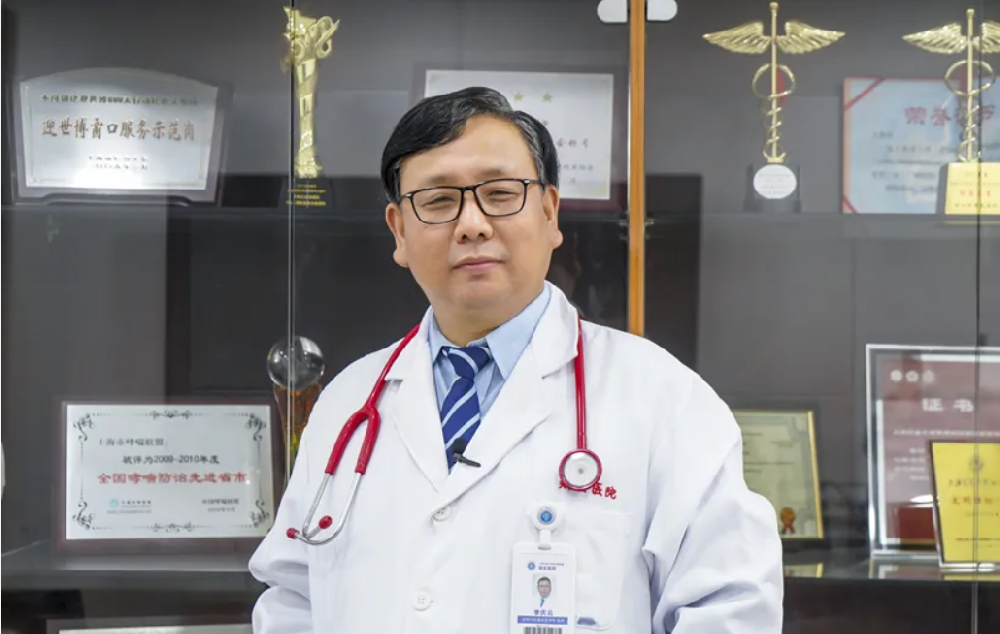
Dr. Li Qingyun | Sleep Apnea, and Illness Removed Without a Sound
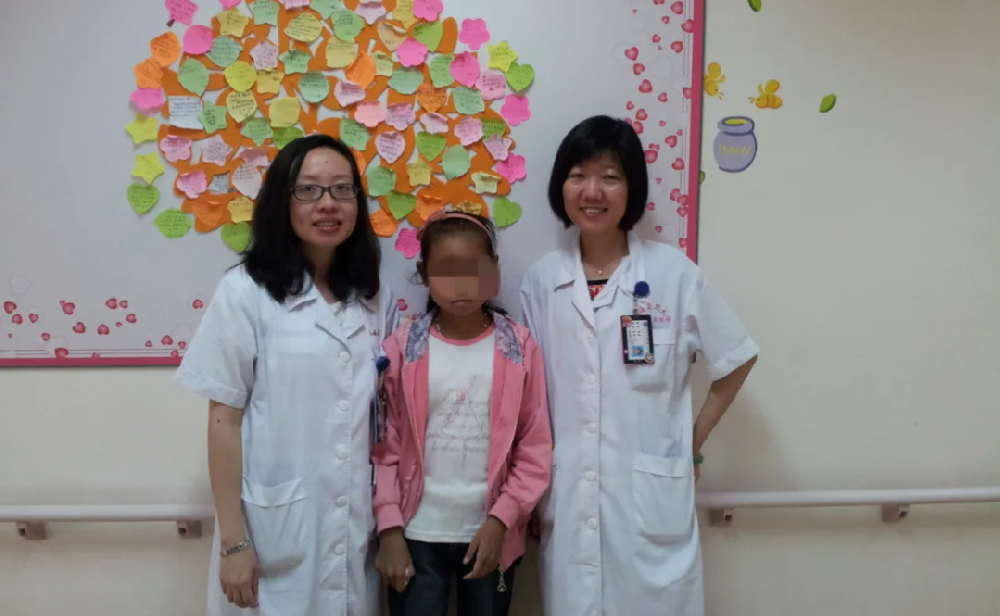
Dr. Shen Qian | Children’s Kidneys, Lucid and Gentle
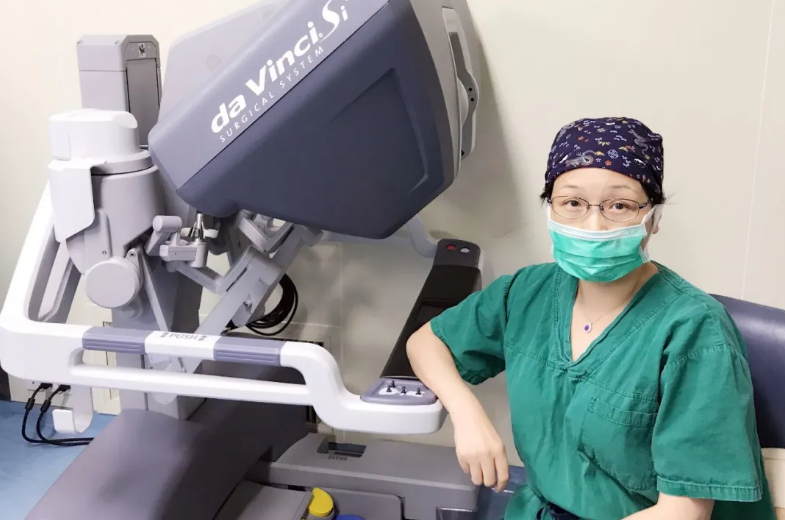
Dr. Zhu Zhiling | Gynecologic Surgery, and a Line She Would Not Cross
Dr. Yuan Gongjie | Children's Smiles, and the Orthodontist Who Still Tells Stories
Dr. Wang Chaoyang | Vitrectomy, and Flowers Once Hidden in the Eye
Dr. Fei Aihua | Emergency Medicine, and Striving to Win
Dr. Zhao Jinhua | Nuclear Medicine, and the Flowers Along the Road
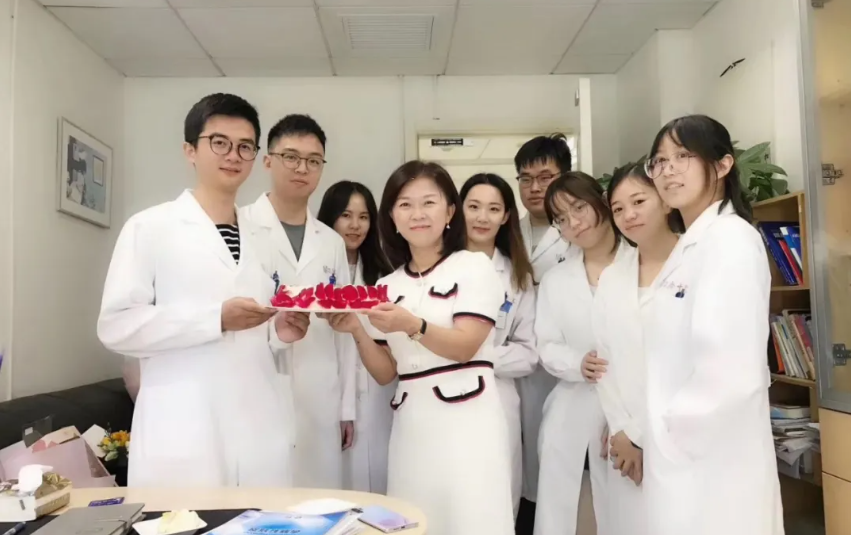
Dr. Shi Yuling | Psoriasis, and Spring Mountains Beyond the Plain
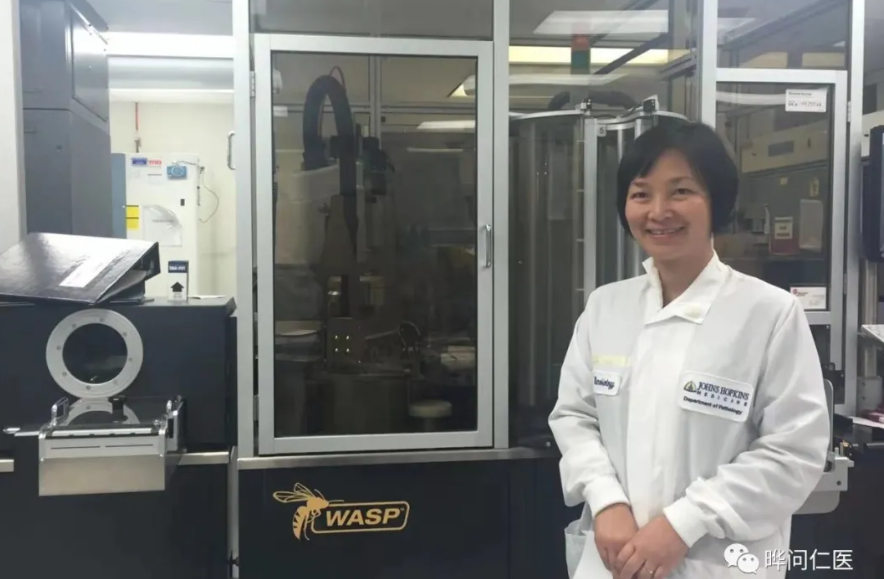
Dr.Ying Chunmei | Laboratory Medicine, Renewed a Little Every Day
Copyright © 2023 Yewen Renyi & ShanghaiDoctor.cn (This website is a non - profit medical humanities platform. The information contained herein is solely for biographical and historical purposes and does not constitute any medical advice.) 沪ICP备2023005392号-2 XML 沪公网安备31010902100835号
 中文
中文 English
 Español
 沪公网安备31010902100835号