ShanghaiDoctor - Where China's Healing Wisdom Shapes Modern Medicine

Update time:2026-01-07Visits:3428
Dr. Xu XiaoSheng

Associate Chief Physician, M.D, Department of Obstetrics and Gynecology, Ruijin Hospital, Shanghai Jiao Tong University School of Medicine
Indroduction:
"Youth is not a time of life; it is a state of mind. It is not a matter of rosy cheeks, red lips and supple knees; it is a matter of the will, a quality of the imagination, a vigor of the emotions; it is the freshness of the deep springs of life." — Seneca
In this world, time and age are the only things that accumulate without effort. Youth is fleeting. Yet, facing the rapids and shoals of his own personal and professional growth, Dr. Xu Xiaosheng has always chosen to confront challenges head-on.
Xu is an Associate Chief Physician at the Department of Obstetrics and Gynecology at Ruijin Hospital, affiliated with the Shanghai Jiao Tong University School of Medicine. But beyond the clinic, he is a rising figure in public health communication.
With over 600,000 followers, he has become a prominent medical influencer. Though untrained as a writer, his words resonate deeply with his audience. He channels his understanding of survival, his observations of life, and his gentleness toward his patients into stories that bridge the gap between doctor and layman.

The Path to Medicine
There is an old Chinese saying: "Up above there is heaven; down below there are Suzhou and Hangzhou."
Xu grew up in Zhangjiagang, a corner of this proverbial paradise in the Jiangnan region—a land known for its scenic beauty and rich cultural heritage. It was here, at the age of six, that Xu made a resolution to become a doctor. It was a dream born of tragedy.
In 1994, his uncle passed away from severe Hepatitis B. Just one year later, his grandfather died from complications of leukemia. These successive confrontations with mortality were shocks to his young soul, solidifying a lifelong obsession with medicine.
"A person grows up three times in their life," Xu reflects. "The first is realizing you are not the center of the universe. For me, that moment came at my uncle's bedside. After he passed, my mother told me, 'You must become a doctor. That way, you can save many people like your uncle.' She taught me that medicine is a way to keep our loved ones by our side."
The second stage of growing up, Xu says, is discovering that despite one's best efforts, some things remain beyond our control.
"Two years after my uncle died, my grandfather passed away—only three months from diagnosis to death. Afterward, my father took me to thank the doctors. Leaving their office, he told me: 'If you become a doctor, you won't just save your kin; you will guard strangers, just like these doctors. They fought for your grandfather. Although they couldn't extend the length of his life, they hopefully expanded the width of yours.'"
The third stage is the resolve to strive even when success is not guaranteed. Before Xu applied to medical school, his aunt asked if he was truly ready. When he nodded, she simply patted his shoulder: "Go for it. Do you remember your uncle? I miss him, too."
For Xu, medicine was not just a career choice; it was an act of love. He went on to attend one of China's premier institutions, Shanghai Jiao Tong University School of Medicine. There, he studied with a voracious appetite, often found late at night in the study hall, driven by the memory of the family members he couldn't save and the future patients he could.
In 2009, Xu passed the rigorous selection process for a French medical residency. He was sent to the University of Strasbourg Medical School, where he honed his skills in minimally invasive surgery at Hautepierre and Civil Hospitals.
While living in France, Xu often called his grandfather. During one call, the old man said, "Perhaps it is nice abroad, but Chinese people should come home." The simple sentiment struck a chord. Xu realized his ultimate goal was to ensure the health of his own community. Upon completing his residency, he returned to Shanghai and joined Ruijin Hospital.

The Male Gynecologist: Breaking Barriers
At Ruijin Hospital, Xu began his career in the Minimally Invasive Surgery Clinical Center under Professor Zheng Minhua. However, his proactive nature caught the eye of Professor La Duanduan, the Director of Obstetrics and Gynecology. A casual suggestion led to a transfer that would define his career: Xu moved to the OB/GYN department.
As a surgeon, the transition made sense. But socially, Xu faced the hurdle almost every male gynecologist encounters: gender bias.
"In specialties like breast surgery, male doctors are common because the public views it through a surgical lens," Xu explains. "But OB/GYN is historically tied to the concept of the 'midwife.' It carries a heavy gender label."
Initially, the reaction from patients was often shock or refusal. Xu faced complaints accusing the hospital of insensitivity, with patients demanding female doctors. "I understood their desire for privacy," Xu admits. "But at the time, it felt like an injustice to my professional capabilities."
Instead of retreating, Xu focused on communication. He worked to prove that professionalism transcends gender, building trust through surgical precision and genuine empathy.
"As I matured clinically, my resentment vanished. I now respect patient choice implicitly. If a woman demands a female doctor at the last minute, I accept it. It is her body, and her right."
Over time, his skill won out. By 2021, at age 35, he was appointed Associate Chief Physician. "Now, patients come specifically to see me. The recognition is gratifying."
In his department, the line between life and death is thin. Xu recalls a young woman whose mother was battling late-stage pancreatic cancer. After years of treatment, new masses appeared. The daughter, exhausted from balancing the care of her two children and her sick mother, broke down.
"I have two children I’ve neglected," she told Xu, weeping. "But I only have one mother."
Xu knew the prognosis was poor, but he saw the family's desperate need for hope. He performed the surgery, offering them a window of relief. He later learned the mother had told the nurses, "I don't worry about anything; my daughter makes the decisions." It was a reminder to Xu of the profound trust families place in his hands.


A Legacy of Mentorship
Xu credits his resilience to four key mentors who shaped his philosophy.
His father, a university educator, was his first guide, transitioning over the years from a figure of authority to a peer he consults on life's complexities.
His high school biology teacher, Mr. Ren Xiaowen, taught him a lesson derived from genetics: "DNA replication is just the baseline; what matters is inheritance and variation." It was a lesson in adaptation—teaching Xu that a doctor must constantly evolve his approach to connect with patients.
His surgical mentor, Professor Zheng Minhua, was a pioneer of laparoscopic surgery who taught him that a doctor requires character as much as skill.
And his current doctoral supervisor, Professor Feng Weiwei, an expert in gynecological oncology, taught him the art of empathy. "Patients come to you because they are helpless," she told him. "They spend their time and money on you because they have expectations. Never be impatient."

The "Influencer" Doctor
Initially, Xu resisted the label of "internet celebrity," fearing it would trivialize his medical work. But realizing the massive gap in public health literacy, he changed his mind in 2011.
He began translating complex medical jargon into accessible, engaging stories. His content covers everything from preventative care to the nuances of surgery, avoiding dry lectures in favor of human-centric narratives.
Today, his work has been read over 40 million times across platforms like Weibo, Douyin (TikTok), and WeChat. He has edited medical monographs and even invented a patented "Female Health Management Tool." In 2023, he was honored as a "New Force in Health Science Popularization" in Shanghai.
For Xu, this isn't about fame. It's about lighting a lamp. He believes a healthy society requires not just advanced technology, but a populace empowered by knowledge.


Q&A: In Conversation with Dr. Xu
ShanghaiDoctor.cn: Your father has been a major influence on you. Does he follow your work online?
Dr. Xu: I can feel his pride, though he expresses it differently from my mother. She reposts every video I make immediately. My father is more reserved, but I sense a shift. Our conversations have evolved from him giving me advice to him discussing issues with me as an equal. That mutual respect is deeply rewarding.
ShanghaiDoctor.cn: You trained at the University of Strasbourg. How does medical practice in Europe compare to China?
Dr. Xu: Surgically, the gap has closed significantly; China is on par with the West. However, my time in France broadened my horizons. I was surprised by how proactive Western doctors are in exploring innovative methods. Conversely, the sheer volume of patients in China creates a high-pressure environment that forces young doctors to mature quickly. When I was a resident in France, I could perform surgeries that only senior doctors there were allowed to touch, simply because I had so much practice back home.
ShanghaiDoctor.cn: You are also an inflight medical expert for China Eastern Airlines. What does that role entail?
Dr. Xu: It involves three main pillars. First, emergency response—coordinating aid if a passenger falls ill mid-flight. Second, I author the OB/GYN section of their medical manual, guiding crews on how to handle unexpected labor or obstetric emergencies. Third, we train flight crews in basic first aid, ensuring they can handle fractures or CPR until we land.
ShanghaiDoctor.cn: How do you approach high-risk pregnancy complications?
Dr. Xu: As Professor Duan Tao once said, "Giving birth isn't just a 'final kick'; an obstetrician must be both a surgeon and an internist." We use a multidisciplinary approach. If a patient has hypertension, I work with cardiologists. If it’s diabetes, I bring in endocrinologists. But beyond the medicine, the key is emotional support. High-risk mothers are terrified. My job is to explain the risks clearly but gently, making them partners in their own care rather than passive subjects.
Editor: Chen Qing @ ShanghaiDoctor.cn
Dr.Sun Jing | Fertility-Sparing Surgery, and a Future Already Here
Dr. Li Qingyun | Sleep Apnea, and Illness Removed Without a Sound
Dr. Zhu Zhiling | Gynecologic Surgery, and a Line She Would Not Cross
Dr. Yuan Gongjie | Children's Smiles, and the Orthodontist Who Still Tells Stories
Dr. Wang Chaoyang | Vitrectomy, and Flowers Once Hidden in the Eye
Dr. Zhao Jinhua | Nuclear Medicine, and the Flowers Along the Road
Dr. Shi Yuling | Psoriasis, and Spring Mountains Beyond the Plain
Dr.Ying Chunmei | Laboratory Medicine, Renewed a Little Every Day
Dr.Sun Jing | Fertility-Sparing Surgery, and a Future Already Here
Dr. Li Qingyun | Sleep Apnea, and Illness Removed Without a Sound
Dr. Shen Qian | Children’s Kidneys, Lucid and Gentle
Dr. Zhu Zhiling | Gynecologic Surgery, and a Line She Would Not Cross
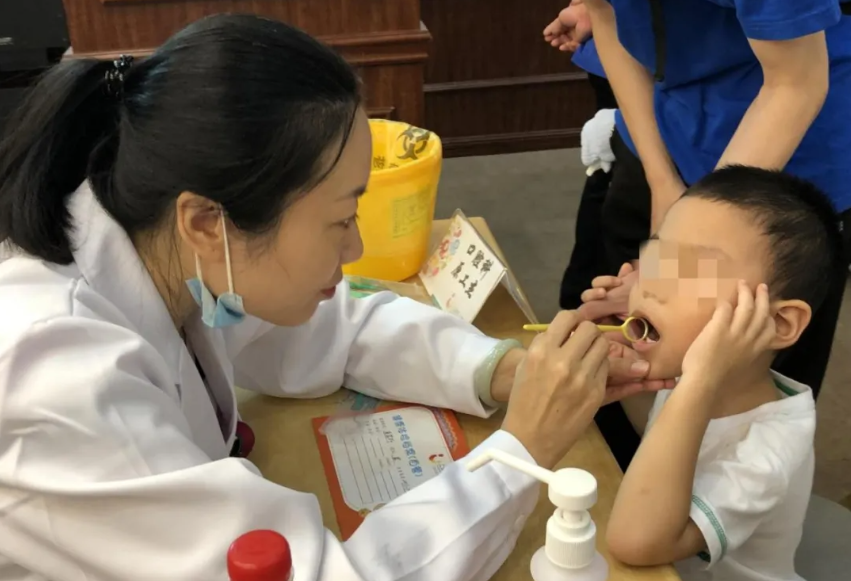
Dr. Yuan Gongjie | Children's Smiles, and the Orthodontist Who Still Tells Stories
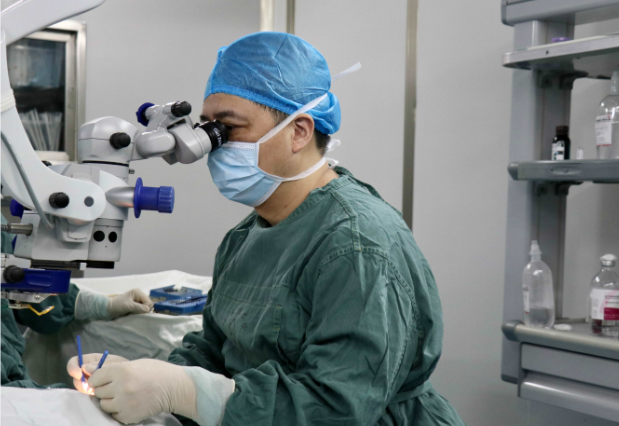
Dr. Wang Chaoyang | Vitrectomy, and Flowers Once Hidden in the Eye
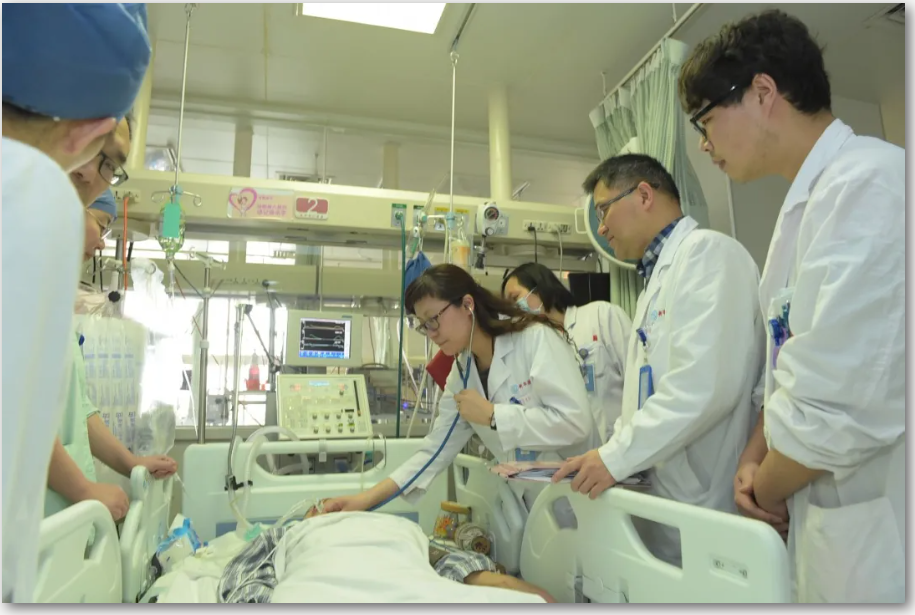
Dr. Fei Aihua | Emergency Medicine, and Striving to Win
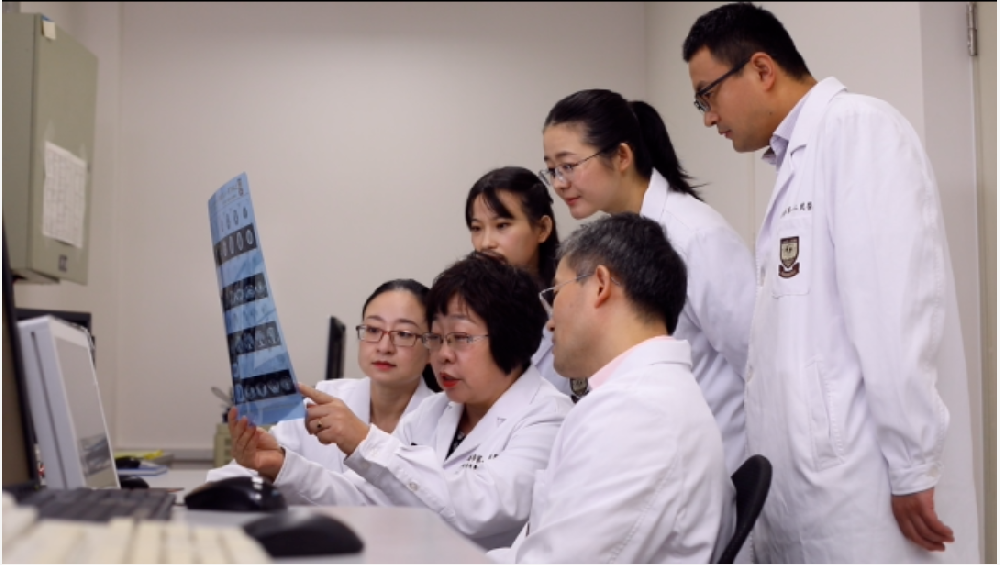
Dr. Zhao Jinhua | Nuclear Medicine, and the Flowers Along the Road
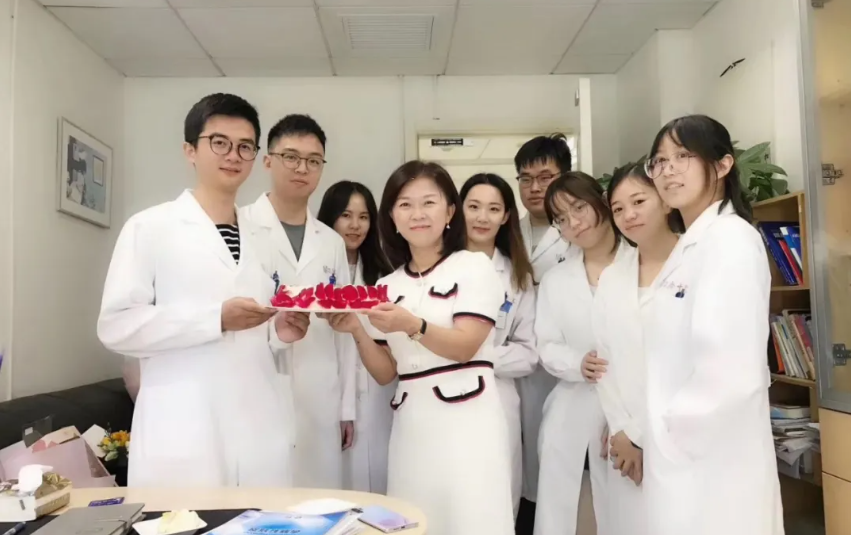
Dr. Shi Yuling | Psoriasis, and Spring Mountains Beyond the Plain
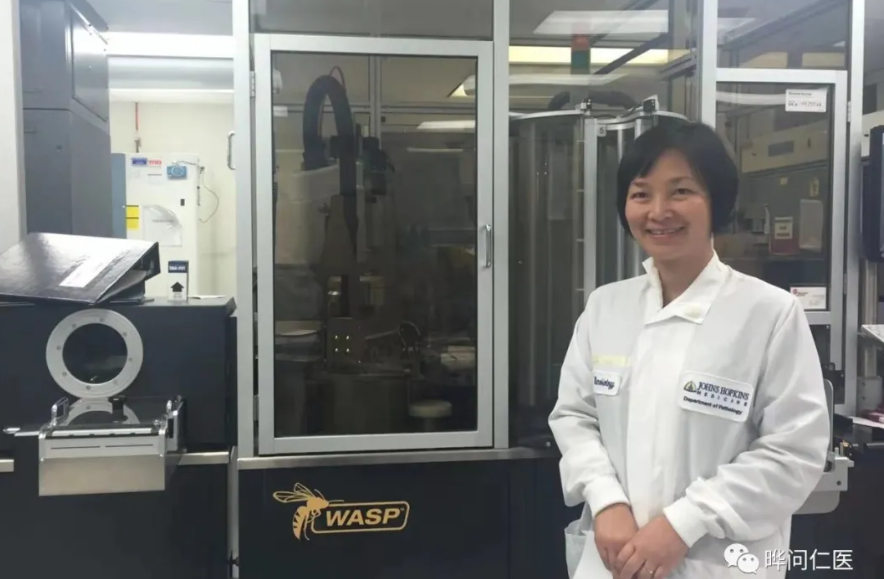
Dr.Ying Chunmei | Laboratory Medicine, Renewed a Little Every Day
Copyright © 2023 Yewen Renyi & ShanghaiDoctor.cn (This website is a non - profit medical humanities platform. The information contained herein is solely for biographical and historical purposes and does not constitute any medical advice.) 沪ICP备2023005392号-2 XML 沪公网安备31010902100835号
 中文
中文 English
 Español
 沪公网安备31010902100835号