ShanghaiDoctor - Where China's Healing Wisdom Shapes Modern Medicine

Update time:2026-01-18Visits:3091
Dr. Cai Junfeng
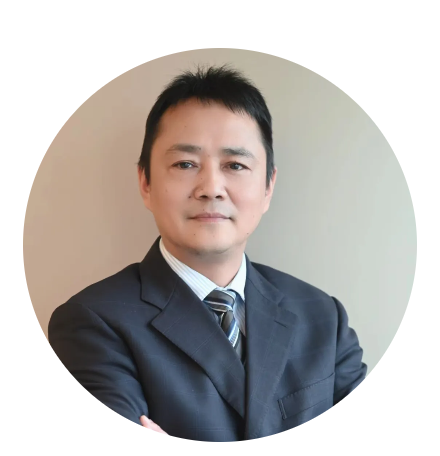
Professional Introduction
Cai Junfeng is a Chief Physician of Orthopedics, MD, and Master’s Supervisor. He serves as the Deputy Administrative Director of the Department of Bone and Joint Surgery at Shanghai East Hospital and the Leader of the Attending Physician Group at the South Campus. A graduate of the Shanghai Jiao Tong University School of Medicine, he joined the Department of Orthopedics at Shanghai East Hospital (affiliated with Tongji University) in 1998.
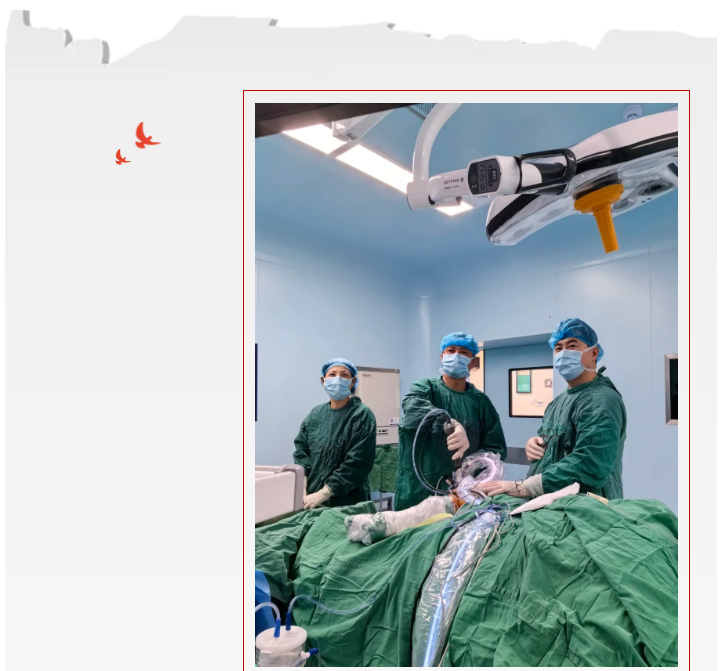
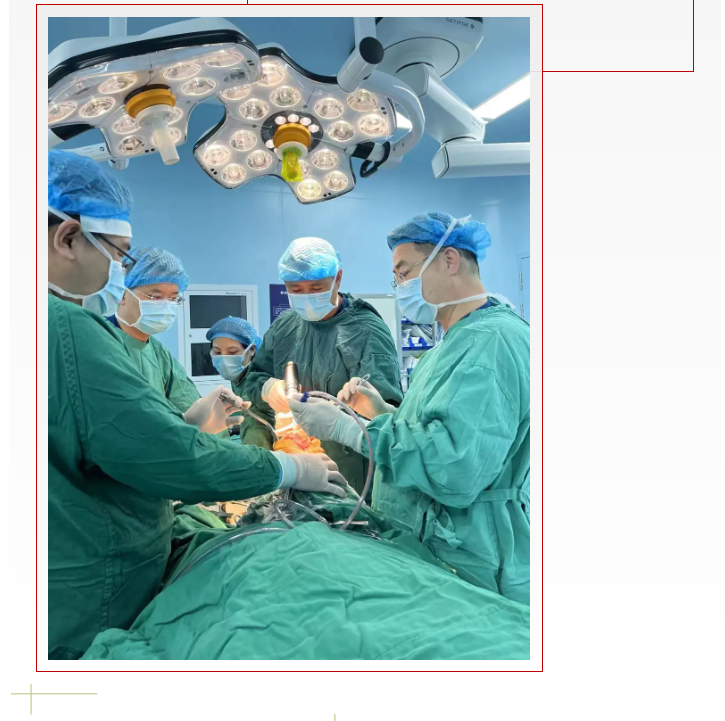
Dr. Cai has long been engaged in clinical and scientific research in orthopedics, with extensive experience in joint trauma. He specializes in high-difficulty surgeries, including minimally invasive hip and knee replacements and minimally invasive shoulder and knee arthroscopy.
Clinical Specialties:
Joint Replacement: Hip and knee replacement surgeries.
Arthroscopic Surgery: Shoulder, knee, and ankle arthroscopy (addressing frozen shoulder, rotator cuff injuries, knee ligaments, meniscus injuries, knee arthritis, femoral neck fractures, femoral head necrosis, congenital hip dysplasia, etc.).
Scientific Research:
Dr. Cai has presided over and completed one provincial/ministerial-level project in Shanghai and one Health Bureau project. As project leader, he has participated in three projects for the Shanghai Municipal Health Bureau and the Pudong New Area Science and Technology Commission, as well as multiple district-level projects. He has published over 30 papers in core journals, including 7 SCI papers, and holds 6 patents. He has contributed to 5 monographs, serving as Editor-in-Chief for two and Assistant Editor-in-Chief for one.

First-Person Perspective: Deciphering the "Secret Code" of Orthopedics
The vast ocean of medical knowledge can often leave people feeling overwhelmed and confused. Medical science popularization serves as a bridge between doctors and patients, bringing distant and profound medical concepts into the view of ordinary people.
On this bridge stands Dr. Cai Junfeng. With nearly 30 years of clinical experience, he is a mainstay of Shanghai East Hospital’s Bone and Joint Department. He is notably one of the few surgeons in Shanghai capable of performing DAA (Direct Anterior Approach) surgery—a procedure that has brought a "new lease on life" to many patients, including those with Alzheimer’s disease.
In Dr. Cai’s view, science popularization is not merely about transmitting information; it is about enhancing patient understanding and finding the balance between professional rigor and effective communication.
1. The Path to Medicine
"My father had a simple wish—to become a doctor. But fate intervened, and he couldn't realize that dream. So, he placed that hope on me," Cai Junfeng recalls. Consequently, he filled all his college entrance applications with medical schools.
A high-achiever, Cai chose to stay in Shanghai at the Shanghai Second Medical University (now Shanghai Jiao Tong University School of Medicine). Though he wasn't a professional athlete, his excellent high school sports record provided extra points for his entrance exam—though his score was high enough to enter China's top medical schools even without them.
The rigor of medical school was a shock. "I found that medical school had even more exams than high school; I almost felt like giving up," he admits. "But once you adapt to that intensity, you begin to love medicine."
After graduation, he entered the field during the rapid development of Pudong. The construction boom brought a massive influx of orthopedic trauma patients. "As a young doctor, we spent almost all our time at the hospital, often working until midnight. Fortunately, I was young and full of passion."
Dr. Cai attributes much of his growth to his mentor, Professor Yin Feng. "Professor Yin was extremely strict but had a deep sense of humanity toward patients and colleagues alike. He would spend his youth in the wards, reviewing every medical record with sharp observation." This dedication to detail and the courage to take on challenges deeply influenced Dr. Cai’s clinical and research style.
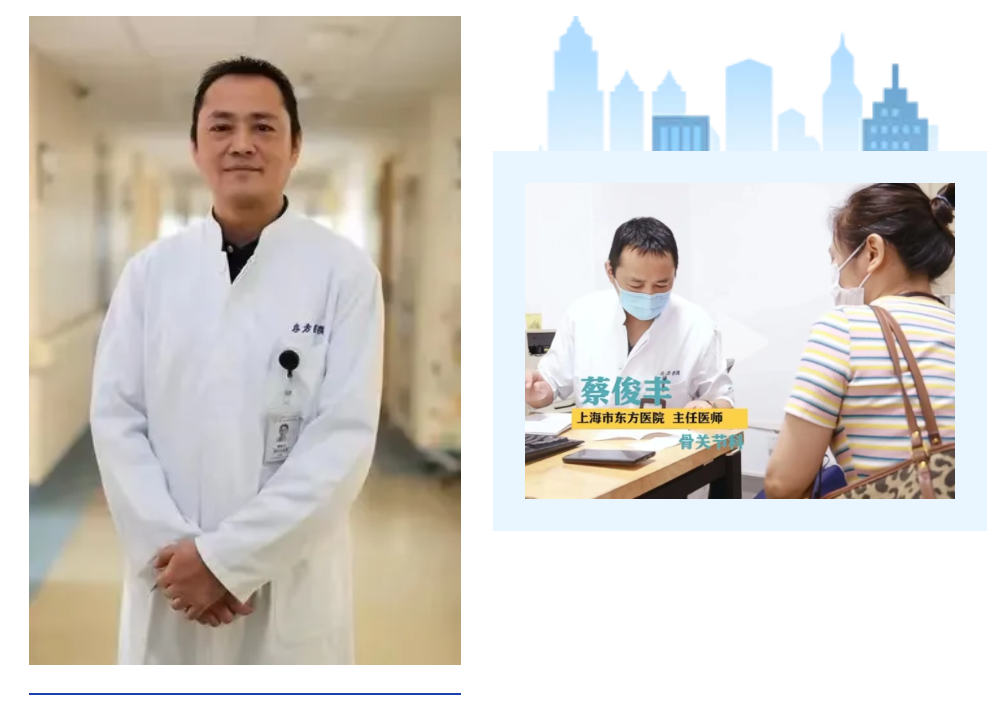
2. DAA Hip Replacement: New Hope for Alzheimer's Patients
"I remember we treated a special patient—86-year-old Grandma Tang, who suffered from Alzheimer's," Dr. Cai recalls. She had a femoral neck fracture. Because of her dementia, she was restless and unable to cooperate with the strict post-operative physical restrictions required by traditional hip surgery. In such cases, traditional surgery carries a high risk of repeated dislocation, which can be life-threatening.
Grandma Tang's family found Dr. Cai through his science popularization articles online. Dr. Cai’s team performed a DAA (Direct Anterior Approach) hip replacement. Unlike traditional posterior approaches, DAA involves a smaller incision and does not cut through muscles or damage the posterior structure of the hip.
The results were transformative. Because the surgery is inherently stable, Grandma Tang did not need to follow strict posture restrictions. She could turn over in bed, wear socks, and use the toilet shortly after surgery. Her pain subsided, her mental clarity improved, and within a week, she was walking and using the restroom independently.
While traditional surgery is mature, DAA is an excellent choice for patients with poor compliance, such as those with Alzheimer's or psychiatric disorders. Dr. Cai has since applied DAA to complex cases like congenital hip dysplasia with great success. His mastery of this technique earned him first place on the national popularity list at the "Surgeon's Glory" competition in 2019.
3. Strengthening Health through Science Popularization
Beyond surgery, Dr. Cai is a leader in health education. He believes that "everyone is the first person responsible for their own health."
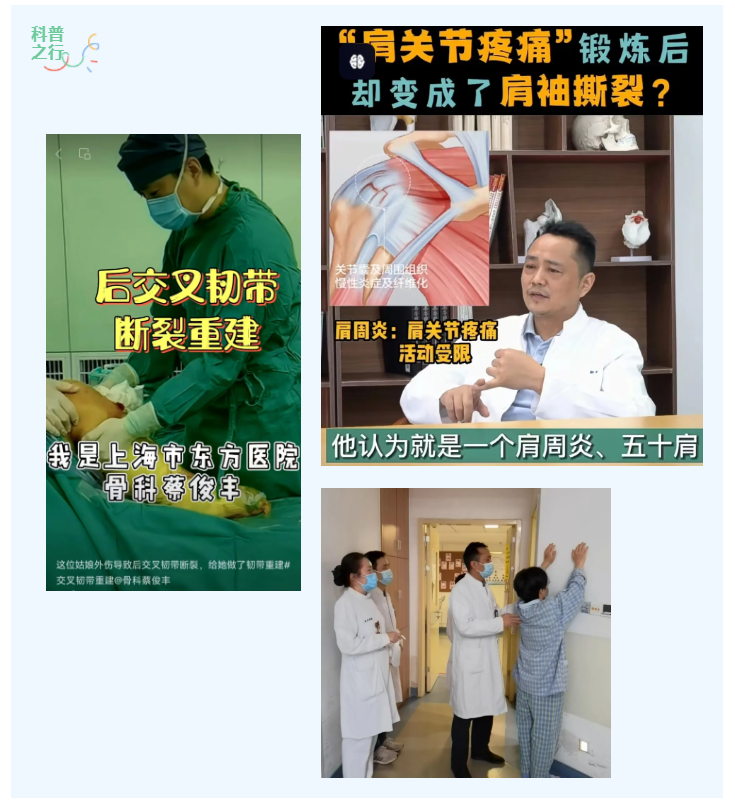
Utilizing social media platforms like Douyin (TikTok), he shares medical knowledge gained from his daily clinical life. A major focus of his outreach is Frozen Shoulder (Adhesive Capsulitis), often called "50-year-old shoulder."
"Frozen shDoulder is incredibly common among the middle-aged and elderly. The pain can be so severe it’s impossible to ignore," he explains. He emphasizes that while the condition is often self-limiting, early diagnosis and proper rehabilitation training are crucial to speed up recovery and avoid long-term loss of function.
He spends considerable time teaching the public how to distinguish between frozen shoulder and rotator cuff injuries, as the treatments differ significantly. For Dr. Cai, a doctor’s job is not just to cure, but to educate and prevent.
Q&A: Dialogue with the Doctor
ShanghaiDoctor: How do doctors build trust with patients through science popularization?
Dr. Cai Junfeng: Sharing content on social media helps popularize medical knowledge while building a professional image. When a doctor regularly posts valuable information, patients better understand the doctor’s expertise. This establishes trust before they even meet, making patients more likely to seek help from a doctor whose professional capabilities they have already "vetted" online.
ShanghaiDoctor: What are the specific benefits of science popularization for the doctor?
Dr. Cai Junfeng: Besides increasing the visibility of the hospital and department, it helps doctors reach more patients who truly need their help. Additionally, many medical institutions now encourage these activities, and they are increasingly considered in professional promotions.
ShanghaiDoctor: How can one judge the reliability of medical information online?
Dr. Cai Junfeng: First, check the doctor’s credentials and professional background. Second, see if the content is based on authoritative research or official guidelines. Finally, compare information from multiple experts. Professional medical information is usually balanced, avoids exaggeration, and mentions the pros and cons of different treatments.
ShanghaiDoctor: What are your expectations for the future of your outreach work?
Dr. Cai Junfeng: I want to provide truthful, valuable information to help those who are lost find accurate medical knowledge. I hope science popularization acts as a "lamp" for readers. However, remember that while these articles provide guidance, a professional doctor in person is the true navigator for your health.
ShanghaiDoctor: What are your hobbies outside of work?
Dr. Cai Junfeng: When I was young, I loved sports, especially track and field. Now that I’m busy, I enjoy reading and traveling with my family when I can find a spare moment of peace.
Editor: Chen Qing @ShanghaiDoctor.cn
If you need any help from Dr. Cai, Please be free to contact us at Chenqing@ShanghaiDoctor.cn
Dr. Lu Yanan | Pediatric Heart Surgery, and Feeling Another’s Pain as One’s Own
Dr. Chen Sun | Newborn Heart Intervention, and Staying Young Enough to Be Moved
Dr. Wu Yurong | Fetal Echocardiography, and Kindness as Part of the Job
Dr. Li Dawei | Sphincter-Saving Surgery, and the Operation That Fits the Patient
Dr. Zhang Jian | Laparoscopy, and the Hearth Fires of Ordinary Life
Dr.Sun Jing | Fertility-Sparing Surgery, and a Future Already Here
Dr. Li Qingyun | Sleep Apnea, and Illness Removed Without a Sound
Dr. Zhu Zhiling | Gynecologic Surgery, and a Line She Would Not Cross
Dr. Lu Yanan | Pediatric Heart Surgery, and Feeling Another’s Pain as One’s Own
Dr. Chen Sun | Newborn Heart Intervention, and Staying Young Enough to Be Moved
Dr. Wu Yurong | Fetal Echocardiography, and Kindness as Part of the Job
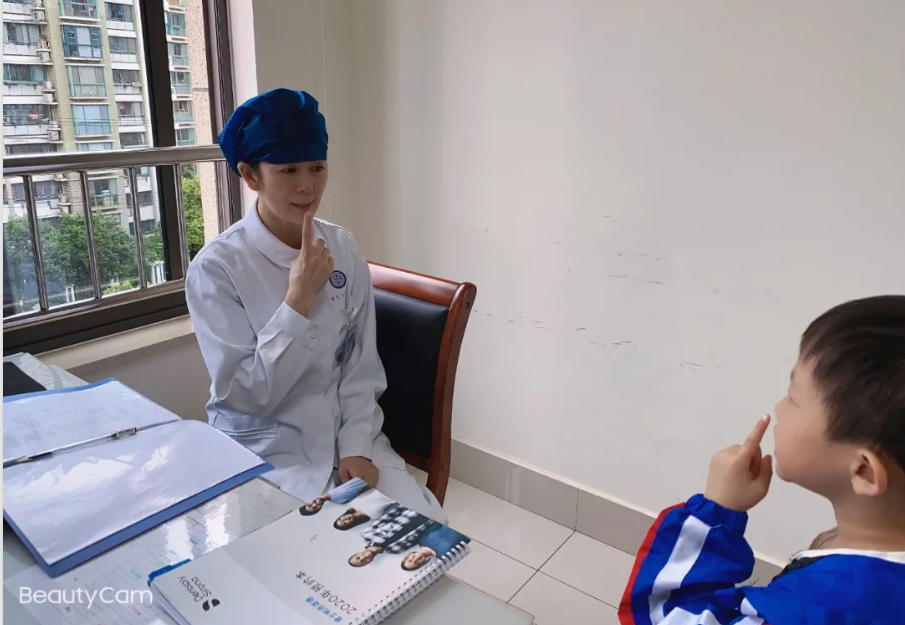
Jiang Liping | Speech Therapy, and the Lamp She Carries
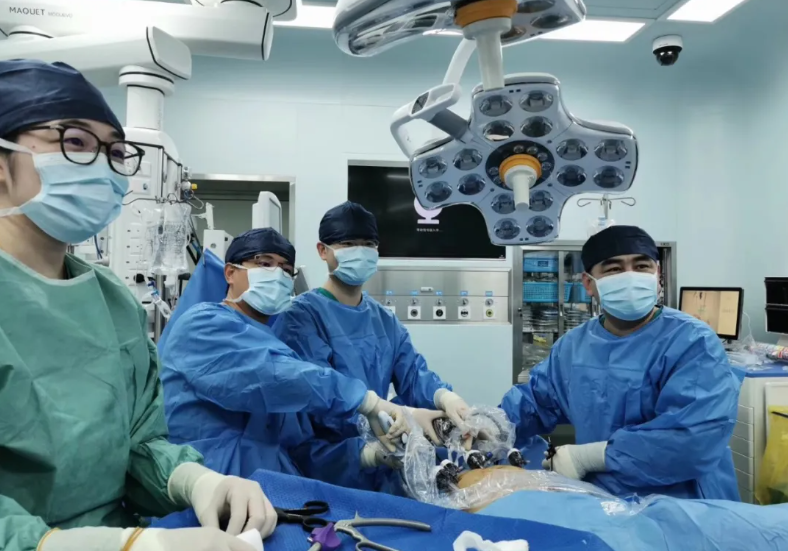
Dr. Li Dawei | Sphincter-Saving Surgery, and the Operation That Fits the Patient
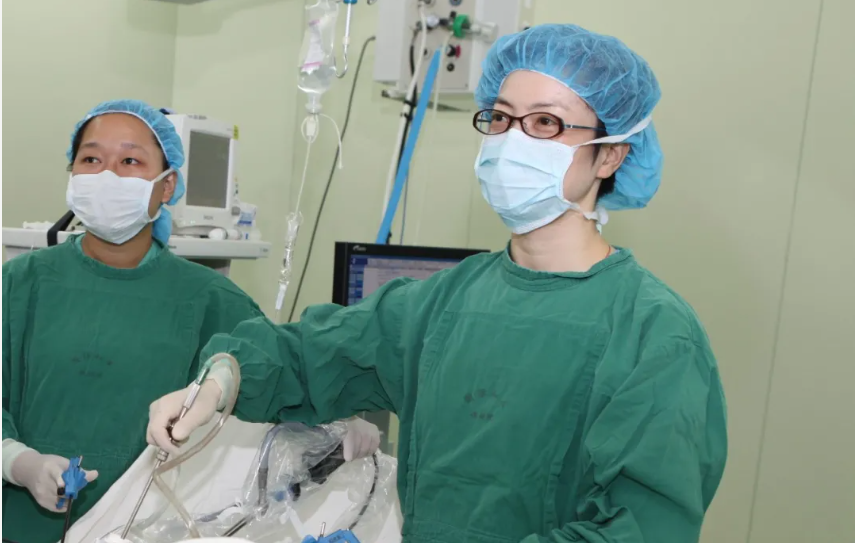
Dr. Zhang Jian | Laparoscopy, and the Hearth Fires of Ordinary Life

Dr.Sun Jing | Fertility-Sparing Surgery, and a Future Already Here
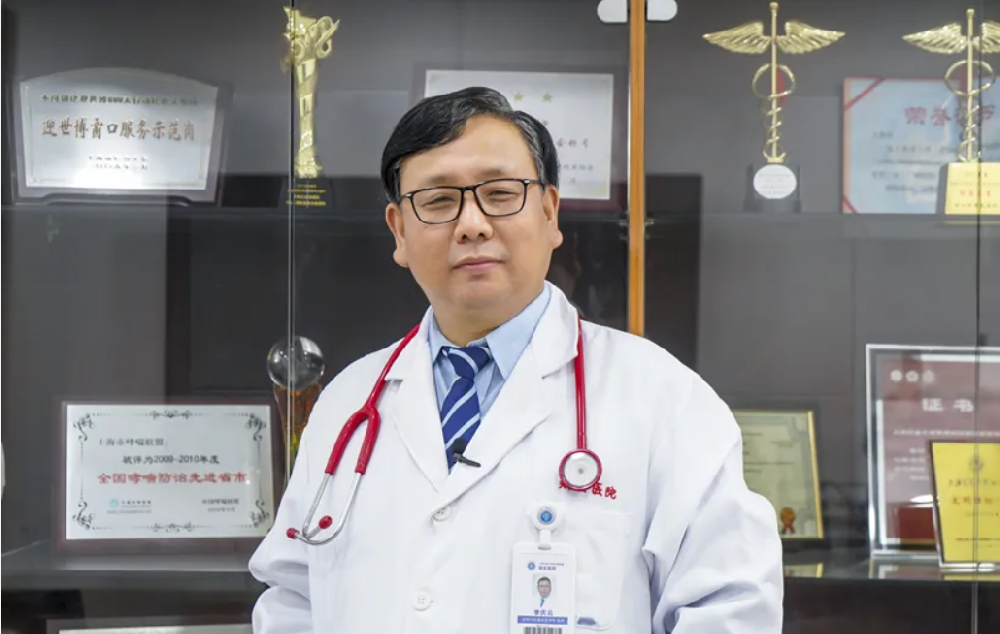
Dr. Li Qingyun | Sleep Apnea, and Illness Removed Without a Sound
Dr. Shen Qian | Children’s Kidneys, Lucid and Gentle
Dr. Zhu Zhiling | Gynecologic Surgery, and a Line She Would Not Cross
Copyright © 2023 Yewen Renyi & ShanghaiDoctor.cn (This website is a non - profit medical humanities platform. The information contained herein is solely for biographical and historical purposes and does not constitute any medical advice.) 沪ICP备2023005392号-2 XML 沪公网安备31010902100835号
 中文
中文 English
 Español
 沪公网安备31010902100835号