ShanghaiDoctor - Where China's Healing Wisdom Shapes Modern Medicine

Update time:2026-02-23Visits:4212
Profile
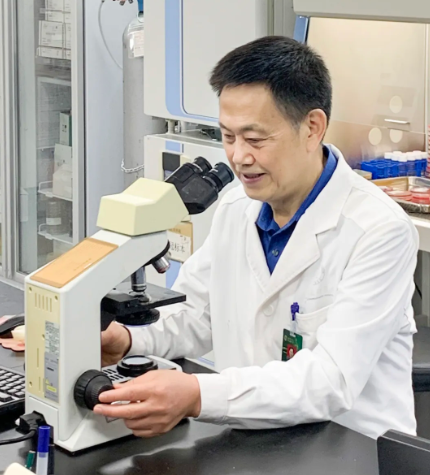
Zhou Tingyin is the Chief Technician of the Clinical Laboratory Department at Changzheng Hospital, Naval Medical University.
With over 40 years of experience in clinical microbiological testing and research, he has developed extensive expertise in microbial identification. He is particularly renowned for his unique skill in diagnosing difficult and rare bacterial pathogens.
He was the first researcher in China to identify several novel bacterial species, including Streptococcus satellitus, Streptococcus constellatus, Grimontia hollisae, and Vibrio mimicus. In recent years, he has assisted hospitals nationwide in identifying more than 40 challenging bacterial strains. He has organised 25 national sessions of the continuing medical education course "Isolation and Identification of Difficult Bacterial Strains," training over 3,500 professionals. In 2013, he founded the Shanghai Difficult Bacteria Reading Session, which has now been held successfully 15 times.
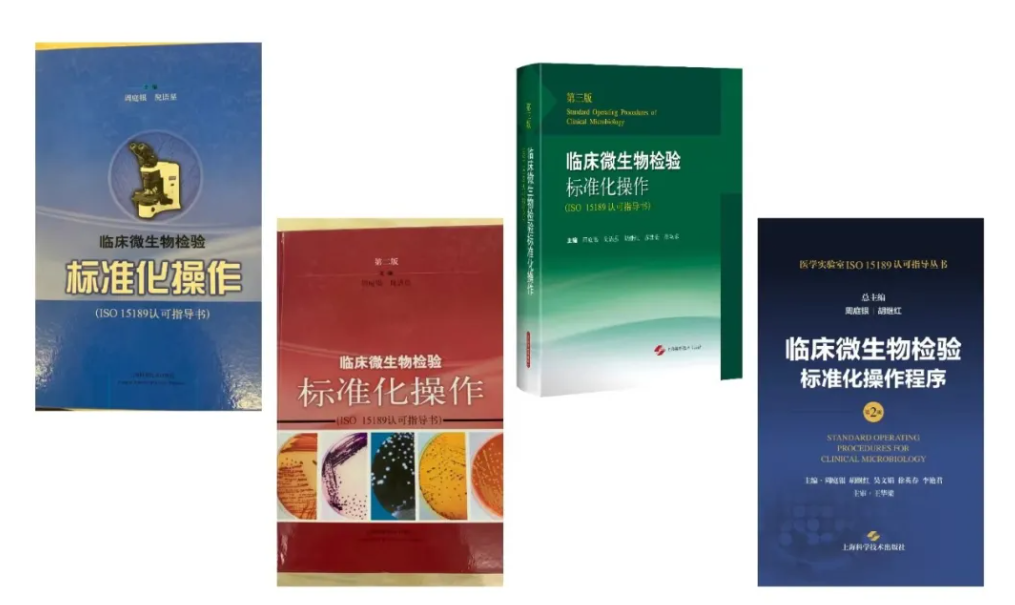
To solve the problem of "invisible" bacteria in blood cultures—where organisms are present but cannot be seen via standard Gram stain or grown on subculture plates—he pioneered the use of Wright's stain. This technique allows for the timely detection of bacteria, ensuring the accuracy of critical blood culture reports. His innovations also include a novel biphasic chromogenic blood culture bottle, a multifunctional chromogenic body fluid culture bottle, a rapid urine culture medium, a digestive solution for acid-fast bacilli, and a universal sputum processing container suitable for both bacterial culture and tuberculosis smear tests. He holds 5 National Utility Model Patents and 1 Invention Patent. As a leading author, he has written 13 clinical microbiology textbooks. His work Clinical Microbiology Diagnosis and Illustration received the First Prize for Outstanding Science and Technology Books in East China. He served as Editor-in-Chief for the 12-volume Medical Laboratory ISO15189 Accreditation Guidance Series (First and Second Editions), contributed to three other major publications, and has authored over 40 research papers.
In His Own Words
"Nothing brings me greater joy than navigating the vast universe of microorganisms. By unlocking this hidden world, I have witnessed countless astonishing wonders and deciphered one life code after another," says Zhou Tingyin, Chief Technician of the Clinical Laboratory Department at Changzheng Hospital. He shares with us the pride and pursuit of a dedicated microbiologist.
The military ethos endures; every moment is precious.
For 51 years, he served in the Laboratory Department of Shanghai Changzheng Hospital, advancing from a soldier to a civilian senior colonel. He dedicated over four decades to microbiology, achieving one breakthrough after another. The field knows him for his three hallmarks of excellence:
First, an abundance of publications. He served as the inaugural editor-in-chief for 13 authoritative texts, covering fundamentals of clinical microbiology, clinically significant bloodstream and gastrointestinal infections, and medical laboratory quality management systems—works noted for their remarkable breadth and depth.
Second, an abundance of inventions. To address the low positivity rate of sterile body fluid cultures and the diminished bacterial yield caused by delayed inoculation, he invented the "perfume bottle"—a biphasic culture bottle based on a solid-liquid principle that allowed for quick and convenient specimen processing.
Third, an abundance of innovation. He pioneered a "grafting" technique to solve a persistent problem: bacteria visible in blood culture bottles but not on Gram stain, which prevented timely preliminary reports. His research demonstrated that Wright's stain could detect these organisms, ensuring report accuracy. When bacteria seen on smears failed to grow on standard agar, he developed a method using the blood culture medium itself to create a plate, successfully culturing the bacteria and improving detection rates.
Typically, Brucella blood cultures took 4–5 days to report, delaying treatment. His work showed that if a Gram stain suggested Brucella, it could be confirmed within 1–2 hours, giving clinicians a critical head start. He also discovered that certain anaerobic bacteria, like Bacteroides fragilis and Clostridium tertium, could be isolated from conventional aerobic blood culture bottles.
At a time when many hospitals lacked anaerobic blood agar plates, he devised a method using standard blood agar as a substitute, solving a widespread logistical problem.
For urinary tract infection cases with high white cell counts but repeatedly negative cultures, he reasoned that the presence of white cells indicated hidden pathogens. His research yielded a cultivation method that provided accurate diagnoses and susceptibility data, enabling effective treatment. When mucoid Pseudomonas aeruginosa colonies showed negative biochemical reactions and no growth on susceptibility plates, he developed a technique to promote growth, allowing for correct reporting.
He even improved basic techniques: replacing the traditional inoculation loop for sputum cultures with an initial cotton swab spread followed by loop streaking, which significantly boosted pathogen detection rates. To improve the low yield of acid-fast bacilli in urine smears, he identified why centrifuged sediment detached from slides and solved it by using an inoculation loop dipped in serum to prepare the smear.
Through such ingenious solutions, he resolved countless perplexing challenges in clinical microbiology.
He has built a network of 15 WeChat groups with more than 7,000 members and founded a public-interest microbiology platform—the Clinical Microbiology Forum. This influential platform now serves over 22,000 members across all 32 provincial-level regions of China, including Hong Kong, Macao, and Taiwan, spanning more than 300 cities. To date, he has organized 25 training sessions for over 3,500 participants, sharing the latest advances and clinical expertise in microbiology. His work has earned widespread recognition and praise from specialists and peers nationwide.
Confronting each challenge in turn, he reflects that life is a journey of continual striving—full of twists and turns, leaps forward, hardships, and breakthroughs—all while growing and giving thanks along the way. Life, he says, is like a fine wine to be savoured: the first taste may be sharp or bitter, but with careful attention, it reveals an enduring richness.
1. The Path to Medicine
He still vividly recalls December 1970, when he enlisted with pride. It was a turning point for the nation and the beginning of his own remarkable journey.
As a soldier, he carried great responsibility—along with honour, courage, and faith. Each morning at five, before dawn broke, he would rise, put on his heavy uniform, and begin a day of rigorous training. Through winter frost and summer heat, he forged a resilient character. He learned that only relentless discipline makes a true soldier. In his mind, there was no room for retreat, complaint, or surrender—only resilience, perseverance, and determination. His spirit was unyielding; he saw himself as part of the nation’s backbone, a guardian of its people. The trials of military life were etched in his steadfast gaze and unwavering posture.
In May 1972, his outstanding performance earned him a placement at the Second Affiliated Hospital of the Second Military Medical University (Xi’an Baqiao Second Hospital) for nursing training—his first step into medicine. After six intensive months, he began rotations in the hospital’s Laboratory Department. Through diligent study, he later passed the entrance exam for the Second Military Medical University’s night school, majoring in Medical Technology. Three years on, he was admitted to the Third Military Medical University’s correspondence undergraduate programme in Medical Laboratory Science.
At that time, the Laboratory Department was divided into three sections: Biochemistry, Clinical Laboratory, and Microbiology. Once his rotations ended, he felt most drawn to Microbiology. However, due to staffing constraints, he could not specialise immediately and instead took on comprehensive laboratory duties.
In the softly lit lab, the focused faces of the microbiology staff showed quiet determination. He analysed each sample with care, piecing together a picture of the patient’s health. Whether handling blood, urine, or tissue specimens, he would place them on culture plates and wait patiently for the results to emerge.
Gradually, he came to a deeper understanding of the mission of clinical microbiology. He knew well the intimate link between pathogens and disease and believed that identifying the causative agent was the fastest route to effective treatment. This realisation not only deepened his professional pride but also convinced him that microbiology was his calling—a field where he could make a unique contribution to patients by tracing illnesses to their source.
In 1985, he began working full-time in clinical microbiology testing and research, convinced of the profound importance of the work. To him, every microorganism held infinite mystery and possibility. Whenever he encountered rare or hard-to-identify bacteria, he would meticulously photograph and archive the data.
“Back in the 1970s, I dreamed of publishing a book on clinical microbiology. My department head at the time thought the idea was too ambitious—almost impossible. Conditions were poor: no computers, scarce books and materials, much of the information had to be copied out by hand. But I was determined. I believed that with long-term preparation—by studying the rare and challenging bacteria from daily work, collecting experimental and clinical data, and diligently building both theoretical knowledge and practical experience—I would eventually achieve it.”
From then on, he became inseparable from his laboratory, working tirelessly through the years. The work might have seemed quiet from the outside, but it was full of vitality and passion. He kept a close eye on every challenging bacterium and every complex sample, always with the patient’s welfare foremost in his mind. When faced with particularly difficult cases, he did not retreat; instead, he doubled his efforts. He pored over the latest domestic and international research, discussed cases with colleagues, and constantly tested his own knowledge and skill. He understood that only through continuous learning could he provide patients with timely and accurate diagnoses.
“To this day, I remember what the senior lab expert Ma Zixing told me: ‘In this work, you must study diligently, master English, be competent in both practice and writing, and excel at summarising your findings—only then can you make a name for yourself.’” It was Ma Zixing’s advice that strengthened his faith, gave him courage, and lit a beacon toward his dream.
He often says, “A good microbiologist must do what others cannot, notice what others overlook, and document what others miss. When faced with unidentified bacteria—those elusive, hard-to-identify bacteria—never settle for an ambiguous report. You must pursue the truth.”
Consider one case: a 74-year-old male, Mr. Huang, developed a persistent cough in mid-April 2013, producing large amounts of white, mucus-like sputum—roughly 100ml daily. By May 20, at a Zhejiang hospital, a chest CT revealed emphysema with bilateral lung infection and interstitial lesions in the left lung and right middle lobe. His white blood cell count was elevated, and he was diagnosed with interstitial pneumonia. Treatment began with Sulperazon and a five-day course of Solu-Medrol, later switched to oral methylprednisolone. After some improvement, he was discharged on June 6 and continued steroids at home—with little effect.
On July 4, he visited the Respiratory Department of Changzheng Hospital. Given his symptoms and an unresolved shadow in the left upper lung, he was admitted. Multiple sputum cultures failed to grow pathogenic bacteria, yet clinical signs strongly suggested infection. The team called him in for consultation. The next afternoon, reviewing a stained smear himself, he identified tumor cells—leading to the final diagnosis: adenocarcinoma.
Standard sputum culture protocol requires microscopic smear examination before culturing. In this case, across two hospitals, several lab technicians had prepared and examined multiple specimens yet missed the tumor cells, resulting in misdiagnosis. This is a lesson worth reflecting on deeply. Those in microbiology must master their craft, commit to it earnestly, dig deeper, and continually raise their own standards.
For him, progress is not merely a motivator—it is a sense of mission. He understands that to study the behavior and characteristics of diverse bacteria, one must be skilled in various detection methods and lab techniques, able to independently solve problems. Beyond that, one’s findings must gain broader acceptance and recognition, harnessing collective wisdom to push the field further. He studies English diligently to better read and write academic papers, widening his path in microbiology.
2. Fruitful Results—Where Rigor Meets Passion
“What satisfies me most is earning people’s trust. Sometimes, when unidentified bacteria—bacteria that stumped labs in other provinces—are sent to us for identification, and we succeed, they want to thank me with a meal. But the meal isn’t what matters. What matters is that we solved the puzzle, and I’ve preserved valuable data and images. That’s my real reward.”
Through years of accumulated experience and continuous refinement, he has become something of a legend in China’s clinical bacteriology field. He was among the first in the country to identify several novel bacterial strains, such as satellitic streptococcus, Streptococcus constellatus, Grimontia hollisae, and Vibrio mimicus. These significant discoveries cemented his professional standing and his contributions to clinical microbiology.
“Conditions in the early days were quite poor, and discovering new strains wasn’t easy—but I truly relish a challenge. There were times I forgot to eat, completely absorbed. Just working through the puzzle was happiness enough.”
The experimental conditions were primitive, the equipment outdated, and the working environment was harsh. Yet, he worked with unwavering passion and diligence, devoting himself completely to microbiological testing. For him, immersion in this research was a profound source of joy.
In his work, "precision" defined his entire approach. He continuously explored, innovated, and refined his practice, repeatedly surpassing his own limits to achieve substantial results. His persistence was rewarded: his accomplishments gained widespread recognition and affirmation, and his work ultimately served to protect public health.
Beyond his own research, he founded the Shanghai Challenging Bacteriology Slide Review Conference in 2013, which has since been held successfully fifteen times. This forum provides a platform for young doctors and peers to exchange knowledge, allowing many to benefit from his expertise. The conference is characterised by its intense focus and rigour. His insightful explanations consistently captivate attendees, who listen earnestly to his presentations and engage wholeheartedly with this academic exchange. He has a gift for making complex topics accessible, drawing not only on his deep knowledge but also using vivid case studies to address participants’ questions.
"Here, everyone leaves with something valuable." Such initiatives have created an exceptional platform for learning and professional dialogue. They also reflect his academic ethos and foresight, setting a benchmark for medical education in bacteriology.
He believes that true training is about teaching people to fish for themselves. In his view, effective education in this field can save countless lives. He notes that delayed reports cause patients to miss crucial treatment windows, while inaccurate reports lead to antibiotic misuse and the rise of superbugs—both scenarios are unacceptable. He illustrates this with a case: a patient in a major Shanghai hospital presented with fever but a low white blood cell count. Multiple blood cultures failed to identify a pathogen, and the patient was treated for typhoid fever. After a month, they were discharged, only to relapse two weeks later and be admitted to Changzheng Hospital. There, a blood culture triggered a positive alarm within 24 hours, yet no bacteria were visible on the Gram stain. After reviewing the case and confirming the infection, he recollected samples, applied his method—Wright’s stain—and successfully identified the pathogen as Brucella melitensis. With targeted treatment using doxycycline and rifampin, the patient’s fever subsided rapidly, and they recovered fully after four weeks, with no recurrence.
Beginning his career as a soldier, his journey in clinical microbiology is nothing short of remarkable. Without formal training in the field, he was driven by a love for the science and sheer perseverance. Through relentless study, he became one of China’s most distinguished clinical microbiologists, quietly advancing the nation’s capabilities in microbiological testing.
He believes that while today’s technology is advancing rapidly, fundamental testing methods—such as bacterial culture—remain indispensable. "Even with advanced gene sequencing available, its clinical application still involves delays. There’s an urgent need to train a new generation of microbiology specialists with solid foundational skills—which is exactly why I’m committed to teaching. Although gene sequencing has many advantages, it is relatively costly and cannot be used directly for drug sensitivity testing. In contrast, clinical blood cultures are more affordable, and the cultured bacteria can be tested directly for drug sensitivity, giving clinicians a practical basis for diagnosis and treatment."
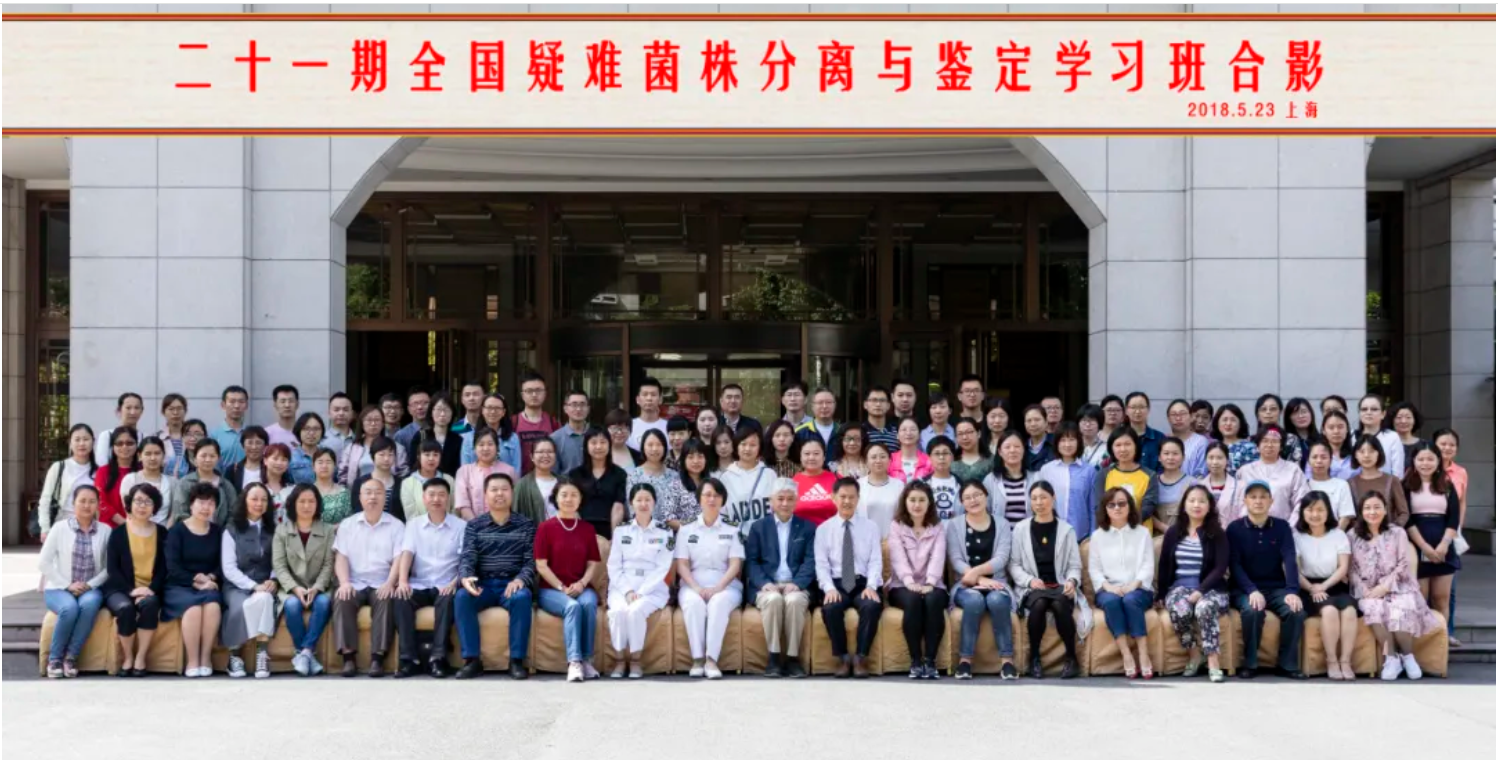
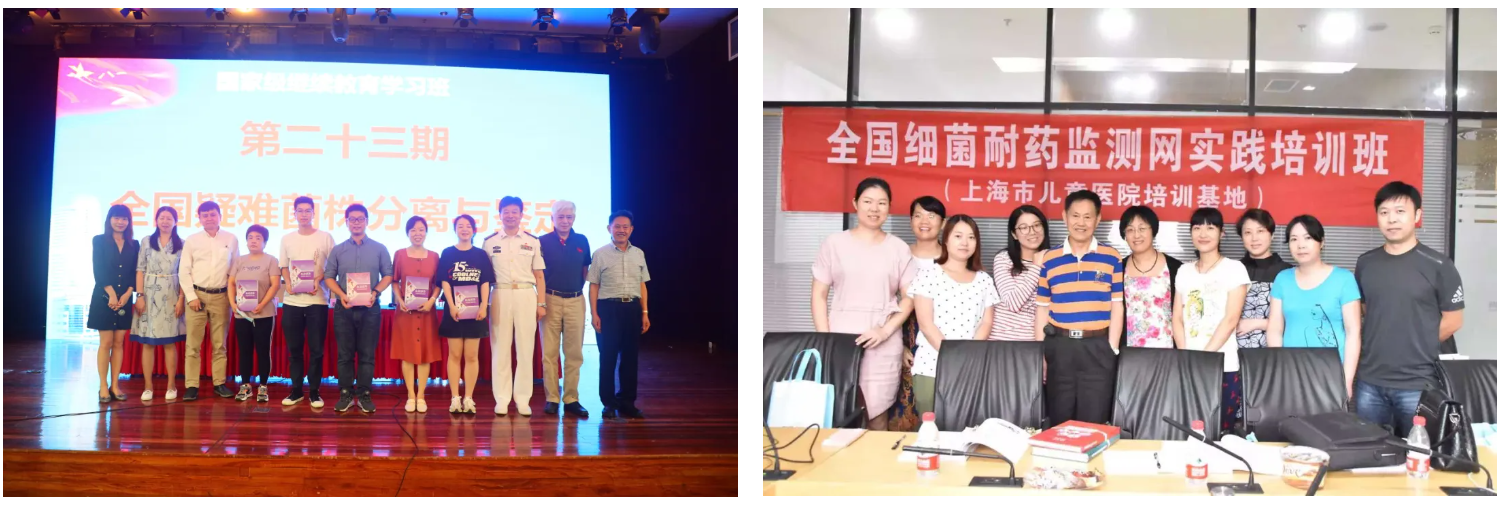
3. The “Inventor” in the World of Microbiology
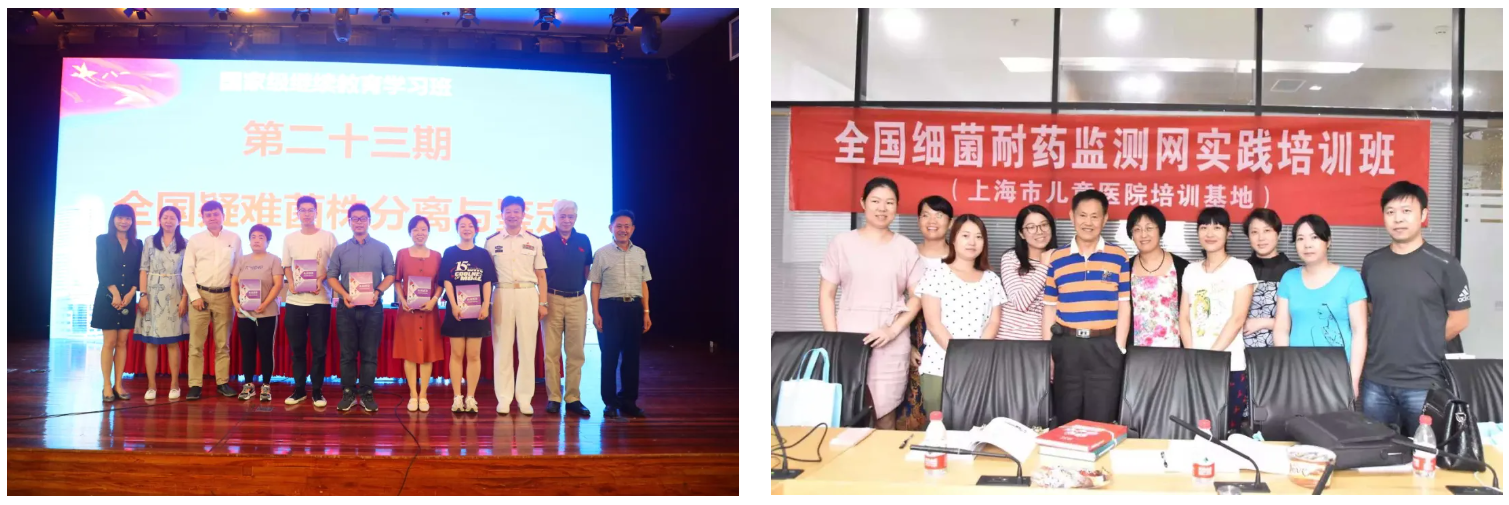
When blood culture bottles test positive, he observed that some bacteria could not be seen using standard Gram staining—and would not grow on any culture plate. Through further research, he successfully adapted Wright’s stain—a technique originally used in cytology to study cell structure—for bacteriology, making these microbes clearly visible under the microscope. This innovation offered a more reliable basis for clinical diagnosis.
As a clinical microbiologist, he has always emphasised research-driven practice, striving to enhance both technical capability and innovation in the laboratory. Beyond conventional testing, he has continually explored new tools to solve clinical problems. Among his developments are dual-phase chromogenic blood culture bottles, multifunctional chromogenic body fluid culture bottles, and rapid urine culture media—all improving lab efficiency and raising the technical level of diagnostic work.
He also formulated a specialised digestion solution for acid-fast bacilli. This solution not only has strong antibacterial properties but also speeds up sample processing, supporting faster and more reliable disease diagnosis. In clinical use, it shortens detection time, improves accuracy, and reduces false positives and missed cases.
In addition, he designed a sputum specimen container that allows liquefaction and storage suitable for both routine bacterial culture and tuberculosis culture. This simplifies laboratory handling, improves sample preservation, and lowers the operator’s risk of cross-infection.
These practical innovations have been widely adopted in clinical practice, influencing the field significantly. He is convinced that only through continual improvement can we better serve patients and advance laboratory medicine. To date, he holds five national utility model patents and one invention patent.
4. Authoring Guides, Setting Standards
As the lead editor, he has completed 13 specialised books on clinical microbiology. These volumes have become essential reference works for microbiology testing professionals across the country.
Drawing on his extensive experience and expertise in clinical microbiology, he was convinced that publishing a high‑quality monograph in this field would be of great value to the laboratory testing community.
In recent years, medical microbiology testing has advanced rapidly, with many new methods and technologies—including semi‑automated and fully automated microbial identification systems—coming to the fore. Nevertheless, the identification and classification of microorganisms still depend in large part on traditional manual techniques, with morphological examination remaining a cornerstone of bacteriology and mycology testing.
Since 2001, numerous books on medical microbiology and microbiological testing have been published worldwide. However, in China, no work had yet used atlases—featuring photographs and schematic diagrams—to visually introduce the morphology of medical microorganisms and related testing techniques. Clinical Microbiology Diagnosis and Illustration filled that gap at the time, and was later awarded first prize in the Outstanding Books of East China awards.
As chief editor, Zhou Tingyin oversaw the publication of the second, third, and fourth editions of Clinical Microbiology Diagnosis and Illustration in 2005, 2012, and 2017 respectively. The work offers a comprehensive and systematic exposition of clinical microbiology diagnostic knowledge and techniques. The fourth edition comprises eight parts and more than forty chapters, covering topics such as the morphology and structure of bacteria and fungi, microbial culture, staining and identification, clinical specimen collection and processing, antimicrobial susceptibility testing and resistance detection, along with the morphology and identification methods of common microorganisms. Containing over 2,500 colour images, the book is highly regarded by clinical microbiology laboratory staff, infection control professionals, and teachers and students in medical microbiology programmes across China. It is widely considered an indispensable reference for clinical microbiology laboratories and has played a significant role in raising diagnostic standards and promoting the application of microbiology in medicine.
In 2019, he turned his attention to the ISO 15189 Accreditation Guidance Series for Medical Laboratories, serving as its general editor‑in‑chief. The series brought together more than a hundred microbiology testing and accreditation experts from across China. Volumes include Standardized Operating Procedures for Clinical Microbiology Testing, Standardized Operating Procedures for Molecular Diagnostics, Standardized Operating Procedures for Clinical Chemistry Testing in Medical Laboratory Quality Management Systems, Standardized Operating Procedures for Clinical Immunoassay Testing, and Standardized Operating Procedures for Clinical Hematology and Body Fluid Testing.
As increasing numbers of medical laboratories in China seek ISO 15189 accreditation—using it as a means to enhance standardized management and improve the accuracy and reliability of test results—achieving this accreditation has become a benchmark for demonstrating that a laboratory’s quality and competence are recognised by relevant national and international bodies, and that its results are mutually accepted. With the imminent implementation of the updated ISO 15189:2022 standards, he once again assembled over a hundred microbiology testing experts in January 2023 to review the CNAS‑CL02:2023 Accreditation Criteria for the Quality and Competence of Medical Laboratories and to plan the compilation of the second edition of the ISO 15189 Accreditation Guidance Series for Medical Laboratories.
He hopes this new edition will serve as a valuable resource, helping laboratories worldwide successfully implement and operate under ISO 15189 accreditation. The series offers detailed guidance and specifications to assist labs in establishing a high-standard quality management system. This includes setting quality objectives, establishing control measures, training personnel, conducting internal and external assessments, and committing to continuous improvement. By following this comprehensive guide, laboratories can better interpret the requirements of the ISO 15189 standard and adapt them effectively to their own unique contexts.
Driven by a steadfast belief and relentless dedication, he has devoted his life to the field of microbiology. From a young age, he entered the medical profession convinced that diligent work in clinical microbiology would bear significant fruit. Even in retirement, he continues to lead his team, contributing to the health of countless patients. His career resembles a rich narrative—a story that records his professional journey and life’s work, documenting a deep-seated commitment to public health, and illustrating through action his core values and philosophy.
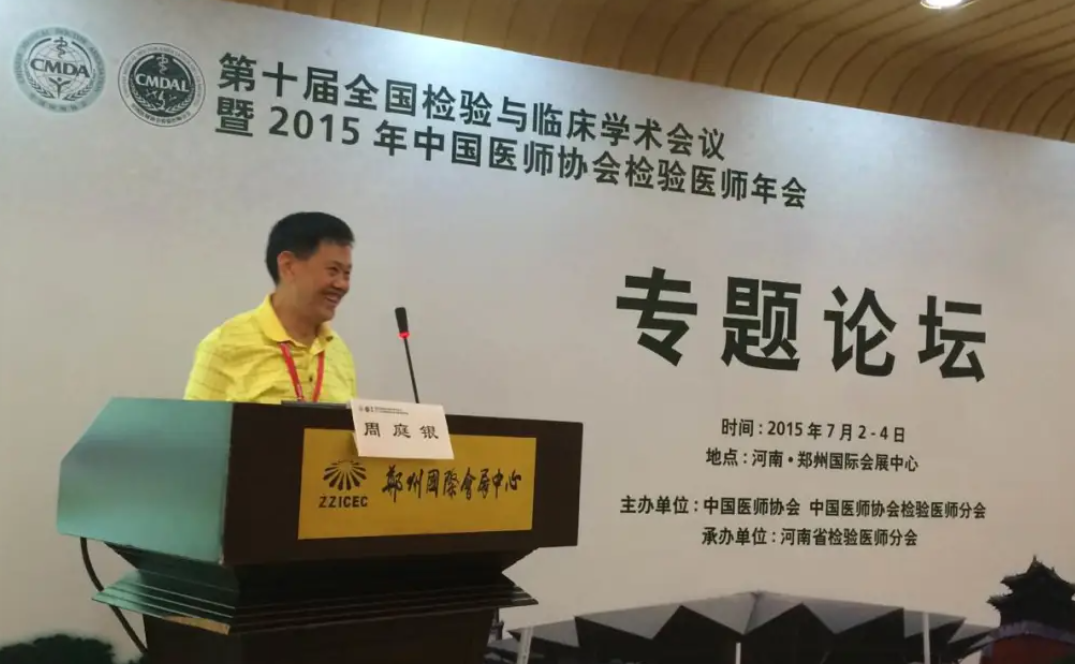

Yewen Renyi (Conversations with Compassionate Physicians)
Featuring Zhou Tingyin
Q: Bloodstream infection is a leading cause of death in critically ill patients. Early, rapid diagnosis and timely treatment are crucial for patient outcomes, with blood culture currently being the gold standard for detection. Why, then, is the positive detection rate of blood cultures relatively low in clinical practice?
A: Blood culture remains the gold standard for diagnosing bacteremia and fungemia, and it guides antibiotic selection. While about 13% of febrile patients are expected to yield positive cultures, in reality only 5–8% do. As a key method for etiological diagnosis, a positive blood culture has immense value for accurate diagnosis and targeted treatment.
The low positive rate stems mainly from two areas: roughly 40% is due to suboptimal clinical practices—such as improper timing of blood draws or antibiotic administration prior to collection. The remaining 60% relates to gaps in foundational skills within the microbiology lab. This includes failing to recognize atypical morphology of common bacteria in cultures, overlooking polymicrobial infections, omitting anaerobic bottles, not subculturing positive aerobic bottles to chocolate agar, and not investigating further when smears from positive bottles show organisms that subsequently fail to grow on subculture plates—among more than ten other technical reasons.
These factors significantly compromise the quality of clinical microbiology testing, which in turn directly affects effective treatment of infectious diseases. There is a clear need to strengthen foundational training for personnel in clinical microbiology laboratories.
Q: Regarding the challenge of detecting bacteria in positive blood cultures when Gram staining is inconclusive and culture plates show no growth, you have developed a solution—Wright’s staining. This method clearly confirms the presence or absence of bacteria, ensuring the accuracy of preliminary blood culture reports. Could you please detail this technique?
A: In clinical practice, laboratory staff often face situations where a blood culture flags as positive, yet a microscopic smear examination reveals no bacteria. While Gram staining differentiates between Gram-negative and Gram-positive organisms, it has a limitation: the background can appear particularly cluttered. If the stain is too faint or the examiner is less experienced, bacteria can easily be overlooked. I switched to using Wright’s stain for bacterial identification, which significantly reduces background interference and makes locating bacteria much easier.
Q: You have organised 25 sessions of the national continuing medical education programme, “Isolation and Identification of Difficult Bacterial Strains.” Why has it remained so popular for 25 consecutive years?
A: I constantly consider how to make these seminars more distinctive and of higher quality. I summarise the approach in seventeen words: “Leadership support, content innovation, clinical integration, and a learner-centred focus.”
Leadership Support: The programme has endured thanks to the concerted efforts of hospital leadership, successive heads of the laboratory medicine department, our departmental colleagues, microbiology laboratory staff, and the strong backing of partner hospitals both within and beyond Shanghai.
Content Innovation: Each seminar strives to refresh its material and continuously introduce new topics. Given the ongoing developments in clinical microbiology—such as emerging bacterial strains and novel drug-resistance mechanisms—laboratory personnel must constantly update their knowledge and adapt. Our seminars reflect this, covering areas like the isolation and cultivation of challenging organisms, hospital infection control for multidrug-resistant bacteria, and updates to standards such as the CLSI guidelines.
Clinical Integration: Guided by the principle of “from the clinic, for the clinic,” every topic is drawn from real-world clinical microbiology work, refined through repeated research and practical experience. For instance, the well-regarded book I edited, Clinical Microbiology Diagnosis and Illustration, distils decades of the editors’ hands-on experience alongside the latest international advances, and it has been widely appreciated.
Learner-Centred Focus: This is the most important factor in the seminar’s longstanding success. The issues we discuss are based directly on feedback and questions from our peers. Any problems raised during the sessions are addressed to the best of our ability, ensuring participants feel their time is well spent and their needs are met.
Q: What practical role has the Guidance Series for Medical Laboratory ISO15189 Accreditation played?
A: This series of books not only aligns fully with the principles and requirements of the guidelines but also delivers practical, operational-level advice. It is designed to help medical laboratory managers enhance their quality management systems, providing a valuable reference for laboratories seeking to establish or refine their own protocols. For facilities pursuing ISO 15189 accreditation, the material offers both strategic guidance and immediate practical utility. Ultimately, it serves as an essential manual for the standardised management and operation of any medical laboratory.
Author: ChenQing@ShanghaiDoctor.cn
Dr.Sun Jing | Fertility-Sparing Surgery, and a Future Already Here
Dr. Li Qingyun | Sleep Apnea, and Illness Removed Without a Sound
Dr. Zhu Zhiling | Gynecologic Surgery, and a Line She Would Not Cross
Dr. Yuan Gongjie | Children's Smiles, and the Orthodontist Who Still Tells Stories
Dr. Wang Chaoyang | Vitrectomy, and Flowers Once Hidden in the Eye
Dr. Zhao Jinhua | Nuclear Medicine, and the Flowers Along the Road
Dr. Shi Yuling | Psoriasis, and Spring Mountains Beyond the Plain
Dr.Ying Chunmei | Laboratory Medicine, Renewed a Little Every Day

Dr.Sun Jing | Fertility-Sparing Surgery, and a Future Already Here
Dr. Li Qingyun | Sleep Apnea, and Illness Removed Without a Sound
Dr. Shen Qian | Children’s Kidneys, Lucid and Gentle
Dr. Zhu Zhiling | Gynecologic Surgery, and a Line She Would Not Cross
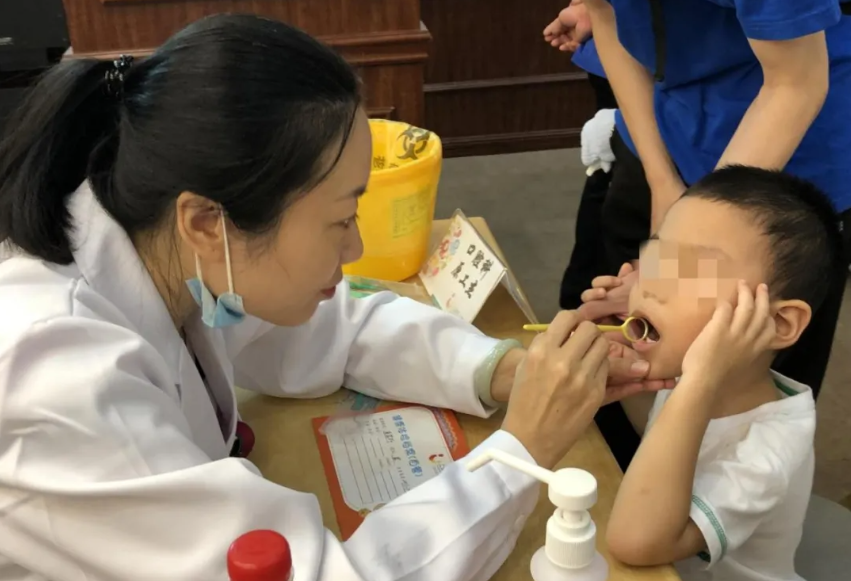
Dr. Yuan Gongjie | Children's Smiles, and the Orthodontist Who Still Tells Stories
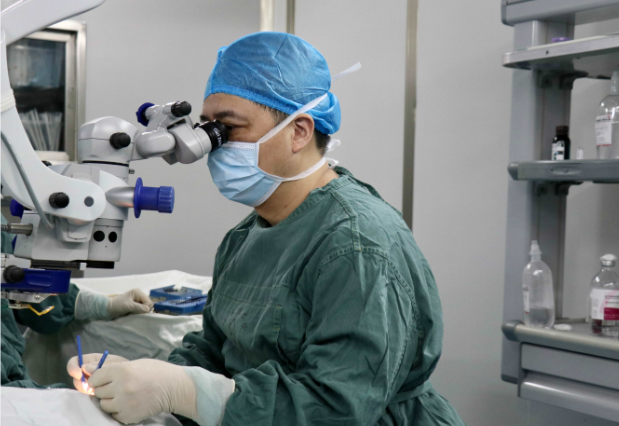
Dr. Wang Chaoyang | Vitrectomy, and Flowers Once Hidden in the Eye
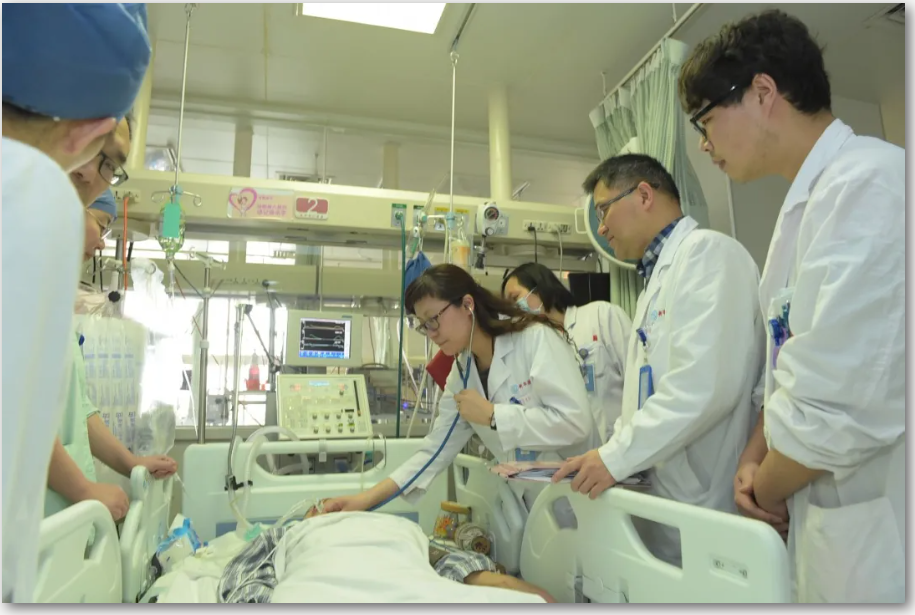
Dr. Fei Aihua | Emergency Medicine, and Striving to Win
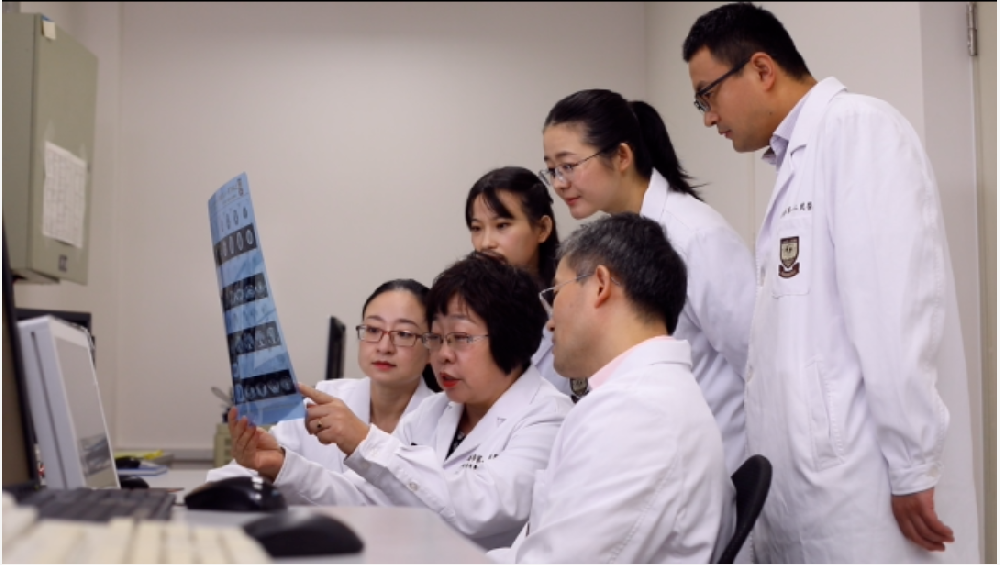
Dr. Zhao Jinhua | Nuclear Medicine, and the Flowers Along the Road
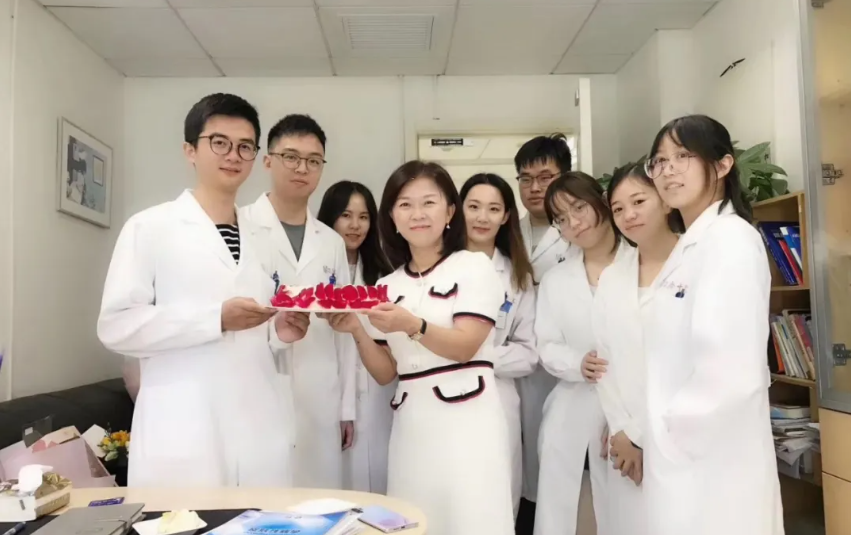
Dr. Shi Yuling | Psoriasis, and Spring Mountains Beyond the Plain
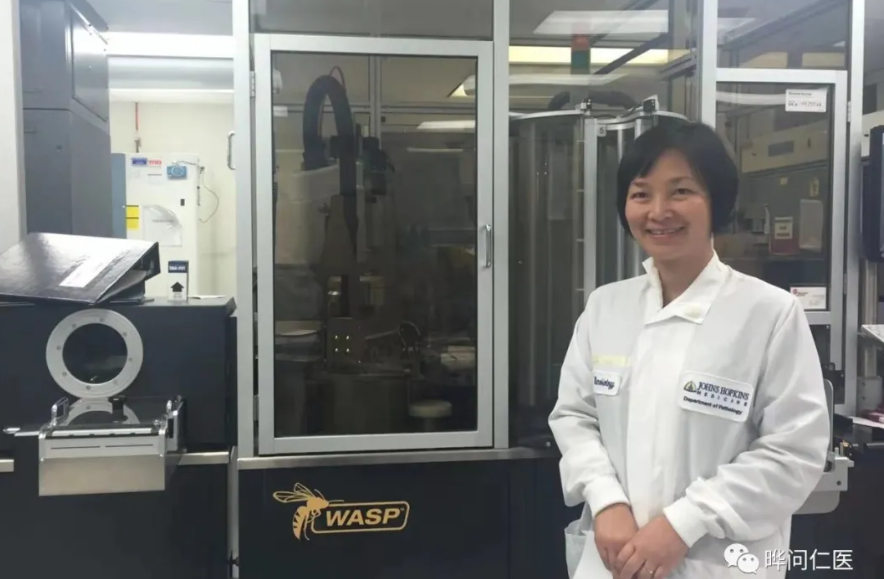
Dr.Ying Chunmei | Laboratory Medicine, Renewed a Little Every Day
Copyright © 2023 Yewen Renyi & ShanghaiDoctor.cn (This website is a non - profit medical humanities platform. The information contained herein is solely for biographical and historical purposes and does not constitute any medical advice.) 沪ICP备2023005392号-2 XML 沪公网安备31010902100835号
 中文
中文 English
 Español
 沪公网安备31010902100835号