ShanghaiDoctor - Where China's Healing Wisdom Shapes Modern Medicine

Update time:2026-03-01Visits:4296

Profile
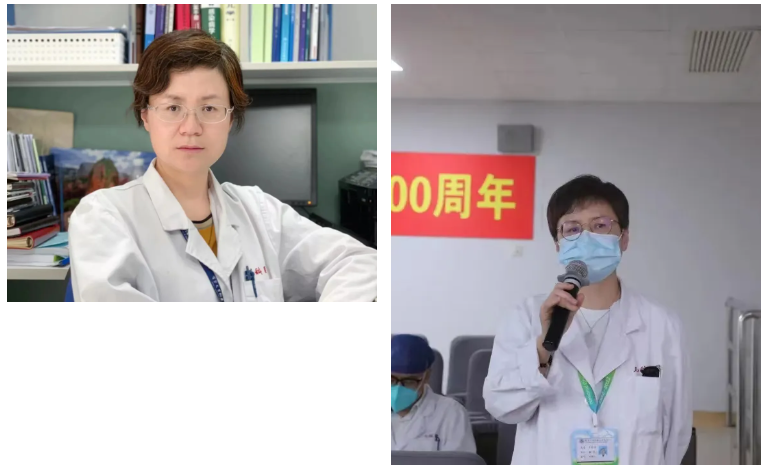
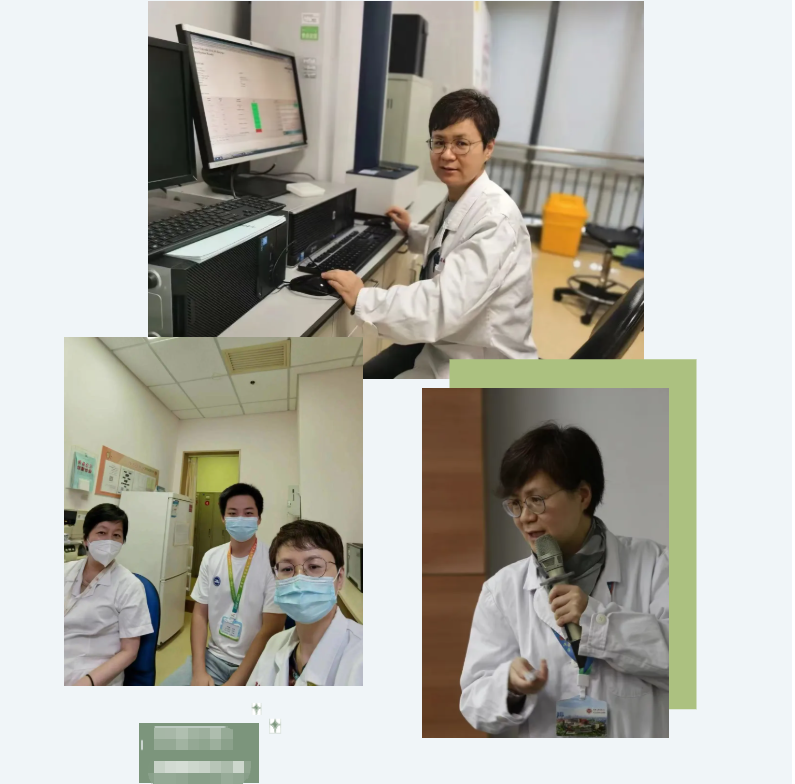
Wang Chuanqing is a Chief Physician and Chief Technician, holding a Doctorate in Pediatrics and serving as a Master’s Supervisor in Clinical Laboratory Science. She is the Director of the Infection Control Department and the Bacteriology Laboratory at the Children’s Hospital of Fudan University.
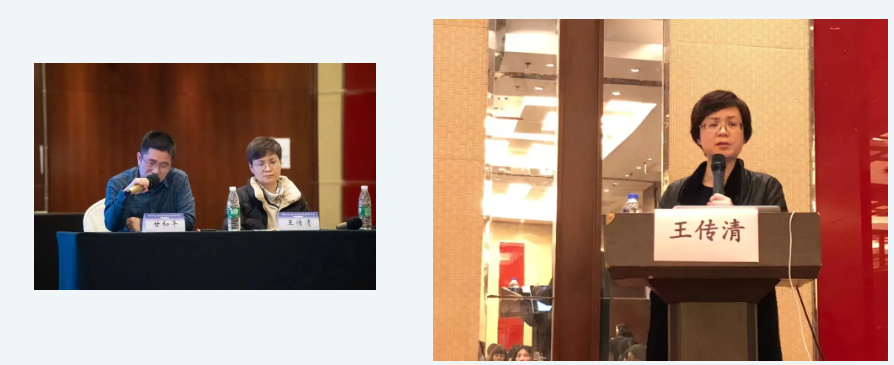
Her current professional appointments include: Expert Committee Member for Hospital Infection Prevention and Control at the National Health Commission’s Hospital Management Institute; Expert Committee Member of the National Quality Control Center for Hospital Infection Management; and leadership roles in infection control committees for the Chinese Hospital Association, the Chinese Medical Doctor Association, and the China Maternal and Child Health Association. She also serves on expert committees for the Shanghai Municipal Quality Control Center for Hospital Infection Management and the Shanghai Medical Association.
Her research focuses on: diagnostic techniques for fastidious bacteria; the anti-inflammatory effects and mechanisms of Apolipoprotein E and its antimicrobial peptide mimetics; hospital infection prevention and control strategies; and the development of information management systems for infection control and antimicrobial stewardship.

First-Person Perspective
Wang Chuanqing
Every child has a guardian star—a celestial protector, legend says, filled with shining love. She sees herself as a steward for the hundreds of children admitted and discharged daily, a constant flow of young lives. Whenever a pathogen emerges that could threaten them, she acts immediately to contain the risk.
Principled, earnest, and dedicated, she approaches even the most routine task with meticulous care. She has pioneered numerous innovative methods and protocols in infection control, many of which have been adopted by major hospitals nationwide. As head of the Infection Control Department at the Children’s Hospital of Fudan University, she leads a team that sets the national standard in pediatric hospital infection prevention.
Wang Chuanqing, Director of the Infection Control Department at the Children’s Hospital of Fudan University.
She describes herself as a witness to the evolution of pediatric infection control in China. Since the department’s founding in 2006, she has worked tirelessly to build and refine the hospital’s infection control systems, combat drug-resistant bacteria, and help establish standards for antibiotic use in children. Today, her department is an integral part of the hospital’s operations.
For three decades, the meticulous work of the Infection Control Department has provided an added layer of safety and calm within the hospital. This long-term commitment has, in turn, fostered in her a steady and open-minded disposition—a sense of quiet fulfilment. Through one practical, unassuming effort after another, she and her team meet each challenge, their everyday work translating into powerful protection for young, vibrant lives.
1. The Path to Medicine
“I still remember in fifth grade, when the teacher asked our class what we wanted to be when we grew up. I answered without hesitation: ‘A doctor.’ That may well have been the starting point of my medical journey.”
As she grew older, Wang Chuanqing’s determination to study medicine only solidified. When sitting the national college entrance examination after high school, she applied exclusively to medical programmes. Her outstanding scores secured her a place in a clinical medicine programme, where she was a model student—always seated in the front row during lectures and exams, absorbing knowledge with diligence and rigour. This laid a strong foundation for her future career.
“I still remember during my university years developing a real passion for immunology and microbiology. At the time, both subjects were covered in a single textbook—a detail that, in hindsight, seems to foreshadow my later work in laboratory testing and hospital infection control. Our professor, Zhang Lansheng, was a great inspiration. He encouraged me deeply, taught me a great deal, and shaped my thinking in many ways.”
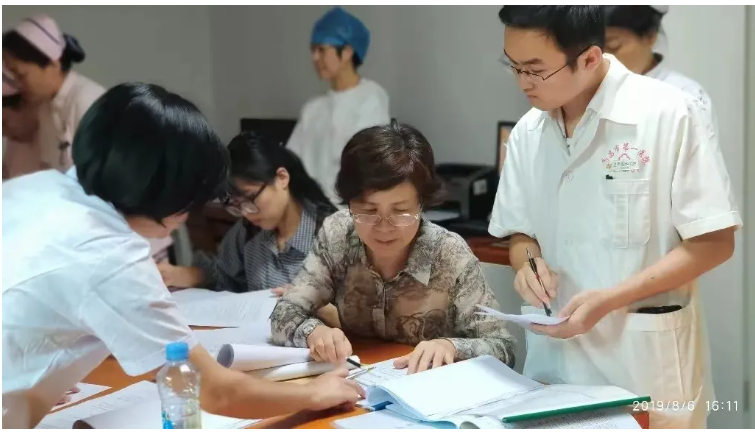
After graduation, Wang Chuanqing began her clinical practice at the Nuclear Industry Ministry Hospital in Suzhou, officially starting her journey as a clinician. Later, recognised for her exceptional performance, she was recruited by the Children’s Hospital affiliated with Fudan University in Shanghai. There, she transitioned into laboratory medicine and hospital infection control.
Her professional path differs from that of many infection control specialists. Having worked as a clinician and later served as head of the laboratory department before becoming director of infection control, she approaches problems from multiple perspectives. This often allows her to develop more comprehensive solutions. She believes every stage of her experience is closely connected to the achievements of the infection control department she now leads, and each challenge has proved invaluable. Under her direction, the department has evolved from a purely laboratory-focused unit into one deeply integrated with clinical practice.
“Hospital infection control is a relatively young discipline in China. The earliest dedicated departments emerged around the 1980s, during what we might call the ‘basic infection control stage,’ when China was largely learning from international experience. After the SARS outbreak in 2003, more guidelines and standards were gradually established, marking the shift to an ‘evidence-based infection control stage.’ As integration with clinical work deepened, we entered the ‘clinical infection control stage,’ where infection control principles permeate every clinical aspect—from nursing care to surgical outcomes. The Children’s Hospital affiliated with Fudan University has been at the forefront of this evolution. Our hospital formally established its infection control department in 2006, and I was appointed its first director.”
Even before the department was created, in 2004, Wang Chuanqing was selected for a year of advanced training at the Children’s Hospital of Philadelphia in the United States—an experience that profoundly shaped her outlook.
“My time as a visiting scholar broadened my horizons tremendously. Their infection control framework is more extensive, with separate modules dedicated to viruses and bacteria. I was assigned to the virology module and, through my own initiative, later contributed to a research project on hepatitis B expression. Overall, I was struck by several characteristics of their approach: independence, innovation, diligence, and a high-pressure, merit-driven culture. These insights have greatly influenced my own work ever since.”
2. A Veteran of Hospital Infection Control
In 2006, the Hospital Infection Control Department at Fudan University Affiliated Pediatric Hospital was formally established. What began as a modest unit has since evolved into a national benchmark for infection control practices within paediatric hospitals across China.
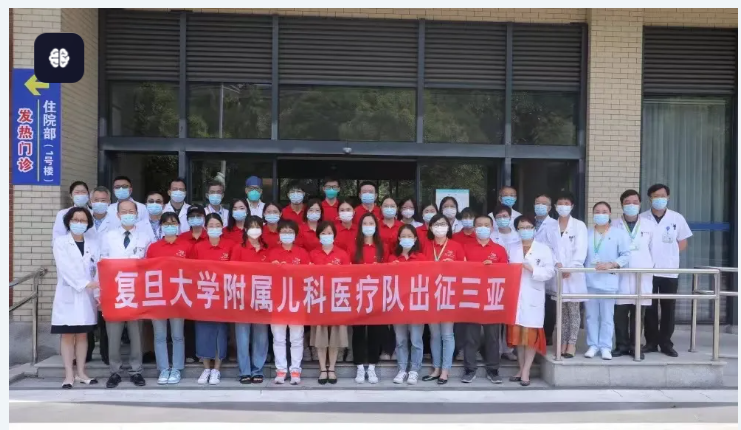
“At the outset, we were a team of just six,” the department head recalls. “Today, we have grown to over a dozen specialists, including five infection control doctors and six dedicated nurses. Among our medical staff, we have four PhDs and four master’s degree holders. We are now organised into specialised development teams: a Neonatal Group with a PhD and a doctor with twelve years’ experience; an Internal Medicine Group; a Surgical Group; a Paediatric Intensive Care Unit (PICU) Group with two doctors and a nurse; a Microbiology Group led by a master’s supervisor; and an Information Group, which I oversee. Each team has its own research capabilities. This structure forms the core framework of our comprehensive prevention and control system—a system we believe is among the strongest in China’s paediatric sector. None of this would have been possible without sustained support from both the national health authorities and our hospital.”
As a leading ministry-affiliated hospital, Fudan University Affiliated Pediatric Hospital undertakes numerous national research initiatives. After the hospital set clear infection prevention goals in 2011, substantial government support followed from 2012 onward.
“First, we received hardware funding,” explains Wang Chuanqing. “This allowed us to acquire advanced equipment for aetiological diagnosis—mass spectrometers, antimicrobial susceptibility testers, blood culture instruments—as well as hospital-wide disinfection technology, including low-temperature plasma sterilisers, dozens of air disinfection units, and medical-grade disinfectant cabinets.” In her view, this investment represented a major leap forward in the hospital’s diagnostic and sterilisation capabilities.
Later, with the launch of Shanghai’s Three-Year Action Plan for Infectious Diseases, the municipal government allocated significant further funding. This enabled another leap: the development of advanced microbial molecular detection. The department could now provide early warnings for emerging and re-emerging infections and conduct detailed pathogen traceability studies.
Wang emphasises that pathogen identification and analysis are especially critical for antibiotic selection in paediatrics. “The range of antibiotics suitable for children is relatively narrow,” she notes. “Drugs like quinolones and aminoglycosides cannot be used. Meanwhile, first-line paediatric antibiotics such as cephalosporins and penicillins are often ineffective against resistant bacteria. Take *Staphylococcus*: drug resistance is very common. If resistance occurs, forcing the use of vancomycin brings serious side effects. That’s why we are extremely cautious. Identifying the bacterial strain before treatment is essential. Trying one unsuitable antibiotic after another wastes precious time and can be life-threatening.”
A recent case at the hospital illustrates this point. A newborn was infected with an unknown pathogen. The initial symptoms were atypical, but clear systemic signs were present. Following a multidisciplinary consultation, *Bordetella pertussis* (whooping cough) was suspected. A PCR test confirmed the diagnosis. However, the infant’s condition deteriorated rapidly, soon requiring extracorporeal membrane oxygenation (ECMO) and admission to the PICU.
Further strain analysis revealed a highly virulent and extensively drug-resistant strain of *Bordetella pertussis*, presenting a significant clinical challenge. After repeated evaluation, the decision was made to treat with macrolides and compound sulfamethoxazole (SMZ), a regimen which ultimately saved the patient. "Medication in children requires the utmost caution," she noted with relief.
Wang Chuanqing summarised the core focus of such efforts: first, the rapid and accurate identification of pathogens; second, the selection and application of appropriate drugs; and third, the implementation of robust infection prevention and control within the hospital. Each element, she stressed, is critical for the efficient operation of a paediatric institution.
"Antimicrobial resistance remains a serious problem. However, our recent analysis of paediatric *Staphylococcus* drug resistance from 2015 to 2021 shows the pace of resistance has somewhat slowed. This is a direct benefit of the national push for rational antimicrobial use, which began in 2012, and the accompanying policies and guidelines. In our hospital, for instance, we can now identify bacterial species and types more easily and accurately, select the right drugs, and eliminate the infection as quickly as possible—ideally before resistant strains can emerge."
To pursue these goals systematically, the Fudan University Affiliated Pediatric Hospital established an Antimicrobial Stewardship (AMS) system. This involves a dedicated AMS working group under hospital leadership, comprising experts from clinical departments, infection control, clinical pharmacy, microbiology, and information technology. The group defines responsibilities, establishes a comprehensive AMS framework, and creates a sustainable management mechanism. Using a Multidisciplinary Team (MDT) model, it aims to improve diagnostic and treatment quality, promote rational antimicrobial use, and effectively curb bacterial resistance—a system in which Wang Chuanqing’s department plays a key role.
3. How Information Technology Supports Hospital Infection Control
In today’s highly digitalised environment, numerous computer-based tools have been integrated into Wang Chuanqing’s work. She advocates fully leveraging the precision, analytical power, and computational capacity of technology to make infection control more targeted, predict epidemiological trends, and reduce the administrative burden on staff.
"Starting in 2012, we began working with strategic IT partners on data analysis and statistics. That year, we launched a suspected-case early-warning system, which proved highly effective. Then, in 2019, we took a second major step forward. We realised that digitalisation could not stop at analysis and statistics; it needed to evolve towards proactive warning and risk monitoring. Initially, some of our IT partners found this vision ahead of its time and technically challenging. Eventually, we selected a platform whose developers had a deeper understanding of our operational needs, and the collaboration has yielded excellent results. I believe this progress also stems from my own accumulated experience across clinical practice, laboratory testing, and infection control."
In essence, this system can automatically determine a patient's route of infection—whether hospital-acquired, community-acquired, or another type. It also recommends appropriate antibiotics and necessary isolation measures. A comprehensive infection risk assessment can be performed for every element within the framework, covering personnel, equipment, materials, methods, and environment across all major operational categories. This innovation has since been patented.
Beyond digital systems, Wang Chuanqing has also pioneered significant advances in the active screening of drug-resistant bacteria. Her team began their research in 2015, expanding it to include the Paediatric Intensive Care and Haematology departments by 2016. In 2017, the hospital introduced key performance indicators and began implementing a centralised isolation system for infected patients.
"Once we included active screening in the KPI assessments, hospital infections caused by drug-resistant bacteria fell sharply, which drew acclaim from our peers. We published these results in the *Journal of Hospital Infection Control*. However, we later hit a plateau; the infection rate stopped falling beyond a certain point. A deeper analysis revealed that without strict controls at the source of antibiotic prescribing, the problem of drug resistance cannot be fully solved."
From Wang Chuanqing’s perspective, while active screening allows for early detection and intervention, drug-resistant bacteria will persist unless antibiotic use is rigorously managed. This requires close collaboration between the hospital infection control department and clinical teams to standardise prescriptions, tackling the issue both internally and externally to root out the emergence of resistance.
"In 2021, we established a dedicated outpatient clinic under the infection control department. This allows us to manage antibiotic use holistically and rationally curb bacterial resistance. We have further plans for the next five to ten years. I may have retired a decade from now, but I am confident the department will have built a strong legacy and a skilled team by then, continuing to serve the public effectively."
For Wang Chuanqing, life requires continual reflection and accumulation. Growth and refinement come from reviewing one's experiences—the successes, setbacks, and hardships. Looking forward is about dreams and goals; looking back is for learning and correction. Progress is never a straight line, but it is always accompanied by light—this is the symphony of growth.

Interview
ShanghaiDoctor.cn: What are the main areas of focus for your research projects?
A: Wang Chuanqing
My research interests are fairly broad, but I am currently concentrating on two primary areas. The first is investigating drug resistance mechanisms in *Klebsiella pneumoniae*. This bacterium has inherent vulnerabilities; certain strains degrade drugs via their own proteins or reduce antibiotic efficacy through efflux pump systems. The second is *Bordetella pertussis* (whooping cough), on which we have published a considerable number of papers this year.
Regarding bacterial resistance surveillance, Director Yu Hui and I founded the country’s first Pediatric Pathogen Infection Collaboration Group seven years ago. Our work has yielded significant results, with papers that have been cited widely. We have also developed several expert consensus documents on pertussis and a series of consensus statements on *Klebsiella pneumoniae*. The collaboration group meets twice annually, integrating Pediatric Intensive Care (PICU) and Antimicrobial Stewardship (AMS). It is fair to say that our Fudan Pediatrics department is a leading voice in this field.
ShanghaiDoctor.cn: In the field of pertussis, have any clinical findings made a particular impression on you?
A: Wang Chuanqing
Yes. For instance, last year we analyzed pertussis strains and found that for a period, the MT28 strain was prevalent in Shanghai. Moreover, this strain had diverged from the original vaccine strain, effectively evading vaccine-induced immunity. This discovery has been highly valuable for our research, clinical practice, and ongoing innovation.
ShanghaiDoctor.cn: As viruses appear to spread more quickly while symptoms seem milder, what advice would you give?
A: Wang Chuanqing
The landscape of epidemic prevention is constantly shifting. Current viruses mainly cause upper respiratory symptoms; their virulence has decreased, but transmissibility has increased. Given the situation, I would offer a few recommendations. First, wear a mask. Second, do not remove it in crowded places. Upon returning home, wash your hands first. If you are concerned, you can disinfect frequently touched items like keys and doorknobs. Protecting vulnerable groups is increasingly crucial. If symptoms develop, you can use a self-test antigen kit. While antigen tests are not 100% accurate, they can provide a useful reference. If symptoms are mild, drinking plenty of fluids may be sufficient—a hospital visit is not always necessary.
ShanghaiDoctor.cn: Do you have any insights or experiences regarding teaching you could share?
A: Wang Chuanqing
I am a master’s supervisor and also serve as department head. Others describe me as having high standards and being meticulous—sometimes excessively so. In our line of work, however, attention to detail is essential. Once a hospital-acquired infection occurs, it can become very difficult to manage. So, I may sometimes come across as overly strict to directors of other departments. I hope they will understand that I must uphold the bottom line in infection control. Students might be a little wary of me, but that pertains mainly to work. If they make a mistake, I correct them firmly; if they do well, I praise them openly. In our profession, especially for young doctors, there can be considerable emotional and professional fluctuations. I often have heart-to-heart talks with my students, advising them on both professional conduct and personal development. Sometimes I feel I counsel my students more than I guide my own daughter. In terms of research, I help them revise papers, teach methodology, and regularly discuss the latest developments with them. From shaping research ideas to reviewing literature, I try to guide them in focusing on key issues to drive broader progress.
ShanghaiDoctor.cn: Do you have any personal hobbies?
A: Wang Chuanqing
I have always loved painting. As a child, I was particularly fond of carving scenes of the Cowherd and the Weaver Girl—figures from a classic Chinese legend of separated lovers—into seashells. Completing a piece always brought a deep sense of fulfilment. I imagine that once I retire, I’ll happily return to this pastime.
Editor / Chen Qing Chenqing@ShanghaiDoctor.cn
Dr. Lu Yanan | Pediatric Heart Surgery, and Feeling Another’s Pain as One’s Own
Dr. Chen Sun | Newborn Heart Intervention, and Staying Young Enough to Be Moved
Dr. Wu Yurong | Fetal Echocardiography, and Kindness as Part of the Job
Dr. Li Dawei | Sphincter-Saving Surgery, and the Operation That Fits the Patient
Dr. Zhang Jian | Laparoscopy, and the Hearth Fires of Ordinary Life
Dr.Sun Jing | Fertility-Sparing Surgery, and a Future Already Here
Dr. Li Qingyun | Sleep Apnea, and Illness Removed Without a Sound
Dr. Zhu Zhiling | Gynecologic Surgery, and a Line She Would Not Cross
Dr. Lu Yanan | Pediatric Heart Surgery, and Feeling Another’s Pain as One’s Own
Dr. Chen Sun | Newborn Heart Intervention, and Staying Young Enough to Be Moved
Dr. Wu Yurong | Fetal Echocardiography, and Kindness as Part of the Job
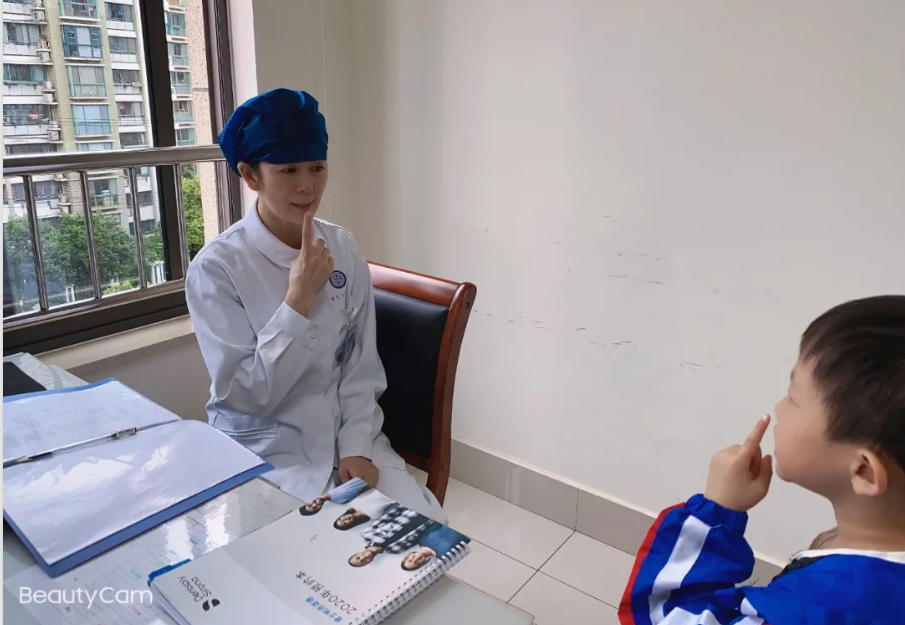
Jiang Liping | Speech Therapy, and the Lamp She Carries
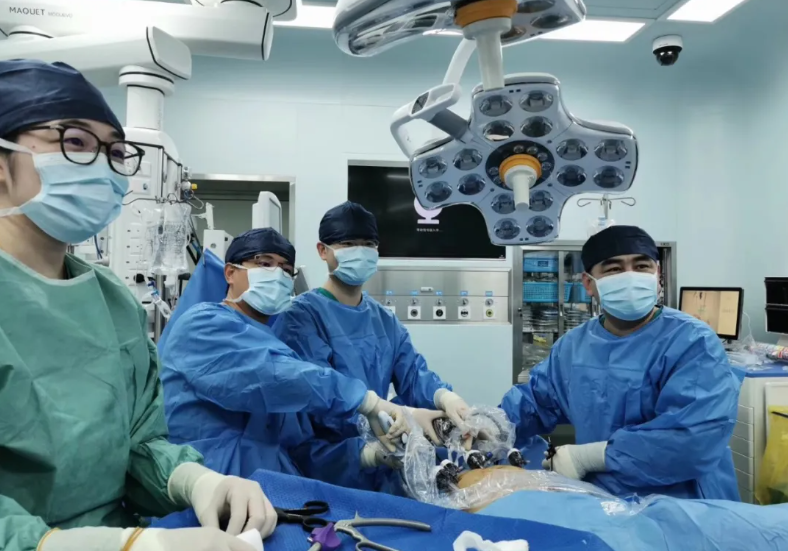
Dr. Li Dawei | Sphincter-Saving Surgery, and the Operation That Fits the Patient
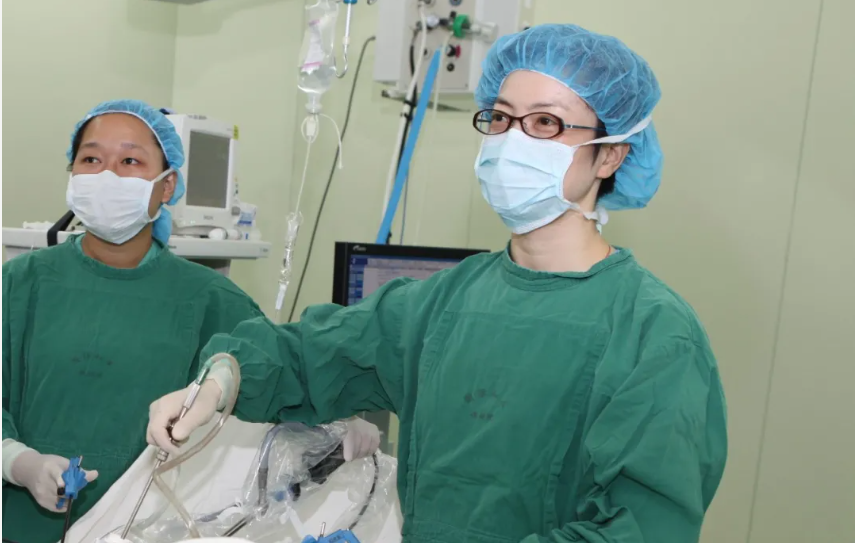
Dr. Zhang Jian | Laparoscopy, and the Hearth Fires of Ordinary Life

Dr.Sun Jing | Fertility-Sparing Surgery, and a Future Already Here
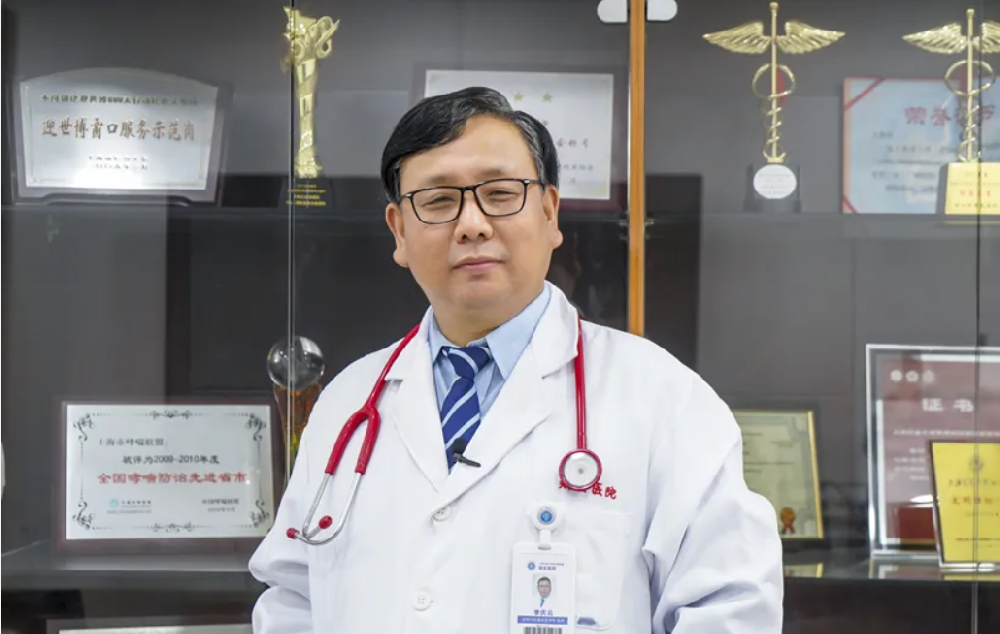
Dr. Li Qingyun | Sleep Apnea, and Illness Removed Without a Sound
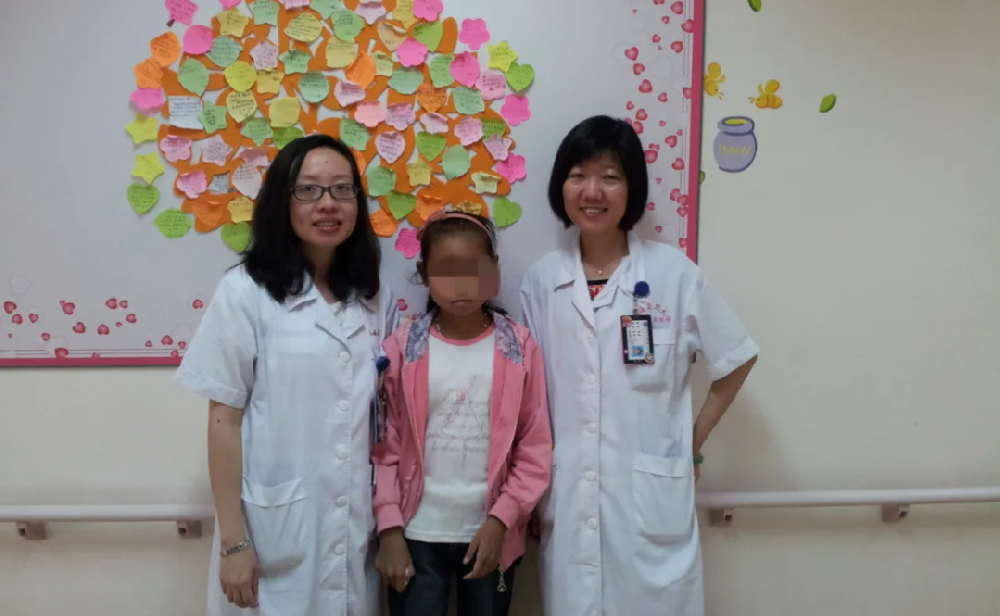
Dr. Shen Qian | Children’s Kidneys, Lucid and Gentle
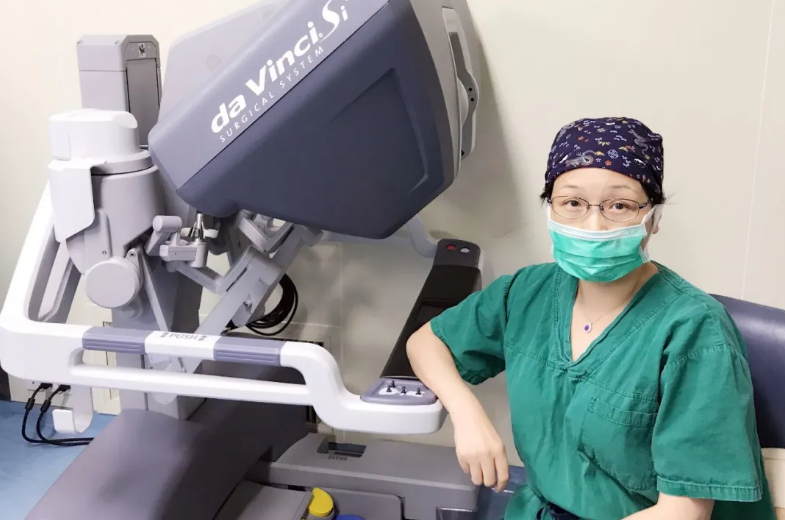
Dr. Zhu Zhiling | Gynecologic Surgery, and a Line She Would Not Cross
Copyright © 2023 Yewen Renyi & ShanghaiDoctor.cn (This website is a non - profit medical humanities platform. The information contained herein is solely for biographical and historical purposes and does not constitute any medical advice.) 沪ICP备2023005392号-2 XML 沪公网安备31010902100835号
 中文
中文 English
 Español
 沪公网安备31010902100835号