ShanghaiDoctor - Where China's Healing Wisdom Shapes Modern Medicine

Update time:2026-05-31Visits:3970
Introduction
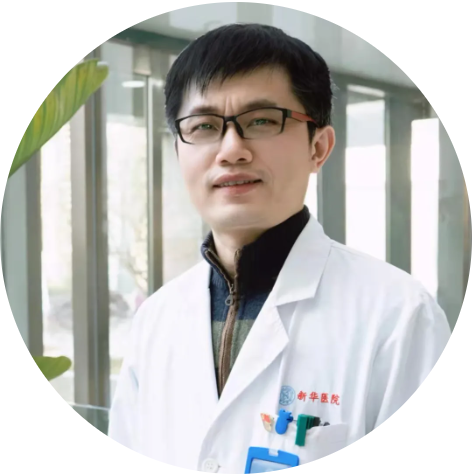
Liu Ming is Deputy Chief Physician in the Department of Radiology at Xinhua Hospital, affiliated with Shanghai Jiao Tong University School of Medicine. He graduated from the Clinical Medicine programme at Shanghai Second Medical University (now Shanghai Jiao Tong University School of Medicine) in 1996. From September 2008 to February 2009, he served as a member of the 11th Shanghai Youth Volunteer Service Team in Yunnan. From September 2014 to May 2015, he was a visiting scholar at the Cardiovascular Magnetic Resonance Center at Duke University in the United States. He currently holds several professional roles: Deputy Head of the Pediatric Group of the Shanghai Radiological Society; Standing Committee Member of the Radiology Professional Committee of the China Maternal and Child Health Association; Committee Member of the Radiology Professional Committee of the Chinese Research Hospital Association; Youth Committee Member of the Pediatric Tumor Professional Committee of the Chinese Anti-Cancer Association; and Committee Member of the Pediatric Group of the Medical Imaging Professional Committee of the Shanghai Association of Integrative Medicine. In recent years, he has published numerous papers in core journals, including the Chinese Journal of Radiology and SCI-indexed publications.
His expertise lies in CT and MRI diagnostic imaging, with a particular focus on paediatric tumours and foetal MRI.
First Perspective
“Without the outstanding research of those before me, I would not have discovered X-rays.” — Röntgen
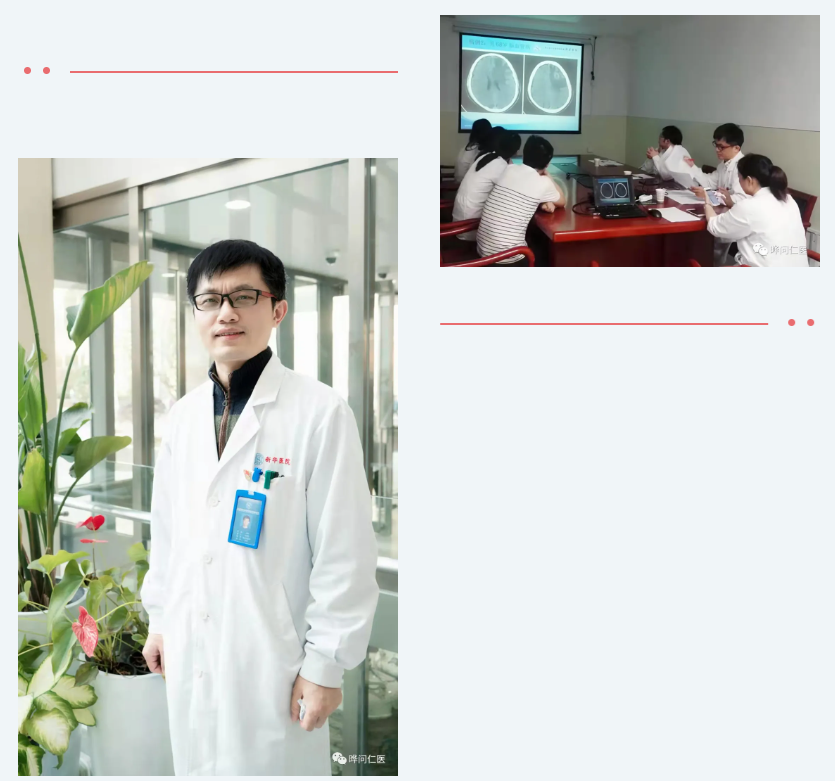
A white coat, a pair of glasses, sharp eyes, and a modest way of speaking—this was my first impression of him. More than two decades on the front lines of imaging medicine: this is the portrait of a seasoned radiologist, and also the image I initially formed. Though his daily work often keeps him from witnessing dawn or dusk, he chooses to keep moving forward. As the saying goes, “Monuments are silent, but actions speak louder than words; once you start, you must continue.”
We talked about diagnosis, about medical ethics, about patients, about life. Perhaps he does not pursue the ultimate in medical perfection, but simply uses his heart to honour that initial “stubborn conviction.”
Liu Ming, Deputy Chief Physician of the Radiology Department at Xinhua Hospital, is a recipient of the Ingenious Doctor award.
This interview was arranged in the conference room of the Radiology Department in the New Pediatric Building of Xinhua Hospital. Adjacent to this room are the CT suite, MRI examination room, outpatient clinics, and offices. I found it very convenient for patients to have these consultation rooms, offices, and equipment on the same floor. In the hallway, a steady stream of patients came for consultations and examinations.
For every patient’s imaging process—the guidance before the examination, the film reading, the report writing, and the delivery of results—Liu Ming is fully engaged and focused. Whether due to his personality or the nature of radiology work, he carries not a trace of pretension. Calmness, composure, and patience are his defining traits, and it is clear that he treats patients, students, and colleagues alike with the same steady hand.
In Liu Ming’s view, each patient’s condition is unique; there are no special patients, only real conditions. He believes in carefully and meticulously handling every patient’s imaging data, maintaining harmonious relationships with colleagues in relevant clinical departments, and communicating thoroughly—so that every patient ultimately receives the most appropriate diagnosis and treatment. This is his pursuit.
Every night, his weary eyes often make him reluctant to look at anything else, but in his view, all these efforts—for his career and for his patients—are worthwhile.
1. A Chance Encounter with a Lifelong Career
During medical school, Liu Ming studied clinical medicine. After graduating from Shanghai Second Medical University in 1996, he joined the radiology department. At the time, he didn’t give it much thought—he was simply rotating through various departments. During his rotations in internal medicine and surgery, he felt he had extensive contact with patients. But when he interned in radiology, his understanding of the field was still shallow. He only sensed that radiology was entirely different from internal medicine and surgery. “Back then, I thought it was incredible how radiologists could casually glance at a chest X-ray and then explain what a shadow on the film was, what it meant, and what disease it might indicate.” In the era when Liu Ming graduated, medical technology was far less advanced than it is today. The X-ray machines of that time could not visualize organs as intuitively as modern CT and MRI scans. When reading films, shadows overlapped, making interpretation extremely difficult.
As is well known, radiology began to advance rapidly in the 1990s. Before that, many patients could not be accurately assessed due to a lack of precise diagnostic tools. Over time, the scope of imaging departments expanded far beyond diagnosis, even entering the realm of treatment, and gradually developed two main branches: diagnostic imaging and interventional radiology. Liu Ming recognized this trend early on. When imaging departments could both diagnose and provide interventional treatment, the future of the field was destined to be bright. It was for this reason that Liu Ming resolved to set his career development plan and research direction, allowing him to continuously explore the vast ocean of imaging medicine and make it his lifelong pursuit.
Curiosity about imaging medicine and a vision for its future fueled Liu Ming’s strong thirst for knowledge. At work, he was particularly eager to understand questions such as, “Why is this small bright spot so luminous?” and “Why is that spot so oddly shaped?” He would even compare imaging results with pathological specimens. For him, the entire process was one of communication and getting to the bottom of things. Over more than two decades, this curiosity has propelled Liu Ming forward. He finds new discoveries on the screen every day, and he feels deeply fulfilled by this.
A strict master produces outstanding students, and skill is honed through practice. “When I first entered the hospital, the head of the imaging department was Director He Weishu. At that time, the director gave us young doctors a great deal of advice and guidance. He Weishu was an imaging expert who primarily interpreted congenital heart disease. Back then, he could analyze a condition using just a chest X-ray. Looking back now, his level of skill was extraordinarily high. Director He often taught by personal example. He was truly dedicated to being responsible for his students, for us young doctors, and for the patients.” Liu Ming has never forgotten his mentor.
When Liu Ming first joined the department, he was deeply influenced by another director—Director Zhu Ming. Director Zhu was a leading authority in paediatric congenital heart disease and a prominent figure in paediatric imaging. On Liu Ming’s first day, Teacher Yang, who was in charge of human resources at the hospital, introduced him, saying, “Teacher Zhu Ming is very well-known. He is highly skilled in congenital heart disease surgery. You must study diligently under him.” And so, Director Zhu Ming became another mentor to Liu Ming. “Director Zhu Ming not only has a profound understanding of disease imaging, but he also has a thorough grasp of all preoperative and postoperative preparations related to diseases, the surgical implementation process, as well as new techniques and surgical methods. This is truly remarkable.” Through Director Zhu, Liu Ming came to realise that if a radiologist examines a disease without truly understanding it, it can lead to many misjudgements. For an imaging physician, understanding a wide range of diseases is a fundamental skill. Only then can a radiologist provide clinicians and patients with the most appropriate imaging diagnostic information—and, where possible, help design the best personalised treatment plan.
As long as one delves deeply into a discipline and uncovers its wonders and mysteries, one’s affection for it will grow over time. Influenced by his mentors, Liu Ming gradually adapted and consolidated what he had learned and reflected upon, building a solid professional foundation.
2. Understanding is Paramount
When asked if he has any regrets about being a radiologist, Liu Ming says he does not. But he does hope that more patients and clinicians from other departments can better understand his field, so that everyone can fight side by side and overcome disease.
Compared with clinical departments, patients generally do not come into direct contact with radiologists first. Instead, they first encounter the equipment, imaging technicians, and nurses—the cornerstone of the radiology department’s daily operations. However, this has also led to misunderstandings among some doctors, and especially among patients.
“Patients often feel that they only do one thing when they come to the radiology department. They stand or lie down, get a film taken, and then leave. A few days later, the film and report are printed out from the computer, making it seem as if no one has actually examined the patient. Some patients even think the report is generated automatically, with little involvement from the doctor.” Saying this, Liu Ming sounds a bit regretful. In reality, every film that patients receive is read and analysed by a doctor. The imaging conclusions about diseases are entirely written by doctors after discussion and verification.
“This really needs to be promoted more—very much so. This misunderstanding exists not only among the general public but also in some clinical disciplines.” Liu Ming believes, “Only when patients and doctors from other departments better understand and appreciate the work of the radiology department can the doctor-patient relationship become more harmonious.”
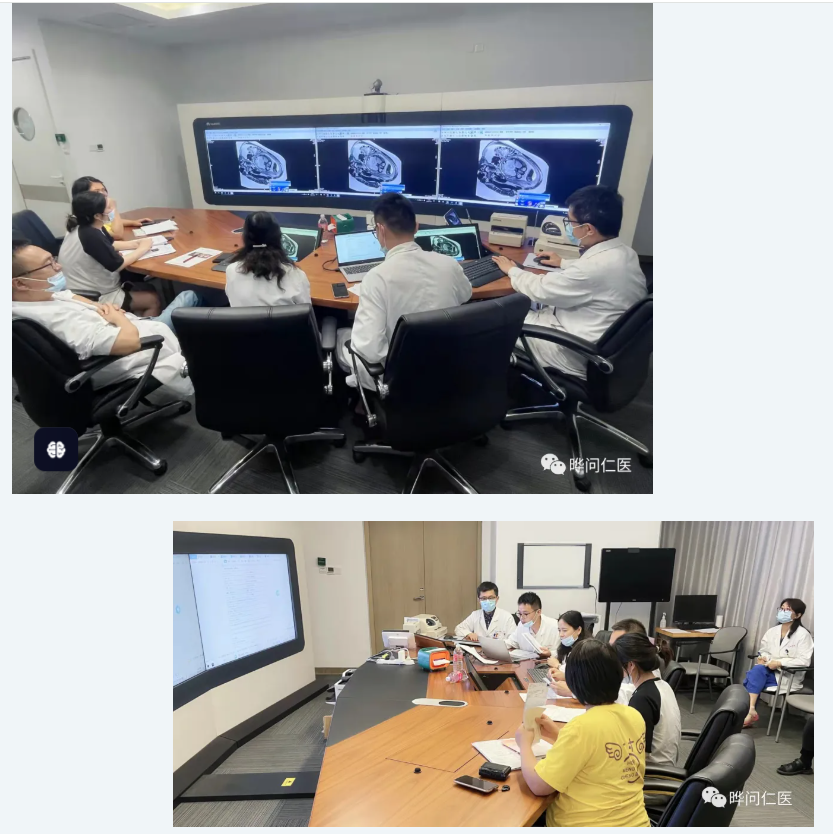
In recent years, major hospitals have placed increasing emphasis on multidisciplinary diagnosis and treatment—commonly known as MDT. Coordination between departments has become more critical than ever, as hospitals strive to offer patients a seamless, one-stop service. "Within this framework, the Radiology Department at Xinhua Hospital must also carefully manage its collaborative relationships with other departments," Liu Ming explained. When a tumour patient arrives for diagnosis and treatment, the process may involve chemotherapy from internal medicine, surgical intervention, postoperative evaluation, and more. It is a system that also includes certain pathological consultations. In the past, patients had to visit each department individually, with each doctor offering their own explanation—often leaving the patient more confused and possibly more anxious. Now, under the MDT model, once a patient registers for a multidisciplinary consultation, the relevant departments communicate with the patient face-to-face. In these discussions, the Radiology Department typically speaks first and provides the initial analysis of the disease. This is because radiologists can tell other clinical departments which areas are suspicious based on imaging for a newly diagnosed patient. For postoperative patients, the Radiology Department explains how the disease has changed compared to previous scans. Therefore, within the MDT framework, the Radiology Department is at least one of the core players. After conveying information and analysis, internal medicine and surgical doctors then discuss the case and inform the patient whether the treatment plan needs adjustment or whether further surgical intervention is required. The Radiology Department views the disease from a macro perspective, much as the Pathology Department examines it from a micro one. Sometimes, the Pathology and Imaging departments even cross-check and validate each other’s findings. As a result, under the MDT model, the importance of the Radiology Department is increasingly recognised by clinical doctors.
When asked, "What do patients coming to the Radiology Department worry about most?" Liu Ming noted that almost every day they encounter patients who are overly concerned about the harm of radiation, with some even refusing to undergo CT scans because of it. "In fact, when we first joined the Radiology Department, the level of protection was far worse than it is today. I often explain to patients that although we in the Radiology Department are exposed to a small amount of radiation every day, look at our senior experts and former directors—almost all of them have lived very long lives. So the radiation received during medical examinations in the Radiology Department is not as frightening as people think. Of course, as Radiology Department staff, we must take it seriously and ensure proper protection. If a doctor has chosen a radiological examination method, it must be because the benefits outweigh the risks."
For Liu Ming, what matters most is being able to confirm his own conclusions, enable his colleagues to make accurate diagnoses, and help patients regain their health. This dedication likely stems from Liu Ming’s meticulous clinical observation and keen awareness of emerging clinical trends.
3. The Title of "Craftsmanship Doctor" is Both an Honour and a Spur
Interpreting the original aspiration of a doctor with craftsmanship, and safeguarding people’s health with perseverance. "The craftsmanship of a doctor, I believe, is really about focusing on one thing with dedication, seriousness, and continuous improvement," Liu Ming said when discussing being awarded the title of Craftsmanship Doctor. He named his selected topic "The Colours of Life Behind Black-and-White Images." Because for the Radiology Department, although the images they see are black and white and they do not have direct contact with patients, they are always able to help them. Speaking of this, Liu Ming feels a deep sense of pride. "Every time I think that behind these black-and-white images are living individuals, and that the patients are anxious, I feel a sense of mission rising from within to help them."
365 days a year, working overtime is the norm. The radiology team at Xinhua Hospital typically arrives at the unit around 7 a.m., with the formal morning film review beginning at 8 a.m. They usually start by selecting a few films from the previous day that are questionable or have teaching value for group discussion. The discussion lasts about an hour, after which everyone moves on to their own duties—routine yet urgent tasks, such as determining whose turn it is to review certain films and which reports need to be written. "A doctor needs to complete a workload of about 150 films, each consisting of dozens to hundreds of images. So most of the time, they are staring intently at the computer screen." By the end of each day, the strongest feeling for radiologists is that they never want to look at anything else again; sometimes they just want to close their eyes and get a good night’s sleep. At this point, Liu Ming smiles contentedly.
Honour is both a motivation for the department and an affirmation of oneself, deeply inspiring Liu Ming. "Radiology is also a department that continuously accumulates experience. The more common and difficult diseases we encounter, the better clinicians can improve their diagnostic and treatment skills, thereby gaining patients' trust."
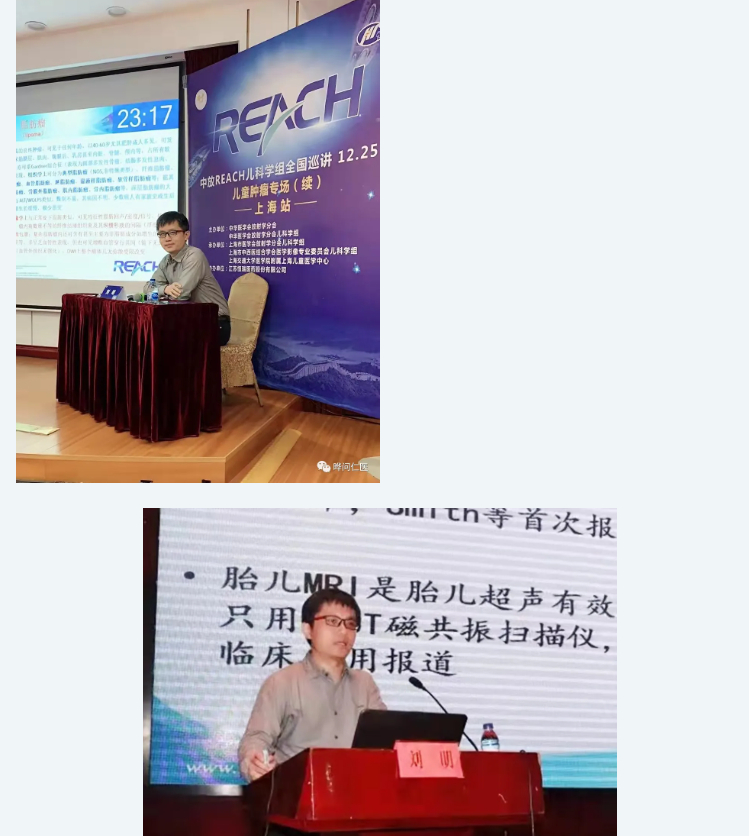

ShanghaiDoctor.cn:
What are the differences in perspective between radiologists and clinicians when viewing a film? Is the angle of observation different?
Liu Ming
Radiologists often approach things from a macro perspective, being more comprehensive. They may not be as specialized in a particular disease as internists or surgeons, but they have a broader understanding of the entire disease spectrum. Sometimes, when facing certain special syndromes or diseases that affect multiple systems, internists or surgeons might easily fall into a blind spot in their perspective: for example, when seeing an ophthalmologist, they might only look at the eyes; when seeing a surgeon, they might focus on a specific specialty. But from a radiologist's perspective, they might connect these issues and tell you it's a systemic disease. From an imaging standpoint, they consider problems from multiple angles, especially when a patient presents with several concurrent issues. In such cases, radiologists can arrive at a more macro-level judgment.
ShanghaiDoctor.cn:
Patients generally have some understanding of the daily work of internists and surgeons. But for radiologists, can you give us a vivid picture to describe what a radiologist does throughout the twelve two-hour periods of a day?
Liu Ming
From a doctor’s perspective, whether a patient undergoes a CT scan or an MRI, they have only completed the first step. For our radiology department, the core work consists of two major processes: first, the images, and second, the report. The image acquisition is completed almost instantly—it’s something the patient can directly experience: they enter a scanning room, have a film taken, or lie down for an MRI or CT, and then they leave. But at that point, for us, the work has barely begun—less than half done—even though the patient feels it’s finished. What follows is the doctors’ work. What does this latter half entail? All the images we produce are transmitted to computers, and some require doctors to perform post-processing and reconstruction. The scanned images are all in slices; we need to reconstruct them into three-dimensional views according to surgical requirements, visualize the tumour’s blood vessels, and measure its volume. This part is handled through backend processing on the computer. Once that’s done, all the useful images are sent to the computers used for report writing within the entire medical reporting system. Then the doctor sits down, pulls up all the patient’s images, and reviews each one individually. After reviewing, they describe the key and valuable findings in the report, and based on these imaging signs, they arrive at a possible diagnostic conclusion. For some difficult cases, they may need to re-examine the patient’s medical history. A small number of patients may have experienced this: a radiologist calling them to ask about specific medical history—whether they have undergone treatment or surgery, and so on. This happens because, during the diagnostic process, the radiologist encounters questions and directly asks the patient. The reason for directly asking the patient is that the referring physician sometimes cannot cover every detail. Only when all this information is gathered do we produce a final report and its conclusion, and then issue these reports. Moreover, in the radiology department, issuing a report generally requires the participation of two people: first, one doctor reviews it, and then a senior doctor double-checks it to see if there are any omissions or disagreements. Finally, the report is only sent out after it has been signed by the radiologist.
ShanghaiDoctor.cn:
In your medical career, which diagnoses of difficult and complex cases have left a deep impression on you? Could you give one or two examples?
Liu Ming
Regarding difficult and complex diseases, I hold a somewhat different view. More often than not, what leaves a lasting impression is not a rare or intricate condition, but a simple one that has been misdiagnosed. I have encountered complex cases, but in reality, you might come across only one or two in ten or twenty years. For daily work and teaching, these are diseases that may broaden one’s knowledge. However, I believe that when common diseases are missed or misdiagnosed, the lesson they impart in everyday practice is far more profound—especially for young doctors. After all, what we primarily face are common and frequently occurring illnesses. When misdiagnoses occur with these, the consequences are often more severe. What does a misdiagnosis of a so-called common disease entail? It sends the patient on a significant detour in their medical journey. You tell the patient it is a certain condition, and there is a well-established treatment plan for it—but if you misdiagnose it, all prior treatment may be completely wasted. So, while difficult and complex diseases have their value, in reality, we do encounter them—often diseases we haven’t seen in decades and can only identify by consulting the literature.
ShanghaiDoctor.cn:
Looking at these films, across the screen, behind every image lies a living life. What are your feelings? How do you embody craftsmanship?
Liu Ming
I think craftsmanship is your focus and your relentless persistence. You must see the person behind it—not a computer, not a film, not a black-and-white image, not a piece of X-ray film. Behind it is a real human being. This compels us never to be the slightest bit careless when making any diagnosis.
Editor: ChenQing@ShanghaiDoctor.cn
If you need any help from Dr. Liu, please contact us at Chenqing@ShanghaiDoctor.
Dr.Sun Jing | Fertility-Sparing Surgery, and a Future Already Here
Dr. Li Qingyun | Sleep Apnea, and Illness Removed Without a Sound
Dr. Zhu Zhiling | Gynecologic Surgery, and a Line She Would Not Cross
Dr. Yuan Gongjie | Children's Smiles, and the Orthodontist Who Still Tells Stories
Dr. Wang Chaoyang | Vitrectomy, and Flowers Once Hidden in the Eye
Dr. Zhao Jinhua | Nuclear Medicine, and the Flowers Along the Road
Dr. Shi Yuling | Psoriasis, and Spring Mountains Beyond the Plain
Dr.Ying Chunmei | Laboratory Medicine, Renewed a Little Every Day

Dr.Sun Jing | Fertility-Sparing Surgery, and a Future Already Here
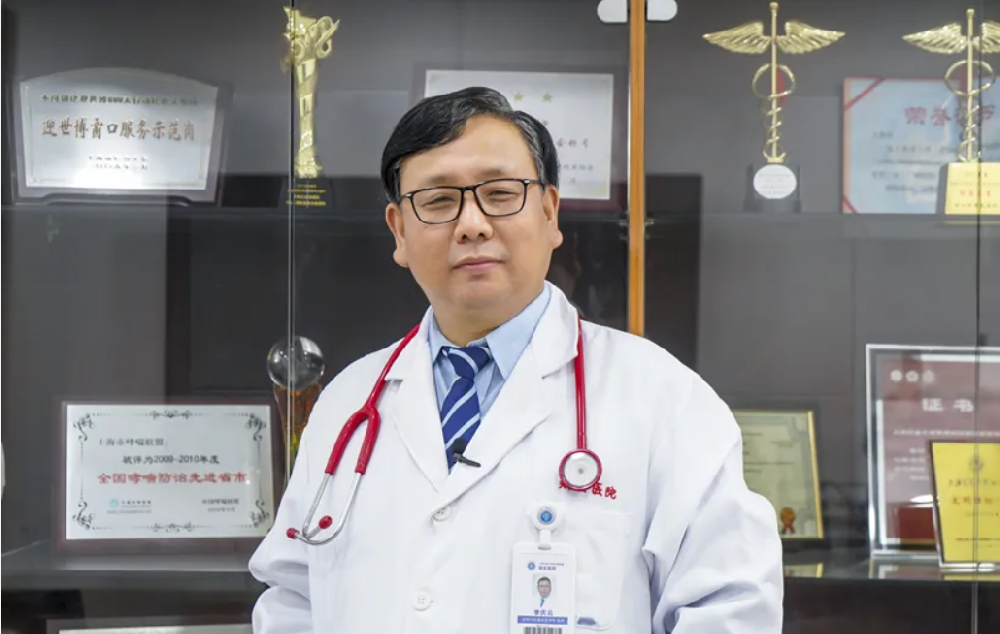
Dr. Li Qingyun | Sleep Apnea, and Illness Removed Without a Sound
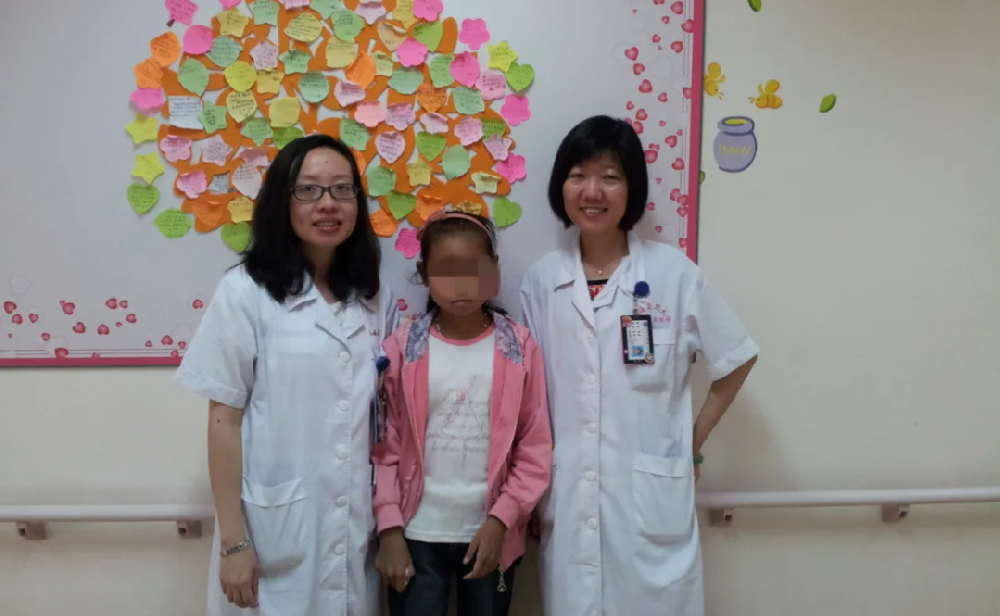
Dr. Shen Qian | Children’s Kidneys, Lucid and Gentle
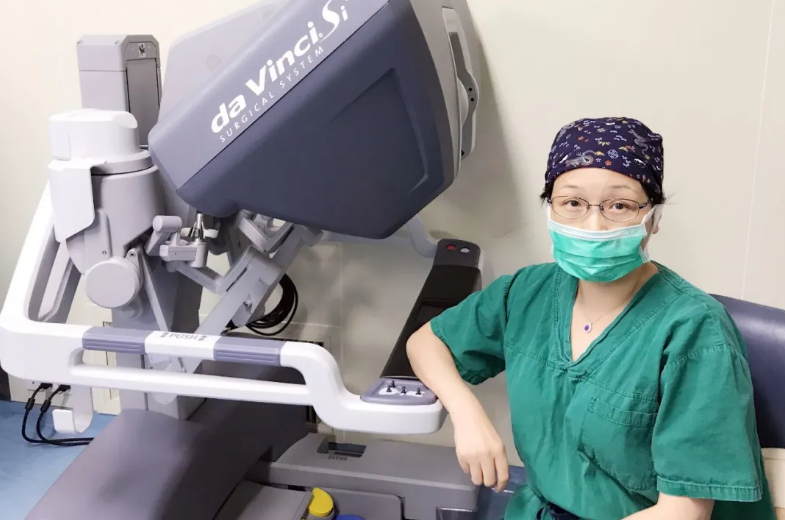
Dr. Zhu Zhiling | Gynecologic Surgery, and a Line She Would Not Cross
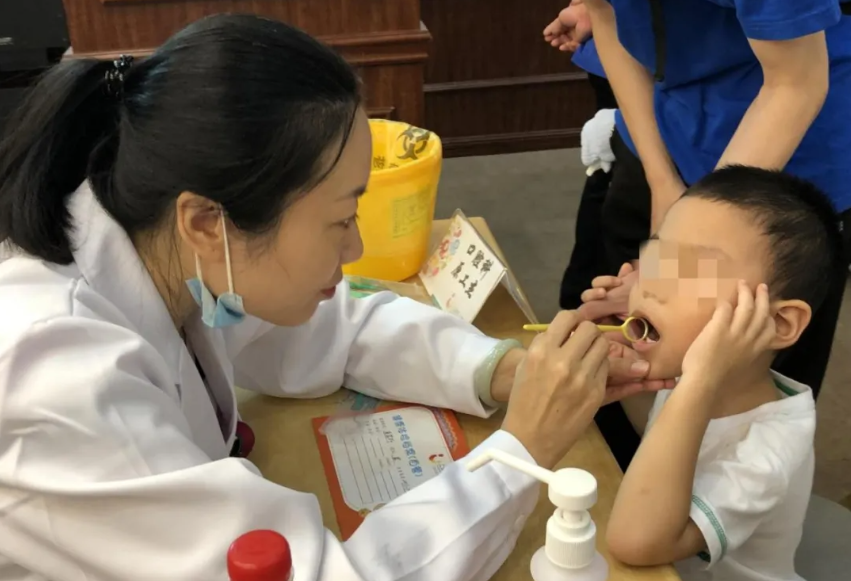
Dr. Yuan Gongjie | Children's Smiles, and the Orthodontist Who Still Tells Stories
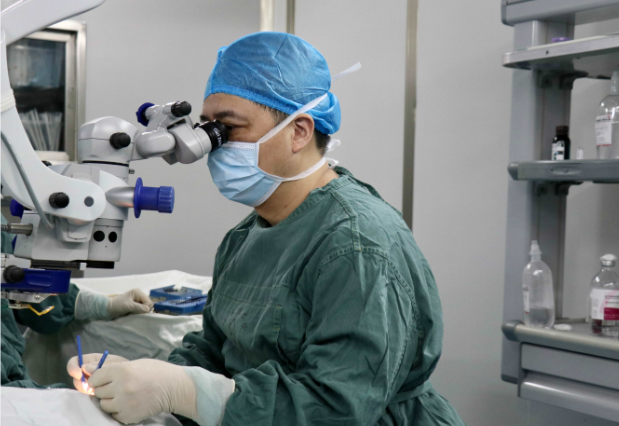
Dr. Wang Chaoyang | Vitrectomy, and Flowers Once Hidden in the Eye
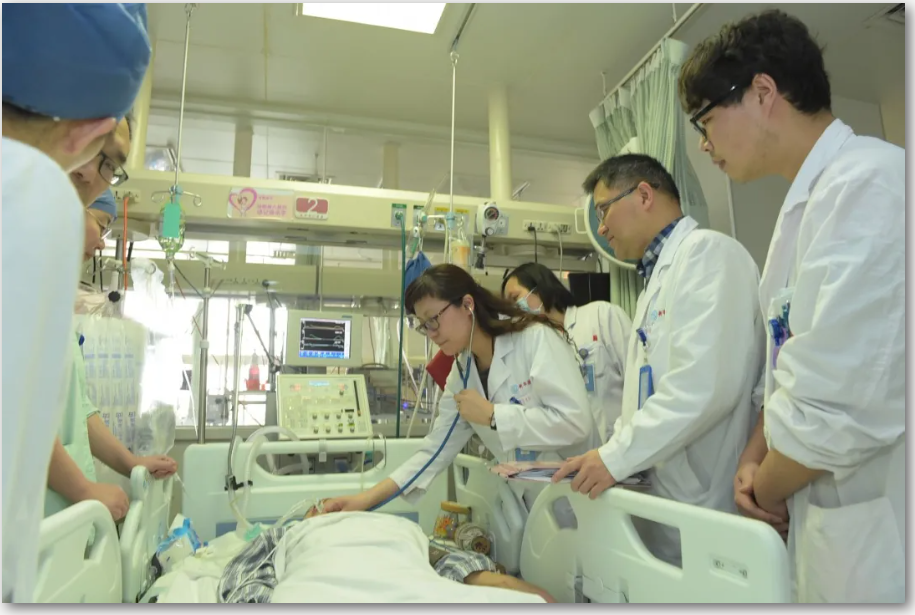
Dr. Fei Aihua | Emergency Medicine, and Striving to Win
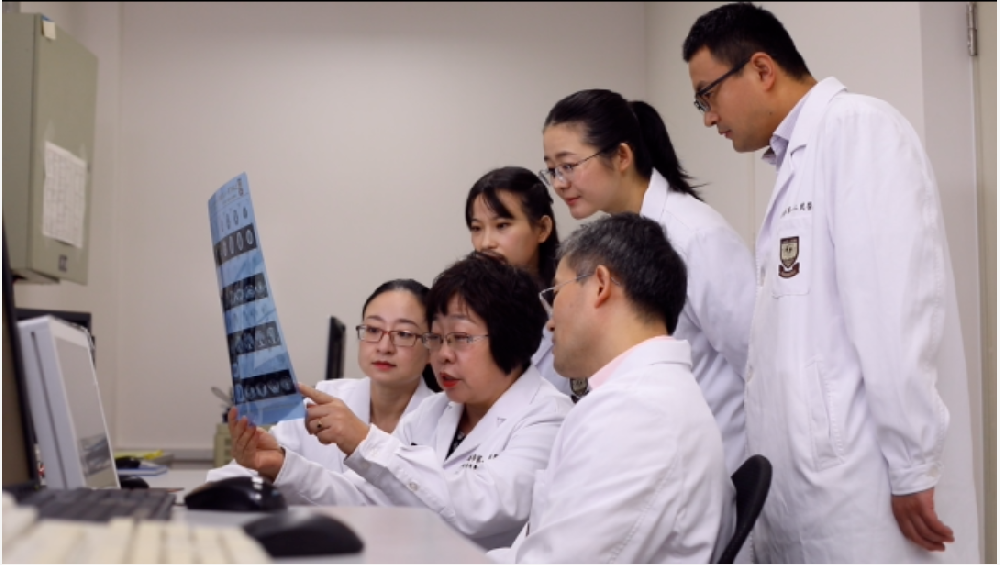
Dr. Zhao Jinhua | Nuclear Medicine, and the Flowers Along the Road
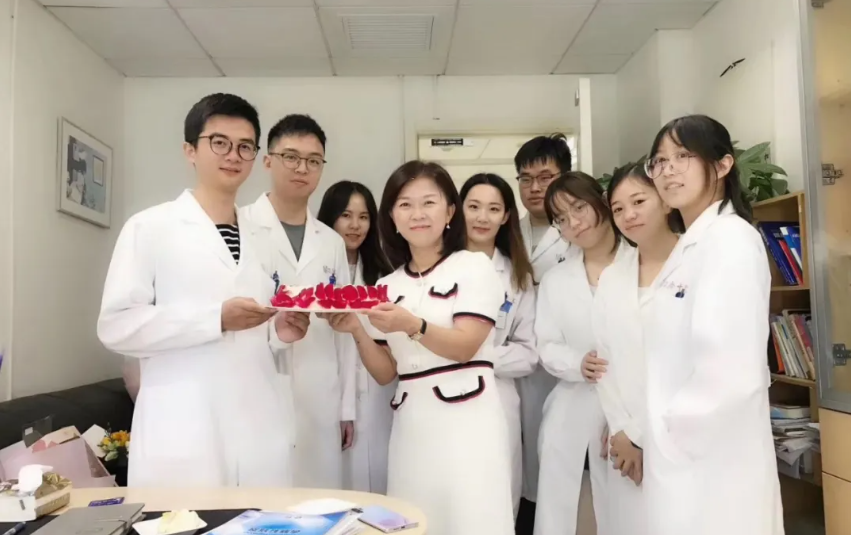
Dr. Shi Yuling | Psoriasis, and Spring Mountains Beyond the Plain
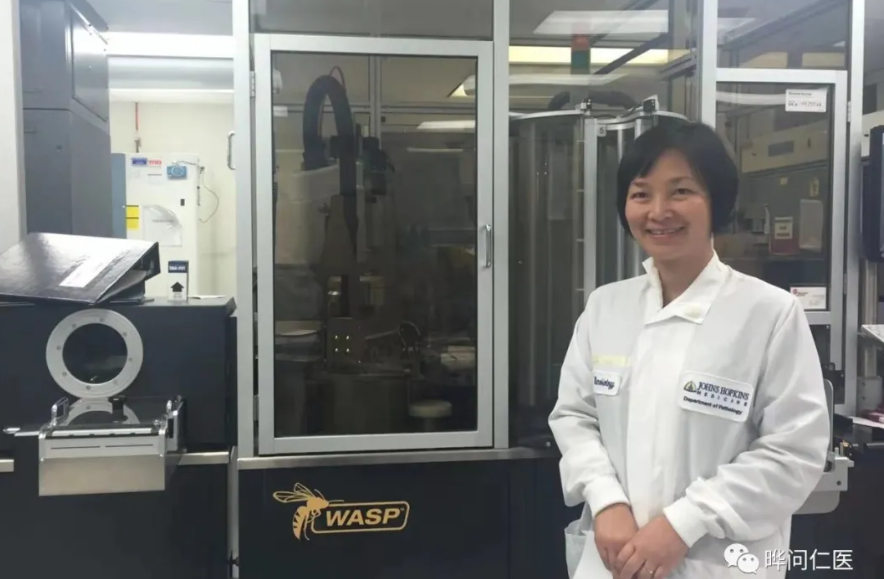
Dr.Ying Chunmei | Laboratory Medicine, Renewed a Little Every Day
Copyright © 2023 Yewen Renyi & ShanghaiDoctor.cn (This website is a non - profit medical humanities platform. The information contained herein is solely for biographical and historical purposes and does not constitute any medical advice.) 沪ICP备2023005392号-2 XML 沪公网安备31010902100835号
 中文
中文 English
 Español
 沪公网安备31010902100835号