ShanghaiDoctor - Where China's Healing Wisdom Shapes Modern Medicine

Update time:2026-05-28Visits:3366
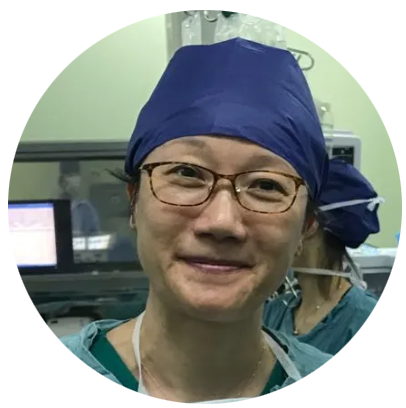
Profile
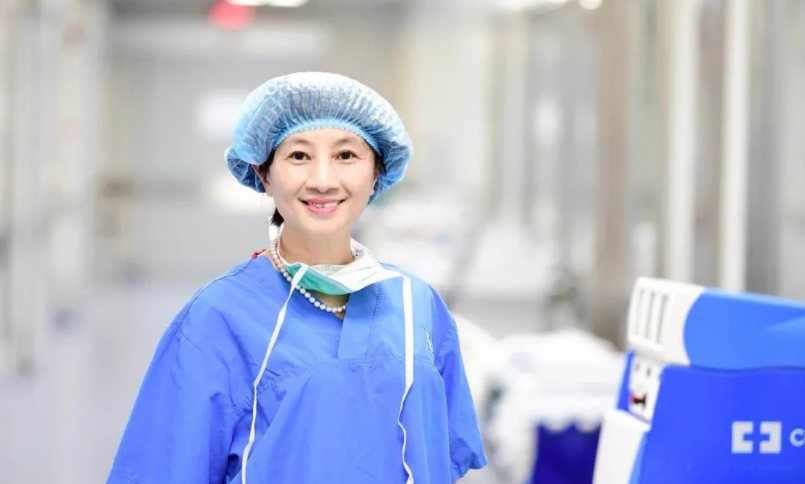
Li Jiarui holds a Doctor of Medicine degree and serves as Associate Chief Physician and Associate Professor in the Department of Obstetrics and Gynecology at Xinhua Hospital, affiliated with Shanghai Jiao Tong University School of Medicine. She graduated from the Medical Department of Shanghai Second Medical University (now Shanghai Jiao Tong University School of Medicine) in 1998 and has been engaged in clinical gynecological work for two decades. She currently serves on the Obstetrics and Gynecology Branch of the Shanghai Medical Association and the Gynecological Oncology Branch of the Shanghai Medical Doctor Association. In 2011, she was named an “Outstanding Youth” by Xinhua Hospital; in 2016, she received the “Moving Xinhua” honor; and in 2021, she was awarded the title of “Ingenious Healer” by the same institution.
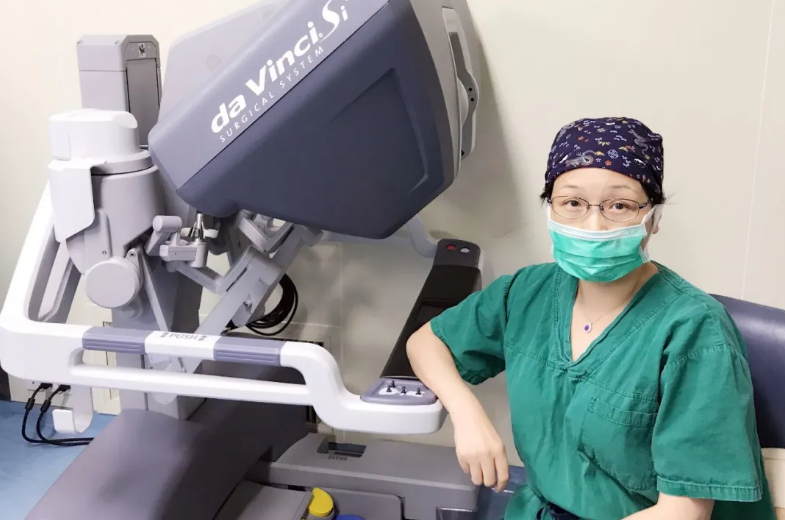
Her clinical expertise lies in the diagnosis and treatment of gynecological malignancies. She is proficient in minimally invasive hysteroscopic and laparoscopic techniques, applying them to the management of malignant tumors. She is skilled in performing Level 4 endoscopic surgeries, including laparoscopic radical hysterectomy and laparoscopic pelvic lymph node dissection. She has also pioneered advanced techniques such as 3D laparoscopy, single-port laparoscopy, and robotic surgery. Her research spans a range of gynecological conditions, including cervical intraepithelial neoplasia, endometriosis, and female pelvic floor disorders.

First-Person Perspective
Li Jiarui
She reserves her gentleness for her patients; her calm decisiveness belongs to the operating table.
For her, life is both a trek and a journey—a cycle of waiting and reunion, exploration and discovery, tears and song.
Born and raised in Shanghai, she shared her reflections with a quiet emotional depth that felt like listening to an old Shanghai melody—steeped in memories of the city, of patients, and of stories. Even after the music fades, the aftertaste lingers, leaving behind a poignant past.
This is Li Jiarui, Associate Chief Physician in the Department of Gynecology at Xinhua Hospital.
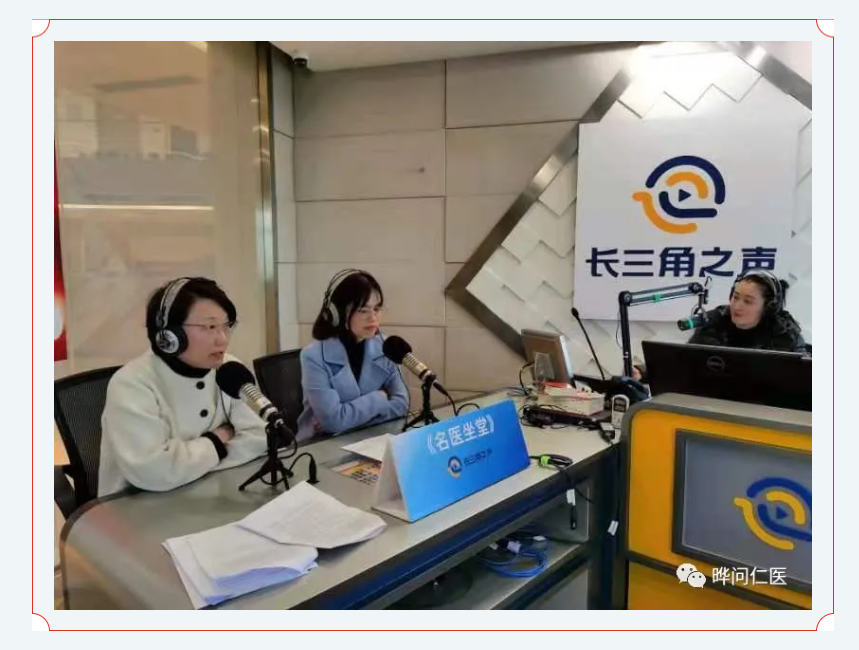
In her view, gynecology concerns not only women’s health but also the happiness of the families behind them. Each day, as she sees hundreds of patients, she carries a profound sense of responsibility and strength. During our interview, patients and their family members frequently reached out to her by phone and WeChat. Her gentle, patient responses revealed the deep trust they placed in her. I imagine that hearing her voice must feel like a spring breeze to them.
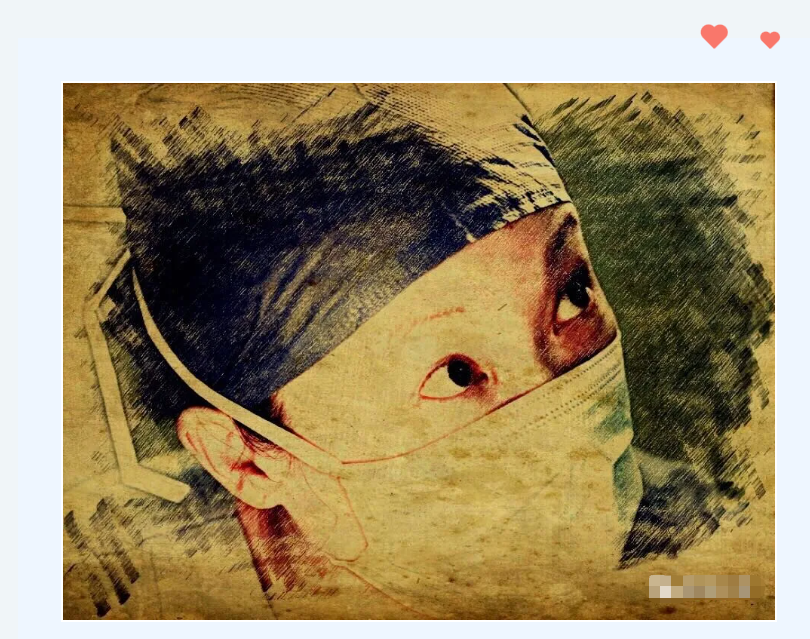
But once she steps onto the operating table, she transforms—decisive, clear-headed, bold yet meticulous. She always chooses the surgical approach best suited to the patient’s condition, completing each procedure with precision. Surgeries for malignant tumors often stretch six or seven hours without a break. Afterwards, she feels an immense sense of relief; sometimes she collapses into sleep in the break room, only to wake to an even busier day ahead.
She carries pressure, yet remains full of hope. She is always immersed in books, diligent and eager to learn, dedicating her youth and brilliance to medicine while keeping her hardships and tears hidden.
1. A Medical Dream by the Sea
The conversation with her was a pleasure—enjoyable and moving. When she spoke of the city where she grew up, scenes unfolded like frames from the recent film B for Busy: Shanghai uncles in vests, felt hats, and scarves, heading out to buy groceries, returning home to cook, sipping coffee. The soft Shanghainese dialect made one’s ears feel tender and smooth. And the inevitable longtang—the alleyways hidden among towering high-rises—run through Shanghai like blood vessels, permeating every corner of the city.
Li Jiarui was born in the 1970s, a time when China was gathering momentum for development. Shanghai already had dozens of large hospitals. Unlike other children who dreaded going to the doctor, young Li Jiarui never felt afraid during medical visits. It seemed she had a natural affinity for medicine. From primary to secondary school, she moved from Huangpu to Yangpu, consistently achieving excellent grades. At that stage, she had not yet considered what career she would pursue. It wasn’t until high school that she began to vaguely reflect on her future path. “Back then, no one in my family was ill, so there was no need to relieve suffering. But when I went to the hospital, I didn’t have the fear other children had. Instead, I felt that doctors had a very elegant demeanor—wearing white coats, giving off a cool vibe. At the time, my parents thought that girls should either become teachers or doctors, as these jobs were relatively stable. Besides, the medical profession allows one to provide help and care to people when they need it most. That might have been the main reason for my choice,” Li Jiarui recalled. And so, she set her life direction and moved steadily toward her dream.
In 1993, Li Jiarui was admitted to Shanghai Second Medical University (now Shanghai Jiao Tong University School of Medicine) with outstanding grades. At that time, the institution was still an independent medical school. In Li Jiarui’s heart, Shanghai Second Medical University was her favorite name—a place filled with youth, sweat, memories, hope, and character. The campus was located on Chongqing South Road, a small site housing many modest yet historically significant buildings, and the dormitories were in those “heritage structures.” Around the school, the old buildings on Fuxing Middle Road and Nanchang Road, along with time-honored local brands, carried the rich essence of Shanghai-style culture. Every autumn, the golden ginkgo leaves complemented the old architecture, creating a uniquely Shanghai atmosphere that could only be truly appreciated by being there.
The academic workload at medical school was undeniably heavy. Li Jiarui never expected that college studies would be even harder than high school. “In my senior year of high school, I didn’t even burn the midnight oil. But after entering the Second Medical University, I had to memorize so many subjects: physiology, pathology, pathophysiology, anatomy, biochemistry... all of them required rote memorization. Then there were qualifying exams—tests every day—it was truly overwhelming. Sometimes I would study until dawn. This period of study was the toughest I’ve ever experienced. I never imagined it would be this hard.” Studying medicine was naturally difficult, with complex methods requiring constant practice and refinement. Only by seeking the right approach and guidance from teachers could one successfully complete the program.
Over five years, Li Jiarui remained calm and steady, methodically completing her first phase of medical education. After graduating from Shanghai Second Medical University, she was selected to work at Xinhua Hospital and successfully became a clinical doctor. Following several years of clinical practice, Li Jiarui deeply understood that “a gentleman’s learning must be renewed daily; those who renew daily make daily progress; those who do not renew daily inevitably regress.” In 2003, she was admitted to study for a master’s degree under Professor Li Weiping at Shanghai Renji Hospital. She then returned to Shanghai Xinhua Hospital, and after further clinical practice, completed her doctorate.
A teacher of profound learning, an exemplar of moral conduct. Speaking of the kindness of mentors, Li Jiarui said, “I have received guidance and cultivation from many esteemed teachers on my path of growth, among whom I am most grateful to Director Zhang Ping of the Obstetrics and Gynecology Department at Xinhua Hospital. I think the person who has influenced me the most is still our Director Zhang Ping. I have worked under her for nearly fifteen years. Director Zhang Ping’s teaching by personal example and her way of handling people have greatly influenced me.”
2. The Joys and Sorrows of a Gynecologist
In Li Jiarui’s view, the Obstetrics and Gynecology Department is a unique place—one where all the joys and sorrows of reunion and separation unfold, and where the many facets of life come into sharp focus. Many families are reunited after a patient recovers, while others tragically fall apart due to the death of a mother, a wife, or even a daughter. Every time she thinks of this, Li Jiarui feels she must devote herself wholeheartedly, bearing a heavy sense of responsibility. For this reason, from the very beginning of her medical career, she has always done her utmost to guide her patients through life’s ups and downs, never giving up.
Speaking of the first surgery she ever performed as the lead surgeon, Li Jiarui still remembers it vividly. “In the old days of obstetrics and gynecology, gynecology and obstetrics were rotated together, so when we were still junior doctors, we also mixed gynecology and obstetrics rotations. My first time as the lead surgeon was actually performing a cesarean section, not a gynecological surgery. As the lead surgeon, I was completely responsible, so I was quite anxious at that time. Therefore, before and after the surgery, I constantly paid attention to this patient, always carefully checking on her and caring about how her wound was. At the time, this patient thought I was very kind, wondering why I cared so much about her. Actually, I was just nervous, worried about making a mistake. Later, this patient and I became very good friends. I think maybe because she felt I was so warm-hearted, she even gave me some wedding candy when she was discharged. Actually, she didn’t realize she was my first patient as a lead surgeon.” Speaking of this rather dramatic scene, one can feel Li Jiarui’s gratitude and appreciation for this first patient. Experiences like this, one after another, made Li Jiarui realize the importance of communicating with patients. An outstanding doctor is not just one who performs surgeries well, but also one who shows care and concern for patients and communicates effectively—these are actually the keys to a successful surgery.
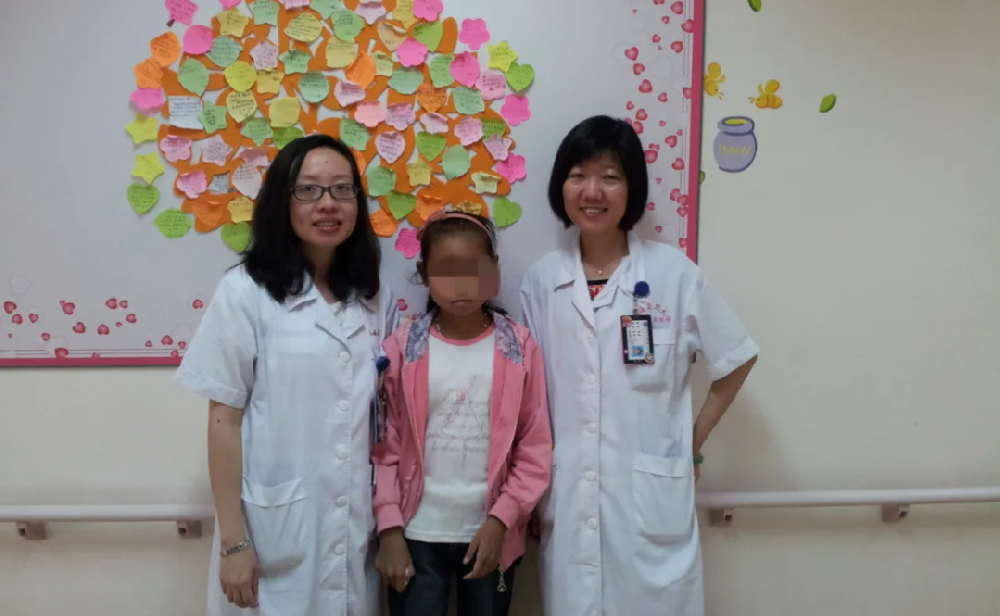
Li Jiarui never lets a patient give up any hope, no matter how slim. There was once a young patient who, at the age of 12, was diagnosed with an ovarian yolk sac tumor, which is highly malignant. But this girl was very young, unmarried, and had not yet given birth. After repeated consideration and evaluation, Director Zhang Ping and Li Jiarui ultimately decided to perform a fertility-sparing surgery. Then Li Jiarui’s team conducted close follow-up and monitoring of this patient. Unfortunately, a few years later, this young patient’s cancer recurred, so it was decided to perform a second surgery. After the surgery went well, her parents were also fine and quite satisfied. But during subsequent follow-ups, the cancer had metastasized to this girl’s spleen, and we performed another surgical intervention.
“Actually, I felt quite devastated at the time too, but I felt that persistence was necessary. So we collaborated with the surgeons to operate on this young girl again. She is doing well now, with no recurrent lesions found.”
The patient mentioned by Li Jiarui is now 18 years old. According to the latest follow-up, her condition is very stable, her tumor markers are normal, and importantly, her menstrual cycle is regular. This has not only given her a chance at life but also offered this young woman the prospect of a normal female future—and her family, in turn, has found hope.
What people seek is universal: youth, life, vitality, and love—not only for themselves but also for others. These are the wellsprings of hope. Li Jiarui’s team has persevered with unwavering dedication, striving to create hope for their patients and to forge new lives for those who were once gradually slipping into darkness.
3. Observe broadly, select wisely; accumulate deeply, release slowly.
Technological progress in obstetrics and gynecology is advancing rapidly. Xinhua Hospital, where Li Jiarui works, has long been a nationally recognized leader in gynecological surgery, particularly in the field of gynecological laparoscopy, where it has pioneered several procedures. In 1989, the first domestic training course in gynecological laparoscopy was held at Xinhua Hospital, making it one of the earliest hospitals in China to adopt endoscopic techniques. Today, 90% of gynecological surgeries are performed endoscopically. Gynecological endoscopy mainly includes hysteroscopy and laparoscopy, and some procedures are now performed through a single incision, allowing patients to recover more quickly. In the 21st century, the pace of medical technology development has accelerated even further, with new innovations emerging in dazzling succession.
Each medical technology has its own strengths. Take ovarian malignant tumors, for example: if detected at an early stage, they can generally be treated with laparoscopic surgery. However, if the tumor is advanced and has involved other organs, laparoscopy is not suitable, and open surgery is preferred. Thus, even new technologies can encounter bottlenecks. “A few years ago, a highly influential international clinical study showed that laparoscopic treatment for cervical cancer has certain limitations. Laparoscopy offers benefits, but it may also cause the spread of lesions—because a uterine manipulator is used during the procedure, which can compress the tumor, and the pneumoperitoneum may lead to local dissemination.” Both old and new technologies have their respective advantages and must be used in balance. Gradually, with the introduction of surgical robots, some of the shortcomings of open surgery and endoscopic surgery may be mitigated.
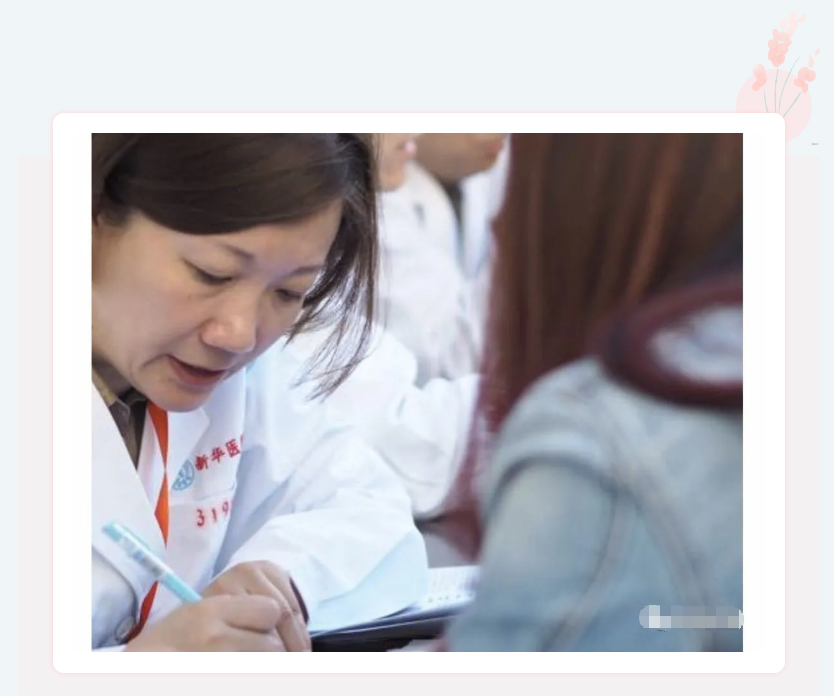
To stay at the forefront of medical technology, Li Jiarui devotes a significant amount of time each day—after seeing outpatients and performing surgeries—to learning new techniques and knowledge. “Our professional knowledge updates so quickly; we must keep close pace with the most advanced frontiers. Professional textbooks need to be studied carefully, and in addition, we have a great deal of clinical research to conduct. Only in this way can we ensure that our department and our doctors remain at the cutting edge of the discipline and avoid being left behind.” Li Jiarui has never stopped pursuing progress in medical technology, and has never stood still.
In addition to her surgical and clinical expertise, Li Jiarui has also developed a profound understanding of tumor prevention and treatment. Among the three major gynecological cancers, effective prevention and treatment remain elusive. Li Jiarui concluded: “Under current technological conditions, the prognosis for most patients with cervical cancer and endometrial cancer is good. If early prevention and screening are effectively implemented for these two types of cancer, incidence rates can be reduced, and outcomes remain favorable. However, for patients with ovarian cancer, the situation is deeply distressing. The recurrence rate is high, and even early-stage survival rates are not encouraging. Most patients eventually suffer from ascites, metastasis, and platinum resistance, resulting in a very poor quality of life and immense suffering. I hope that with continued advances in technology and clinical practice, this situation will gradually improve,” Li Jiarui said.
Over the years, Li Jiarui has experienced personal growth and has begun to lead her team forward. She believes that neither she nor her team will stop on this path in the future. At this moment, her team is like a flower in early bloom, quietly releasing bursts of fragrance. As a gentle breeze passes, the delicate scent spreads, and every living creature in the forest catches this subtle aroma.

ShanghaiDoctor.cn
The public is quite concerned about how to prevent gynecological malignant tumors. In your view, what are the high-risk factors for these malignancies, and who are the main high-risk groups? What are the effective preventive measures?
Li Jiarui
The three major gynecological malignant tumors are cervical cancer, endometrial cancer, and ovarian cancer. The high-risk groups for each are different. For example, cervical cancer is closely associated with HPV infection and sexual activity. Women of reproductive age should undergo routine cervical cancer screening to check for HPV infection. The primary prevention for HPV infection is vaccination. In China, bivalent, quadrivalent, and nonavalent vaccines are now available and have become widely accessible at hospitals.
The high-risk groups for endometrial cancer are generally patients with the “three highs” (hypertension, hyperglycemia, and hyperlipidemia). Most endometrial malignancies are hormone-dependent. Additionally, there are familial genetic factors. Patients who experience abnormal uterine bleeding during perimenopause or menopause should be especially vigilant.
The mortality rate for ovarian malignancies is often higher than that for cervical or endometrial cancer, because there is currently no effective early screening method. Cervical cancer can be screened via an HPV test or a TCT test; endometrial cancer can be screened through diagnostic curettage. However, ovarian cancer is frequently diagnosed at an advanced stage, as the pelvic and abdominal cavities provide ample space for tumor growth and spread, making early detection difficult. Therefore, we recommend that women undergo regular check-ups, including a routine annual ultrasound examination (B-scan). If an ovarian mass is found, regular follow-up is necessary, along with further testing of tumor markers or more in-depth examinations. This is essential.
ShanghaiDoctor.cn
In addition to these malignant tumors, there are also gynecological conditions such as pelvic floor dysfunction. These diseases are not life-threatening, and some patients may feel that treatment is optional. How should we correctly understand this type of condition? How should it be treated or managed?
Li Jiarui
Pelvic floor dysfunction typically manifests in two distinct phases. The first occurs shortly after childbirth, particularly following vaginal delivery, when the strain and breath-holding during labor can cause muscle damage. These patients can often be managed with physical therapy; postpartum physiotherapy, therapeutic devices, pelvic floor muscle exercises, and certain forms of gymnastics can all aid recovery.
The second group comprises women in their sixties and older. Some present with complete uterine prolapse. These women are elderly, have spent years in occupations requiring prolonged standing or manual labor, have experienced multiple pregnancies without adequate postpartum rest, and often suffer from chronic cough, constipation, and other conditions—all of which contribute to pelvic organ prolapse. Generally speaking, Chinese women endure a great deal, but this condition is genuinely painful. Repeated friction can lead to infection and increased discharge, so this group cannot recover through physical therapy alone and requires surgical intervention.
ShanghaiDoctor.cn
Beyond personal health, female patients may also bear family responsibilities, including future fertility. As a gynecologist, how do you understand and care for these patients from a humanistic perspective?
Li Jiarui
Gynecological diseases are not merely about the illness itself, nor are they solely a personal matter—they affect the well-being of the entire family. Let me share two examples that left a deep impression on me. There was an elderly patient living in Baoshan District, Shanghai. Her husband was 80 years old, and every time, he would push her in a wheelchair to see the doctor. I told him that once the test results came out, he could simply show them to me directly, and there was no need to bring her along, as they were both elderly and it was inconvenient for him to push her. But he said, “I still want to push her here. She fell twice at home alone, and I can’t rest easy. I’d rather endure the hardship; as long as she is by my side, it’s fine.” They support each other, holding hands—unlike young people “showing off their love,” they are more afraid of the other falling or getting separated… From youthful days to old age with gray hair, this elderly couple truly moved me.
We also have many young patients, and preserving their fertility and endocrine function is something we must consider. The young woman who just called me is only 22 years old and has cervical cancer. The tumor is already quite large. We hope to preserve her fertility as much as possible, but this cannot be guaranteed 100%; it depends on the size and type of the tumor. Regardless, obstetricians and gynecologists need a benevolent heart. A word or an action from the heart can be like spring drizzle, moistening things silently and benefiting all. At this very moment, we doctors and patients are on the same frequency, experiencing bitterness and pain together. Yet as doctors, we must also transcend these sufferings and give them a warm strength, like a torch in the dark night, illuminating the darkness of the world and bringing warmth and light to those struggling in the mire.
Editor: ChenQing@ShanghaiDoctor.cn
If you need any help from Dr. Li Jiarui, please contact us at Chenqing@ShanghaiDoctor.cn.
Dr.Sun Jing | Fertility-Sparing Surgery, and a Future Already Here
Dr. Li Qingyun | Sleep Apnea, and Illness Removed Without a Sound
Dr. Zhu Zhiling | Gynecologic Surgery, and a Line She Would Not Cross
Dr. Yuan Gongjie | Children's Smiles, and the Orthodontist Who Still Tells Stories
Dr. Wang Chaoyang | Vitrectomy, and Flowers Once Hidden in the Eye
Dr. Zhao Jinhua | Nuclear Medicine, and the Flowers Along the Road
Dr. Shi Yuling | Psoriasis, and Spring Mountains Beyond the Plain
Dr.Ying Chunmei | Laboratory Medicine, Renewed a Little Every Day
Dr.Sun Jing | Fertility-Sparing Surgery, and a Future Already Here
Dr. Li Qingyun | Sleep Apnea, and Illness Removed Without a Sound
Dr. Shen Qian | Children’s Kidneys, Lucid and Gentle
Dr. Zhu Zhiling | Gynecologic Surgery, and a Line She Would Not Cross
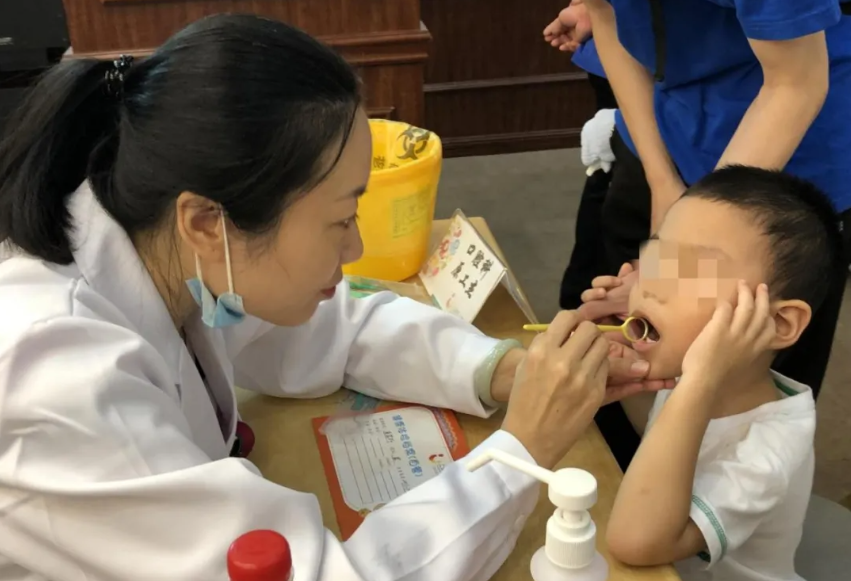
Dr. Yuan Gongjie | Children's Smiles, and the Orthodontist Who Still Tells Stories
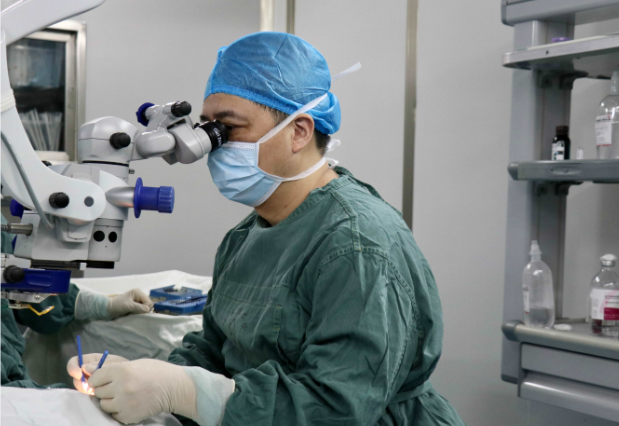
Dr. Wang Chaoyang | Vitrectomy, and Flowers Once Hidden in the Eye
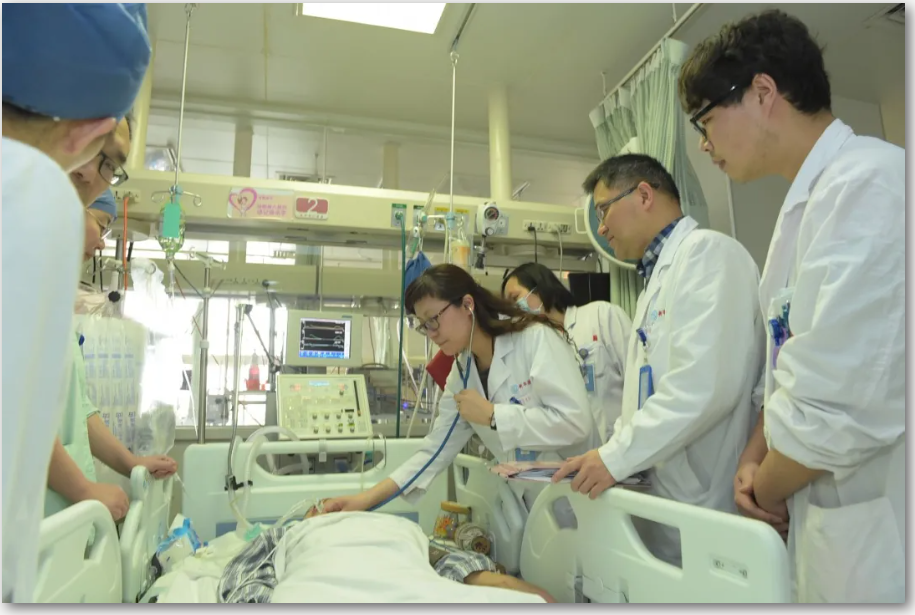
Dr. Fei Aihua | Emergency Medicine, and Striving to Win
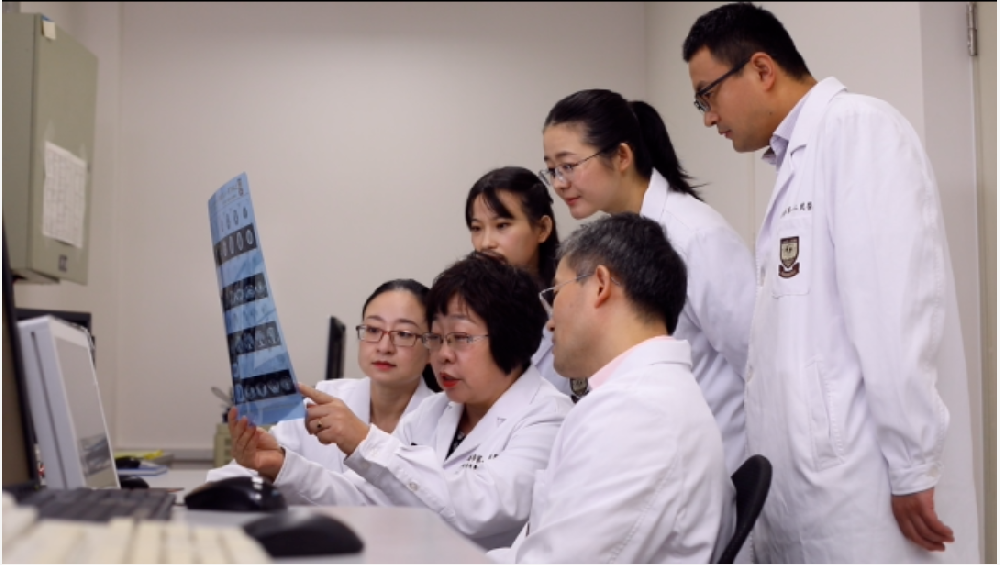
Dr. Zhao Jinhua | Nuclear Medicine, and the Flowers Along the Road
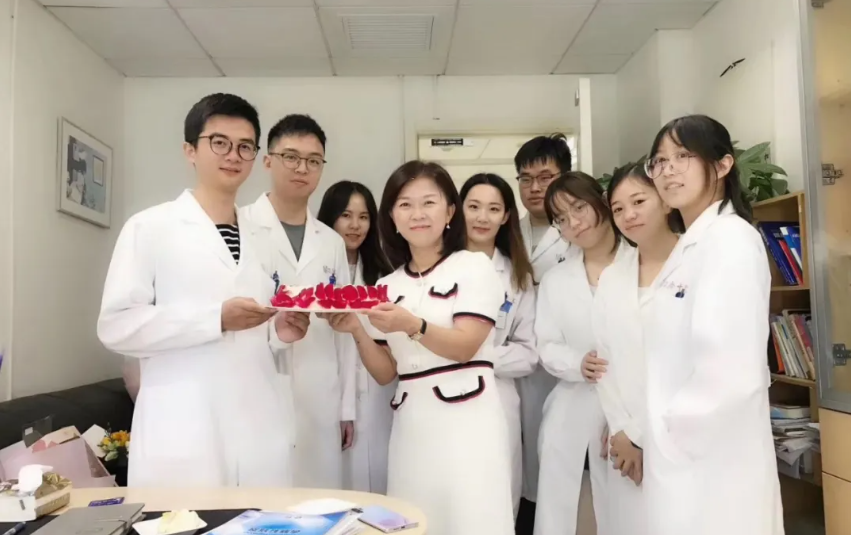
Dr. Shi Yuling | Psoriasis, and Spring Mountains Beyond the Plain
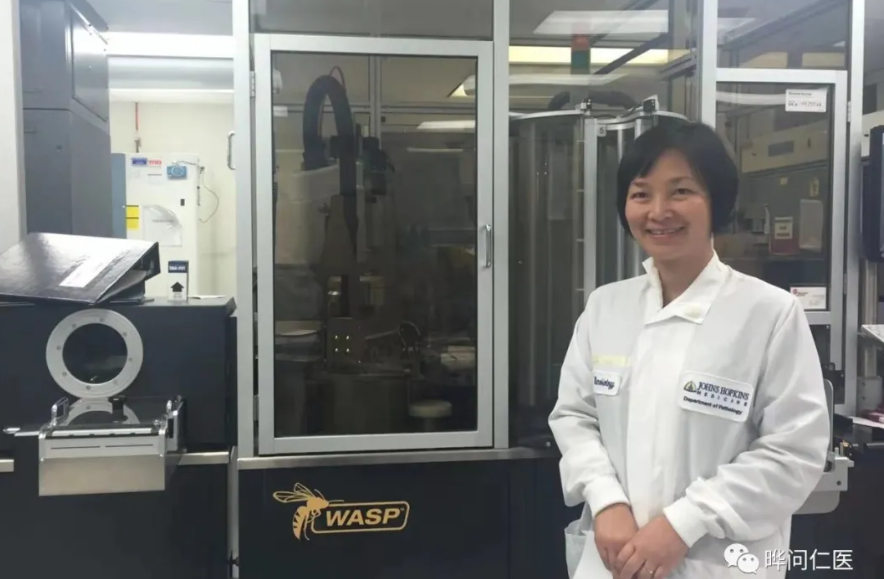
Dr.Ying Chunmei | Laboratory Medicine, Renewed a Little Every Day
Copyright © 2023 Yewen Renyi & ShanghaiDoctor.cn (This website is a non - profit medical humanities platform. The information contained herein is solely for biographical and historical purposes and does not constitute any medical advice.) 沪ICP备2023005392号-2 XML 沪公网安备31010902100835号
 中文
中文 English
 Español
 沪公网安备31010902100835号