ShanghaiDoctor - Where China's Healing Wisdom Shapes Modern Medicine

Update time:2026-05-05Visits:4144
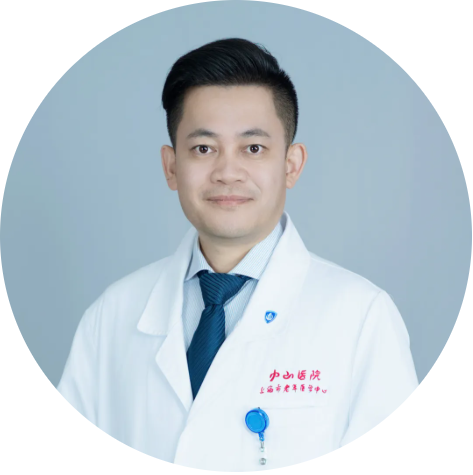
Xing Shuliang
Deputy Director and Associate Chief Physician, Department of Plastic Surgery, Minhang Campus, Zhongshan Hospital, Fudan University (Shanghai Geriatric Medical Center). Doctor of Medicine.
Clinical Visiting Scholar at Washington University in St. Louis. Deputy Director of the Aesthetic Design Art Professional Committee, Medical Aesthetics and Art Branch, Chinese Association of Plastic and Aesthetic Surgery; Youth Member of the Plastic Aesthetics and Art Group, Plastic Surgery Branch, Chinese Medical Association; Member of the Plastic Surgery Branch, Shanghai Medical Association; Member of the Plastic Surgery Branch, Shanghai Medical Doctor Association; Member of the Culture and Art Professional Committee, Shanghai Higher Education Society; Member of the Shanghai Health Science Popularization Expert Database (Plastic and Reconstructive Surgery); Expert for Shanghai Tertiary Hospital Evaluation; Member of the Famous Doctor Studio, Medical Affairs Branch, Shanghai Overseas Returned Scholars Association; and Introduced Talent Discipline Leader of Shanghai Qingpu District.
Recognized among the first batch of Shanghai Health Science Popularization Talents; recipient of the First Prize for Outstanding Achievements in Plastic Surgery Science Popularization at the First International Health and Medical Aesthetics Expo. Has participated in and led multiple projects funded by the National Natural Science Foundation of China and the Shanghai Municipal Health Commission. Published numerous articles in SCI and core journals, contributed to four monographs, and holds two utility model patents. Possesses extensive experience in periorbital plastic and reconstructive surgery, craniofacial plastic surgery, correction of hand and foot deformities, and aesthetic correction of congenital and acquired body surface deformities.
Curator of the First Plastic Surgery Science Popularization Art Exhibition and the Illustrated Plastic Surgery Roundtable Forum, as well as the "Medicine and Art in Harmony, Beauty Shared by All" Medical Science Popularization Art Exhibition. The Illustrated Plastic Surgery series has been covered by authoritative media including Xinhua News Agency, People's Daily, Shangguan News, and Shanghai Education Channel. Dr. Xing has conducted pioneering in-depth research on the integration of plastic surgery practice with artistic aesthetics and medical aesthetic education.
Preface:
Beauty is life’s most profound sigh in the vast universe.
In this ever-changing world, time is undoubtedly the most ruthless and precise sculptor. With frost and wind as its blade, it carves indelible furrows at the corners of people’s eyes and brows; with gravity as its line, it silently pulls youth’s firmness and vitality toward the brink of sagging. What is even more lamentable is that fate plays tricks—sometimes, at the very beginning of life, it bestows upon the body, with a nearly cruel randomness, imperfect flaws and ailments. Yet, in this prolonged, silent battle against the laws of time and the caprices of fate, there always stands a group of rebels. Clad in white robes symbolizing purity and reason, wielding sharp and cold scalpels, they strive with mortal bodies and the courage of healers to repair those countenances eroded by time and wronged by destiny.
1. The Symphony of Medicine and Art: A Rural Child’s Journey to Becoming a ‘Paintbrush Doctor’
Judging solely from his academic curriculum vitae, one might assume he is the archetype of a medical elite—someone who has climbed steadily and brilliantly to the pinnacle of his field. As early as 2007, he earned his Ph.D. through an integrated master’s-doctoral program at Fudan University with outstanding grades, then crossed the ocean to pursue advanced training at a top-tier American institution: the Washington University School of Medicine in St. Louis (WashU). He has since participated in and led numerous major projects funded by the National Natural Science Foundation of China and the Municipal Health Commission, achieving high proficiency in cutting-edge areas such as periorbital plastic reconstruction, head and facial aesthetics, and the correction of congenital and acquired hand and foot deformities.
He is an artist who wields a scalpel like a paintbrush; a surgeon who uses a paintbrush like a knife to mend the fractured souls of the world.
But when one sets aside these dazzling academic accolades and steps into his consultation room—where the woody fragrance of rice paper, the delicate scent of tea, and the cold, sharp smell of disinfectant perpetually intermingle in a strangely harmonious blend—one is astonished to discover that this male doctor’s soul is far richer than his résumé. In the brief stillness after removing his sterile gloves, he can effortlessly execute the unruly wild cursive script of Huang Tingjian, the Song Dynasty calligrapher, on rice paper, or render gentle, tender watercolor strokes in medical illustrations imbued with the aesthetics of human anatomy.
The Department of Plastic Surgery, Minhang Campus of Zhongshan Hospital, Fudan University (Shanghai Geriatric Medical Center).
This is the “main battlefield” where Xing Shuliang dons his armor daily to protect his patients. With each passing dawn and dusk, a diverse array of beauty seekers and patients—carrying their hidden inner pains and fervent hopes for a new life—push open the door of this consultation room that bears the weight of hope.
When asked whether, over his long career, he would prefer the public to remember him as a pure and imposing surgeon, or rather as an advocate of popular science art dedicated to “illustrating plastic surgery,” Xing Shuliang leaned back slightly, a knowing smile curling at the corners of his mouth. His voice was calm and steady, retaining a childlike innocence despite having weathered countless storms:
“I would rather be called a ‘paintbrush doctor.’ I have been practicing medicine for twenty-six years, and deeply involved in plastic surgery for twenty-four. Merging this long clinical experience with my personal artistic preferences, the term ‘paintbrush’ aptly captures my lifelong passion for clinical work and academia.”
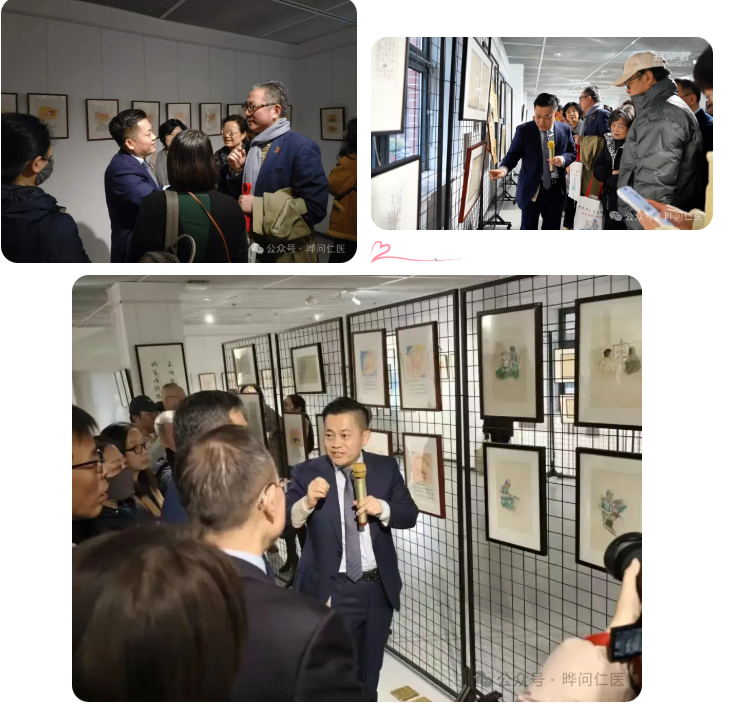
This is a wondrous collision between an “unorthodox path” and the highest halls of medicine. This “paintbrush doctor,” who has published research articles on the integration of medicine and art in international medical journals such as the Annals of Plastic Surgery and the Chinese Journal of Plastic Surgery, has actually held multiple popular science calligraphy and painting exhibitions at Fudan University Shanghai Medical College, the Yacht Museum, and Zhongshan Hospital. He is currently compiling the first plastic surgery popular science illustrated book in China, with illustrations hand-drawn by a plastic surgery expert. Yet, incredibly, at the very beginning of his life, fate did not grant him any fertile ground for art.
Looking back on his distant childhood, Xing Shuliang’s deep-set eyes flickered with a trace of nostalgia. He picked up the cup of clear tea steaming warmly on his desk, gently blew away the mist drifting on the surface, and his tone wove together gratitude for the gifts of fate with a playful reflection on years gone by:
“I grew up in a remote rural village, and my family was poor when I was young. There was no electricity in the village until I was in third grade. I never received any formal training in fine arts or calligraphy, but deep down, I always had an instinctive yearning for beauty. Starting in fourth grade, I began writing Spring Festival couplets for my neighbors. Though I had no master to guide me and relied entirely on self-discovery, those simple, unadorned days planted the first seeds of my artistic path.”
From a desolate village that could barely afford even the dimmest lamplight, he pressed forward, cutting through thorns and brambles, walking a path of solitude and resilience. After entering university, he later gained admission to the Department of Plastic Surgery at Zhongshan Hospital, studying under Professors Qi Fazhi and Gu Jianying. Amid the rigorous, precise, and often monotonous training in medical anatomy, Xing Shuliang never let the spark of art in his heart die out. On the contrary, those aesthetic longings—once suppressed by a barren life—fused in a more hidden, more fervent, and more profound way with the cold, sharp scalpel in his hand, perfectly tempered into one.
In his grand philosophical vision, art was never a burden to the strict rationality of medicine; rather, it was a secret key to the highest level of human anatomy.
“My identity is not limited to that of a surgeon, which allows me to move effortlessly between the realms of medicine and art,” Xing Shuliang explained with a smile. “When I meet titans in the medical field, I engage them in discussions about the boundless nature of art; when I step into the refined gatherings of artists, as a ‘cross-disciplinary apprentice,’ I often astonish them with the precision of plastic surgery. This fortune of crossing boundaries lets me draw wisdom and nourishment from many predecessors at the intersection of medicine and art.”
The general public often hears the term “plastic surgery” but rarely has the inclination to truly dive into the deep waters of the word and unpack its weighty core. In Xing Shuliang’s medical philosophy, plastic surgery is by no means a mere mechanical process of cutting, dissecting, and suturing with instruments; it is an artistic reshaping that demands the pouring in of one’s soul.
Under the relentless pressure of daily high-intensity clinical consultations and deep, monotonous scientific research, he often manages to step back and examine his career with a meditative composure akin to Zen practice.
“The term ‘plastic surgery’ is essentially a verb-object structure. To perform the action of ‘shaping,’ one must first deeply understand the essence of ‘form.’ Only by discerning what constitutes perfect form can one clarify the direction of surgical refinement. This is indeed the same principle as composition and layout in calligraphy and painting.”
His operating light is like his studio for splashing ink. He vividly recreated for us the mental landscape he faces when consulting with a patient seeking beauty. When a patient, filled with regret and anxiety about their appearance, sits before him with a request as simple as getting double eyelid surgery, an ordinary doctor might only see a few millimeters of redundant skin and some orbital fat to be removed. But in Xing Shuliang’s eyes, it is as if he sees a masterpiece portrait about to come to life with brushstrokes and the play of light and shadow.
“Just as a painter studies a model with unwavering attention, I must focus on observing the proportions of the facial features, the underlying skeletal structure, and the interplay of light and shadow on those who seek beauty—then sketch a perfect blueprint in my mind. The same principle applies to plastic and cosmetic surgery. Many patients come to me with photos of celebrities, yet they never stop to consider whether those features suit their own facial contours. But this is precisely what I value. In fact, during the consultation, I can already envision what the patient will look like after the surgery.” His eyes brimmed with unshakable confidence.
It is this profound insight into the lines of the human body, the golden ratio, and three-dimensional light and shadow that draws overseas students who have traveled across the ocean—and even prodigies from world-renowned art institutions such as Berklee College of Music and the Royal College of Art—to seek his medical expertise. Why? Because they have discovered that Xing Shuliang is also an “artist.”
In Xing Shuliang’s eyes, art and medicine have long broken through the seemingly impenetrable barrier of conventional thinking. They are no longer two poles that echo each other from afar but never meet; instead, they spring from the same inexhaustible source—a fervent pursuit of the perfection and dignity of life.
“If one can immerse purely in a hobby without being enslaved by its worldly utilitarianism, that is a stroke of luck in life. For me, painting and calligraphy have shed the heavy burden of performance evaluations and become a sanctuary for soothing my soul and healing myself, apart from the high-pressure clinical work,” he said with a smile.
This seemingly unintentional artistic healing, originally sought as an escape, has transformed into a powerful force that nourishes his scalpel. It is this infusion of humanistic spirit that strips every incision and suture he makes of its cold, mechanical nature, imbuing it instead with a profound compassion and tenderness for fragile human flesh.
2.The Compassion of the Engraving Knife and the Paintbrush: Healing the Flesh, and Soothing the Soul
Looking back over a century of medical history, superb clinical technique determines how high a surgeon can climb toward the pinnacle of medicine; while a deep and profound humanistic foundation in medicine determines how far a physician can journey along the long road of practice.
Plastic surgery—a special discipline that directly intervenes on a healthy body—has a near-zero tolerance for error. For this reason, it is solemnly defined by the academic community as “artistic creation under extremely stringent medical conditions.” If a painter makes a mistake with the brush, they can tear up the paper and start anew; but once a plastic surgeon’s scalpel makes an incision on a patient’s skin, it leaves a lifelong, irreversible mark on their life.
Xing Shuliang’s philosophical reflections on medical humanities are both rooted in local soil and possess a forward-looking international perspective. He is dissatisfied with the empty slogans that relegate “medical humanities” to a lofty shelf, and instead actively draws profound nourishment from cutting-edge literature.
He shared a small episode that contributed to his growth—Perspectives in Biology and Medicine, an internationally authoritative medical humanities journal first published in 1965, once proactively extended him, a Chinese plastic surgeon, an invitation to review manuscripts. In that ancient and weighty journal, a grand essay exploring “Surgical Practice and Artistic Theory” struck him like a thunderbolt, completely resonating with his soul.
That article subtly draws on the post-impressionist master Cézanne’s concept of multi-perspective painting to metaphorically capture the tacit collaboration of a cardiac surgery team. The lead surgeon, assistants, anesthesiologist, and nurses function like musicians in an orchestra, each playing their distinct part. Though their perspectives on the heart differ, they harmonize in resonance for the reprise of life. Just as a painter applies brushstrokes with varying intensity and rhythm, the lead surgeon’s nerves alternate between tension and relaxation, performing art on the operating table.
It was from this grand theory of cardiothoracic surgery that Xing Shuliang, as if panning for gold, refined the core philosophy that runs through his entire career in plastic surgery and medical illustration: “Selective Precision.”
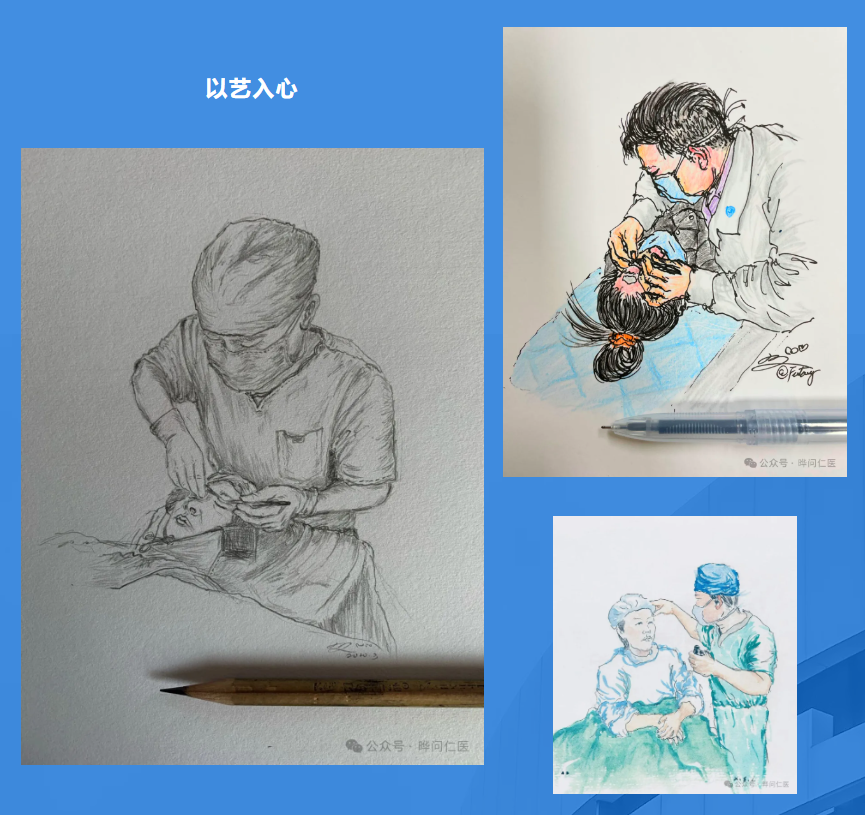
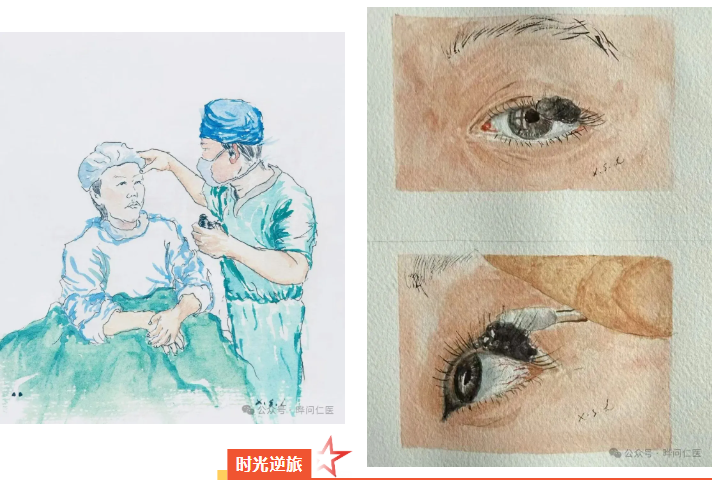
“The soul of medical illustration lies in ‘selective precision,’” he said, pulling out a beautifully detailed anatomical watercolor he had drawn. His fingertips gently traced the delicate yet lively lines, his gaze unwavering. “It transcends the indiscriminate recording of photography, allowing me to deliberately emphasize a key area while subtly blurring secondary details. In this way, even a beauty seeker with no medical background can understand the core intent of the surgery through the illustration, without having to confront the bloody reality of actual surgical photos.”
It is this humanistic and wise model of “visualized” medical communication that transforms obscure, cold anatomical terms and surgical steps into beautiful, emotionally warm, and healing works of art.
What is the ultimate purpose of plastic surgery? Is it to cater to the cookie-cutter internet celebrity aesthetic that rides the wave of the times? Or is it to forcibly piece together an illusory shell—like a mask—that does not belong to oneself, using the art of the scalpel? Through countless real and fervent clinical cases in his career, Xing Shuliang has given the most soul-stirring healing answer.
Xing Shuliang recalled a young girl who had traveled all the way from Shandong seeking treatment. At the time, her eyes were heavily burdened by severe dark circles and thick, puffy single eyelids, making her feel as if she were permanently imprisoned in a dense fog of gloom, inferiority, and self-loathing. Even her accompanying mother was filled with anxiety and helplessness over her daughter’s dull appearance. When the girl timidly handed over a photo of the popular exotic-looking actress Dilraba, hoping that Director Xing’s scalpel could realize her fantasy of deep, wide European-style double eyelids, Xing Shuliang decisively and firmly cut off this unrealistic illusion.
“I often explain to beauty seekers that the true essence of cosmetic surgery is not to carve you into another stranger ‘B,’ but to elevate the unique ‘A’ into a more dazzling ‘A+,’” Xing Shuliang said, restraining the smile at the corners of his mouth, his eyes blazing like torches, exuding the unwavering sincerity and authority of a seasoned physician. He patiently guided the girl to face the mirror, meticulously analyzing for her the vast anatomical gap between her facial bone structure, contour features, and ethnic minority genes. Ultimately, relying on his profound aesthetic foundation, he tailored a highly minimally invasive personalized double eyelid reconstruction plan for her.
Due to Xing Shuliang’s extremely controlled dosage of anaesthetic during the surgery, combined with his meticulous tissue dissection technique, the girl miraculously experienced almost none of the usual redness or swelling during recovery. Time passed swiftly, and more than half a year later, Xing Shuliang received a recent photo of her on WeChat. On the screen, the girl who once had evasive eyes and a face full of worry was gone, replaced by an independent woman with clear, radiant eyes and overflowing confidence.
“Later, this girl went through dual upheavals in both family and career, but she did not collapse. Thanks to the minimally invasive surgery, her double eyelids looked completely natural—so much so that even her direct supervisor at work never noticed anything unusual. A few days ago, this Shandong girl came to pick up medication and jokingly asked me to keep an eye out for a good match for her.” As he recounted this, Xing Shuliang’s voice carried a deep sense of comfort, like an elder witnessing a phoenix rising from the ashes.
3. The Journey Against Time: Silver Hair Aesthetics and the Restoration of Life’s Dignity
If the younger generation’s turns on the operating table are about seeking a more dazzling, more competitive “better self” at the start of their life journey, then when silver-haired elderly individuals lie down on that narrow bed under the shadowless lamp, what they are undertaking is an effort to maintain a high quality of life.
As the tide of the times surges forward, the aging of society has accelerated irreversibly. In Shanghai, an international metropolis where the average life expectancy has already risen to 84 years old, the two to three decades from retirement at 60 to the end of life are no longer a lingering remnant of existence, but another phase of life that deserves to be coloured and valued by society.
Yet the laws of nature are merciless. The decline of organ function, the heavy sagging of skin after losing elasticity, and the insidious lesions lurking deep beneath the skin all silently and cruelly strip away the dignity and social confidence of the elderly, bit by bit.
The Geriatric Medical Center of Zhongshan Hospital, affiliated with Fudan University, where Xing Shuliang works, is precisely the frontline of this vigorous “silver hair aesthetics defence.” Here, he has gazed upon too many resilient souls—bent by the frost of years, their faces etched with the furrows of time, yet still desperately yearning to dance gracefully in the twilight glow.
“Facing the increasingly severe aging trend, we must confront the quality of life of the elderly. From retirement at 60 to advanced ages over 80, during these long years, they still possess strong social desires and abundant energy. Therefore, the guiding principle of geriatric plastic surgery should be ‘functional reconstruction first, with aesthetic restoration as a complement.’”
The eyes that once sparkled with youthful vitality in this city have been forcibly compressed into dull, triangular shapes by severe sagging and drooping of the upper eyelid skin. Heavy skin tags hang like curtains, obstructing normal vision. Meanwhile, deep, ravine-like bags beneath the eyes not only make one appear prematurely aged and exhausted but also, like a coarse file, silently erode the last shred of courage seniors have to step out their doors and engage in social life.
“As age advances, sagging eyelids can even block the line of sight, while heavy eye bags quietly erode the confidence of the elderly when they look in the mirror. Pursuing a dignified and pleasing appearance is by no means an act of vanity, but a legitimate desire for decency and vitality. Putting myself in others’ shoes, even I, with my ordinary looks, make sure to tidy up my appearance when attending public events, because maintaining a spirited demeanor is the most basic respect for others and for life itself.” Xing Shuliang did not shy away from using himself as a lighthearted example, and the insight revealed through that humor was truly admirable.
He recounted the story of a nearly sixty-year-old entrepreneur from Hainan who sought treatment. This captain of industry, once commanding and dominant in the business world, had become dispirited and even deliberately avoided social interactions in his later years—solely due to severe sagging and asymmetry of his eyelids, along with two heavy, lead-like bags under his eyes. After Xing Shuliang meticulously performed a targeted “comprehensive anti-aging eyelid rejuvenation surgery” for him, just half a year later, this entrepreneur seemed to have turned back the clock.
He not only regained his firm facial contours but, more importantly, rediscovered the sharp edge and strong confidence that had once helped him overcome obstacles in the business world. “He was very happy, and he had the confidence to look in the mirror.” Behind this brief comment lies a life that has been revitalized.
Among the numerous thank-you letters and honors adorning the walls of Xing Shuliang’s office, one silk banner stands out as particularly striking and special. Its donor was not an ordinary seeker of beauty, but the mother of an authoritative expert from the same hospital—a 69-year-old senior intellectual who was among the first batch of college students after the resumption of the college entrance examination in Shanghai, a graduate of East China Normal University.
Time has shown no mercy to anyone. Even for this elegant and learned lady, the severe sagging of her eyelids, the triangular eyes with obstructed vision, and the drooping eye bags had reached a point requiring urgent intervention. Relying on a comprehensive minimally invasive “three-piece periorbital anti-aging procedure”—involving extremely small doses of anesthetic and ultra-fine micro-dissection—Xing Shuliang flawlessly completed the three major challenges of brow lift, skin removal, and eye bag rejuvenation in a single session.
“During the one-month follow-up, she came to me with a beaming face and presented me with a silk banner. In cosmetic surgery, such an honor is truly rare. When we were preparing a popular science video and asked if she needed a filter, she even declined, saying she wanted to show the most authentic post-operative results. That heartfelt joy deeply moved me.” Recalling that scene, Xing Shuliang’s hearty laughter echoed through the consultation room—the ultimate gratification of a physician who brings beauty to life.
In the mortal world, there are always those who cloak themselves in a moral superiority that masquerades as compassion but is, in truth, rigid and conservative. They preach that people should accept the “beauty of natural aging” without resistance, and condemn cosmetic surgery as a desecration of nature. Faced with such hypocritical questioning, Xing Shuliang smiled and retorted: “People often confuse ‘natural beauty’ with ‘the beauty of nature.’ While advocating for nature is commendable, our aesthetic interventions have quietly evolved with the changing times. Just as permed and dyed hairstyles, once rare, are now commonplace. The plastic surgery we advocate does not reject all external forces but seeks to achieve a naturally harmonious result with minimal trauma. Seeking a professional physician to smooth out the eye bags of aging restores a youthful state far superior to any pile of expensive skincare products.”
In the busy daily outpatient clinic, Xing Shuliang’s sharp eyes catch one or two shocking misdiagnoses every month—those fatal skin lesions casually dismissed by patients themselves or even non-specialist doctors as ordinary “age spots” or “black moles,” whose true identity is often highly malignant skin cancer. Some stubborn elderly individuals even regard ulcerated black moles on their faces as inviolable “lucky moles,” refusing to seek medical attention even when they fester and break down, thus missing the optimal window for intervention.
“Once, an elderly man from Qingpu came in with a protruding growth on his face. I found it ominous at first sight and strongly urged him to have it removed early. But the old man was stubborn, seeing it as a lifelong mark. Two or three years later, the growth ulcerated into a disease, ultimately diagnosed as basal cell carcinoma. Whenever I recall such heartbreaking cases, I deeply feel the urgency of medical popularization. The essence of geriatric plastic surgery lies not only in preserving youth but also in preventing disease and eradicating the root cause.” As he spoke, Xing Shuliang’s originally relaxed brow tightened, his tone heavy and anxious. He even half-jokingly revealed that sometimes, walking through the bustling Shanghai subway or streets, if he catches sight of a passerby with a suspicious, irregularly edged dangerous black spot on their face, he can hardly suppress his surging professional instinct, longing to break through social distance and bluntly warn them of the peril.
On the edge of the abyss where aging and disease intertwine, Xing Shuliang uses his well-honed scalpel, stained with the warmth and cold of human life, as a fulcrum, pulling those elderly people teetering on the cliff’s edge back to the safe ground of health, time and again. Not only does he mend torn flesh with his extraordinary suturing skills, but he also stitches back the dignity torn apart by time and disease with the compassion of a healer.
4.A Leap Across East and West: The Form of Calligraphy and Painting, and a Future Ode to Life
A truly enriched soul, a medical artist pursuing the great way, can never have the territory of his life confined solely to that small, shadowless-lamp-scorched operating table. Xing Shuliang’s life coordinate system, with astonishing grandeur, spans the cultural ocean of ancient East and modern West, traverses the millennium of classical rice paper and modern anatomy, and ultimately, at the exquisite intersection of “medical principles” and “artistic realm,” opens up a vast, boundless starry sky uniquely his own.
From 2015 to 2016, Xing Shuliang was still an attending physician quietly climbing the academic ladder. He had the fortune of traveling far to a global medical powerhouse—Washington University in St. Louis (WashU) in the United States—for a one-year visiting scholar program. As is well known, the top-tier medical community in the United States can be an ivory tower, guarded by arrogant barriers and elite prejudice. As a young Chinese doctor who had just arrived and lacked a prominent international reputation, he might well have spent a year in obscurity, like a drop of water dissolving into the ocean, along those thickly carpeted hallways. Yet the fervent artistic tension that had “wildly grown” in the barren soil of his rural roots, once transplanted to foreign ground, gave rise to an incredible miracle.
At the time, the authoritative American professor overseeing advanced teaching in the department, after a few casual conversations, tentatively extended an invitation to this energetic Chinese doctor: Would he be willing to deliver a two-hour professional lecture at the “Visiting Professor” seminar? As an attending physician, Xing Shuliang showed no hesitation or timidity.
“Faced with such high expectations, I could not help but feel apprehensive. The American professor reassured me, saying that the academic world values only genuine insight, not seniority. To fill the two-hour lecture, I wove my lifelong passion—traditional Chinese painting and calligraphy—into the rigorous study of medical anatomy. After countless rehearsals in front of the mirror, I stepped onto the podium and delivered a talk titled ‘Reflections of an Eastern Plastic Surgeon on Profession and Art,’ blending the Western scalpel with the Eastern brush and ink into a single presentation.” A flame reignited in Xing Shuliang’s eyes, as if the electrifying podium that had made his heart thunder were right before him.
That day, he spoke in fluent English for two hours, conducting a groundbreaking cross-temporal philosophical dialogue between the “blank space” and “rhythm” unique to Eastern ink painting and the “dissection” and “reconstruction” of Western surgical anatomy. When it concluded perfectly, even the top American experts—who usually maintained polite courtesy but were inwardly scrutinizing and aloof—were stunned. They surged onto the podium, tightly grasping the young Chinese doctor’s hand, their words of praise overflowing.
“When the lecture ended, those usually reserved professors extended olive branches to me one after another, even breaking the ironclad rule prohibiting photography in American operating rooms, granting me special permission to observe and record at any time. At that moment, I deeply understood that it was not my personal credentials that were so illustrious, but rather the profound Eastern art, with its irresistible charm, that had knocked open the doors of the Western medical establishment. This experience further convinced me: the favor of fate always descends only on explorers who dare to create opportunities.” He recalled with immense pride.
This cross-border appeal, rooted in cultural confidence, earned Xing Shuliang a passport into the inner circles of academia. Even on a campus steeped in artistic atmosphere, a single abstract painting hanging in the hallway was enough to move him. He took the initiative, sat down on the floor with a bald stranger—an artist—and launched into an unrestrained discussion of artistic concepts. In the end, the two crossed boundaries to collaborate, co-authoring an influential interdisciplinary academic paper. Through his own actions, in one of the world’s most hallowed halls of intellectual pride, he inscribed a bold, untamed stroke belonging to a Chinese healer—one that “knows no limits.”
5.Huang Tingjian on a Waste Paper Box: The Temperature Traversing AI Algorithms
If, in a sunlit daytime, inside an operating room thick with the pungent smell of disinfectant, he is a precision craftsman who must thread a needle under a microscope without the slightest error, then when night falls deeply and the city sinks into slumber, the moment he spreads paper under the lamp, dips his brush in thick ink, and lifts a wolf-hair brush, he transforms completely into a wanton, unrestrained literati kuangke (wild man) of the Song Dynasty, indulging in the vast landscapes of a thousand mountains and rivers.
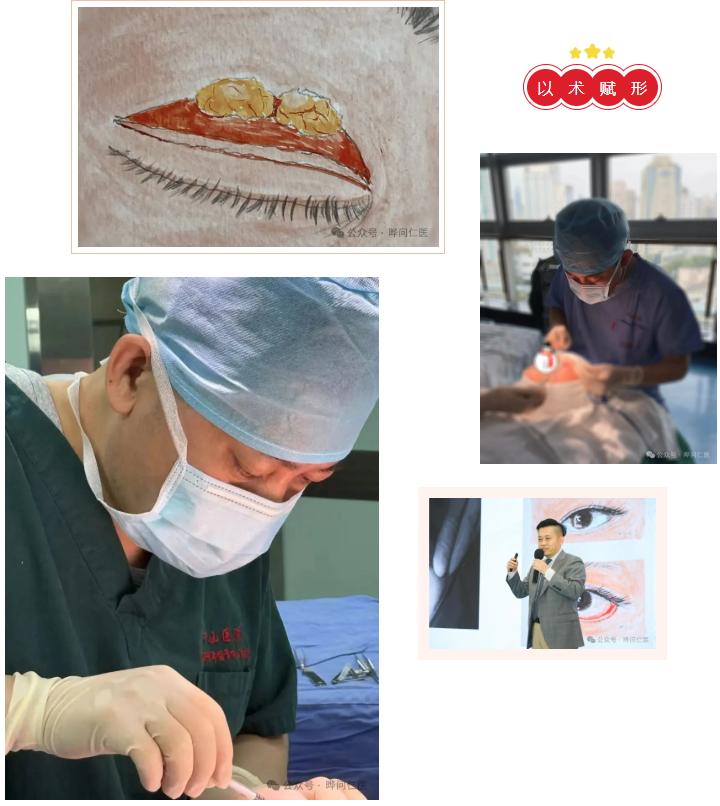
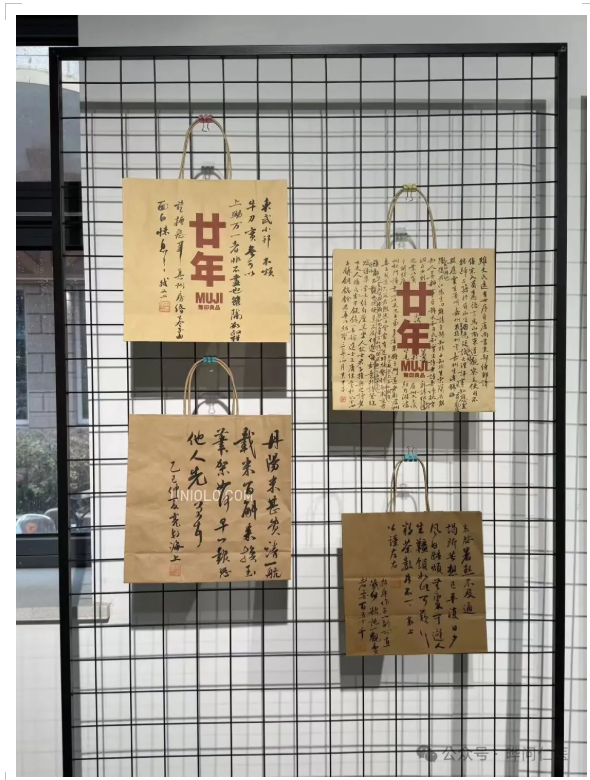
His love for calligraphy is so pure it is moving. He never insists on using only costly Chengxintang paper or Anhui Hongxing rice paper. In his small studio named “Fu Tang” (the two characters mean “Entering the heart through art, giving form through technique”—a special inscription gifted by a close friend, a renowned calligrapher, moved by his cross-disciplinary talent), the rough kraft paper a friend casually brought to wrap tea leaves, or a discarded hard paper box left behind after moving, can all become his boundless battlefield for wielding his brush like a dragon and snake, splashing ink freely. He transformed the “spirit of intention” (Shangyi), highly revered by Song Dynasty literati such as Su Shi, Huang Tingjian, Mi Fu, and Cai Xiang, into a gentle stream, fully integrating it into his ultimate understanding of art without boundaries and the freedom of life.
“Looking at the history of calligraphy, ‘Tang revered rules and regulations,’ respecting strict norms and grand narratives; while ‘Song valued interest and spirit,’ marked the aesthetic’s free awakening toward personal inner emotions. Recently, I have been deeply immersed in the brushwork of the ‘Four Masters of the Song Dynasty,’ especially the wild cursive script of Huang Tingjian. Amidst unrestrained expression and casual discarding, calligraphy has long shed the shackles of utility, transforming into a pure path for me to express my true nature and clarify my inner self.” Xing Shuliang slightly closed his eyes, his slender fingers moving nimbly in the void, as if guiding an invisible brush tip, splashing shades of dense, light, dry, and wet across the heavens and earth, unburdened by worldly cares.
There was once a weary and slightly melancholic late night. He sat alone in silence amidst the fragrance of tea. Suddenly, like a divine revelation, a flash of inspiration cleaved through the chaos. He grabbed a rough piece of kraft paper used for wrapping tea and wildly wrote two lines of wild cursive script: “Smiling with a flower in hand, where does sorrow come from?” That piece of calligraphy, bursting forth under the torrent of a specific emotion, was agile, vast, and filled with an unreplicable Zen spirit. These flashes of artistic light, emerging within the extremely high-pressure, suffocatingly competitive medical environment, constructed the most indestructible emotional haven deep within his soul.
Standing at a moment of rapid transformation and technological explosion, gazing into a magnificent future, the global medical industry finds itself swept up in a tsunami of change. As artificial intelligence (AI) surges forward with devastating force, and cold, unfeeling code threatens to replace all warm human judgment, the medical community has been gripped by a deep anxiety: Will doctors be permanently replaced by machines? Yet amid this overwhelming tide of uncertainty, Xing Shuliang stands firm as a rock, unwavering in his conviction.
“Artificial intelligence may excel at image recognition and data deduction, but it can never replace the soul of a doctor. It lacks the wisdom to make subjective choices when faced with complex lesions, and it is even less capable of generating the subtle emotional resonance that connects a physician to a patient. If the rapid advance of technology strays from the course of humanity, it will only push mankind into an abyss of anxiety. No matter how exquisitely sophisticated medical robots become in the future, they will never be able to offer the warmth and comfort that reaches the heart of a beauty seeker—the kind only a doctor of flesh and blood can provide.” Xing Shuliang’s voice carried a deep attachment to the humanities and art.
He believes that no matter how unfathomable the underlying algorithms evolve, no matter how micron-level the precision of a robotic arm becomes, when a beauty seeker—wrapped in fear, desire, and insecurity—lies trembling alone on the cold operating table, a machine of silicon and metal will never be able to do what he does: pull from his pocket a watercolor sketch with warm colors and soft lines, and then, with a hoarse voice weathered by time and filled with human warmth, gently say:
“Don’t be afraid. I can already see what you will look like after you become beautiful.”
6. Medicine Nurtures Life: Scientific Aesthetics and Medical Aesthetic Education
This whisper, carrying human warmth, is a code no machine can ever compute. Yet in this era of technological frenzy, can the individual physician’s quiet, meditative self-healing alone resist the gravitational pull of an entire age that may slide into a cold abyss? Xing Shuliang’s answer is to transform this warmth—this unity of medicine and art—into a spark that can ignite a prairie fire, sowing it into the soil of future medicine.
Thus emerged another groundbreaking identity in his career: the preacher of medical aesthetic education.
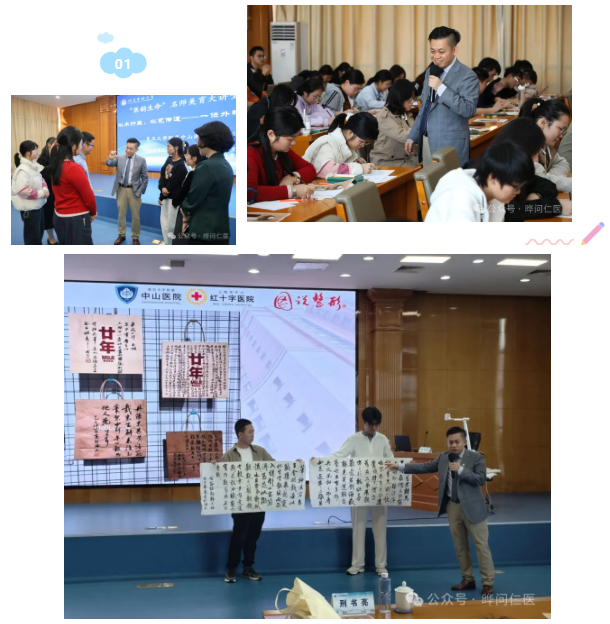
A truly soul-enriched physician will never have the boundaries of his life confined to the shadowless lamp. In the spring of 2026, Xing Shuliang was invited to the “Medicine Nurtures Life” Master Aesthetic Education Lecture Hall at the College of Arts and Sciences, Fujian Medical University. Facing over a hundred medical students about to don their white coats, he did not lecture on dry anatomical data. Instead, he posed a grand proposition: “Practicing medicine with skill, conveying the way with art—the dual commitment of a surgeon.”
In his view, medical humanities must not remain a slogan confined to the ivory tower; they must be “seen” and “touched.” In practice, he did not ask students to memorise by rote. Instead, he instructed them to pick up paintbrushes, adopt clinical thinking, and hand-draw “ideal eye surgical incisions” on paper. As the brush strokes landed, the students were not only struck by the exquisite forms of life but also intuitively grasped how “aesthetic sensibility” could be transformed into empathy and compassion for patients. Later, he introduced the copying of a painting by Ming Dynasty artist Xu Wei, guiding the young learners to contemplate bones, muscles, and facial contours while achieving a profound resonance between medicine and art.
“The control of force and structure in calligraphy resonates with the focus and precision required in medical operations,” one clinical medicine student wrote in their reflections. “We must find a balance between ‘precision’ and ‘humanity,’ so that medicine possesses not only the power to heal but also the warmth of aesthetics.”
Feng Xin, Dean of the School of Arts and Sciences at Fujian Medical University, captured the essence of this lesson in her summary: the ultimate goal of medical humanities is to “cultivate a healthy personality.” She hopes that future physicians will become versatile talents who are “loving, radiant, interesting, and skilled in expression,” learning to tell the story of Chinese medicine well.
This is precisely what Xing Shuliang is pleased to see. As an expert mentor for the Zhongshan Hospital Student Arts Festival, he is attempting, through the series exhibition “Illustrating Plastic Surgery” and university aesthetic education lectures, to convey to the younger generation.

ShanghaiDoctor: Many ordinary people, and even some medical professionals, still understand plastic surgery only at the level of “double eyelid surgery or nose jobs.” I know you not only perform cosmetic procedures but also handle many congenital deformity repairs and post-tumor reconstructions. What exactly are the boundaries of plastic surgery?
Xing Shuliang: This public misunderstanding has existed for a long time. I often compare plastic surgery to a comprehensive “from head to toe, caring for the old and the young” systematic project. Cosmetic surgery is merely the tip of the iceberg in the vast field of plastic and reconstructive surgery. The real challenges lie in correcting congenital deformities, reconstructing tissue after tumor removal, and repairing large-area surface trauma.
Imagine a major surgical operation successfully saving a patient’s life but leaving a shocking, centipede-like scar across the abdomen. In the aesthetic standards of us plastic surgeons, this would be seen as a deep regret. Modern medicine should not only protect the length of life but also safeguard its dignity and decency. That is why we established a specialized scar clinic focused on meticulous suturing, aiming to leave only a faint line after healing. Today, many sister departments recognize this and regularly send young doctors to learn the fine suturing techniques of plastic surgery. This is the shared commitment to the beauty of life through interdisciplinary collaboration.
ShanghaiDoctor: As a teaching professor and senior expert in the field, what advice would you give to young doctors today—who may have fewer clinical opportunities than in the past—to help them grow quickly in this discipline that requires “meticulous craftsmanship”?
Xing Shuliang: With the changing times, opportunities for young doctors to operate independently have become rarer, which demands that they evolve into truly attentive and mindful practitioners. I often tell them: every observation is training. Even if you are only assisting and watching an eye bag surgery tomorrow, tonight you must study the relevant anatomical atlas thoroughly and observe every incision of your teacher with deep questions in mind.
To this day, I still conduct a rigorous surgical review every evening—analyzing where the eye contour lines flowed naturally and where there is still room for refinement. This is like practicing calligraphy. If you only mechanically copy others’ works for life, you will forever remain a mere imitator. Only by combining the solid foundation of “copying” with independent creative thinking can you, when the moment of accumulation bears fruit, confidently take up the scalpel that symbolizes responsibility and honor.
ShanghaiDoctor: You previously mentioned “emotional value.” This term is now widely discussed across society. In your view, what irreplaceable role does emotional value play in medicine, especially in plastic and aesthetic surgery?
Xing Shuliang: In this era of high education and high pressure, people are all struggling under heavy burdens in the pursuit of fame and fortune. The soul desperately needs an outlet for relief and release. The cultural and creative products of No. 600 Wanping South Road (Shanghai Mental Health Center) have become so popular precisely because they represent a unique cultural symbol and scarce emotional value.
This is also the distinctive mission of plastic surgery. Through precise medical treatment, we directly provide the highest-level, most immediate emotional value. When patients look in the mirror after surgery and see a refreshed, vibrant version of themselves, the immense joy and confidence that surges from within is the most powerful psychological healing remedy in the world. This also confirms an eternal truth: the further the great ship of science sails into the sea of rationality, the more we need the compass of humanistic spirit to prevent the human soul from getting lost in the abyss of cold technology.
ShanghaiDoctor: If time could be folded and you could write a few words to yourself from ten years ago, who was struggling alone in the dark, what would you say?
Xing Shuliang: If I could send a message to myself from ten years ago, I would solemnly write: “Deeply thank the version of you who, in the eyes of the world, seemed somewhat impractical and unorthodox. It was precisely that near-stubborn persistence that forged today’s me, who perfectly integrates the scalpel and the pen.”
For the future, I will continue down this path. Through more art exhibitions and science popularization efforts, I want to tell more people: plastic surgery is not cold, mechanical cutting—it is intimately connected to every individual’s dignity and beauty. Its true meaning lies in giving you the confidence to face the future and embrace a more radiant, more self-assured version of yourself.
Editor: ChenQing@ShanghaiDoctor.cn
If you need any help from Dr. Xing, please contact be free to contact us at Chenqing@ShanghaiDoctor.cn.
Dr. Shi Yuling | Psoriasis, and Spring Mountains Beyond the Plain
Dr.Ying Chunmei | Laboratory Medicine, Renewed a Little Every Day
Dr. Zhang Lei | Children's Airways, and a Preference for Being Plain
Dr. Chen Tongyu | Chest Surgery Without a Tube, and No Claim to Greatness
Dr. Hua Xiaolin | High-Risk Obstetrics, and a Child Worth Keeping
Dr. Shen Chun | Neonatal Surgery, and a Vow That Makes No Speech
Dr. Yang Ji | A Dermatologist Who Measures the Years by Who Gets Better
Dr. Chen Gong | Children's Bile Ducts, and a Future He Chose Himself
Dr. Luo Zhiguo | An Oncologist Still Hoping for One More Reunion
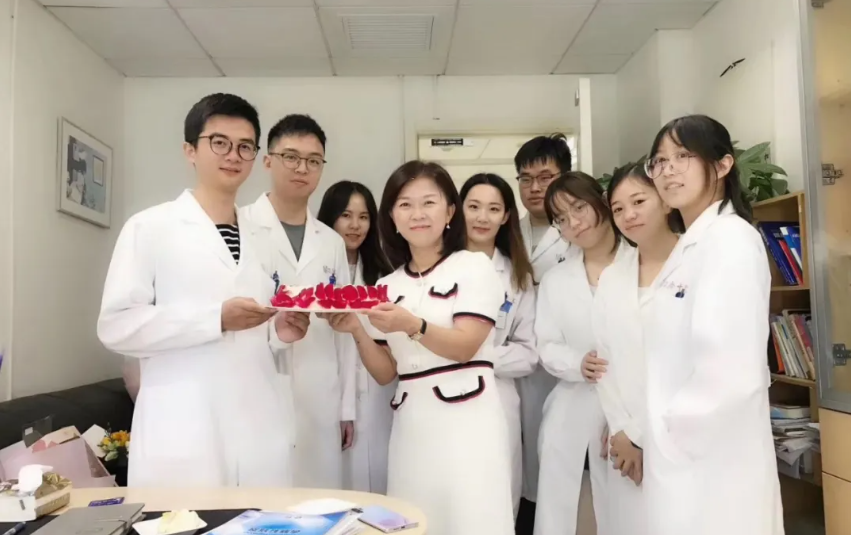
Dr. Shi Yuling | Psoriasis, and Spring Mountains Beyond the Plain
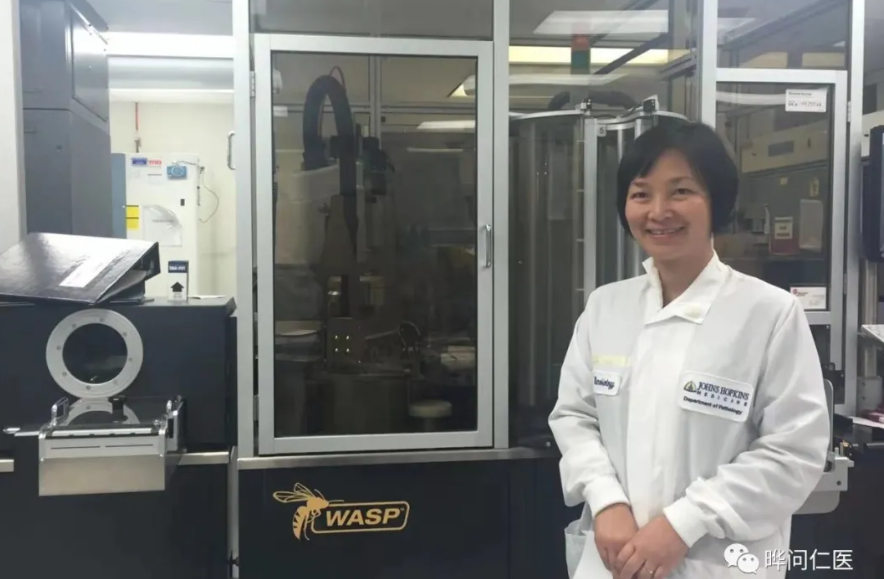
Dr.Ying Chunmei | Laboratory Medicine, Renewed a Little Every Day
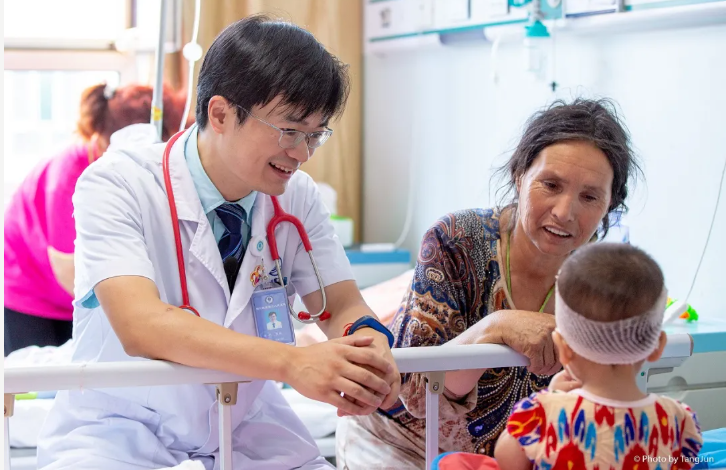
Dr. Zhang Lei | Children's Airways, and a Preference for Being Plain
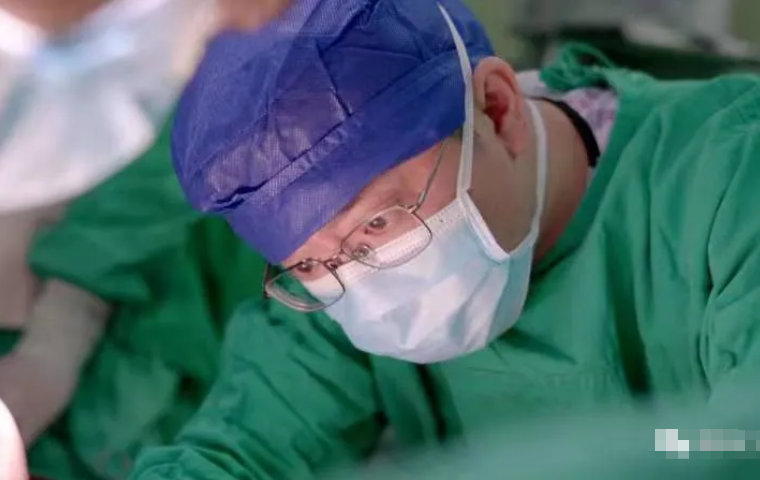
Dr. Chen Tongyu | Chest Surgery Without a Tube, and No Claim to Greatness
Cui Jie | An Infectious-Disease Nurse Who Kept Walking In
Dr. Hua Xiaolin | High-Risk Obstetrics, and a Child Worth Keeping
Dr. Shen Chun | Neonatal Surgery, and a Vow That Makes No Speech
Dr. Yang Ji | A Dermatologist Who Measures the Years by Who Gets Better
Dr. Chen Gong | Children's Bile Ducts, and a Future He Chose Himself
Dr. Luo Zhiguo | An Oncologist Still Hoping for One More Reunion
Copyright © 2023 Yewen Renyi & ShanghaiDoctor.cn (This website is a non - profit medical humanities platform. The information contained herein is solely for biographical and historical purposes and does not constitute any medical advice.) 沪ICP备2023005392号-2 XML 沪公网安备31010902100835号
 中文
中文 English
 Español
 沪公网安备31010902100835号