ShanghaiDoctor - Where China's Healing Wisdom Shapes Modern Medicine

Update time:2026-05-31Visits:4366
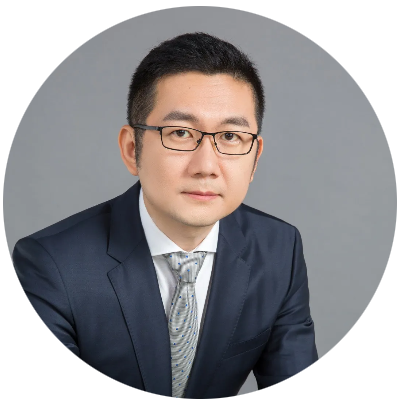
Profile
Wu Jiong, male, holds a Doctor of Medicine degree and serves as Chief Physician, Associate Professor, and Master’s Supervisor in the Department of Anorectal Surgery at Yueyang Hospital of Integrated Traditional Chinese and Western Medicine, Shanghai University of Traditional Chinese Medicine.
He specializes in the integrated traditional Chinese and Western medicine treatment and surgical management of various benign anorectal diseases, with particular expertise in minimally invasive treatments for hemorrhoids and anal fistulas—including hemorrhoid ligation, hemorrhoid injection therapy, transanal stapled surgery, laser ablation surgery, and sphincter-preserving surgery for anal fistulas. He also focuses on integrated traditional Chinese and Western medicine treatment for functional constipation, irritable bowel syndrome, and inflammatory bowel disease, as well as diagnostic and therapeutic colonoscopy, including endoscopic resection of benign colorectal polyps and early-stage cancer.
First Perspective
Wu Jiong
This is a comfortable conversation. Before me sits a typical young doctor from a Shanghai intellectual family. His demeanor, speech, and rhythm are measured and intelligent. With each question and answer, our moods begin to relax, resonating on the same frequency. His name is Wu Jiong, Chief Physician of Anorectal Surgery at Shanghai Yueyang Hospital of Integrated Traditional Chinese and Western Medicine.
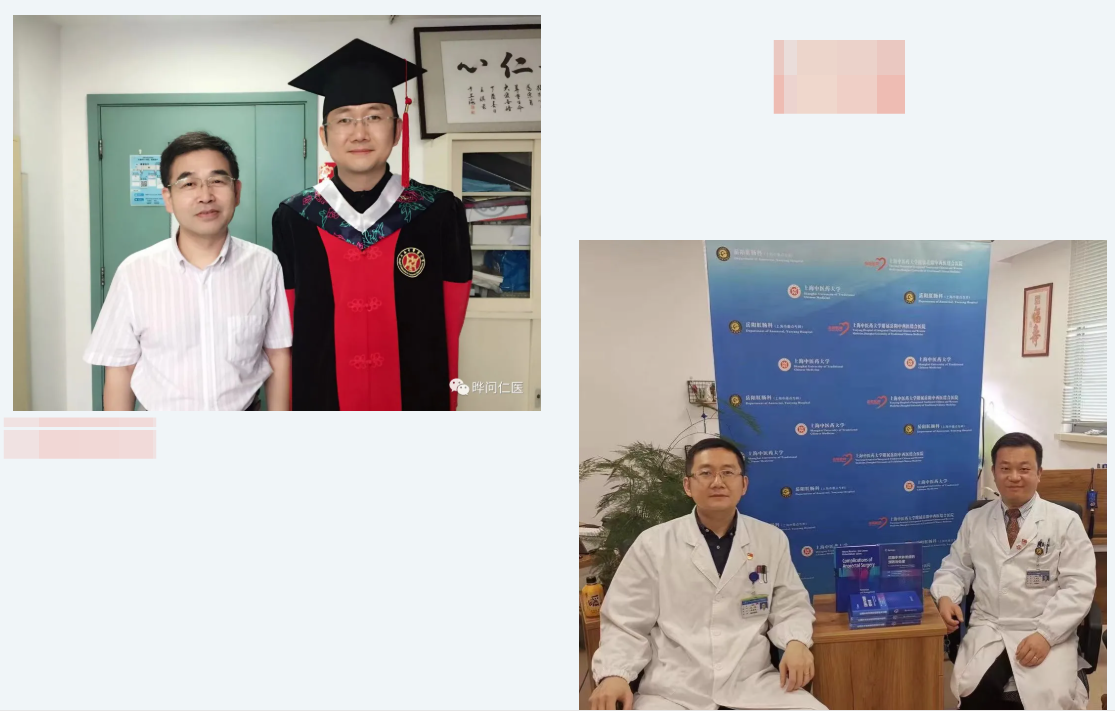
He seemed destined from birth to become a doctor, listing only medicine as his college entrance exam preference. Yet his connection with anorectal surgery came about somewhat by chance. In 2003, after graduating from Shanghai University of Traditional Chinese Medicine with outstanding results, Wu Jiong joined Yueyang Hospital, and his first rotation was in anorectal surgery.
Initially encountering anorectal medicine, Wu Jiong felt it was just an ordinary yet distinctive department among all traditional Chinese medicine departments. Gradually, as he gained exposure, he discovered that anorectal surgery involved many procedures, which happened to match his talent for hands-on work. So he ultimately decided to stay in anorectal surgery. At that time, Yueyang Hospital’s anorectal department was already one of the leading centers of Shanghai-style traditional Chinese medicine, and for Wu Jiong, this was indeed a fresh starting point.
When discussing anorectal conditions, hemorrhoids are inevitably the first to come to mind. China’s documented history of hemorrhoidal disease dates back to the Xia and Shang dynasties, with written records already appearing in the Shan Hai Jing (Classic of Mountains and Seas). The anorectal department, with its millennia-old heritage, has also become a meeting point for Eastern and Western medicine. While preserving historical traditions, the treatment of hemorrhoids has incorporated many Western medical approaches. With strong support from the two department heads, Director Sun Jianhua and Director Wang Zhenyi, Wu Jiong is advancing toward the goal of “mastering both Eastern and Western knowledge.”
“Medicine is the way of the benevolent; the virtuous use it to safeguard health and extend it to benefit the world, hence it is called the art of benevolence.” — Li Shizhen
To this end, he studies classical texts, learns Western medicine, and travels to England, never ceasing in his efforts.
1. The Path of Medicine, Rooted in Benevolence
Since childhood, Wu Jiong has harbored a deep longing for medicine. When filling out his college application after high school, every single choice was for medical programs. He applied to every medical school he could, and ultimately, he was admitted to Shanghai University of Traditional Chinese Medicine to study clinical medicine—his chosen major.
Life in medical school was entirely different from what he had imagined. From morning to night, there were specialized courses, daily self-study sessions, and evening electives. Life was demanding, intense, yet fulfilling. Learning was continuous. Through gradual adaptation and steady accumulation, he eventually built a solid professional foundation.
When asked why he chose anorectal medicine, Wu Jiong’s thoughts seemed to drift back to the year of his graduation. “It was really a coincidence. The first department I rotated through after graduation was anorectal medicine.”
In those early days, Wu Jiong, like thousands of graduating resident doctors, worked day and night—on call, seeing patients, writing medical records, reading literature... Gradually, he settled into the role and found anorectal medicine to be highly distinctive, with ample opportunities for surgery.
“Anorectal diseases require both internal and external treatment. The surgical techniques with traditional Chinese medicine characteristics fascinated me.” The one-month rotation was about to end, but Wu Jiong had just begun to find his footing. Coincidentally, Director Gao Linghui of the department also saw potential in him and asked if he wanted to stay. Wu Jiong gladly agreed, and he has been working there for 18 years.
Eighteen years of continuous improvement. During this time, he traveled to renowned anorectal hospitals both domestically and internationally for further training, constantly striving for excellence.
“Anorectal medicine is a small yet refined specialty. Traditionally, the anorectal department focused on two common diseases—hemorrhoids and fistulas—hence it was called the hemorrhoid and fistula department. But now, things are different. The scope of anorectal medicine has expanded significantly, and the number of diseases related to our specialty is increasing. As a result, the department has also seen tremendous development. However, there are indeed some regrets regarding Shanghai-style traditional Chinese medicine anorectal practice,” Wu Jiong admitted.
The regret Wu Jiong refers to is that in Shanghai, the scope of practice for Western medicine anorectal and traditional Chinese medicine anorectal licenses differs, which prevents certain surgeries from being performed in TCM anorectal departments. In other regions of China, TCM anorectal doctors have relatively more freedom in surgical practice, which brings some regret to certain surgeries in Shanghai-style TCM anorectal medicine.
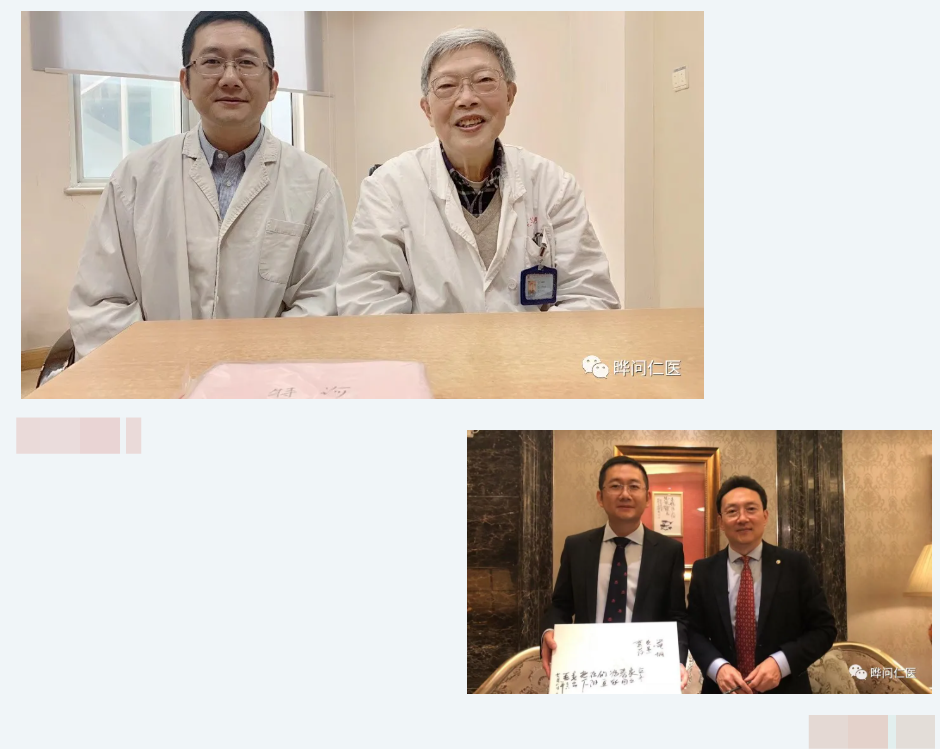
Where there are difficulties, there will be breakthroughs. Shanghai-style anorectal medicine must forge its own distinctive path! This also motivates Wu Jiong to move forward boldly. Under the guidance of his mentors, he has participated in writing books, refined his surgical skills, and also turned his attention to St Mark’s Hospital, a temple-level anorectal hospital located on the island of Great Britain at the other end of the Eurasian continent.
2. Journey to Britain: Different Tunes, Yet a Shared Purpose
St Mark’s Hospital, located in London, UK, is a world-renowned specialist centre for colorectal and anal diseases—a pinnacle that every anorectal surgeon aspires to reach. Situated in northwest London, it was founded in 1835 by Frederick Salmon with municipal funding as a clinic dedicated to treating anal fistulas and other anal conditions for the poor. Today, what began as a small clinic has grown into a hospital; this modestly sized specialist institution has produced a succession of world-class masters, including Parks (who developed the Parks classification for anal fistulas), Dukes (who created the Dukes staging system for colorectal cancer), and Goodsall (who formulated Goodsall’s rule for anal fistulas). For this reason, St Mark’s has long been regarded not only as a sacred place in the hearts of many anorectal surgeons but also as a source of curiosity—prompting them to explore how this small specialist hospital became a pioneer in colorectal and anal diseases and a cradle for nurturing masters.
On June 9, 2014, carrying dreams, curiosity, and a thirst for knowledge, Wu Jiong boarded a flight to London Heathrow Airport. Along the way, images of St Mark’s Hospital filled his mind... As soon as he left the airport, Wu Jiong fully immersed himself in this rare learning journey.
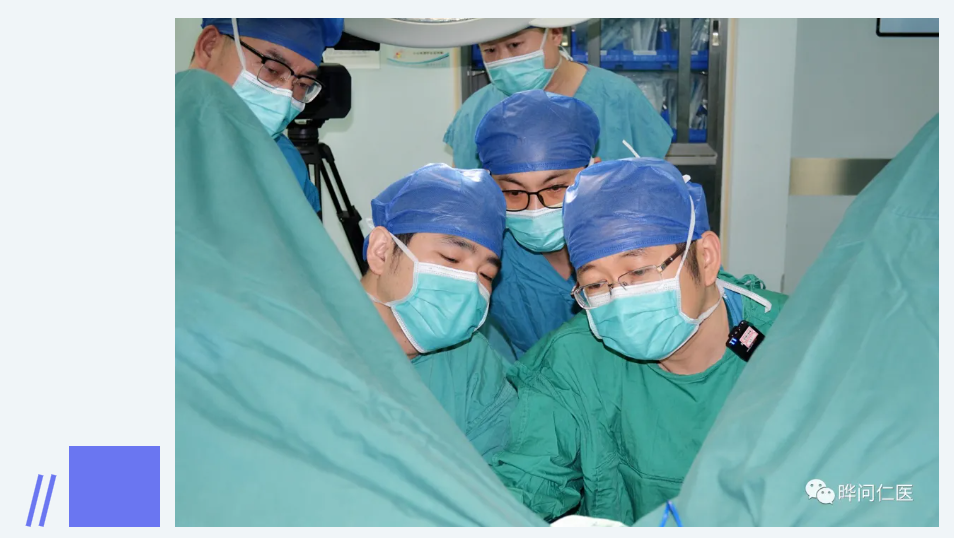
In the UK, Wu Jiong’s days were full and enriching. The clinical skills he acquired at St Mark’s greatly benefited his later career. When discussing the treatment of complex high anal fistulas, Wu Jiong said, “In traditional treatment of anal fistulas, low-position fistulas can be directly incised. For high anal fistulas, because they invade the deep sphincter muscles of the anal canal, to avoid anal incontinence, seton therapy is generally used—tightening an elastic band for slow cutting, eventually severing the muscle. However, this results in significant trauma and impaired anal function. So after returning to China, I have been committed to using relatively more minimally invasive methods to solve existing problems, effectively preserving the sphincter.”
In the field of anorectal surgery, St Mark’s Hospital was the first medical institution globally to perform sphincter-preserving surgery. Professor Robin Phillips, then head of the hospital’s surgical department, proposed the concept of an intersphincteric approach for treating anal fistulas in the 1990s—a precursor to many current minimally invasive anal fistula surgeries. It is precisely this shift in treatment philosophy that has provided excellent guidance for my current clinical management of anal fistulas. Compared to traditional surgery, the greatest advantage is the preservation of the sphincter, resulting in less impact on postoperative anal function. As people’s demands for medical quality increase, protecting patients’ anal sphincter function and adopting minimally invasive approaches have become the mainstream concepts in anal fistula treatment.
This was just one of the outcomes Wu Jiong achieved during his studies in the UK. At that time, his mentors and colleagues back home were awaiting his return to benefit more patients.
Breaking away from fixed classifications and reaching outward not only enriches the scope of diseases but also shifts the focus from illness to a human-centred approach that enhances techniques—thereby moving from seeing the needs of more patients to discovering the needs of the general public.
3. Awe-Inspiring Heights, a Long and Arduous Journey
Crossing mountains and ridges only out of trust; bearing heavy responsibilities and travelling far only because there is a light in the heart.
In June 2015, Wu Jiong completed his studies in the United Kingdom and rushed back to China across mountains and seas, eager to share what he had learned with his colleagues as soon as possible and to alleviate the suffering of domestic patients. Wu Jiong firmly believes in the future; in his heart, there is always a faint light illuminating the floating souls and the magnificent anorectal dreams.
“When the entire department’s disciplinary scope has reached a certain level, everyone can focus on their own area, rather than just doing minor anorectal work, and certainly not just treating haemorrhoids and fistulas. If that were the case, there would be no distinction. Everyone should have some direction, such as functional anorectal diseases, which are actually numerous. They can be treated conservatively, with integrated traditional Chinese and Western medicine, or surgically.” Wu Jiong spoke with confidence.
In the medical field, changes in disease spectrum and incidence, as well as technological innovations, are the wind vanes for clinical and research directions. Taking inflammatory bowel disease as an example, its incidence is now rising rapidly, leading more people to invest in it. Wu Jiong believes that to make further progress, one must innovate around diseases and force oneself to seek novelty and change.
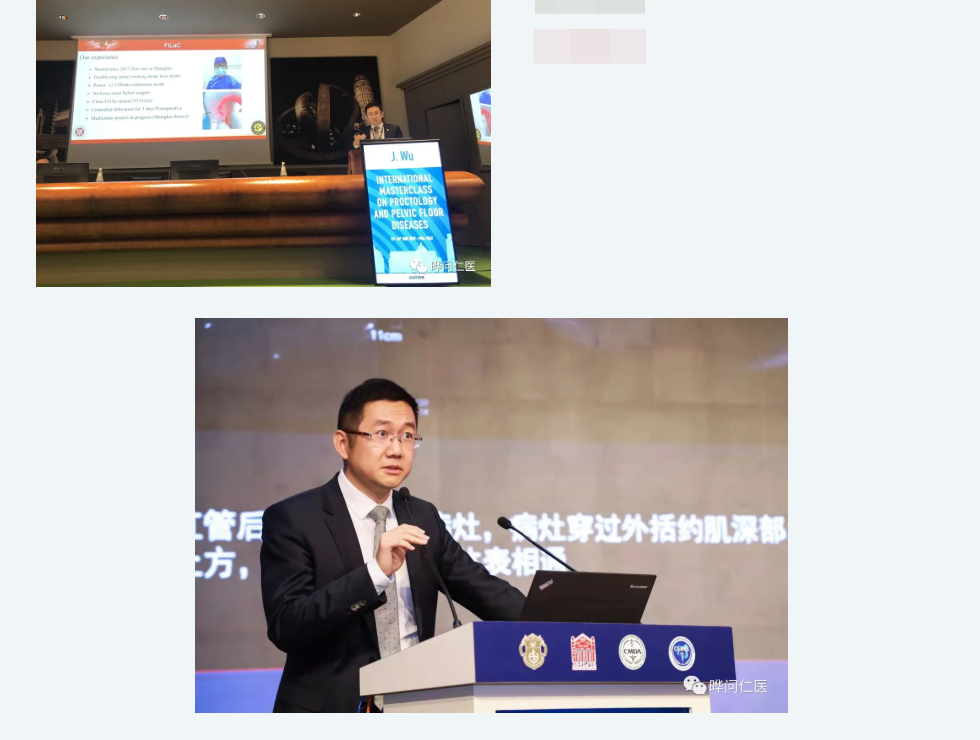
“In fact, it is not only those who wear long gowns who practise traditional Chinese medicine. On the basis of inheritance, we embrace technology, uphold integrity while innovating, and continuously create. Efficacy is paramount; the key is to benefit patients. Now, domestic and international exchanges are much more frequent than ten years ago, including the application of new technologies, and China can keep pace. The laser ablation we are currently performing has achieved good results in the treatment of benign anorectal diseases, greatly benefiting patients. Since we started in 2017, we have obtained funding for three projects in just four years and published two clinical studies domestically as pioneers.” Wu Jiong is persistent and resolute in technological breakthroughs: “During a seminar, I gave a lecture on new techniques and perspectives, sparking interest and gaining recognition for many innovative treatment approaches. Our technology is now aligned with international standards, which was unimaginable ten years ago. Of course, the road is long and arduous, and I will search high and low.”
The Thousand Golden Prescriptions states: “Scholars must extensively explore the origins of medicine, be diligent and tireless, and not rely on hearsay to claim that the medical path is complete, deeply misleading themselves.” Wu Jiong is well-versed in this principle. He encourages young doctors to possess clinical skills, but clinical skills alone are insufficient; they also need certain research capabilities. The most basic task of research is to explore the unknown and solve clinical problems. Wu Jiong’s words gave us a glimpse of the future and hope of Shanghai-style anorectal medicine.
As doctors, they have a unique perspective, able to encounter all kinds of people with diverse lives. It is also because they master and break through deeper technological innovations that they can experience more joy and benefit more patients.

ShanghaiDoctor.cn
Your expertise spans a broad range of fields, including minimally invasive techniques, endoscopic procedures, and biofeedback therapy. What direction will your future research take?
Wu Jiong
Minimally invasive surgery. Some patients with benign conditions do not regard them as serious illnesses and pay them little attention, while others find that these diseases significantly affect their quality of life and feel quite distressed. Unlike tumors, benign diseases lack strict indicators that mandate resection to a certain extent to ensure a favourable prognosis. Therefore, our research direction as doctors is to develop simple solutions that are both effective and minimally invasive, ensuring quick postoperative recovery. For example, in treating anal fistulas, physicians must strike a balance between wound size and recurrence rate, as well as between cure and functional preservation.
ShanghaiDoctor.cn
Constipation is also a common source of discomfort in daily life. According to incomplete statistics, about 14% of people around us suffer from constipation, particularly the elderly and women. So, what types of constipation exist, and how can we alleviate this discomfort?
Wu Jiong
In other departments, constipation may not be treated as a disease in its own right but rather managed symptomatically, with the goal of short-term relief. In the anorectal department, however, our assessment of constipation is more comprehensive and professional, and our treatment is more standardised and meticulous.
Constipation includes slow-transit constipation, outlet obstruction constipation, and mixed constipation. Traditional Chinese medicine focuses on internal treatment, using medications to regulate the gastrointestinal tract and improve motility, which can help with transit constipation. For outlet obstruction issues, we first conduct comprehensive assessments using anorectal manometry, defecography, and pelvic floor electromyography to determine the specific type of obstruction. Some cases are due to anatomical structural issues, such as rectocele; some result from muscle spasms or abnormal contraction of the puborectalis muscle and sphincter, preventing the anal opening from relaxing; others are caused by pelvic floor relaxation, organ prolapse, compression, or internal rectal mucosal prolapse—this is especially common in women. Different causes can interact with one another, creating a vicious cycle.
Because constipation has long not been treated as a disease, many patients take medications improperly, further worsening their condition. Severe cases may also develop mental health issues such as anxiety and obsessive-compulsive disorder. As a result, in our department, constipation patients make up a large portion of the patient population, and constipation is a disease that deserves serious attention. Current conservative treatment methods include drug therapy to improve motility and biofeedback therapy to improve local function, with integrated traditional Chinese and Western medicine showing clear advantages.
ShanghaiDoctor.cn
With the introduction of the concept of comprehensive health, the importance of prevention has become increasingly prominent. As a member of the Anorectal Disease Prevention and Control Professional Committee of the Chinese Preventive Medicine Association, could you tell us about current prevention methods for anorectal diseases and what we should pay attention to in our daily lives?
Wu Jiong
Bowel habits and dietary habits are very important. Nowadays, many people—especially young people—have very poor bowel habits, such as using their phones while on the toilet, which unconsciously prolongs defecation time and places unnecessary strain on the anus. A preference for spicy food and abnormal bowel movements, whether constipation or diarrhoea, may cause haemorrhoids or anal fistulas.
There are no effective preventive measures for anal fistulas; once an infection occurs, surgery is necessary.
ShanghaiDoctor.cn
In your 18 years of medical practice, which difficult or complex cases have left a lasting impression on you? Could you share one or two examples?
Wu Jiong
The main challenge in our specialty comes down to the treatment of anal fistulas. A shift in mindset is crucial. First, it is essential to accurately classify the patient’s fistula type, as different types require entirely different surgical approaches and techniques. Second, precise preoperative assessment is vital—making good use of available tools such as perianal ultrasound and perianal MRI. Avoiding unnecessary harm to patients due to incorrect surgical choices has been my most important insight in recent years. This is also why doctors must continuously learn and improve: being responsible for oneself is, in turn, being responsible for the patient.
ShanghaiDoctor.cn
What direction might the future development of anorectal surgery take, and what issues still need to be studied? Could you share your outlook?
Wu Jiong
We cannot abandon the advantages we have in common conditions like hemorrhoids and fistulas; we must continue to refine and strengthen them through inheritance while also expanding our scope. Many diseases—such as pelvic floor disorders and inflammatory bowel disease—may overlap with other specialties, but different perspectives on these conditions lead to different understandings and analyses, and consequently, differences in treatment methods and outcomes.
Pursuing both breadth and depth is an eternal goal. But on the path to perfection, all I can do is my best to handle the tasks at hand, step by step.
ShanghaiDoctor.cn
What hobbies or interests do you have outside of work?
Wu Jiong
I used to enjoy ball sports quite a bit, but now, mainly due to work—such as weekend clinics or attending academic conferences—I have less time to spend with my family. The pandemic changed my lifestyle and work habits. During the time spent at home, I not only had the opportunity for deep reflection but also fulfilled my wish to spend more time with my family.
Editor: ChenQing@ShanghaiDoctor.cn
If you need any help from Dr. Wu, please contact to us at Chenqing@ShanghaiDoctor.cn.
Dr.Sun Jing | Fertility-Sparing Surgery, and a Future Already Here
Dr. Li Qingyun | Sleep Apnea, and Illness Removed Without a Sound
Dr. Zhu Zhiling | Gynecologic Surgery, and a Line She Would Not Cross
Dr. Yuan Gongjie | Children's Smiles, and the Orthodontist Who Still Tells Stories
Dr. Wang Chaoyang | Vitrectomy, and Flowers Once Hidden in the Eye
Dr. Zhao Jinhua | Nuclear Medicine, and the Flowers Along the Road
Dr. Shi Yuling | Psoriasis, and Spring Mountains Beyond the Plain
Dr.Ying Chunmei | Laboratory Medicine, Renewed a Little Every Day
Dr.Sun Jing | Fertility-Sparing Surgery, and a Future Already Here
Dr. Li Qingyun | Sleep Apnea, and Illness Removed Without a Sound
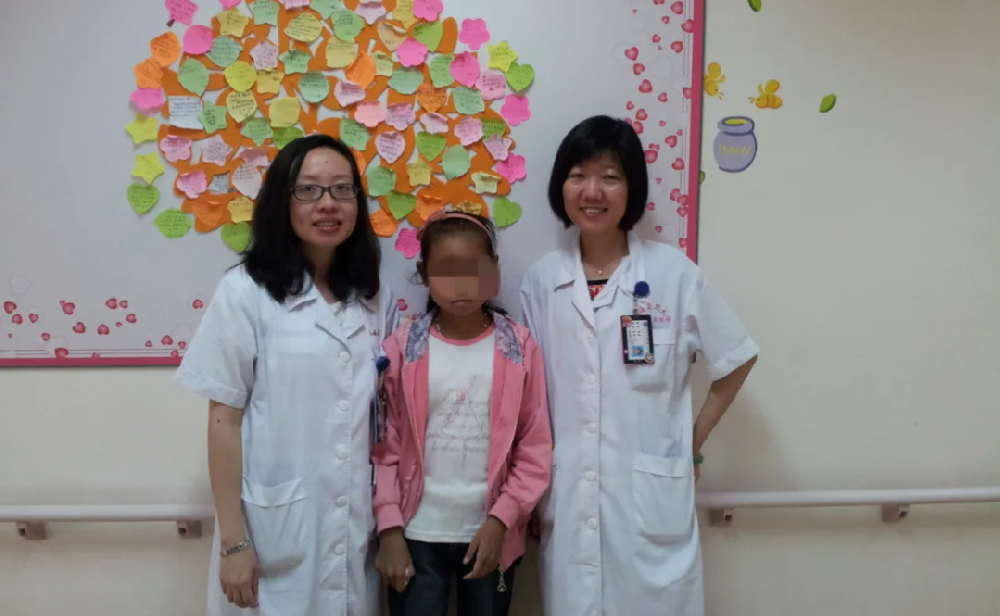
Dr. Shen Qian | Children’s Kidneys, Lucid and Gentle
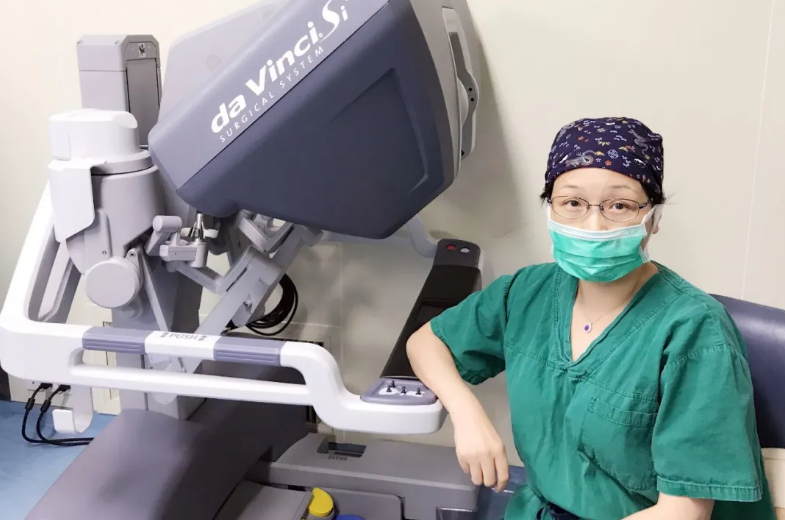
Dr. Zhu Zhiling | Gynecologic Surgery, and a Line She Would Not Cross
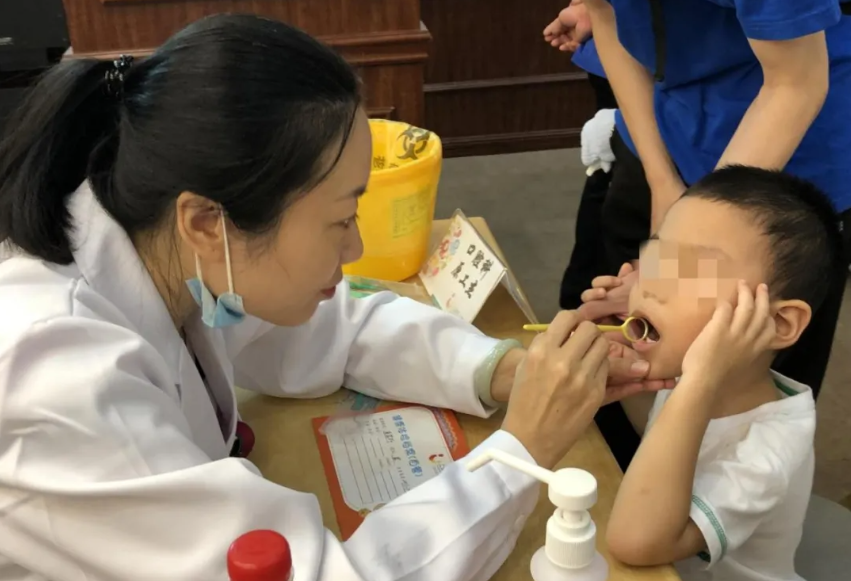
Dr. Yuan Gongjie | Children's Smiles, and the Orthodontist Who Still Tells Stories
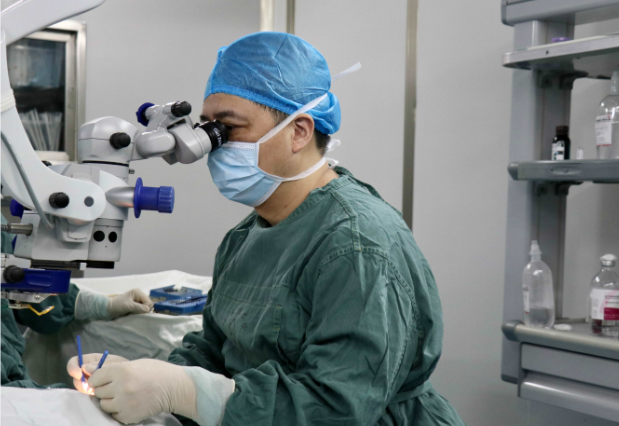
Dr. Wang Chaoyang | Vitrectomy, and Flowers Once Hidden in the Eye
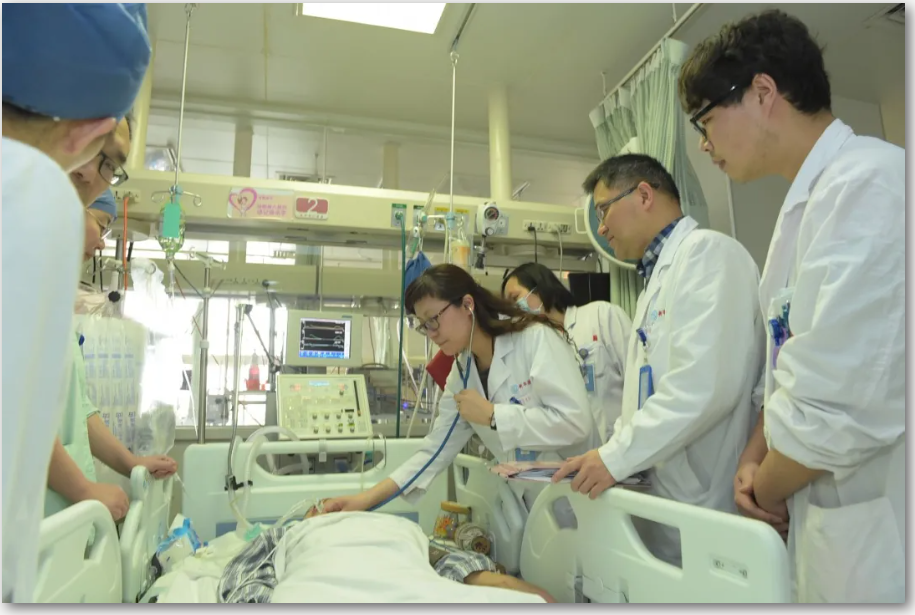
Dr. Fei Aihua | Emergency Medicine, and Striving to Win
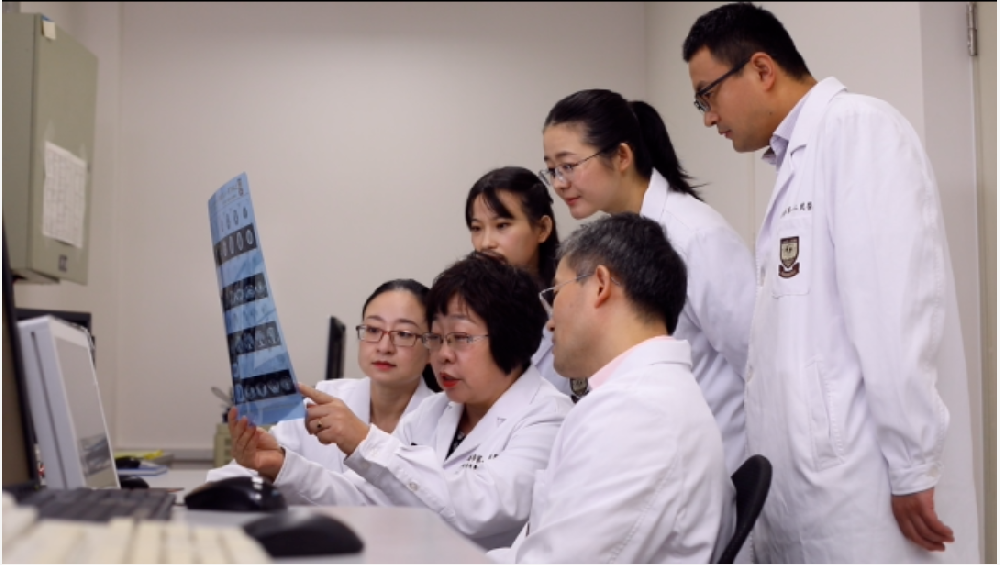
Dr. Zhao Jinhua | Nuclear Medicine, and the Flowers Along the Road
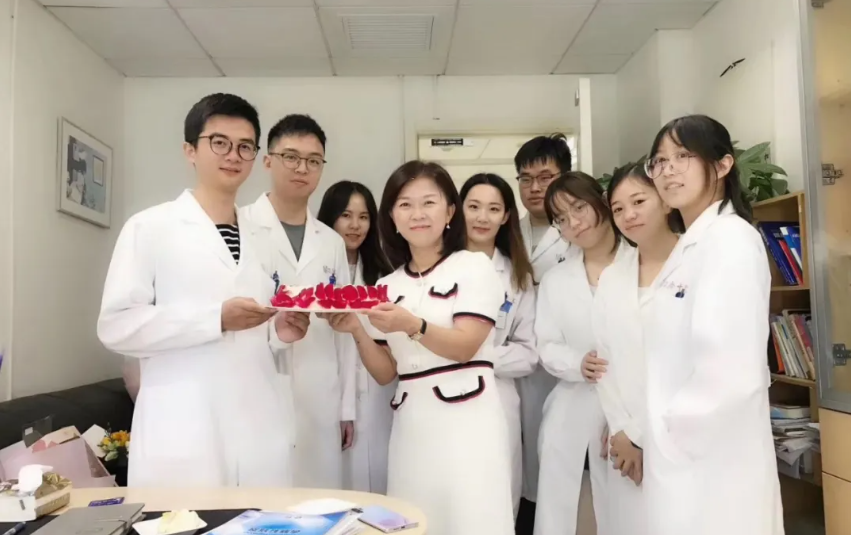
Dr. Shi Yuling | Psoriasis, and Spring Mountains Beyond the Plain
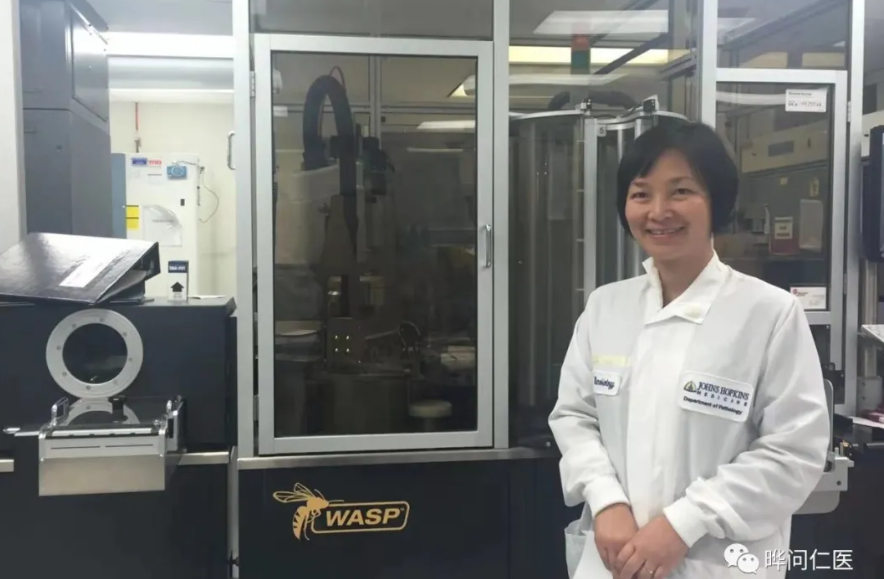
Dr.Ying Chunmei | Laboratory Medicine, Renewed a Little Every Day
Copyright © 2023 Yewen Renyi & ShanghaiDoctor.cn (This website is a non - profit medical humanities platform. The information contained herein is solely for biographical and historical purposes and does not constitute any medical advice.) 沪ICP备2023005392号-2 XML 沪公网安备31010902100835号
 中文
中文 English
 Español
 沪公网安备31010902100835号