ShanghaiDoctor - Where China's Healing Wisdom Shapes Modern Medicine

Update time:2026-06-19Visits:4752
Profile
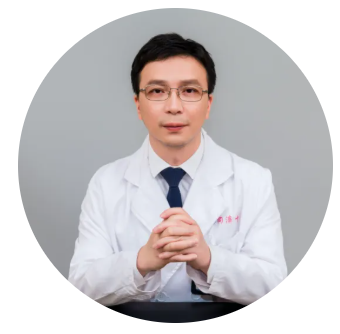
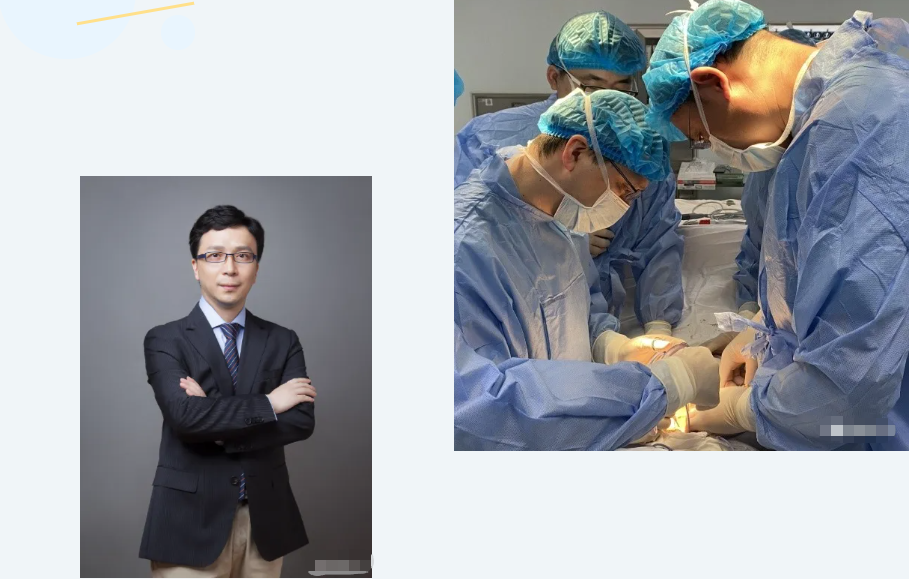
Li Jun is Director of the Hepatobiliary Surgery Department at Shanghai Tenth People’s Hospital, Chief Physician, and Associate Professor. His expertise lies in the surgical treatment and clinical research of hepatobiliary malignancies. He has led ten scientific research projects, including grants from the National Natural Science Foundation of China and sub-projects of the National Science and Technology Major Project, and has published over 50 SCI-indexed papers. He is a Shanghai Outstanding Young Academic Leader and has received the Shanghai Health System “Silver Snake Award,” the Second Military Medical University “Silver Scalpel,” and the title of “National Famous Doctor—Young Rising Star.” He serves as Deputy Director of the Youth Committee of the Liver Cancer Professional Committee of the Chinese Anti-Cancer Association and Deputy Director of the Youth Committee of the General Surgery Professional Committee of the Chinese Research Hospital Association.
Dr. Li is an expert in comprehensive surgical treatment for benign and malignant hepatobiliary diseases. His clinical specialties include: 1. Proficiency in radical resection and minimally invasive surgery for hepatobiliary malignancies. He has performed over 4,000 hepatobiliary surgeries, including laparoscopic hemihepatectomy for liver cancer, extended hemihepatectomy following tumor downstaging, and complex procedures such as radical resection of hilar cholangiocarcinoma and gallbladder cancer. 2. Utilization of comprehensive strategies combining interventional therapy with targeted therapy and immunotherapy, enabling approximately 30% of patients with unresectable intermediate or advanced liver cancer to regain surgical candidacy, significantly prolonging survival. 3. Implementation of individualized recurrence prevention throughout the entire treatment process, reducing the five-year postoperative recurrence rate of liver cancer by about 20%—reaching an internationally advanced level. He also adopts a comprehensive model centered on repeat hepatectomy for treating recurrent liver cancer, with a substantial number of patients achieving long-term survival after reoperation.

First Perspective
“In hepatobiliary surgery, there is often no turning back. Once you commit to a complex operation, you must see it through with full focus and courage. This is the mindset Dr. Jun Li brings to every case.” Li Zongsheng’s song “Hills,” sung in a low, gentle tone, captures life’s prospects and reflections, moving countless people with its evocation of experience and the stream of dream chasers—including Li Jun. He says, “Practicing medicine is like ‘standing on the edge of an abyss or treading on thin ice.’ Patients entrust us with their most precious lives. If we are the slightest bit careless in our work, it could lead to regret or even endanger life. So I take every step with caution, daring not to be the least bit negligent or reckless.”
Worldwide, liver cancer remains a formidable challenge. It ranks sixth in global incidence among malignant tumors and fourth in related mortality. China is a major country for liver cancer, accounting for 55% of global cases. Along with stroke, ischemic heart disease, lung cancer, and chronic obstructive pulmonary disease, liver cancer has become one of the top five causes of disease-related death in China.
Today, liver cancer has entered an era of comprehensive diagnosis and treatment. Driven by multidisciplinary team collaboration and precision medicine, significant progress has been made in surgical treatment, primarily reflected in improved patient survival rates. Li Jun tells us, “In the past, the incidence and mortality rates of liver cancer were almost equal—meaning as many people got the disease as died from it. Now, some patients achieve excellent cures and survive for over ten years, which is very encouraging. Of course, conquering malignant tumors cannot rely on the efforts of just one generation; it requires the relentless dedication of several generations, one after another.”
Therefore, Li Jun often says: don’t just stare at imaging reports and lab results—what truly matters is focusing on the patient’s overall condition. The patient’s mental state and vital signs are dynamic, and changes in their illness often first appear as various physical discomforts. Doctors must promptly seize these clues and conduct targeted examinations, which frequently reveal hidden details.
At the same time, surgery is not the entirety of cancer treatment; postoperative rehabilitation is equally important, requiring a continuous broadening of one’s thinking. The path of exploration is fraught with difficulties at every step. After crossing countless hills, one still sees peak after peak, the road long and arduous. Many times, the uphill journey is not smooth; a distance that seems clearly visible remains insurmountable. Yet those ahead keep calling out, and those behind keep pressing forward—the rugged mountain path is far from lonely.
“Some cross the hills and encounter the reflection of their own soul, embracing it with joy and singing together as they journey on; others blaze a new trail, solitary and brave, resolutely walking alone. I cross the hills, never weary. I hope to return to find the mountains and seas vast, and the years calm and peaceful.” Li Jun holds deep faith in the future; in his heart, there is always a faint light illuminating the floating soul and the magnificent dreams.
1. The Path of Medicine
Speaking of his original intention for pursuing medicine, Li Jun smiled and said it likely stemmed from the subtle influence of his childhood.
Because his mother was a doctor. From a young age, Li Jun was deeply interested in medicine. “Saving a life is better than building a seven-story pagoda, and doctors in white coats are also very dashing and handsome,” he thought. Nothing could be more noble and great than this.
So after the college entrance examination, Li Jun unhesitatingly chose the medical profession and successfully enrolled in Xiangya School of Medicine at Central South University. After completing the complex and arduous basic courses, he began his medical career as a surgeon at Xiangya Hospital in 2000. The first department where he interned was the then Surgical Ward 21—Hepatobiliary Surgery.
A lifelong bond was thus forged.
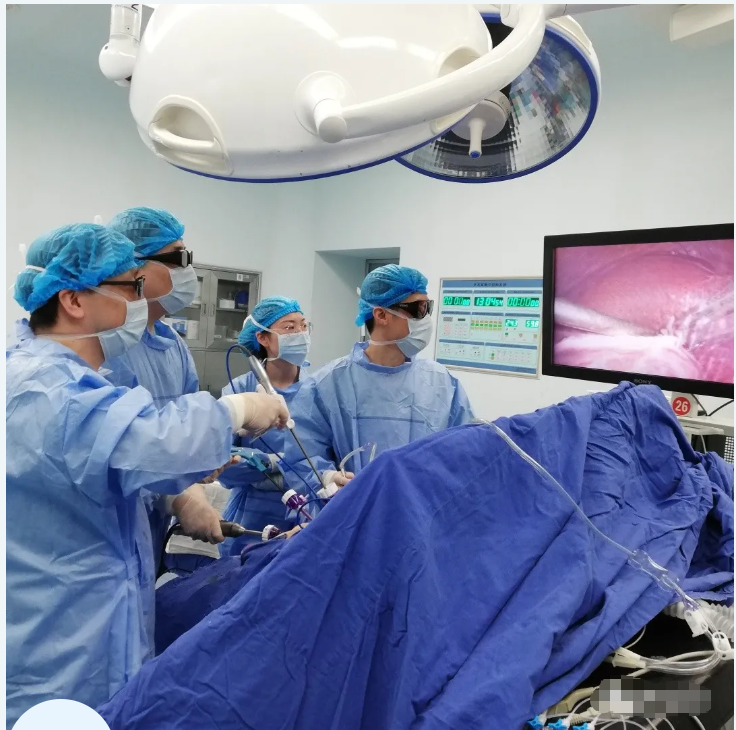
Following his teachers, Li Jun participated in surgeries related to the liver, bile ducts, and pancreas. Every hands-on operation under the shadowless lamp deepened his interest in hepatobiliary surgery. Nearing the end of his undergraduate studies, Li Jun pondered where to pursue further education. Coincidentally, the director at Xiangya Hospital, who specialized in liver tumor treatment, had just returned from advanced studies at Shanghai Eastern Hepatobiliary Surgery Hospital and said with a smile, “Why don’t you go and take the graduate entrance exam for Eastern Hepatobiliary Surgery Hospital?” In that era, Eastern Hepatobiliary Surgery Hospital was then the leading center for hepatobiliary surgery in China — often called the ‘Whampoa Military Academy’ of the field, because so many top surgeons trained there. and many of the current leading talents in the industry had studied and trained there.
This casual remark was truly taken to heart by Li Jun.
Fate always favors shining souls. In 2001, Li Jun successfully entered Shanghai Eastern Hepatobiliary Surgery Hospital for graduate studies, under the mentorship of Professor Shen Feng. Professor Shen Feng was one of the students of the late Academician Wu Mengchao, the “Father of Liver Surgery in China” and a member of the Chinese Academy of Sciences, and was highly accomplished. In this elite gathering place of hepatobiliary surgery, Li Jun followed his teacher and began to grow from a young junior doctor. This path of diligent and tireless medical practice and study lasted for a full twenty years.
Over those twenty years, countless thrilling moments remain unforgettable to this day.
During his first participation in a middle hepatic lobe tumor resection, Li Jun encountered a rupture of the retrohepatic inferior vena cava. In that instant, the air seemed to freeze—blood surged from the breach, rapidly flooding the entire surgical field. In such a critical moment, no amount of training can fully prepare a surgeon; every nerve is stretched to its limit. “I can still recall that moment in the operating room,” Li Jun said with a sigh. “Anxiety and tension simply cannot solve the problem. You must quickly and accurately control the bleeding and suture the rupture. Every minute feels like walking trembling on a tightrope; a moment’s distraction comes at the cost of a life.”
Precisely because the stakes in hepatobiliary surgery are so high, every operation demands extreme caution. Today, when diagnosing and treating patients—even those with relatively familiar liver space-occupying lesions—Li Jun constantly reminds himself not to fall into the trap of preconceived thinking. After confirming a diagnosis, he insists on not relying solely on written imaging reports. Instead, he carefully examines the images themselves, accompanies patients for ultrasound scans, and deliberates over every detail of the surgical plan.
“There can be no margin for error.” He always remembers his mentor’s instruction: “Preoperative evaluation of the patient must be meticulous. On the operating table, having eyes in the back of your head is not enough; you need eyes everywhere, to grasp everything as much as possible.”
“Every intraoperative accident indicates that the preoperative plan was not thorough enough. Now, I have an increasing sense of reverence for surgery. As I grow older and gain more experience, the more I review past cases, the more I realize that no amount of meticulousness is excessive. The more I take the lead in surgery, the more cautious I become.”
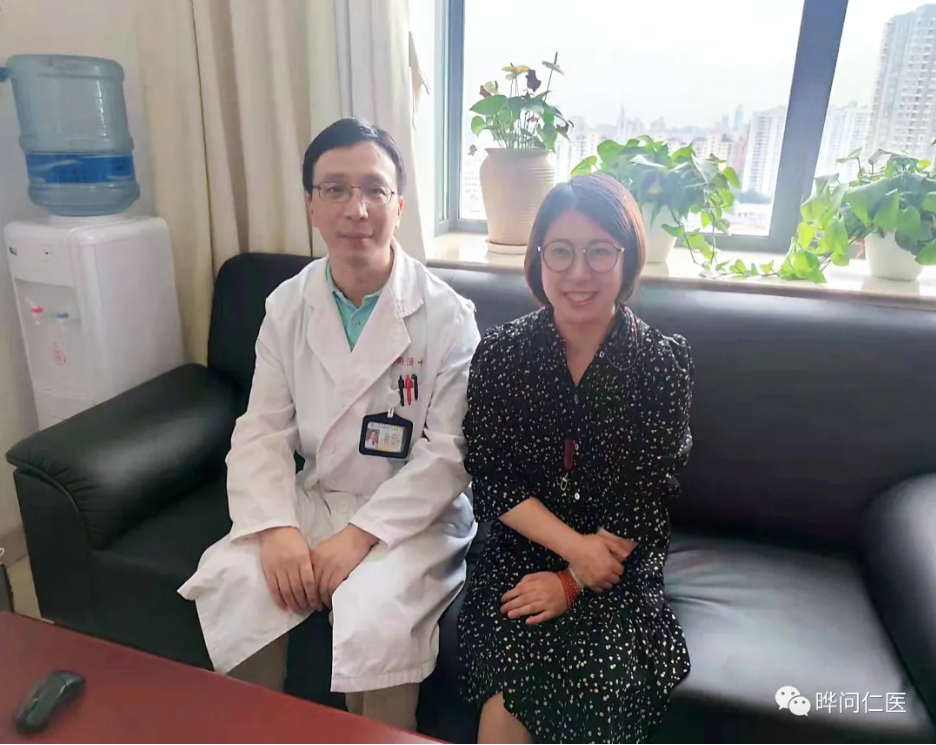
This year, Li Jun set a new challenge for himself: he left the Eastern Hepatobiliary Surgery Hospital, where he had worked for twenty years, and joined the Tenth People’s Hospital affiliated with Tongji University as director of the Department of Hepatobiliary and Pancreatic Surgery. Reflecting on this decision, Li Jun joked, calling it a “second startup.”
Starting a business means challenges and opportunities coexist. Only by facing difficulties head-on—this has always been the fearless posture of the brave.
Retirement does not mean the end,
But the beginning of another journey.
2. Can Do, Can Write, Can Speak
The pioneer of modern general surgery in China, the late Academician of the Chinese Academy of Sciences, Mr. Qiu Fazu, once imparted a six-character motto to his students: *Can do, can write, can speak.*
“Be able to perform surgery, be able to write about experiences, be able to give lectures.” Mr. Qiu’s “three abilities” requirement essentially encompasses clinical practice, scientific research, and teaching. First, through clinical practice, observe phenomena; then, based on scientific research, elevate those phenomena into principles, summarize experiences in writing, identify shortcomings, and feed them back into clinical work; finally, pass on this invaluable knowledge through teaching. To achieve the “three abilities,” the most important thing is to have the intention—and, moreover, to hold oneself to Mr. Qiu’s “three knowledges”: “Be content in life, be discontent in work, and be insatiable in learning.”
People’s dedication to medicine varies. For Li Jun, he constantly reminds himself to stay vigilant, to always review the path he has taken, to keep pace with—and, he hopes, to lead—the rapidly advancing times.
Now the entire field of surgery is moving toward minimally invasive approaches. The old adage—“a great incision makes a great surgeon”—no longer holds. Instead, the goal is precise removal of the lesion while preserving healthy tissue as much as possible. Today, surgical techniques such as laparoscopic or robot-assisted hepatectomy, radical resection of hilar cholangiocarcinoma, and even pancreaticoduodenectomy have become highly refined. Compared with traditional open surgery for the same tumor, minimally invasive procedures result in less trauma, faster recovery, higher patient acceptance, and no significant difference in long-term prognosis. In the era of immunotherapy and targeted therapy, hepatobiliary and pancreatic surgeons are no longer surgeons in the conventional sense; they now assume a comprehensive role that combines surgery with medical oncology. They must not only master the knife but also understand how to effectively prevent recurrence and how to provide rational treatment for patients who are not candidates for surgery.
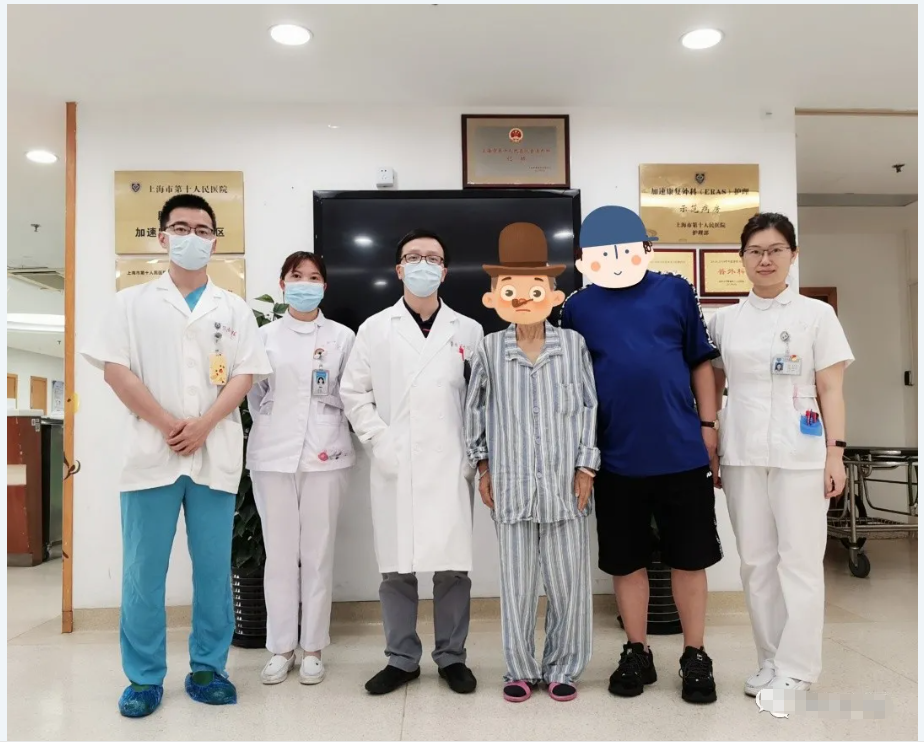
Yet the true measure of medicine is not determined solely by technical difficulty. The real watershed lies hidden in the relationship between doctors and patients.
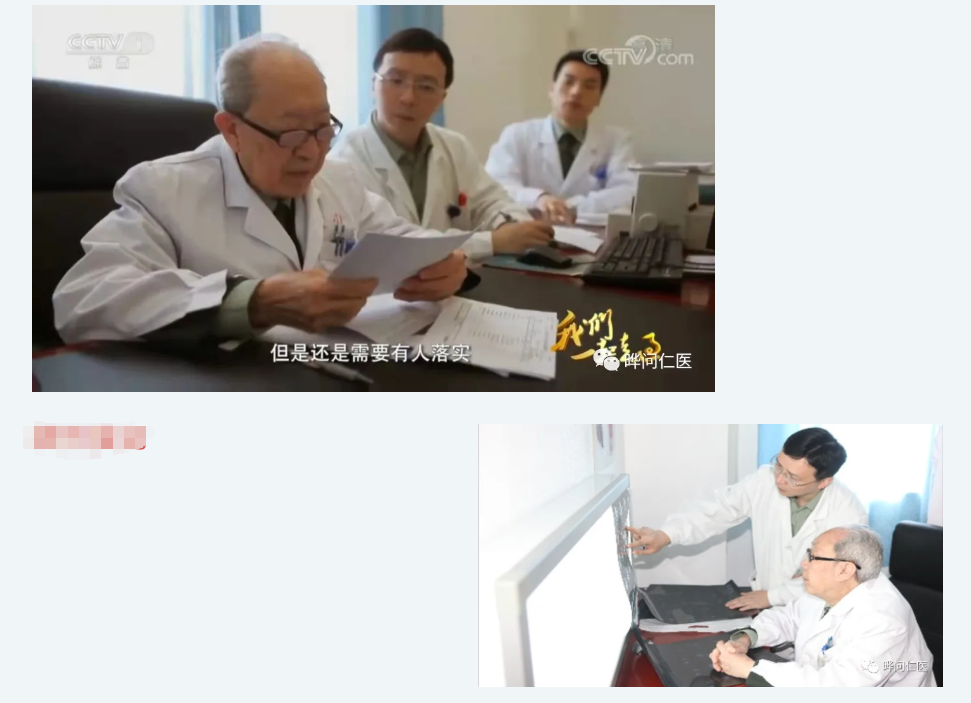
In 2014, Li Jun served as the medical work secretary for the esteemed Mr. Wu Mengchao. That period of close collaboration left a profound impression on him. Li Jun recalls that when he worked as Mr. Wu’s secretary, the 92-year-old master was still vigorous and energetic. In a single morning, he could perform three liver cancer resections, handling every step personally. “It was only when it came time to suture the abdominal wall incision that we managed to persuade Mr. Wu to stop.” Mr. Wu was exacting with his students, but toward patients, he was full of warmth—listening attentively to their accounts, carefully reviewing all their medical records, and writing medical histories with extraordinary detail and precision.
In Memory of Mr. Wu
“Once you choose medicine, do you regard it as a job or a calling? For Mr. Wu, the answer is clearly the latter. He truly made hepatobiliary surgery his lifelong career.”
Such profound medical benevolence—placing patients first to the utmost—deeply moved Li Jun. It is as if a legacy endures. In the new era of precision medicine, everything is undergoing earth-shaking change: equipment and drugs evolve, treatment plans shift. Yet the doctor-patient care hidden beneath the white coat and in the warmth of words seems never to have changed.
During his time at the Eastern Hepatobiliary Surgery Hospital, Li Jun encountered a case that illustrated this.
A patient had been diagnosed with liver cancer. With the family’s consent, surgery began. When the abdomen was opened, Li Jun discovered that the lesion was a huge mass located on the diaphragm that had grown into the liver parenchyma. Realizing a discrepancy between the intraoperative and preoperative diagnoses, he immediately halted the planned procedure, informed the family of the actual situation, and after repeated discussions, took tumor tissue for pathological biopsy before concluding the operation.
Unexpectedly, the patient had a history of pulmonary tuberculosis and developed respiratory failure after surgery, requiring an immediate transfer to the intensive care unit. The surgery had not proceeded as originally planned, and a new complication arose postoperatively, causing the patient’s family members to become highly emotional.
But Li Jun calmly told the patient’s daughter: “When I saw the situation during surgery, choosing to perform only a biopsy was the responsible decision for your father’s life. With an unclear intraoperative diagnosis, rushing into surgical treatment could have caused unnecessary harm without any benefit to his condition. I accept whatever criticism you have of me, but right now, the most important thing is to save your father.”
Li Jun, together with the respiratory physicians in the intensive care unit, carried out the rescue, and the patient gradually turned the corner. Moreover, the biopsy results revealed that the patient’s disease was lymphoma—a malignant tumor originating from the lymphatic hematopoietic system and a systemic condition that falls outside Li Jun’s specialty. This confirmed that his decision to halt the surgery was correct. Even so, Li Jun sought out experts from the Hematology Department of Ruijin Hospital to provide treatment for the patient.
Watching Li Jun busily attend to every detail, the patient’s family shifted from dissatisfaction to calm, and from calm gradually to gratitude. The conflict was resolved through nothing more than sincere, honest communication and a truly genuine heart.
“Doctors and patients are comrades-in-arms, with the common enemy being the disease. As I always say, mutual understanding between doctors and patients is easier said than done. Doctors must never, because of the asymmetry in professional knowledge, act superior or adopt a harsh attitude. They should put themselves in the patient’s shoes more often.”
In daily life, Li Jun is not particularly fond of crowds. He speaks little and is even somewhat introverted. In his deep, tranquil inner world, a scalpel speaks a thousand words.
“As Li Zongsheng’s song ‘Hills’ says, when we climb over the hill, we always look back, thinking there might be other paths behind us. But when we reach the top, we realize there is no way to retreat. So, just move forward without hesitation.”

ShanghaiDoctor.cn:
Li Jun
ShanghaiDoctor.cn:
What are the common diseases in hepatobiliary surgery? What do you think is the most important aspect in treating hepatobiliary diseases?
Li Jun
In China, the most common liver surgical diseases are mainly tumors—both benign and malignant—while common biliary surgical diseases include tumors, stones, and congenital structural abnormalities. For liver tumor diseases, which I specialize in, the most important thing is to establish a clear diagnosis. After much practice, we often develop a preconceived mindset. In reality, patients do not get sick according to the proportions in textbooks; rare diseases can also occur. Therefore, a clear diagnosis is the prerequisite for all treatment processes. Once the diagnosis is made, the treatment plan depends on the size, location, and number of tumors, as well as the function of vital organs, with the basis for evaluation being laboratory tests and imaging data. Imaging reports are merely processed text from others; one must see the actual disease with one’s own eyes. Surgeons should examine imaging data with greater attention to detail and consider specific plans from a treatment perspective. Finally, one should approach the patient’s overall condition more comprehensively, view the problem holistically, and decide on the treatment plan. The standardization of treatment is also very important, and the best treatment approach should be the one most beneficial to the patient in terms of cost-effectiveness.
ShanghaiDoctor.cn:
With the advancement of science, medicine has entered the era of precision, and liver surgery has stepped into a new chapter. So, how does treatment today differ from the past?
Li Jun
First, there has been a transformation in the surgeon’s role. In the age of immunotherapy and targeted therapy, liver surgeons are no longer merely traditional surgeons; they must take on a comprehensive role that combines surgery with oncology. They need to know not only how to perform operations but also how to prevent postoperative recurrence and how to treat patients who are not candidates for surgery. As drugs continue to be updated and refined, the selection of medications will become increasingly precise. Second, surgical precision itself has evolved. Local resection has increasingly given way to anatomical resection. In the era of minimally invasive surgery, there is a consensus on better protecting healthy liver parenchyma during tumor removal. Moreover, not all tumors require surgery. For small tumors in specific locations, there are now more precise methods of localization and treatment, with outcomes comparable to radical surgery. Of course, all of today’s progress is built upon the pioneering work of multiple discipline pioneers, such as Mr. Wu Mengchao in the 1950s and 1960s. Without the foundation they laid, none of today’s achievements would be possible; without major breakthroughs in basic medicine, there would be no steady stream of targeted immunotherapies available today.
ShanghaiDoctor.cn:
Regarding liver cancer, one of the greatest concerns is recurrence. You once published an article titled “Postoperative Recurrence of Liver Cancer Is Not ‘Hopeless’,” in which you wrote, “Doctors have many ways to drive away these ‘uninvited guests.’” Could you briefly introduce what these methods are? Additionally, what should patients pay attention to in order to better control and manage the disease?
Li Jun
In China, hepatocellular carcinoma accounts for the majority of liver cancers, with the most common cause being hepatitis B virus infection. For hepatitis B patients, it is essential to emphasize the importance of regular check-ups every six months—this concept must be deeply ingrained. With changes in lifestyle and pace, factors such as excessive alcohol consumption and obesity are having adverse effects on the liver. Not long ago, we admitted two young patients with liver disease who had no history of hepatitis, but due to long-term heavy drinking, their liver enzyme levels were significantly elevated. Looking at the cancer incidence spectrum in China, the incidence of liver cancer, which was already high, has not declined, while the incidence of gastrointestinal tumors is rapidly approaching Western levels. Within the field of liver surgery, hepatitis B remains the primary cause of liver cancer, but new factors such as alcoholic liver disease are also emerging, closely tied to the lifestyles of modern people. Therefore, hepatitis patients must never neglect their six-month check-ups, maintain a healthy lifestyle, “watch their diet and exercise,” avoid staying up late unless necessary, and not overexert themselves.
ShanghaiDoctor.cn:
In recent years, what are the applications and developments of laparoscopic technology in hepatobiliary surgery?
Li Jun
The entire field of surgery is now moving toward minimally invasive approaches. The old adage—“a great incision makes a great surgeon”—no longer holds. Today, the goal is to precisely remove lesions while preserving healthy tissue as much as possible. Laparoscopic surgery in China began in the 1990s and has since spanned more than three decades. However, its application in liver surgery only gained momentum over the past ten years or so. Procedures such as laparoscopic or robot-assisted hepatectomy, radical resection of hilar cholangiocarcinoma, and even pancreaticoduodenectomy have become highly refined. Compared with traditional open surgery, minimally invasive techniques for the same tumor result in less trauma, faster recovery, and greater patient acceptance, with no significant difference in long-term prognosis. For example, after a traditional left hemihepatectomy performed laparoscopically, patients can walk normally without assistance within three days.
ShanghaiDoctor.cn:
As part of department management, talent development is also crucial. What advice do you have for the younger generation? What qualities do you believe a hepatobiliary surgeon should possess?
Li Jun
A department’s strength lies in the complementarity and balance of its talents, enabling maximum collaboration. I hope junior doctors can both calmly and meticulously manage each patient and maintain the enthusiasm to read literature and write papers. The most important qualities for a hepatobiliary surgeon are those of any surgeon: first, decisiveness—hesitation delays the patient’s condition; second, meticulousness—carelessness with patients is a major taboo; and third, being intellectually curious—try to broaden your thinking. My mentor often taught me that preoperative evaluation must be exhaustive, and on the operating table, one must remain alert to every detail. Our specialty is hepatobiliary surgery, but do not confine your thinking to it. You need to understand other fields and medical humanities—stones from other hills can polish jade. Also, cultivate your own hobbies; do not be too rigid, and learn to adapt.
ShanghaiDoctor.cn:
What kind of person are you in daily life? What do you do outside of work?
Li Jun
In daily life, my wife and my mentor often say I am lazy (laughs). The work intensity is high, and I am “active” a great deal, so in life I tend to be a bit “lazy.” Outside of work, I play badminton weekly, one to two hours each session, and I have kept this up since 1998. Overall, I believe a balance between activity and rest in both work and life is best—it allows me to recharge and keep moving forward.
ShanghaiDoctor.cn:
If you could choose again, would you still become a doctor?
Li Jun
I might still become a doctor, but perhaps I would also consider trying another profession. Right now, my phone cannot leave my side for 24 hours. If there is a major surgery, I will repeatedly ponder the details in my mind all day, with no room for error. If I could choose again, I might prefer to be a physician-type doctor, so that I could have more time to integrate clinical work more closely with research. A few days ago, I took my son to the Shanghai Astronomy Museum, and I told my wife that I had once thought about applying to Beihang University—aerospace also fascinated me. But life does not offer many choices or “what-ifs.” As Li Zongsheng’s song “Hills” says, when climbing over a hill, we always look back, thinking there might be other paths behind us, but when we reach the top, we realize there is no way back. So, just keep moving forward without hesitation.
Editor: Chen Qing
If you need any help, please contact us at ChenQing@ShanghaiDoctor.cn.mailto:ChenQing@ShanghaiDoctor.cn.
Dr. Chen Tongyu | Chest Surgery Without a Tube, and No Claim to Greatness
Dr. Hua Xiaolin | High-Risk Obstetrics, and a Child Worth Keeping
Dr. Shen Chun | Neonatal Surgery, and a Vow That Makes No Speech
Dr. Yang Ji | A Dermatologist Who Measures the Years by Who Gets Better
Dr. Chen Gong | Children's Bile Ducts, and a Future He Chose Himself
Dr. Luo Zhiguo | An Oncologist Still Hoping for One More Reunion
Dr. Shi Hongcheng | Growing Nuclear Medicine from One Old Scanner
Dr. Huang Anhua | Still Glad to Stand Under the Gallbladder Lamp
Dr. Chen Tongyu | Chest Surgery Without a Tube, and No Claim to Greatness
Cui Jie | An Infectious-Disease Nurse Who Kept Walking In
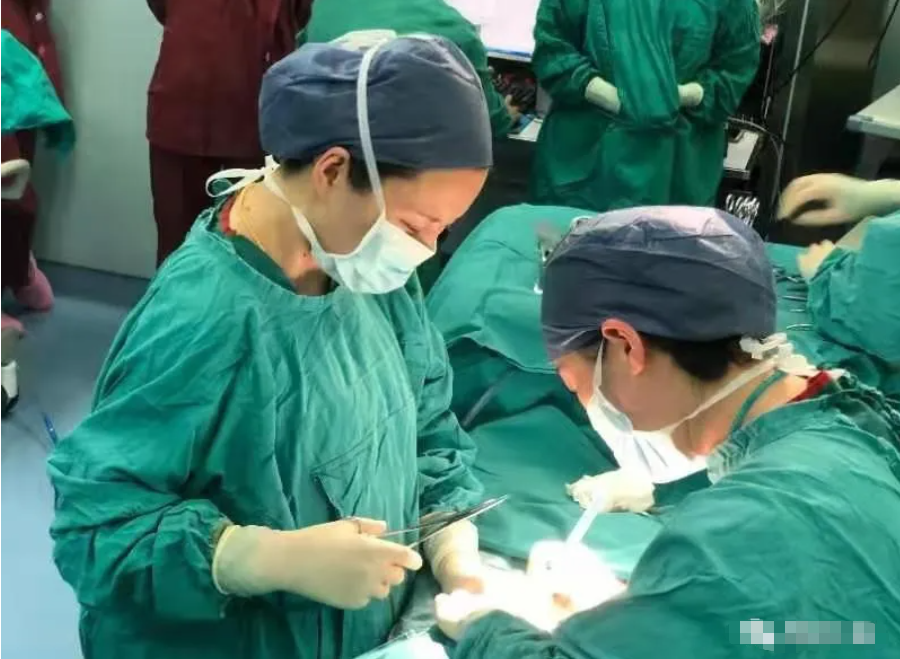
Dr. Hua Xiaolin | High-Risk Obstetrics, and a Child Worth Keeping
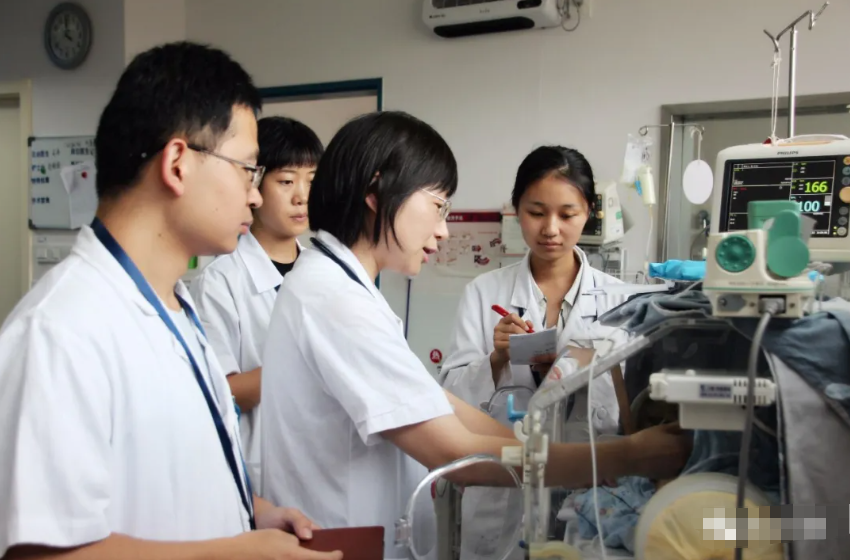
Dr. Shen Chun | Neonatal Surgery, and a Vow That Makes No Speech
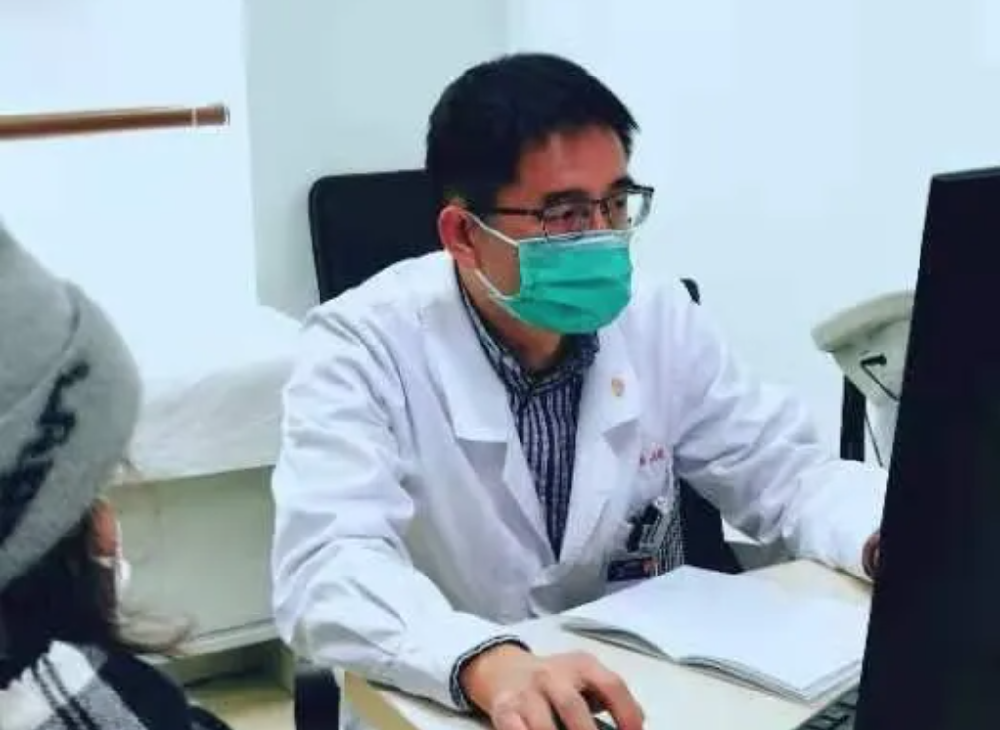
Dr. Yang Ji | A Dermatologist Who Measures the Years by Who Gets Better
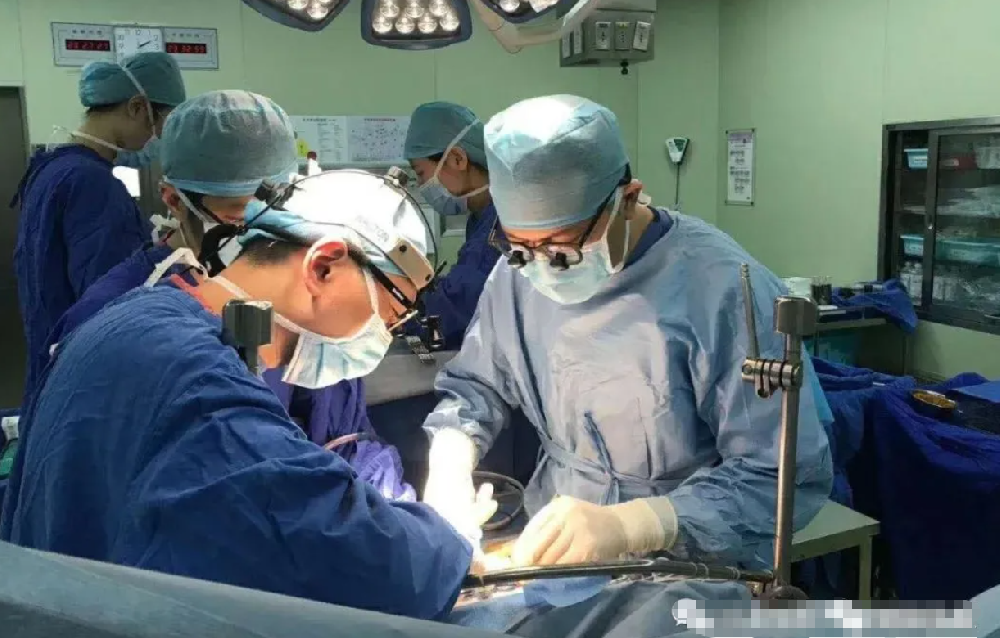
Dr. Chen Gong | Children's Bile Ducts, and a Future He Chose Himself
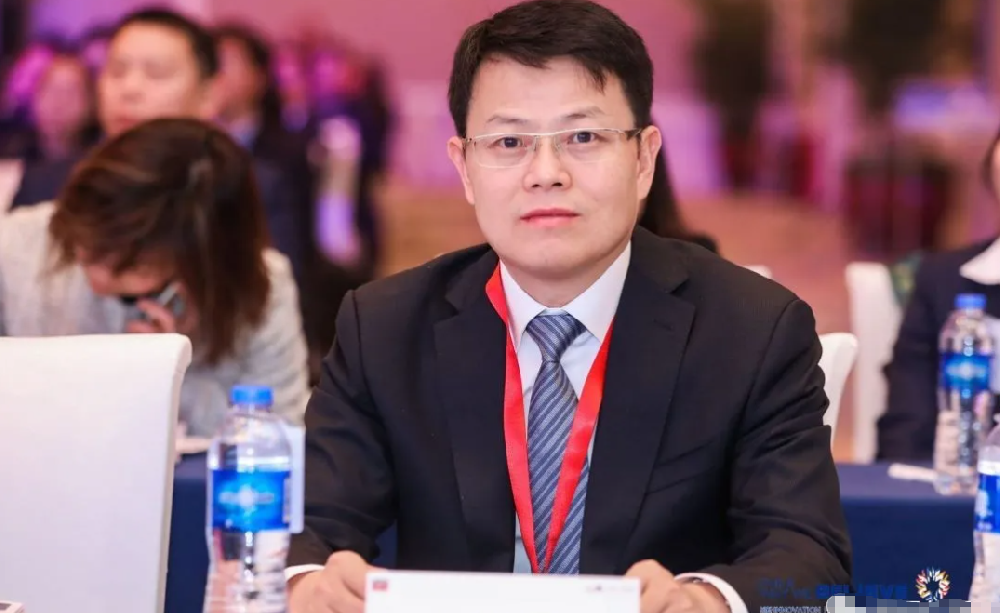
Dr. Luo Zhiguo | An Oncologist Still Hoping for One More Reunion
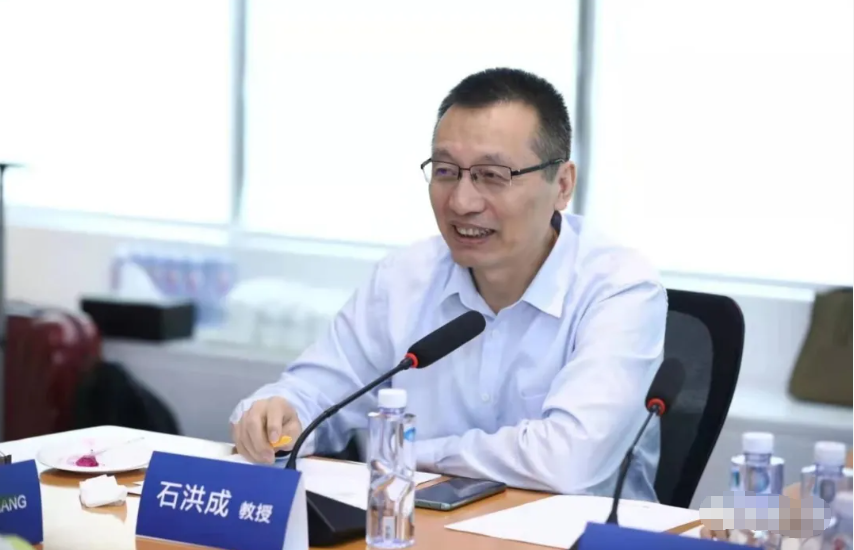
Dr. Shi Hongcheng | Growing Nuclear Medicine from One Old Scanner
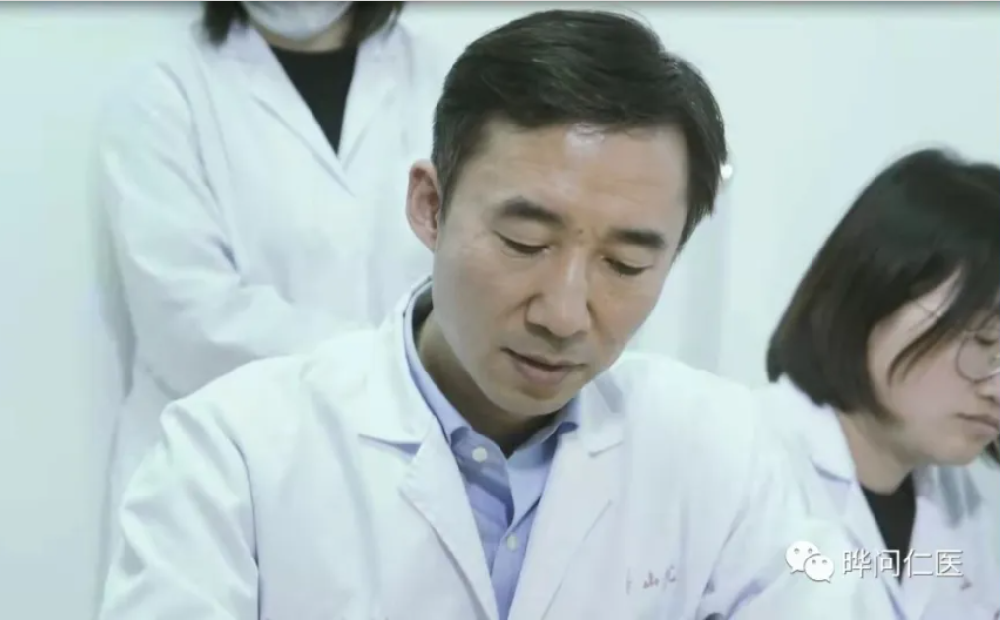
Dr. Li Wei | Loneliness in the Lab, Hope for Itchy Skin
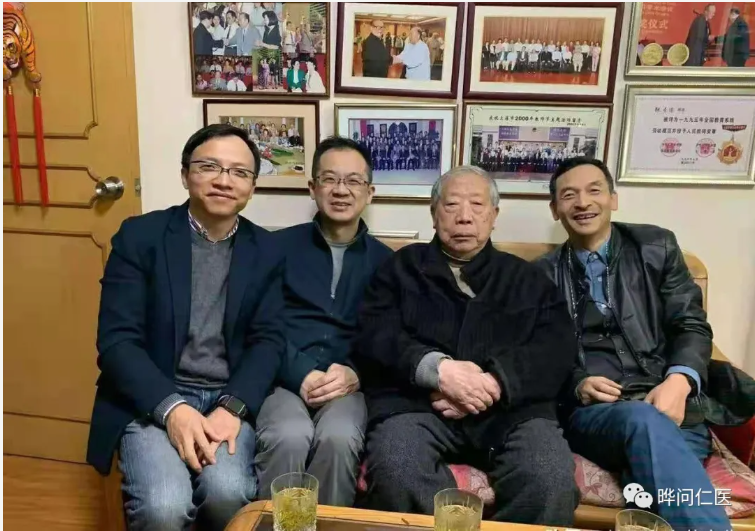
Dr. Huang Anhua | Still Glad to Stand Under the Gallbladder Lamp
Copyright © 2023 Yewen Renyi & ShanghaiDoctor.cn (This website is a non - profit medical humanities platform. The information contained herein is solely for biographical and historical purposes and does not constitute any medical advice.) 沪ICP备2023005392号-2 XML 沪公网安备31010902100835号
 中文
中文 English
 Español
 沪公网安备31010902100835号