ShanghaiDoctor - Where China's Healing Wisdom Shapes Modern Medicine

Update time:2026-06-28Visits:4382
Profile
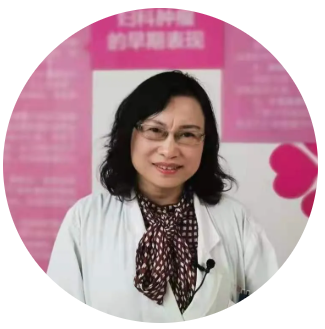
Dr. Lu Chunyan, MD, Chief Physician and Director of Gynecology at Shanghai Putuo District Maternal and Child Health Hospital brings more than 30 years of clinical experience and exceptional surgical volume to women’s health. She has personally performed or led over 10,000 gynecologic endoscopic procedures, more than 500 surgeries for gynecologic malignancies, and over 300 pelvic floor reconstruction and urinary incontinence surgeries. A member of the International Urogynecological Association (IUGA), she specializes in minimally invasive techniques that prioritize faster recovery, minimal scarring, and preservation of uterine function whenever possible.
Her specialties include gynecological tumors, minimally invasive gynecological surgery, pelvic floor dysfunction (urinary incontinence, anterior and posterior vaginal wall prolapse, uterine prolapse, cystocele and rectocele), hysteroscopic and laparoscopic minimally invasive treatment, perimenopausal disorders, and the diagnosis and treatment of high-risk pregnancies.

First-Person Perspective
“I have always yearned for Shanghai. My husband once studied at Fudan University. I, too, came to this magical city with dreams—walking through the Shikumen alleyways, witnessing the changes of time, and experiencing both the richness and the emptiness of life,” Lu Chunyan said softly. “A thousand people have a thousand faces. Some say Shanghai is exclusive, but I believe it is deeply inclusive. Many people from all over the country come here to turn their inspirations into reality. This city, known as the Magic Capital, now stands not only at the forefront of economic development and social trends but also makes significant achievements in the field of technology.”
Lu Chunyan often feels that although she is in a city, she is standing at the gateway to the world.
“Youth is like the Huangpu River—winding and meandering, but it will eventually flow into the sea.” Though she comes from the north, Lu Chunyan exudes the gentleness of a southerner, with strength hidden beneath her quiet demeanor. She also says, “A doctor’s work is like the Huangpu River Tunnel—you cannot see the end at a glance, but as long as you persevere, you will eventually see the sunlight.”
Over three decades in medicine, Dr. Lu has accumulated profound expertise, with the subtle marks of time reflecting her dedication. Yet she approaches every case with the same vigilance, knowing that gynecology holds ongoing complexities that demand continuous attention, thorough preparation, and contingency planning.
Faced with complex cases, Lu Chunyan leaves no stone unturned. “Just because you can’t imagine it,” she says, “doesn’t mean it can’t happen.” Gynecological diagnostic cases can be shrouded in mystery, and they often take unexpected turns. As a doctor at a second-class Grade A hospital, she focuses on serving grassroots patients, staying rooted in clinical practice, and has spent countless nights staying up late to research materials and analyze cases. She admits that sometimes a doctor is like Sherlock Holmes: another name for intuition is experience.
In middle age, women are in their most vibrant season, radiating warmth in every gesture. The Lu Chunyan before us reveals the gentle elegance of Jiangnan in her expression, yet also retains the bold spirit of the north, where courage meets opportunity.
1. The Path to Medicine
“When I was little, people asked me what I wanted to be, and I would answer, ‘I want to be a doctor,’” Lu Chunyan recalled. Influenced by her father, after the college entrance exam, as a second-generation medical professional, she did not hesitate to apply to medical schools.
“Looking back now, choosing medicine was one of the most correct decisions in my life.”
In 1983, Lu Chunyan was admitted to Nanjing Railway Medical College (now the School of Medicine of Southeast University), where she diligently studied basic medical knowledge. Outside of her studies, she also had a special fondness for literature, joining a literary society, carving seals, writing, and publishing journals. In the ancient cultural city of Nanjing, a girl from the north gradually found her footing.
After graduation, on her father’s advice, Lu Chunyan decided to enter the gynecology department—which happened to be in urgent need of talent—for her internship, becoming a gynecologist, and earned her master’s degree while working. “People say obstetrics and gynecology is dirty and tiring,” she said with a faint smile, “but in this work, I still developed an interest.”
The feeling of her first independent surgery remains vivid.
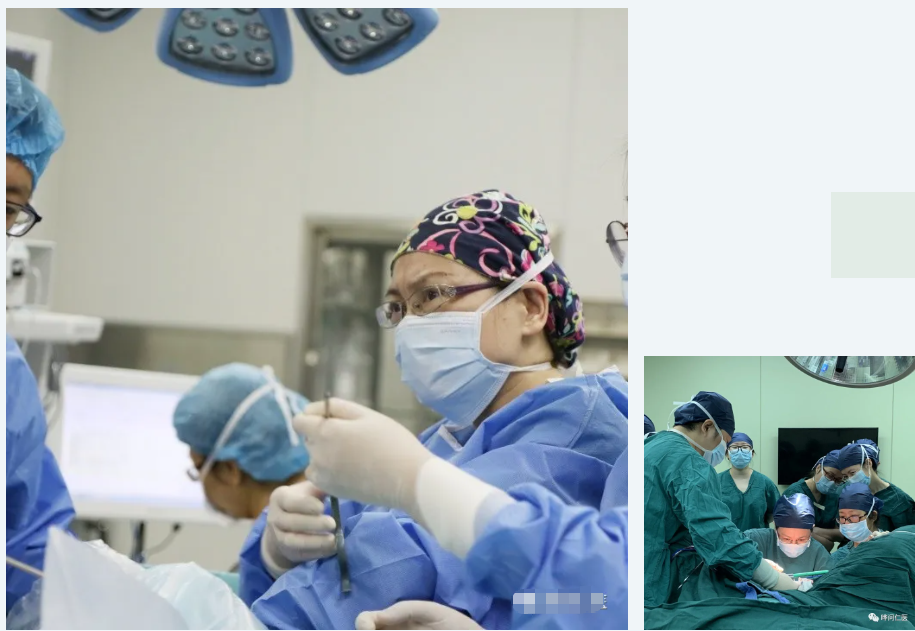
Her first solo cesarean section remains vivid. She prepared extensively—studying surgical texts, reviewing videos, and developing contingency plans for every possible scenario. Under the department chief’s guidance, she executed the procedure methodically. That same rigorous preparation continues today: before every operation, even after nearly 7,000 laparoscopic cases, Dr. Lu reviews imaging, anticipates anatomical variations, and ensures backup strategies are in place. “Even low-probability events deserve a safety net,” she emphasizes.
At the end of 2013, Lu Chunyan was invited as a talent recruit to work at the Shanghai Putuo District Maternal and Child Health Hospital, actively carrying out minimally invasive, pelvic floor, and tumor surgeries. In fact, her connection with Shanghai dates back a long time.
“When I was studying in Nanjing, I did my internship in Shanghai, and after starting work, I often came to Shanghai for training, further education, and academic conferences. I studied at the Shanghai Cancer Hospital and the Red House Hospital. At the same time, my husband is a graduate of Fudan University and has a special fondness for Shanghai. Influenced by him, I also came to greatly admire and yearn for Shanghai’s culture and trends. Taking this opportunity, I came to practice medicine in Shanghai.”
She came with a sense of responsibility and commitment.
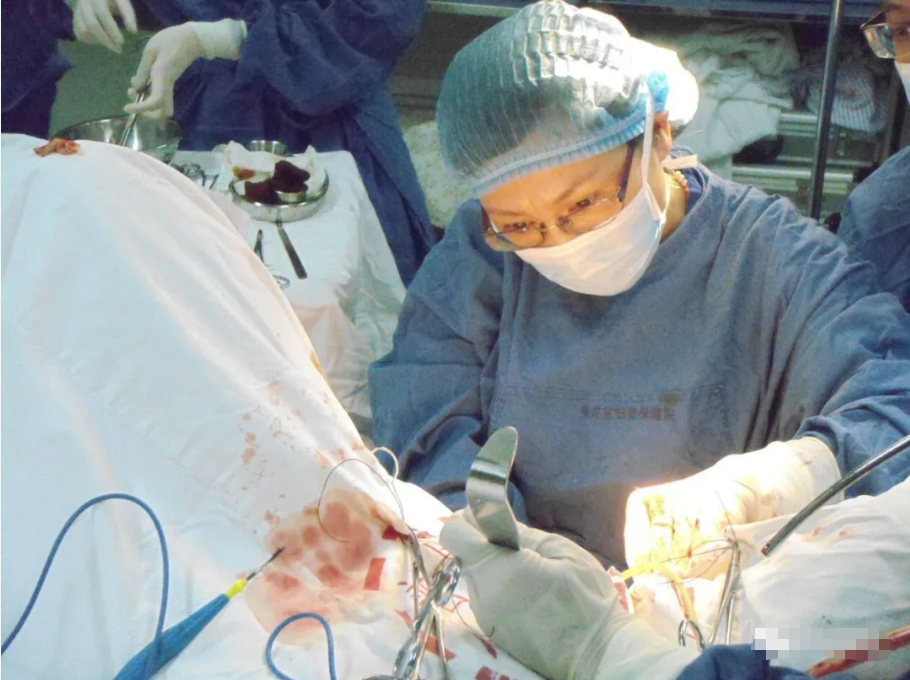
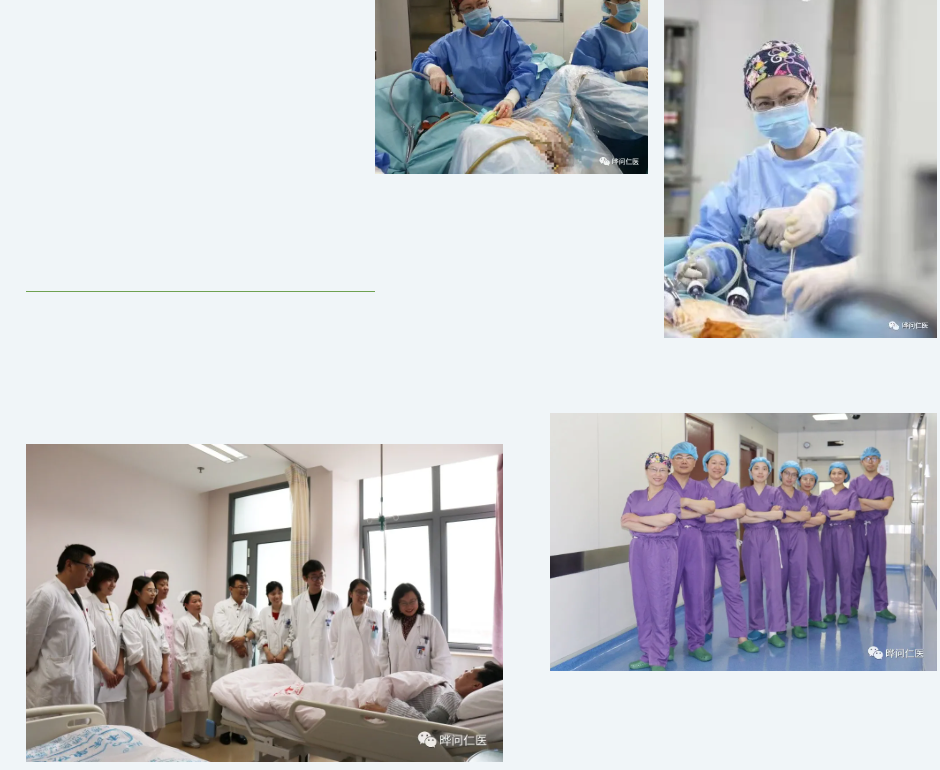
Shanghai Putuo District Maternal and Child Health Hospital is a specialized facility, with its Department of Gynecology recognized as a key clinical discipline within the district. To inspire dedication and initiative among staff in pursuit of service innovation, Dr. Lu Chunyan led the establishment of the "Lu Chunyan Gynecological Minimally Invasive Innovation Studio," integrating advanced medical techniques to deliver superior patient care.
"Since the studio was founded, we have undertaken several initiatives. From a preventive standpoint, we regularly host health science lectures, women's salons, free clinics, and training sessions. We produce micro-videos for the 'Family Doctor Good Talk' program, and our HPV and gynecological minimally invasive science popularization videos have even been adopted by the 'Xuexi Qiangguo' platform. In terms of treatment, we introduced single-port laparoscopic surgery in 2017, building on traditional laparoscopic techniques.
To date, we have performed over 500 single-port laparoscopic cases. Patients benefit from nearly invisible scars, reduced postoperative discomfort, and quicker return to normal activities—making it an excellent option for those seeking truly minimally invasive care with optimal cosmetic and functional outcomes.
In pelvic floor health, we have implemented second-generation pelvic floor reconstruction surgery, which better restores pelvic floor tissues while preserving the uterus, and has been widely welcomed by patients. In hysteroscopy, we have adopted cold knife techniques. On the research front, we have been approved for two key projects in Putuo District, with current studies focusing on improving treatment compliance among pelvic floor patients through WeChat-based management. We also emphasize talent cultivation, establishing the 'Mirror Elite Plan' to regularly train young physicians in simulation exercises at endoscopic training bases, fostering a stronger sense of belonging among junior doctors. These technological advances have enabled our department's staff to learn and grow, and more importantly, have allowed patients to benefit from the best available technology and medical services."
In 2016, Lu Chunyan and her team passed the Shanghai Municipal Health Commission's qualification assessment for Level 4 gynecological endoscopic techniques. In September 2017, they became the affiliated unit for gynecological professional quality control in Putuo District. The "Lu Chunyan Gynecological Minimally Invasive Innovation Studio," established in 2019, was awarded the title of Putuo District "Women's Innovation Studio."
"It is very clear that our medical philosophy remains: to win through quality and gain trust through sincerity," Lu Chunyan affirmed.
"On the basis of ensuring the department completes its medical work, we focus on team cultivation and department brand building. By advancing gynecological minimally invasive surgery and pelvic floor reconstruction, alongside regional tumor awareness and treatment, we aim to provide comprehensive health protection for women throughout their entire life cycle in Putuo."
2.All Beings Under Heaven
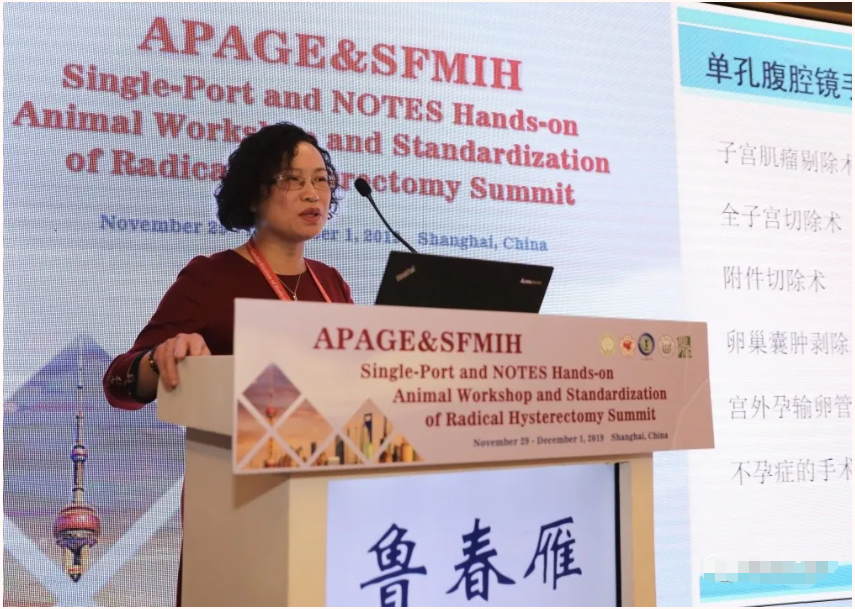
Pelvic floor dysfunction is a common condition among middle-aged and elderly women. As early as the 1950s, China had already initiated screening for pelvic floor diseases. Due to aging or childbirth, women's uterine ligaments and pelvic floor muscle tissues may become damaged, leading to prolapse of pelvic organs such as the bladder, uterus, and rectum, causing significant inconvenience to patients' lives.
Among these, uterine prolapse and urinary incontinence are particularly common in female patients.
In 2015, a 95-year-old woman presented with severe uterine prolapse and urinary difficulties that severely affected her independence and dignity. After thorough counseling on risks and benefits, and coordinated planning with anesthesiology, cardiology, and urology teams, she chose vaginal minimally invasive surgery to restore her quality of life.
Five days later she was walking; she was discharged smiling with her family on the Double Ninth Festival."Our surgery is aimed at improving quality of life, and risks are certainly involved. We do our utmost to monitor, prepare contingency plans, and ensure team coordination. Only with mutual trust between doctors and patients can the surgery be completed successfully."
For pelvic floor disorders, Lu Chunyan led her team in establishing a pelvic floor rehabilitation clinic, advocating that patients come for assessment and evaluation 42 days after childbirth. If symptoms such as prolapse or stress urinary incontinence appear, patients should promptly begin Kegel exercises, biofeedback therapy, and electrical stimulation therapy to aid recovery.
Treatment techniques for gynecological tumors have also become increasingly refined.
In 2017, Lu Chunyan led her team in performing a resection of a giant uterine fibroid.
The patient, a 36-year-old woman, had a uterus enlarged to nearly full-term pregnancy size with significant anemia. She specifically requested uterus preservation. Dr. Lu performed a complex myomectomy, carefully navigating distorted anatomy and vascular variations, removing dozens of fibroids while protecting surrounding structures. The patient recovered well with her uterus intact—an important outcome for younger women concerned about hormonal function and future options.Thus, the basic health literacy of the general population is of paramount importance. Cervical cancer, endometrial cancer, ovarian cancer—every patient is deeply concerned about their postoperative quality of life. Some patients even ask me bluntly, “How many more years can I live after surgery?” Modern medicine has advanced rapidly. Chemotherapy uses chemical drugs to kill tumors; radiotherapy employs various forms of radiation to destroy cancer cells; and targeted therapy blocks tumor progression by precisely targeting the molecules or factors that drive its growth. The emergence of PARP inhibitors has been a revolution in ovarian cancer treatment. Now, patients only need to take oral targeted drugs at home and visit the hospital regularly for check-ups to delay recurrence, improve quality of life, and experience relatively fewer side effects. Through genetic testing, we can offer patients more precise treatment options, bringing new hope for their lives.
The light is so dazzling because someone carries the weight forward.
Such moments occur often: after a busy day of outpatient consultations and surgeries, work frequently ends at seven or eight in the evening. Lu Chunyan returns to her office and habitually lingers a little longer in front of the computer, reviewing materials, writing documents, and finishing up tasks. In the silent night, with the ticking of the clock and the company of the night sky and stars.
For Dr. Lu, each patient encounter and surgery is an opportunity to see the individual clearly, understand the broader context of their life and health goals, and treat them with full respect for their dignity and autonomy. While “seeing all beings” may remain an aspiration, seeing the patient and the science with clarity and compassion is a daily practice she pursues with rigor and heart.
ShanghaiDoctor:
Regarding malignant tumor surgeries, such as radical hysterectomy for cervical cancer, what level of therapeutic effect can generally be achieved?
Lu Chunyan
Early-stage cervical cancer treatment can even achieve a cure. For over twenty years, my team and I have often gone to enterprises and communities for screening education. The cause of cervical cancer is clearly linked to HPV infection, and there are well-established protocols. The early-stage cure rate is nearly 100%, so early treatment greatly benefits patients. We hold regular annual maternal and child health lectures, quarterly women’s salons, and young physician lectures in the outpatient hall, focusing on several key areas: lifestyle—avoiding tobacco and alcohol, regular exercise, and mental adjustment; sexual hygiene—maintaining fidelity to partners, using condoms when necessary, and receiving the HPV vaccine. We have also produced videos to promote the importance of vaccination; screening—regular check-ups, and seeking medical attention promptly for abnormal bleeding. Most importantly, prevention comes first.
ShanghaiDoctor:
Pelvic floor dysfunction, such as uterine prolapse, is commonly heard of in daily life. For example, postpartum women may experience this issue. Can you briefly explain its mechanism and treatment? If the condition is severe, is surgery necessary, and is postpartum rehabilitation still needed after surgery?
Lu Chunyan
As early as the 1950s, China began screening for pelvic floor disorders. With improvements in quality of life, we are seeing more such cases in outpatient clinics. Aging or childbirth can damage the uterine ligaments and pelvic floor muscles, leading to prolapse of pelvic organs such as the bladder, uterus, and rectum. We have established a Pelvic Floor Rehabilitation Clinic, recommending that patients undergo assessment and evaluation 42 days after delivery. If symptoms of pelvic floor disorders—such as prolapse or stress urinary incontinence—appear, early interventions like Kegel exercises, biofeedback therapy, and electrical stimulation are used to aid recovery, greatly benefiting their subsequent quality of life.
ShanghaiDoctor:
Regarding gynecological conditions such as vaginal cancer, endometrial cancer, and cervical cancer, how can we prevent them in daily life? What breakthroughs have been made in cervical cancer immunotherapy in clinical practice in recent years? What trends can we expect in the future?
Lu Chunyan
From a lifestyle perspective, a healthy diet, moderate exercise, adequate sleep, and a positive mindset are all crucial for gynecological health. They help establish an immune barrier within the body to resist bacteria, viruses, and mutated cells. For vaginal and cervical cancers, attention should be paid to sexual hygiene, and condoms should be used when necessary to prevent gynecological infections. For endometrial cancer, the importance of regular physical exams is emphasized; if endometrial thickening is detected, timely consultation with a specialist is needed to assess the risk of tumors. Additionally, early symptoms such as abnormal menstrual bleeding, abdominal bloating, and abdominal pain should not be ignored, and medical attention should be sought promptly.
Immunotherapy is an active area in cancer treatment. To achieve better outcomes, it can be used as an adjunct to traditional therapies. In 2018, two scientists researching immunotherapy were awarded the Nobel Prize. Tumor immunotherapy mainly includes immune checkpoint inhibitors, adoptive cell therapy, oncolytic viruses, and tumor vaccines. Cervical cancer is the only cancer found to be associated with viral infection and the only one that can be prevented through vaccination. Since its market introduction in 2016, numerous studies have confirmed the protective efficacy of the HPV vaccine. If all tumors could be prevented like HPV, it would certainly be a very promising prospect.
ShanghaiDoctor:
This year marks the 65th anniversary of the founding of Shanghai Putuo District Maternal and Child Health Hospital, correct? As a Grade II Class A hospital, how does its positioning differ from that of Grade III Class A hospitals? In comparison, what aspects are more emphasized? As the director of the gynecology department, could you share your future direction of efforts?
Lu Chunyan
As a Grade II Class A specialized women’s and children’s hospital, we focus on high-quality care for common and complex gynecologic conditions in the community, while closely following advancements from leading tertiary centers. Our strengths lie in high-volume minimally invasive surgery and integrated pelvic floor care—areas where concentrated expertise and shorter wait times can offer meaningful advantages for many patients.
As a department director, it is more about taking on responsibility. Our medical philosophy remains “winning by quality, earning trust by sincerity,” ensuring that while the department fulfills its medical tasks, it also focuses on team development and brand building. As a Grade II Class A specialized hospital, our strengths lie in gynecological minimally invasive surgery and pelvic floor reconstruction, undertaking regional tumor education and treatment, and providing services for the full-lifecycle health of women in Putuo.
ShanghaiDoctor:
The Time We Spend with Family Should Be Precious, Shouldn’t It?
Lu Chunyan
My husband is a professor at Suzhou University of Science and Technology and has always been incredibly supportive of my work. My son graduated from the University of Southern California with a degree in Computer Science and later earned a master’s degree from Columbia University. When he was a teenager, he even helped me put together PowerPoint presentations (laughs). From time to time, I share my reflections on life and career with him—reminding him that once he embarks on his professional journey, he should stay grounded, follow his interests and strengths, maintain his passion, and never grow weary.
In my own life, I believe that work—and surgery in particular—is a process of seeing oneself, seeing the world, and seeing all beings. “Seeing all beings” may be a lofty ideal, but “seeing oneself” and “seeing the world” are still within reach. I also hope that my child can perceive the vastness and richness of the world, and experience both joy and love.
Editor: Chen Qing
If you need help from Dr. Lu, please be free to contact us at Chenqing@ShanghaiDoctor.cn.
Dr. Shi Yuling | Psoriasis, and Spring Mountains Beyond the Plain
Dr.Ying Chunmei | Laboratory Medicine, Renewed a Little Every Day
Dr. Zhang Lei | Children's Airways, and a Preference for Being Plain
Dr. Chen Tongyu | Chest Surgery Without a Tube, and No Claim to Greatness
Dr. Hua Xiaolin | High-Risk Obstetrics, and a Child Worth Keeping
Dr. Shen Chun | Neonatal Surgery, and a Vow That Makes No Speech
Dr. Yang Ji | A Dermatologist Who Measures the Years by Who Gets Better
Dr. Chen Gong | Children's Bile Ducts, and a Future He Chose Himself
Dr. Luo Zhiguo | An Oncologist Still Hoping for One More Reunion
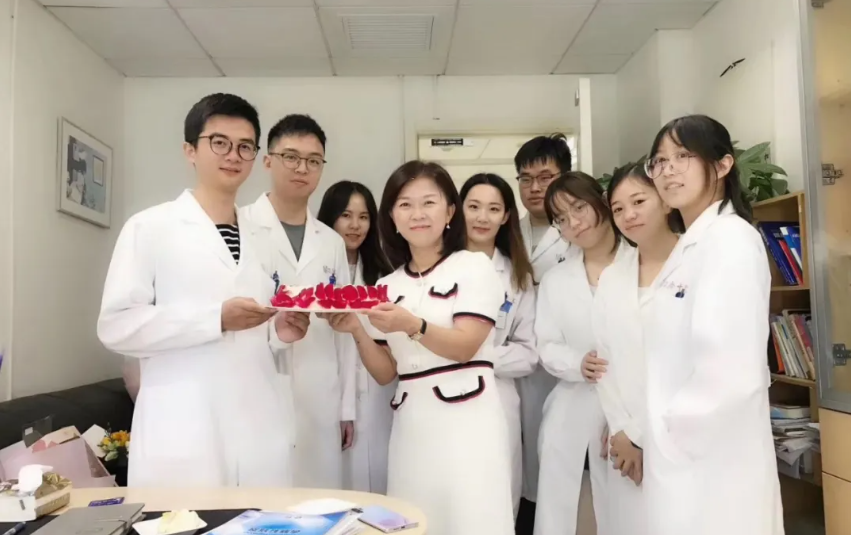
Dr. Shi Yuling | Psoriasis, and Spring Mountains Beyond the Plain
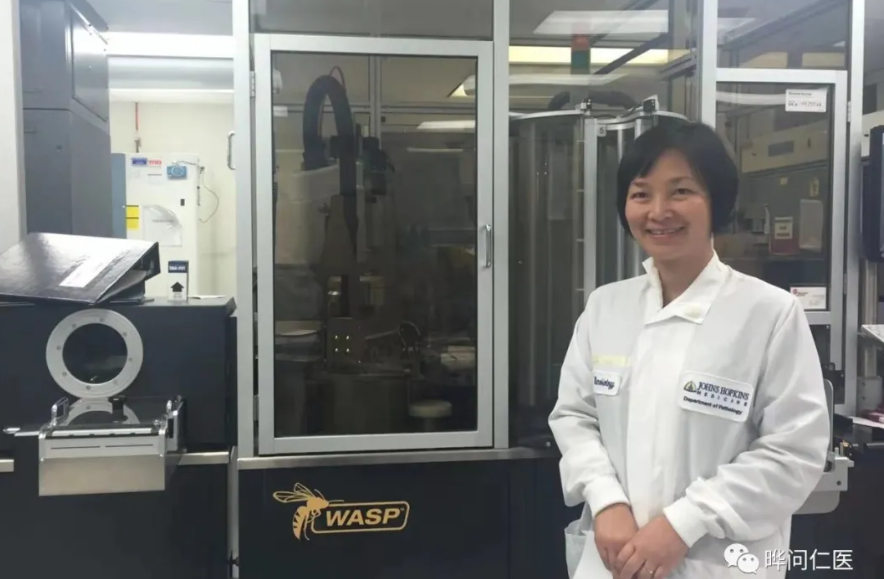
Dr.Ying Chunmei | Laboratory Medicine, Renewed a Little Every Day
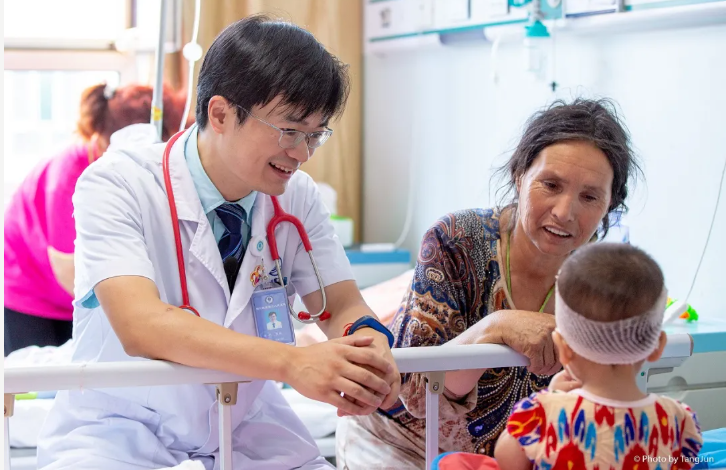
Dr. Zhang Lei | Children's Airways, and a Preference for Being Plain
Dr. Chen Tongyu | Chest Surgery Without a Tube, and No Claim to Greatness
Cui Jie | An Infectious-Disease Nurse Who Kept Walking In
Dr. Hua Xiaolin | High-Risk Obstetrics, and a Child Worth Keeping
Dr. Shen Chun | Neonatal Surgery, and a Vow That Makes No Speech
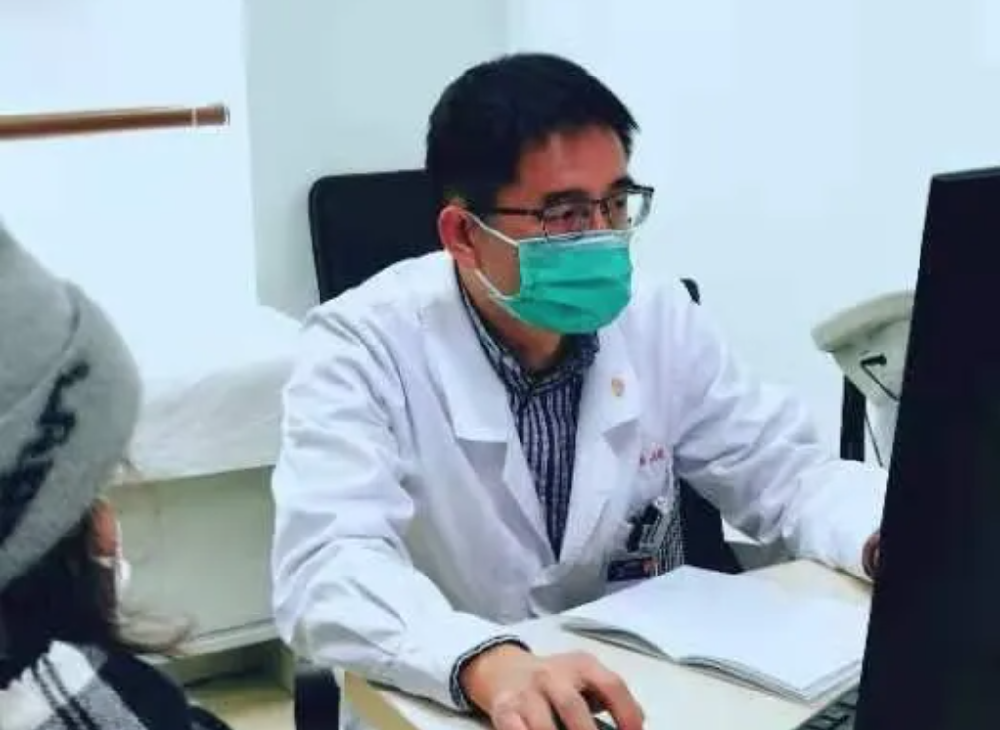
Dr. Yang Ji | A Dermatologist Who Measures the Years by Who Gets Better
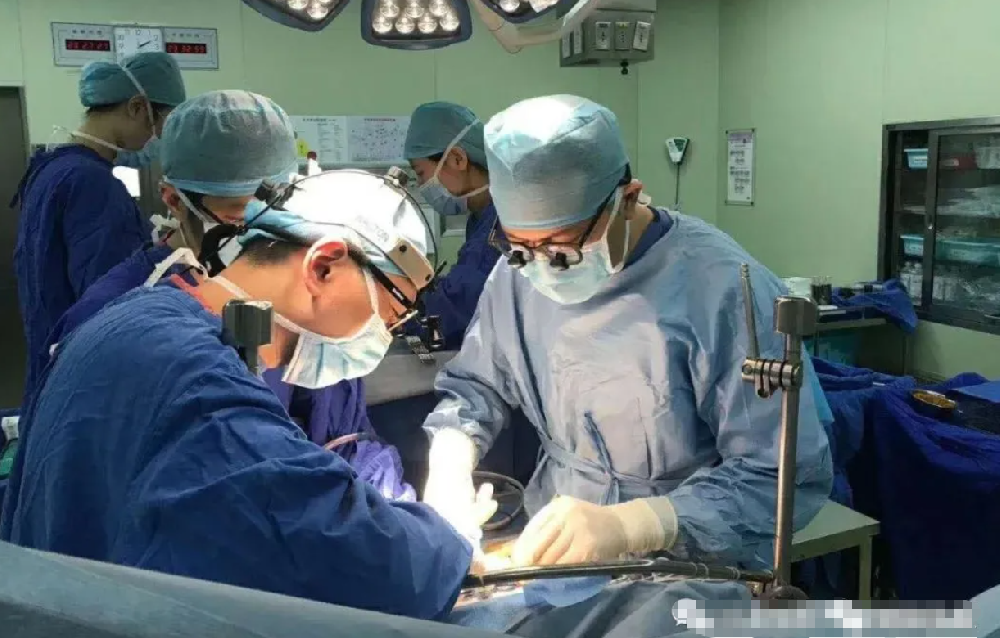
Dr. Chen Gong | Children's Bile Ducts, and a Future He Chose Himself
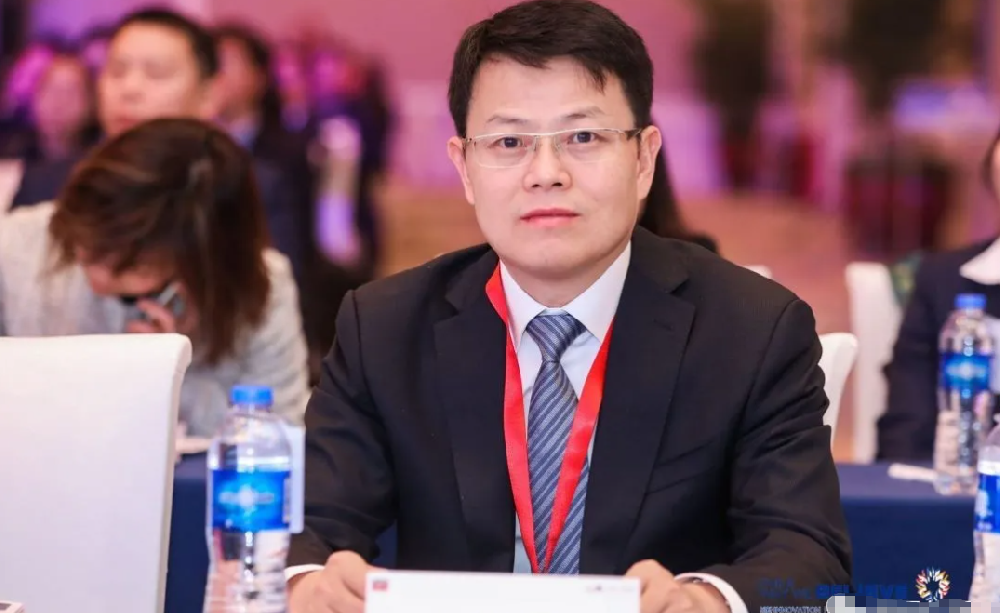
Dr. Luo Zhiguo | An Oncologist Still Hoping for One More Reunion
Copyright © 2023 Yewen Renyi & ShanghaiDoctor.cn (This website is a non - profit medical humanities platform. The information contained herein is solely for biographical and historical purposes and does not constitute any medical advice.) 沪ICP备2023005392号-2 XML 沪公网安备31010902100835号
 中文
中文 English
 Español
 沪公网安备31010902100835号