ShanghaiDoctor - Where China's Healing Wisdom Shapes Modern Medicine

Update time:2026-07-11Visits:3396
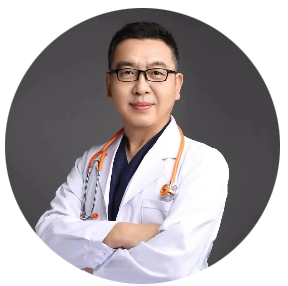
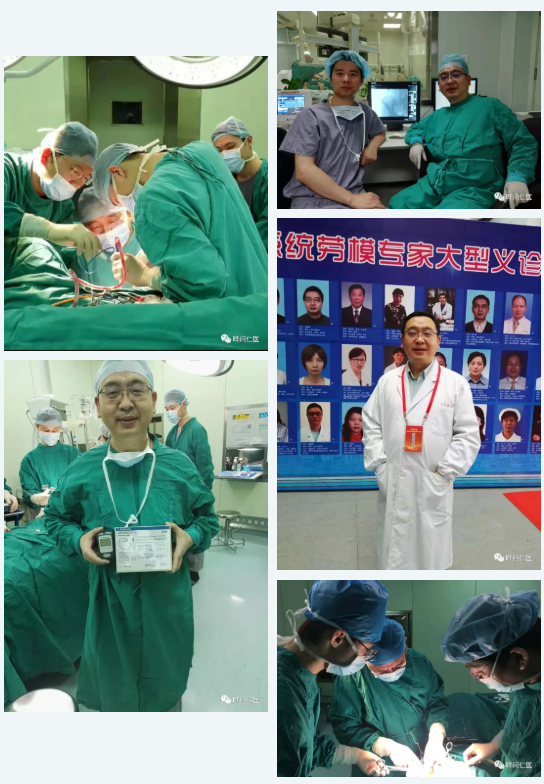
Zhang Zhengwang holds a Doctor of Medicine degree, completed postdoctoral research, and currently serves as Chief Physician, Master’s Supervisor, and Head of the Female Urology and Pelvic Floor Subspecialty Group. His academic appointments include Vice Chairman of the Urology and Pelvic Floor Professional Committee of the Shanghai Rehabilitation Medical Association, Deputy Head of the Urinary Control and Pelvic Floor Group of the Shanghai Association of Chinese Integrative Medicine, Standing Committee Member of the Pelvic Floor Professional Committee of the China Maternal and Child Health Association, and Member of the Urinary Control and Plastic Surgery Group of the Urology Branch of the Shanghai Medical Association.
Areas of Expertise: Diagnosis, treatment, and minimally invasive surgical management of female urological and urogenital conditions; diagnosis, treatment, and minimally invasive management of female pelvic floor dysfunction; female intimate reconstruction; postpartum repair; and non-invasive pelvic floor laser therapy.
From 2003 to 2006, he served as a visiting scholar and postdoctoral researcher at the University of Texas Southwestern Medical Center in the United States. He was selected for the Shanghai 2008 “Pujiang Talent Program” and has led multiple research projects funded by the National Natural Science Foundation of China and the Shanghai Municipal Health Bureau.
Scientific Research Achievements: He has led several research projects funded by the National Natural Science Foundation of China and the Shanghai Municipal Health Bureau. He is the editor-in-chief of Diagnosis, Treatment, and Rehabilitation of Pelvic Floor Disorders (Urology Volume) and is the first scholar in China to systematically discuss laser therapy for pelvic floor disorders.
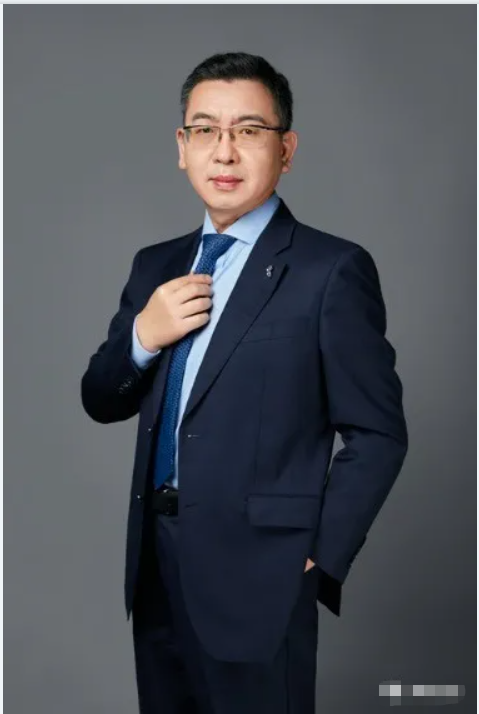
Zhang Zhengwang
“After finishing the last surgery, my phone battery was down to the last 20 percent. I quickly checked the patients’ messages to give a unified reply.” Working more than a dozen hours a day is almost routine for Zhang Zhengwang.
If you think his workday ends there, you may not yet understand what it means to be a modern doctor. Stepping down from the operating table, Zhang Zhengwang seamlessly shifts in front of the camera, removes his white coat, and delivers clear, authoritative science communication. His solid medical knowledge, rich clinical experience, and natural on-screen presence make every educational video as smooth and effortless as his surgeries—easy to understand, earning him the affectionate nickname “Pelvic Floor Dad Zhang” from his many followers.
“As a frontline clinical doctor, I encounter many patients who miss the optimal treatment window because they come too late. Many conditions could have been prevented, but a lack of knowledge leads to tragedy,” Zhang Zhengwang admits. “I realized that if we don’t improve the public’s medical and health literacy, we will never run out of patients to treat, and far too many tragedies will continue to occur.”
Among Director Zhang Zhengwang’s nearly 200 popular science videos, many are drawn from real clinical cases. Take urinary tract infections, for instance—a common condition in daily life and a urological issue with a particularly high incidence among women, whose prevalence rivals that of upper respiratory infections like the common cold. Yet clinically, these infections often receive insufficient attention, as the spotlight tends to fall on surgical cases such as tumors and stones. Urinary tract infections are frequently dismissed as minor ailments, typically treated with antibiotics to relieve symptoms. However, the underlying causes of recurrent or persistent infections are rarely explored, and repeated episodes can pave the way for multidrug-resistant strains and antibiotic misuse. For refractory urinary tract infections, it is essential to investigate the specific triggers, which are often highly individualized. For example, a postmenopausal woman may suffer from disruptions to her reproductive tract environment caused by physiological hormonal changes, while a woman of childbearing age might have anatomical abnormalities at the opening of the urogenital tract. In his videos, Director Zhang explains these topics with a gentle, meticulous tone, making complex medical knowledge accessible to his followers.
Drawing on nearly 30 years of clinical experience and a broad, solid command of various urological subspecialties, Director Zhang is equally adept and at ease when discussing male urological and reproductive health alongside women’s health topics.
In Director Zhang’s videos, we encounter his signature style: “Joyful Science Communication.” Many obscure medical principles are transformed into easy-to-understand stories and common sense through his words. It is no wonder that, in Shanghai’s inaugural “Sincerity Award” Doctor Science Popularization Competition, his work “Urine Is a Mirror of Human Health” stood out from 2,000 entries, ranking first in the popular vote during the preliminary round. In the top 30 finals, it received high praise from renowned science popularization expert and former president of Zhongshan Hospital, Professor Yang Binghui.

“Two roads diverged in a yellow wood, and I took the one less traveled by.”
Looking back on the path he has taken, Zhang Zhengwang often marvels at the subtlety of life’s twists and turns. Perfect coincidences, intertwined connections, choices that seem logical on the surface yet are entangled with complex and varied reasons.
“Fate has chosen you to walk this path; who knows if it’s not a blessing?” he said with a smile.
From elementary school, Zhang Zhengwang was what people call “someone else’s child”—the model student every parent hopes for—and in the top science class at Fudan Affiliated High School, he was the cream of the crop. Even when he was offered guaranteed admission to Fudan University’s Department of Materials Science before the college entrance exam, he voluntarily gave it up and chose to take the exam without any preferential treatment—because he only wanted to become a doctor.
In 1986, Zhang Zhengwang, with a score ranking among the top 100 in all of Shanghai, was admitted to the six-year clinical medicine program at Shanghai First Medical College (later Shanghai Medical University, now Fudan University School of Medicine) and, as he wished, entered the best English class in the department. His academic performance was consistently excellent; even after taking a year off due to illness in his junior year, upon returning to school, he still ranked among the top five in overall grades in his year group.
After graduating from university, Zhang Zhengwang joined the Department of Urology at Zhongshan Hospital, affiliated with Fudan University, under the mentorship of Professor Zhang Yongkang. Over the course of a decade at Zhongshan Hospital, he completed a combined master’s and doctoral program, earning his Doctorate in Surgery from Fudan University in 2000.
In 2003, drawing on seven years of English training during his university studies, Zhang Zhengwang passed the national English examination for overseas personnel and secured a government-sponsored opportunity to study abroad. Over the next three years, he served as a visiting scholar and postdoctoral researcher at the University of Texas Southwestern Medical Center, a globally renowned hub of biomedical research. Thanks to his strong English proficiency and outstanding research capabilities, he earned the high regard and recognition of his laboratory director in the United States. By the time he returned to China, he had matured into a surgeon equally adept in academic research and clinical practice.
In 2006, he was recruited from the United States to join the Department of Urology at Huadong Hospital, also affiliated with Fudan University, which was in urgent need of talent. He brought the department its first general project funded by the National Natural Science Foundation of China. In 2007, when department members were required to choose their subspecialties, Zhang Zhengwang once again sensed the subtle hand of serendipity at this critical juncture.
“During my studies in the United States, I spent over two months learning under a professor in the lab across the hall, whose research focus was precisely on urinary control and female urology. So, I was not unfamiliar with the field,” he recalled. At the time, specialists dedicated to female urology were extremely rare, and patients were in urgent need of medical care. By a stroke of coincidence, he decided to pursue this subspecialty.
The intricate stage of fate lifted its curtain once more.
The journey of building from scratch was fraught with challenges.
In 2008, Zhang Zhengwang led the establishment of a female urology clinic. In the beginning, the clinic saw little activity—it could be described as desolate. From being virtually unknown to gradually building a recognizable brand, diligence and perseverance were essential, yet sometimes a “coincidence” proved unavoidable as well.
One day in 2009, Zhang Zhengwang discovered that a popular science article he had written had been submitted to Xinmin Evening News and featured as the headline on page B. This brought great relief to many female patients and made the name of Huadong Hospital’s female urology clinic widely known. It ultimately opened up the field of female urology at the hospital, setting it on a path of healthy development and earning a strong reputation among both professionals and patients. Reflecting on this, Zhang Zhengwang often remarked: “In the field of female urology, we doctors are sometimes entrepreneurs and innovators starting from scratch.”
Yet this was not the only “mission impossible” that came to fruition.
In the second half of 2015, Zhang Zhengwang was invited to help prepare a national continuing education training course held in Ningbo, where he would lecture on the latest advances in laser therapy. Laser therapy is a traditional treatment in urology, but Zhang Zhengwang had no intention of rehashing clichés.
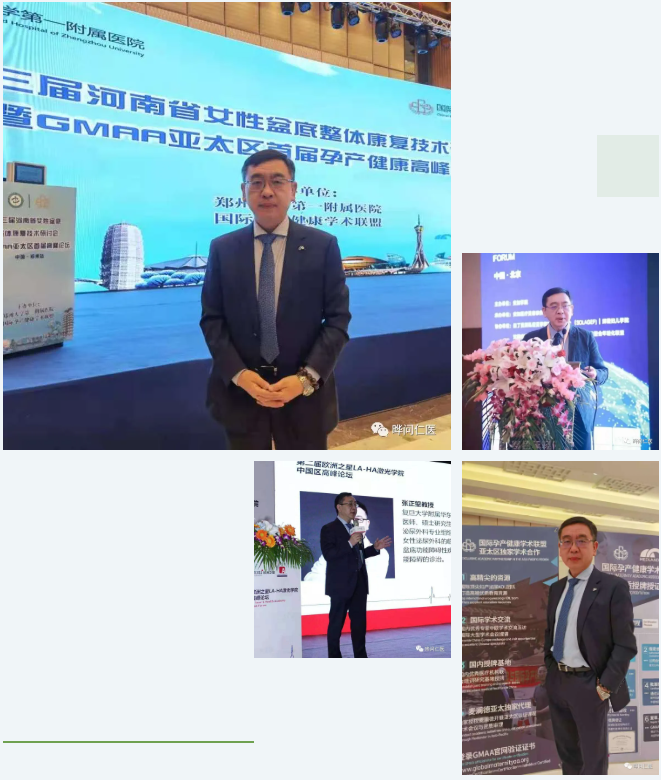
“While reviewing the literature, I came across international cases where non-invasive laser therapy was used to treat pelvic floor disorders.” At the time, this treatment was still uncharted territory in China, and he keenly recognized it as a field worth exploring. After meticulously studying all available foreign research, Zhang Zhengwang delivered a detailed presentation on non-invasive laser therapy for pelvic floor disorders at the National Continuing Education Seminar in Ningbo in February 2016. The talk caused a stir among the audience, who unanimously hailed it as cutting-edge technology—what they enthusiastically called “black technology”—in female urology.
Soon after, Zhang Zhengwang became the first scholar to systematically compile Laser Therapy for Female Pelvic Floor Disorders, with the content later included in the first domestic book series, Diagnosis, Treatment, and Rehabilitation of Pelvic Floor Dysfunction. He also serves as one of the chief editors of the urology volume.
“Those who know me say I am persistent—I have taken on many ‘mission impossibles.’ This persistence stems not only from the expectations of my childhood teachers, my personal growth experiences, and my unyielding nature, but also from the hopeful gaze and selfless trust that patients place in their doctors. It drives me to rack my brains for solutions and to apply them skillfully and flexibly to complex clinical cases, improving patients’ quality of life.”
Persistence that refuses to be drowned out will eventually earn applause.
Female urology is a highly specialized field. While female urological and pelvic floor conditions are extremely common, there are few doctors proficient in this area. Patients often have nowhere to turn, feeling physically and mentally anxious and psychologically fragile. In such moments, doctor-patient communication is crucial.
“I often tell my students: In female urology, patience comes first. Doctors not only treat the disease but also heal the person and the heart. The nature of our profession dictates that we must care not only about the ‘condition’ but also about the patient’s ‘mood.’ We must empathize with their suffering, calm our own minds, and learn to listen. Only then will patients reveal the true cause of their illness, allowing us to detect the subtle clues that are often missed in female urology.”
In Zhang Zhengwang’s eyes, there are no good or bad patients. He states plainly: “We should not choose our patients. Every female patient carries an untold story behind her, bearing the happiness or unhappiness of a family. As doctors, it is our bounden duty to help them.”
Consider a young woman, not yet menopausal, who suffers from recurrent urinary tract infections during intercourse with her husband. Deeply troubled, she finds it hard to speak about and has nowhere to seek treatment. “For such patients, we need to learn how to communicate—to ease her reluctance to seek medical help out of fear, rather than simply asking questions and prescribing medication. We must conduct relevant examinations, sometimes identifying anatomical abnormalities to uncover the cause. After each examination, I explain the findings to the patient using photos and drawings. In this way, patients come to trust me deeply, which also aids in treating the disease.”
During weekly ward rounds, Zhang Zhengwang always engages in detailed conversations with his patients. “Asking the right questions is a skill in itself—inseparable from clinical reasoning. Many doctors and patients are curious about my line of questioning, and sometimes it feels like ‘when one door closes, another opens,’” he says. “It really comes down to attentiveness. I carefully compare each patient’s daily urination patterns with their diet, condition, and lifestyle that day. Any minor abnormality must be pursued like a detective—never let it slip.”
“Female urological issues are different from stones and tumors. Imaging often fails to provide conclusive evidence, so it requires combining inquiry to uncover subtle clues. Inquiry is a comprehensive reflection of medicine, experience, patience, and meticulousness; otherwise, the cause of the disease cannot be found.”
When many patients come to Zhang Zhengwang, they often say to him with hope, “Dr. Zhang, I’ve finally found you. My life can be saved.” Hearing such words, Zhang Zhengwang always feels deeply moved. “Doctor-patient communication, building trust, and searching for subtle clues—these are our main areas of learning. Making patients feel at ease is the ultimate principle.”
In this profession, a great deal of energy and patience is spent every day. Since fate has granted the privilege of healing the wounded and rescuing the dying, as long as the original intention remains unchanged, one must forge ahead without hesitation.
As he once wrote from the heart: “Entrusted by the calling of duty and the hopes of the sick, I shall spare no effort and give my all.”

ShanghaiDoctor.cn
Have you ever encountered a situation where female patients are unwilling to be treated by a male doctor? If so, how did you feel at the time? Although society is becoming more open, there are still patients who are shy or find it hard to speak up, and they may conceal aspects of their condition. How do you handle this?
Zhang Zhengwang
For example, a young woman, premenopausal, who repeatedly suffers from urinary tract infections after intercourse with her spouse. The patient is deeply troubled, finds it hard to speak about, and has nowhere to seek medical help. “For such patients, we need to learn how to communicate, to help them overcome the reluctance to see a doctor due to fear of embarrassment. It’s not about simply asking a few questions and prescribing medication; we need to conduct relevant examinations, sometimes identifying anatomical abnormalities to find the cause of the disease. After each examination, I also explain to the patient using photos and drawings. In this way, the patients trust me greatly, which further aids in the treatment of the disease.”
ShanghaiDoctor.cn
As a master’s supervisor, when teaching your students, how do you balance academic learning and character? What kind of experience is the teaching process for you?
Zhang Zhengwang
When teaching, I hope my students can stand on my shoulders, making things much easier for them. “The master leads you through the door, but cultivation depends on the individual.” In the field of female urology, much of the learning content lies in doctor-patient communication, building trust, and searching for subtle clues, rather than surgical techniques. This is different from oncology; our skill lies in improving patients’ quality of life. Making patients feel at ease is the ultimate principle.
ShanghaiDoctor.cn
Additionally, congratulations on being selected among the top 30 in the Jingcheng Award Science Popularization Competition. As a chief clinical physician, how do you understand the significance and role of science popularization?
Zhang Zhengwang
Women’s urology remains an area in need of greater public awareness to dispel common misconceptions. As a frontline clinician, I have encountered numerous patients who arrived too late, missing the optimal window for treatment. Many of these conditions could have been prevented, yet a lack of understanding led to tragic outcomes. In addition to advancing public education, we strive to help more patients learn about our department, thereby fostering a stronger, more trusting doctor-patient relationship.
Editor: Chen Qing
If you need any help from Dr. Zhang, Please feel free to contact us at Chenqing@ShanghaiDoctor.cn.
Dr.Sun Jing | Fertility-Sparing Surgery, and a Future Already Here
Dr. Li Qingyun | Sleep Apnea, and Illness Removed Without a Sound
Dr. Zhu Zhiling | Gynecologic Surgery, and a Line She Would Not Cross
Dr. Yuan Gongjie | Children's Smiles, and the Orthodontist Who Still Tells Stories
Dr. Wang Chaoyang | Vitrectomy, and Flowers Once Hidden in the Eye
Dr. Zhao Jinhua | Nuclear Medicine, and the Flowers Along the Road
Dr. Shi Yuling | Psoriasis, and Spring Mountains Beyond the Plain
Dr.Ying Chunmei | Laboratory Medicine, Renewed a Little Every Day
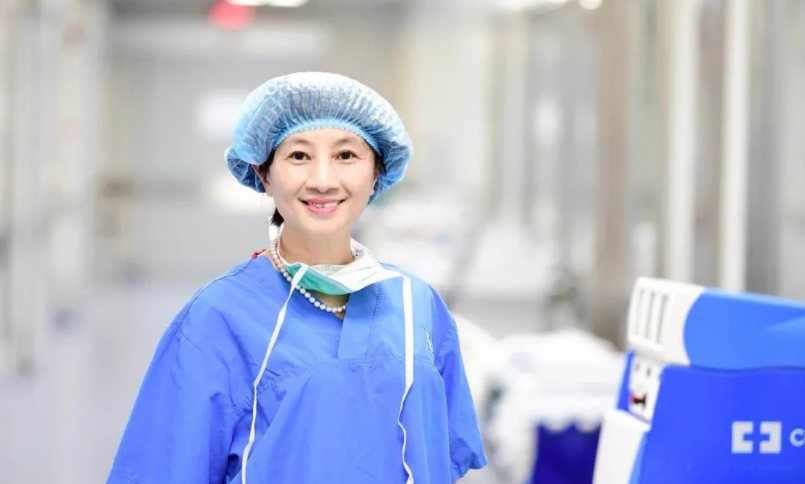
Dr.Sun Jing | Fertility-Sparing Surgery, and a Future Already Here
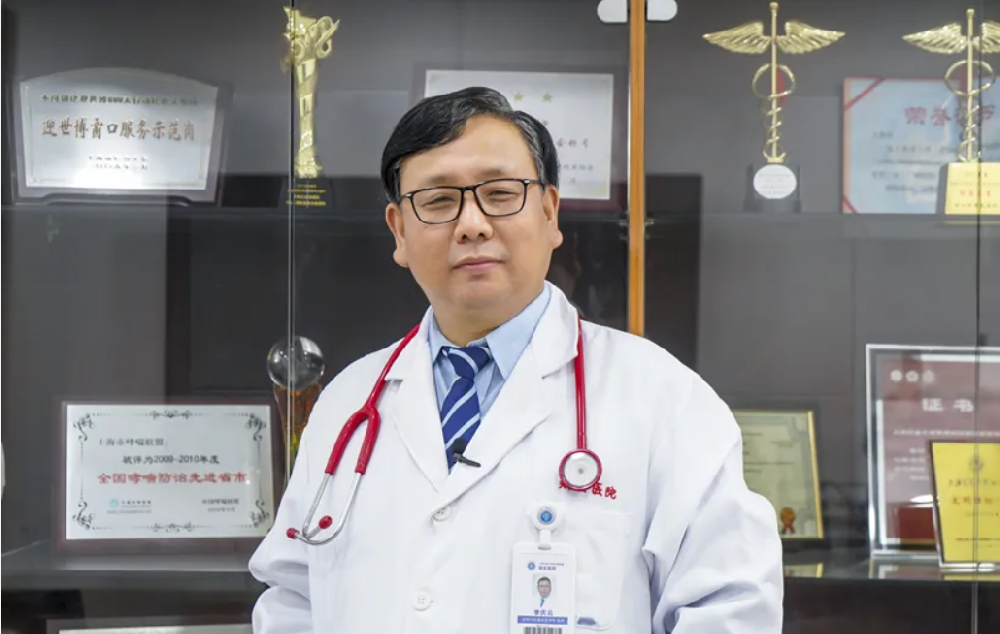
Dr. Li Qingyun | Sleep Apnea, and Illness Removed Without a Sound
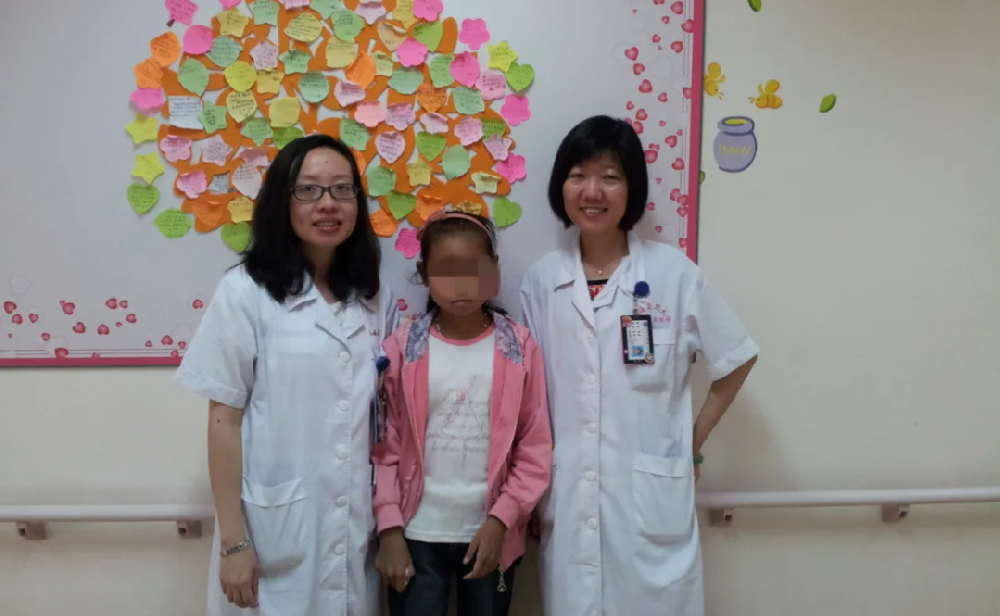
Dr. Shen Qian | Children’s Kidneys, Lucid and Gentle
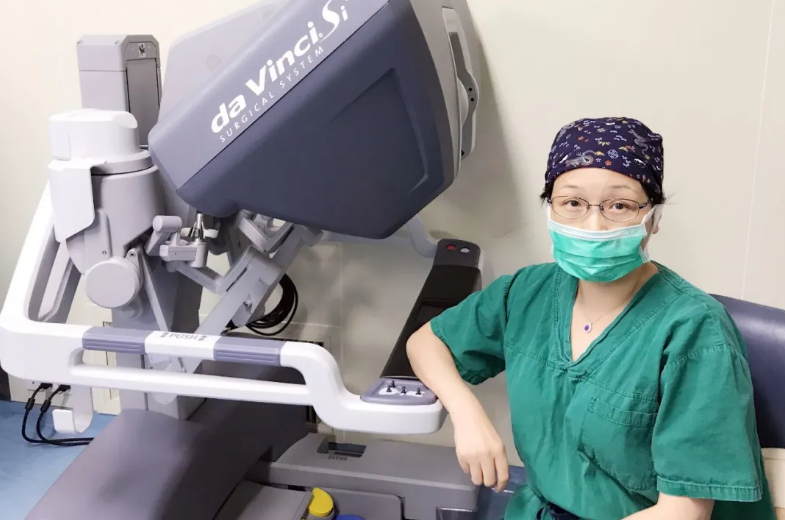
Dr. Zhu Zhiling | Gynecologic Surgery, and a Line She Would Not Cross
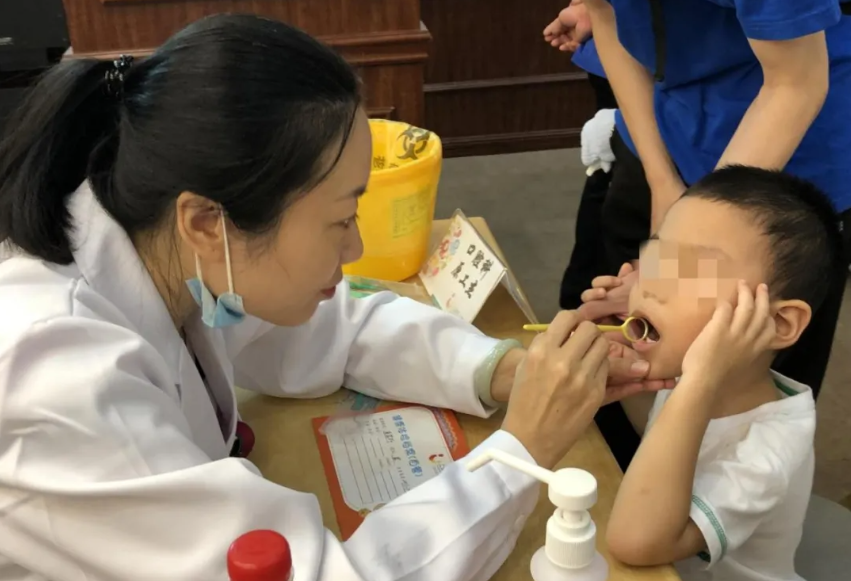
Dr. Yuan Gongjie | Children's Smiles, and the Orthodontist Who Still Tells Stories
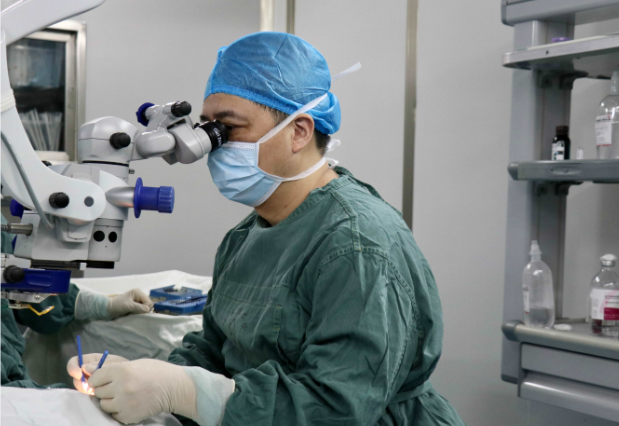
Dr. Wang Chaoyang | Vitrectomy, and Flowers Once Hidden in the Eye
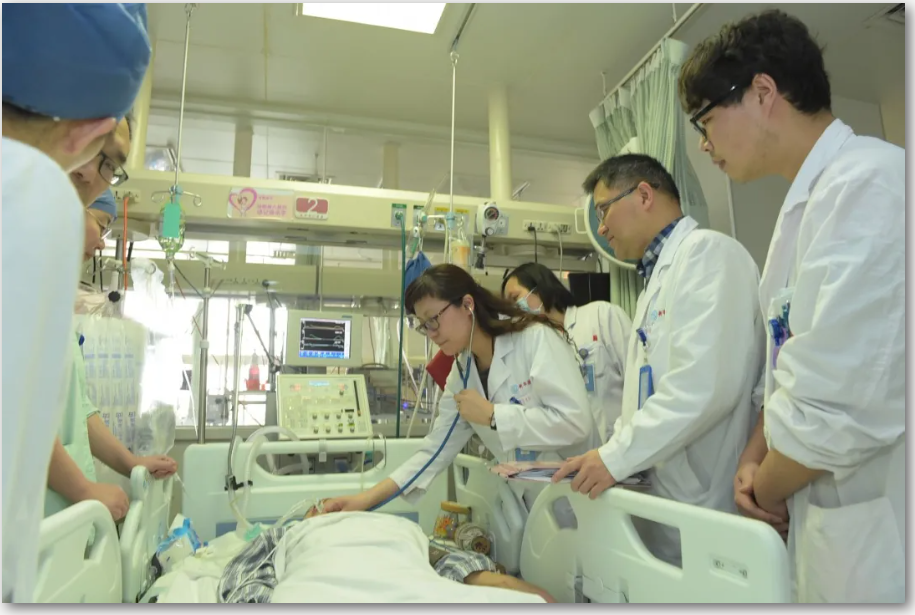
Dr. Fei Aihua | Emergency Medicine, and Striving to Win
Dr. Zhao Jinhua | Nuclear Medicine, and the Flowers Along the Road
Dr. Shi Yuling | Psoriasis, and Spring Mountains Beyond the Plain
Dr.Ying Chunmei | Laboratory Medicine, Renewed a Little Every Day
Copyright © 2023 Yewen Renyi & ShanghaiDoctor.cn (This website is a non - profit medical humanities platform. The information contained herein is solely for biographical and historical purposes and does not constitute any medical advice.) 沪ICP备2023005392号-2 XML 沪公网安备31010902100835号
 中文
中文 English
 Español
 沪公网安备31010902100835号