ShanghaiDoctor - Where China's Healing Wisdom Shapes Modern Medicine

Update time:2026-06-14Visits:4503
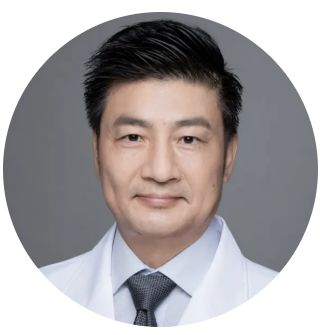
Profile
Chen Jianghan is Director of the Dermatology Department at Shanghai Fourth People’s Hospital (formerly Director of the Dermatology Department at Shanghai Changzheng Hospital), Chief Physician, Professor, and Doctoral Supervisor.
He specialises in the diagnosis and treatment of a wide range of complex and refractory skin diseases, with a clinical focus on vasculitis and rosacea. His main research directions and areas of expertise include viral warts such as flat warts and plantar warts, as well as infectious diseases including sexually transmitted infections and fungal diseases.
First Perspective
Fitzgerald once wrote: “The test of a first-rate intelligence is the ability to hold two opposed ideas in the mind at the same time, and still retain the ability to function.”
Undoubtedly, irrationality and rationality are two inherent facets of human thinking. For a doctor, they are not opposites but rather interchangeable. Rationality enables a physician to make sound judgments and take appropriate action at critical moments, while sensibility lends medicine colour and warmth.
Chen Jianghan once treated a senior colleague suffering from cryptococcal meningitis. Despite exhausting all available treatments, the patient unfortunately passed away. At that time, Chen Jianghan was deeply grieved, unable to calm down for a long time, and could not bring himself to eat. He repeatedly reviewed the case with his team, desperately searching for breakthroughs.
Experiencing such profound grief is also the beginning of a doctor’s journey toward improvement.
Through the efforts of several generations, the early rescue success rate for cryptococcal meningitis and pulmonary fungal diseases has reached nearly 100%, with the fewest side effects, and the standard of treatment has reached the forefront internationally.
Medical practice is not as absolutely precise or omnipotent as people often believe. In fact, medicine is full of unknowns and uncertainties—including both the unpredictability of disease and the unpredictability of human beings. People always place high expectations on doctors, but influenced by many factors, the medical process is destined to become more complex and difficult to control.
Finding certainty amidst uncertainty is a long-term pursuit—one that may span generations of lifelong exploration. Medical progress cannot be achieved without the dedication of doctors, patients, and the entire healthcare system. Chen Jianghan, who comes from a military background, confronts the challenges of uncertainty with boldness and optimism. “Diseases are highly complex. Sometimes surgery is needed, sometimes medication; sometimes multiple treatment approaches must work in tandem, and sometimes we require innovative breakthroughs that open new frontiers. We are searching for a lever that can solve all problems—using the smallest intervention to bring the greatest benefit to patients. This is my unwavering pursuit.”
Finally, Chen Jianghan said that what he is most grateful for is a special group of “comrades-in-arms”—his patients.
Indeed, when facing illness and death, the line between heaven and hell is often razor-thin. The efforts and progress of doctors are like a beacon in the darkness, while the trust and cooperation of patients and their families also give doctors the courage to improve.
1. A Small Newspaper
In 1981, Chen Jianghan was studying at a boarding school in his hometown. One day, as the college entrance exam approached, he went to class and returned to the dormitory to study as usual, repeating the tense, busy rhythm of life on the eve of the exam. That day seemed no different.
Then he looked up and suddenly caught sight of an old newspaper pasted on the grayish-yellow wall. The words “Shanghai Second Military Medical University” stood out prominently.
Recalling that moment, Chen Jianghan feels it was a “fateful” encounter. “Can you imagine? In the 1980s, dormitory walls were still plastered with entire old newspapers. Amid the black-and-white ink, the campus introduction of the Second Military Medical University was detailed and captivating. This small ‘tofu block’ seemed to hide another bright world, and I was instantly fascinated.”
It was as if two parallel lines had suddenly intersected, and two worlds came into contact.
In fact, becoming a military doctor had been his childhood dream. That year, Chen Jianghan also heard that someone from his father’s workplace had been admitted to the Second Military Medical University. The entire factory was stirred, and they specially invited him to tell the story of how he got in. From then on, Chen Jianghan thought, Shanghai Second Military Medical University was a very good school.
In 1982, Chen Jianghan got his wish and was successfully admitted to the Clinical Medicine Department of Shanghai Second Military Medical University, officially embarking on the path to becoming a military doctor. After graduation, he stayed on at Shanghai Changzheng Hospital, where he remained for decades.
From resident doctor to attending physician, from associate professor to full professor—eight years as deputy director and ten years as director—Chen Jianghan is deeply attached to Changzheng Hospital. “It was Changzheng Hospital that nurtured me, making me a self-disciplined, motivated, brave, and responsible doctor, imprinting the military spirit completely into my bones.”
The so-called military spirit is largely similar among doctors trained at the Second Military Medical University: “an enterprising spirit, a sense of responsibility, and a spirit of challenge.”
Currently, Chen Jianghan is also facing new challenges.
In 2020, after decades at Changzheng Hospital, Chen Jianghan moved to Shanghai Fourth People’s Hospital to serve as Director of the Dermatology Department. “This is a very different experience,” he said. “The biggest challenge is the collision of two cultures: military hospitals and local hospitals. How to build the distinctive identity of the dermatology department at the Fourth People’s Hospital and start a ‘business’ from scratch—these are the issues I need to confront.”
He has many ideas waiting to be realised. The river is wide, the sea vast—just waiting for the dragon to soar.
2. Conquering the Cryptococcus Challenge
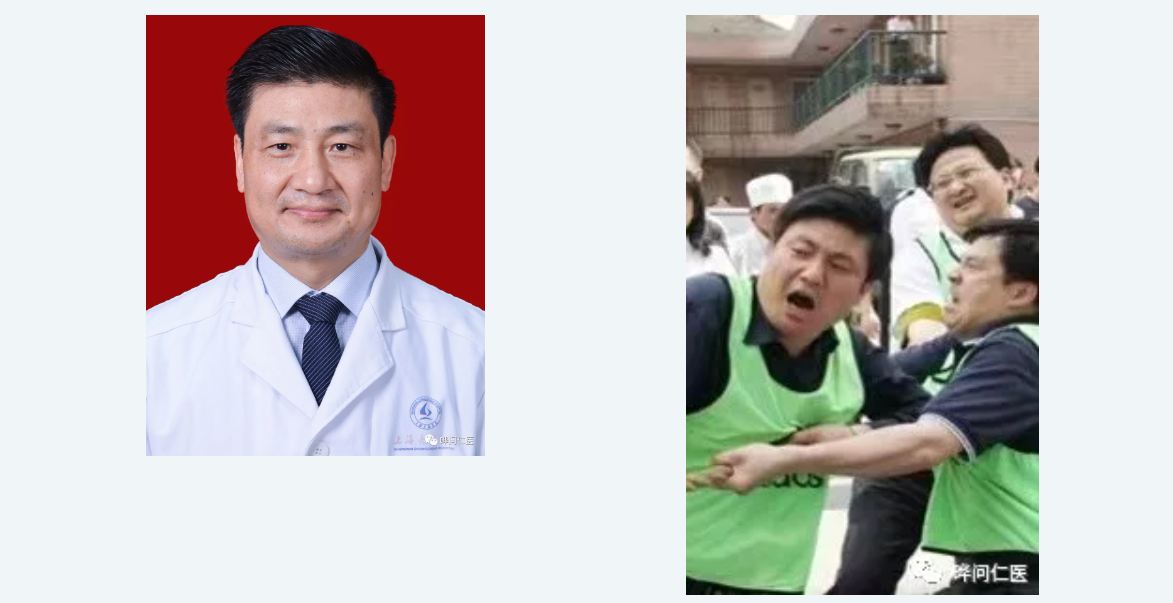
The treatment of cryptococcal disease is what Chen Jianghan is most proud of.
Unlike common bacterial infections, cryptococcal infection can easily lead to cryptococcal pneumonia and meningitis—critical, urgent conditions with a very high mortality rate. “Life-threatening,” he says. During his graduate studies, Chen Jianghan realised that cryptococcal disease was extremely dangerous yet had poor treatment options. Determined to do his best to conquer it, he set his research direction on cryptococcus.
In the late 1980s and early 1990s, the treatment of cryptococcal disease was still in its infancy: it could save lives, but at great cost. Amphotericin B was commonly used in clinical practice, with good efficacy but severe side effects. After a course of treatment lasting more than three months, nearly all patients developed hypokalemia, faced the risk of cardiac arrest at any moment, and suffered severe liver and kidney damage. As a result, many doctors were reluctant to use the drug.
But Chen Jianghan was different. When the storm came, he chose to face it head-on.
“At that time, there were only five young doctors in our department, juggling both outpatient and inpatient duties. Sometimes patients had frequent headaches and needed to be checked every few minutes, so we simply set up a reclining chair and lay down next to the patient. Whenever the patient called, we would check on them, staying up all night. The next morning, without rest, we continued to run the outpatient clinic. We were young then, and we worked like this for two or three years, mastering the use of this drug and successfully rescuing many patients.”
But what he regretted most were the lives that could not be saved.
What left the deepest impression on Chen Jianghan was the former director of a hospital—also a graduate of the Second Military Medical University and their senior—who “suffered from cryptococcal meningitis and was in critical condition. We tried our best but still failed to save him. This incident greatly impacted us.” After that day, Chen Jianghan felt deeply saddened. He thought: Is there no other way to treat cryptococcus? How can the efficacy be improved? He silently made up his mind to conquer the cryptococcus challenge.
In 2000, a new drug capable of crossing the blood-brain barrier emerged, becoming a powerful tool for treating cryptococcal intracranial infections. After determining the appropriate dosage and course of treatment, Chen Jianghan began administering the drug to patients. Those who had been admitted in a coma could get out of bed and walk after just two or three days of treatment; within a week, they were even able to stroll along Nanjing Road. The doctors themselves found it astonishing.
Through the efforts of several generations, the early rescue success rate for cryptococcal meningitis and pulmonary fungal diseases achieved by Chen Jianghan and his team now approaches 100%, with minimal side effects and a treatment standard that ranks among the best internationally. Compared to when he first became a doctor, the difference feels like night and day.
“I have witnessed nearly every stage of the development of treatment for cryptococcal disease. When I first started practicing, information was scarce, medical tools were limited, and there was little we could do for many patients. Now, what I feel more often is the joy and sense of accomplishment that comes from curing patients.”
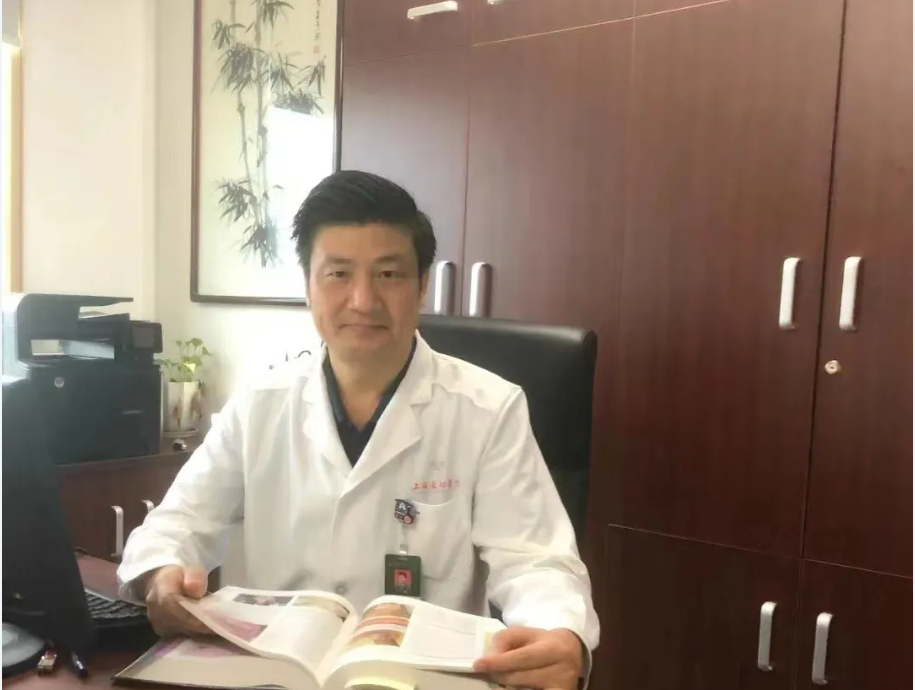
3. Ambition, Responsibility, Empathy
In Chen Jianghan’s view, the relationship between doctor and patient is one of comrades-in-arms.
“Doctors and patients actually share the same goal, just from different perspectives. Patients may focus more on their individual cases, while doctors approach from a broader, group perspective, hoping to conquer the disease.”
In the process of treating illnesses, the trust of his patients serves as his guiding light.
In the 1990s, Chen Jianghan noticed that many young girls were suffering from stubborn rosacea, with the affected area right in the center of the face. The patients were in great distress, and some even developed psychological issues. “It pained me to see this,” he said.
Rosacea, also known as acne rosacea, is a chronic inflammatory skin disease characterized by erythema and telangiectasia primarily occurring in the central face. On the basis of seborrhea, harmful factors such as the parasitic reproduction of mites cause chronic dilation of capillaries in the affected area, leading to the development of a “strawberry nose.” Chen Jianghan consulted a vast amount of literature but found no effective treatments, so he decided to explore a different approach.
In that era, the internet was not yet well-developed. Chen Jianghan spent a great deal of effort searching for information, gaining an in-depth understanding of the pathogenesis of rosacea and existing treatment methods. Eventually, he conceived the idea of combining a salicylic acid-containing drug with metronidazole: salicylic acid softens keratin, reduces inflammation, and kills bacteria, while metronidazole targets each pathogenic link of rosacea one by one. “Bold in hypothesis, cautious in verification.” What was touching was that many patients were willing to cooperate with Chen Jianghan in trying and exploring the new drug, accepting the uncertainties ahead. Practice proved that after using this preparation, the patients’ conditions improved significantly. This self-made formulation finally solved the rosacea problem that had troubled so many patients.
Sometimes, progress also comes about by chance.
Take, for instance, the treatment of flat warts. Chen Jianghan never actively promoted this niche, yet patients’ spontaneous and heartfelt recommendations built a formidable reputation for him online. Flat warts appear superficially on the skin, and conventional oral medications cannot reach the lesion through the body’s immune system. So he wondered: might topical antiviral drugs be more effective? Exploring this possibility, Chen Jianghan experimented with intralesional injection therapy, delivering the medication directly to the affected area. After years of trial and refinement, he established a standardized treatment protocol for flat warts, achieving a 95% cure rate with remarkably few recurrences. Many patients whom major tertiary hospitals had deemed hopeless sought him out specifically.
“This was also a stroke of luck,” Chen Jianghan said with a smile. He was not originally a specialist in flat warts, but because he had cured so many patients with the condition, many mistakenly believed that was his primary expertise. After consultations, some patients would even ask, “Dr. Chen, besides flat warts, can you treat other skin diseases here?” This speaks volumes about the depth of his reputation in the field.
“Patients’ trust drives me to understand other diseases more deeply, to explore further, and to broaden my research direction. As a doctor, one must have a grateful heart. I am grateful to the entire patient population; without them, no doctor could become an expert in their field.”
At Changzheng Hospital, Chen Jianghan often told his students, “You cannot let any patient go. Have you truly thought about every case that couldn’t be saved? Have you pondered it? Perhaps if this patient couldn’t be saved, could the next one have a chance?” Such sincere words stem not only from a sense of responsibility and duty but also from his profound empathy for patients.
“Shanghai is a place where doctors need a sense of responsibility and ambition. Many patients have visited various major hospitals, and when they find you, you are already their last hope. They are willing to cooperate with you to try every method—this is an opportunity that doctors elsewhere do not have. If I fail to seize such an opportunity, to treat them well and keep improving, it might become a lifelong regret.”
Among the many positive reviews of Chen Jianghan online, one patient’s consultation comment left a deep impression.
“I sought medical help everywhere for my child’s facial condition. Helpless, I could only kneel and pray to Buddha. It truly was Buddha helping me—you prescribed only a hundred yuan worth of medication and completely cured the disease. To this day, I often recall your smiling expression at the time, and that gentle, trustworthy gaze.”
Perhaps sometimes, a doctor treats the heart before treating the disease.
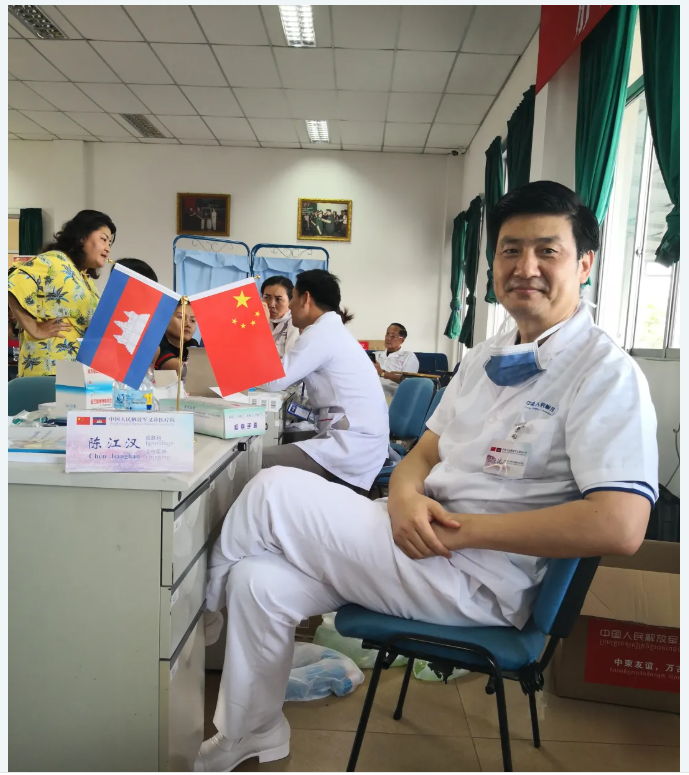

ShanghaiDoctor:
You use a self-made preparation to treat rosacea with a high cure rate. Could you briefly introduce relevant information about rosacea and the mechanism of this treatment? What inspired you at the time? From the beginning to success, you inevitably encountered difficulties—how did you overcome them?
Chen Jianghan
Rosacea, also referred to as acne rosacea, is a chronic inflammatory skin condition marked by erythema and telangiectasia, primarily affecting the central area of the face. Against a background of seborrhea, factors such as the proliferation of mites contribute to chronic dilation of capillaries in the affected region, leading to the development of what is commonly known as "strawberry nose." This condition is not merely a dermatological issue; it also imposes significant psychological distress on many young women. After consulting extensive literature and finding no effective treatment, I began to wonder whether a different approach might be possible. At that time, in the 1990s, the internet was still in its infancy. I devoted considerable effort to sourcing materials, gaining a deep understanding of the pathogenesis of rosacea and the existing treatment modalities. I then combined medications containing salicylic acid with metronidazole. Salicylic acid itself softens keratin, reduces inflammation, and kills bacteria. Adding metronidazole allowed us to target each pathogenic link in rosacea systematically. "Bold hypothesis, careful verification"—the theoretical promise still required clinical validation. After many patients used this formulation, their conditions improved markedly, confirming the treatment’s efficacy. However, determining the appropriate dosage and course of treatment required a long period of exploration. It was a difficult and protracted process, demanding the ability to endure solitude, and, more importantly, a deep sense of gratitude toward the patients. They were willing to cooperate with me in trials and exploration, bearing the uncertainty of the outcome. Our successes were built entirely on the trust of those patients. Their efforts enabled subsequent patients to avoid many unnecessary setbacks. Sometimes, new patients express great gratitude to me, and I tell them that they should be even more grateful to the patients who came before.
ShanghaiDoctor:
Generally speaking, flat warts are a viral infectious skin disease that is contagious. Simply using medication can only provide temporary relief; it cannot address the root cause and is prone to recurrence. But you are quite skilled in diagnosis and treatment. What advanced methods are available? What is the recurrence rate after treatment? What benefits do patients experience?
Chen Jianghan
Regarding the treatment of flat warts, I have never actively promoted it. All the evaluations and word-of-mouth online are spontaneous and sincere recommendations from patients. This was also a stroke of luck. My specialty was not originally flat warts, but because I have successfully treated many patients with flat warts and built a good reputation, many people now consider me an expert in this area. After consultations, some patients even ask, "Dr. Chen, besides flat warts, can other skin diseases be treated here?" (Laughs) The trust of patients compelled me to deepen my understanding of flat warts, to explore further, and to broaden my research direction. I discovered that flat warts occur superficially, and traditional oral medications may not be effectively reached by the body’s immune system. So I thought, would topical antiviral drugs be more effective? Through exploration, I tried intralesional injection therapy to deliver the drug directly to the affected area. After many years of experimentation, a standardized treatment model for flat warts was finally established, achieving a treatment efficacy of 95% with very few recurrences.
ShanghaiDoctor:
Additionally, I understand that the Fourth Hospital now has a new laser treatment technology for onychomycosis. Could you tell us about it?
Chen Jianghan
Onychomycosis is primarily caused by a fungal infection that invades the nail plate or the tissue beneath it. The challenge in treatment lies in the limited efficacy of topical medications. The nail is composed of approximately 80% keratin, making it hard and thick. Combined with the barrier provided by natural oils, topical drugs struggle to penetrate. As a result, oral medication is recommended both domestically and internationally. However, for patients who cannot take oral medication or for whom it offers extremely low cost-effectiveness, the only options in the past were the highly painful nail avulsion method or the urea occlusion technique, which corrodes the nail. The treatment process was uncomfortable, and outcomes were poor. Today, with the advent of new laser technology, we use lasers to create micro-holes in the nail, allowing medication to be applied and penetrate more effectively, thereby improving efficacy and shortening treatment duration.
ShanghaiDoctor:
What is your view on the doctor-patient relationship? Patient reputation is also a standard we reference at [ShanghaiDoctor:]. On various online platforms, patients have given you high praise. Are there any touching doctor-patient stories you can share with us?
Chen Jianghan
Doctors and patients actually share the same goal, just from different perspectives. Perhaps patients focus more on the individual, while doctors approach from a population-level perspective, hoping to conquer the disease. Sometimes, conflicts between doctors and patients arise from these differing viewpoints. I believe there is no inherent conflict between doctors and patients; the problem lies in communication skills. As a doctor, one must have a grateful heart. I am grateful to the entire patient population—without them, no doctor could become an expert in their field. Communication must be honest: explain the treatment methods and risks from a medical perspective to the patient, allowing them to consider their own situation comprehensively and make the final decision. We must acknowledge that the ideas patients propose always have an underlying logic and motivation. By understanding the needs behind patients’ emotions and approaching them with empathy, all conflicts can be resolved. During a free clinic yesterday, a patient really enjoyed chatting with me and even asked if he could regularly make an appointment at a Shanghai hospital—not for treatment, but just to talk with me. (Laughs)
ShanghaiDoctor:
As a department director, team management, talent cultivation, and discipline development are also among your management priorities. What specific challenges do you face?
Chen Jianghan
Coming to the Fourth People’s Hospital has been a very different experience. How to build the distinctive features of the dermatology department at the Fourth Hospital, starting from scratch—this is the issue I need to address. At the Fourth Hospital, I hope to continue deepening my work in infectious skin diseases such as flat warts, and also aim to explore areas like vasculitis, photodermatoses, and nail diseases. I want people to think of the Fourth Hospital as excelling in infectious diseases and photodermatoses. This is also how we create differentiated characteristics compared to tertiary hospitals.
ShanghaiDoctor:
What hobbies do you have outside of work?
Chen Jianghan
I really enjoy peace and quiet. I like swimming and reading, especially books on history, humanities, and philosophy—these are what relax me the most.
Editor: ChenQing@ShanghaiDoctor.cn
If you need any help from Dr. Chen, please contact us at ChenQing@ShanghaiDoctor.cn.
Dr. Wang Qunshan | Cardiac Electrophysiology, and Meeting the Rising Wind
Dr. Ren Yunyun | Obstetric Ultrasound, and the Work No One Sees
Dr. Qian Yiming | Emergency Medicine, and Neither Joy nor Fear on the Great Tide
Dr. Wang Xudong | Craniomaxillofacial Surgery, and Years Written into Chapters
Wang Xiaoning | Operating Room Nursing, and a Grace Like the Orchid
Dr. Li Guichao | Radiation Oncology, and a Peach Blossom Spring in the Heart
Dr. Lu Yanan | Pediatric Heart Surgery, and Feeling Another’s Pain as One’s Own
Dr. Chen Sun | Newborn Heart Intervention, and Staying Young Enough to Be Moved
Dr. Wu Yurong | Fetal Echocardiography, and Kindness as Part of the Job
Dr. Wang Qunshan | Cardiac Electrophysiology, and Meeting the Rising Wind
Dr. Ren Yunyun | Obstetric Ultrasound, and the Work No One Sees
Dr. Qian Yiming | Emergency Medicine, and Neither Joy nor Fear on the Great Tide
Dr. Wang Xudong | Craniomaxillofacial Surgery, and Years Written into Chapters
Wang Xiaoning | Operating Room Nursing, and a Grace Like the Orchid
Dr. Li Guichao | Radiation Oncology, and a Peach Blossom Spring in the Heart
Dr. Lu Yanan | Pediatric Heart Surgery, and Feeling Another’s Pain as One’s Own
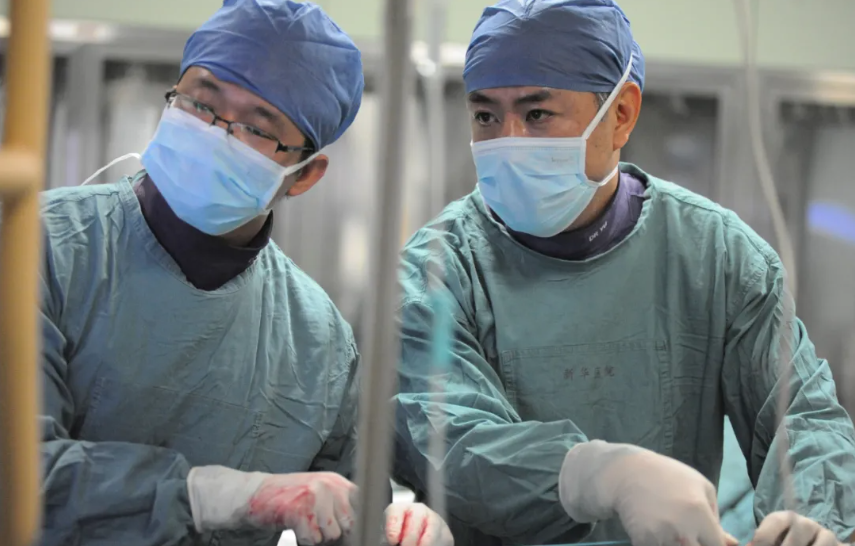
Dr. Chen Sun | Newborn Heart Intervention, and Staying Young Enough to Be Moved
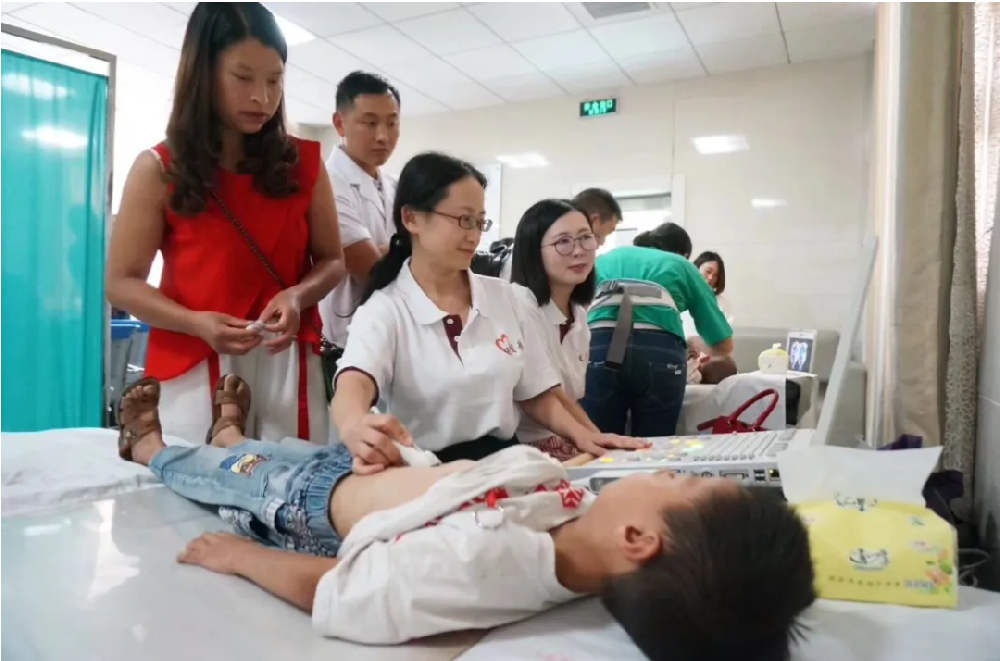
Dr. Wu Yurong | Fetal Echocardiography, and Kindness as Part of the Job
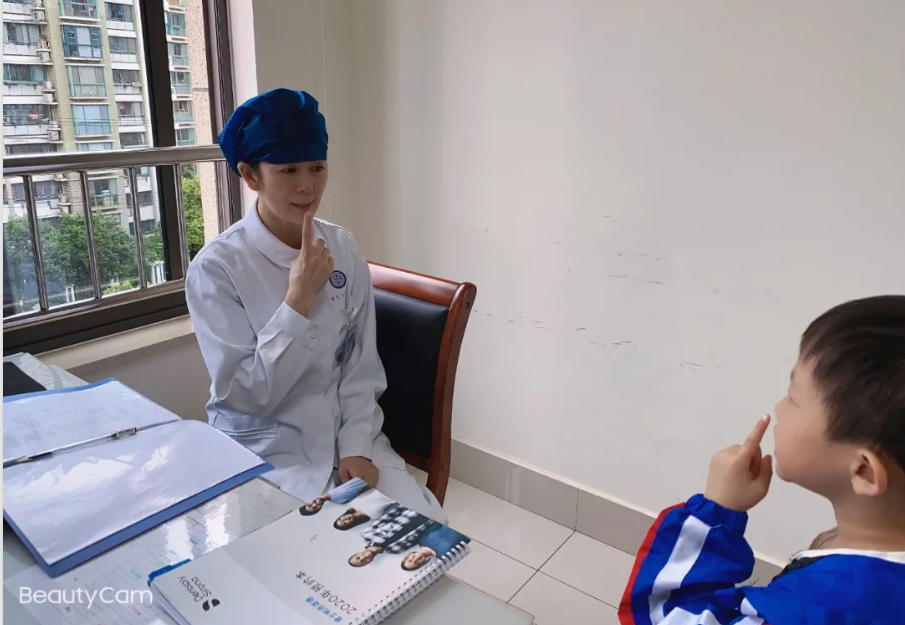
Jiang Liping | Speech Therapy, and the Lamp She Carries
Copyright © 2023 Yewen Renyi & ShanghaiDoctor.cn (This website is a non - profit medical humanities platform. The information contained herein is solely for biographical and historical purposes and does not constitute any medical advice.) 沪ICP备2023005392号-2 XML 沪公网安备31010902100835号
 中文
中文 English
 Español
 沪公网安备31010902100835号