ShanghaiDoctor - Where China's Healing Wisdom Shapes Modern Medicine

Update time:2026-07-26Visits:3064
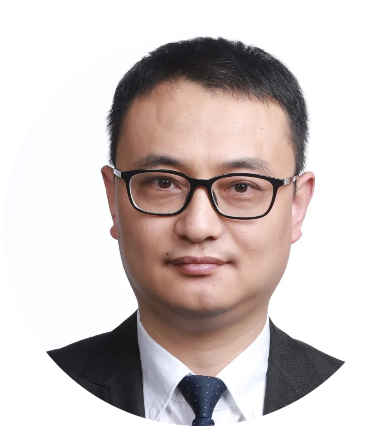
“The tenacity of life is unpredictable.”
— Zhang Xiaowei
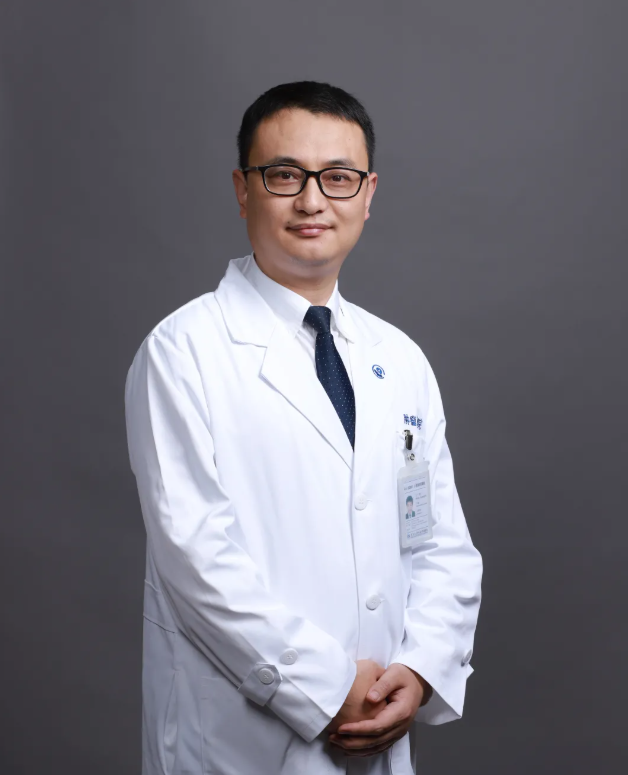
Zhang Xiaowei, M.D., is a Deputy Chief Physician and Group Leader in the Department of Medical Oncology at Fudan University Shanghai Cancer Center. He specializes in the comprehensive treatment of rare and difficult solid tumors, including soft-tissue sarcoma, melanoma, cancer of unknown primary, multiple primary cancers, gastrointestinal tumors, and skin tumors.
He has led two projects funded by the National Natural Science Foundation of China and participated in eleven national-level major projects. His work has earned recognition including the Second Prize of the Science and Technology Progress Award of the Ministry of Education, the Third Prize of the Shanghai Medical Science and Technology Award, and the Third Prize of the Science and Technology Progress Award of the China Anti-Cancer Association.
Dr. Zhang serves on multiple professional committees, among them the Expert Committee on Cancer Nutrition Therapy of the Chinese Society of Clinical Oncology and several specialty groups of the Shanghai Anti-Cancer Association. He has taken part in more than twenty multicenter clinical trials. His current research focuses on the mechanisms of tumor recurrence, metastasis, and drug resistance.
Years later, Zhang still recalls a formative moment from childhood. When he was seven or eight, his mother fell gravely ill. He remembers the pale hospital walls, the chill air, the hushed conversations, and the eyes that mixed concern with pity. Several times she was declared critically ill; several times the doctors brought her back. It was then that the nobility of medicine first left a deep impression on him.
“When I filled out my university application form, every single choice was medicine,” he says with a smile.
That decision ran counter to his father’s hopes. The family had worked in construction for generations. But the white coat—symbol of survival and light—was what the young Zhang longed for.
His medical-school years were busy and fulfilling. Neurology captivated him early. The first time he encountered the term “ophthalmoplegia”—a condition in which nerve damage leaves almost the entire body immobile except for the eyes—he became completely absorbed and spent two years immersing himself in neuroanatomy.
In 2005, during his first clinical rotation in the oncology department, Zhang witnessed the death of a young man with lung cancer.
“What left a very deep impression was that when he was on his deathbed, the whole family was crying, but his three-year-old daughter was laughing. The contrast struck me deeply.” That moment marked the beginning of his lasting connection with tumors.
After receiving his bachelor’s degree in 2006, he began graduate research. He still vividly remembers his first gene-transfection experiment that resulted in the complete death of tumor cells. He was so excited he could not sleep. As his understanding deepened, however, he came to appreciate just how long and arduous the road would be. During his doctoral years he pursued tumor stem-cell research under the guidance of Professor Li Jin, who emphasized broad vision—an influence that has stayed with him.
After joining Fudan University Shanghai Cancer Center, Zhang invested years collecting detailed medical records and building clinical experience in major gastrointestinal tumors. The work was demanding.
His original motivation had come from his mother’s illness in childhood. In December 2014 his mother died suddenly from an acute illness that progressed over less than two months. During the fifty days she spent in hospital in Shanghai, every scene remained etched in his mind.
“My mother’s death is the greatest regret of my life,” he says quietly. Placing himself in the position of patients and families, he felt an even stronger obligation to continue working with purpose.
In 2018 he took part in a medical support assignment in Yunnan Province under a national outreach program. The time away gave him space for deep reflection. When he returned he concluded that his specialty needed to shift. After more than a decade of work in common gastrointestinal cancers, he spent four full months weighing the choice before deciding to leave the familiar path and begin again with rarer tumor types.
“This is a huge challenge, but also a new opportunity.”
Rare tumors—including melanoma, bone and soft-tissue sarcomas, cancers of unknown primary, and multiple primary malignancies—affect smaller patient populations. Clinical research is harder to conduct, specialized experience is limited, and standardized pathways have long been underdeveloped.
“This field is largely a blank space. When there is no road to follow, you have to feel your way forward—and that becomes the road,” Zhang says.
Melanoma in Chinese patients is dominated by subtypes—acral, mucosal, and others—that differ in important ways from the cutaneous melanoma more commonly studied in Western populations. Cancers of unknown primary present an especially intricate diagnostic puzzle, often requiring meticulous, case-by-case detective work.
To become a good clinician, solid professional knowledge and technical skill are indispensable. Beyond that, a physician needs a cultivated clinical intuition—a professional sensitivity forged only through years of steady work at the bedside.
When asked how a clinician develops that keen sense of intuition, Zhang answered without hesitation:
“In two words: accumulated experience. Clinical intuition is a form of professional vigilance—something nurtured gradually through daily work assessing a wide range of patients, revisiting theoretical foundations, and synthesizing lessons from both successful and unsuccessful cases. It demands not only solid grounding in basic medical knowledge but also a genuine curiosity for clinical exploration. As doctors who treat living patients, if we become lax in diagnosis, clinging to outdated ideas and refusing to evolve, we risk causing patients to miss valuable opportunities. That is why a doctor must always maintain a sense of reverence. Just do practical things, focus on hard work, and time itself will deepen one’s judgment. Another crucial element is tracking outcomes. Faced with science, we must sometimes learn to doubt. We respect authority but must never be superstitious; medical progress is limitless. Experience matters, yet given the rapid advances in oncology and the constant emergence of new therapies, we need to invest more energy in continuous learning and reflection—not mechanical copying, not blind imitation, but seeking progress while remaining grounded. Only then can we handle urgent, complex, and critical patients with composure and make sound decisions swiftly when the moment demands it.”
He often returns to a classic formulation of medicine’s purpose: “Sometimes to cure, often to help, always to comfort.” Even in the grip of serious illness, he believes, a person can still “dance in shackles.” Through the joint efforts of doctors and patients, miracles of life may still appear.
Looking back across the arc of his career—from a childhood memory of doctors saving his mother, through the first harrowing encounters with cancer, the long years of training, the personal loss of his mother, and the deliberate decision to step into a harder specialty—Zhang returns again and again to a simple principle: do practical work, and never lose sight of why you began.
In an era of rapid therapeutic innovation, that steady, patient-centered focus remains both his method and his measure of success.
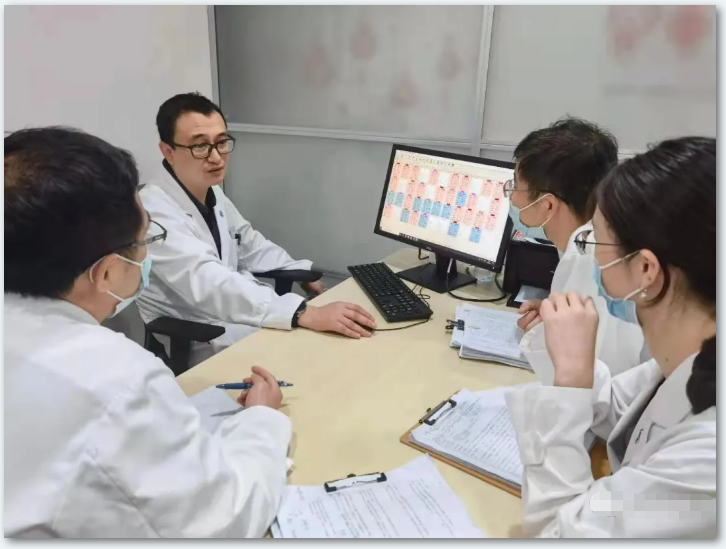

ShanghaiDoctor: Although people still often speak of cancer with fear, medical progress has brought many cancers into an era of comprehensive treatment. For patients with advanced disease or postoperative recurrence and metastasis—cases that once had few options—multiple chemotherapy regimens can now be combined with targeted agents and immunotherapy. Could you share some of your clinical experience in this area?
Zhang Xiaowei: When targeted drugs first appeared, I found them almost magical. The first time I saw capecitabine, I studied the package insert over and over. I still remember a patient with lung cancer that had metastasized to the brain. Treated with targeted therapy, he is still alive eleven years later.
Sometimes tumor treatment requires subtraction rather than addition. For certain patients whose disease shows slow, indolent biological behavior, I choose not to treat and simply follow them. I began that approach very cautiously. With accumulated experience I have come to realize that for some tumor types the most appropriate therapy is no active treatment at all. We carefully identify the slowly progressing cases and arrange long-term follow-up together with the patient’s local hospital.
At the opposite extreme are the rapidly progressive tumors that standard regimens cannot control—what I call the “cliff theory.” When the tumor burden is so large and organ involvement so severe that the patient’s physiological reserves are already at the edge of a cliff, there is no room for rigid principles. You throw every potentially effective measure at the problem in one decisive effort, hoping to pull the patient back. First stabilize the immediate life-threatening situation; only then consider subsequent therapy.
ShanghaiDoctor: What place does precision medicine currently occupy in medical oncology?
Zhang Xiaowei: Truly individualized care is extremely difficult. Helping a patient achieve both high quality of life and long-term survival through tailored chemotherapy remains one of the hardest tasks. Yet precision medicine is highly effective. We start with single agents, move to combinations, and then add targeted therapy. I have seen a patient survive seven and a half years under such a carefully sequenced approach.
Yewen Renyi: How is artificial intelligence being applied in cancer care?
Zhang Xiaowei: There are two main areas of progress. First, breakthroughs in molecular imaging. Second, the widespread use of AI-assisted pathological diagnosis. AI can capture many parameters that the human eye easily misses, compare them with the patient’s own normal tissue features, and generate a composite score that supports diagnosis. These quantitative values may eventually replace some immunohistochemistry markers and even certain genetic tests, reducing cost and turnaround time. The practical value is already substantial. The main limitation is that large amounts of high-quality specimen data are still required, so major breakthroughs will take time.
Yewen Renyi: Beyond clinical work, you have also achieved notable results in research. How do you view your earlier scientific work and what have you learned from it?
Zhang Xiaowei: During my graduate years I did a good deal of basic research, especially on tumor stem cells. Those studies taught me a great deal about the biological complexity of cancer. They also made me realize that the distance between laboratory findings and clinical application can be long. In the clinic we should learn to “respect” the tumor rather than simply try to kill it with brute force.
Today my priority is to start from the actual needs of patients with rare and difficult tumors—soft-tissue sarcomas, melanoma, and other uncommon malignancies—and to explore optimized treatment strategies. The experience I accumulated earlier in these areas has been valuable. I am currently leading three clinical studies whose ideas grew directly out of problems I encountered at the bedside. I hope the results will soon be validated and will make a modest contribution to the care of patients with rare and complex cancers.
Editor: ChenQing@ShanghaiDoctor.cn
If you have any questions, please be free to email us at Chenqing@ShanghaiDoctor.cn.
Dr. Wang Qunshan | Cardiac Electrophysiology, and Meeting the Rising Wind
Dr. Ren Yunyun | Obstetric Ultrasound, and the Work No One Sees
Dr. Qian Yiming | Emergency Medicine, and Neither Joy nor Fear on the Great Tide
Dr. Wang Xudong | Craniomaxillofacial Surgery, and Years Written into Chapters
Wang Xiaoning | Operating Room Nursing, and a Grace Like the Orchid
Dr. Li Guichao | Radiation Oncology, and a Peach Blossom Spring in the Heart
Dr. Lu Yanan | Pediatric Heart Surgery, and Feeling Another’s Pain as One’s Own
Dr. Chen Sun | Newborn Heart Intervention, and Staying Young Enough to Be Moved
Dr. Wu Yurong | Fetal Echocardiography, and Kindness as Part of the Job
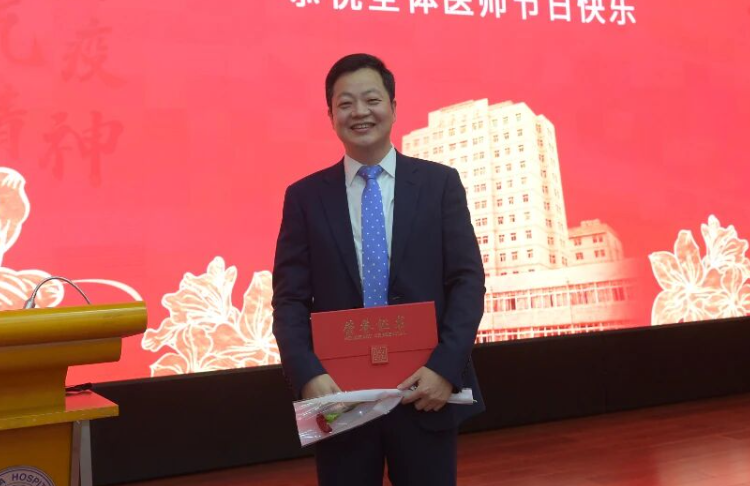
Dr. Wang Qunshan | Cardiac Electrophysiology, and Meeting the Rising Wind
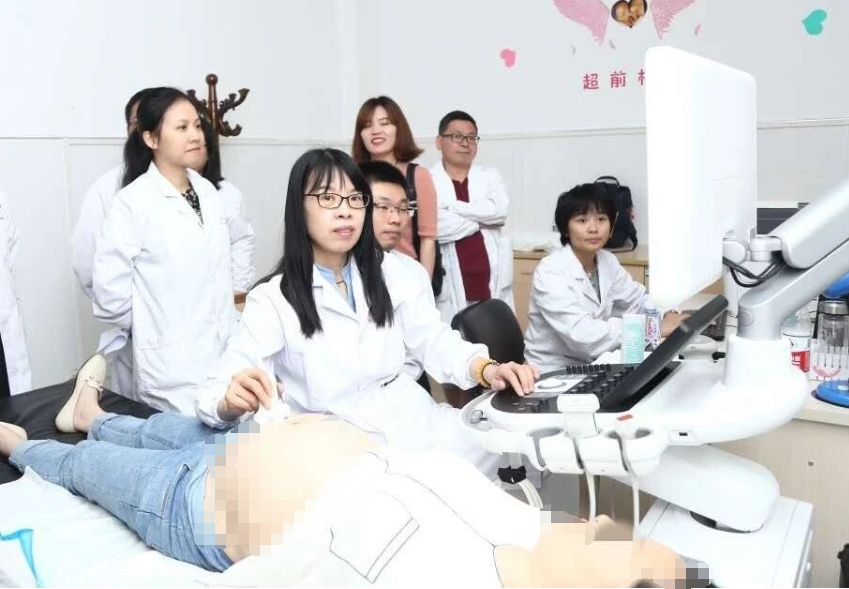
Dr. Ren Yunyun | Obstetric Ultrasound, and the Work No One Sees
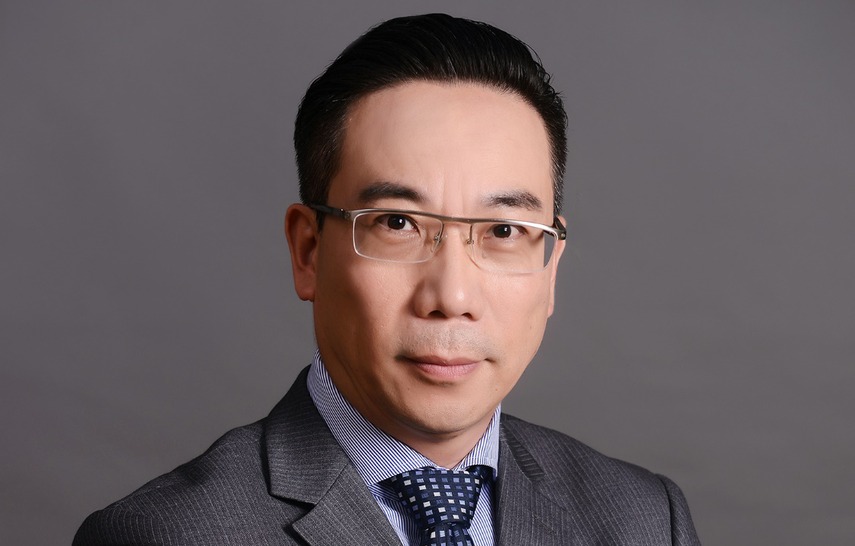
Dr. Qian Yiming | Emergency Medicine, and Neither Joy nor Fear on the Great Tide
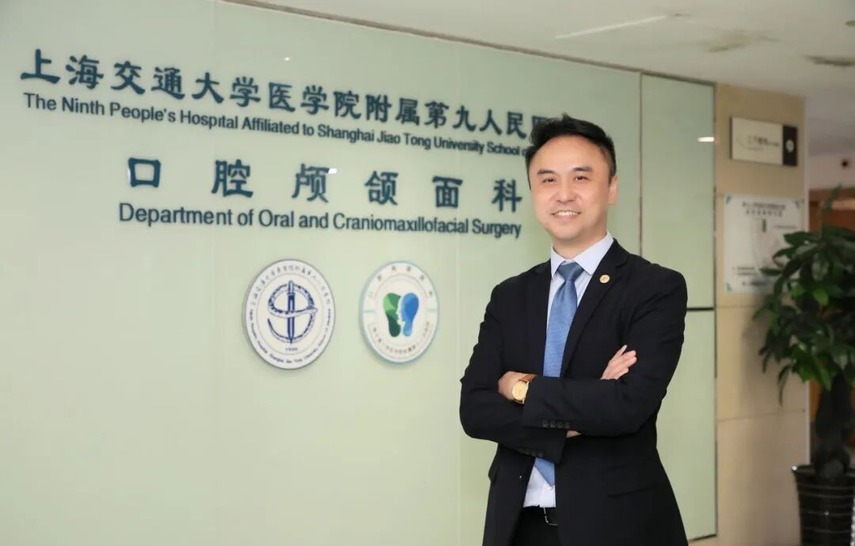
Dr. Wang Xudong | Craniomaxillofacial Surgery, and Years Written into Chapters
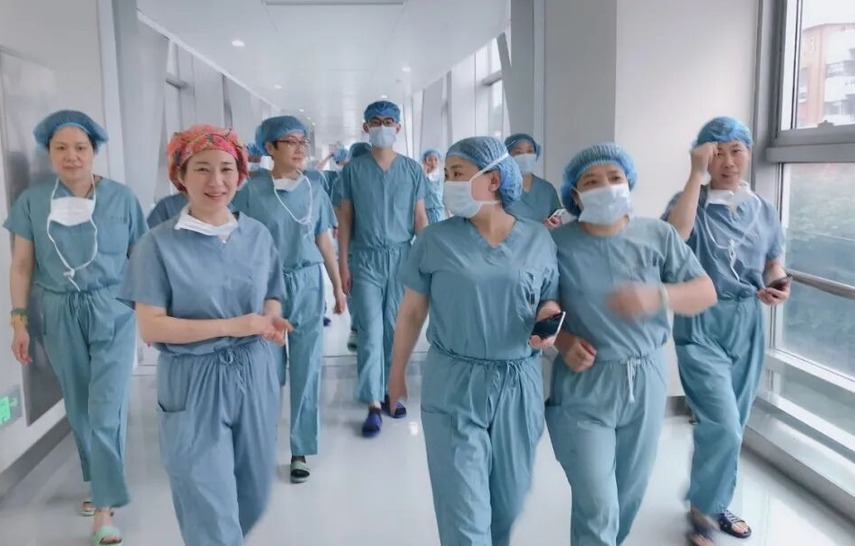
Wang Xiaoning | Operating Room Nursing, and a Grace Like the Orchid
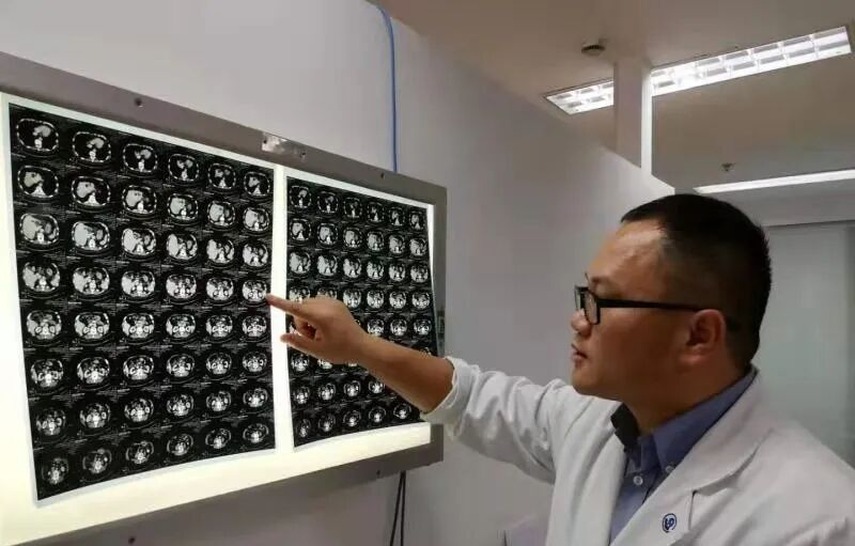
Dr. Li Guichao | Radiation Oncology, and a Peach Blossom Spring in the Heart
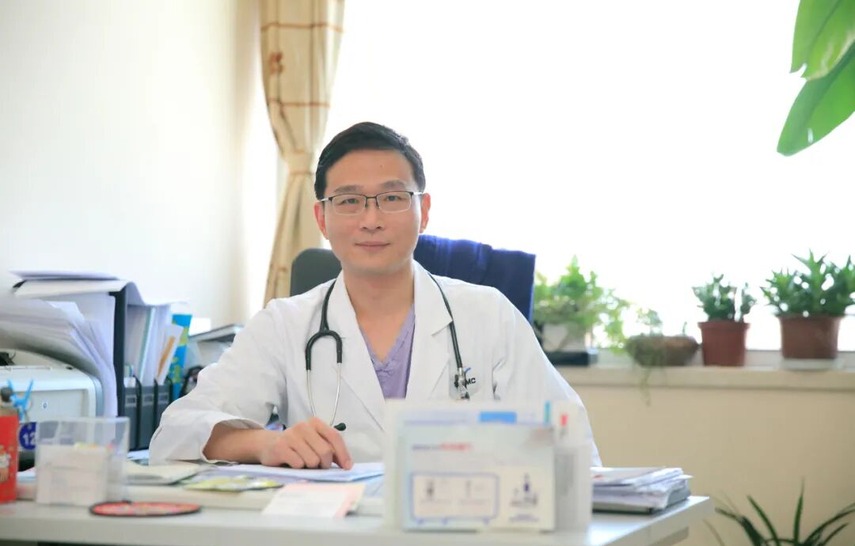
Dr. Lu Yanan | Pediatric Heart Surgery, and Feeling Another’s Pain as One’s Own
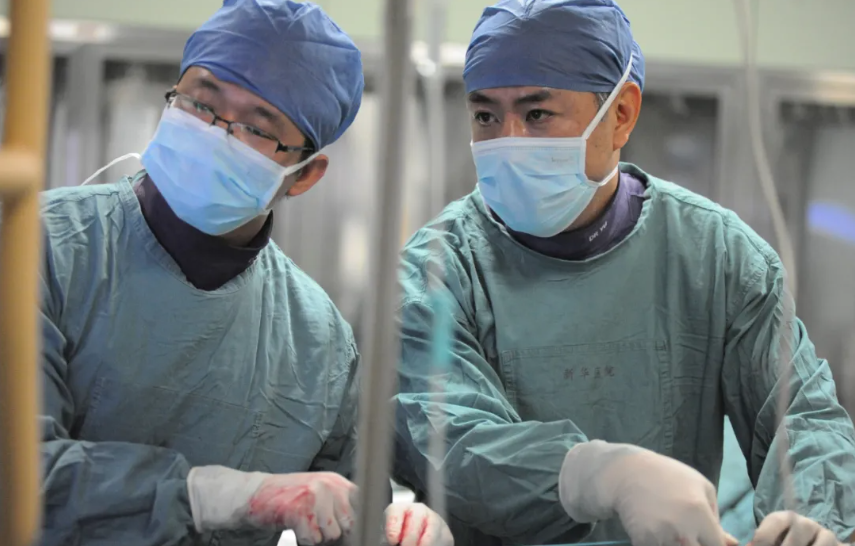
Dr. Chen Sun | Newborn Heart Intervention, and Staying Young Enough to Be Moved
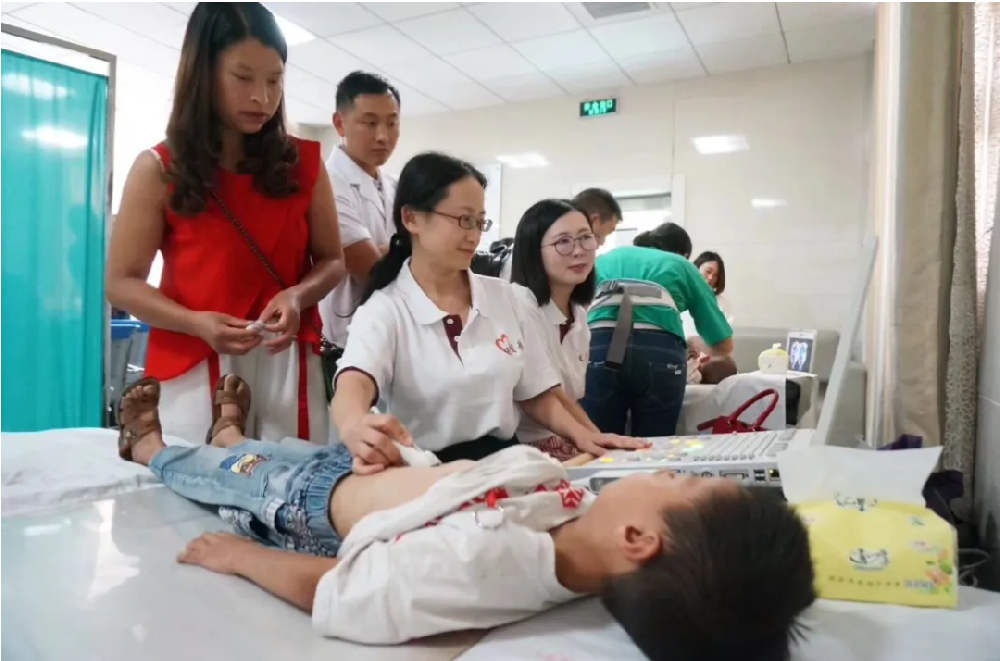
Dr. Wu Yurong | Fetal Echocardiography, and Kindness as Part of the Job
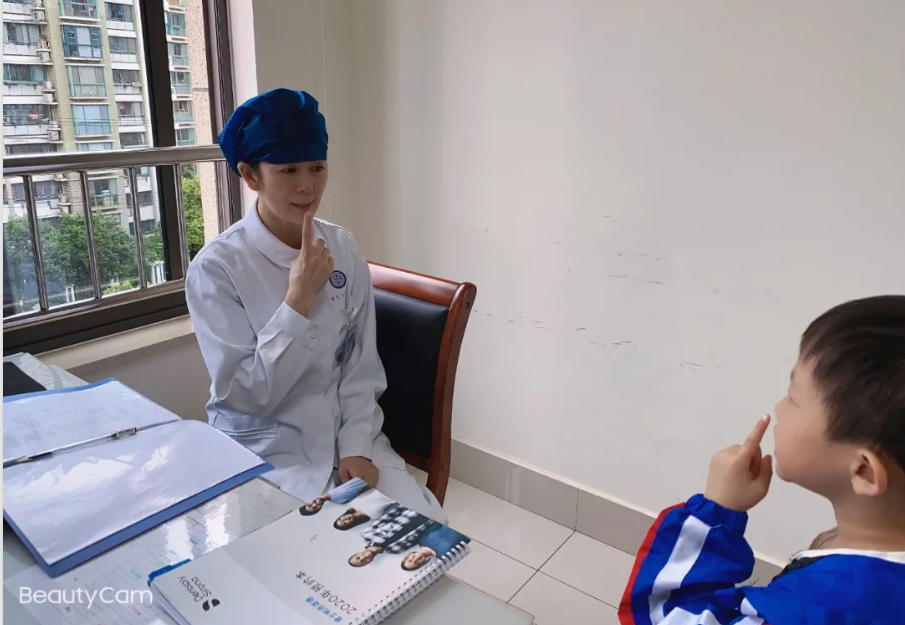
Jiang Liping | Speech Therapy, and the Lamp She Carries
Copyright © 2023 Yewen Renyi & ShanghaiDoctor.cn (This website is a non - profit medical humanities platform. The information contained herein is solely for biographical and historical purposes and does not constitute any medical advice.) 沪ICP备2023005392号-2 XML 沪公网安备31010902100835号
 中文
中文 English
 Español
 沪公网安备31010902100835号