ShanghaiDoctor - Where China's Healing Wisdom Shapes Modern Medicine

Update time:2026-08-09Visits:3852
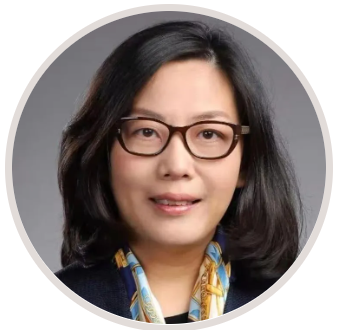
Director & Chief Physician Department of Dermatology Ruijin Hospital, Shanghai Jiao Tong University School of Medicine
“In the end, a good doctor is himself a dose of good medicine. Truly achieving the healing power of medicine also depends on the wisdom of communication.”
— Pan Meng
Pan Meng is Director and Chief Physician of the Department of Dermatology at Ruijin Hospital, Shanghai Jiao Tong University School of Medicine. A specialist in autoimmune bullous diseases—particularly pemphigus and pemphigoid—she has devoted more than two decades to refining diagnosis and treatment strategies that combine high efficacy with improved safety.
Under the mentorship of Professor Zheng Jie, one of China’s foremost dermatologists and former chairman of the National Dermatology Society, she was assigned the research direction of bullous dermatoses as a graduate student in 1998. The department she now leads comprises 13 physicians and 39 beds, with subspecialties spanning bullous diseases, psoriasis, connective-tissue diseases, cutaneous lymphoma, allergic diseases, dermatologic surgery, and laser cosmetology.
Her clinical philosophy emphasizes individualized treatment plans tailored to organ involvement, age and gender; minimization of systemic glucocorticoid exposure; and the central role of topical therapy guided by laboratory evidence that autoantibodies are produced locally in the skin. Mortality for severe bullous disease at Ruijin has been reduced to 3–4 percent—far below historical rates—through lesion-targeted care and rigorous follow-up.
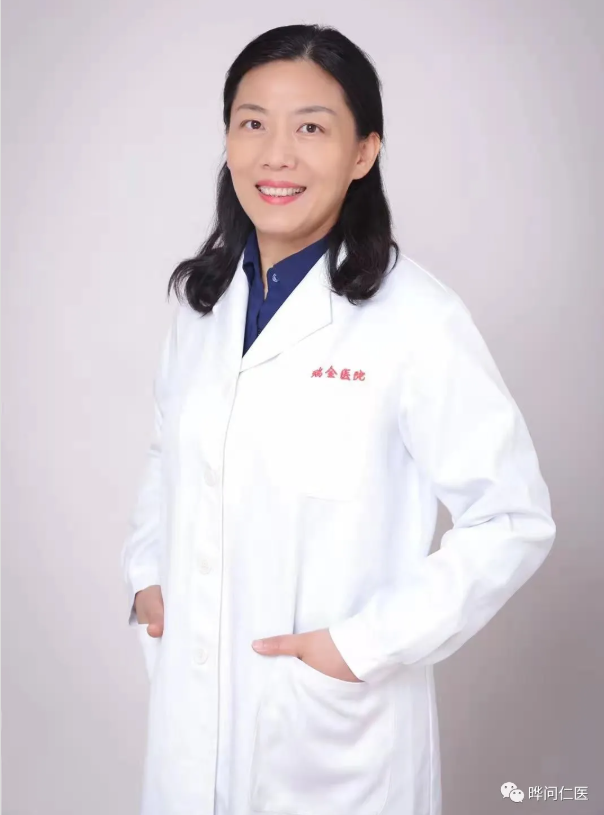
Professor Zheng Jie showed Pan what a doctor should aspire to be. The rigorous training she underwent under his guidance transformed both her life and her understanding of medicine. Before that period, she recalls, she treated diseases without fully grasping their underlying causes.
Bullous dermatoses are characterized by bullae as the fundamental lesion and arise from autoimmune attack against self-antigens in the skin. In the most severe cases, flaccid blisters rupture to leave extensive, slow-healing erosions; one patient Pan remembers presented with black hemorrhagic blisters covering the entire face and oral and nasal mucosa so involved that the patient could not swallow saliva. In the 1970s mortality reached 75 percent. With the introduction of systemic hormones the rate fell to 15–20 percent—still unacceptably high. Today, through individualized dosing, topical therapy, and careful management of complications, Ruijin’s mortality stands at 3–4 percent.
Pan’s research has contributed laboratory evidence that autoantibodies are produced locally in the skin and that immunocompetent cells reside there. This finding supports the use of topical agents that target the lesion directly, improve safety by exploiting the skin’s absorptive properties, and complement systemic therapy. Multiple papers from the Ruijin dermatology group have appeared in the three leading international dermatology journals.
Incidence of autoimmune skin disease has risen with environmental change, industrialization and the pressures of modern life. Treatment strategies continue to move toward the twin goals of high efficacy and high safety: hormone doses kept within a narrow therapeutic window, topical ointments applied with precision, and aggravating local factors eliminated as promptly as possible.
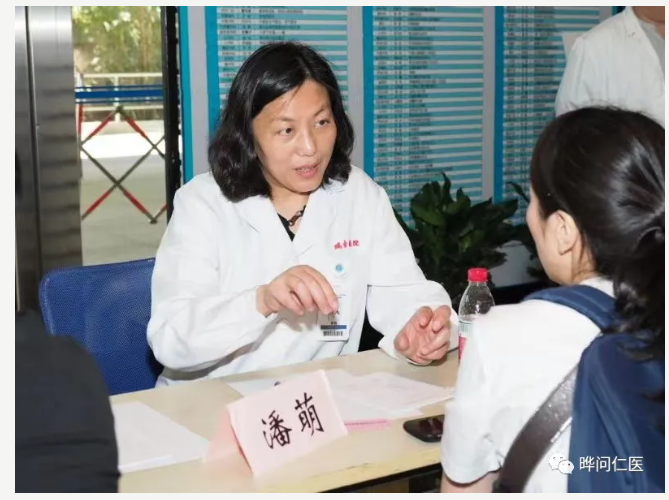
After completing her master’s degree in 2001, Professor Zheng arranged for Pan to spend two years in the Department of Rheumatology and Immunology at Yale University School of Medicine. There she conducted mouse experiments tracking the role and behavior of autoreactive immunocompetent cells across the full course of autoimmune disease. Weekly lectures by leading medical experts broadened her intellectual horizon. The period brought an earth-shaking transformation in her research thinking: she returned better able to identify problems independently and to generate original clinical research ideas.
The personal cost was real. Her daughter was two years old when she left and four when she returned; those two years of growth were lived largely without her mother. Yet the scientific maturation proved decisive.
In 2013, again encouraged by Professor Zheng, she spent a further year abroad focusing on bullous diseases. What impressed her most was the systematic referral of patients to dermato-psychologists—practitioners holding dual credentials who help patients manage anxiety and navigate family and social relationships. Under current conditions in China, dermatologists themselves often assume that supportive role; taking time to engage patients carefully during diagnosis and treatment improves both disease outcome and adherence.
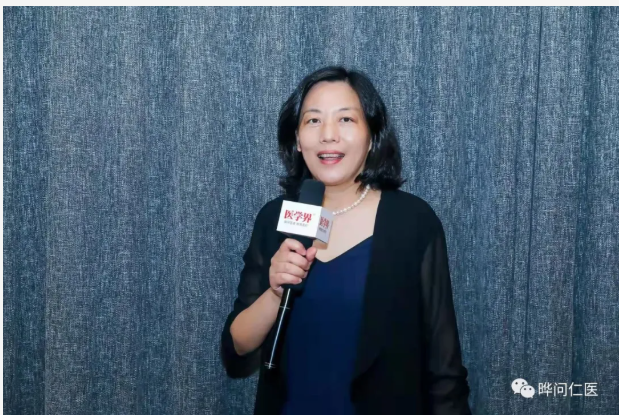
In 2018 Pan was promoted to director of the Department of Dermatology at Ruijin Hospital. The transition required her to move beyond a primary focus on bullous-disease research and to strengthen management skills while attending to the comprehensive development of the department as a whole.
She inherited from Professor Zheng a strong culture of ownership: every member of the team is expected to regard the department’s honor and progress as a shared responsibility. Mutual support across disciplinary groups is actively encouraged.
One practical innovation has been the country’s first specialized outpatient clinic for skin care, in which a doctor and a nurse see patients together. While the physician prescribes, the nurse demonstrates application of medication and wound care. The clinic addresses a recurring problem: hospitalized patients improve under professional nursing, yet relapse after discharge because home care is inadequate. The team has therefore developed extensive home-care education—home visits, guidance by nurses, popular-science brochures, and instructional videos—so that patients can maintain gains once they leave the hospital.
Seeing patients return to ordinary life, watching the discipline advance, and witnessing simultaneous progress in clinical work and research has brought Pan a deep sense of fulfillment—different in substance from the joy of her early career, yet equally sustaining. The little sapling of those first years has grown into a tree that gives shade.

ShanghaiDoctor.cn: Director Pan, in your decades of medical practice, have you received any special little gifts from patients?
Pan Meng: My patients’ treatment cycles typically last three to five years, so over time many of them have become friends. The little tokens they give me are many—sometimes a card, sometimes a piece of chocolate, sometimes a book. This morning a patient from Chongming, a retired worker from a food shop, brought me two boxes of handmade glutinous-rice balls to share with my colleagues (laughs).
ShanghaiDoctor.cn: Apart from work, do you still have time for yourself? How do you relieve work pressure?
Pan Meng: Honestly, I have almost no time for myself right now. Days are consumed by clinical work, and after hours there is still a mountain of tasks waiting. I used to have many hobbies—swimming, painting—but these days I rarely get the chance. A high-school classmate of mine happens to be an expert in the arts. To help me unwind, she often sends me albums of ink paintings and sculpture collections to enjoy. When I’m feeling irritable or drained to the point of exhaustion, I flip through a few pages and immediately step into another world. Long hours at the desk have also taken a toll on my cervical spine and lower back, so recently I’ve taken up tai chi. For people in midlife, tai chi embodies a realm of harmony and completeness—I find it deeply satisfying.
ShanghaiDoctor.cn: What qualities should an outstanding dermatologist possess?
Pan Meng: First, selflessness—without the faintest trace of personal gain or hidden motive. If you are held hostage by self-interest, it will distort your judgment and your diagnosis, and the treatment will be seriously compromised. That is the cardinal sin for a physician. Second, dedication. Bullous disease, for example, is extremely severe, and it is also chronic—relapsing over and over, lingering without full recovery. A patient may remain under your care for a very long time, through continuous follow-ups and return visits. So a doctor must be fully invested, because the patient always comes first. Third, compassion. Many patients with skin diseases tell me they have lost their dignity—that they have lost the right to live a normal life, and that even their loved ones look down on them. We doctors must show compassion, safeguard their dignity, and help them communicate with their families. We may not be able to cure their disease overnight, but we can at least give them courage and confidence—offer them a little light, to help dispel their endless suffering and sorrow.
ShanghaiDoctor.cn: If you were to give a lecture to medical students, what would you say?
Pan Meng: I would emphasize the importance of communicating with patients. Approach every case from the patient’s perspective, stay grounded and realistic, and design treatment plans with empathy. Offer clear guidance on the difficulties they may encounter and the potential side effects of certain medications.
A young doctor once came to speak with me candidly. He said, “Teacher Pan, I prescribed the same medication as you did for this patient, so why is the therapeutic effect so different—your patient responded so well, while mine showed no improvement at all?”
I told him that in fact, beyond prescribing medication, communication is essential. You need to clearly identify and explain the triggers of the disease to the patient, so they can avoid them throughout the treatment. You also need to explain how to use topical medications—when to apply them, how much to use, the intervals between applications, how to taper the dosage once the condition improves, and how to maintain the improvement afterward.
In the end, a good doctor is himself a dose of good medicine. Truly achieving the healing power of “medicine to cure the disease” also depends on the wisdom of communication.
From the decision to embrace a difficult research assignment in 1998, through years of laboratory and clinical refinement, periods of intense study abroad, and the responsibilities of departmental leadership, Pan Meng has held to a simple conviction: the physician’s presence—attentive, selfless, and communicative—is itself therapeutic. A good doctor remains a dose of good medicine.
Editor: Chen Qing
If you have any questions which need Dr. Pan's help, please be free to let us know at Chenqing@ShanghaiDoctor.cn.
Dr. Shi Yuling | Psoriasis, and Spring Mountains Beyond the Plain
Dr.Ying Chunmei | Laboratory Medicine, Renewed a Little Every Day
Dr. Zhang Lei | Children's Airways, and a Preference for Being Plain
Dr. Chen Tongyu | Chest Surgery Without a Tube, and No Claim to Greatness
Dr. Hua Xiaolin | High-Risk Obstetrics, and a Child Worth Keeping
Dr. Shen Chun | Neonatal Surgery, and a Vow That Makes No Speech
Dr. Yang Ji | A Dermatologist Who Measures the Years by Who Gets Better
Dr. Chen Gong | Children's Bile Ducts, and a Future He Chose Himself
Dr. Luo Zhiguo | An Oncologist Still Hoping for One More Reunion
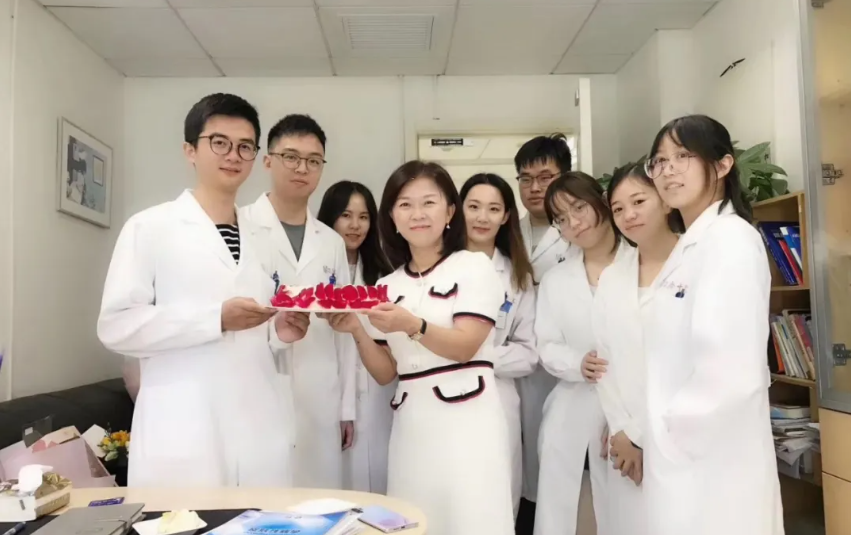
Dr. Shi Yuling | Psoriasis, and Spring Mountains Beyond the Plain
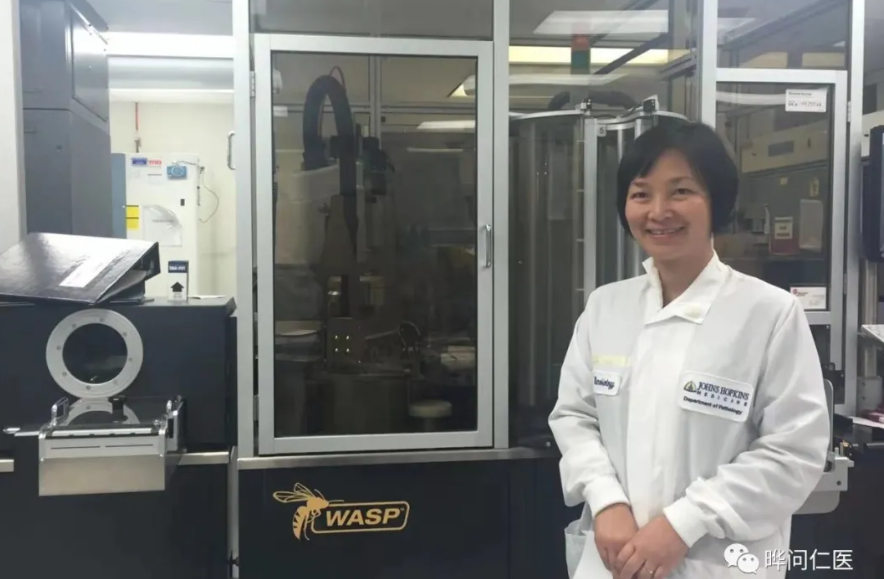
Dr.Ying Chunmei | Laboratory Medicine, Renewed a Little Every Day
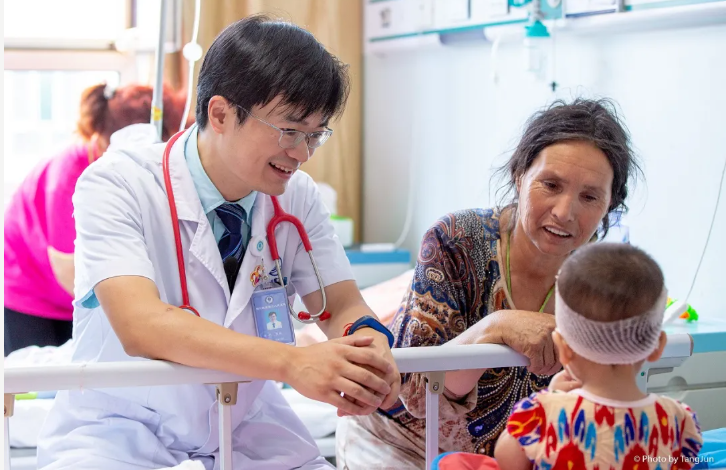
Dr. Zhang Lei | Children's Airways, and a Preference for Being Plain
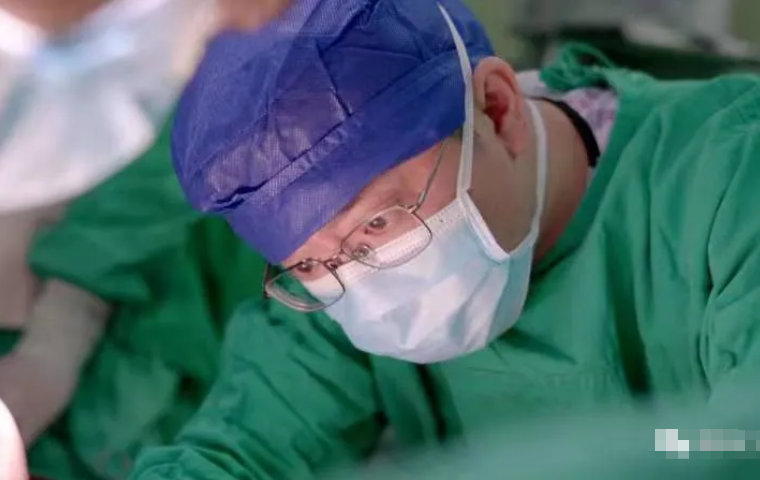
Dr. Chen Tongyu | Chest Surgery Without a Tube, and No Claim to Greatness
Cui Jie | An Infectious-Disease Nurse Who Kept Walking In
Dr. Hua Xiaolin | High-Risk Obstetrics, and a Child Worth Keeping
Dr. Shen Chun | Neonatal Surgery, and a Vow That Makes No Speech
Dr. Yang Ji | A Dermatologist Who Measures the Years by Who Gets Better
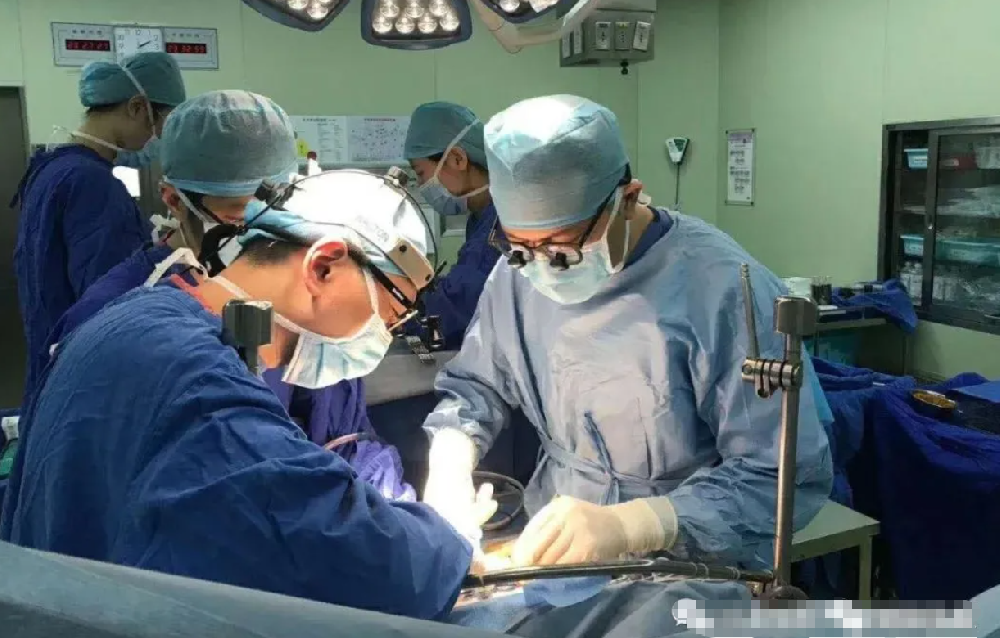
Dr. Chen Gong | Children's Bile Ducts, and a Future He Chose Himself
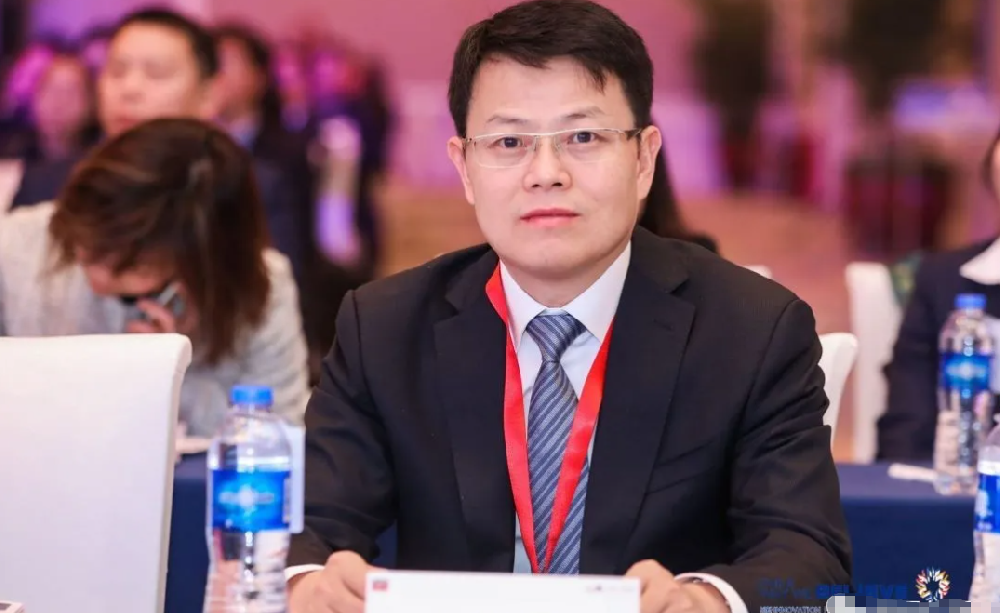
Dr. Luo Zhiguo | An Oncologist Still Hoping for One More Reunion
Copyright © 2023 Yewen Renyi & ShanghaiDoctor.cn (This website is a non - profit medical humanities platform. The information contained herein is solely for biographical and historical purposes and does not constitute any medical advice.) 沪ICP备2023005392号-2 XML 沪公网安备31010902100835号
 中文
中文 English
 Español
 沪公网安备31010902100835号