ShanghaiDoctor - Where China's Healing Wisdom Shapes Modern Medicine

Update time:2026-08-07Visits:2573
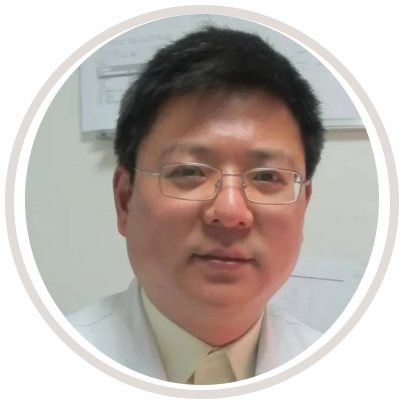
Chief Physician & Master’s Supervisor Department of Ophthalmology Eye & ENT Hospital of Fudan University Specialist in Optometry, Refractive Surgery, Strabismus & Amblyopia
“One who climbs mountains does not stop at perils, but must reach the lofty peaks.”
— Yu Zhiqiang
Yu Zhiqiang, M.D., Ph.D., is a chief physician and master’s supervisor specializing in optometry, refractive surgery, and the management of strabismus and amblyopia at the Eye & ENT Hospital of Fudan University. After graduating from the Department of Clinical Medicine at the former Shanghai Medical University in 1998, he entered the ophthalmology graduate program at the Eye & ENT Hospital of Fudan University and earned his doctorate in 2003. He has remained with the hospital’s Department of Ophthalmology ever since.
He currently serves as a committee member and secretary of the Optometry Branch of the Shanghai Medical Association, a committee member of the Ophthalmology Group of the Laser Medicine Branch, and a senior instructor at the Asia-Pacific ReLEx SMILE Training Center and the Asia-Pacific ICL Training Center.
His clinical expertise includes femtosecond and excimer laser correction of myopia, hyperopia, astigmatism, and complex refractive errors; ICL implantation for high myopia; corneal cross-linking for keratoconus; posterior scleral reinforcement for pathological myopia; treatment of strabismus and amblyopia; prevention and control of juvenile myopia; and orthokeratology lens fitting.
He has performed corneal refractive surgery for 20 years and SMILE surgery for 10 years, completing more than 30,000 refractive procedures of various types—including over 15,000 SMILE and more than 4,000 ICL operations. He has published more than 30 papers as first or corresponding author (over 10 indexed in SCI), edited or translated one book, co-authored five monographs including Myopia Science, led two provincial and ministerial research projects, and participated in three National Natural Science Foundation projects. His honors include the First Prize of the Technological Invention Award from the Ministry of Education and First, Second, and Third Prizes of the Shanghai Science and Technology Progress Award.
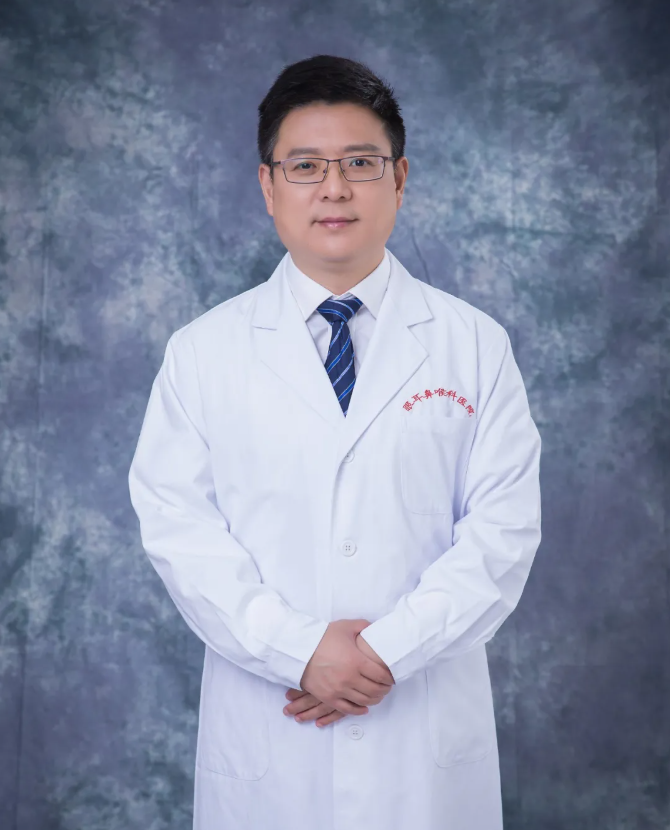
“Few children ever treat a slit lamp as a toy—except me,” Yu says with a smile.
Born into a family of military physicians, he grew up around the instrument: his father was a well-known eye doctor in Jinhua, Zhejiang. As a boy he often ran through the clinic and wards, kneeling on a chair and peering through the slit lamp again and again. Years later that familiar “toy” became the constant companion of his professional life.
He watched patients whose eyes were covered with gauze light up at the sound of his father’s footsteps, and he saw people who had regained their sight bring fresh vegetables and eggs from their fields to express thanks. “Helping patients regain their sight was the happiest thing of all,” his father told him.
After high school the choice of path never seemed in doubt. Two months before the national college-entrance examination he had already secured a guaranteed place in an intensive program at Xi’an Jiaotong University. Yet two weeks before the exam he made a decision that stunned those around him: he gave up the guaranteed admission and staked everything on the test itself. His goal was Shanghai Medical University, whose provincial cutoff that year was higher than that of Tsinghua and Peking University.
“A voice kept ringing in my mind: how many times in life do you get to give it your all? I had always carried that longing for medicine. If I didn’t take the plunge, I would regret it for the rest of my life.” He was admitted with a score sixty points above the first-tier cutoff.
Medical school proved demanding. In the first year, drawing on strong science and engineering habits, he ranked first in his class; by the second year the volume of rote memorization left him frustrated. After adjusting his methods he finished with an outstanding record and became one of six students from that year’s Zhongshan Class recommended for graduate admission at Fudan University. He chose ophthalmology—following his father’s footsteps and returning to the familiar world of the slit lamp.
His mentor was Professor Chu Renyuan, a pioneering figure in contact lenses and refractive surgery in China. Professor Chu established the country’s first contact-lens specialty clinic in 1962, developed the first domestically produced hydrophilic soft contact lens, trained the first Chinese Ph.D. in contact lenses, and in 1993 led the introduction of excimer laser surgery while developing a domestic micro-corneal cutter.
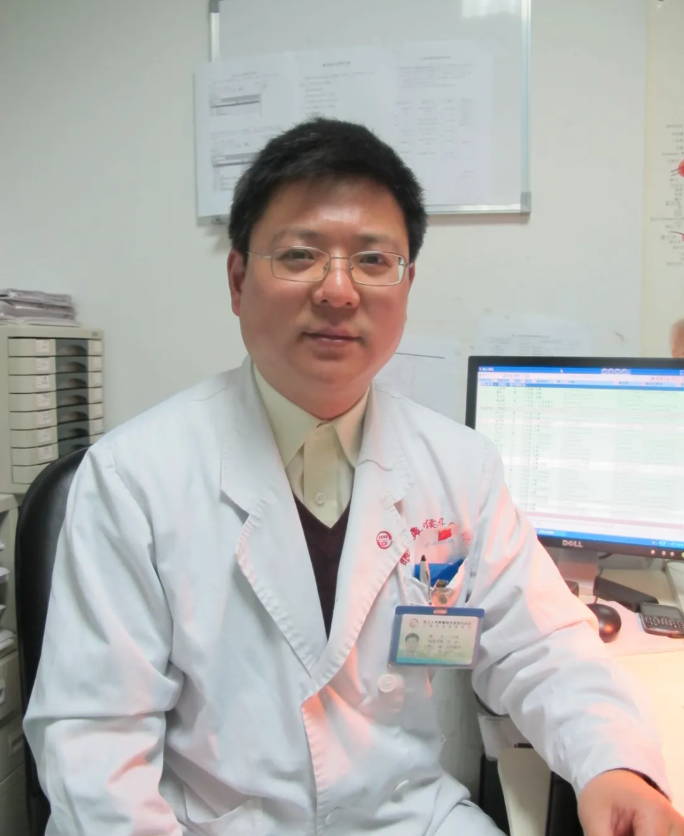
As a clinically focused graduate student Yu set himself a demanding schedule. He arrived at 6:00 a.m., finished dressing changes and record review before the senior physicians arrived for 7:30 rounds, and required himself to recite every patient’s details from memory during handovers. He was responsible for thirteen beds, later rising to forty or fifty as chief resident. Between managing patients and assisting in continuous surgeries he often skipped lunch entirely.
Looking back, he credits the mentors who taught by example. Professor Wang Wenji was extraordinarily patient with patients—“like a spring breeze”—and never put on airs with junior doctors even when instruments were handed incorrectly. Professor Chen Qinyuan could recall previous fundus surgeries from memory and after every case drew a fundus sketch in a notebook he maintained for decades. When he discovered that a domestically produced drug had been billed as imported, inflating the cost, he personally corrected the error so the patient would not overpay.
Those lessons in medical ethics remain central to Yu’s own practice.
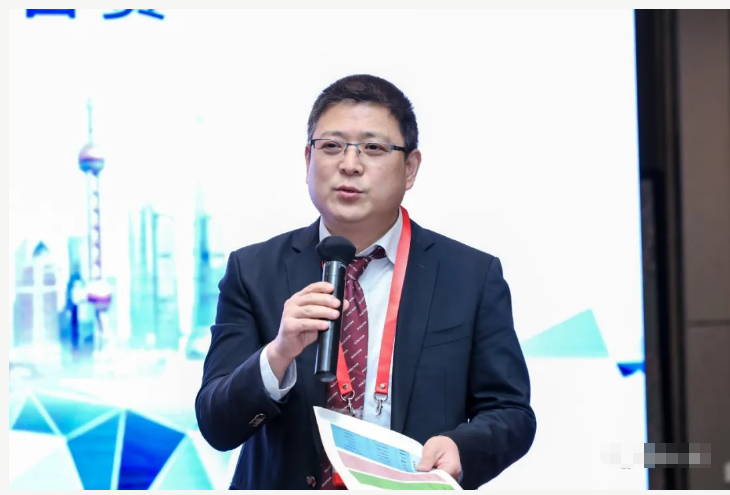
Yu’s specialty is optometry and refractive surgery. When he joined the refractive-surgery group in 1998, the most advanced equipment was an older excimer laser housed in two small rooms. He watched the field progress through three stages: foundation (introduction of PRK), growth (maturation of LASEK and LASIK after the Baoqing Road branch opened in 2001), and leadership (early adoption of all-femtosecond SMILE surgery and phakic intraocular lens—ICL—implantation, achieving world-leading volumes).
Technological progress, he has come to realize, can change lives. One young man whose childhood dream was to become a soldier nearly saw that hope end because of 800 degrees of myopia. Surgery a few months before the physical examination restored vision of 0.8 or better. Months later Yu received a photograph of the young man in uniform, holding a rifle, radiating confidence.
Another patient with 2,600 degrees of myopia already met criteria for visual disability. Thick lenses obscured most of his face; even ordinary walking was difficult. After staged ICL implantation followed by SMILE correction of the residual refractive error, uncorrected acuity reached 0.5. The patient was no longer classified as visually disabled. He hugged Yu and wept: “I can see the light of day again!”
In clinic and on rounds, Yu’s greatest satisfaction comes from follow-up visits. After refractive surgery many patients appear transformed—removing heavy lenses changes demeanor as well as vision. “Sometimes I really don’t recognize them and exclaim, ‘Your eyes were this big all along!’ Patients go from feeling inferior to holding their heads high. Such a change is brought about by medical technology. Whenever I think of this, I feel an incomparable sense of fulfillment.”
Appointments with Yu are difficult to obtain, especially for returning patients. Because hospital slots are limited, he opened an additional online clinic and added twenty more places, extending his morning sessions from 11:30 a.m. until 1:00 p.m. He has been named “Good Doctor of the Year” on the Haodf platform for two consecutive years.
In the operating room he places great importance on cooperation with the patient—speaking at a moderate pace, sometimes with gentle humor, helping the patient maintain the best possible state so the eye can be controlled precisely. He also emphasizes that ophthalmologists play an active role in refining equipment: early devices were theoretically capable but practically immature; clinicians summarized problems and fed them back to manufacturers, whose subsequent adjustments improved the technology now in use.
Above all he insists on surgical safety. In an age of fragmented online information that can mislead patients about risks, public hospitals must guard the gateway strictly. When eye conditions are unsuitable for refractive surgery, he prefers to spend the time persuading the patient to forgo the procedure. “Safety comes first. There is nothing to negotiate about. This is being responsible to the patient, and also responsible to the word ‘doctor.’”
ShanghaiDoctor.cn: What do you pay the most attention to clinically now?
Yu Zhiqiang: The thing I care most about is surgical safety. In the internet age, patients receive fragmented information that is complicated and mixed in quality—some of it untrue and greatly misleading. For example, some online views downplay the risks of refractive surgery; they fail to help patients truly understand the procedure and thus create safety hazards. Therefore, in our public hospital we must strictly guard this gateway. Surgical safety is our lifeline. Many times, if a patient’s eye conditions are not suitable for refractive surgery, I would rather spend more effort persuading them to give up. If it cannot be done, it cannot be done. Safety comes first. There is nothing to negotiate about. This is being responsible to the patient, and also responsible to the word “doctor.”
ShanghaiDoctor.cn: I heard you had an unforgettable experience providing medical assistance in Yunnan. What touched you?
Yu Zhiqiang: I once spent three months providing medical assistance in an impoverished county in Simao, Yunnan. My son had been born only six months earlier. The poverty was striking. Many households had bare walls; the most valuable electrical appliance was often a flashlight. Patients with severe eye infections who could not walk were pulled by family members on flatbed carts for more than ten kilometers to the county hospital. After hearing the cost of treatment they would sigh and turn back, giving up care. The hospital was short of doctors and medicine. Patients with fungal keratitis had no medication available locally. I suggested they travel to Kunming to obtain it, but many could not afford the journey and simply said they would bear the risk of blindness. Seeing those patients was deeply distressing. Later our hospital launched training classes; so far we have held more than 100 sessions, training more than a thousand medical, technical, and nursing personnel from across the country, including county hospitals. I have been one of the key instructors and have participated in almost every session. Such free training is meaningful: patients in remote areas, whether with cataracts or high myopia, finally have hope of regaining their sight.
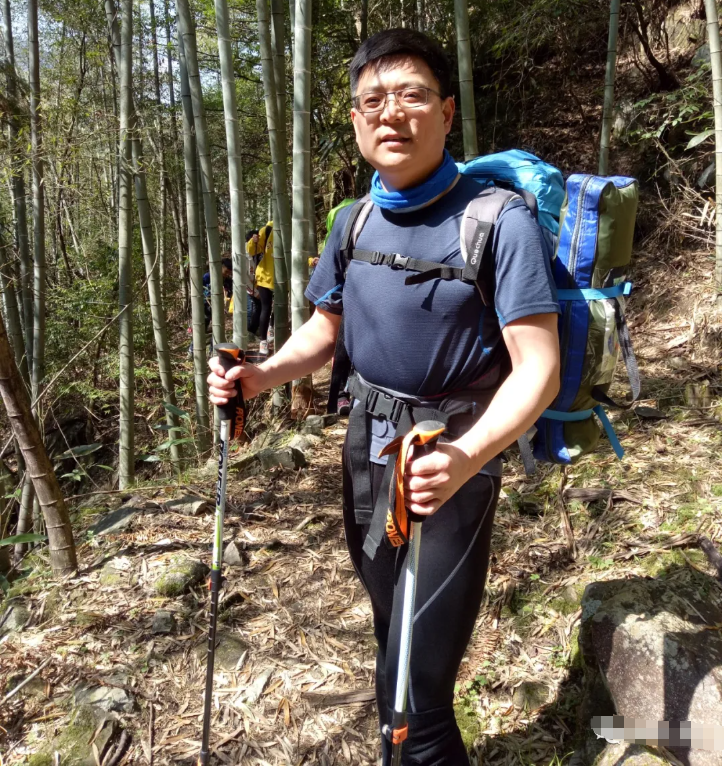
ShanghaiDoctor.cn: As a mountaineering enthusiast, which mountain in life do you think is the hardest to surmount?
Yu Zhiqiang: It comes from within. After practicing medicine for so many years, the hardest part is remaining unswayed by outside interference and temptation, and never forgetting the original intent. The medical profession today faces many challenges—some arising between doctors and patients, some from academia, some from within the profession itself. At times they can make one feel lost. But remember this: all you need to do is be a good doctor. When you first put on this white coat more than twenty years ago, you must have told yourself exactly that. That is enough.
For Yu Zhiqiang the climb continues—measured not by the number of procedures completed, but by the lives restored to clarity, the dreams made possible again, and the quiet determination to keep safety and integrity at the center of every decision.
Editor: Chen Qing
If you want to contact to Dr. Yu directly, please be free to email us at Chenqing@ShanghaiDoctor.cn.
Dr. Shi Yuling | Psoriasis, and Spring Mountains Beyond the Plain
Dr.Ying Chunmei | Laboratory Medicine, Renewed a Little Every Day
Dr. Zhang Lei | Children's Airways, and a Preference for Being Plain
Dr. Chen Tongyu | Chest Surgery Without a Tube, and No Claim to Greatness
Dr. Hua Xiaolin | High-Risk Obstetrics, and a Child Worth Keeping
Dr. Shen Chun | Neonatal Surgery, and a Vow That Makes No Speech
Dr. Yang Ji | A Dermatologist Who Measures the Years by Who Gets Better
Dr. Chen Gong | Children's Bile Ducts, and a Future He Chose Himself
Dr. Luo Zhiguo | An Oncologist Still Hoping for One More Reunion
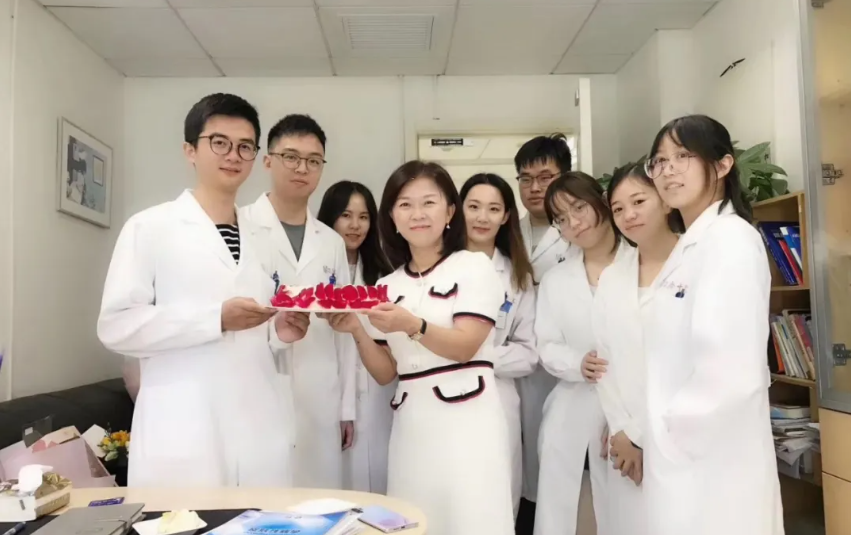
Dr. Shi Yuling | Psoriasis, and Spring Mountains Beyond the Plain
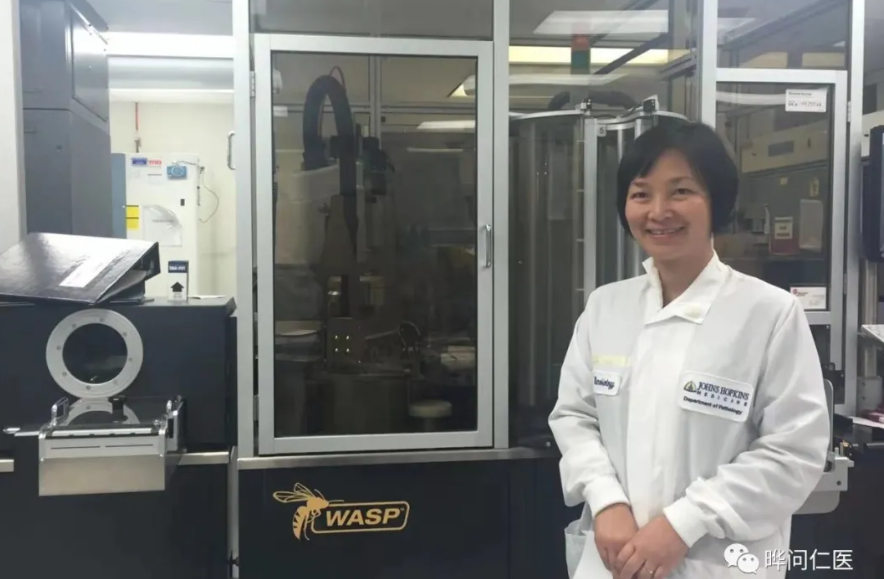
Dr.Ying Chunmei | Laboratory Medicine, Renewed a Little Every Day
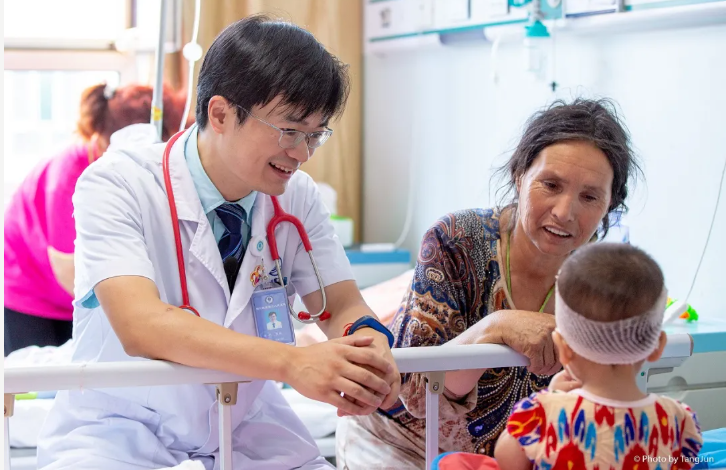
Dr. Zhang Lei | Children's Airways, and a Preference for Being Plain
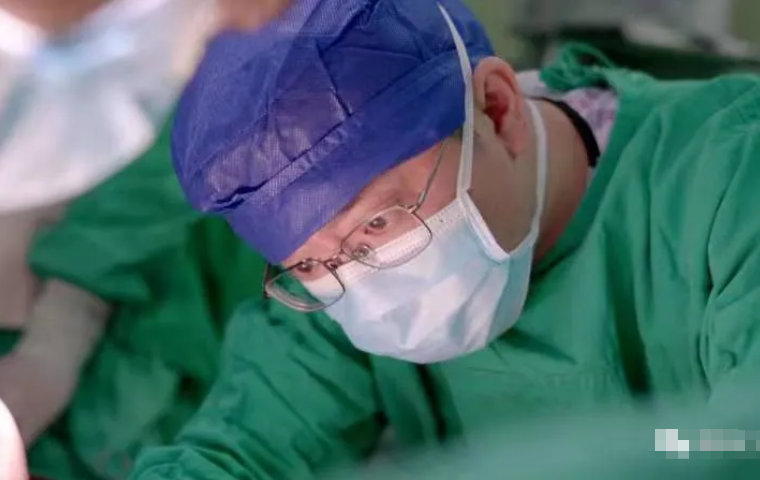
Dr. Chen Tongyu | Chest Surgery Without a Tube, and No Claim to Greatness
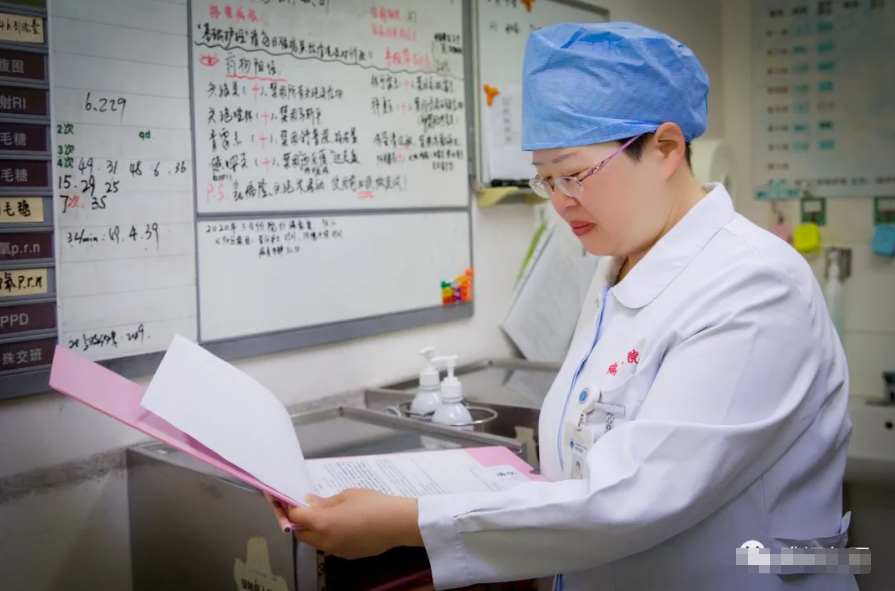
Cui Jie | An Infectious-Disease Nurse Who Kept Walking In
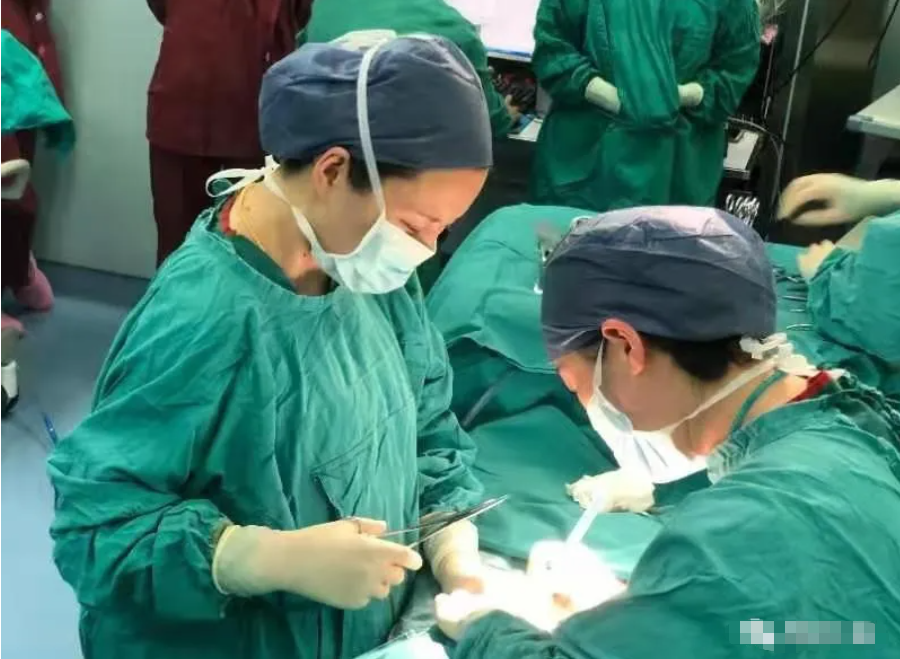
Dr. Hua Xiaolin | High-Risk Obstetrics, and a Child Worth Keeping
Dr. Shen Chun | Neonatal Surgery, and a Vow That Makes No Speech
Dr. Yang Ji | A Dermatologist Who Measures the Years by Who Gets Better
Dr. Chen Gong | Children's Bile Ducts, and a Future He Chose Himself
Dr. Luo Zhiguo | An Oncologist Still Hoping for One More Reunion
Copyright © 2023 Yewen Renyi & ShanghaiDoctor.cn (This website is a non - profit medical humanities platform. The information contained herein is solely for biographical and historical purposes and does not constitute any medical advice.) 沪ICP备2023005392号-2 XML 沪公网安备31010902100835号
 中文
中文 English
 Español
 沪公网安备31010902100835号