ShanghaiDoctor - Where China's Healing Wisdom Shapes Modern Medicine

Update time:2026-08-09Visits:2325
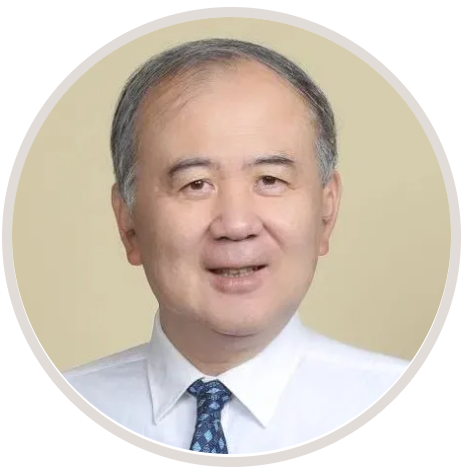
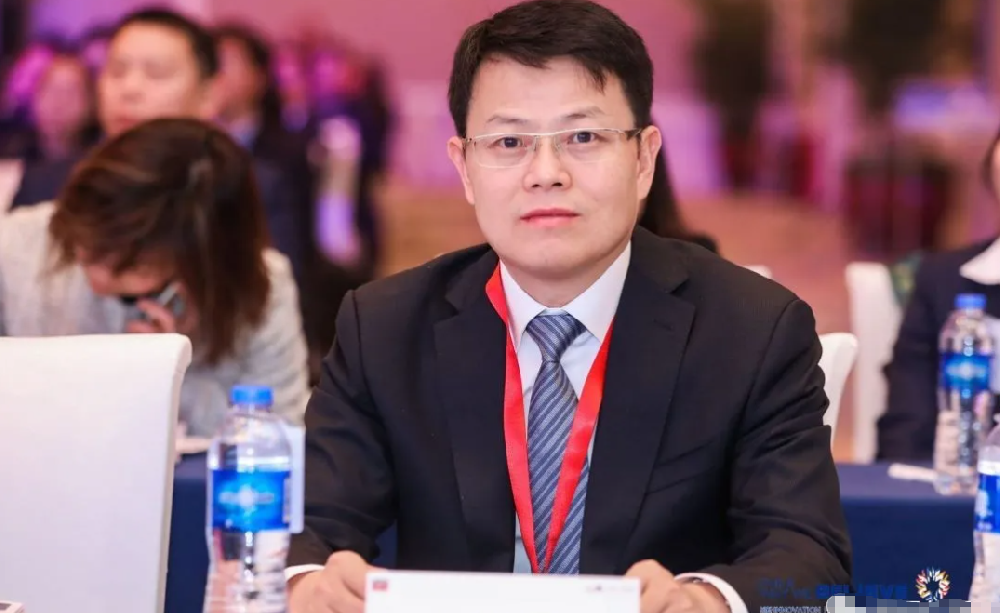
Director, Department of Laboratory Medicine Director, Department of Blood Transfusion Ruijin Hospital, Shanghai Jiao Tong University School of Medicine Chief Physician | Chairman-Elect, Laboratory Medicine Branch of the Shanghai Medical Association
“As department director, I must be a ferryman, ensuring that my patients, my colleagues, and my comrades in arms can all cross the river safely.”
— Wang Xuefeng
Wang Xuefeng is Director of the Department of Laboratory Medicine and Director of the Department of Blood Transfusion at Ruijin Hospital, Shanghai Jiao Tong University School of Medicine. A chief physician and Chairman-Elect of the Laboratory Medicine Branch of the Shanghai Medical Association, he has spent more than three decades specializing in thrombosis and hemostasis—the twin domains of excessive clotting and insufficient clotting.
Under his leadership the laboratory has perfected an experimental diagnostic system for thrombosis and bleeding disorders that meets internationally advanced standards. For hereditary bleeding and thrombotic disorders, Ruijin routinely performs genetic diagnosis. The hemophilia genetic-diagnosis program has tested more than 3,000 related women from over 1,000 families, identified 1,024 female carriers of disease-causing genes, and through subsequent prenatal diagnosis prevented the birth of 118 affected fetuses. The World Federation of Hemophilia has praised the program as “the best model for the prevention and treatment of hemophilia in developing countries.”
Since 2003 Wang has also directed the hospital’s Blood Transfusion Department, which accounts for roughly one-seventh of Shanghai’s total blood consumption. Facing chronic shortages, he pioneered “front-loading transfusion”—placing matched blood in smart refrigerators outside operating rooms and emergency departments so that retrieval can be completed in one to two minutes via an electronic blood-collection code, reducing both delay and waste.
His research now extends to gene therapy for hemophilia, seeking vectors and strongly expressing genes that can deliver durable coagulation-factor production while minimizing immune side effects. Mouse models have already been cured; large-animal trials are under way.
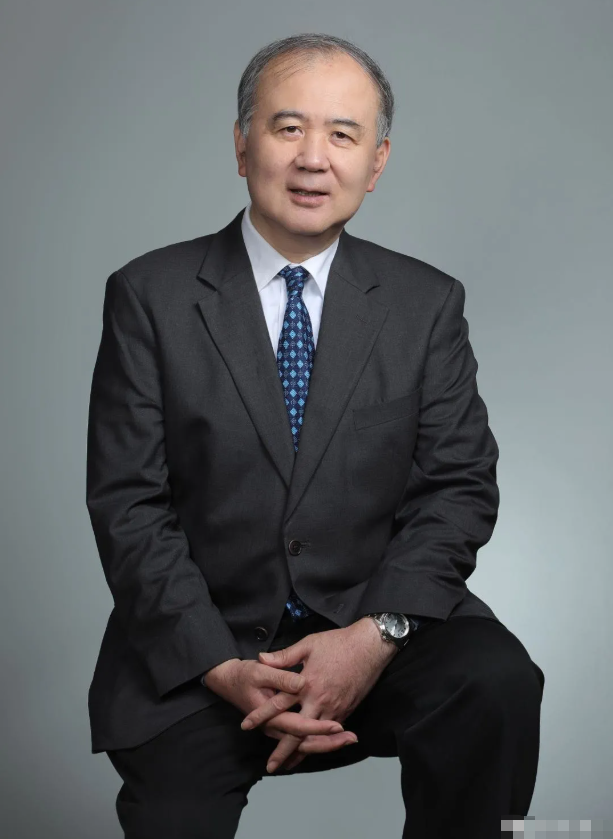
Wang Xuefeng was born in Shanghai in March 1963. His mother was a dermatologist, so medicine was part of the household atmosphere from childhood. He entered Shanghai Second Medical University determined to become a surgeon who healed the wounded and rescued the dying.
In the fourth year of university a sudden attack of myocarditis forced him out of the classroom for a year and a half. Uncontrollable premature beats closed the door to a surgical career. He did not abandon medicine. “Then let me go to a quieter discipline,” he decided. “I can still serve patients the same way.”
In 1985, after graduation, he was assigned to the Department of Laboratory Medicine at Ruijin Hospital. After rotating through hematology, microbiology, biochemistry and clinical testing, he chose the subspecialty of thrombosis and hemostasis—a field founded at Ruijin in the 1950s by Academician Wang Zhenyi and then led by Professor Wang Hongli.
Thrombosis—excessive coagulation that can produce life-threatening clots in the heart or brain—is treated with antiplatelet agents and anticoagulants. Hemostasis is the opposite problem: deficiency of clotting factors leads to continuous bleeding, shock, or death. Ruijin has long been a national center for both conditions, with pioneers including Academician Wang Zhenyi, Professor Xu Fuyan, Professor Wang Hongli, and Academician Chen Zhu.
As a young clinical-medicine graduate in a largely laboratory-trained department, Wang received opportunities for further study. Short periods in Japan (1991) and France (1995) exposed him to automation and to research on aspirin that later shaped his own work on antithrombotic therapy. The deeper formation, however, came from the daily example of his mentors at Ruijin.
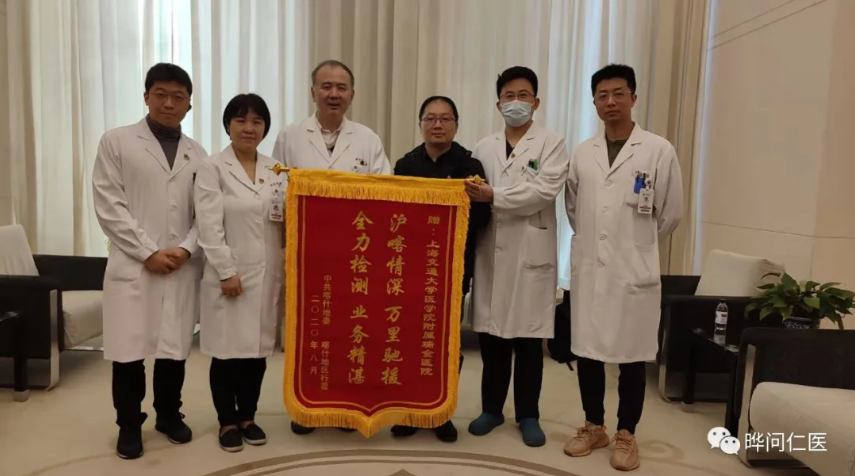
He watched Professor Wang Hongli and colleagues inject themselves with unapproved blood products to observe side effects before the products entered clinical use. He saw Professor Wang, even while hospitalized himself, carefully arrange consultations for patients who had traveled long distances. Those quiet acts of responsibility became the pattern Wang Xuefeng has followed throughout his career: complete laboratory testing and diagnosis for out-of-town patients on the same day so they can return home without delay; stand beside surgeons in the operating room for major and critical cases, adjusting hemostasis plans in real time.
His research spans the two extremes of coagulation. Insights gained from patients whose clotting is excessively strong can be applied to those who bleed; replacement therapy (infusion of missing factors) and emerging gene therapy both aim to restore durable hemostasis.
Hemophilia is an X-linked recessive disorder. A female carrier has a one-in-four chance of having a healthy boy, a healthy girl, a boy with hemophilia, or a daughter who is herself a carrier. For more than a decade Wang’s team has traced pedigrees, performed genetic diagnosis, and offered prenatal testing so that families can make informed decisions.
One case remains vivid. A mother who carried the hemophilia A gene came to him in desperation, her marriage under strain. Through pedigree analysis and sex determination it was confirmed before birth that the child would be unaffected. The parents named the healthy boy Ruijie—incorporating the character “Rui” from Ruijin Hospital. Years later they brought the five-year-old to the hospital’s cherry-blossom trees, where he danced with uncomplicated joy.
More than 1,000 families, more than 3,000 women tested, 1,024 carriers identified, 118 affected births prevented: behind the statistics lie years of patient counseling and the quiet determination to reduce the number of families devastated by the disease.
Managing one-seventh of Shanghai’s blood supply has required constant vigilance against both shortage and waste. Wang’s principle is simple: save blood by every possible means while ensuring the minimal needs of patients are met. The “front-loading” system—smart refrigerators stationed outside operating rooms and emergency departments, stocked in advance with matched units and accessed by electronic code—has shortened retrieval time from many minutes to one or two and eliminated the waste that occurred when unused blood prepared for surgery could not be returned.
Laboratory physicians now routinely formulate perioperative hemostasis plans for major and critical operations, including liver transplantation, multi-organ combined transplants, and every surgery performed on patients with hemophilia or other bleeding disorders. In one recent ophthalmic case involving dysfibrinogenemia—where even a single drop of blood would have been disastrous—the laboratory raised fibrinogen levels and provided continuous support from admission through postoperative care; the patient was discharged safely.
Wang’s sense of duty extends beyond patients to the colleagues under his care. During the early COVID-19 response, when experienced laboratory physicians were requested for support missions, one team leader who had just returned from Beijing was asked to leave immediately for Xinjiang. His mother’s breast-cancer surgery was scheduled for the same day. Wang arranged for the operation to be the first case of the morning so the doctor could remain with his mother through the afternoon and still depart that evening.
“As department director,” he says, “I must be a ferryman, ensuring that my patients, my colleagues, and my comrades in arms can all cross the river safely.”


ShanghaiDoctor.cn: Director Wang, your main subspecialty is thrombosis and hemostasis. What distinguishes it?
Wang Xuefeng: Our subspecialty mainly studies two types of diseases: hemorrhagic diseases and thrombotic diseases. They are highly relevant to all disciplines of clinical medicine, and many patients need solutions to these problems. For the laboratory medicine department, we do more than just issue a report. For example, for patients with severe bleeding disorders, once surgery is needed, controlling bleeding is where the laboratory medicine department provides support—with us there, surgeons can perform any operation without any worries. In fact, in our country, Ruijin Hospital has the largest number of surgeries for hemophilia and bleeding-disorder patients, and it was also the earliest to do so. Moreover, our use of blood products is the most rational.
ShanghaiDoctor.cn: Reportedly, we were the first in China to report that ultra-low-dose aspirin can promote thrombosis?
Wang Xuefeng: Actually, this phenomenon was discovered by my teacher when I was studying in France. Later I brought this concept back to China: after discontinuing low-dose aspirin, at a certain stage it may manifest as enhanced prothrombotic activity. The aspirin dose is not necessarily the lower the better; both doctors and patients should pay attention.
ShanghaiDoctor.cn: How is the laboratory medicine department at Ruijin Hospital different from those at other hospitals?
Wang Xuefeng: Our distinctive feature is the thrombosis and hemostasis specialty, which closely engages patients. If we only performed testing, even if tens of thousands of data points went out each day, without truly engaging patients, clinicians would probably not think highly of our work. But now we identify patients’ abnormalities and intervene. For example, for many major and critical surgeries, laboratory medicine physicians are required to formulate perioperative hemostasis plans to ensure the safety of surgical hemostasis. For instance, in liver-transplant surgery, Asia’s first 7-organ combined transplant surgery, and all surgeries for hemophilia patients, laboratory medicine physicians fight side by side with surgeons, adjusting hemostasis plans at any time.
For example, this week there was an ophthalmic surgery. The patient had dysfibrinogenemia. In such an ophthalmic surgery, even a single drop of blood would cause a “major disaster,” so absolutely no bleeding is allowed. That requires the laboratory medicine department to raise the fibrinogen level. We provided full support throughout this surgery, from the patient’s admission to the hospital, to writing the medical orders before surgery, to fully formulating the postoperative plan. Now the patient has been discharged smoothly and is doing well.
ShanghaiDoctor.cn: Now you are also in charge of the blood transfusion department. What is the principle of blood management?
Wang Xuefeng: My principle for managing blood is to save blood by every possible means and to ensure the minimal needs of patients. The blood-supply situation is very severe. Sometimes patients with hemoglobin of 4 or 5 grams cannot get blood. Why can’t they get it? Because the amount of blood is insufficient.
Therefore we must put an end to the irrational use and abuse of blood. Although clinical departments say that blood use is severely constrained, careful analysis shows there is still much work that can be done. For example, if surgeons prepare a sufficient amount of blood for a major operation, it will be of great help to the entire clinical treatment; but if the operation goes smoothly and the blood is not used, it will result in waste. How can this be reduced? What methods are there? We promote the forward placement of the blood bank precisely to better solve this problem.
ShanghaiDoctor.cn: You have been a laboratory medicine physician for more than 30 years. What is your greatest gain?
Wang Xuefeng: Much more restrained now (laughs). When I wasn’t a department director, my thinking was probably simpler. Being a manager is no easy task—beyond managing subordinates, you have to deal with various departments and listen to opinions from all sides. It isn’t enough to run your own unit well; without coordination from other departments, you’re bound to find that success cannot be achieved alone.
ShanghaiDoctor.cn: So, do you have a different understanding of the spirit of service compared to before?
Wang Xuefeng: In fact, every era needs the spirit of service to others. It means always keeping in mind the concept of serving patients and colleagues, rather than becoming a refined egoist. Be willing to contribute, to squeeze out time for study, to do every detail well, and to help everyone around you who truly needs help.
Every nation has its own heroes, and every era needs role models. Every hero and role model is a realistic template of that nation’s and era’s values and ideals—a model of goodness under specific social and historical conditions. They embody the value standards for resolving the social contradictions of their time and serve as banners and benchmarks that unite public sentiment. As for what I consider good role models and good values, it is to follow the general laws of human nature and psychological development to guide society toward universal goodness.
From a young man redirected by illness into laboratory medicine, to a director who has built a nationally recognized thrombosis-and-hemostasis platform, a hemophilia-prevention program praised internationally, and a blood-management system that stretches scarce resources farther, Wang Xuefeng has remained a guardian of patients and a ferryman for colleagues. The cherry blossoms at Ruijin continue to bloom each spring; the work of keeping people safely across the river continues every day.
Editor: Chen Qing
If you have any questions, please directly contact to Dr. Wang Xuefeng at Chenqing@ShanghaiDoctor.cn.
Dr. Shi Yuling | Psoriasis, and Spring Mountains Beyond the Plain
Dr.Ying Chunmei | Laboratory Medicine, Renewed a Little Every Day
Dr. Zhang Lei | Children's Airways, and a Preference for Being Plain
Dr. Chen Tongyu | Chest Surgery Without a Tube, and No Claim to Greatness
Dr. Hua Xiaolin | High-Risk Obstetrics, and a Child Worth Keeping
Dr. Shen Chun | Neonatal Surgery, and a Vow That Makes No Speech
Dr. Yang Ji | A Dermatologist Who Measures the Years by Who Gets Better
Dr. Chen Gong | Children's Bile Ducts, and a Future He Chose Himself
Dr. Luo Zhiguo | An Oncologist Still Hoping for One More Reunion
Dr. Shi Yuling | Psoriasis, and Spring Mountains Beyond the Plain
Dr.Ying Chunmei | Laboratory Medicine, Renewed a Little Every Day
Dr. Zhang Lei | Children's Airways, and a Preference for Being Plain
Dr. Chen Tongyu | Chest Surgery Without a Tube, and No Claim to Greatness
Cui Jie | An Infectious-Disease Nurse Who Kept Walking In
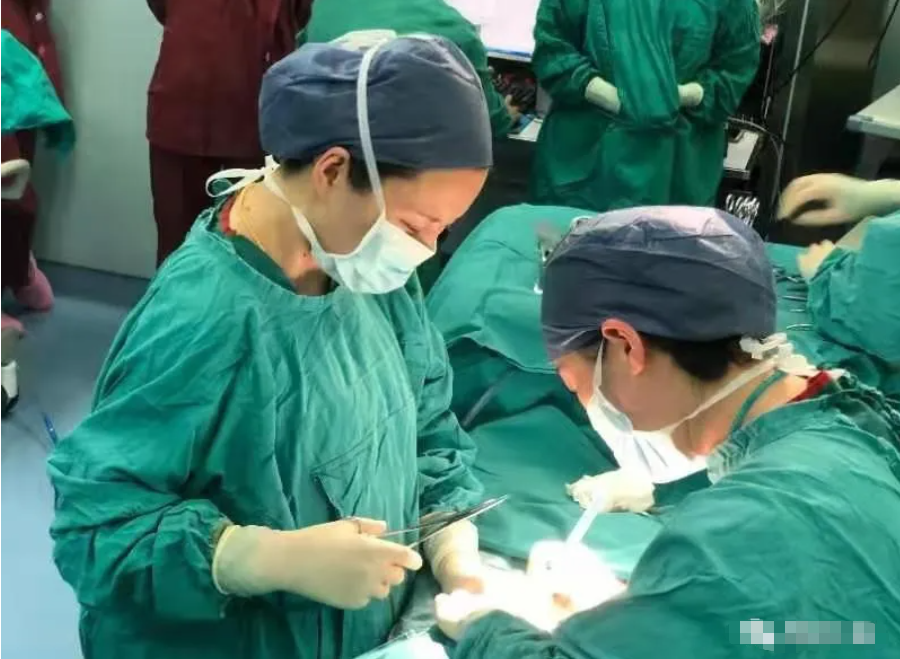
Dr. Hua Xiaolin | High-Risk Obstetrics, and a Child Worth Keeping
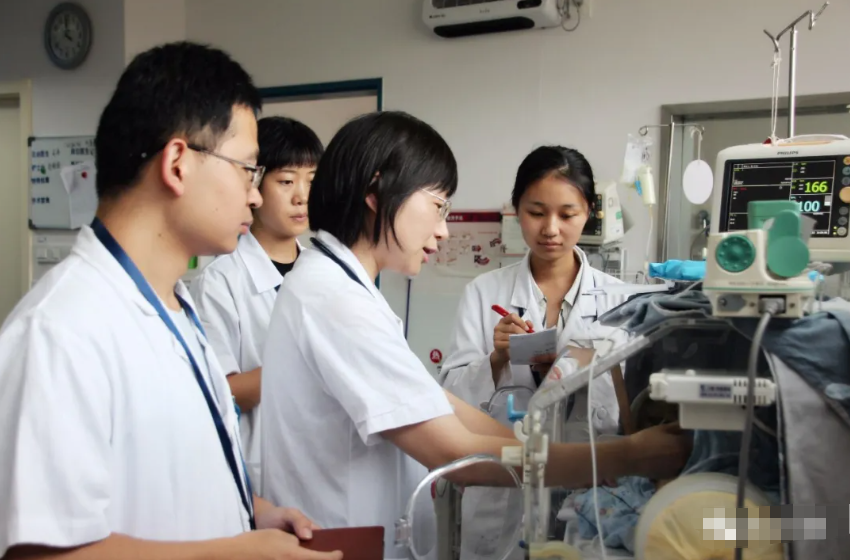
Dr. Shen Chun | Neonatal Surgery, and a Vow That Makes No Speech
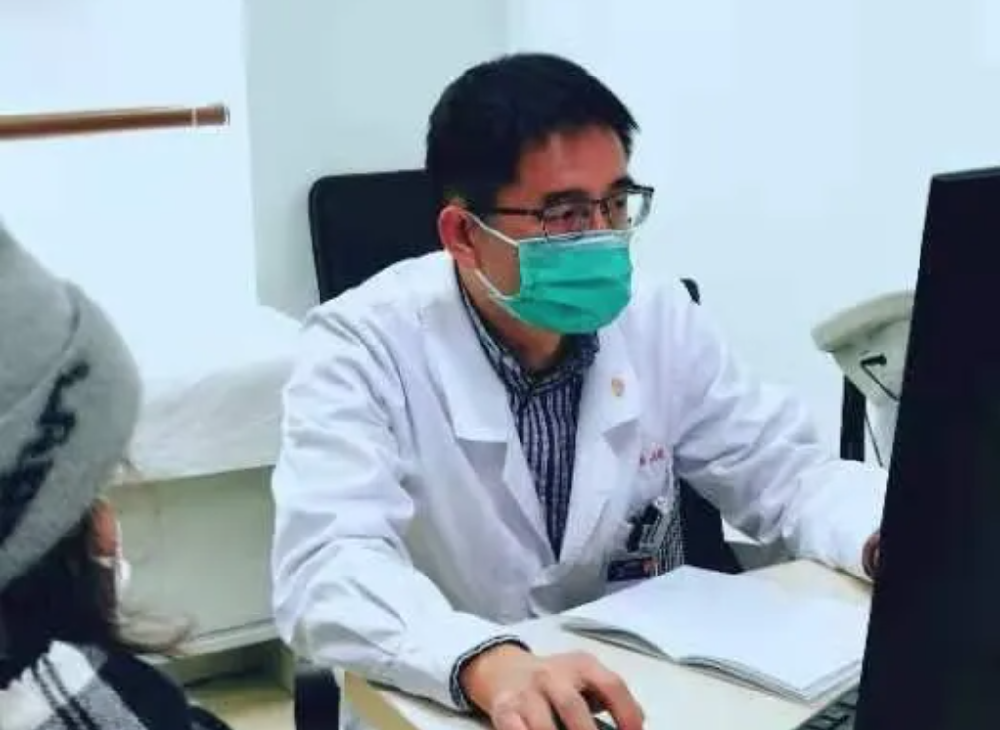
Dr. Yang Ji | A Dermatologist Who Measures the Years by Who Gets Better
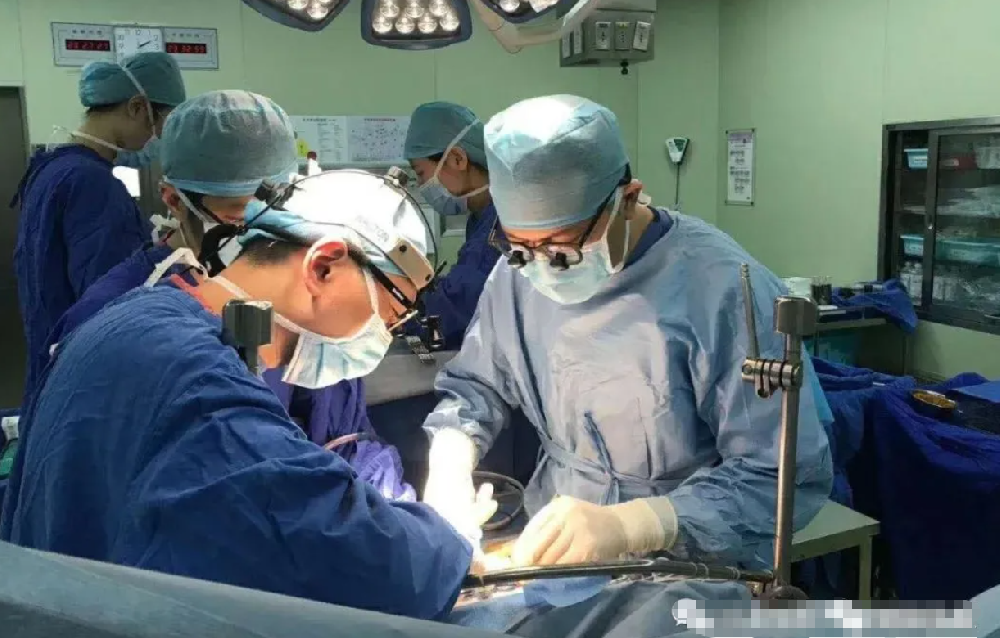
Dr. Chen Gong | Children's Bile Ducts, and a Future He Chose Himself
Dr. Luo Zhiguo | An Oncologist Still Hoping for One More Reunion
Copyright © 2023 Yewen Renyi & ShanghaiDoctor.cn (This website is a non - profit medical humanities platform. The information contained herein is solely for biographical and historical purposes and does not constitute any medical advice.) 沪ICP备2023005392号-2 XML 沪公网安备31010902100835号
 中文
中文 English
 Español
 沪公网安备31010902100835号