ShanghaiDoctor - Where China's Healing Wisdom Shapes Modern Medicine

Update time:2026-08-08Visits:2857
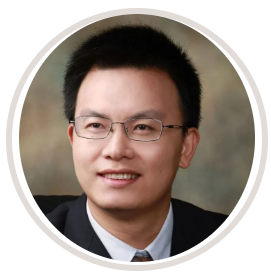
Head and Neck Surgeon Fudan University Shanghai Cancer Center Disciple of Professor Ji Qinghai
“The finest surgery demands an uncompromising perfectionism—an attitude that says, if I can make it any better, I will not let it leave even a trace of regret.”
— Wang Yulong
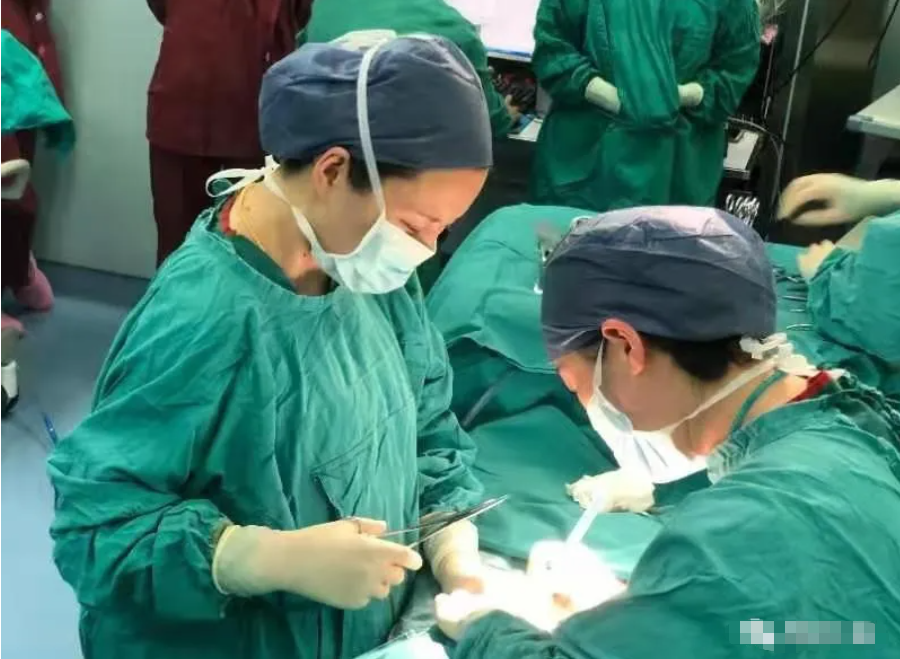
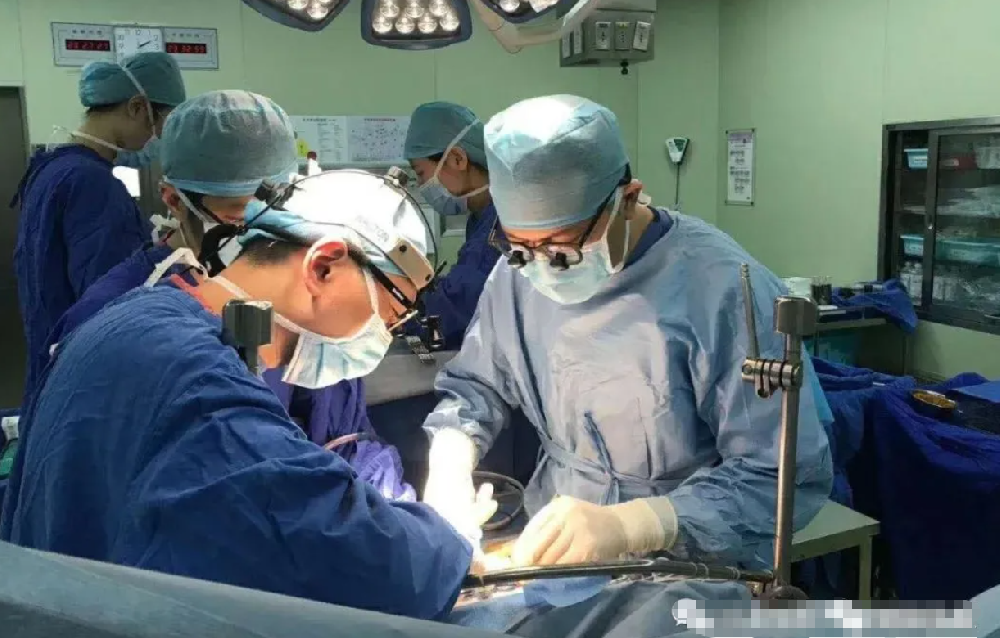
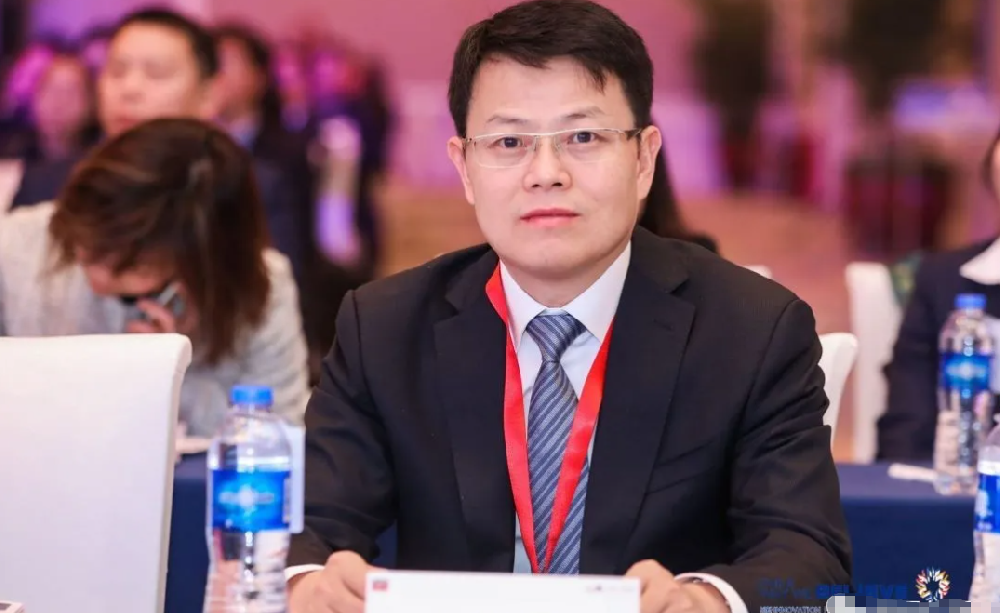
Wang Yulong is a head and neck surgeon at Fudan University Shanghai Cancer Center, specializing in thyroid cancer and complex head and neck tumor surgery. As the first graduate student of Professor Ji Qinghai—one of China’s leading head and neck surgeons—he has developed a distinctive surgical style that combines microsurgical reconstruction techniques with meticulous, deliberate technique under high-pressure conditions.
His clinical strengths include flap repair, microvascular anastomosis, and nerve anastomosis. He has pioneered, internationally for the first time, a method of recurrent laryngeal nerve transposition to repair segmental defects caused by thyroid cancer surgery, significantly improving postoperative voice quality. He has also systematically analyzed patterns of lymph-node metastasis in thyroid cancer and proposed the naming, classification, and clinical significance of the lymph node located between the artery and vein—a node frequently missed by routine ultrasound in patients with certain vascular anatomy.
Patients most often describe him as patient and gentle. He views surgery not merely as technical execution but as a craft whose ultimate purpose is to return patients whole to their families, workplaces, and social lives.
Because of outstanding performance in medical school, the affiliated hospital offered Wang a position in the urology department—an opportunity rare for an undergraduate at the time. An agreement was already on the table. Yet he made a decision that surprised everyone: he declined the secure hospital post and chose to pursue graduate study instead.
“I want to go to graduate school. I want to get out.”
The decision was influenced by a renowned ophthalmology professor who thought highly of him. The professor warned that remaining at the affiliated hospital would bring immediate stability, but Zhengzhou was small; the rest of a career might be visible at a glance, and professional growth could be confined to a narrow world. Those words stirred Wang. After repeated deliberation he applied to Fudan University Shanghai Cancer Center, which at the time admitted only eight graduate students a year—only two in surgery.
That year he traveled south from the banks of the Yellow River to the banks of the Huangpu River. His mentor would be Professor Ji Qinghai.
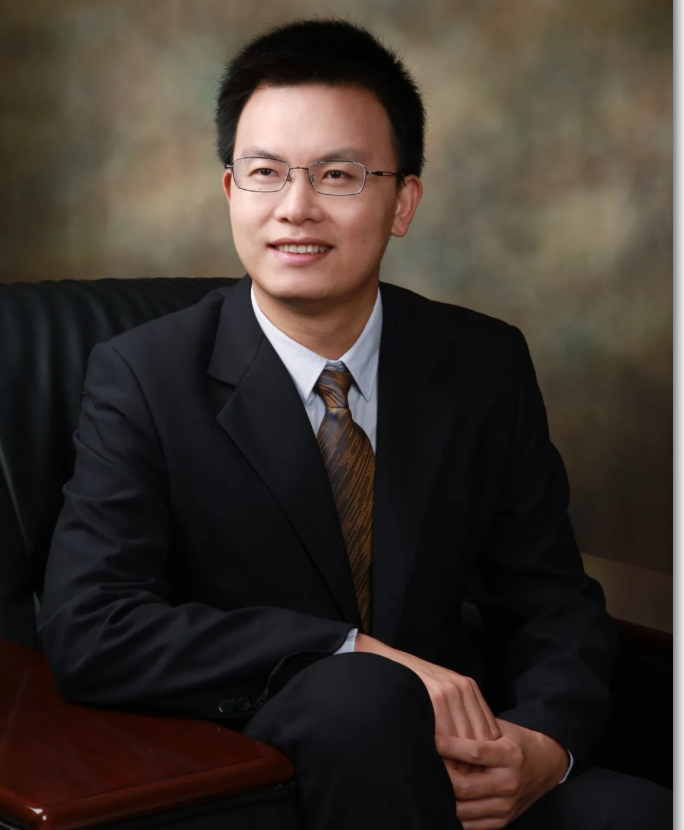
Professor Ji Qinghai is a leading head and neck surgery expert in China with more than thirty years dedicated to head and neck tumor surgery. He was the first in China to propose the concept of familial papillary thyroid carcinoma and established multiple standards for the diagnosis and treatment of thyroid cancer. His surgical techniques have received broad international recognition. In the Chinese head and neck community a well-known saying pairs him with a northern counterpart: “North Zhang Lun, South Qinghai.”
As Professor Ji’s first graduate student, Wang treasured a bond that felt both mentor and father. “Beyond teaching me surgery hand in hand, Teacher Ji held me to high standards in personal conduct and academic planning. Meeting him changed the entire course of my medical career.”
Wang watched his teacher rise from master’s supervisor to doctoral supervisor, secure National Natural Science Foundation funding, and become department director. In 2011 Professor Ji led satellite live broadcasts of thyroid cancer neck-dissection surgeries across fifteen major Chinese cities, making a landmark contribution to the standardization of the procedure nationwide.
Professor Ji’s surgical presence left a lasting impression: calm yet commanding. “No matter how complex or difficult the surgery, the moment he stands at the operating table he possesses a composure that would not falter even if Mount Tai collapsed before his eyes. His firm, confident gaze can inspire everyone around him. I would call it the bearing of a master surgeon. Having followed him through countless major cases, I may have approached his technical level, but in presence and the Way of surgery I doubt I could match him even after another ten years.”
Patients often arrived at Professor Ji as their last hope; they waited for a single sentence to decide the outcome. “To be the one who makes the final decision, one must have confidence rooted in superb technical skill.”
Beyond Professor Ji, Wang received careful guidance from senior colleagues, including the late Professor Wang Hongshi, who in the 1970s pioneered the infrahyoid myocutaneous flap (published in Cancer in 1986 and invited to lecture in the United States). Already in his seventies during Wang’s graduate years, Professor Wang often spent weekend mornings with him reading head and neck imaging films, explaining cases, and sharing the intellectual journey behind his research. Even after retirement he continued to pass materials to Wang for future writing.
In the final two years of his Ph.D., Professor Ji helped secure China Scholarship Council funding for joint training at Baylor College of Medicine in the United States under Professor Feng Xinhua. The experience strengthened Wang’s abilities in basic research. Upon returning, and after promotion to associate chief physician in 2013, Professor Ji arranged further training in microsurgical reconstruction at Shanghai Ninth People’s Hospital under Professors Zhang Chenping and Sun Jian, giving him systematic mastery of flap and microvascular techniques that became foundational to his later work.
His first solo surgery came unexpectedly. During a complex thyroid procedure Professor Ji assessed the field, handed the case to Wang as primary surgeon, and left the operating room. When Wang finished, Professor Ji returned, examined the blood-stained gauze, and remarked: “Not bad—though the gauze came away a bit redder than I would have liked.” Wang’s back was already drenched with sweat.
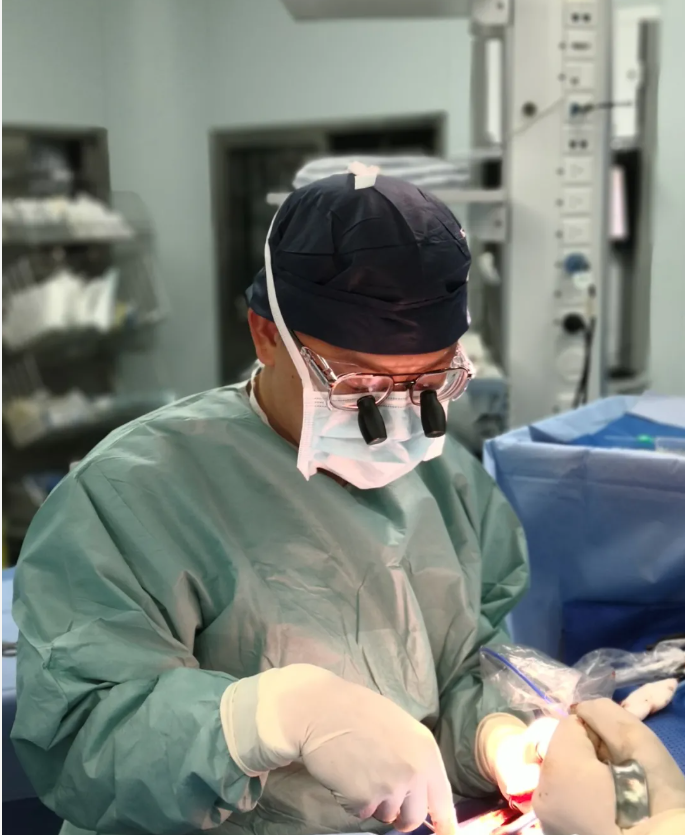
Looking back, Wang recognizes that in his younger days he wanted to learn everything. He has since understood that no single surgeon can master every type of head and neck tumor surgery. What matters more is cultivating one’s own style. His approach has three defining characteristics:
• A background in microsurgery that makes him highly proficient in flap repair, microvascular anastomosis, and nerve anastomosis.
• A high standard of quality for routine surgeries—meticulous technique performed at a relatively slow, deliberate pace.
• Composure under pressure. Head and neck operations can be extremely complex; even the common carotid artery can rupture unexpectedly, so the surgeon must remain composed.
After mastering microsurgical reconstruction he turned to a clinical problem that had received little attention: segmental defects of the recurrent laryngeal nerve after thyroid cancer surgery. Previously the approach had been casual bridging with other nerves. Systematic study led him to pioneer a method of recurrent laryngeal nerve transposition that markedly improves postoperative voice quality. Patients who had been hoarse and choking on saliva recovered clear voices; one elderly woman, who had come only for tumor removal, was overjoyed when her voice returned as well.
He has also clarified the clinical patterns of lymph-node metastasis in thyroid cancer and proposed the naming and significance of the inter-arterial-venous lymph node—a node often missed by routine ultrasound in patients whose neck vessels diverge rather than run parallel, leading to residual disease or recurrence if overlooked.
Wang sometimes feels he is rather like a craftsman. The spirit of craftsmanship—precision, patience, and the pursuit of mastery through repeated investigation of the thing itself—is central to how he understands surgery. In microsurgery, as in the finest traditional carving, the ultimate skill often depends less on the magnification of the microscope than on the feel of the hands: surgeon and instrument become one, intent guides the mind, and the knife follows.
That sense of craftsmanship brings deep satisfaction. The purpose of the finest surgery is not only technical perfection but the return of patients to their families, workplaces, and society whole—so they may fully enjoy the bonds of family, friendship, and love.

ShanghaiDoctor.cn: What kind of surgery do you consider the best surgery?
Wang Yulong: The finest surgery demands an uncompromising perfectionism—an attitude that says, “If I can make it any better, I will not let it leave even a trace of regret.” As Professor Sun Jian of the Department of Oral and Maxillofacial Surgery at the Ninth People’s Hospital once observed, surgery is as much about the surgeon’s own immersion and sense of fulfillment as it is about technique. Its ultimate purpose is to return patients to their families, their workplaces, and society whole—so they may fully enjoy the bonds of family, friendship, and love.
ShanghaiDoctor.cn: What qualities must an excellent surgeon possess?
Wang Yulong: First, find a strong platform on which to hone your craft. Fudan University Shanghai Cancer Center is one such platform—beyond its abundant medical resources, its institutional culture is deeply commendable: respecting patients and sincerely addressing their concerns. Second, be devoted to learning. I often travel to observe other surgeons operate—sometimes to other cities, even smaller ones—because it sparks new insights. A good doctor cannot rely solely on his own patients for experience; he must also absorb knowledge and inspiration from his peers with speed and humility.
ShanghaiDoctor.cn: Over the past decade or more, what reflections do you have on thyroid cancer surgery?
Wang Yulong: Surgery remains the cornerstone of treatment and, in most cases, offers a cure. Yet the pressing challenge lies in refining how we assess thyroid cancer before surgery—so that we can identify truly indolent tumors and recommend active surveillance rather than immediate intervention. There is a growing public narrative that labels all thyroid cancer as indolent, which naturally raises questions such as “Should it even be treated?” or “Is surgery necessary?” At the same time, for patients with the same stage and tumor size, it can still be difficult to predict whether the tumor will metastasize or recur. In the long term this is a difficult problem to resolve, one that will require sustained collaboration between patients and doctors.
ShanghaiDoctor.cn: If you were to address current medical students, what would you tell them?
Wang Yulong: First, reserve part of your time for the fields you love, even if they have little to do with medicine—history, philosophy, literature, art, physics, and beyond. In high school I excelled in mathematics, physics, and chemistry because I was genuinely passionate about them. Even today the accounts I follow are mostly in the sciences. That background has served me well: when I engage in medical research I can feel my thinking moves a little faster.
Second, I hope medical students will also pay attention to traditional craftsmanship and culture. There is a striking kinship between surgery and fine carving. In ancient times craftsmen devoted themselves to the most delicate work, shaping a piece of wood just one inch in diameter into palaces, vessels, human figures, birds, beasts, trees, and stones—the famous “nuclear boat” carved from a peach pit that depicted Su Dongpo’s tour of the Red Cliffs with exquisite vividness. What those craftsmen relied upon was no magnifying glass—only their own consummate skill. When we surgeons perform microsurgery we likewise sometimes depend less on the precision of the microscope than on the feel of our hands. It is a state of profound mastery: where surgeon and blade become one, intent guides the mind, and the knife follows the body. That, truly, is the ultimate realm for a surgeon.
From the decision to leave a secure hospital post for the uncertainty of graduate study, through years under a master surgeon, microsurgical training, and the quiet innovation of a nerve-transposition technique that restores voice, Wang Yulong has embodied a simple principle: innovate within inheritance, and develop through innovation. The craft continues, one meticulous case at a time.
Editor: Chen Qing
If you need any help from Dr. Wang, please be free to let us know at ChenQing@ShanghaiDoctor.cn.
Dr. Shi Yuling | Psoriasis, and Spring Mountains Beyond the Plain
Dr.Ying Chunmei | Laboratory Medicine, Renewed a Little Every Day
Dr. Zhang Lei | Children's Airways, and a Preference for Being Plain
Dr. Chen Tongyu | Chest Surgery Without a Tube, and No Claim to Greatness
Dr. Hua Xiaolin | High-Risk Obstetrics, and a Child Worth Keeping
Dr. Shen Chun | Neonatal Surgery, and a Vow That Makes No Speech
Dr. Yang Ji | A Dermatologist Who Measures the Years by Who Gets Better
Dr. Chen Gong | Children's Bile Ducts, and a Future He Chose Himself
Dr. Luo Zhiguo | An Oncologist Still Hoping for One More Reunion
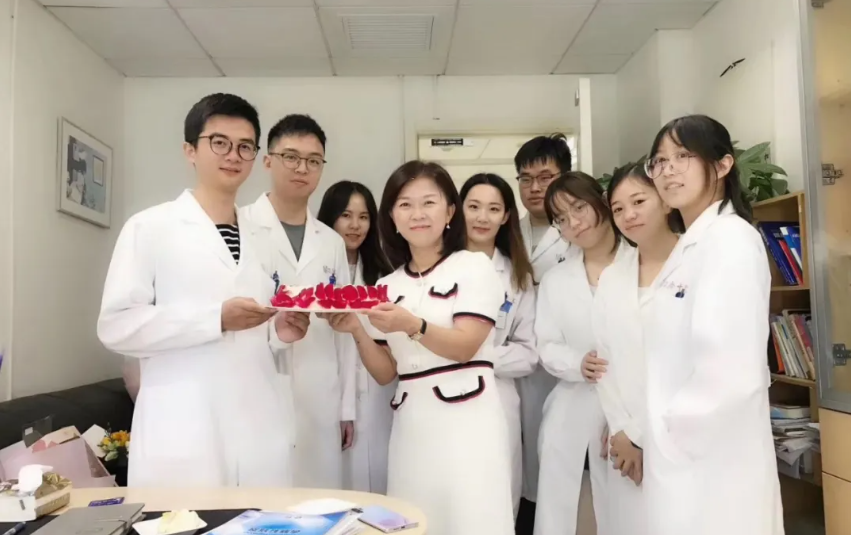
Dr. Shi Yuling | Psoriasis, and Spring Mountains Beyond the Plain
Dr.Ying Chunmei | Laboratory Medicine, Renewed a Little Every Day
Dr. Zhang Lei | Children's Airways, and a Preference for Being Plain
Dr. Chen Tongyu | Chest Surgery Without a Tube, and No Claim to Greatness
Cui Jie | An Infectious-Disease Nurse Who Kept Walking In
Dr. Hua Xiaolin | High-Risk Obstetrics, and a Child Worth Keeping
Dr. Shen Chun | Neonatal Surgery, and a Vow That Makes No Speech
Dr. Yang Ji | A Dermatologist Who Measures the Years by Who Gets Better
Dr. Chen Gong | Children's Bile Ducts, and a Future He Chose Himself
Dr. Luo Zhiguo | An Oncologist Still Hoping for One More Reunion
Copyright © 2023 Yewen Renyi & ShanghaiDoctor.cn (This website is a non - profit medical humanities platform. The information contained herein is solely for biographical and historical purposes and does not constitute any medical advice.) 沪ICP备2023005392号-2 XML 沪公网安备31010902100835号
 中文
中文 English
 Español
 沪公网安备31010902100835号