ShanghaiDoctor - Where China's Healing Wisdom Shapes Modern Medicine

Update time:2026-10-17Visits:118
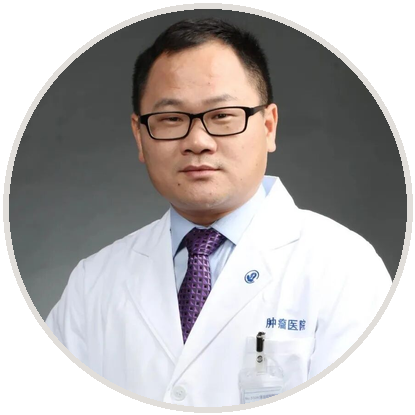
“Sometimes we cure. Always we comfort. But as long as there is one chance of life, we have to bring twelve parts of courage to the treatment.”
— Li Guichao
Li Guichao is Associate Chief Physician in the Radiation Therapy Center of Fudan University Shanghai Cancer Center. He treats cancers of the digestive system—stomach, rectum, liver, bile duct, and pancreas—with radiotherapy and combined treatment, and is known for precise contouring of tumor targets, the careful drawing of the area to be irradiated so that healthy organs and tissue receive as little damage as possible.
He is a youth committee member of the gastric cancer committee of the China Anti-Cancer Association and of the colorectal cancer committee of the Chinese Medical Doctor Association, member and secretary of the gastric cancer group of the China Anti-Cancer Association’s radiotherapy committee, and a member of groups on chemotherapy nutrition and on gastrointestinal radiation oncology. He was one of the writers of the section on locally advanced rectal cancer in the Chinese Society of Clinical Oncology’s colorectal cancer guidelines, sits on two committees of the China Medicine Education Association, and is a youth committee member of the Shanghai Anti-Cancer Association’s radiotherapy committee. He shares, as fourth contributor, a second-prize science and technology award of the China Anti-Cancer Association, and has spent time as a visiting scholar in Boston.
Li comes from Linyi in Shandong, a place many Chinese know through the folk song of the Yimeng Mountains, the calligraphers Wang Xizhi and Yan Zhenqing, and the history books. He grew up in a mountain village and went to school barefoot. As a boy he ran along the ridges between the fields at night, chasing the brightest stars with his friends, not knowing what he was chasing, only wanting to keep some of that light. He is now past forty and has practiced medicine for nearly twenty years, in Shanghai, on the banks of the Huangpu.
Choosing radiation oncology was the turning point of his life. A surgeon fights in the open with a long blade. A radiation oncologist, he says, works from cover, drawing a battlefield with an invisible sword. In the early years of a field that rarely takes the spotlight, he was sometimes unsure of his own worth. Patients whose condition improved under his care gave him back his confidence.
Most of the time, he says, radiotherapy plays a supporting role, but it cannot be replaced. There are problems surgery cannot solve that radiotherapy can, and metastases where surgery can do nothing and chemotherapy works too slowly; then it is radiotherapy’s turn. In the machine of cancer treatment, he believes, every screw matters equally. He does not need to be the brightest one, only to turn faithfully so that more patients have hope.
He has long held to the teaching of the Ming philosopher Wang Yangming on the unity of knowing and acting and on following one’s innate sense of the good: begin from goodness, keep refining the inner self, hold to the reason one started, practice diligently, and let word and deed, inside and outside, be one.
His path in radiotherapy was set at graduation. Trained in medical imaging, he did not want the usual road. He went alone from Shandong to southern Jiangsu and joined the radiotherapy department of Changzhou First People’s Hospital. Conditions were hard; the department had a single cobalt-60 machine. Those four years steadied him. He completed his grounding in the basics, turned theory into practice, and watched the department grow from its beginnings.
He then entered graduate school at Fudan under Professor Zhang Zhen, director of the Radiation Therapy Center at Fudan University Shanghai Cancer Center, firm and gentle at once. She was, he says, the great good fortune of his life, and her teaching felt like a spring breeze. She attends to patients in every detail and is exacting in scholarship. She examines every treatment plan—whether it is sound, whether the dose to vital organs is within safe limits, whether the indications are strictly met—and if a plan falls short, it is torn up and redone at once. Her view is that radiotherapy must keep making the full dose more precise where it is needed while giving tissue that must be protected the smallest possible dose. To control positioning better, she and the team developed a passive breathing-control technique which, in gastric cancer radiotherapy, reduces the dose to surrounding normal tissue by 18 percent, a real gain for patients’ quality of life.
Under her guidance Li learned to contour tumor targets precisely, with a single goal: to spare normal organs and tissue as much as possible. He was criticized often, he admits, especially when he began writing case records and papers. It was her character that changed him most, and brought him closer to the doctor he wanted to be.
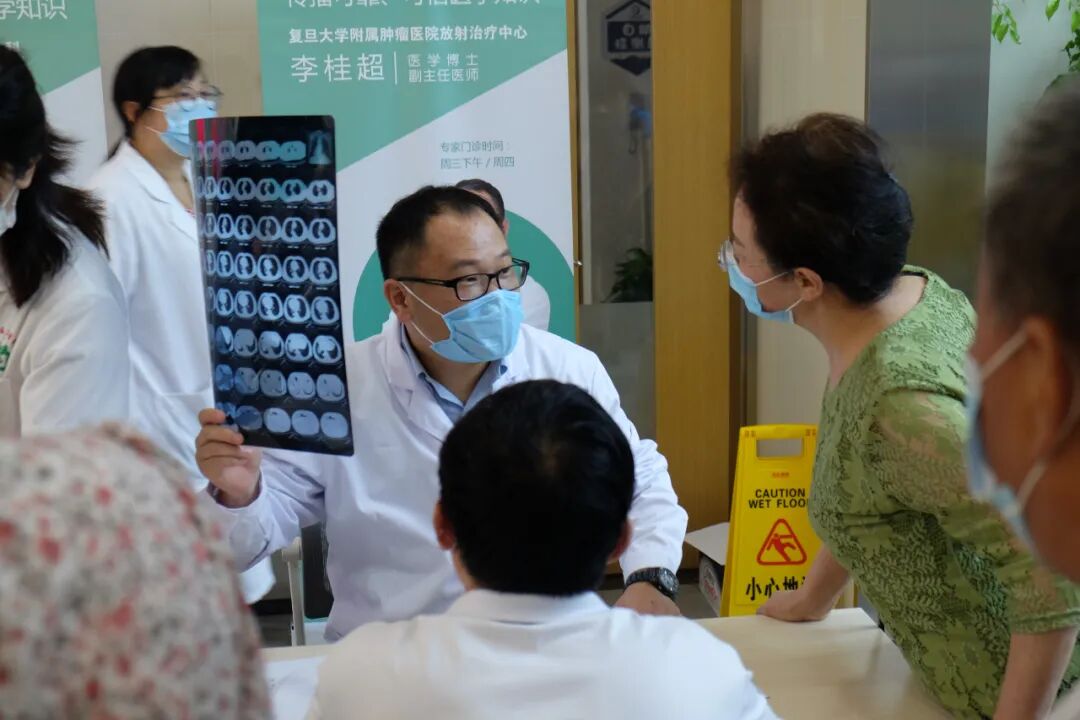
The center is one of the first in China to treat cancer with radiation. Over the years Li has found the balance between radiotherapy and the other treatments. In gastrointestinal cancers, he says, radiotherapy and chemotherapy are mostly support for surgery—like an assist in football. You have to make a good pass so the striker can score. Surgery, radiotherapy, and chemotherapy together improve both survival and quality of life. That is what radiotherapy means in the whole of treatment.
During the epidemic a patient with gastric cancer came in whose tumor had invaded the duodenum and lay against the pancreas. Surgeons explored and judged it unresectable. First a gastrojejunostomy relieved the partial obstruction at the outlet of the stomach so that he could be nourished. Then chemotherapy and radiotherapy shrank the tumor markedly, and the invaded duodenum returned to normal. The patient was finally able to have the tumor removed, and the operation went very well. There had been no chance of surgery, Li says; radiotherapy won him the window. The surgeon did the operation, but afterward the family came looking for Li to tell him the patient was safe. Seeing them smile at last, he felt the work had truly mattered.
Where is the happiness in nearly twenty years of medicine? To give every outpatient the right plan, spare him detours, and see him improve—and then to see that old patient walk back into clinic. That, he says, is the happiest thing.
Li always tries to tailor treatment to the patient, the way a tailor measures for a suit. It must be individual, he says. Must adjuvant treatment use the most advanced technology? It can. But cost-effectiveness matters too. If the effect is similar and the price much higher, he sees no need.
Taking the measurements depends first on the doctor’s understanding of the disease, built from daily experience, wide reading of the literature, and familiarity with the guidelines, so a doctor has to keep learning for life and draw conclusions from each real case. Second, the tumor grows in a particular person. The doctor has to know that person: the nature of his work, his habits, where he lives, even how his family regards him. All of these can change the outcome, and the doctor has to notice them.
Why, for example, do young people with cancer often do worse than older patients? Research, he explains, suggests that many tumors in young people arise from defects already present in germline genes, without a driver gene, which makes them hard to control with radiotherapy, while tumors in older people tend to form after many mutations and behave somewhat better. Location matters too. A rectal tumor near the anus can be operated on, but the operation may remove the sphincter and its function. Then the question is whether radiotherapy should come first, to shrink the tumor until surgery can preserve the anus—or even until it almost disappears, so that the patient can be followed closely rather than rushed into an operation.
Like his teacher, Li puts great effort into every patient, thinking through the method and adjusting the plan to each. He looks not only at the patient’s present but at the patient’s future, so every step is weighed: talk fully, treat according to the disease, fit the plan to the person.
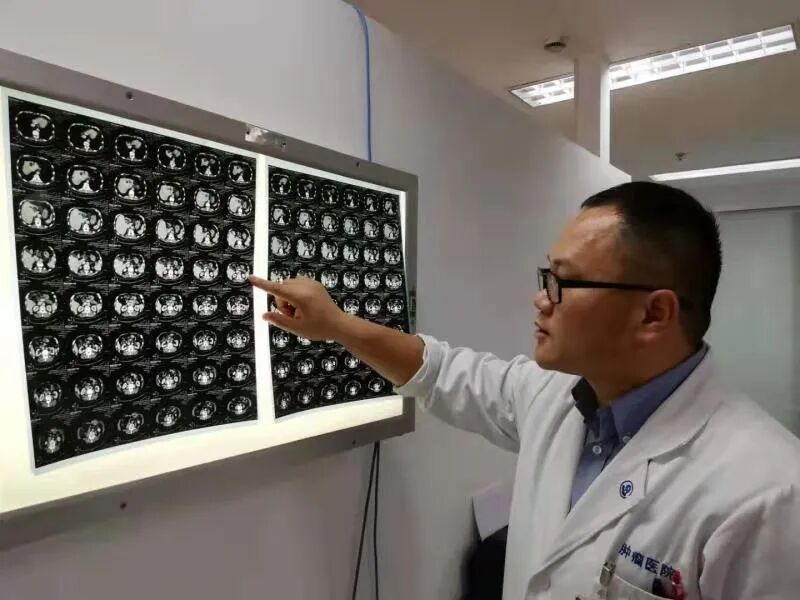
ShanghaiDoctor.cn: Why did you decide to study medicine?
Li Guichao: I thought medicine could help people. When I was small my grandfather coughed all the time, and nothing cured it. Sometimes his hard, rapid coughing woke me in the night, and I would see him bent over, almost coughing his lungs out. It was terrible to watch. Apart from patting his back, the family could do nothing. I thought: I will become a doctor, so I can help my family, and at least not stand by watching my grandfather suffer like that.
ShanghaiDoctor.cn: Where did your sense of achievement as a doctor begin?
Li Guichao: At Changzhou First People’s Hospital. A patient with esophageal cancer came in unable to swallow; he could take only a little water. After radiotherapy the tumor shrank, he could eat again, and he put on weight. I was one member of the treatment team. He kept asking me whether he could be cured, how long he would live, and I kept reassuring him and giving him confidence. When his treatment ended, he insisted on having a photograph taken with me. That was the first time I felt what a doctor’s achievement is.
ShanghaiDoctor.cn: What is distinctive about your work as a radiation oncologist?
Li Guichao: Gastrointestinal tumors usually sit very close to many organs, which makes radiotherapy difficult. You must never kill a thousand of the enemy and lose eight hundred of your own—that would not be radiotherapy, it would be a game. For a young woman with rectal cancer, for example, we think before treatment about protecting her organs. We may first suspend the ovaries outside the pelvis so they are not irradiated, which can preserve ovarian function; otherwise it may be lost. I put great weight on protecting normal organs: delivering a high dose to the tumor while limiting the dose to normal organs within tolerance, to avoid serious side effects as far as possible. That is something I think I do fairly well. We also have a lot of experience preventing and treating radiation enteritis.
ShanghaiDoctor.cn: What is the relationship between a tumor and a person?
Li Guichao: When I started, as a junior doctor, I thought it was a fight to the death; I even believed that if a tumor was not cut out, the patient was not cured. Years of practice have changed my mind. A tumor can coexist with its host. A doctor’s job is to make that coexistence safe and reasonable—to keep the peace, prolonging life and improving its quality together. For some gastrointestinal tumors that cannot be operated on, about 30 percent of patients have a complete response after radiotherapy. That does not always mean the tumor has vanished; some cells may remain. But if it is under control and causing no obvious symptoms, I think the two can coexist. You just must keep up follow-up and not grow careless.
ShanghaiDoctor.cn: How should an ordinary patient think of cancer—as a monster?
Li Guichao: First understand the disease scientifically, and then you can treat it scientifically. I think it is best seen as a chronic disease, like diabetes or high blood pressure, not something to freeze at the mention of. Tumors are clever, and every type is different; some behave well, some badly, some both. So in treatment there will be good outcomes and bad ones. Clinically, surviving five years counts as a cure. What use is fear? Better to learn more about prevention. Ordinary people still know too little about cancer, and prevention matters most: diagnosed and treated early, the result is completely different. Prevention, care, treatment, and rehabilitation are one chain. Break any link and the system is not whole.
ShanghaiDoctor.cn: Every day you face patients caught in pain and fear. How do you talk with them?
Li Guichao: I am fairly frank. I talk with them about what the treatment may achieve, and depending on the person, about other things too—values, how they see life. Some patients are frantic and cannot relax for a moment. Then I have to understand what they truly think at the root, or the illness cannot be treated: if you have already surrendered the fortress of your own mind, what can a doctor do? Those patients need careful guidance. I tell them the more anxious you are, the worse it is. Treating cancer depends on outer and inner factors together. Surgery, radiotherapy, chemotherapy, and targeted drugs are the outer ones. The inner ones are your mood and your values. Cheerfulness and optimism can draw unexpected strength from the immune system, which matters a great deal in holding the tumor back. If you cannot sleep, eat poorly, grow weaker, and give up on yourself, the tumor cells grow without restraint. Most patients are willing to listen, and afterward they let out a long breath. Then I say: you care about your illness, so you want to know more—whether it can be cured, how long you will live. Every patient is different. But not giving up, and facing it positively, is what matters most.
ShanghaiDoctor.cn: What do you expect of yourself?
Li Guichao: Comfort is only one part of medicine. Under the conditions we have, giving each patient the most suitable treatment is what I should do, and what I expect of myself. If a patient does not need treatment, forcing it on him is wrong. If he needs it and does not want it, I will talk with him patiently until he is persuaded. Sparing patients detours and getting them the right treatment is our responsibility. In the details—recognizing the tumor, protecting the organs—everything has to be done as well as possible.
ShanghaiDoctor.cn: Have you had regrets as a radiation oncologist?
Li Guichao: Many. Most come when we have made a great effort and the result is still poor, and there is nothing more we can do. Then I feel discouraged. The one I remember most was a woman of eighty with rectal cancer who responded well to radiotherapy and had a good chance of keeping her anus with surgery. She and her family absolutely refused the operation, so we could only maintain her on oral chemotherapy. A year later the control from the chemotherapy, and the lasting effect of the radiotherapy, had run out. The disease progressed quickly, and after a while she stopped coming to clinic. I wish that one day this old woman, who had looked so lively, would suddenly appear at my door. But I know she will not. Radiotherapy is a local treatment. When cancer has spread through the body, or the tumor is very large, its role is limited. We cannot avoid saying so.
ShanghaiDoctor.cn: Patients hope to find a last straw to hold on to in their doctor. When you cannot give it, how do you feel?
Li Guichao: There is a saying I find exactly right: sometimes to cure, always to comfort. Even so, as long as there is one chance of life, we have to bring twelve parts of courage to the treatment. Some people say we are numb, and I admit that at times we are a little. But that numbness is toward the disease we cannot defeat, not toward the person. In a cancer hospital we fight tumors all day. Sometimes you win, sometimes the tumor wins. Conquering cancer will take countless people, one after another, and a long time. We have to look at it scientifically and in proportion.
ShanghaiDoctor.cn: How do you understand life?
Li Guichao: Life is short. Keep as much of the beauty as you can, like the brightest stars and sea I saw as a child in the countryside. Hold those things deep in memory, and that is a Peach Blossom Spring. With that Peach Blossom Spring inside, where is not among the water and the clouds?
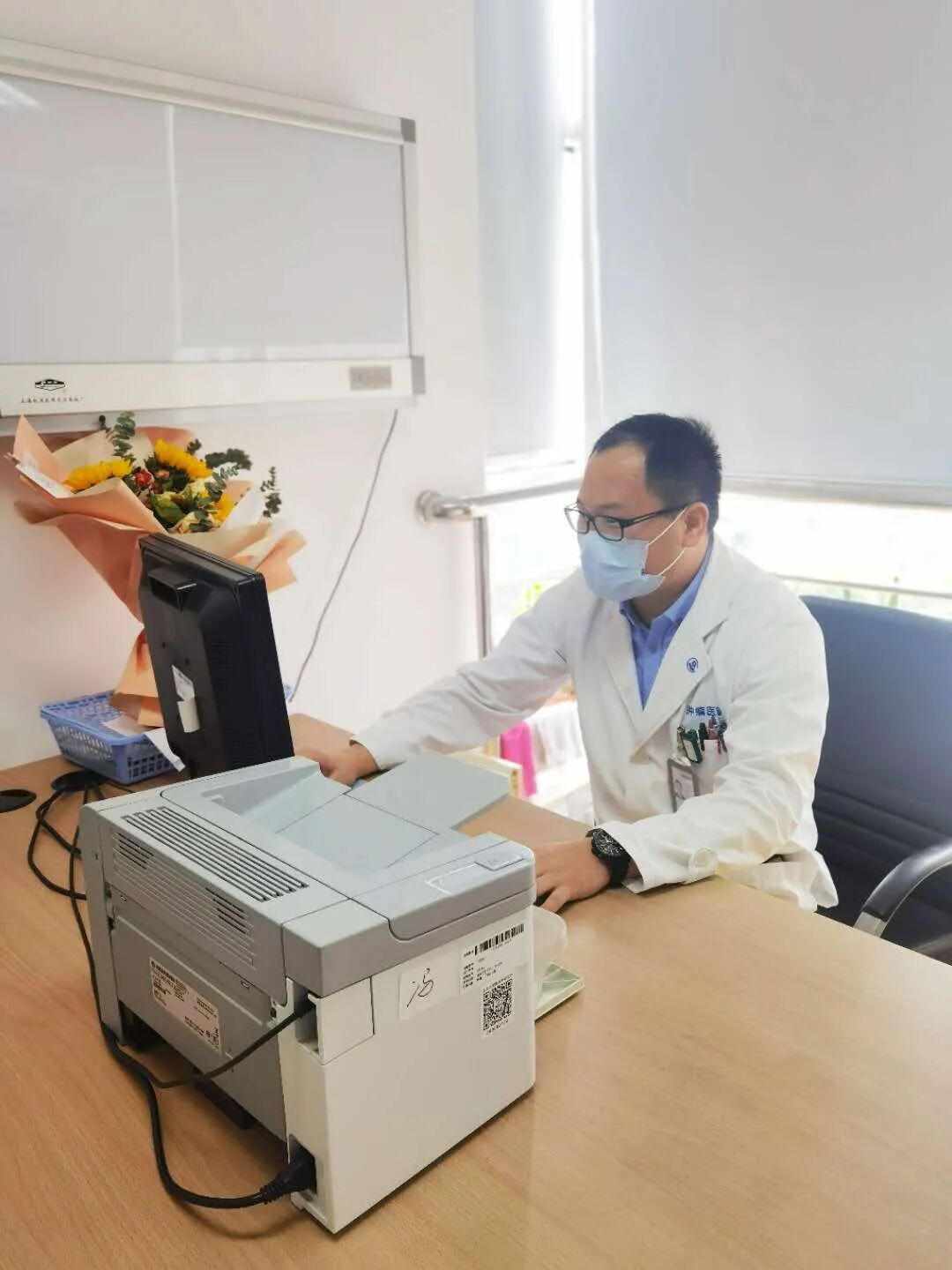
The Peach Blossom Spring is the hidden valley of Tao Yuanming’s fable, a peaceful place a fisherman found once and could never find again. Li Guichao keeps his in memory: stars over the fields of a Shandong village. His daily work is less poetic and more exact—an ovary moved out of the beam, his teacher’s breathing-control technique, which cuts the dose to nearby healthy tissue by 18 percent, a duodenum restored so that a surgeon can operate. He measures it in the patients who walk back into clinic, the family who came to tell him a man was safe, and the eighty-year-old woman he still hopes will appear at his door.
Editor: Chen Qing
If you need any help from Dr. Li, be free to let us know at Chenqing@ShanghaiDoctor.cn.
Adapted from the Yewen Renyi (晔问仁医) interview “李桂超 | 心中若有桃花源,何处不是水云间.”
Dr. Wang Xudong | Craniomaxillofacial Surgery, and Years Written into Chapters
Wang Xiaoning | Operating Room Nursing, and a Grace Like the Orchid
Dr. Li Guichao | Radiation Oncology, and a Peach Blossom Spring in the Heart
Dr. Lu Yanan | Pediatric Heart Surgery, and Feeling Another’s Pain as One’s Own
Dr. Chen Sun | Newborn Heart Intervention, and Staying Young Enough to Be Moved
Dr. Wu Yurong | Fetal Echocardiography, and Kindness as Part of the Job
Dr. Li Dawei | Sphincter-Saving Surgery, and the Operation That Fits the Patient
Dr. Zhang Jian | Laparoscopy, and the Hearth Fires of Ordinary Life
Dr.Sun Jing | Fertility-Sparing Surgery, and a Future Already Here
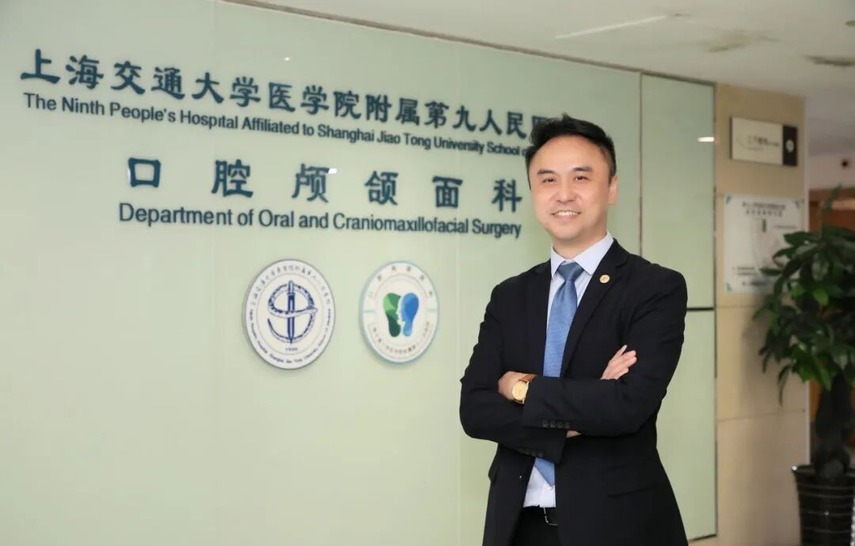
Dr. Wang Xudong | Craniomaxillofacial Surgery, and Years Written into Chapters
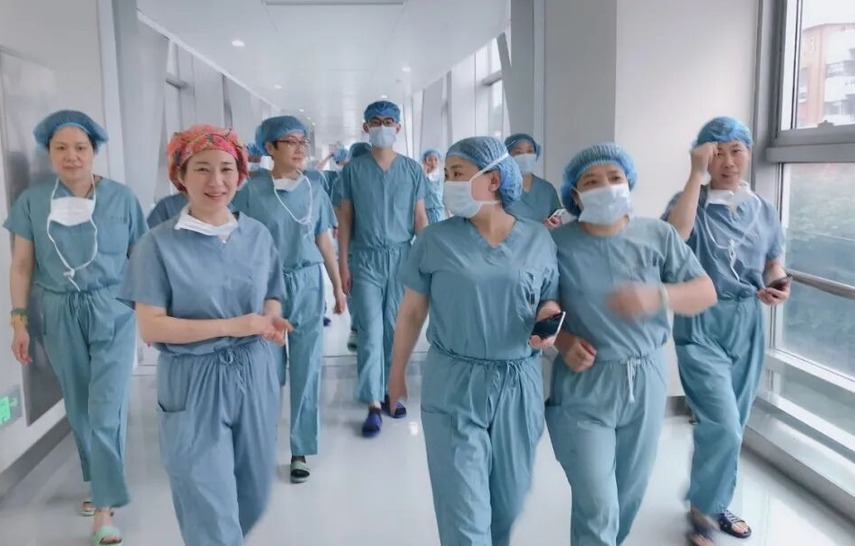
Wang Xiaoning | Operating Room Nursing, and a Grace Like the Orchid
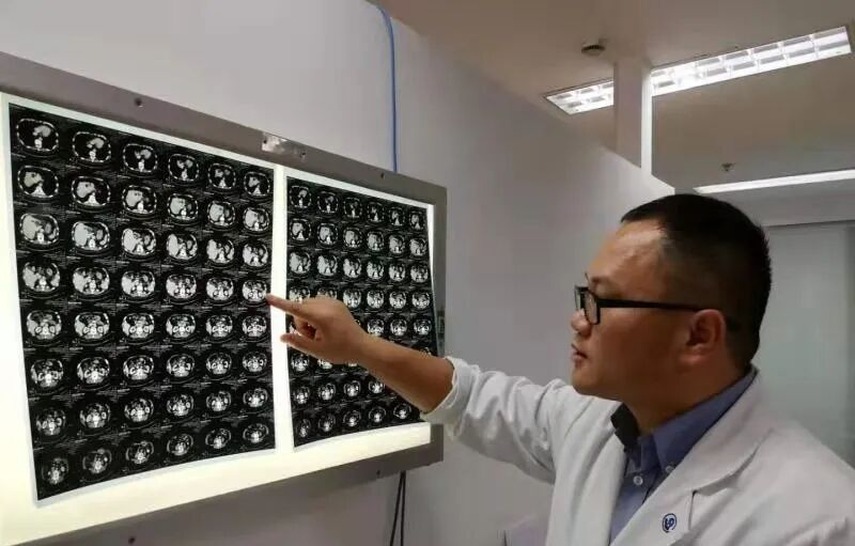
Dr. Li Guichao | Radiation Oncology, and a Peach Blossom Spring in the Heart
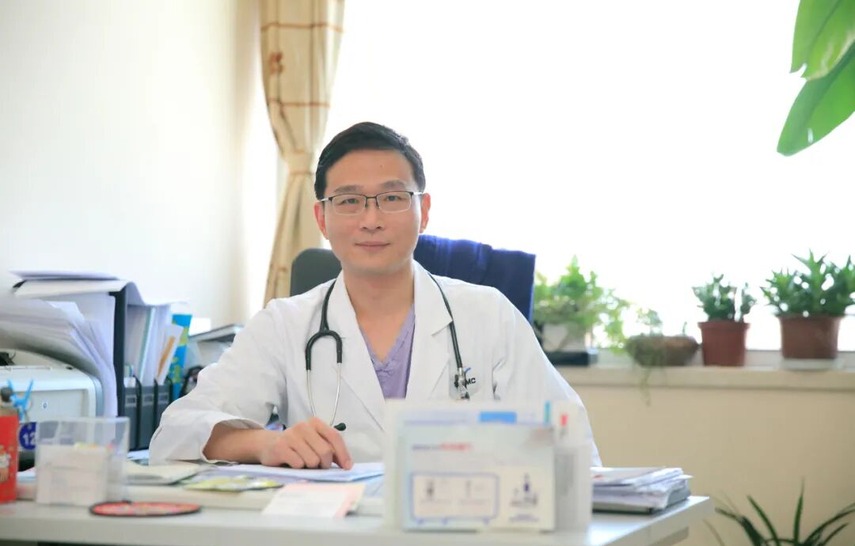
Dr. Lu Yanan | Pediatric Heart Surgery, and Feeling Another’s Pain as One’s Own
Dr. Chen Sun | Newborn Heart Intervention, and Staying Young Enough to Be Moved
Dr. Wu Yurong | Fetal Echocardiography, and Kindness as Part of the Job
Jiang Liping | Speech Therapy, and the Lamp She Carries
Dr. Li Dawei | Sphincter-Saving Surgery, and the Operation That Fits the Patient
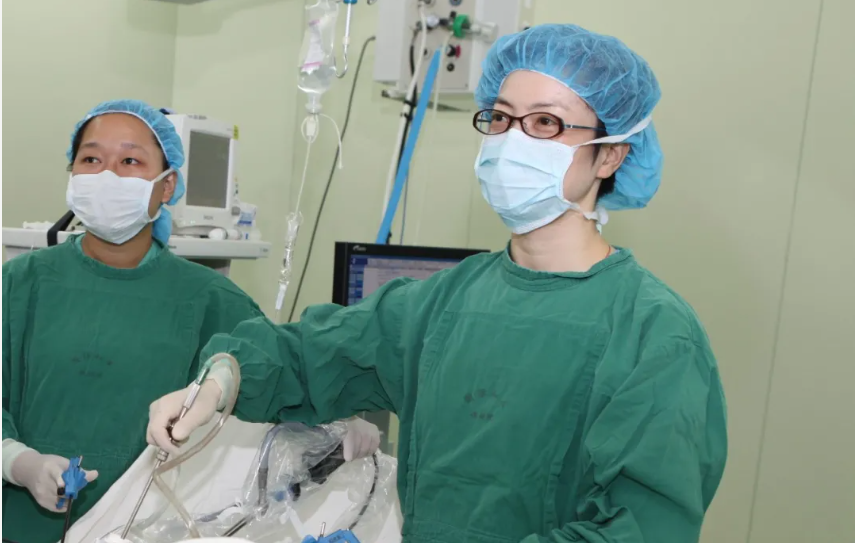
Dr. Zhang Jian | Laparoscopy, and the Hearth Fires of Ordinary Life
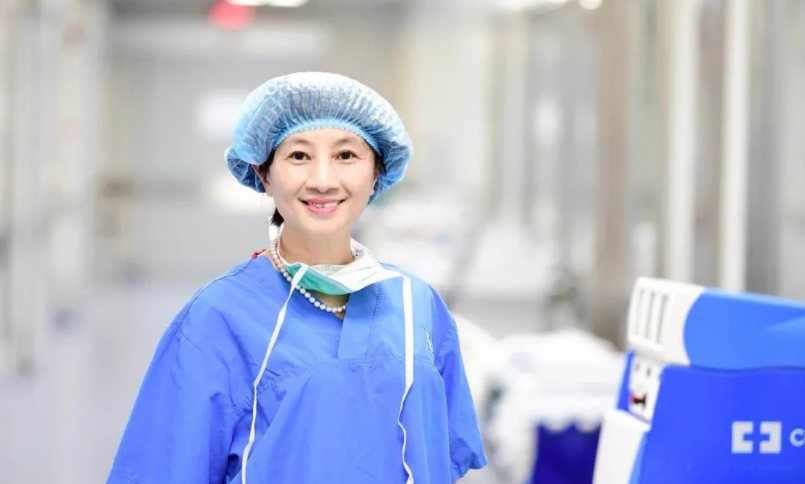
Dr.Sun Jing | Fertility-Sparing Surgery, and a Future Already Here
Copyright © 2023 Yewen Renyi & ShanghaiDoctor.cn (This website is a non - profit medical humanities platform. The information contained herein is solely for biographical and historical purposes and does not constitute any medical advice.) 沪ICP备2023005392号-2 XML 沪公网安备31010902100835号
 中文
中文 English
 Español
 沪公网安备31010902100835号