ShanghaiDoctor - Where China's Healing Wisdom Shapes Modern Medicine

Update time:2026-10-17Visits:111
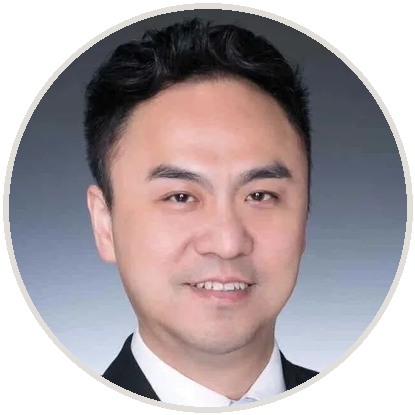
“Time holds the pen, and the years become chapters. Some things you can let go. Some things you must hold on to.”
— Wang Xudong
Wang Xudong is Chief Physician, Doctor of Medicine, and Doctoral Supervisor, Director of the Department of Oral and Craniomaxillofacial Surgery at Shanghai Ninth People’s Hospital, Shanghai Jiao Tong University School of Medicine, and secretary of the department’s Communist Party branch—in Chinese hospitals, a separate role responsible for the department’s organization and morale alongside its clinical leadership. He also directs the Shanghai Children’s Craniomaxillofacial Deformity Screening and Treatment Center.
His work is the treatment of dentofacial deformities and minimally invasive surgery of the face and jaws: management of bone defects before dental implants, minimally invasive treatment of facial fractures and condylar tumors, orthognathic (jaw-correcting) surgery, distraction osteogenesis, contouring of the mandibular angle and cheekbone, and the use of surgical navigation and 3D printing for finer, more accurate, less invasive repair of the soft and hard tissues of the face.
He is vice chair of the Chinese Stomatological Association’s committee on oral genetic and rare diseases and of its first committee on oral and maxillofacial trauma and orthognathic surgery, a member of its seventh oral and maxillofacial surgery committee, a council member of the China chapter of the Pan-Asian Academy of Facial Plastic and Reconstructive Surgery, and a faculty member of the AO Foundation, which trains surgeons in fracture fixation.
The interviewer had first met him five years earlier. He looked much the same, alert and energetic, but tired. They talked about clinical work, research, team building, and philosophy, and the range of his thinking had grown well beyond their first conversation.
He spoke about a sense of ceremony. Everything, he believes, needs it. In life it is a kind of style, an aspiration, an attitude of not giving up and not sliding. In work it is a position, a dignity, the courage to step forward and take the task on. The interviewer replied that ceremony, at bottom, means caring. He had recently reread Nandu Beigui, a history of Chinese scholars who fled south during the war against Japan, and copied into his notebook a passage about intellectuals who, with the bombs still falling, would find an evening to lecture on Dream of the Red Chamber under the moon. Sometimes, he said, he longs for the spirit of the wartime Southwest Associated University. It may look out of place today, even foolish. It still matters.
In the past few years, he says, responsibility and pressure have carried him along at a run. He went from executive deputy director to director of the department and secretary of its Party branch, carrying two loads at once. The second role, he says, changed him most—a forging of character, at times enough to give him a cold sweat. He is no longer one person; there is a team behind him. He has to get everyone running together, lift morale, build a culture. He complains much less now, and watches what he says and does, because only an example moves people.
Small things hold a team together. When he can, he joins every colleague’s birthday celebration, and when he is away on business he still sends something: a card, a small gift, a few words of encouragement. You never know the power of these small things, he says, until you do them.
A sense of ceremony, in his view, leaves a mark on a life. He remembers primary school, when uniforms were brought back and pupils walked down the street in them with a special feeling of honor and belonging, and medical school, when he put on a white coat and took the oath. Since 2015 the department has published its own yearbook, recording each year’s events and results. He set up an experienced editorial board and serves as the last of three rounds of review, checking every character and punctuation mark, often until his eyes are red. Yearbooks usually exist at the hospital level; a department producing one is rare, and they have kept it up for five years, printing each spring. His mentor, the academician Qiu Weiliu, often holds it up as an example to other students, which embarrasses Wang; the idea, he says, came from Qiu in the first place.
The yearbook is called Zhi Xing He Yi, a play on Wang Yangming’s “unity of knowing and acting” that swaps in the character for jaw. Wang loves traditional culture because, he says, culture moves people most. Knowing is the beginning of acting, and acting is the completion of knowing. Learning means practicing, again and again. In clinical work, research, building the discipline, and training people, it is the same: water it with your whole heart, without other motives, and the rest will follow.
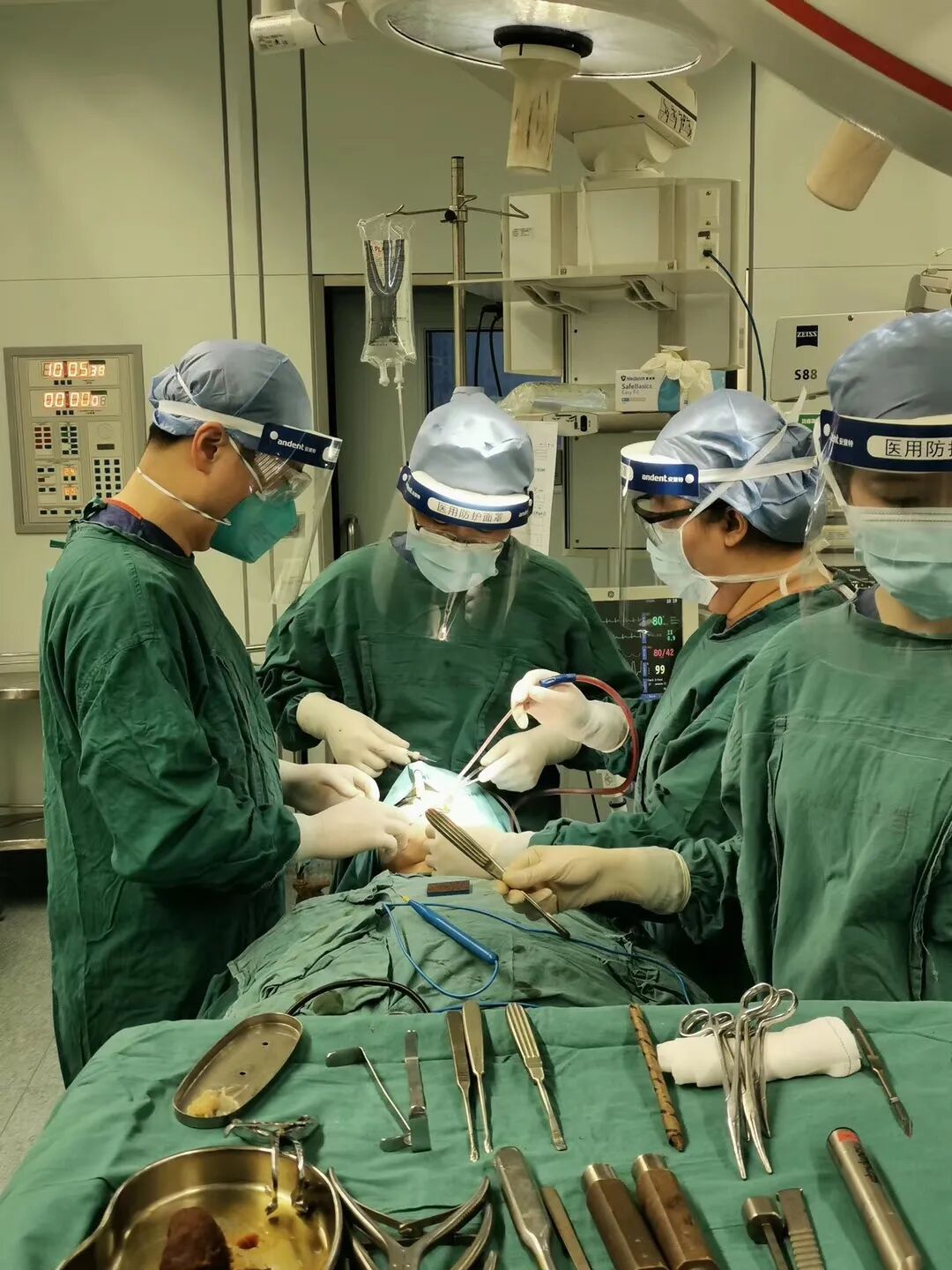
The department has five specialist groups: cleft lip and palate, maxillofacial trauma, orthognathics and orthodontics, sleep-disordered breathing, and orthognathic surgery. Each is doing well, he says, especially orthognathic surgery, the work of the whole department.
In 2018 the department led the founding of a specialist alliance for dentofacial deformity. It now has 57 member hospitals in 18 provinces and four municipalities. Its patients are mainly people with developmental deformities of the jaws—for example, an underbite, in which the upper front teeth sit behind the lower ones, the front teeth cannot bite, and the upper jaw and lip are set back.
The idea came from the patients. The department is known across the country, and people travel from everywhere to reach it, but resources are limited. From the patient’s side, he says, first you cannot get an appointment; even if you do, the travel and lodging in Shanghai are a burden. From the hospital’s side, it simply cannot take every patient in China. So the alliance plans treatment remotely, under a full set of standard protocols, and the operation is done by doctors where the patient lives. The department then monitors the results online for three to six months after treatment, along with surgical quality.
Making it real is not easy. Most of the local doctors in the alliance have trained at the Ninth People’s Hospital and share its approach. The department has run countless training courses, and each one is designed in advance around what participants want to learn and what problems they have met, so that they go home with something useful and the department behind them, free to treat patients locally. This, he says, is a true medical partnership, one that does not drain patients away from local hospitals. His three words for it are build together, share together, win together. Last year the alliance named three outstanding members: Nantong Stomatological Hospital, Xuzhou Stomatological Hospital, and Qingdao Stomatological Hospital.
Hospitals compete, and some lecturers hold back their techniques. Wang tells everything he knows. If you are afraid the people you teach will overtake you, he says, then keep running, and run faster.
In March 2019 a child of 33 months in Huzhou fell from the ninth floor and survived, but with comminuted fractures of both condyles and a fracture at the chin. Handled badly, the injuries would affect the growth of the face and the bite. Huzhou Central Hospital contacted the department. To avoid further injury in transfer and the unpredictable risks of a road journey with a small child whose condition could change, the teams chose air rescue. Ambulance staff from the Ninth People’s Hospital flew by helicopter from Longhua Airport to Huzhou, brought the child to the hospital’s northern campus in Baoshan, and that evening, after seven, the operation was completed in about an hour and a half. The surgeon was Dr. Shi Jun. Academician Qiu regarded it as a first, possibly the first air rescue for craniomaxillofacial trauma in mainland China. In 2018 alone, Wang adds, the department handled more than 27,000 emergency visits for oral and craniomaxillofacial trauma.
The same year, the Shanghai Children’s Craniomaxillofacial Deformity Screening and Treatment Center opened at the hospital, founded with the Shanghai Children’s Health Foundation and approved by the Shanghai Municipal Health Commission. As its director, Wang says screening is only the first step; there should be a green channel so that expectant mothers can go straight to answers. Surgery can only be done after birth, but the center’s involvement begins before it. It has linked up with nine prenatal diagnosis centers and hopes to work with every obstetric unit in the city to build a system for preventing and treating birth defects before marriage, before pregnancy, during pregnancy, and through infancy and childhood. When an obstetric unit finds a craniomaxillofacial deformity in a fetus, it can contact the center directly for medical advice. When the child reaches the right age, the center arranges surgery, followed by structured follow-up, including speech training and feeding guidance, along with public lectures, free clinics, and counseling. The health commission has asked that the green channel become a Shanghai model for other cities.
If you tell a mother four or five months into pregnancy that her baby has a cleft lip and palate, he says, she will fall apart. What then? Qiu Weiliu proposed whole-process management. When expectant parents are lost in pain and confusion, the team steps in, eases their anxiety, and shows them past cases so they can see how far a child can recover after surgery. The final decision, of course, is the parents’. The framework is built, he says, but many links still have to be connected. The road is long. At least the direction is right.
A doctor cannot do without clinical research, he says. Its attitude should run through daily practice: asking what is supported by evidence and what is only one’s own experience. Experience often contains assumptions. Turn it into a chain of evidence others accept, and they will accept your methods.
In early 2016, at 45, just inside the age limit, he won a hospital contest for research-oriented physicians, which came with a short study trip, and he later completed a year-long, mostly online clinical research training program run by Harvard Medical School—hard going, he says, with endless assignments and never enough time.
Research, in his view, should become a habit for the whole department. It set up a research platform and a seedling fund, putting 200,000 yuan into ten projects. Since the fund began in 2018, applicants have written and revised proposals and faced outside and in-person review, so that everyone learns research must be rigorous and standard. He does not want his doctors to be operators who see only their own small plot. Doctors are very busy, he admits, but with a clear process and fair incentives, many are glad to take part.
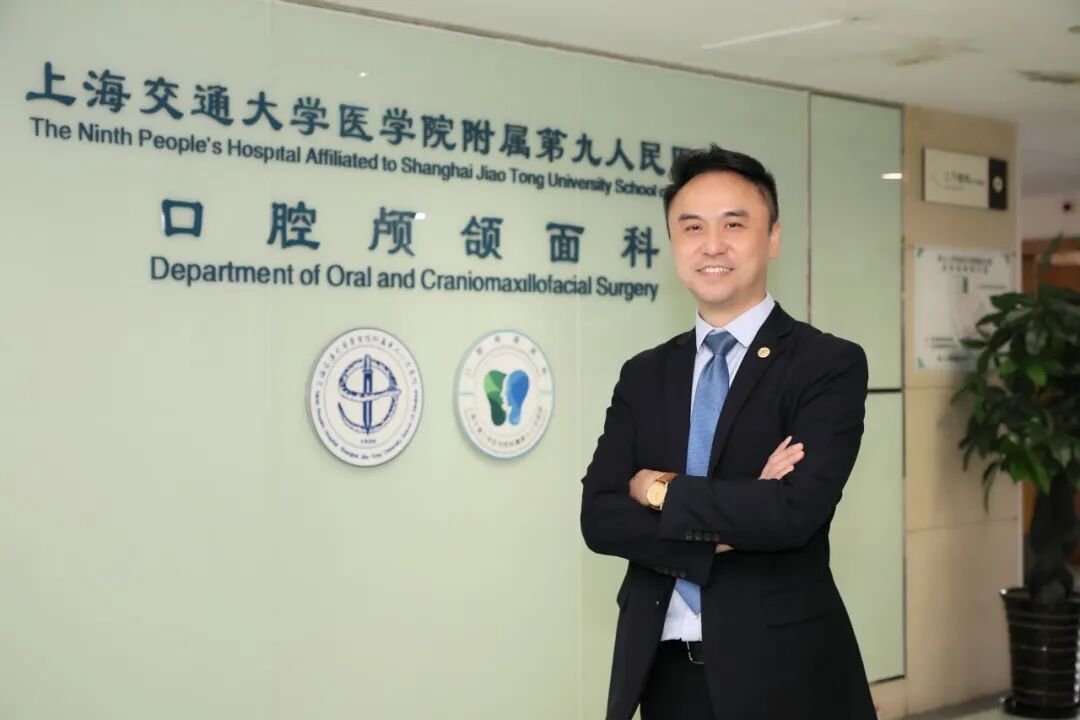
ShanghaiDoctor.cn: How does it feel to be both department head and Party branch secretary?
Wang Xudong: They are different. As department head I managed the clinical work, which I knew well. As branch secretary I had to learn everything—communication, organization, looking after people’s state of mind. I used to take part; now I organize. The work is fragmented, and there is never enough time. But I am glad that over these years the branch has become very united, and it was named a model branch by the medical school.
ShanghaiDoctor.cn: As department head, what do you focus on most?
Wang Xudong: First, meeting the targets the hospital sets. That is the baseline, because those targets reflect the department’s level in clinical service, teaching and research, and management. Beyond that, the department’s inner life: shared values that everyone accepts, so that we pull together and build the department’s name.
ShanghaiDoctor.cn: Are you satisfied with your work these past few years?
Wang Xudong: Fairly. Honestly, I feel I am laying the foundation for the next five or ten years. I have roughly met my own expectations, and the platforms are in place: the specialist alliance, which can extend across the country; the screening center, which opens a green channel and can do much more; and the research platform, with the laboratory growing. But there is a long way still to go.
ShanghaiDoctor.cn: What is still lacking?
Wang Xudong: People. We are always training them. Lasting growth depends on the team. I want more associate chief physicians to be tested in clinical work, teaching, and research, each in their own role. I am willing to lead everyone toward the light. A gentleman helps others achieve what is good in them, not what is bad.
ShanghaiDoctor.cn: How great is the need for this kind of surgery?
Wang Xudong: Still very great. Take one common jaw deformity, the underbite. The United States does about 15,000 of these operations a year. Scaled to China’s population, about 90,000 people would need it here, but only around 5,000 are treated. As living standards rise, people want more for their appearance, and demand for treating dentofacial deformities keeps growing. It is the patients’ need that has woken the doctors. In our department, orthognathic surgery alone is more than 1,000 operations a year, and the department as a whole does more than 4,500—the volume of a small dental hospital.
ShanghaiDoctor.cn: Orthognathic surgery is always linked with beauty. How do you think about aesthetics?
Wang Xudong: Most of my patients are young, so my sense of beauty has to keep up with theirs (laughs). Young people today are well informed and well educated and have their own ideas. Their taste is different from ours; some may prefer the faces popular online. I am fifty now, and I make an effort to learn their aesthetic, so before every operation I talk with the patient for a long time. Some want the chin made pointed and lifted. To my eye that is not attractive and hard to harmonize with the whole face, but some patients really want it and hold firm. I think that if, in future, there were a simulated picture of the result before surgery, the patient would see at a glance what I mean by out of balance. Knowing the result before the operation is not only a medical question; it needs big data and artificial-intelligence algorithms. With the Yangtze Delta Region Institute of Tsinghua University, Zhejiang, and Tencent, we have set up a joint laboratory for oral and maxillofacial artificial intelligence and big data. It will be good news for patients.
ShanghaiDoctor.cn: Of clinical work, teaching, and research, which do you like best?
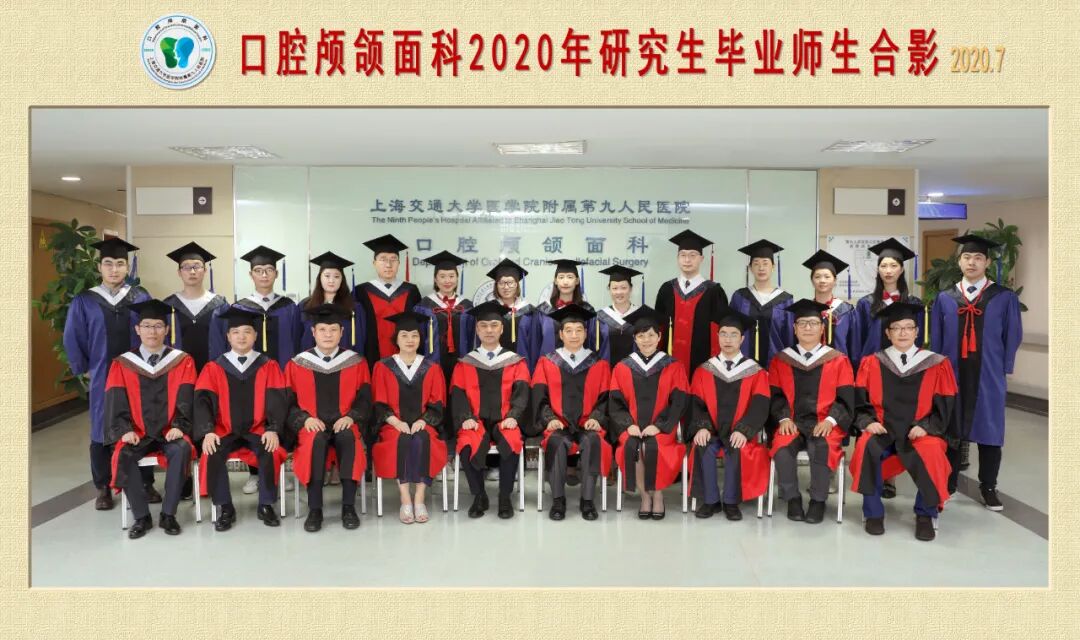
Wang Xudong: A doctor can only do so many operations in a lifetime. Teaching makes the most of a life—or perhaps I just like to teach (laughs). Jade is not a vessel until it is carved, and many parents today do not want to carve and polish, so many students lack something—not in skill or intelligence, but in seasoning and emotional maturity. Still, those of us born in the 1960s and 1970s have to take responsibility ourselves and not blame the next generation for what we did not do well. I spend more time on my students than on my own child. I hope that when my generation grows old, they will take up the baton and go further than we did.
ShanghaiDoctor.cn: Do you still feel lost?
Wang Xudong: Much less these past few years. I know what I want to do and what I need to do. Much of what we do is shaped and limited by circumstance. Since I took the helm of the department, I sometimes still want to complain when things are hard, but so many people follow you and watch you that solving the problem is what counts. Thinking that way settles the mind. I hold to my own views more firmly than before.
ShanghaiDoctor.cn: At fifty, what have you come to understand?
Wang Xudong: Time holds the pen, and the years become chapters. Some things you can let go; some things you must hold on to. Past fifty, my passion for the work is unchanged. We have given many free lectures online, and through the epidemic we did not stop; we were busy making courses. These things cannot be about reward. I will keep leading the team in serving patients. That is something I must hold to.
ShanghaiDoctor.cn: You follow Wang Yangming’s philosophy of mind. What does it mean to you?
Wang Xudong: The hardest question anyone faces is the question of one’s own life, and that life is full of trouble. Outer troubles can be solved; inner ones are like muddy water—the harder you try to make it clear, the cloudier it becomes. The inner problem is how to settle the heart. Confucius said that a person without humaneness cannot endure hardship for long, nor enjoy comfort for long; an unsettled heart can live neither in poverty nor at ease in wealth. The heart’s desires are without measure, but things in the world are limited, and giving the limitless to the limited brings only endless trouble. The heart reaches beyond the present; from it come our troubles, and our ideals too. How to settle it? I have two suggestions: step out of the world, and step into it. You must step out first before you can step in.
ShanghaiDoctor.cn: Is there something that has stayed on your mind all these years?
Wang Xudong: Yes. In 2018 we set up a special fund for treating craniomaxillofacial deformities, for children from poor mountain areas with cleft lip and palate and other deformities. It is still raising money, and we hope for support from all sides. Tomorrow I am going to talk with an entrepreneur. Last year, at the dinner of the fourth Zhi Xing He Yi craniomaxillofacial reconstruction summit, we launched a donation drive. All ticket income went to the fund, and many people gave generously, Academician Qiu among them; calligrapher friends in Shanghai donated their work. I hope this fund will let more poor children from the mountains break into a smile.
Wang Xudong’s idea of ceremony turns out to be practical. A birthday card for a colleague. A yearbook proofread to the last punctuation mark. A child flown by helicopter so that a broken jaw can grow straight. A mother told, before birth, that her baby’s cleft can be repaired, and shown the faces of children who came before. An alliance that lets a patient with an underbite be treated near home. He has reached fifty with fewer doubts and the same enthusiasm, and he gives more of his time to his students than to his own child. The chapters he cares about are the ones they will write.
Editor: Chen Qing
If you need any help from Dr. Wang, be free to let us know at Chenqing@ShanghaiDoctor.cn.
Adapted from the Yewen Renyi (晔问仁医) interview “王旭东 | 时光走笔,岁月成章.”
Dr. Wang Xudong | Craniomaxillofacial Surgery, and Years Written into Chapters
Wang Xiaoning | Operating Room Nursing, and a Grace Like the Orchid
Dr. Li Guichao | Radiation Oncology, and a Peach Blossom Spring in the Heart
Dr. Lu Yanan | Pediatric Heart Surgery, and Feeling Another’s Pain as One’s Own
Dr. Chen Sun | Newborn Heart Intervention, and Staying Young Enough to Be Moved
Dr. Wu Yurong | Fetal Echocardiography, and Kindness as Part of the Job
Dr. Li Dawei | Sphincter-Saving Surgery, and the Operation That Fits the Patient
Dr. Zhang Jian | Laparoscopy, and the Hearth Fires of Ordinary Life
Dr.Sun Jing | Fertility-Sparing Surgery, and a Future Already Here
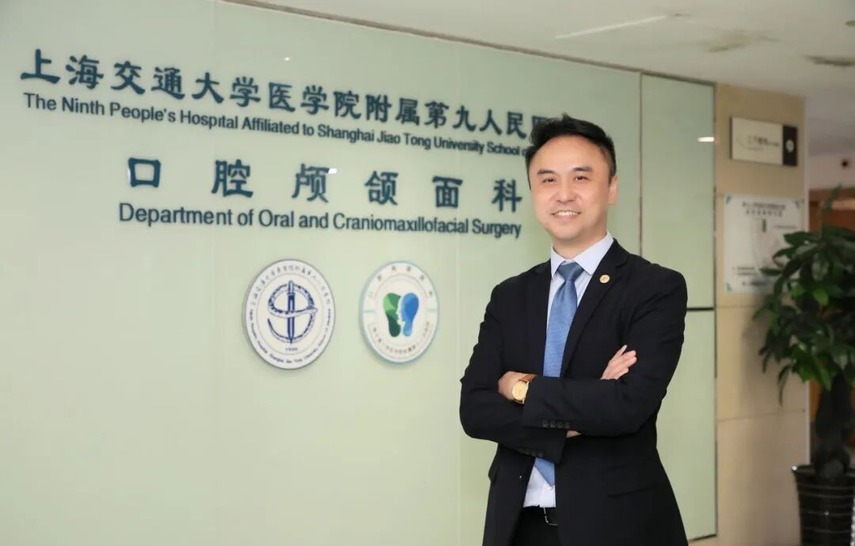
Dr. Wang Xudong | Craniomaxillofacial Surgery, and Years Written into Chapters
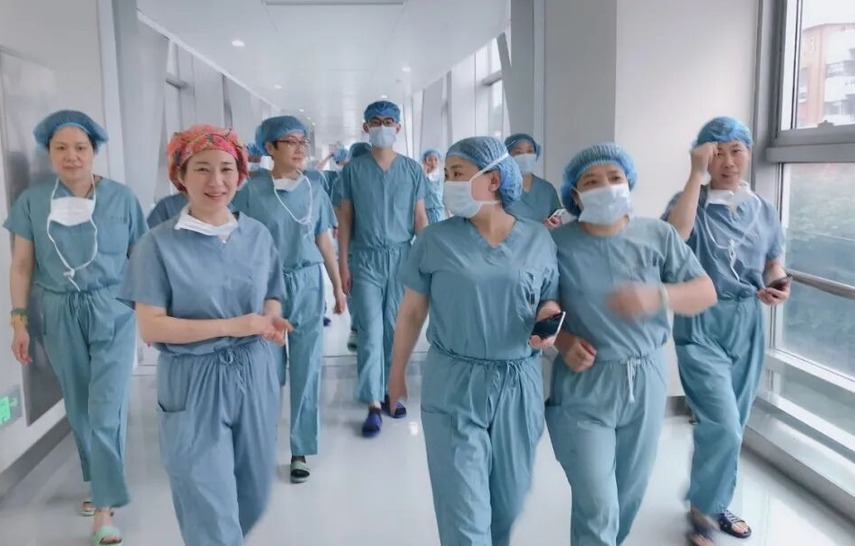
Wang Xiaoning | Operating Room Nursing, and a Grace Like the Orchid
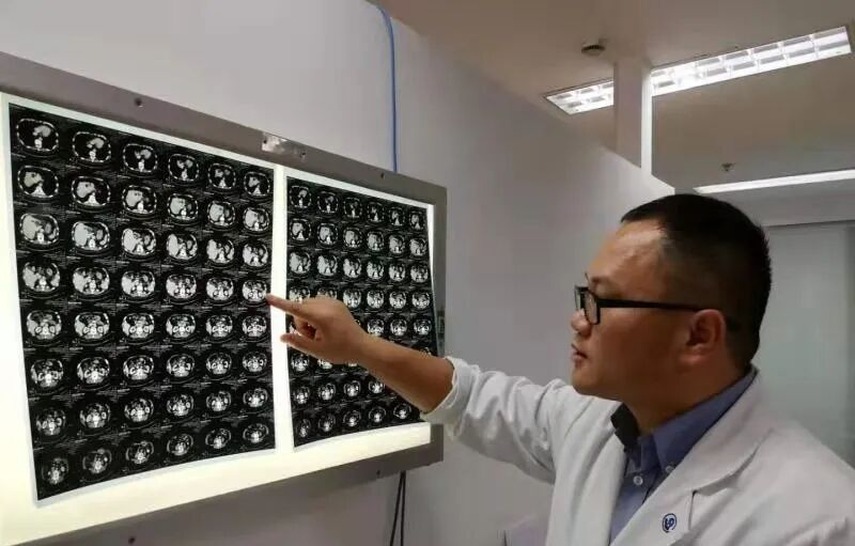
Dr. Li Guichao | Radiation Oncology, and a Peach Blossom Spring in the Heart
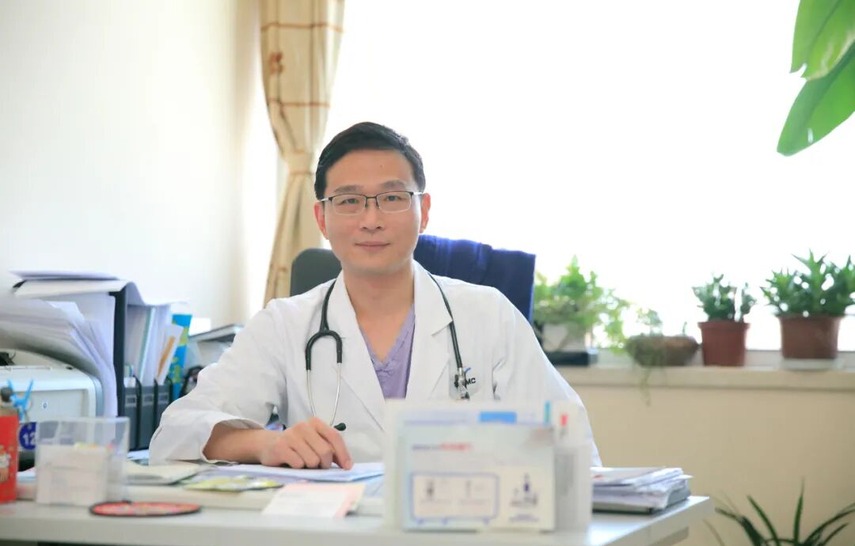
Dr. Lu Yanan | Pediatric Heart Surgery, and Feeling Another’s Pain as One’s Own
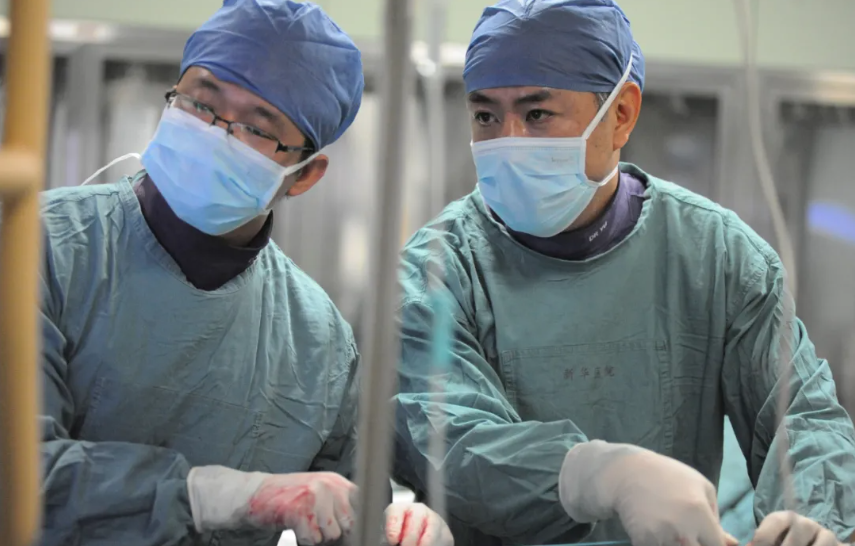
Dr. Chen Sun | Newborn Heart Intervention, and Staying Young Enough to Be Moved
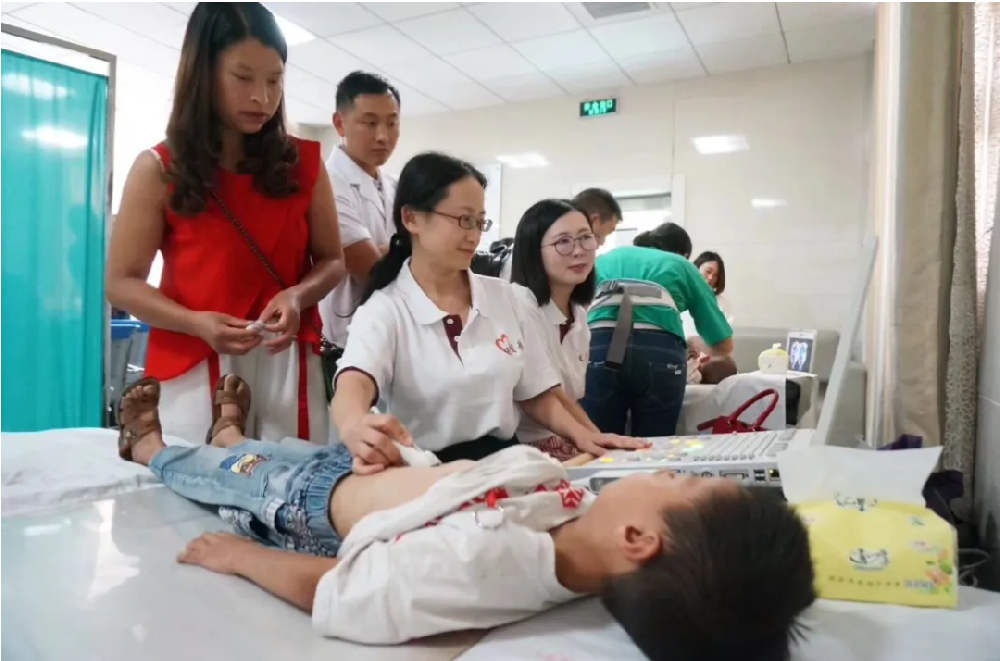
Dr. Wu Yurong | Fetal Echocardiography, and Kindness as Part of the Job
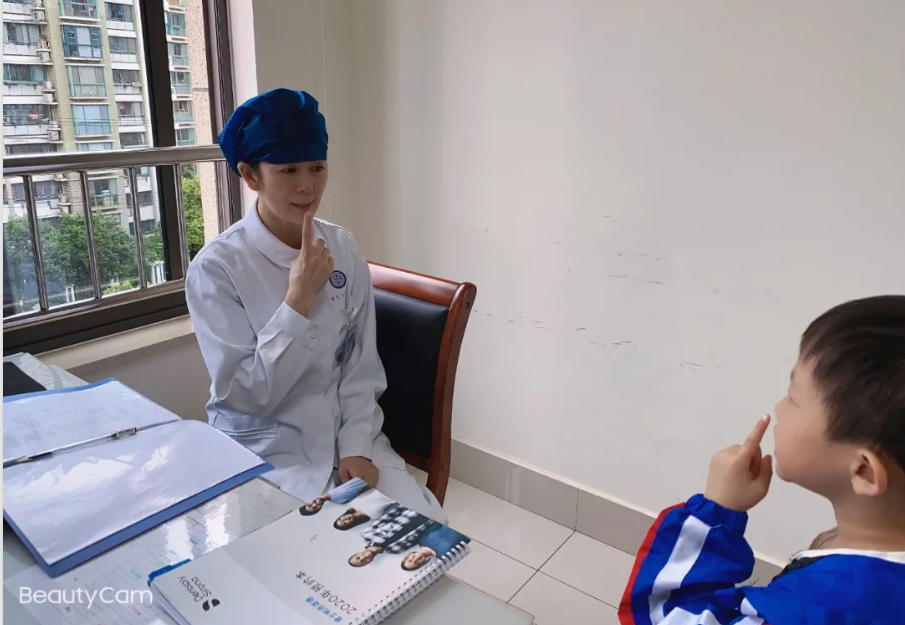
Jiang Liping | Speech Therapy, and the Lamp She Carries
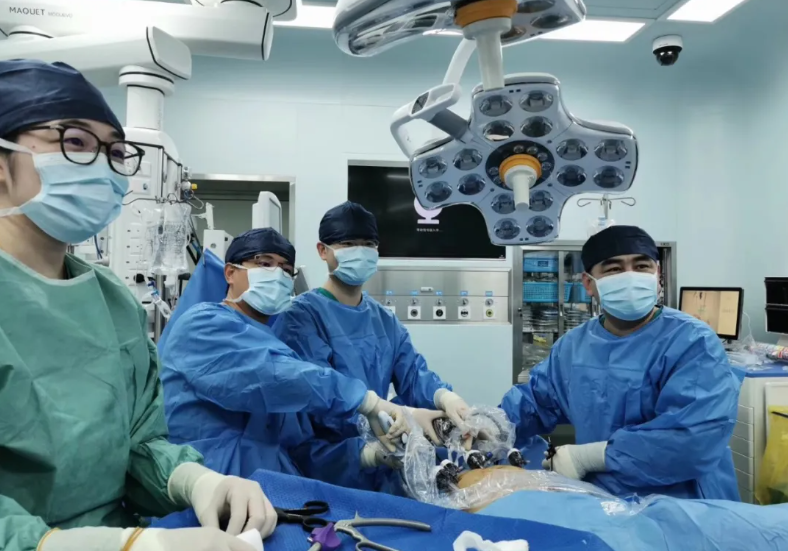
Dr. Li Dawei | Sphincter-Saving Surgery, and the Operation That Fits the Patient
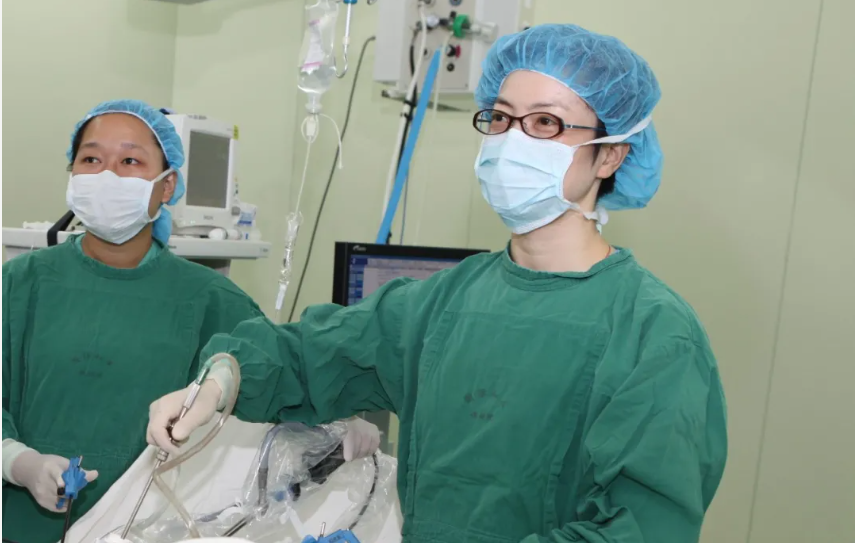
Dr. Zhang Jian | Laparoscopy, and the Hearth Fires of Ordinary Life
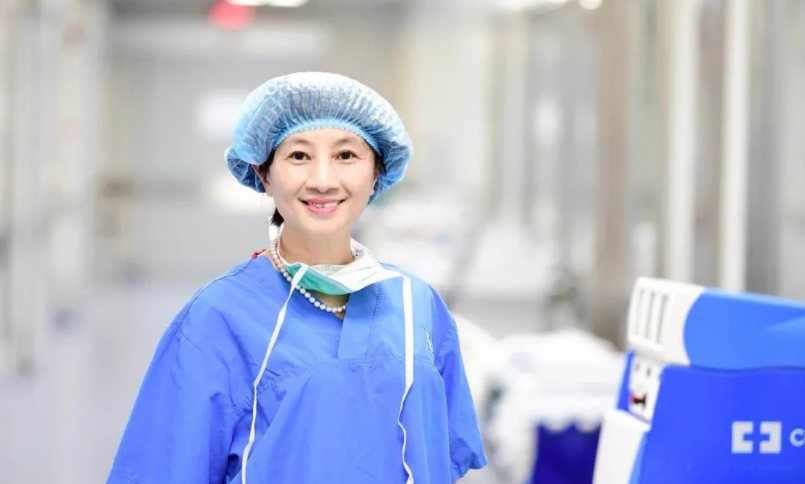
Dr.Sun Jing | Fertility-Sparing Surgery, and a Future Already Here
Copyright © 2023 Yewen Renyi & ShanghaiDoctor.cn (This website is a non - profit medical humanities platform. The information contained herein is solely for biographical and historical purposes and does not constitute any medical advice.) 沪ICP备2023005392号-2 XML 沪公网安备31010902100835号
 中文
中文 English
 Español
 沪公网安备31010902100835号