ShanghaiDoctor - Where China's Healing Wisdom Shapes Modern Medicine

Update time:2026-11-09Visits:155
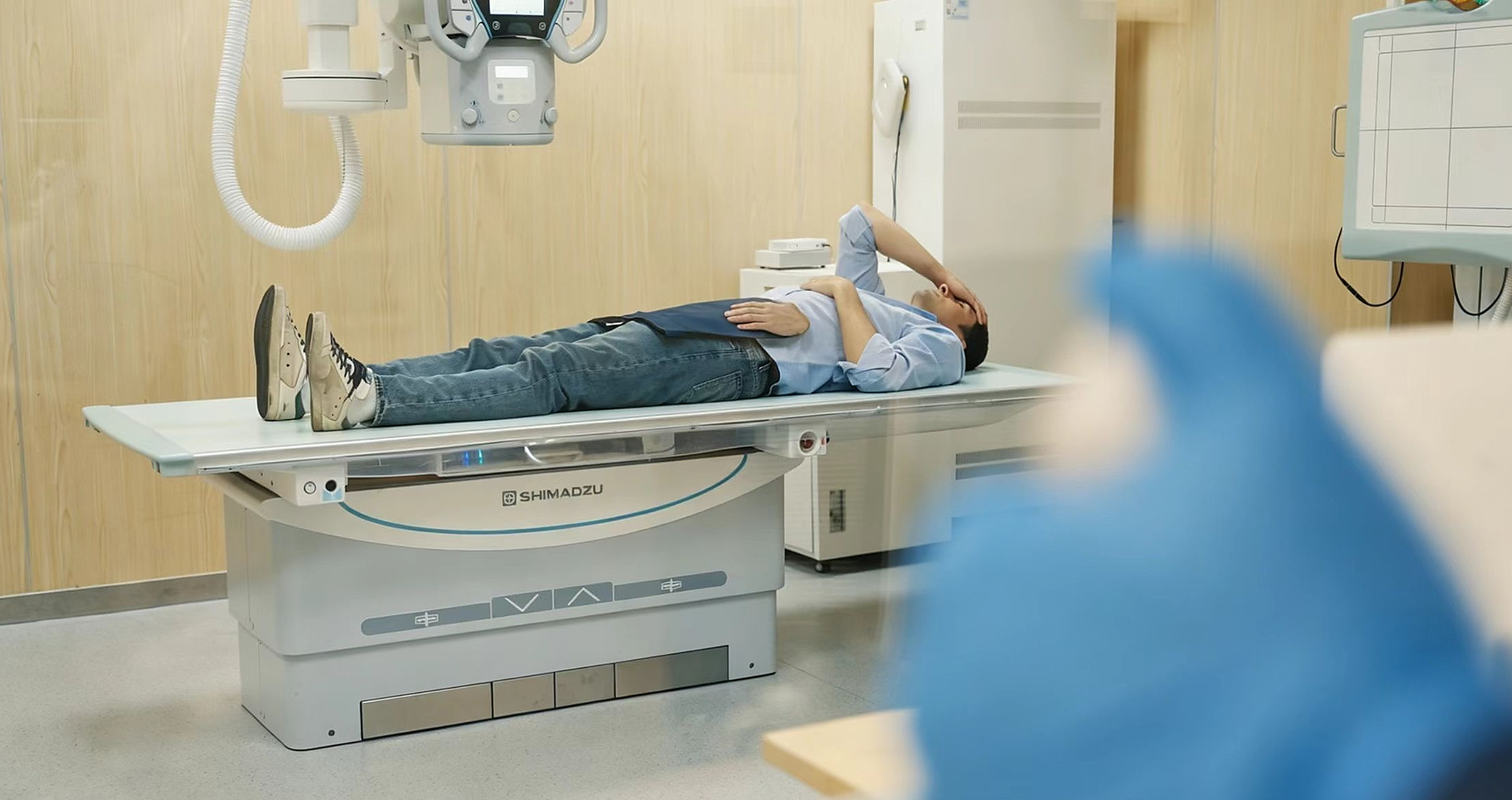
Shanghai, October 2026 — Carlo Dragonetti from Italy came to the emergency department of Shanghai Sixth People’s Hospital with serious knee pain. His visit was one patient’s story inside a larger picture: a busy public-hospital emergency and trauma service that the city is counting on as it builds a layered network for expatriates, international travelers and other global residents.
A hospital known for trauma
Shanghai has rolled out an International Medical Service standard and public-hospital international care pilots, spanning tertiary centers and specialized international facilities. Within that network, Shanghai Sixth People’s Hospital is known for complex, time-critical injury care — a strength that matters to visitors and foreign workers in the city.
“Our emergency unit handles 1,500 to 1,600 visits daily, among which 400 to 500 are trauma cases,” said Ma Xin, president of the hospital. “It is widely recognized locally for unmatched expertise in fractures and traumatic injuries.” A dedicated acute pain service is built into the emergency workflow, treating pain as the fifth vital sign. Clinicians give timely pain relief while patients wait for imaging, reduction or surgery. The hospital was also the first public hospital in the city to offer pain management in this way.
One room, many steps
For overseas patients, the hospital points to its one-stop hybrid trauma suite as a decisive advantage. Instead of moving a critically injured patient again and again — from triage to radiology to a separate resuscitation bay to a distant operating theatre — the team keeps the patient in the same resuscitation space.
There the patient can receive a rapid whole-body CT scan, with AI-supported analysis to flag brain injury, internal bleeding, pneumothorax and visceral rupture. Orthopedics, neurosurgery, thoracic surgery and general surgery specialists gather on site for a multidisciplinary discussion and set surgical priorities.
Nearly 70 percent of severe pelvic fractures across Shanghai are managed at this center. Inside the hybrid room, doctors can first use digital subtraction angiography to stop life-threatening bleeding, then move on to staged fracture fixation and visceral repair in the same unit. The hospital says this parallel model can take a severely injured patient from arrival to initial life-saving intervention in as little as about 40 minutes — ahead of the widely cited “golden hour” trauma target.
Built for people far from home
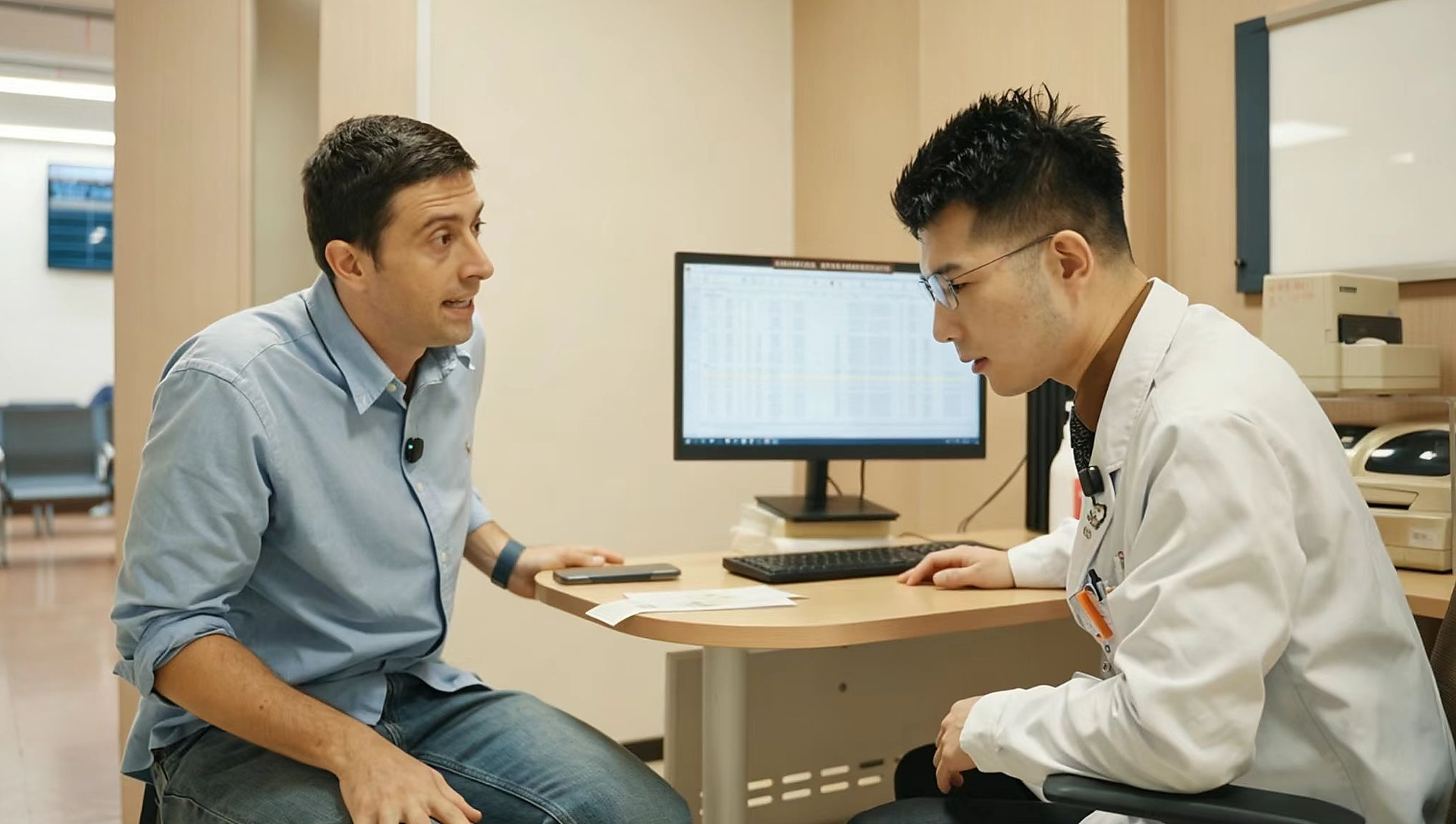
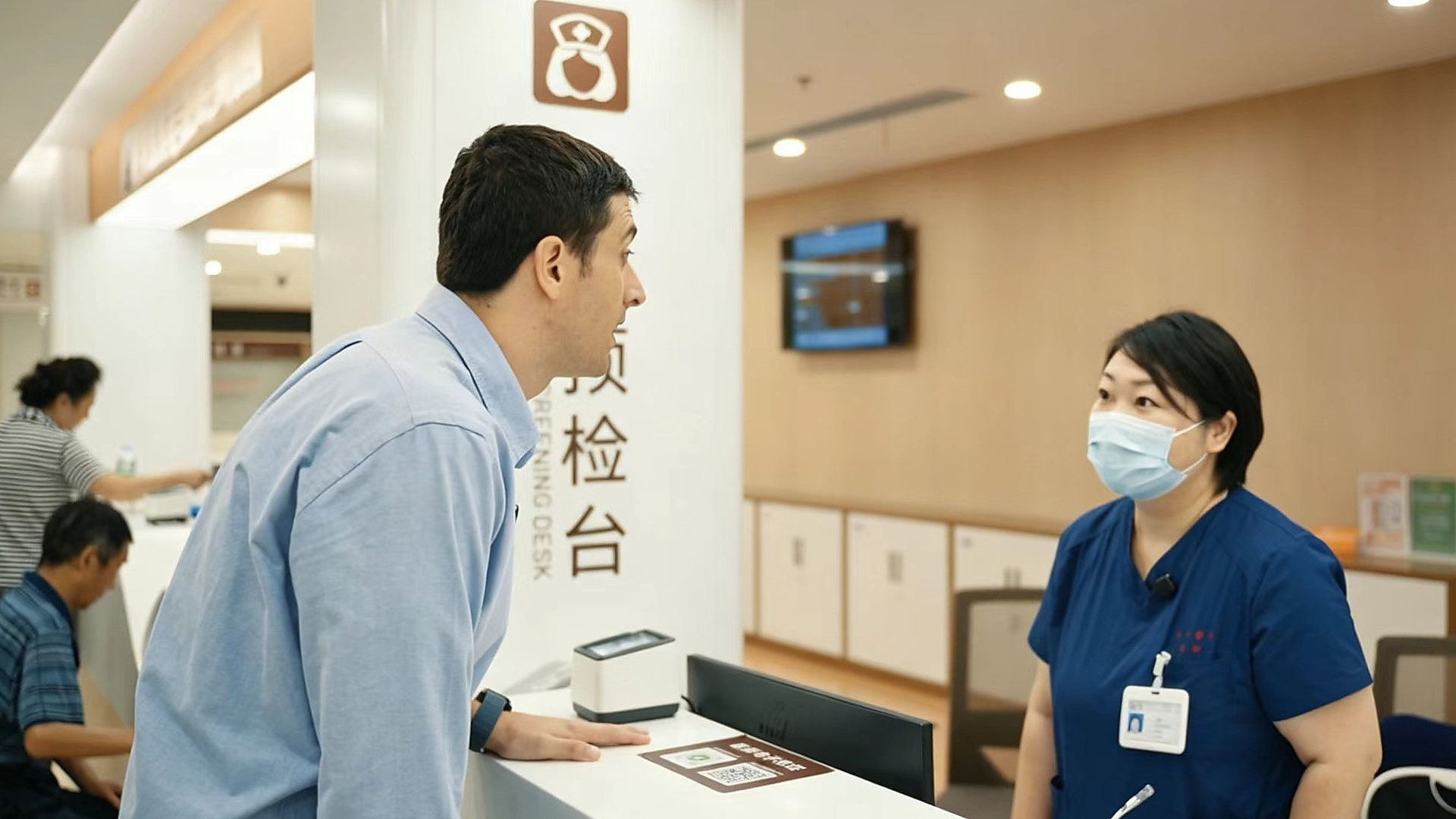
Bilingual clinical capacity underpins the international pathway. For a patient like Carlo, that means being able to explain knee pain, understand the plan, and move through screening, imaging and consultation without the language barrier that often slows care abroad.
As more foreign residents and travelers use Shanghai’s public hospitals, stories like his are becoming a regular part of emergency work — not only dramatic rescues, but also the everyday business of assessing pain, running the right scan, and giving clear answers in a language the patient can use.
Editor: Chen Qing
If you need any help with medical care in Shanghai/China, be free to let us know at Chenqing@ShanghaiDoctor.cn.
An Italian Patient’s Knee Pain, and Shanghai’s One-Stop Trauma Path
Groundbreaking Diagnosis: Shanghai Medical Team Identifies Ultra-Rare Bone Disorder
Foreign travelers can get service from Shanghai’s community hospital from now on
Shanghai Team Performs First ABO-Incompatible Heart Transplant on Infant
Shanghai Medical Pilot Realizes “Walking Dream” for Bulgarian Girl with Cerebral Palsy
A Shanghai Doctor Uses Ultrasound to “Wake Up” Mother's Alzheimer's
Shanghai Medical Trio Stages High-Altitude Rescue on Flight from Xinjiang
An Italian Patient’s Knee Pain, and Shanghai’s One-Stop Trauma Path
Dr. Gu Leyi | Shanghai Renji Hospital’s Blood Purification Center Earns Landmark International Certification
Groundbreaking Diagnosis: Shanghai Medical Team Identifies Ultra-Rare Bone Disorder
Foreign travelers can get service from Shanghai’s community hospital from now on
Shanghai Team Performs First ABO-Incompatible Heart Transplant on Infant
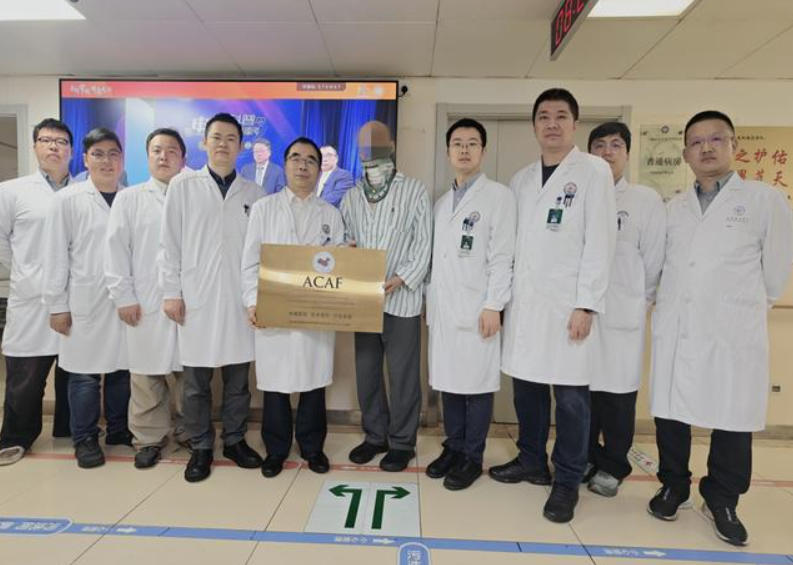
For 54-year-old Malaysian Chinese businessman Mr. Chan, the last three months had been profoundly unsettling. His own hands no longer felt like his own. Simple, everyday acts—fastening a shirt button, holding chopsticks, gripping a pen—had become monumental challenges.
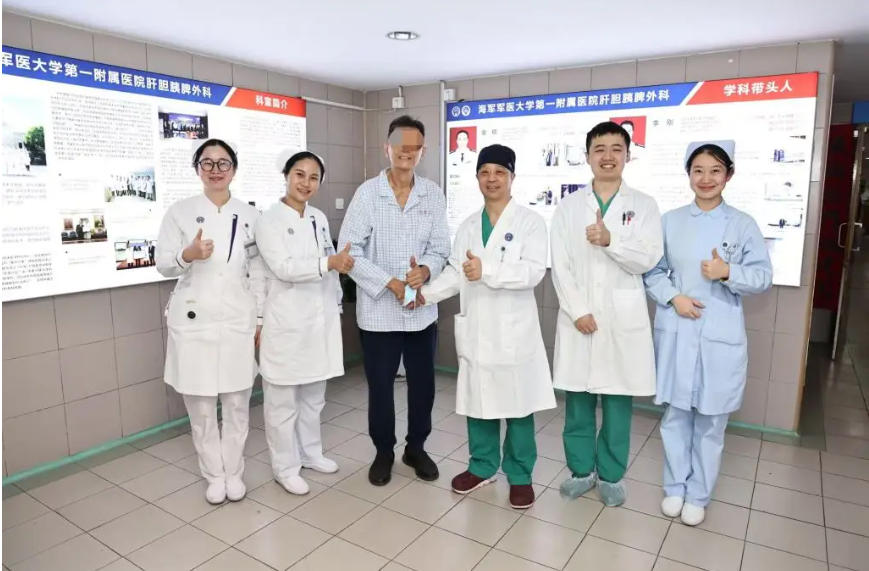
An overseas Chinese was treated from Shanghai Changhai Hospital with successful removal of a pancreatic tumor.
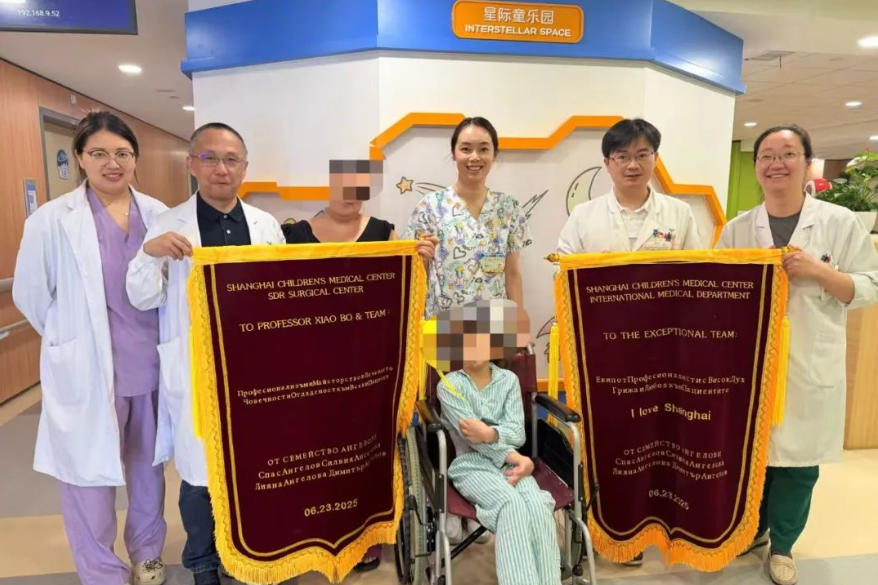
Shanghai Medical Pilot Realizes “Walking Dream” for Bulgarian Girl with Cerebral Palsy
A Shanghai Doctor Uses Ultrasound to “Wake Up” Mother's Alzheimer's

Shanghai Medical Trio Stages High-Altitude Rescue on Flight from Xinjiang
Copyright © 2023 Yewen Renyi & ShanghaiDoctor.cn (This website is a non - profit medical humanities platform. The information contained herein is solely for biographical and historical purposes and does not constitute any medical advice.) 沪ICP备2023005392号-2 XML 沪公网安备31010902100835号
 中文
 English
 Español
 沪公网安备31010902100835号
