ShanghaiDoctor - Where China's Healing Wisdom Shapes Modern Medicine

Update time:2026-02-20Visits:4174
A joint research team has developed an artificial intelligence system capable of diagnosing rare diseases, a breakthrough that could transform how these elusive conditions are identified. The findings were published on February 19 in the prestigious international journal *Nature*.
The system, named DeepRare, is described as the world’s first AI for rare diseases that provides a fully traceable reasoning process. It was created by researchers led by Professors Sun Kun and Yu Yongguo from Xinhua Hospital, affiliated with Shanghai Jiao Tong University School of Medicine, in collaboration with a team led by Professor Zhang Ya and Associate Professor Xie Weidi from Shanghai Jiao Tong University.
Diagnosing rare diseases has long been a major clinical challenge, often leading patients through years of inconclusive consultations. While earlier medical AI tools could suggest diagnoses, they operated as a “black box”—offering conclusions without justification, which made doctors reluctant to rely on them. DeepRare differs fundamentally: each diagnosis it generates is supported by a complete chain of evidence, akin to an experienced clinician walking through their deductive process step by step.
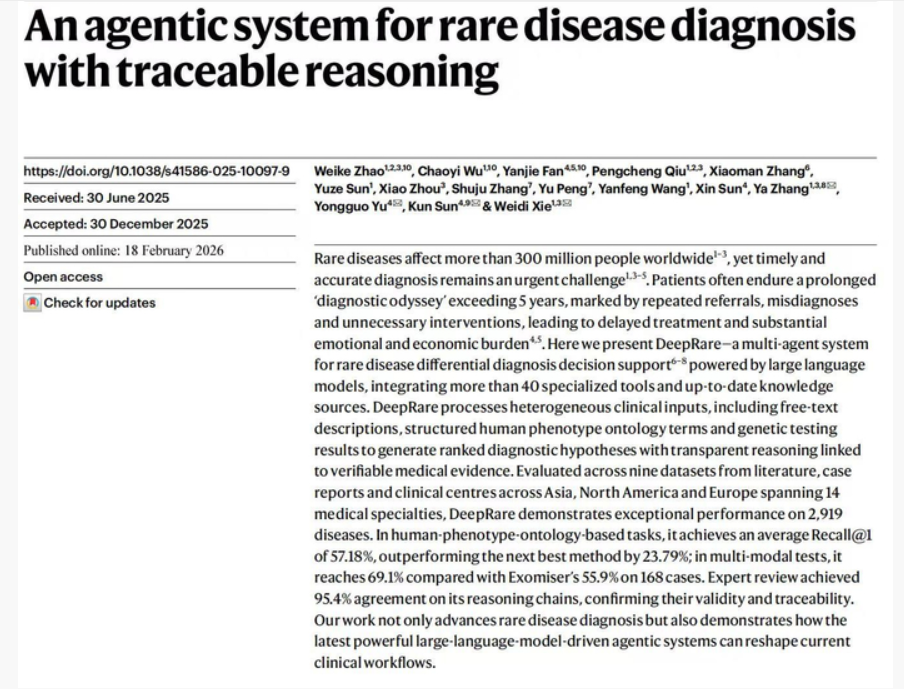
The system is built on a foundation of global medical knowledge and real-world case data. Rather than simply retrieving information, it emulates human clinical reasoning: forming initial hypotheses, seeking evidence to confirm or refute them, self-correcting when necessary, and finalizing a diagnosis only after thorough analysis.
Testing shows that, using only a patient’s clinical symptoms without genetic data, DeepRare achieved a diagnostic accuracy of 57.18% on its first assessment—nearly 24 percentage points higher than the previous leading international model. This performance suggests it could be valuable for preliminary screening in primary care settings where genetic testing is unavailable. When genetic information is included, the system’s accuracy rises above 70%.
The technology is already moving beyond the laboratory. Since its launch on an online diagnostic platform in July last year, more than 600 medical institutions worldwide—from major Chinese hospitals to leading laboratories in Europe and North America—have registered to use it. At Shanghai’s Xinhua Hospital, it is being integrated into clinical workflows to help doctors cross-check diagnoses and reduce the risk of oversight.
Professor Sun Kun said the team’s next step is to establish a global alliance for rare disease diagnosis and treatment. Over the coming six months, they plan to further validate the system using 20,000 real-world cases, with the aim of bringing clarity to more patients worldwide.
Reporter: ShanghaiDoctor Team
The World’s First Invasive Brain-Computer Interface Just Got Approved in Shanghai
A Shanghai Hospital Launches Vertical Large Model for Women’s Health
Shanghai Research Team Develops AI Diagnostic System for Rare Diseases with “Explainable” Reasoning
“Yi Jian Kang” Foundation Established by Professor Wen Yumei Celebrates 13 Years of Impact
Shanghai Hosts Landmark Global Transplant Congress, a First for Mainland China
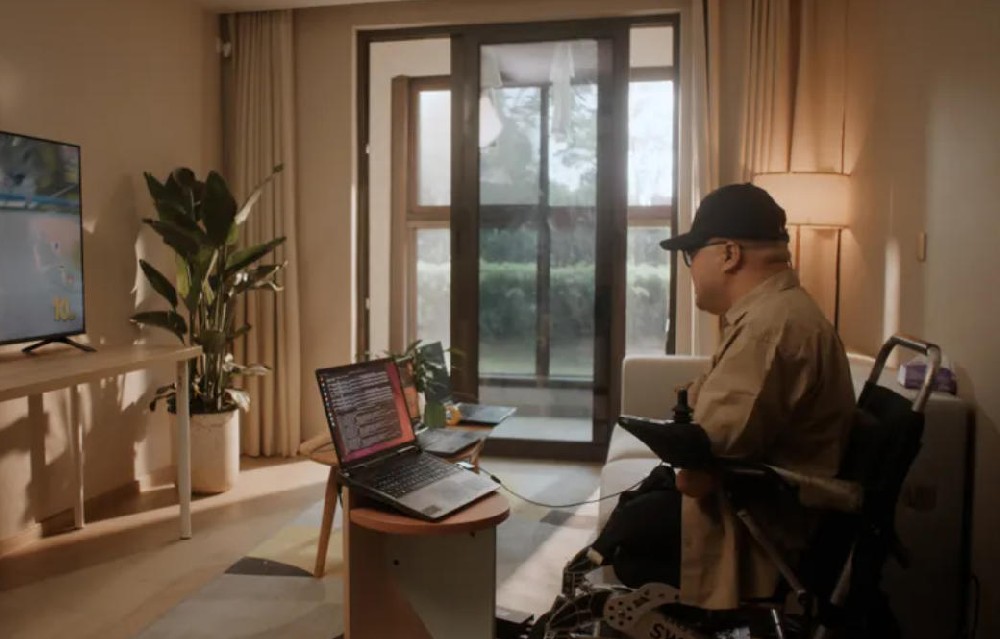
The World’s First Invasive Brain-Computer Interface Just Got Approved in Shanghai

A Shanghai Hospital Launches Vertical Large Model for Women’s Health
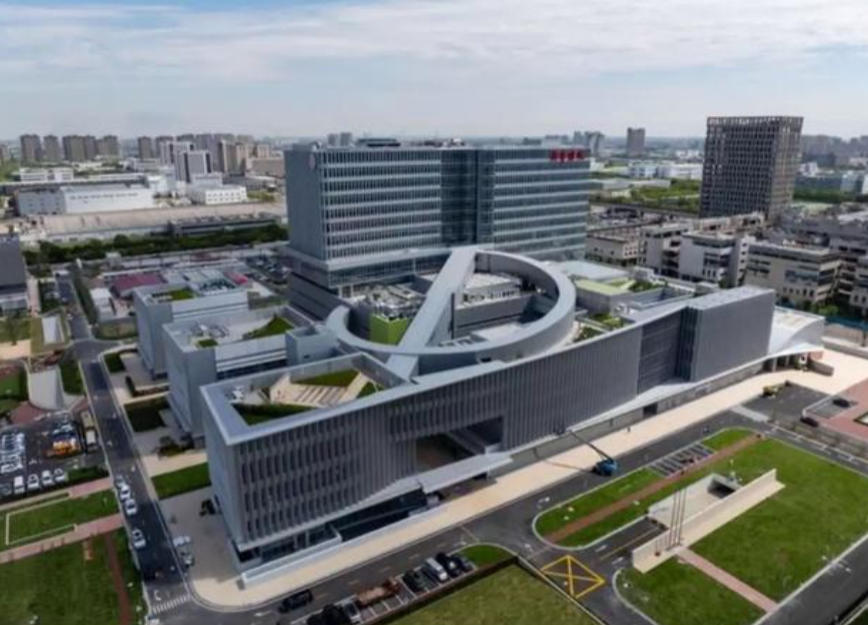
Shanghai Research Team Develops AI Diagnostic System for Rare Diseases with “Explainable” Reasoning
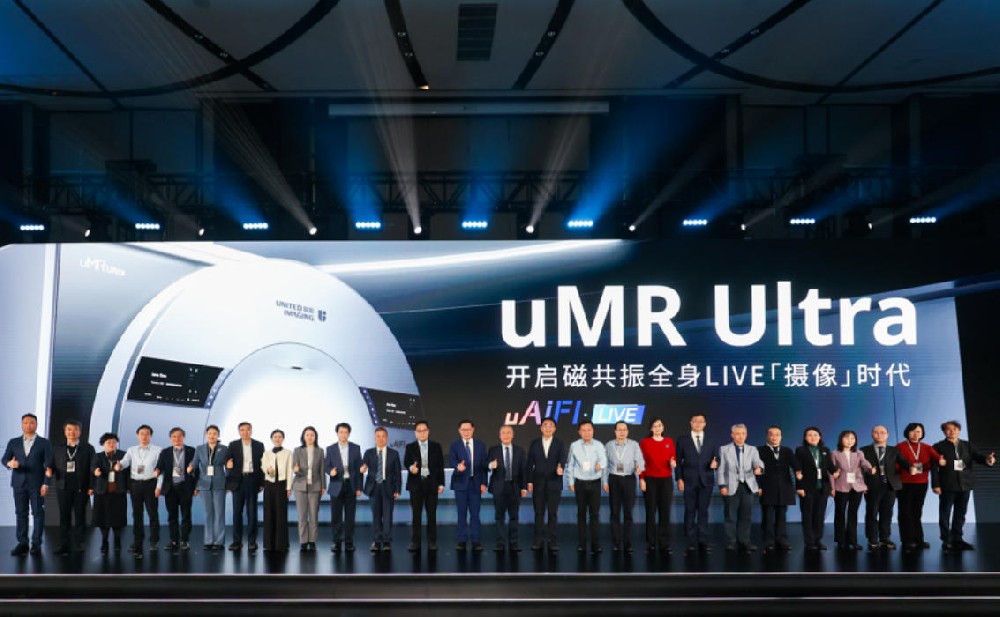
World’s First “Video Camera” MRI is set in Shanghai, Ushering in the Era of Dynamic Physiological Imaging

“Yi Jian Kang” Foundation Established by Professor Wen Yumei Celebrates 13 Years of Impact

Renji International Medical Marks 20th Anniversary

Shanghai Overseas Patients See 25% Growth

Shanghai Hosts Landmark Global Transplant Congress, a First for Mainland China

Shanghai Health Report, Issue 7: Expert Guidance

Shanghai Doctors Become Viral Health Educators
Copyright © 2023 Yewen Renyi & ShanghaiDoctor.cn (This website is a non - profit medical humanities platform. The information contained herein is solely for biographical and historical purposes and does not constitute any medical advice.) 沪ICP备2023005392号-2 XML 沪公网安备31010902100835号
 中文
中文 English
 Español
 沪公网安备31010902100835号