ShanghaiDoctor - Where China's Healing Wisdom Shapes Modern Medicine

Update time:2026-06-14Visits:4062
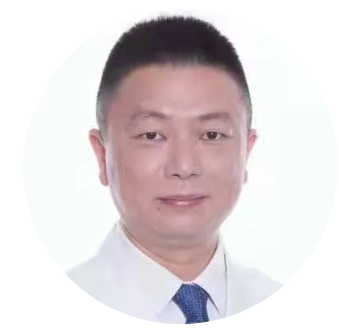
Jin Wei, Chief Physician, Master of Medicine, Master’s Supervisor, and Deputy Director of the Anorectal Department at Yueyang Hospital of Integrated Traditional Chinese and Western Medicine, Shanghai University of Traditional Chinese Medicine.
Specialties: Treatment of various benign anorectal diseases using integrated traditional Chinese and Western medicine; surgical management of hemorrhoids, anal fistulas, perianal abscesses, anal fissures, pilonidal sinuses, anal stenosis, and anal canal polyps through combined approaches; TCM regulation of deficiency syndromes, postoperative recovery from colorectal cancer, chronic functional constipation, inflammatory bowel disease, colorectal inflammatory polyps, perianal eczema and other skin conditions, hidradenitis suppurativa, and other common and complex anorectal disorders.
First Perspective
As the first rays of sunlight streamed through the office window, the clock on the wall read 7:40. Director Jin Wei had already finished reviewing yesterday’s surgical records at the chart rack. Checking the previous day’s operative notes and assessing the conditions of patients scheduled for surgery before the shift handover has been a habit honed over many years of clinical practice.
Doctors’ offices are typically compact, but within this small space, there is no sense of confinement. Jin Wei has arranged green plants and a fish tank, filling the room with a sense of vitality and healing—an atmosphere of serene, pleasant living.
“Raising fish is like nurturing health. Anyone experienced in fishkeeping knows you cannot feed them too much at once. Overfeeding clouds the water, and an overly nutrient-rich aquatic environment threatens the fish’s survival. The human body is no different. As living standards rise, excessive eating or over-supplementation leads to overnutrition, throwing the body out of balance. Over time, the excess waste accumulates in the organs and meridians, obstructing the flow of qi and blood,” Jin Wei said. The wisdom of traditional Chinese medicine lies in everyday life—simple and unadorned.
Ancient people called traditional Chinese medicine the “science of life and growth,” a discipline concerned with the wisdom and art of living.
“If traditional Chinese medicine is seen merely as ‘China’s medicine, as opposed to Western medicine,’ then this profound traditional body of knowledge is diluted and deconstructed. Traditional Chinese and Western medicine are never opposed. TCM emphasizes syndrome differentiation and seeks balance and harmony.” Drawing on his childhood experiences and 20 years of clinical practice, Jin Wei’s love for traditional Chinese medicine is unmistakable. “Traditional Chinese medicine cannot be separated from China’s overall culture and philosophy, and China’s overall culture and philosophy cannot be separated from traditional Chinese medicine. The road ahead is long and winding, and I will search high and low.”
Time flows like water through the river of traditional Chinese medicine, witnessing the inheritance and innovation of generations. Silence is the ultimate beauty.

1. Without Traditional Chinese Medicine, There Would Be No Me
“On the first day of school, the teacher asked us to introduce ourselves and explain why we chose medicine—and specifically Shanghai University of Traditional Chinese Medicine. I said, simply because I love traditional Chinese medicine.” Recalling his original aspiration to become a doctor, Jin Wei’s tone remained resolute.
But this story begins with his father’s generation.
“When my father was seven or eight, he contracted a severe lung disease. My grandparents took him to nearly every Western medicine clinic in Shanghai, but he never got better.” At the time, the family even spent a considerable sum to buy a large refrigerator just to store the penicillin, yet his condition showed no improvement. As the child grew more critical by the day and the family’s finances were nearly exhausted, they finally turned to traditional Chinese medicine.
“It was the last straw to clutch at—so they decided to give it a try.” After many twists and turns, they found the renowned veteran pediatric practitioner of traditional Chinese medicine, Dang Boping. Seeing the child’s critical state, Dr. Dang said little; he simply prescribed one dose of herbal medicine and instructed them to have the child take it that night. If the child could cry, they should come back to him.
Sure enough, that night, the child was able to cry. After a period of continued treatment, the lung disease was completely cured.
A single dose of medicine had the miraculous effect of bringing someone back from the brink of death—not only precisely treating the acute illness but also predicting the efficacy and outcome in advance. As a child, every time Jin Wei heard his grandfather tell this story, he was deeply moved by the wonder and greatness of traditional Chinese medicine.
“Without traditional Chinese medicine, there would be no my father; without my father, there would be no me.” He was captivated by the charm of traditional Chinese medicine. After the 1994 college entrance examination, when filling out his application, Jin Wei did not hesitate for a moment. His first and only choice was Shanghai University of Traditional Chinese Medicine.
2.Bonding with Proctology
Among the various specialties, Jin Wei was particularly drawn to traditional Chinese medicine surgery.
During his undergraduate years, after rotating through all departments for internships, he discovered a strong interest in traditional Chinese medicine proctology. In the subsequent selective intensive internships, Jin Wei continued to choose this field and completed a one-month internship at Longhua Hospital.
Upon graduation, the Proctology Department of Yueyang Hospital of Integrated Traditional Chinese and Western Medicine, affiliated with Shanghai University of Traditional Chinese Medicine, happened to be in urgent need of new talent. Jin Wei’s interests and experience aligned perfectly. By a stroke of fate, he decided to pursue traditional Chinese medicine proctology at Yueyang Hospital and officially joined the Yueyang Proctology team.
Yueyang Proctology has long enjoyed a prestigious reputation.
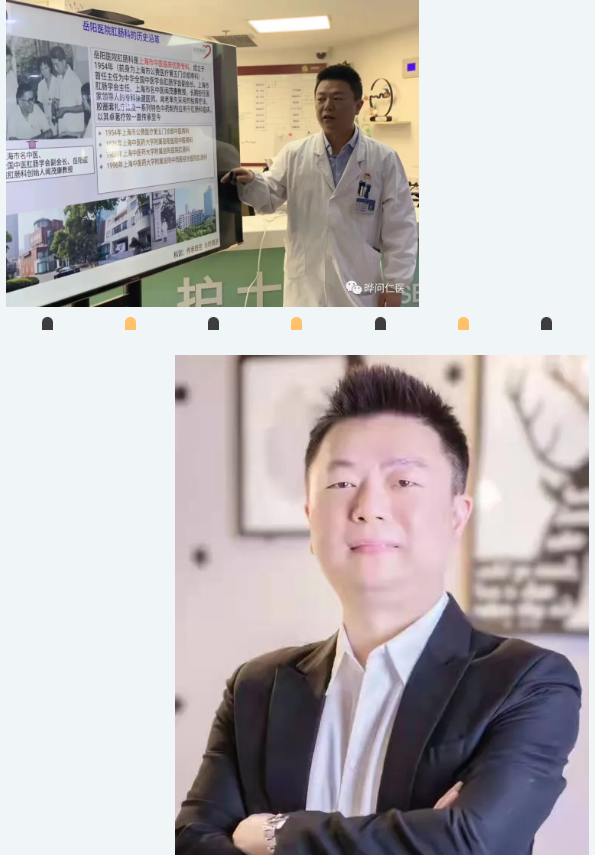
“In the 1950s, the renowned Shanghai veteran practitioner of traditional Chinese medicine Wen Maokang founded the traditional Chinese medicine hemorrhoid department with the Wen-style proctology, pioneering hemorrhoid necrotizing therapy. In the 1960s, Dr. Wen’s senior disciple Hong Caiyu created the internal hemorrhoid rubber band ligation and suction technique, making surgery more convenient and faster. Additionally, for the treatment of anorectal diseases such as anal fistula, perianal abscess, and inflammatory bowel disease, traditional Chinese medicine also offers unique advantages,” Jin Wei said.
Upon entering the Yueyang Proctology Department, Jin Wei’s first mentor was the department director, Professor Sun Jianhua. “He was the one who led me through the door of proctology.” Later, in the Shanghai School Inheritance Project, he continued his studies under Professor Sun Shidao, the direct descendant of the Xia-style Surgery School.
Although the teachers were advanced in age, their minds were remarkably active. Beyond their medical skills, Jin Wei deeply admired their broad knowledge, keen attention to cutting-edge developments, and spirit of continuous learning. Listening to the teachers’ insights, then delving into deep reflection and comprehension on his own—learning through thinking—Jin Wei grew very rapidly over the decades.
Take hemorrhoids as an example.
In addition to traditional surgical methods such as excision, ligation, and strangulation, injection therapy for internal hemorrhoids has emerged in recent years as a highly effective treatment that integrates traditional Chinese and Western medicine. It is suitable not only for routine care but also for emergency situations. Jin Wei once treated a patient with persistent hemorrhoids whose hemoglobin level had dropped to just 2 to 3 grams due to prolonged blood loss. “After receiving three blood transfusions at another hospital, the patient still did not meet the criteria for surgery.”
Upon arriving at Yueyang Hospital, Jin Wei administered injection therapy to the patient. After the first injection, treatment resumed once the condition partially improved. This process was repeated several times until the patient fully recovered.
“The current third-generation injection drugs are primarily used to occlude blood vessels, prevent adhesion, and induce atrophy and detachment of hemorrhoids. This therapy is especially suitable for patients with poor baseline physical conditions, those who are not candidates for surgery, those with time constraints, or those who fear pain. After the injection, patients only need to rest for two to three hours and can leave immediately—effective and convenient.”
Today, with advances in “weapons and equipment,” the pain associated with traditional surgical treatments has also been greatly reduced. Scissors have been replaced by ultrasonic scalpels and electric scalpels, resulting in increasingly smaller wounds. Postoperative hemostasis has shifted from compression to medication and UV dressings, significantly improving the patient experience. Most importantly, improvements in anesthetic drugs have been remarkable. “The earliest local anesthesia method involved direct injection into the anus, causing intense pain and having certain limitations, making it difficult to avoid thermal and traction stimulation of the intestines. Now, with improved anesthesia techniques, patients undergo surgery completely without sensation. Combined with early postoperative pain management, the surgical experience has been greatly enhanced.”
Jin Wei smiled and said that sometimes, after patients muster the courage to undergo surgery, they would also sigh, “If I had known it would be this painless, I wouldn’t have suffered for decades.”
In some cases, infectious anorectal diseases do not rely entirely on surgery; combining traditional Chinese medicine regulation with surgery can achieve better outcomes. Jin Wei recalled a patient with perianal suppurative hidradenitis, whose perianal skin was severely ulcerated. Changhai Hospital recommended surgery, but the cost was enormous—requiring complete excision of the ulcerated area and extensive skin grafting—which the patient was unwilling to accept. After coming to the Yueyang Anorectal Department, Jin Wei adopted a traditional Chinese medicine syndrome differentiation approach, using herbal medicine to clear heat, cool the blood, and detoxify.
After just a few doses of the prescription, it was visibly noticeable that the patient’s infected wound gradually shrank, until only a few small fistulous tracts remained. Subsequently, through traditional Chinese medicine thread-drawing therapy, the condition fully recovered after about half a year, and the patient’s quality of life was greatly improved.
“The success of this treatment stems partly from the patient’s trust in me and partly from the magic of traditional Chinese medicine. Syndrome differentiation treatment and the combination of internal and external therapies represent another major treasure of traditional Chinese medicine, beyond surgery.”
3. GPS Navigation
The third esteemed mentor in Jin Wei’s life is Professor Lu Jingen.
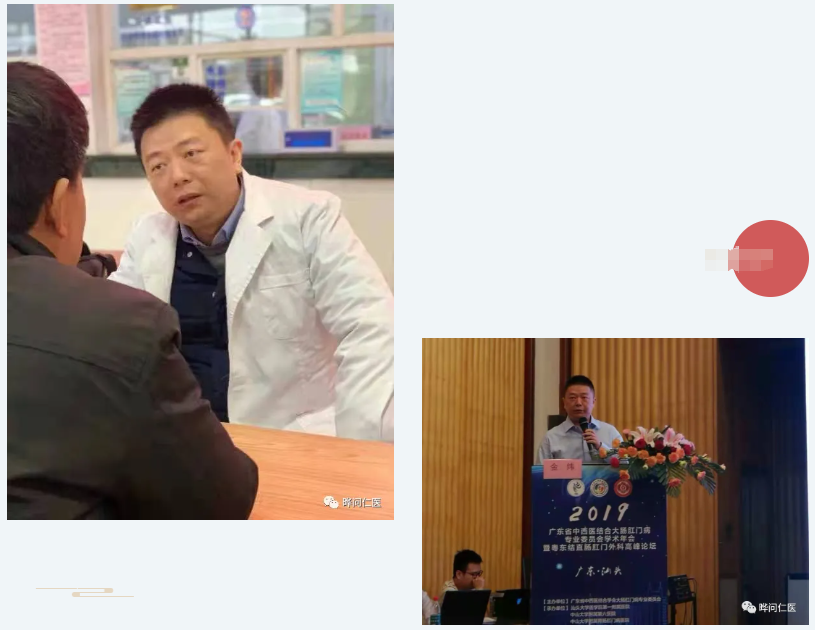
Professor Lu Jingen is the fourth-generation inheritor of the Gu’s Surgery tradition. In the sixth batch of the National Famous Old Chinese Medicine Practitioners project, Jin Wei was fortunate to become a student of Professor Lu. Following his teacher, he gained deeper mastery of many traditional surgical techniques. Among them, the thread-drawing therapy is one of Professor Lu’s key methods.
The thread-drawing therapy in traditional Chinese medicine (TCM) is a distinctive approach to treating highly complex anal fistulas. Using rubber bands or medicated threads, a ligature is placed between the internal and external openings of the fistula. Over weeks or months, mechanical compression ensures thorough drainage. Compared with its Western counterpart, TCM thread-drawing has been refined through centuries of practice, making its application more flexible and precise.
What left a lasting impression on Jin Wei was a young man determined to join the military but disqualified by a physical exam due to an anal fistula. “If we had used conventional surgical methods, scars would inevitably remain, and he still wouldn’t have been able to enlist the following year. So I performed thread-drawing therapy instead. After the procedure, I made sure there were no scars on his body. The next year, he successfully enlisted. That’s the marvel of TCM thread-drawing.”
To elaborate on the treatment of complex anal fistulas with thread-drawing could take an entire day. Jin Wei explains that the choice of thread is critical—silk thread, medicated thread, or rubber band thread each serve different functions. The techniques vary as well, with specific methods tailored to the shape, nature, and surgical objective of the fistula.
“Before surgery, we must have a GPS navigation system in our minds, using Western medical anatomy and imaging to fully understand the shape and location of the fistula. The integration of Chinese and Western medicine achieves the best therapeutic outcome.”
But sometimes, the navigation points far ahead, and the traveler must change course midway.
To this day, Jin Wei still carries some regret. “There was a patient in his 50s from Kunshan who did manual labor. Whenever he got tired, it would trigger an anal fistula. After a previous surgery at a local small clinic, his anal sphincter function had already been somewhat compromised. He worked odd jobs to earn a living and couldn’t afford the treatment costs. He would save up for two or three months before coming to see me.”
Jin Wei desperately wanted to cure the patient’s fistula, but he also wondered: if he performed surgery, would the patient lose his source of income entirely? Would he be unable to afford meals for a long time? How should one balance healing and cost? Every physician must repeatedly consider the patient’s real-life circumstances. After weighing various factors, Jin Wei ultimately decided to use thread-drawing and other methods, combined with TCM medications to control infection, allowing the patient to live with the fistula long-term.
Living with a fistula is not a cure, but perhaps it is better than a cure.
Currently, Jin Wei is still climbing toward the summit. The end is not far, but he remains humble. “The vastness of TCM is like an ocean, and I still have so much to learn.”
“My teacher once said that surgical scars are like signatures left on the patient’s body. Years later, the face and name may be forgotten, but one look at the surgical mark, and you remember it’s your patient. I often ponder these questions: decades later, looking back, are you satisfied with the surgical outcome? Is the patient satisfied? Is there a better treatment method? TCM is a discipline of continuous learning and accumulation. No matter how far you’ve gone, you still need to keep improving.”

ShanghaiDoctor:
Anal fistula—particularly high complex anal fistula—remains a significant treatment challenge in anorectal surgery. The key to successful management lies in complete drainage of the fistula tract, proper handling of the internal opening, preservation of sphincter integrity, and maintenance of normal anal function. Traditional Chinese medicine (TCM) seton therapy offers a distinctive approach to treating anorectal diseases. What are its advantages and limitations in clinical practice? With advances in technology and technique, what improvements have been made? And what benefits do patients ultimately receive?
Jin Wei
Western medicine also employs seton therapy, including cutting seton and drainage seton techniques. However, I believe traditional Chinese medicine applies seton therapy with greater flexibility and comprehensiveness. An expert once wrote an article titled, “Who Is Waiting to Mature? The Surgeon or the Fistula?” In Western medicine, fistulas are often setoned to await maturation. Our question is: Is it the fistula that is immature, or the surgeon? In fact, before initiating seton treatment, the purpose of setoning must first be clarified, a complete procedural plan must be in place, and the ultimate goal must be complete healing of the fistula. Seton therapy can treat nearly all anal fistulas, reduce the size of large wounds, protect function and appearance, and minimize patient injury.
ShanghaiDoctor:
The Anorectal Department of Yueyang Hospital is also a hallmark institution. What personalized diagnostic and treatment methods and scientific research achievements does it offer?
Jin Wei
Yueyang Hospital was the first anorectal hospital in Shanghai. It was founded by the renowned Shanghai veteran traditional Chinese medicine practitioner Wen Maokang, who pioneered the Wen-style anorectal approach. This approach particularly excels in hemorrhoid treatment and possesses unique characteristics in managing anorectal diseases. Ligation is our tradition—from the earliest traction ligation to the suction ligation invented by Wen’s senior disciple Hong Caiyu, which is fast and convenient, and then to Director Sun Jianhua’s proposal of suprahemorrhoidal ligation based on the Western anal cushion theory. The ligation site is no longer limited to the hemorrhoid itself, greatly reducing patient pain. These innovations are highly advanced; it was many years after Teacher Sun proposed the suprahemorrhoidal ligation theory that others proposed similar therapies. Today, our disease spectrum is broader. In terms of anal fistulas, our methods—such as traction seton, seton therapy, and laser minimally invasive techniques—are leading in Shanghai. In inflammatory bowel disease, traditional Chinese medicine also offers unique characteristics with excellent results.
ShanghaiDoctor:
Unlike other departments, anorectal surgeons do not “face” the face but the buttocks. They may not recognize a face, but one look at the buttocks tells them if it was their surgery. Given this unusual way of meeting, do you as a doctor feel embarrassed? If the patient is embarrassed, how do you help them overcome their concerns and cooperate with examination and treatment?
Jin Wei
Our teachers often say: “A surgical scar is like a signature left on the patient’s body. Years later, the face and name may be long forgotten, but one look at the surgical mark reminds you that this is your patient.” Looking back decades later, I often ponder: Am I satisfied with the surgical outcome? Is the patient satisfied? Is there a better treatment method?
Young female patients can indeed feel a bit embarrassed, but I have always believed that when a patient chooses me, it represents their trust in me. A doctor’s progress owes thanks to the patient’s trust. Since both sides trust each other, the embarrassment naturally dissolves. Many of our nurses have married patients who came for treatment—that counts as a romantic anecdote.
ShanghaiDoctor:
Do you still maintain any hobbies in your daily life?
I enjoy working with my hands. I have a dedicated workshop at home, filled with a wide array of tools. In my spare time, I like to lose myself in it—crafting small models and props, or taking apart and studying broken clocks and instruments around the house.
ShanghaiDoctor:
If you had to choose again, would you still become a doctor—specifically, an anorectal surgeon?
Jin Wei
I still love this profession. Being a doctor is demanding: you leave early, return late, and have few days off. My daughter sometimes complains that I spend too little time with her. But I believe that since I chose medicine, and since I truly love practicing it, I must see it through to the end. A patient’s heartfelt gratitude is worth more than thousands in gold or countless words—it is the greatest affirmation I could receive.
Editor: ChenQing@ShanghaiDoctor.cn
If you need any help from Dr. Jin, please contact us at ChenQing@ShanghaiDoctor.cn.
Dr. Wang Qunshan | Cardiac Electrophysiology, and Meeting the Rising Wind
Dr. Ren Yunyun | Obstetric Ultrasound, and the Work No One Sees
Dr. Qian Yiming | Emergency Medicine, and Neither Joy nor Fear on the Great Tide
Dr. Wang Xudong | Craniomaxillofacial Surgery, and Years Written into Chapters
Wang Xiaoning | Operating Room Nursing, and a Grace Like the Orchid
Dr. Li Guichao | Radiation Oncology, and a Peach Blossom Spring in the Heart
Dr. Lu Yanan | Pediatric Heart Surgery, and Feeling Another’s Pain as One’s Own
Dr. Chen Sun | Newborn Heart Intervention, and Staying Young Enough to Be Moved
Dr. Wu Yurong | Fetal Echocardiography, and Kindness as Part of the Job
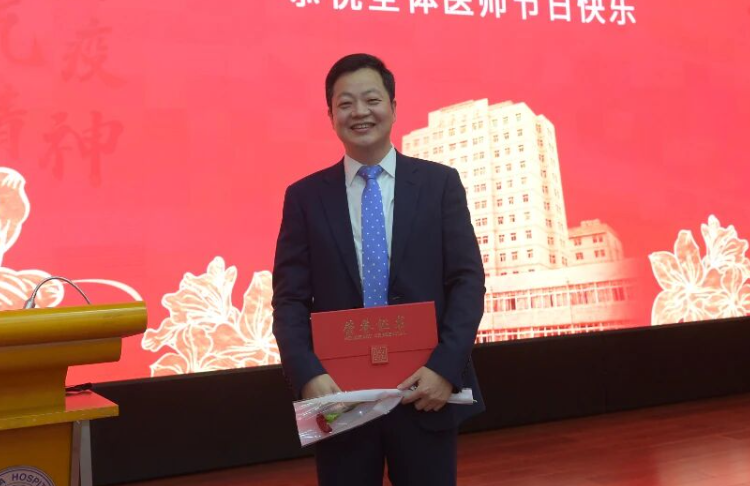
Dr. Wang Qunshan | Cardiac Electrophysiology, and Meeting the Rising Wind
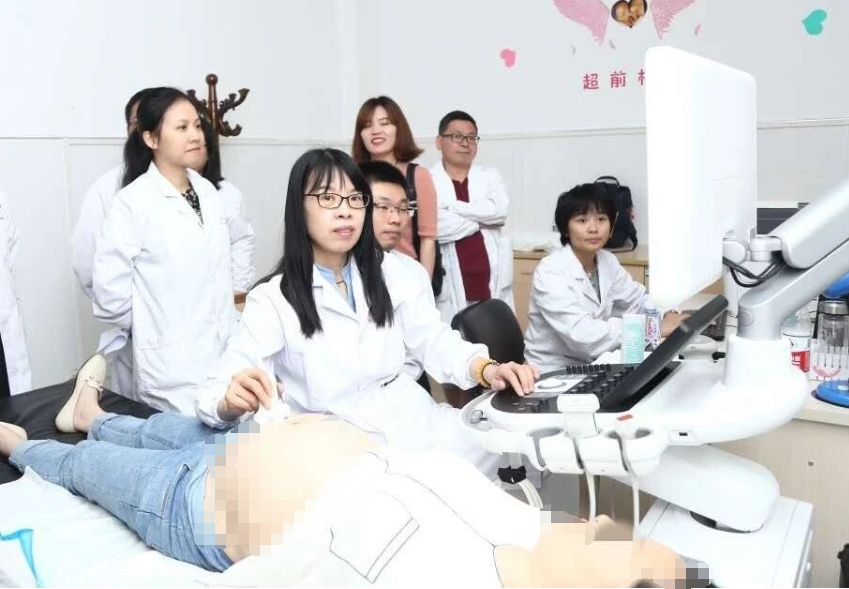
Dr. Ren Yunyun | Obstetric Ultrasound, and the Work No One Sees
Dr. Qian Yiming | Emergency Medicine, and Neither Joy nor Fear on the Great Tide
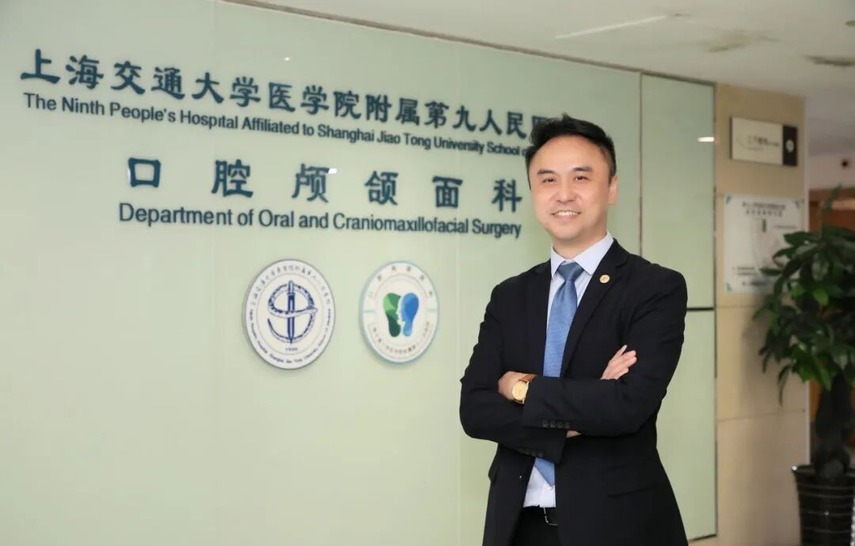
Dr. Wang Xudong | Craniomaxillofacial Surgery, and Years Written into Chapters
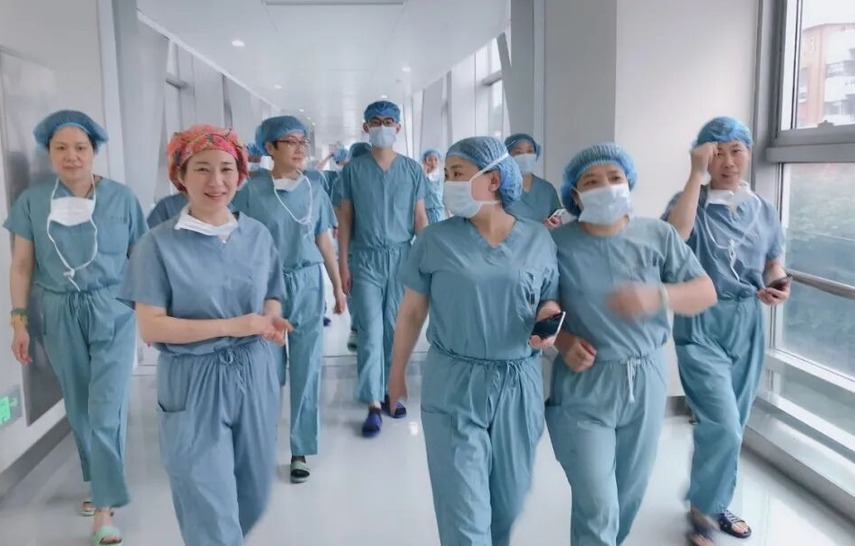
Wang Xiaoning | Operating Room Nursing, and a Grace Like the Orchid
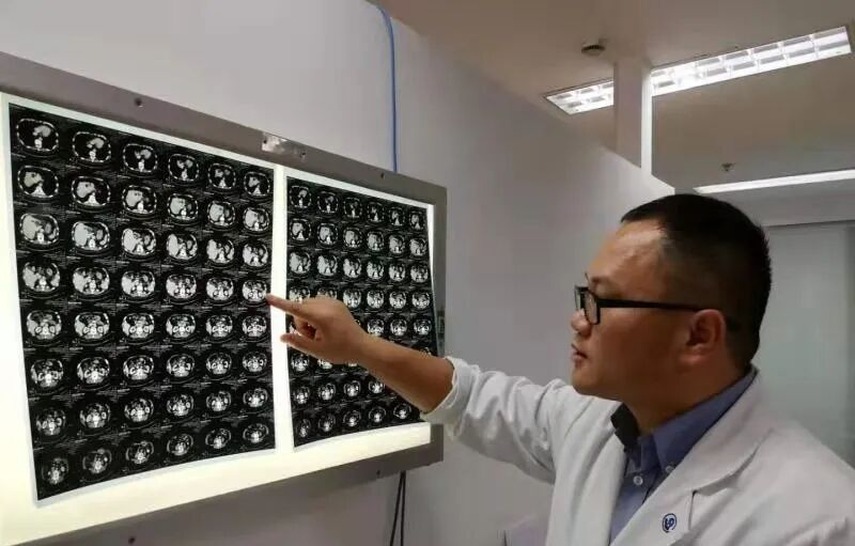
Dr. Li Guichao | Radiation Oncology, and a Peach Blossom Spring in the Heart
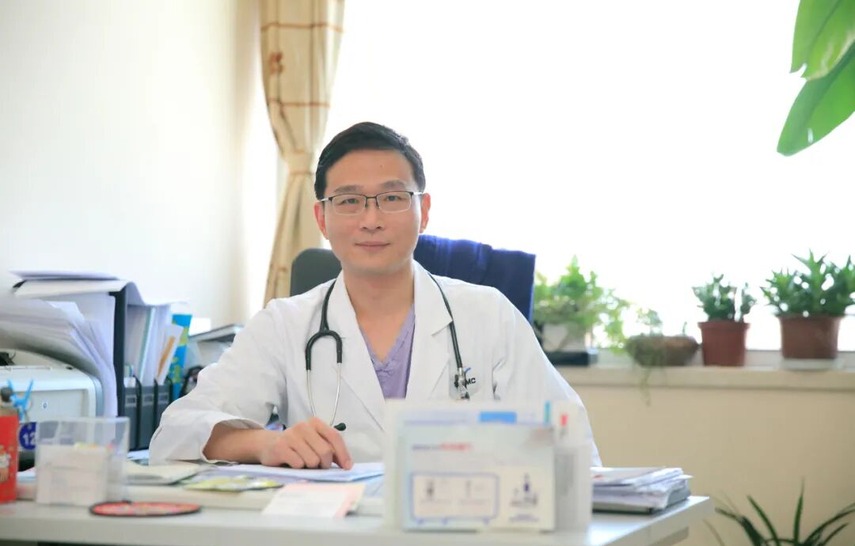
Dr. Lu Yanan | Pediatric Heart Surgery, and Feeling Another’s Pain as One’s Own
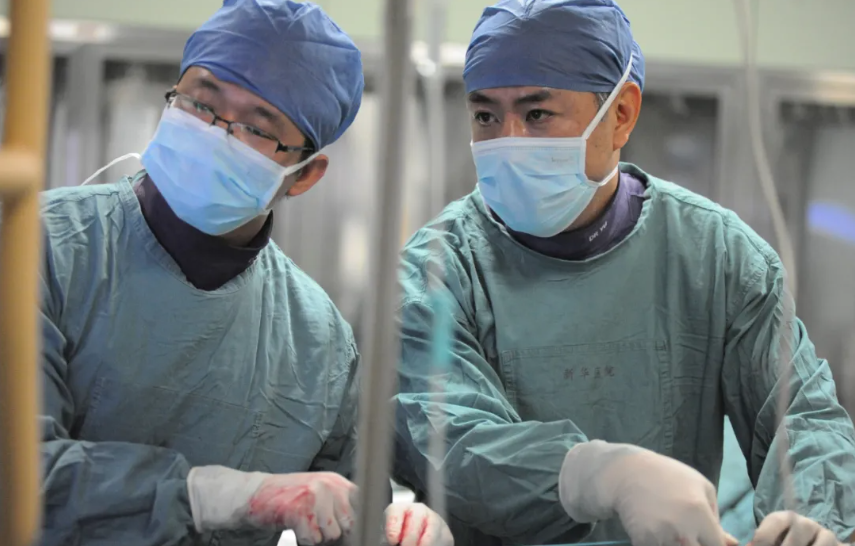
Dr. Chen Sun | Newborn Heart Intervention, and Staying Young Enough to Be Moved
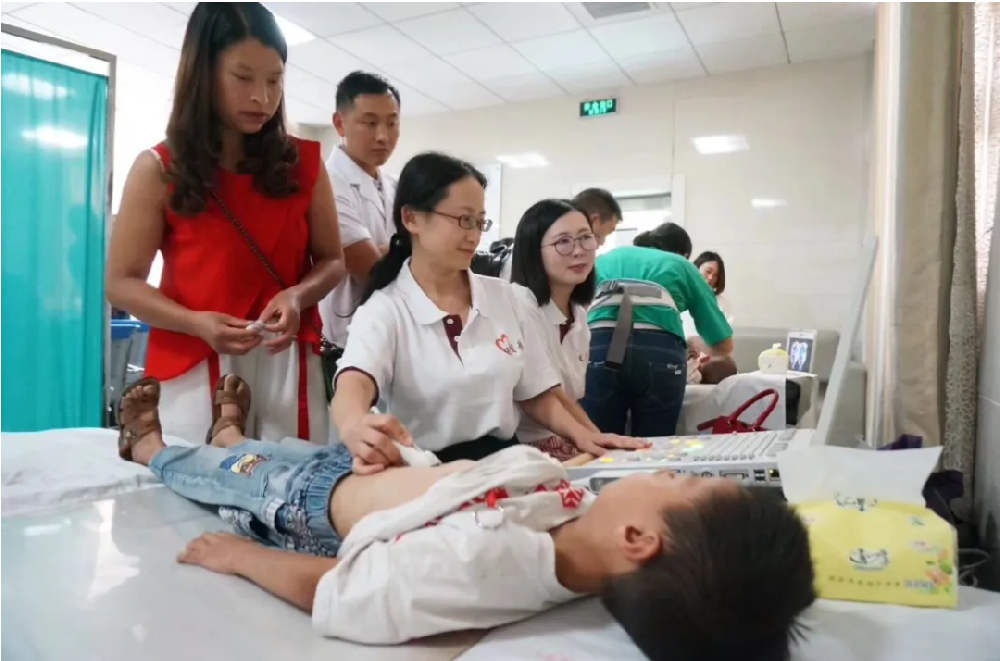
Dr. Wu Yurong | Fetal Echocardiography, and Kindness as Part of the Job
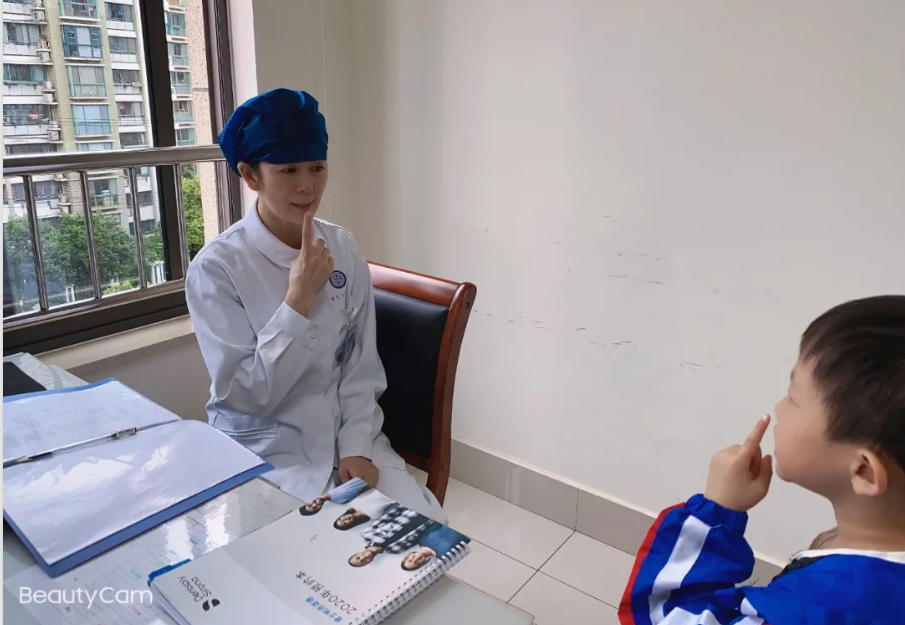
Jiang Liping | Speech Therapy, and the Lamp She Carries
Copyright © 2023 Yewen Renyi & ShanghaiDoctor.cn (This website is a non - profit medical humanities platform. The information contained herein is solely for biographical and historical purposes and does not constitute any medical advice.) 沪ICP备2023005392号-2 XML 沪公网安备31010902100835号
 中文
中文 English
 Español
 沪公网安备31010902100835号