ShanghaiDoctor - Where China's Healing Wisdom Shapes Modern Medicine

Update time:2026-09-14Visits:45

“Face your own ordinariness squarely, keep moving, and you can still have a life with work in it.”
— Cui Jie
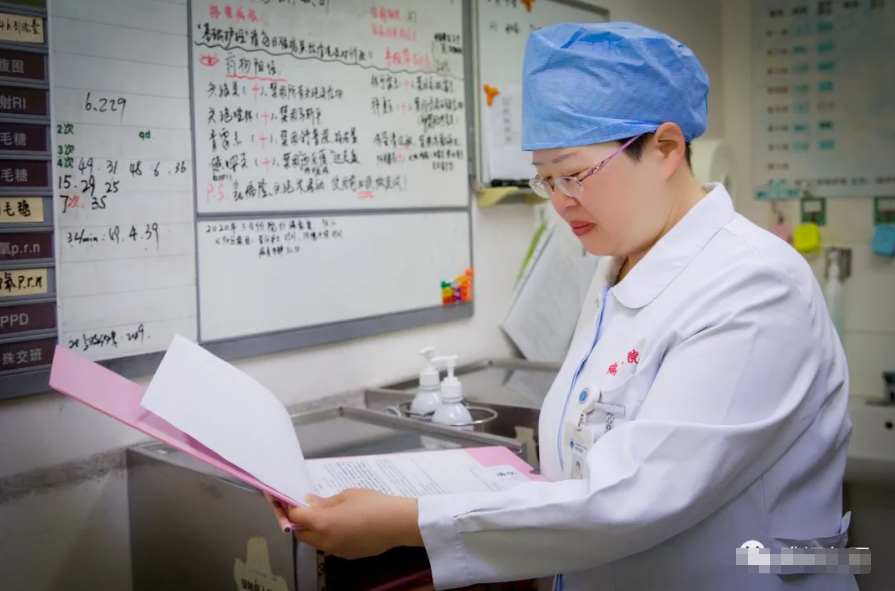
Cui Jie is a supervisor nurse and ward nursing-team leader in the Department of Infectious Diseases at Ruijin Hospital, affiliated with Shanghai Jiao Tong University School of Medicine. She graduated from nursing school in 1989 and was assigned to Shanghai Infectious Disease Hospital—now part of the Shanghai Public Health Clinical Center—where she spent the first long stretch of her career among hemorrhagic fever, rabies, Japanese encephalitis, and meningococcal meningitis.
In 1998 she became head nurse of that department. In 2003 she ran Shanghai’s first SARS isolation ward and oversaw the nursing of the city’s eight confirmed cases; she later received a national “March 8 Red-Banner Bearer” honor. After SARS she moved to Ruijin and worked another seventeen years on the infectious-disease floor—hepatitis, unexplained fever, an increasing number of liver-tumor patients, PICC lines, deep-vein catheters, and the finer counting of cotton balls that a teaching hospital demands. In early 2020 she joined Ruijin’s fourth medical team to Wuhan and spent fifty-two days at Optics Valley Hospital. That November she was named a National Advanced Worker.
She has no overseas-training chapter. What she has is three decades on wards that other colleagues often tried to leave, and a habit of going in first when a room frightened the newest nurses.
Her parents had come from Tianjin to Shanghai and built a life from very little. They told her to be honest and kind and to keep her feet on the ground. Nursing school talked most about the mistakes easiest to make. The first years on an infectious-disease ward taught the rest: in a crash you do not always get your own protection perfect before you move, and the people already in the room pull you through.
When the nursing office asked her to take the infectious-disease head-nurse post, she thought it over and said yes. Pay was low. The diseases were the ones people named in a low voice. New nurses arrived and left—some with a resignation letter, some without a word, some straight to the office to beg for another floor. The staff was only about ten. It could not take that kind of traffic.
She ran a tight morning report and pulled a nurse out of a room the moment a procedure looked sloppy. If a patient complained about someone, she did not name the nurse in public. She called the younger staff “little friends,” joked with them, and walked them into the rabies rooms they would not enter alone. Rabies had almost no survivors; the work was bathing, drips, feeding—end-of-life care with a disease that still frightened people who knew the numbers. Six years in that department, she says, taught her that communication is the job as much as the glove: patients talk longer to nurses than to doctors, and doctors and nurses lose time when they do not talk to each other.
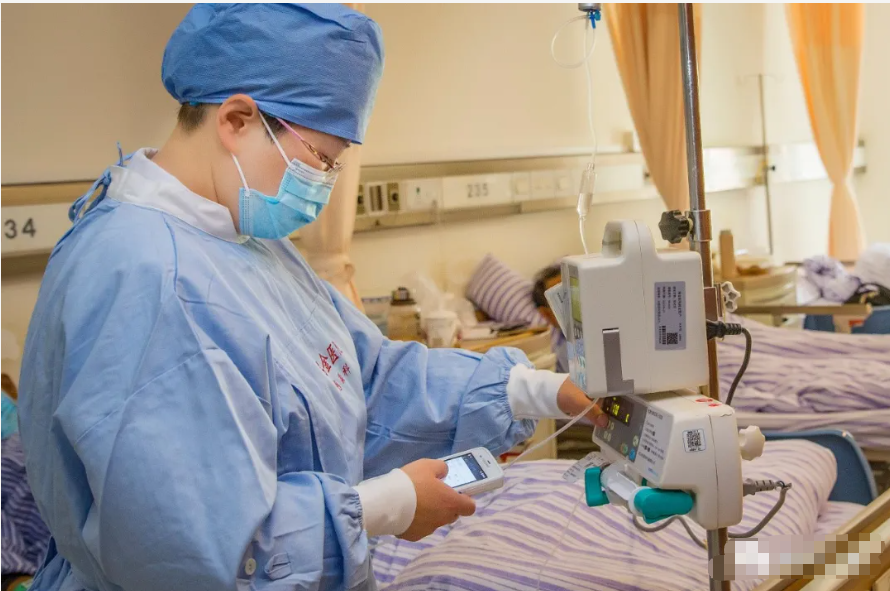
SARS arrived without a manual. Shanghai isolated a whole ward for the first patient. There were no laminar-flow rooms; they pointed electric fans with the day’s wind. Procedures for gowns, labeling, entry and exit, and how to keep one patient’s air from becoming another’s were written room by room as the guidance changed. Her father had just died. She called her mother from the isolation area in a hoarse voice and said she would come home when it was over. She collapsed beside a bed and was ordered to rest; a few days later she was back. Seven nurses covered the closed ward around the clock. All eight of Shanghai’s SARS patients passed through that system.
What she kept from it was not a speech about fearlessness. It was a narrower sentence: if the protection is done properly, the disease is a job, not a legend.
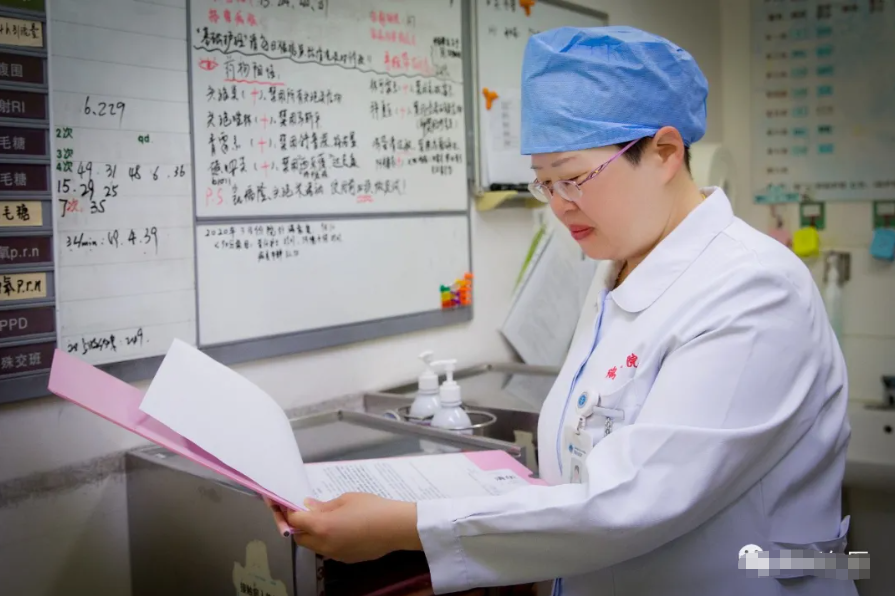
At Ruijin she started again as a staff nurse. The field had grown “new”: antivirals, routes, targets, PICC and deep lines, interventional work. Oral care meant a counted number of swabs, counted again when you finished. Cancer patients came on a schedule and stayed long enough to become people she knew. Fever of unknown origin tied her mood to a thermometer that would not sit still; she told those patients that finding nothing terrible was, for that day, good news.
A man waiting for a night-time liver procedure circled the desk every five minutes, then sat in a chair as a silent protest. She called the interventional suite, explained the delay, and told him that hurrying a surgeon mid-case only makes the case longer. He went to sleep in the chair. Afterward he told other anxious patients the same line. An eighty-eight-year-old from Suzhou, after an interventional puncture, had to lie flat under a sandbag. His wife could not manage the urinal or the tape. Cui did the care herself and saw his eyes fill. He later brought candy from a Suzhou shop because, he said, her heart must taste like that.
She had also studied some psychology, enough to use on a floor where infection and mood travel together. The head nurse gave her the sickest beds because the work did not rattle her. Meticulousness, she says, is the difference between nursing that holds and nursing that only looks busy. In an emergency the first duty is not to lose the room.
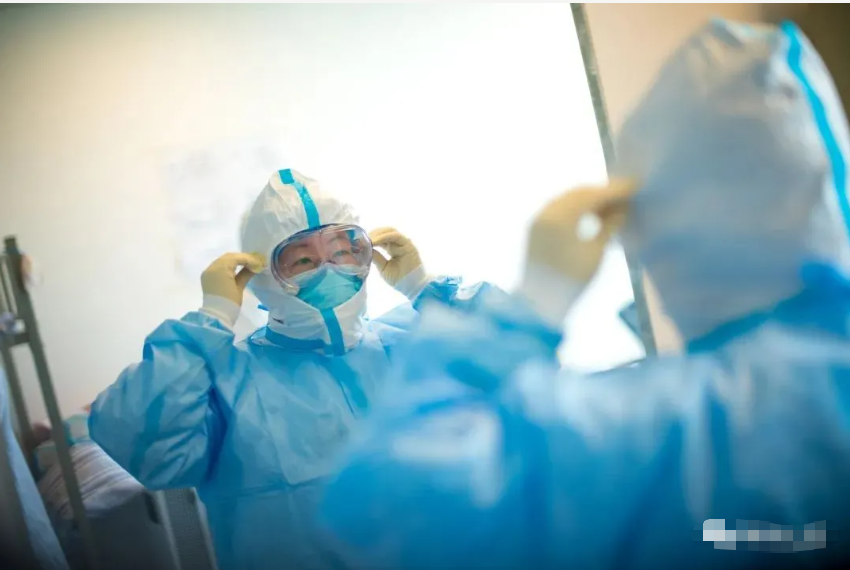
The hospital asked her to wait. She had twin children in primary school, a husband newly out of a serious illness, a mother who was not strong. She said she had done this work before and wanted to go. On the first evening in Wuhan she was already on the floor. Protective suits were heavier than in 2003; a few sentences left her panting inside the mask. Many patients were old, paralyzed, or without a clear voice.
A man with a prosthetic leg left breakfast untouched. His Hubei accent defeated her; a younger roommate translated: he wanted congee. She called for liquid food before she did anything else. On discharge day she wiped the prosthesis, found clean clothes, and watched him walk out smiling. A diabetic patient shouted at her for half an hour because the meal plan left him hungry; sugar-free biscuits ended the storm. A man from Shandong, with leukemia and COVID-19, refused food and waved the team away from the resuscitation. She got his wife on the telephone and sat with him. He still died. At the end he held her hand and put a thumb up.
She remembers the fifty-two days as a continuous tightening of the nerves. The work that looked like humor—finding biscuits, finding congee, finding a translator in the next bed—was the same work she had done with rabies baths and a sandbag in Suzhou: stay in the room until the person in the bed is less alone than when you entered.
ShanghaiDoctor.cn: You received a national honor and attended the ceremony. What did that feel like?
Cui Jie: Excitement and a sense of being seen. That morning I woke at six and could not sleep. I kept checking the brooch before we went in, afraid of missing a detail. I have worked decades in an ordinary post, without doing anything that looks historic. The honor was unexpected. I think that is the value of an ordinary life. We do the same work day after day. There is no halo. That does not mean the road was empty. People say nurses are ordinary. Yes. Face the ordinary, keep going, and you can still have something you mean to do.
ShanghaiDoctor.cn: On your path, who influenced you most?
Cui Jie: My parents. They taught me to be honest and kind, in how I live and in how I work. They came from Tianjin to Shanghai, started from almost nothing, and always told me to keep my feet on the ground.
ShanghaiDoctor.cn: What are you like?
Cui Jie: Patient, and particular about small things. I speak quite directly. You have to treat patients as if they can see you—because they can, even when they say nothing. If you treat them well, they treat you well.
ShanghaiDoctor.cn: During the epidemic, did anything unexpected happen?
Cui Jie: Yes. We had a male nurse, about six feet tall. The first time he put on a protective suit it was too small and nearly split. I broke into a cold sweat and sent him out to get a suit that would actually close before he went back in.
ShanghaiDoctor.cn: After decades of nursing, do you have regrets?
Cui Jie: The largest is still school. When I look at my own child I feel I did not read enough.
The original title spoke of ordinary people writing the song of an era. Cui Jie’s version of that sentence is smaller. It is a fan turned with the wind in a ward that had no laminar flow. It is a prosthesis wiped clean. It is a sandbag held so an old man can pass urine. It is a suit that must be changed before a tall colleague splits it. Infectious-disease nursing does not look like a monument. It looks like walking into the room again.
Editor: Chen Qing
If you need any help, please be free to let us know at ChenQing@ShanghaiDoctor.cn.
Dr. Chen Tongyu | Chest Surgery Without a Tube, and No Claim to Greatness
Dr. Hua Xiaolin | High-Risk Obstetrics, and a Child Worth Keeping
Dr. Shen Chun | Neonatal Surgery, and a Vow That Makes No Speech
Dr. Yang Ji | A Dermatologist Who Measures the Years by Who Gets Better
Dr. Chen Gong | Children's Bile Ducts, and a Future He Chose Himself
Dr. Luo Zhiguo | An Oncologist Still Hoping for One More Reunion
Dr. Shi Hongcheng | Growing Nuclear Medicine from One Old Scanner
Dr. Huang Anhua | Still Glad to Stand Under the Gallbladder Lamp
Dr. Chen Tongyu | Chest Surgery Without a Tube, and No Claim to Greatness
Cui Jie | An Infectious-Disease Nurse Who Kept Walking In
Dr. Hua Xiaolin | High-Risk Obstetrics, and a Child Worth Keeping
Dr. Shen Chun | Neonatal Surgery, and a Vow That Makes No Speech
Dr. Yang Ji | A Dermatologist Who Measures the Years by Who Gets Better
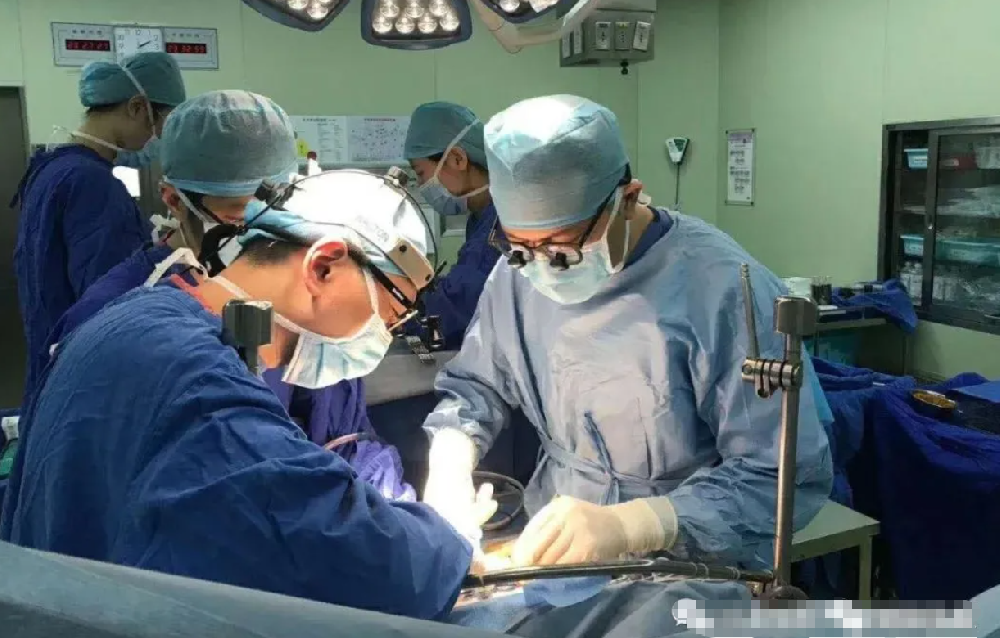
Dr. Chen Gong | Children's Bile Ducts, and a Future He Chose Himself
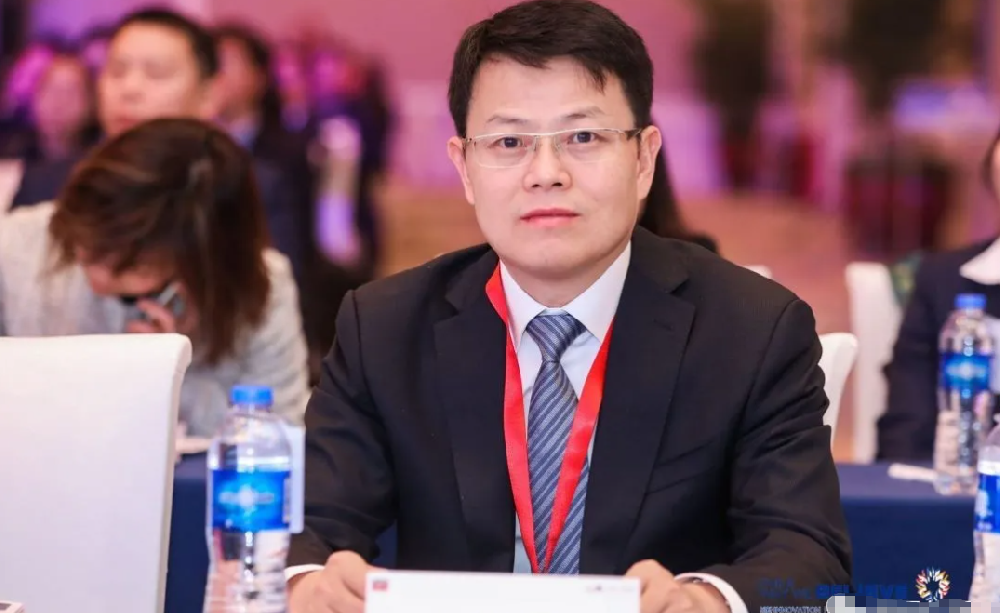
Dr. Luo Zhiguo | An Oncologist Still Hoping for One More Reunion

Dr. Shi Hongcheng | Growing Nuclear Medicine from One Old Scanner
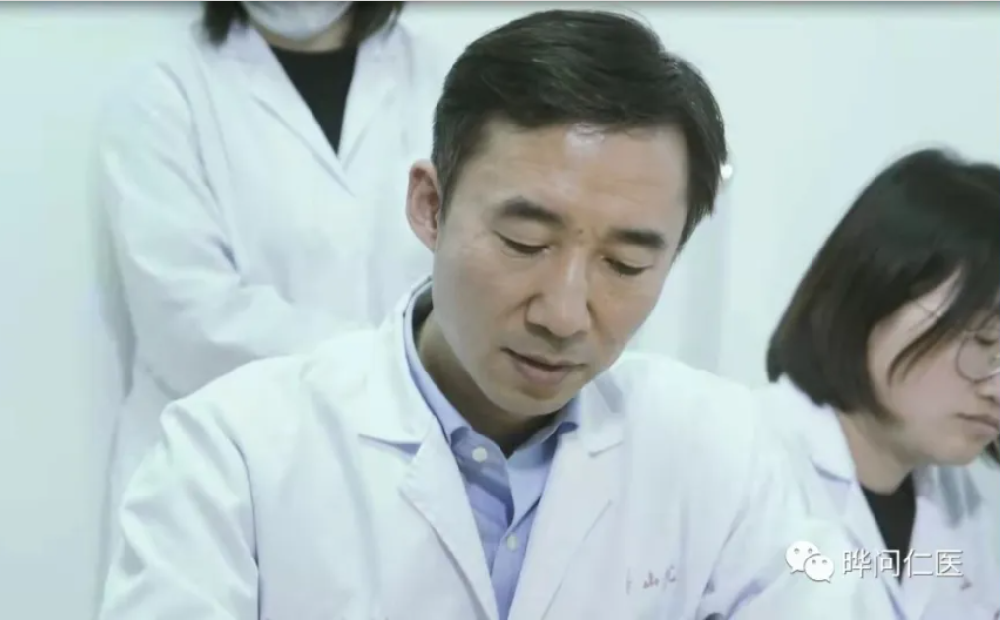
Dr. Li Wei | Loneliness in the Lab, Hope for Itchy Skin
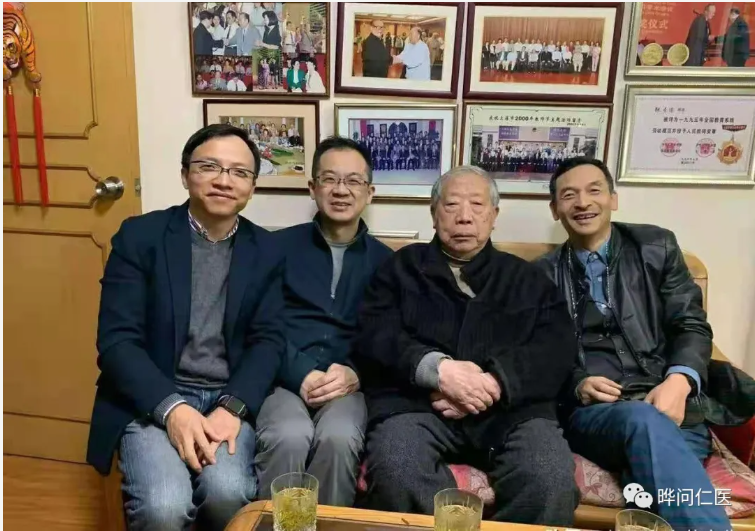
Dr. Huang Anhua | Still Glad to Stand Under the Gallbladder Lamp
Copyright © 2023 Yewen Renyi & ShanghaiDoctor.cn (This website is a non - profit medical humanities platform. The information contained herein is solely for biographical and historical purposes and does not constitute any medical advice.) 沪ICP备2023005392号-2 XML 沪公网安备31010902100835号
 中文
中文 English
 Español
 沪公网安备31010902100835号