ShanghaiDoctor - Where China's Healing Wisdom Shapes Modern Medicine

Update time:2026-10-24Visits:23
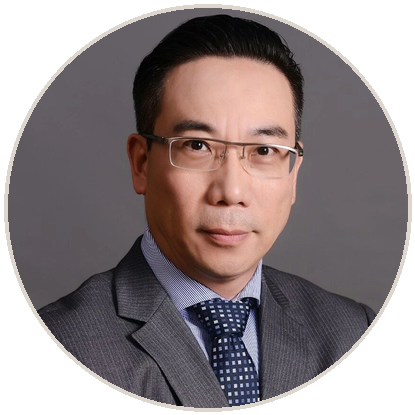
“Learning to treat illness is only a small skill. Learning to understand the human world is the art.”
— Qian Yiming
Qian Yiming, MD, PhD, is Chief Physician, Professor, and Director of the Department of Emergency Medicine at Yueyang Hospital of Integrated Traditional Chinese and Western Medicine, affiliated with Shanghai University of Traditional Chinese Medicine. He leads a department that combines modern emergency and critical care with traditional Chinese medicine, and he was responsible for its designation as a national key specialty under China’s Twelfth Five-Year Plan.
He chairs the critical care committee of the Shanghai Association of Integrative Medicine, is a standing committee member of the critical care committee of the Chinese Association of Integrative Medicine, and served on the seventh and eighth councils of the Shanghai Association of Integrative Medicine. He is also a member of the Shanghai Hongkou District Committee of the Chinese People’s Political Consultative Conference and of the China Democratic League committee at Shanghai University of Traditional Chinese Medicine. A master’s supervisor, he was named one of the university’s “Good Teachers in My Heart” in 2018.
“Chinese medicine is great fun,” he says, and pauses, his eyes lighting up. For more than thirty years he has watched birth, age, sickness, and death as an emergency physician and, for much of that time, as the head of an emergency department. He smiles with evident contentment, and the two clear vertical lines between his brows seem to tell how his thinking has slowly grown richer.
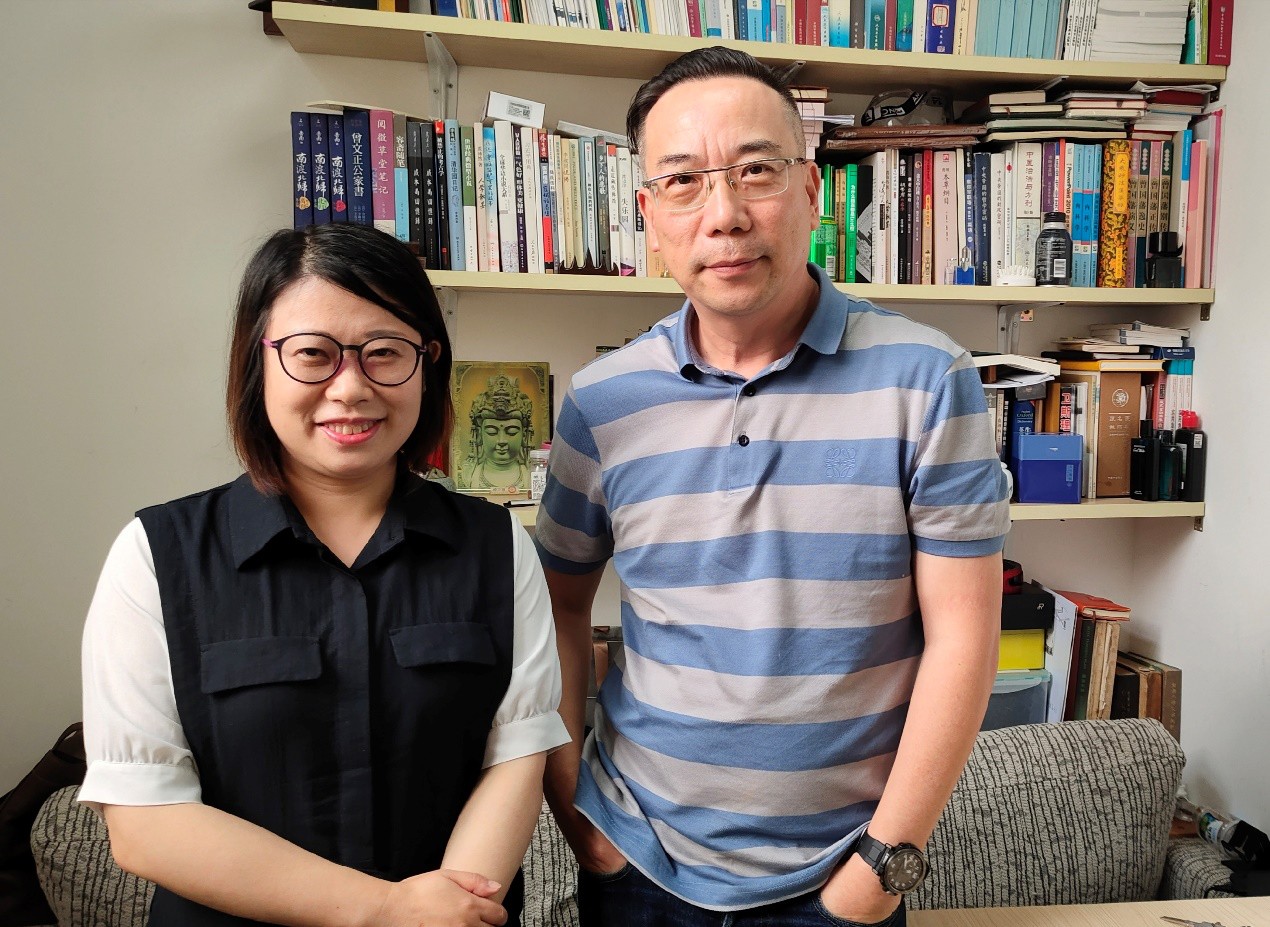
His whole career has been spent face to face with acute and critical illness. He has seen a great many partings, and when he tells a story he does it with a calm, still steadiness, quietly and courteously. The bookshelves behind him serve as his backdrop, and they look very like the mind map spreading out in his head, laying out his views and the depth of his experience for every visitor.
Behind the calm there is a firm strength, warm and light and reassuring. Talking with him is a little like sitting by a fire while snow falls outside, holding a warm cup of coffee and listening to him tell stories of the world. He widens the limits of what you thought you knew and gives you another angle on things, so that you go away thinking and turning questions over toward their roots.
He is an emergency physician, but he is also an explorer of the wider world, curious about the vast sea of knowledge and about the many faces of human nature. He has come out of a battlefield without gunsmoke and lives fully in ordinary life, calm and content, ordinary and happy.
Qian Yiming was born in Shanghai in 1965. As a boy he dreamed of being an architect, until he discovered that architecture required an art examination, which was not his strength. On his parents’ advice he applied to medical school instead.
At the time, the best choice for anyone wanting to study clinical medicine was Shanghai Second Medical University, the forerunner of today’s Shanghai Jiao Tong University School of Medicine. He took the national entrance examination in 1983, the year of a reform in medical education, when the university first ran a pilot six-year clinical program. He did not think too hard about it. If he could not be an architect, being a doctor seemed good too.
“I am someone who goes with the flow,” he says. “There was no special reason I studied medicine. My parents suggested I become a doctor, I thought that would be fine, and so I went to medical school.”
He finished his six years of undergraduate study in 1989. Job assignment did not go as smoothly as he had hoped, and after several turns he was offered a place by a Chinese medicine hospital housed in a garden villa at 46 Yueyang Road. So Qian Yiming, trained entirely in Western medicine, began his career at Yueyang Hospital, then affiliated with the Shanghai College of Traditional Chinese Medicine.
In those years the hospital was not finely divided. There were two broad lines, internal medicine and surgery, and internal medicine itself was split into a Chinese medicine line, strongest in hematology, and a Western medicine line, strongest in cardiology. When he began seeing patients on his own, his main field was cardiology. Because he was often on emergency duty, he came to know Professor He Liren, now one of Shanghai’s renowned senior practitioners of Chinese medicine and the founder of the hospital’s emergency department. Around the same time Qian began studying under Professor He, copying his prescriptions in clinic, the traditional way of learning. It was his first real meeting with Chinese medicine.
Circumstances shaped him again. Some years later the hospital needed to train a group of Western-trained doctors in Chinese medicine. Having already worked at Professor He’s side, Qian moved naturally into systematic study, and he became an emergency physician who works in both traditions. Chinese medicine became another strong weapon in his arsenal for treating critical illness.
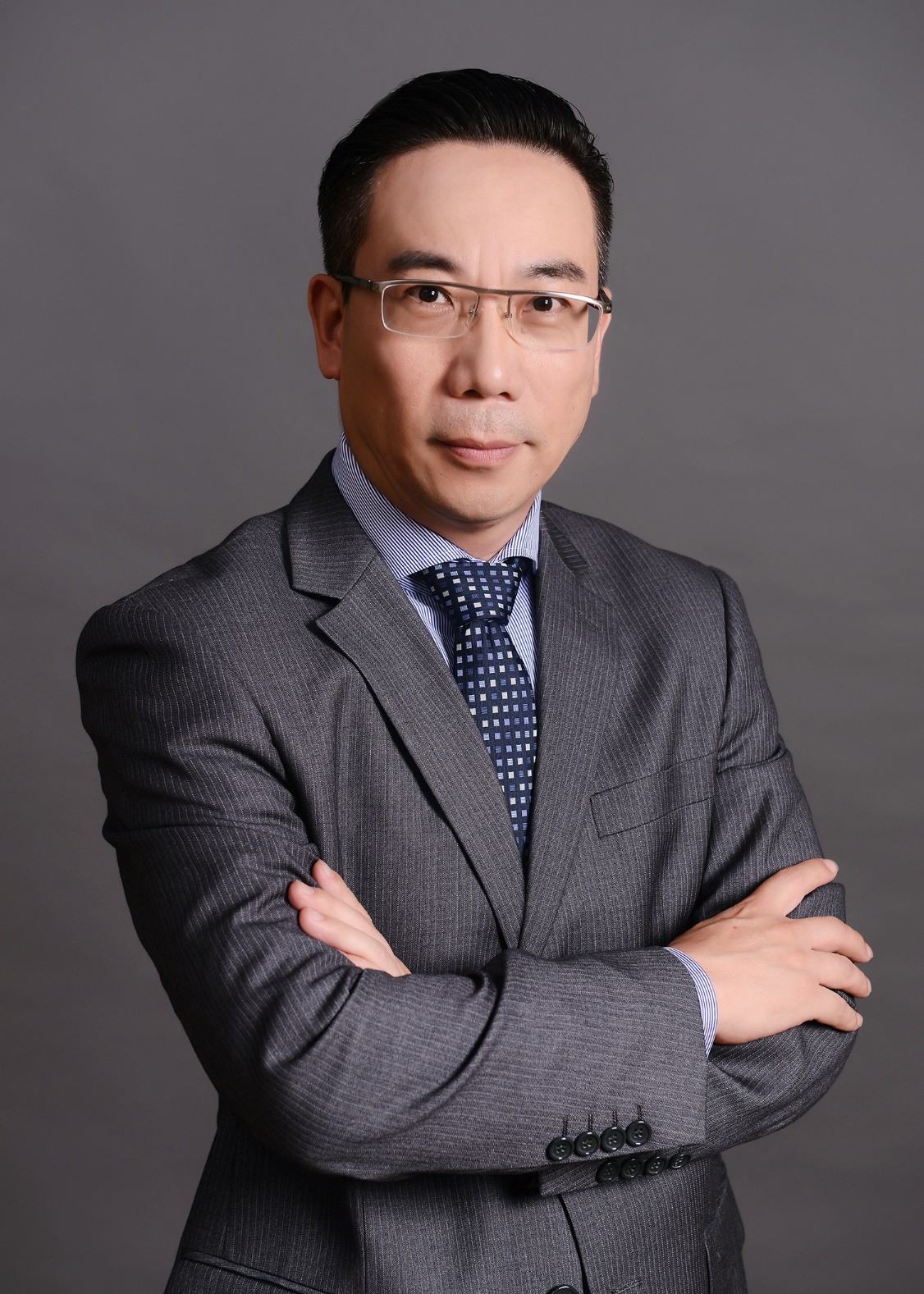
In April 2001 Yueyang Hospital merged its emergency department and intensive care unit into a single Emergency-ICU department, renamed the Department of Emergency Medicine in August 2006. The merged department had more beds and gradually grew into a complete, well-organized service.
In 2008 Qian Yiming was appointed its director. Under his leadership the whole team of doctors and nurses moved steadily forward and built deep experience in emergency and critical care. Today the department is regarded as a pioneer, and a national leader, in integrative emergency medicine.
Asked for an experience that left a lasting mark, he tells a story.
One ordinary afternoon in 2005, a junior doctor in the outer emergency area called and asked him to come and confirm a patient’s condition. He went over and opened the record of a forty-year-old man. The new record had only one page. The man had come in the day before with chest tightness. His electrocardiogram and blood tests had shown nothing clearly abnormal, and he had been prescribed a salvia (danshen) infusion. This was to have been his second day of infusion.
He had collapsed at the hospital entrance, and a guard had carried him straight into the resuscitation room. By the time Qian saw him, he had no breathing and no heartbeat, and CPR had not worked. Ordinarily the doctor would have pronounced him clinically dead.
That year Qian was forty too, the same age as the patient. Looking at a record with only one page written in it, one clear thought rose in him. “I have to save him!”
He calmly directed the team to continue. Defibrillation, epinephrine, and CPR, in turn, again and again. The defibrillator was used dozens of times and dozens of doses of epinephrine were given, and still the monitor showed a flat line. He wanted to hold on a little longer, to try a little harder.
From two in the afternoon until six in the evening they kept going, and then the trace on the monitor came back.
After four hours of resuscitation, a man who had been, by every usual measure, dead began breathing on his own again, and his heart beat. A miracle had been made in that room.
Only later did Qian learn that a member of the patient’s family had been standing outside the door the whole time, watching every move, and that she was a doctor herself. Having witnessed it, she had no word except thanks. She told him, “The director of your department is remarkable. To lead a resuscitation with that kind of calm and order is not something everyone can do.”
When he finishes the story, he reflects. “A great deal of human life comes down to fate. But I have always thought, and I still think, that sometimes a doctor must be hard on himself, especially with young patients. Sometimes, if you hold on just a little longer, a miracle really can happen.”
Besides refusing to give up, he brings a deep understanding and close observation of his patients.
As an emergency physician who is also a chief physician trained in Chinese medicine, his view takes in every disease of internal medicine, so his specialist clinic draws patients with every kind of complaint. His way of seeing patients is shaped by emergency thinking. He goes first to the patient’s most important and most urgent need, and resolves it in the quickest, simplest way.
He gives an example. Not long ago a patient came to him after finding that his blood pressure was high, 160 over 90. He was tense and anxious. Qian assessed both the illness and the man’s state of mind, and chose to give an intravenous antihypertensive. Almost in the same minute as the drug went in, the patient calmed and visibly felt comfortable and steady. With the anxiety settled and the main trouble resolved, Qian then worked out a long-term plan for lowering his blood pressure, without hurry, and asked him to come back for follow-up. The patient left satisfied.
This is how he always works. Among a patient’s many complaints he chooses the main contradiction, finds the most precise solution, and hits the mark cleanly. As a result there is little friction between him and his patients and much more mutual understanding and respect.
“A doctor has to know which problems he can solve,” he says. “For the ones he can’t, he should help the patient find the department that can. That is how you avoid conflict.” He takes an objective view of relationships between doctors and patients, and believes a good one is the work of both sides.
“Learning to treat illness is only a small skill,” he says, summing up more than thirty years in the clinic. “Learning to understand the human world is the art.”
In his twelve years as director, the department has always been a warm, close family. Its doctors and nurses are partners at work, coordinating closely and looking out for one another, and friends outside it, at ease and in step.
That harmony, and the tightly linked clinical workflow, owe much to the way he manages. To him, the core of management is a clear system, and the core of getting things done is setting goals. Holding to two principles, fairness and encouragement, he knows when to tighten and when to loosen, and lets the team work in an atmosphere that is relaxed but secure.
“Emergency work is hard and pays little,” he says, “but I try to keep the atmosphere fairly relaxed, so that the doctors in the department can be a bit happier and find some joy even in the hard parts. On the whole our doctors are quite happy, so every one of them comes to work full of energy.” As he says this, he looks deeply gratified and at ease.
He is optimistic about the future of emergency medicine. With heavy national investment in recent years, and the pace of medical progress in China and around the world, he expects emergency medicine in China to grow into a specialty spanning internal medicine, surgery, obstetrics and gynecology, pediatrics, and almost every other field, one of the most advanced in the health system and able to manage critical illness in every organ system together. The emergency buildings some Chinese hospitals have already put up, he says, are evidence of how bright that future is.
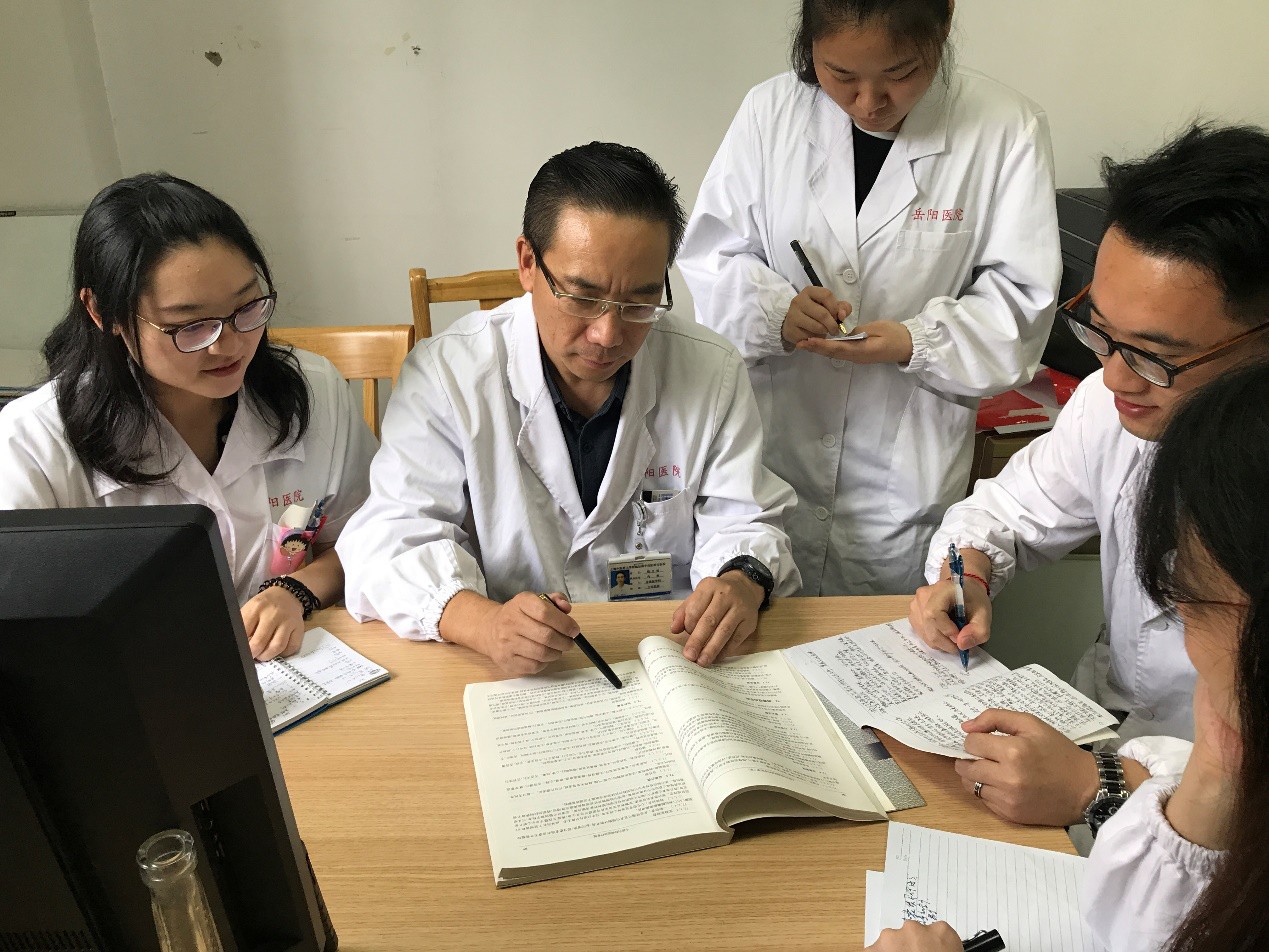
He has also trained a good number of younger doctors in integrative emergency and critical care. When the university named him one of its “Good Teachers in My Heart” in 2018, he was modest. “I don’t really have any special secret. I just want to teach my students something real, sincerely, and maybe that is why they like me.”
The word he uses most about teaching is “life.” Beyond the skills of diagnosis and treatment, he wants his students to grow, through emergency work, in outlook and character, so that when their own lives rise and fall they can meet it calmly, neither carried away by success nor crushed by failure. After so many years with the critically ill, having seen every face of life, the truth, goodness, and beauty in people and also their cruelty and complexity, what he most wishes is that he and those around him can be happy, and live their lives plainly and steadily.
He picks up a folding fan, opens it slowly, waves it to feel the gentle breeze, and after a few seconds adds, “I just hope my students can be a little happier and live a little better. As for me, a plain, quiet life is enough.”
ShanghaiDoctor.cn: Some people say Chinese medicine is slow. How do you use integrated Chinese and Western medicine for critical illness?
Qian Yiming: “There are two separate ideas here. First, Chinese medicine is not slow. Its great leaps forward have very often come in the treatment of acute and critical illness. Its progress will not necessarily come from health preservation and wellness.
“Every question is shaped by history. After Western medicine came to China from 1840 onward, people felt it solved problems faster than Chinese medicine, and there were many other historical reasons as well. Chinese medicine lost confidence in itself, and that is why emergency and critical care with Chinese medicine was later abandoned. In fact, critical illness holds a very important place in the history of Chinese medicine.
“The second idea is how Chinese medicine is used in modern emergency care. Integrative emergency medicine can develop along two lines. One is to keep using traditional herbal medicine, and the other is to use modern preparation methods. We cannot ignore the problem of quality control in the herbs themselves, which means the source of the herbs and how they are processed. That matters a great deal for how well they work.
“I graduated from a Western medical school before I came to study Chinese medicine, so I know both systems well. I think we should drop sectarian thinking. It is like fighting a battle. A sword will do and a gun will do, as long as the problem is solved.”
ShanghaiDoctor.cn: How did you come to Chinese medicine?
Qian Yiming: “I owe it to Professor He. At the time there were not many patients on the Western internal medicine side at Yueyang, so I went to learn from Professor He in his clinic, and he was very good to me. Later the hospital wanted to train a group of Western-trained doctors in Chinese medicine, and I was honored to be sent. Because I already had a foundation, I followed Professor He through a master’s degree and then a doctorate.”
ShanghaiDoctor.cn: Some say emergency medicine lacks research. How do you see that?
Qian Yiming: “It is true that research is hard in emergency medicine, which is a front-line department. Basic research especially, because the range of diseases is so wide and there are few chances for long-term follow-up, so research in emergency departments is relatively weak. But we put the emphasis on solving problems quickly and precisely. Sometimes we treat critically ill patients with Chinese medicine injections, because Chinese medicine and Western medicine sometimes reach the same place by different roads. For example, adding salvia to anti-infection treatment for a critically ill patient may work very well. The Western guidelines recommend anticoagulants, and the principle is really the same: both improve sluggish blood flow in the small vessels. In a sense, research in emergency medicine leans more toward studying and verifying what works.”
ShanghaiDoctor.cn: What do you hope for the future of emergency medicine in China?
Qian Yiming: “In the past, because there was not enough investment, emergency medicine in China developed rather slowly. That has changed a great deal in recent years. In the future emergency medicine will certainly be a large specialty, broad in scope and highly advanced, moving forward by leaps. So although choosing emergency medicine means hard work and modest pay, I think it is truly meaningful.”
ShanghaiDoctor.cn: As a supervisor, what is particular about training emergency medicine students?
Qian Yiming: “Personally, I think being a doctor is very good. Emergency medicine is a front-line department where you can really build your abilities, and an emergency doctor needs stronger skills behind him. Second, as you gain experience, your understanding of many diseases goes far beyond what other specialties see, so you have an advantage in grasping the whole picture.
“Then there is personal cultivation, your understanding of life. You may gain a broader view and a higher vantage point. So students of emergency medicine should not learn only technique. They should learn a way of looking at life. I really think that is important. Whatever setbacks they meet later, whatever great joy or grief, it will be easier for them to handle it calmly. When you have seen so much birth, age, sickness, and death, and so many sides of human nature, your heart becomes very level, without great ups and downs.”
ShanghaiDoctor.cn: What do you enjoy outside work?
Qian Yiming: “I like fishing, sailing, swimming, and diving, almost all of it on or in the water. Reading doesn’t count as a hobby, because my work requires me to keep learning and read a great deal anyway. Recently I have gone back to the Three-Character Classic of Medicine, which is quite interesting. I also read a good deal about religion. It helps me understand life better and widens my view.”
ShanghaiDoctor.cn: What do you wish for the young doctors who choose emergency medicine?
Qian Yiming: “It is very simple. I hope my students can live a little better and be a little happier. As for me, if I can live out my life plainly and quietly, that will be very good.”
There is no obvious sign of age about Qian Yiming. But experience, and a deep understanding of the world, show faintly between his brows, and carry a firm, deep strength that reaches straight to the heart. The title of this piece comes from a line by the poet Tao Yuanming, “Ride the waves of the great transformation, with neither joy nor fear.” Perhaps that is the insight a doctor comes to after hundreds, thousands, even tens of thousands of rounds with death: four hours at a defibrillator for a man of his own age, an anxious patient calmed in a single minute, a department kept happy through hard and poorly paid work, and students taught that the art lies in understanding people.
Editor: Chen Qing
If you need any help from Dr. Qian, be free to let us know at Chenqing@ShanghaiDoctor.cn.
Adapted from the Yewen Renyi (晔问仁医) interview “钱义明 | 纵浪大化中,不喜亦不惧.”
Dr. Wang Qunshan | Cardiac Electrophysiology, and Meeting the Rising Wind
Dr. Ren Yunyun | Obstetric Ultrasound, and the Work No One Sees
Dr. Qian Yiming | Emergency Medicine, and Neither Joy nor Fear on the Great Tide
Dr. Wang Xudong | Craniomaxillofacial Surgery, and Years Written into Chapters
Wang Xiaoning | Operating Room Nursing, and a Grace Like the Orchid
Dr. Li Guichao | Radiation Oncology, and a Peach Blossom Spring in the Heart
Dr. Lu Yanan | Pediatric Heart Surgery, and Feeling Another’s Pain as One’s Own
Dr. Chen Sun | Newborn Heart Intervention, and Staying Young Enough to Be Moved
Dr. Wu Yurong | Fetal Echocardiography, and Kindness as Part of the Job
Dr. Wang Qunshan | Cardiac Electrophysiology, and Meeting the Rising Wind
Dr. Ren Yunyun | Obstetric Ultrasound, and the Work No One Sees
Dr. Qian Yiming | Emergency Medicine, and Neither Joy nor Fear on the Great Tide
Dr. Wang Xudong | Craniomaxillofacial Surgery, and Years Written into Chapters
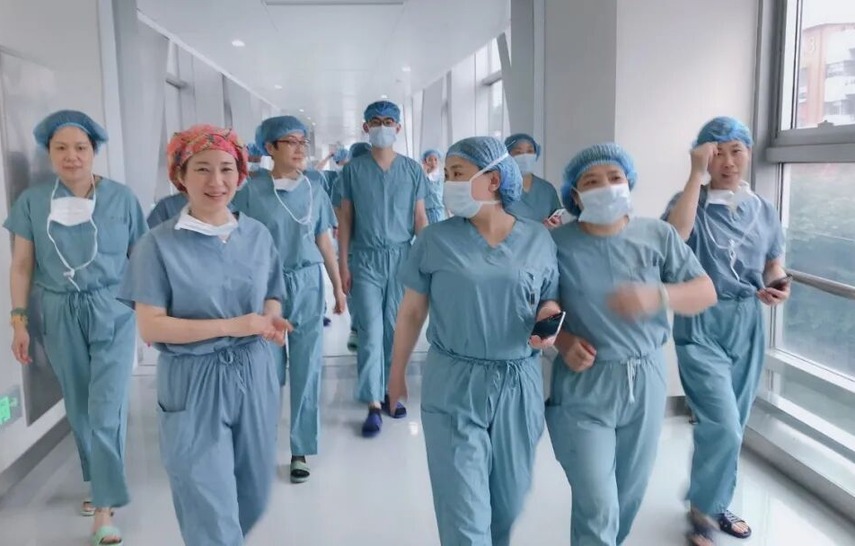
Wang Xiaoning | Operating Room Nursing, and a Grace Like the Orchid
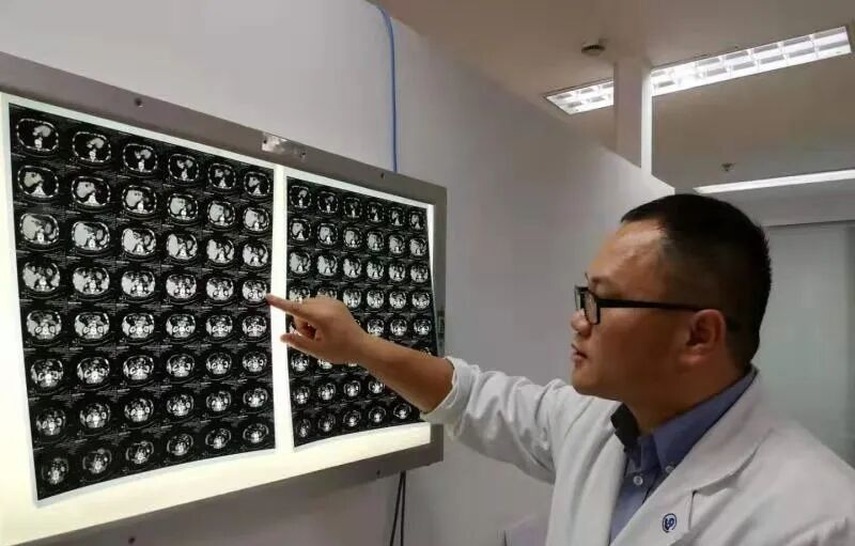
Dr. Li Guichao | Radiation Oncology, and a Peach Blossom Spring in the Heart
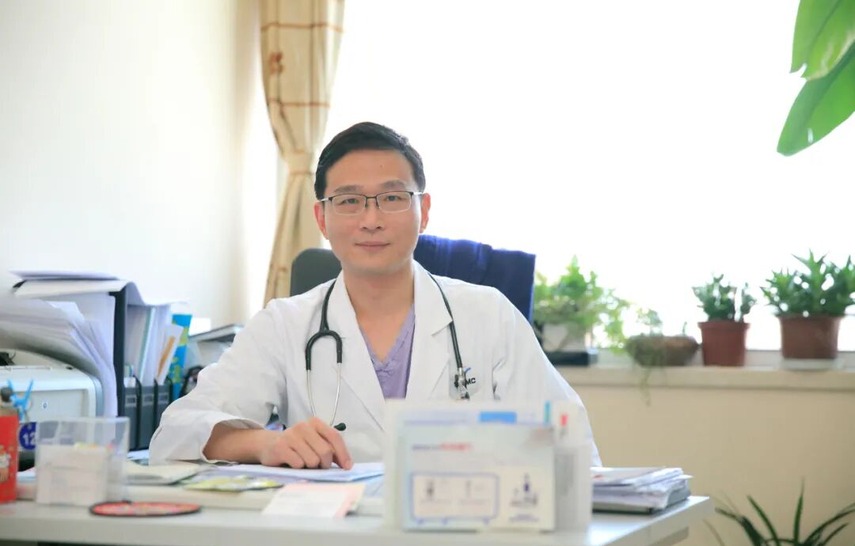
Dr. Lu Yanan | Pediatric Heart Surgery, and Feeling Another’s Pain as One’s Own
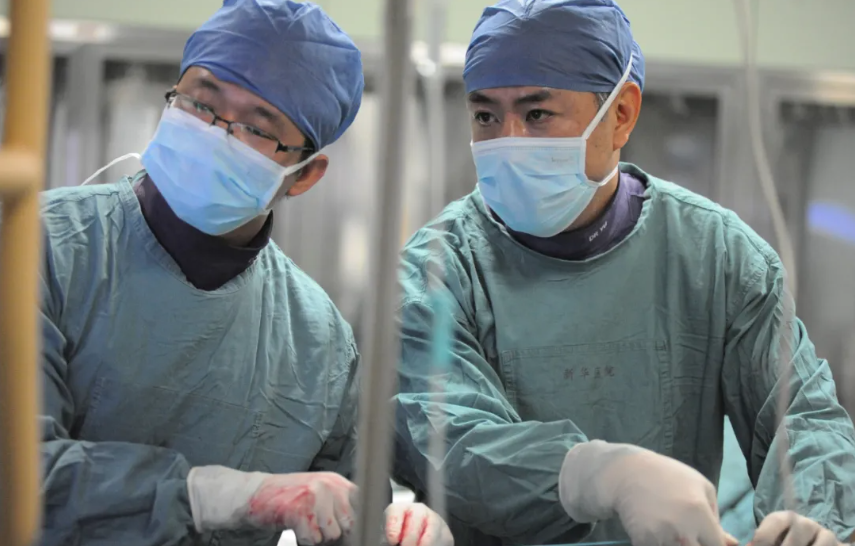
Dr. Chen Sun | Newborn Heart Intervention, and Staying Young Enough to Be Moved
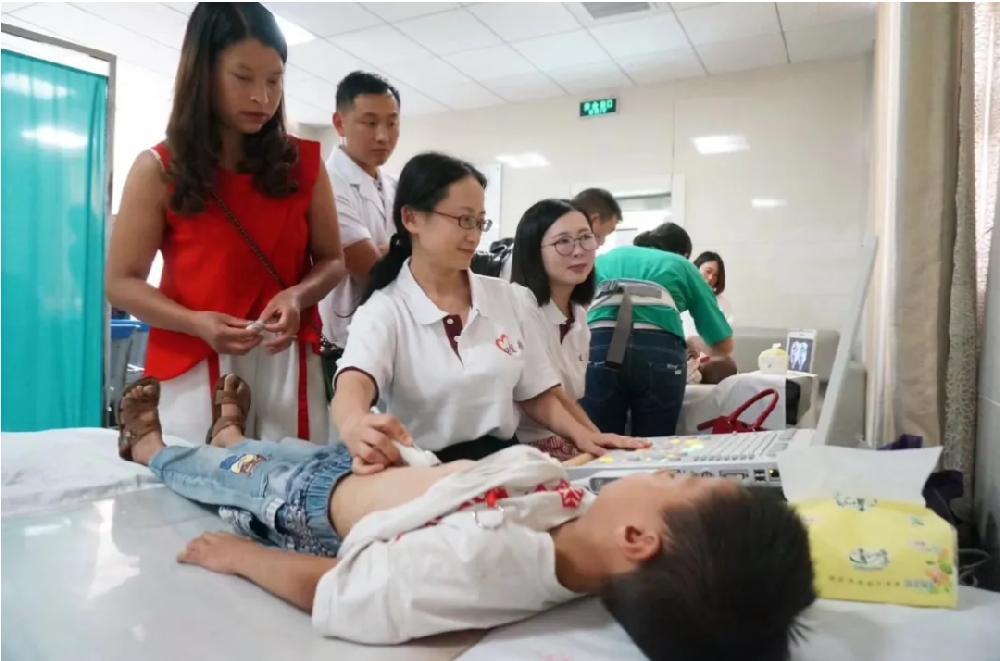
Dr. Wu Yurong | Fetal Echocardiography, and Kindness as Part of the Job
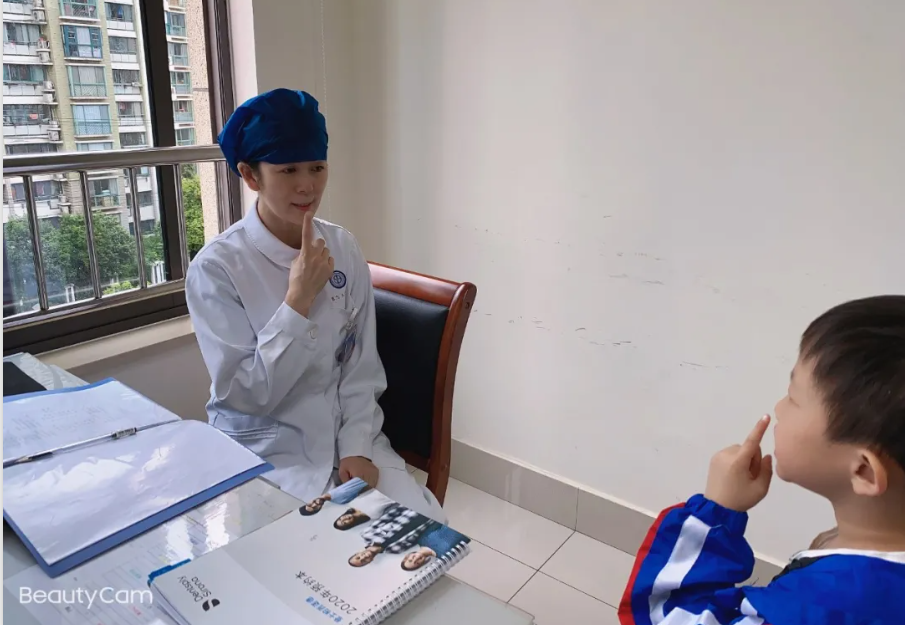
Jiang Liping | Speech Therapy, and the Lamp She Carries
Copyright © 2023 Yewen Renyi & ShanghaiDoctor.cn (This website is a non - profit medical humanities platform. The information contained herein is solely for biographical and historical purposes and does not constitute any medical advice.) 沪ICP备2023005392号-2 XML 沪公网安备31010902100835号
 中文
 English
 Español
 沪公网安备31010902100835号
