ShanghaiDoctor - Where China's Healing Wisdom Shapes Modern Medicine

Update time:2026-10-24Visits:20
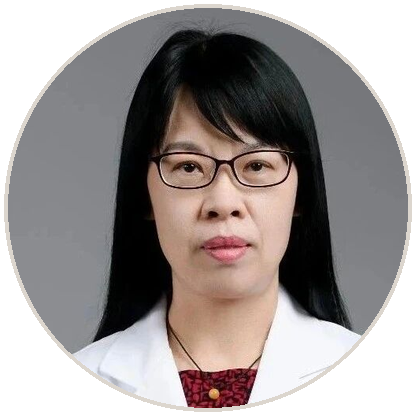
“Everyone has the right to know the truth. Sometimes the truth is painful, but I cannot hide it.”
— Ren Yunyun
Ren Yunyun, MD, PhD, is Director of the Department of Ultrasound at the Obstetrics and Gynecology Hospital of Fudan University, Chief Physician, and a Doctoral Supervisor. She performs ultrasound diagnosis and consultation for common and difficult conditions in obstetrics and gynecology, and is known above all for high-risk prenatal ultrasound and the ultrasound diagnosis of congenital heart disease in the fetus.
She is a member of the fourth committee of the Ultrasound Physicians Branch of the Chinese Medical Doctor Association and vice chair of its second obstetric and gynecologic ultrasound committee; deputy leader of the obstetrics and gynecology group of the ninth committee of the Ultrasound Medicine Branch of the Chinese Medical Association; vice chair of the first ultrasound committee of the Chinese Research Hospital Association; vice chair of the second ultrasound committee of the China International Exchange and Promotive Association for Medical and Health Care and head of its perinatal section; and vice chair of the obstetric and gynecologic ultrasound committee of the Cross-Strait Medicine Exchange Association’s ultrasound expert committee, among other roles.
She serves on the editorial boards of four Chinese medical journals, including the Chinese Journal of Medical Ultrasound (Electronic Edition). She is editor-in-chief of Obstetric and Gynecologic Ultrasound Diagnosis, a national planning textbook for specialist training, and of the Chinese Guidelines for Obstetric Ultrasound Examination, both from People’s Medical Publishing House, an associate editor of Fetal and Neonatal Cardiology, and a contributor to the Chinese Guidelines for Gynecologic Ultrasound Examination and Practical Obstetrics and Gynecology. She has published more than thirty papers in SCI-indexed and leading Chinese journals as first or corresponding author and leads several provincial and ministerial research projects.
She is someone who will tell you the truth.
Sometimes the truth brings great joy. Sometimes it brings a family to its knees.
She has hands that capture the truth inside the womb. With them she acquires the images, and doubts hidden in the farthest corners are found and seen through, one by one. She has what colleagues call eyes that miss nothing. However well a problem disguises itself, she sees it clearly and keeps at it to the end.
In more than twenty years of practice, she says, prenatal ultrasound has no tricks, only care. Sometimes a single case takes half an hour. If there is the smallest flaw, she will not let it go until the matter is settled.
Few truths in this world can really be shown to others. A person who can tell you the truth is the person most worth trusting.
The title of this piece comes from an old saying of Chinese pharmacy, associated with the Beijing apothecary Tongrentang, founded in the reign of the Kangxi Emperor. However laborious the preparation of the herbs, no labor may be spared; however costly the ingredients, no expense may be spared. And: no one sees the compounding, but heaven knows the heart that does it.
Some things no one supervises, or no one can, but everything you do is known.
For an ultrasound doctor, diagnosis is a solitary task. Whether it ends in joy or in sorrow, it is always done alone. That is a kind of compounding. And each of us, in truth, has compounding of our own, though we may not always think so.
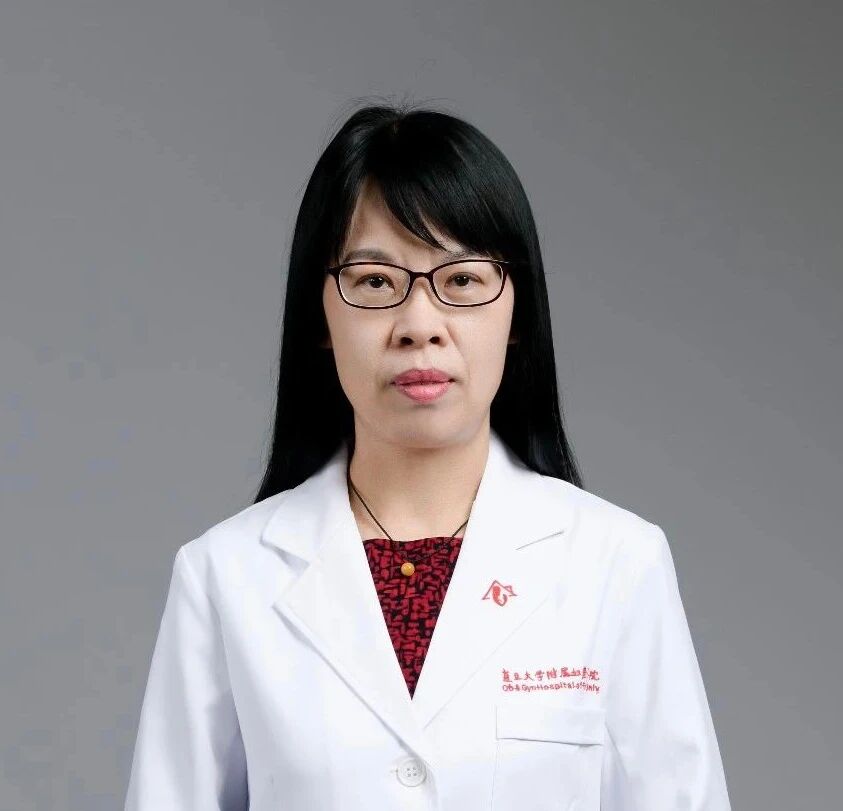
Ren Yunyun was born in 1966 into a family of ordinary intellectuals at the Huainan coal mines in Anhui.
The family was poor, but the house was full of books, and that was her greatest nourishment. She remembers her parents saying that the children of their home would study, because study teaches you reason, character, and how to make something of yourself. However turbulent the times, a child who reads will always find a place in life.
She chose medicine, she says, because of her eldest cousin. One of the generation whose schooling was interrupted, he entered Shanghai Medical University in 1978 and became an obstetrician-gynecologist at Peking Union Medical College Hospital, where he is now a well-known gynecologist. “He was my model,” she says. “I followed in his footsteps and got into Shanghai Medical University too, studying preventive medicine.”
To her the university was a temple of learning, with solid scholarship and rigorous teaching. Many of her professors were leaders in their fields, and they taught not only knowledge but the foundations of how to practice medicine and how to be a person. In 1990 she was recommended for graduate study without examination, and she chose obstetrics and gynecology without hesitation. Compared with specialties that often face death and parting, she felt, obstetrics and gynecology mostly welcomes new life, and there are more smiles. “I would rather see patients smile.”
After her graduate degree she stayed at the Obstetrics and Gynecology Hospital and spent two years in clinical practice. Then she made a surprising choice. She put down the scalpel.
She laughs and says it was because she was timid. “I know myself clearly. Everyone has strengths and weaknesses. My strength is that I am careful. My weakness is that I am timid. If something went wrong in an operation, I couldn’t bear the blame I would put on myself. I am better suited to making the judgment and telling my colleagues what I have found, so that they can treat the patient.”
In 1995 she moved to the ultrasound department, to be, as she puts it, a pair of eyes for the clinicians. Unlike gynecologic disease, obstetric problems often produce no symptoms at all. Whether a fetus is well depends mainly on ultrasound.
Her years in clinical obstetrics and gynecology meant that she always brought a clinician’s thinking to ultrasound, and her reports show independent thought and analysis.
“Ultrasound diagnosis is not describing a picture,” she says. “Diagnosis is for treatment. A high-quality report gives clinicians a better basis for diagnosis, instead of leaving them at a loss.”
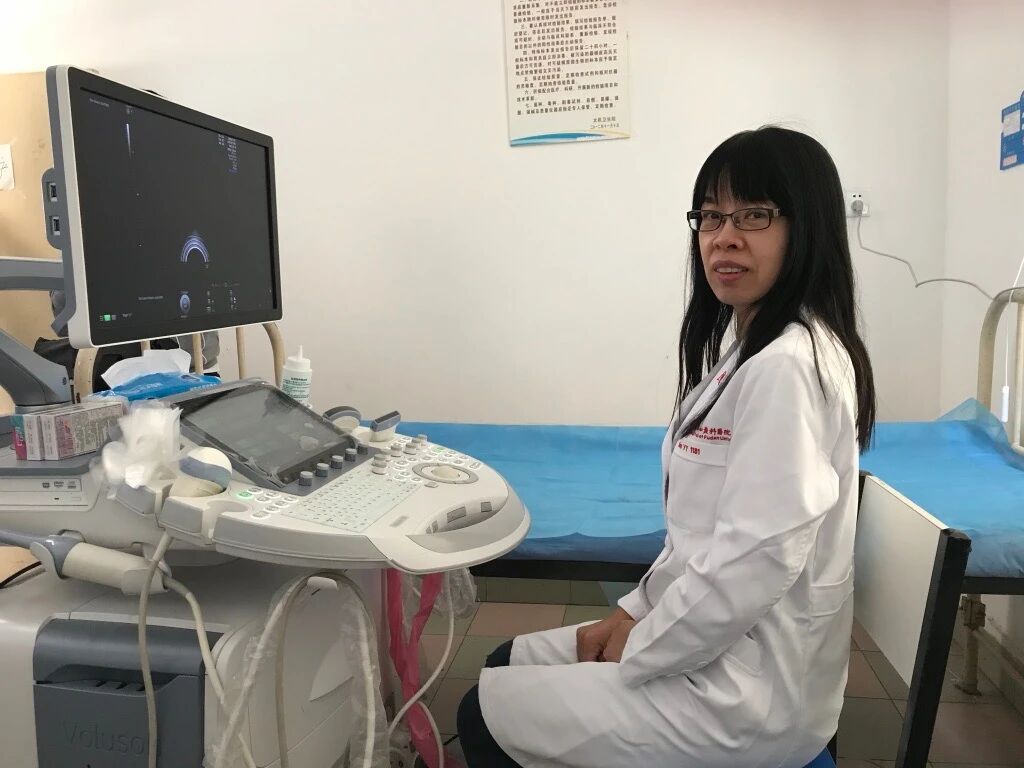
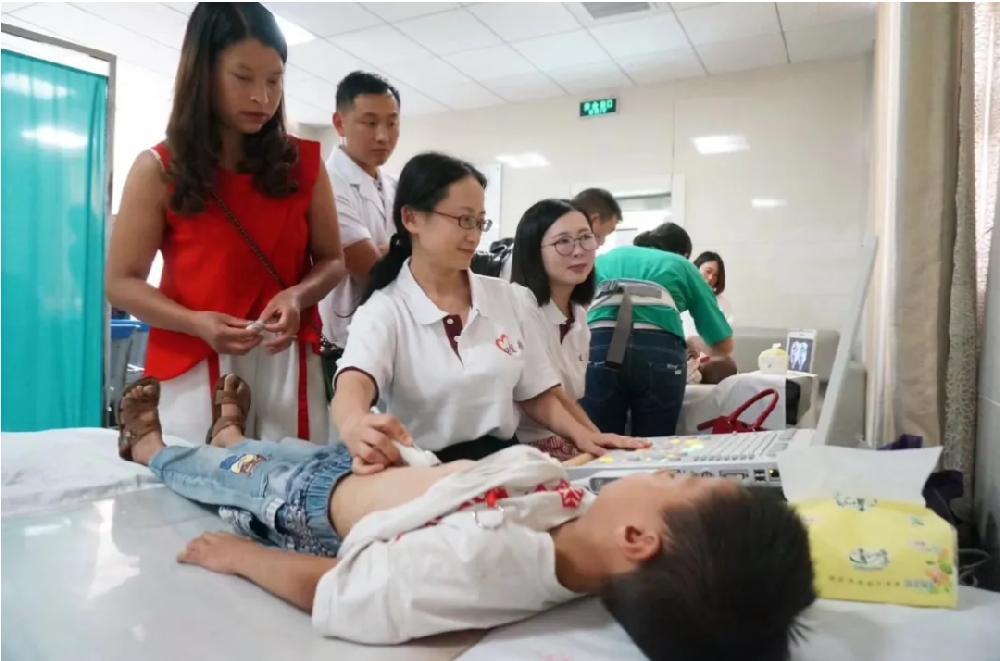
Over many years she built formidable skill in ultrasound diagnosis, especially in high-risk prenatal scanning and fetal congenital heart disease. Every image, she points out, is found and acquired by the ultrasound doctor in person, who must think and analyze while scanning. It is truly work for hand and mind together, and every diagnosis takes shape in that process of scanning and thinking at once.
“It is hard on top of hard, so all you can do is strive for perfection. Acquiring images takes endless practice. Some fetuses lie in an awkward position and a scan takes a very long time, so most of the doctors in our department have neck and back problems, and dry eyes. It is tiring, and it can be monotonous, but I find it absorbing.”
Whether an image is standard, she says, the patient cannot see, and neither can the clinician. Yet an accurate report rests on those images. Saving standard views takes more time, and that depends entirely on the doctor’s professional ethics, sense of responsibility, even her whole attitude to life. Here the old saying applies. In her words, you may fool anyone else, but you can never fool yourself.
“Ninety-five percent of pregnant women are normal. If you take images carelessly, no one will see. That is where a doctor’s conscience lies. Getting the standard planes takes real effort. A second-trimester anomaly scan takes thirty minutes on average, and we screen sixteen or seventeen a day, which is very slow. Many doctors in our department are perhaps a little obsessive. If we haven’t got the image we want, we keep at it. My teacher, Professor Yan Yingliu, demanded that of us back then, and it became habit.”
For holding to those standards, colleagues often call her “the textbook,” and this textbook has uncovered the truth in countless wombs.
In 2019 she led more than twenty of China’s best-known obstetric ultrasound specialists, under the Ultrasound Physicians Branch of the Chinese Medical Doctor Association, in writing the Chinese Guidelines for Obstetric Ultrasound Examination.
“Birth defects are among the main causes of illness and death in newborns and infants,” she says. “China has a high incidence of birth defects, with more than a million affected babies each year, a heavy economic and emotional burden for families and for society. Ultrasound is the most widely used tool in prenatal care. This book will help hospitals standardize prenatal ultrasound and raise the diagnostic level of ultrasound doctors.”
In August 2020 her department became one of the first five China Obstetric and Gynecologic Ultrasound Training Bases designated by the association. With the two-child policy, the number of high-risk pregnancies has grown, and reducing miscarriage, preterm birth, and illness and death around birth places ever higher demands on prenatal diagnosis.
Not long before the interview, a twenty-one-year-old expectant mother who had had no regular prenatal care was found at another hospital to have a fetus with an irregular skull. By the time she reached Ren Yunyun she was thirty-one weeks pregnant. The scan showed that the skull sutures had closed early, the eyes protruded, the forehead bulged, and the midface was sunken. Looking further, Ren concluded that this was not an ordinary malformation, but probably Crouzon syndrome.
“With this condition, a child needs several operations on the skull and face while growing up, and may have abnormal vision, intellectual disability, and other neurological problems,” she says. “When I made the diagnosis I was under great pressure. The obstetrician said, at thirty-one weeks, if the baby turned out to be healthy, the consequences would be unthinkable. In the end the decision was the couple’s to make. I only set out my judgment calmly. They chose to end the pregnancy, and it was indeed Crouzon syndrome.”
“Everyone has the right to know the truth. Sometimes the truth is painful, but I cannot hide it.”
Eyes that miss nothing come from thorough knowledge, built on a solid grounding in embryology, anatomy, pathophysiology, obstetrics and gynecology, and pediatrics. She often follows up cases with pediatricians and asks them questions, wanting to know whether the baby’s actual condition matched the prenatal diagnosis, and, if there was an abnormality, how the child fared.
Ask her about her almost uncanny skill, and she says again that there is no trick, only care. If there is the smallest flaw, she will not let it go until everything is clear.
“That is the foundation of precise diagnosis,” she says. “You keep at it until it is done.”
For most pregnant women, an ultrasound means happiness and excitement. For some, it is cruel.
She has seen every human response at the threshold of birth. People differ, she says. Tell a woman that her baby has a malformation and her first reaction is, why me? Some refuse to believe it and suspect the doctor has made a mistake. Some accept only what they want to hear. Some accept it at the time, then go home, hear what those around them say, and change their minds.
“Having a baby is tangled up with social, family, and emotional factors, including the woman’s place in the family and her marriage. It isn’t only medicine. So how to tell the truth properly, how to explain the medicine, and how to calm the mother all test a doctor’s ability to communicate.”
One woman came to her specialist clinic and was found to have a fetus with a cystic adenomatoid malformation of the lung. The mass had pushed the heart to one side. The pregnancy was at nineteen weeks, and the mother wanted the baby very much. Ren explained that these masses grow fastest at twenty-eight to thirty weeks and may shrink afterward, but that even if it shrank, the baby would need an operation after birth. The mother nodded and said that as long as there was any hope, she would hold on.
“She told me later how it felt during the scan, hearing me and the doctor beside me say we could see the baby’s nose, eyes, and mouth. She was overwhelmed. This was a real little person, her child’s life stirring inside her. Fortunately, after twenty-eight weeks the mass grew smaller and smaller. The baby was born safely at term, had surgery at four months, and is healthy now.”
This lung malformation is fairly common, she says, but to a pregnant woman it is a bolt from the blue, and some decide on the spot to give the baby up. Yet if it can be cured, why give up? Letting patients with the same condition talk to one another sometimes helps more than a doctor’s reassurance.
“Someone set up a WeChat group of mothers whose babies had this lung malformation, together with pediatric surgeons from major hospitals. When a child recovers, the mother posts photos to share the good news. They swap experience of treatment and let out their feelings. Many women who were helped in hard times are glad to help others.”
In the ultrasound room, a single sentence from the doctor can change how a woman feels.
One woman booked for a nuchal translucency scan came at her appointment time and, when her number was called, did not go in. The next day she came again and hovered outside the department. The staff at the desk told Ren, who went out, invited her into the room, and asked what was wrong.
“She said she was afraid. It was all fear. I told her, don’t be afraid, I’ll do it for you. During the scan she couldn’t stop trembling, and her pulse was over a hundred. I said, your baby is already three months along, don’t be afraid, you will face many things later that are harder than today. Then I promised her that when it was time for her second-trimester scan, I would do that one too.”
At thirty-eight weeks the woman came looking for her, saying the baby was nearly due and she simply had to give her a hug. When the baby was a month old, she sent a card and a cake, and told Ren that the child’s name included the character “Yun” from her own name. “She said she hoped the child would grow up to be someone useful to society.”
Someone once left her a message online. “If every doctor were like you, the world would be so much better.” She only smiled. How fortunate, she thought, to be a doctor.
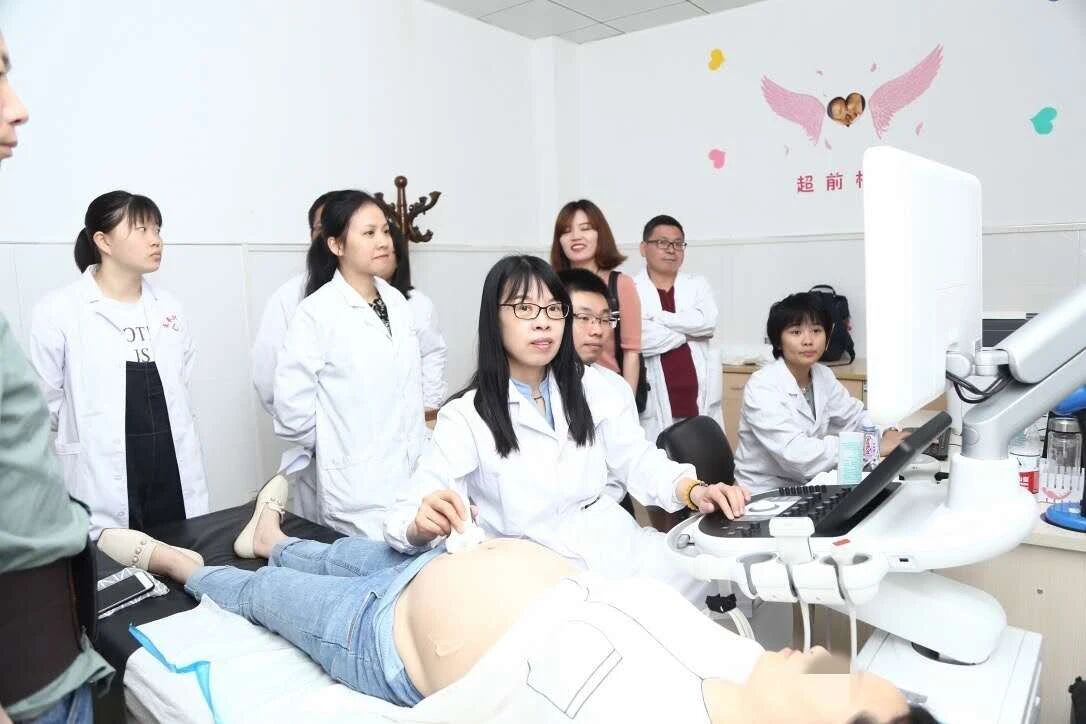
ShanghaiDoctor.cn: What has moved you most in your years as a doctor?
Ren Yunyun: “Humanistic care. That matters enormously. A doctor must never treat a patient like a broken machine to be repaired. Patients have feelings. Women with infertility, for example, are often under immense pressure. They come to every appointment anxious, and the anxiety builds level upon level, especially if there is a domineering mother-in-law at home. If they are also met with coldness or a scolding in the clinic, it leaves a deep thorn. So being good to patients is not an empty phrase. Doing it with your heart and doing it without is completely different. With patients like these, we must try our best to help, and say a few more gentle words.”
ShanghaiDoctor.cn: What is distinctive about the way you scan?
Ren Yunyun: “Care. Even a very small question has to be settled before I let the woman go. Once a screening took not three attempts but three days. The baby kept lying face down and didn’t want to be seen (she laughs). To see the face and the heart, if the baby is in the wrong position with its back to you, you can only wait and try every method to get it to turn. Babies take all sorts of positions in the womb. You have to be patient and never trust to luck. Most of them are fine, but what about the very few? A thousand may be normal, and the one you didn’t see may be the one with the problem.
“In the end the baby we waited three days for turned over, and the heart did have a problem, a fistula from the right coronary artery into the left ventricle. She went straight to a pediatric cardiologist. It was treatable. After birth the baby had a procedure to close the fistula and has recovered completely. If we had found it too much trouble, trusted to luck and missed it, the baby would have gone straight home after birth, and closing it later, once the heart muscle was short of blood, would not have worked nearly as well. That is the point of prenatal diagnosis: find it early, treat it early.”
ShanghaiDoctor.cn: When you find a malformation, your feelings must be complicated too.
Ren Yunyun: “Yes. A family came hoping for a healthy, normal baby, full of joy, wondering whether it would be a boy or a girl and whom it would look like. To be told of a malformation is a bolt from the blue, and asking them to stay rational at that moment is very hard. As a mother, I hope every pregnancy goes smoothly, with green lights all the way. But as a doctor, when the light turns red, I have to tell the patient honestly.
“Something else. Some young doctors training with us get very excited when they see an unusual malformation, and sometimes show it in front of the woman or her family. They mean no harm, of course; they are thinking they can learn something more. But it is too careless. I tell them to think of how the patient feels. You must put yourself in the other person’s place. A good doctor stands where the patient stands.”
ShanghaiDoctor.cn: Do you regret leaving clinical practice to become an ultrasound doctor?
Ren Yunyun: “No regrets. To patients, an ultrasound doctor may seem different from a clinician, who solves their problem directly. When a surgeon removes a tumor, the patient is deeply grateful. But a clinician’s work depends on many people, including pathology, ultrasound, and the laboratory. It is like a relay race. The runner on the last leg gets the flowers and the congratulations, but that does not mean the runners before him did not matter. In obstetrics and gynecology especially, ultrasound diagnosis is very important.”
ShanghaiDoctor.cn: What makes a good doctor?
Ren Yunyun: “First, a kind heart. Kindness makes you think of the patient, instead of thinking how to get rid of her. Some women travel from other provinces with family members, paying for lodging and treatment, which adds up. If they can’t get an appointment, I add them on if I can. Medicine is not a job you leave the moment the clock says so. Second, responsibility. Every report affects a family’s choice about a life. Third, reverence for life, but without moral coercion. Every family’s situation is different, and whatever they decide in the end deserves understanding.
“Take cleft lip and palate found on a scan. Yes, some celebrities’ children have had theirs repaired, but some families are poor, cannot afford treatment, and do not want to continue. You cannot blame them and say, how can you be so hard-hearted, not wanting your own child? The women who come to a specialist clinic come precisely because they value this life. They travel a long way, spend money, and go through discomfort. Isn’t that because they cannot bear to let go? As a doctor I will not make the decision for them. I tell them the facts and let them decide once they fully understand.”
ShanghaiDoctor.cn: What do you see as your greatest quality?
Ren Yunyun: “Doing a doctor’s duty, I think. When a scan finds a problem, I sometimes refer the family to a specialist I know for the next step. Whether or not they keep the baby in the end, I do my best to help them. As an obstetric doctor, my greatest wish is for every family to be whole and every birth to be blessed.”
ShanghaiDoctor.cn: Do you still read?
Ren Yunyun: “Yes, very widely. Lately I have been reading Being Mortal. We tend to avoid the subjects of aging, illness, and death, but aging cannot be reversed, and we should study it actively.”
ShanghaiDoctor.cn: If you taught a class to medical students, what would you talk about?
Ren Yunyun: “How to be a good doctor. Of patient care, teaching, and research, I think teaching is the hardest, and still I am glad to do it. When you share the difficult cases you have met and what you have learned in the clinic, that has value.
“For young medical students, to be a good doctor you have to make demands of yourself. Any profession develops only because people keep asking more of themselves. If you just go through the motions day after day, better not to study medicine at all. And interest matters. With interest you can do things well. I ask the same of my own child. I hope my child will do something they enjoy and that suits them. Which field it is doesn’t matter so much.”
In an ultrasound room, almost no one sees the work that matters most. A patient cannot tell whether an image is standard, and a clinician reading the report cannot either. Ren Yunyun has built a career on doing that unseen work anyway: thirty minutes for a routine scan, three days waiting for one baby to turn over, a fistula found before birth rather than after. She tells families the truth, even when it is hard, and leaves the choice with them. She also remembers the frightened mother she promised to scan again, who came back at thirty-eight weeks for a hug and later gave her child a name containing “Yun.”
Editor: Chen Qing
If you need any help from Dr. Ren, be free to let us know at Chenqing@ShanghaiDoctor.cn.
Adapted from the Yewen Renyi (晔问仁医) interview “任芸芸 | 修合无人见,存心有天知.”
Dr. Wang Qunshan | Cardiac Electrophysiology, and Meeting the Rising Wind
Dr. Ren Yunyun | Obstetric Ultrasound, and the Work No One Sees
Dr. Qian Yiming | Emergency Medicine, and Neither Joy nor Fear on the Great Tide
Dr. Wang Xudong | Craniomaxillofacial Surgery, and Years Written into Chapters
Wang Xiaoning | Operating Room Nursing, and a Grace Like the Orchid
Dr. Li Guichao | Radiation Oncology, and a Peach Blossom Spring in the Heart
Dr. Lu Yanan | Pediatric Heart Surgery, and Feeling Another’s Pain as One’s Own
Dr. Chen Sun | Newborn Heart Intervention, and Staying Young Enough to Be Moved
Dr. Wu Yurong | Fetal Echocardiography, and Kindness as Part of the Job
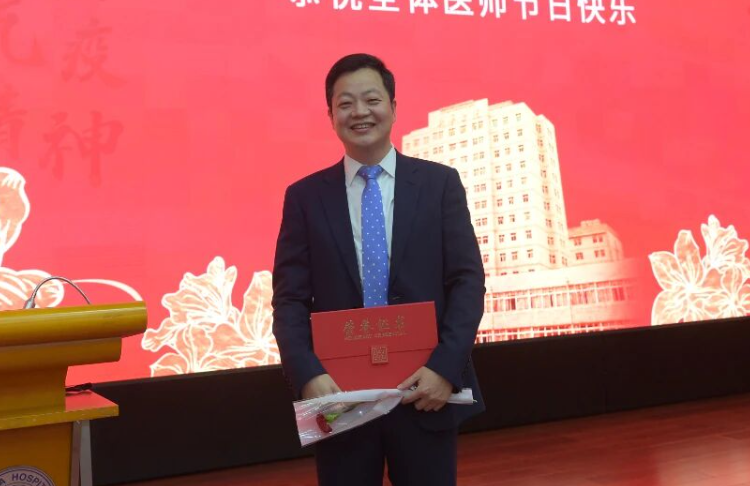
Dr. Wang Qunshan | Cardiac Electrophysiology, and Meeting the Rising Wind
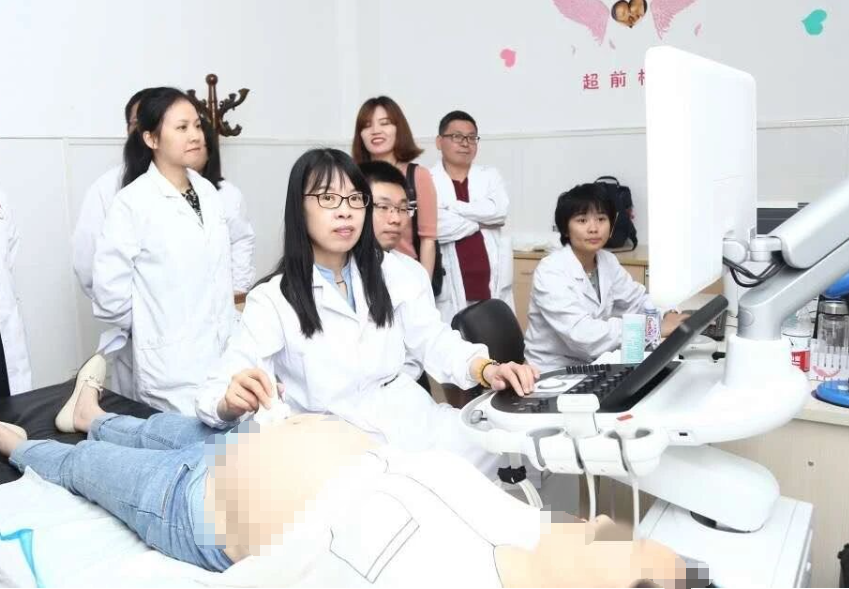
Dr. Ren Yunyun | Obstetric Ultrasound, and the Work No One Sees
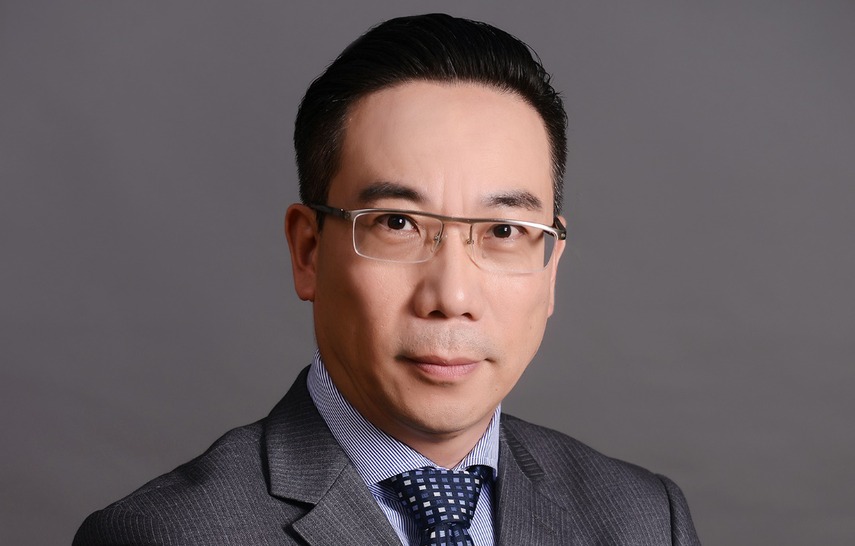
Dr. Qian Yiming | Emergency Medicine, and Neither Joy nor Fear on the Great Tide
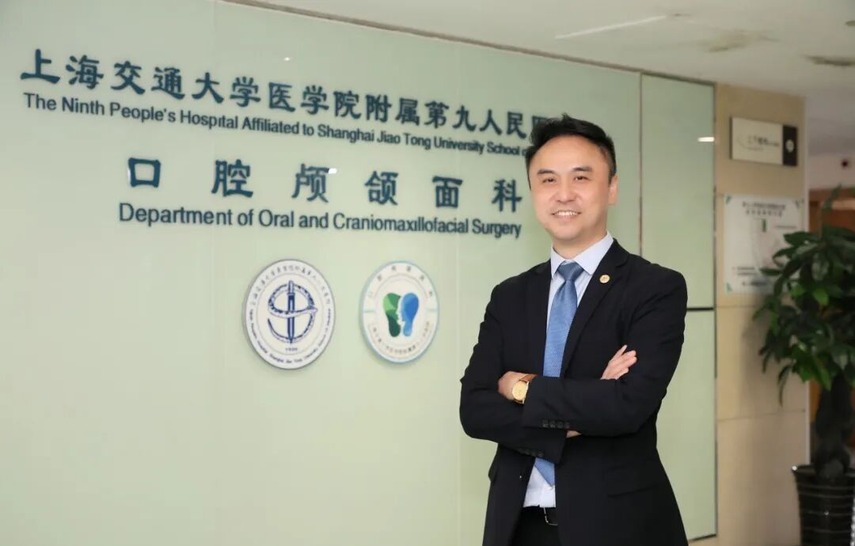
Dr. Wang Xudong | Craniomaxillofacial Surgery, and Years Written into Chapters
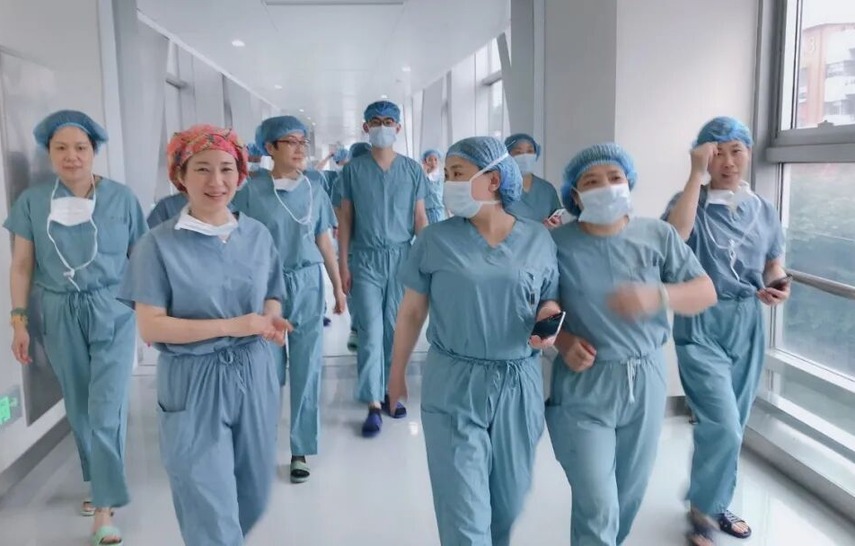
Wang Xiaoning | Operating Room Nursing, and a Grace Like the Orchid
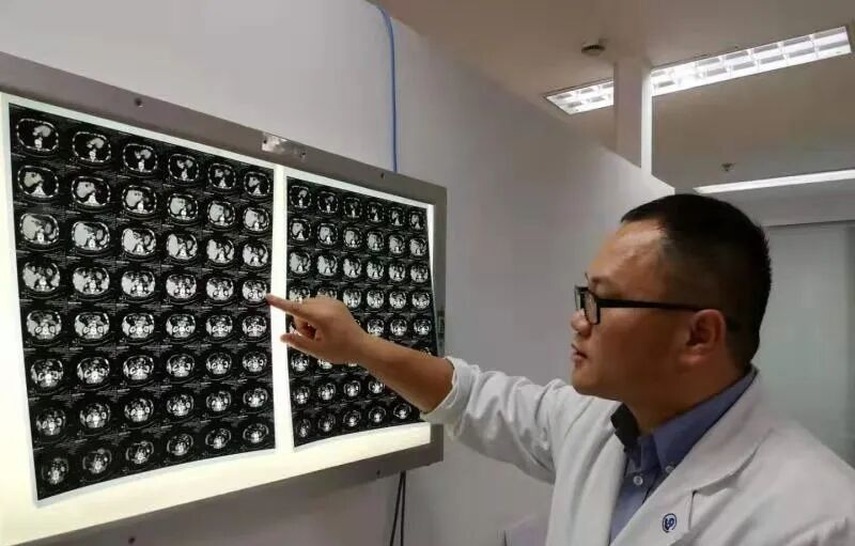
Dr. Li Guichao | Radiation Oncology, and a Peach Blossom Spring in the Heart
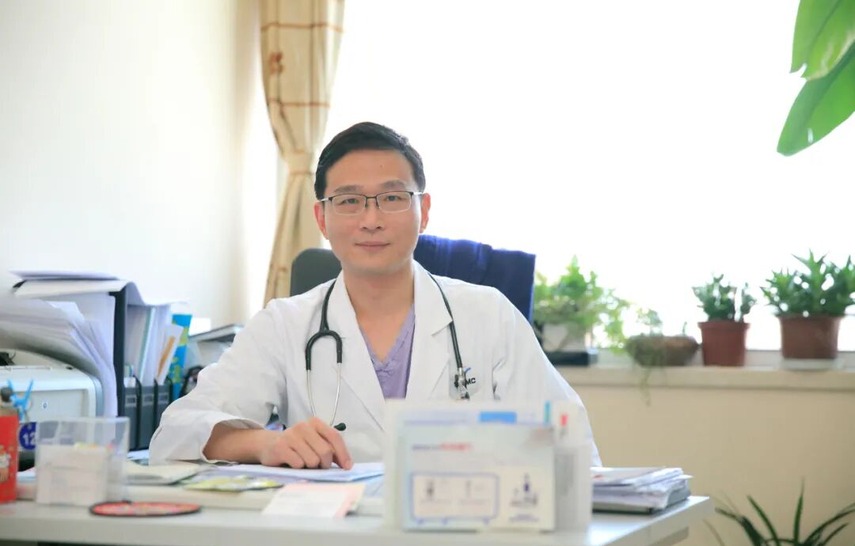
Dr. Lu Yanan | Pediatric Heart Surgery, and Feeling Another’s Pain as One’s Own
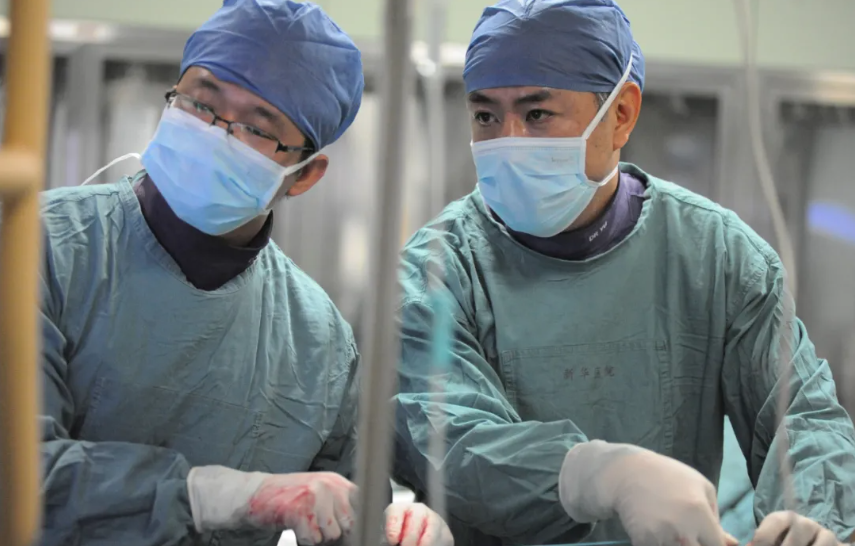
Dr. Chen Sun | Newborn Heart Intervention, and Staying Young Enough to Be Moved
Dr. Wu Yurong | Fetal Echocardiography, and Kindness as Part of the Job
Jiang Liping | Speech Therapy, and the Lamp She Carries
Copyright © 2023 Yewen Renyi & ShanghaiDoctor.cn (This website is a non - profit medical humanities platform. The information contained herein is solely for biographical and historical purposes and does not constitute any medical advice.) 沪ICP备2023005392号-2 XML 沪公网安备31010902100835号
 中文
 English
 Español
 沪公网安备31010902100835号
