ShanghaiDoctor - Where China's Healing Wisdom Shapes Modern Medicine

Update time:2026-10-24Visits:25
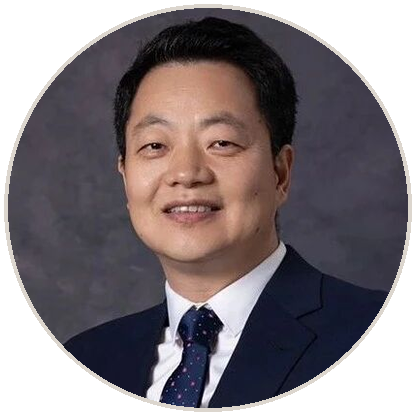
“The original intention is conscience. It is the light that flashes before your eyes the moment you first put on the white coat.”
— Wang Qunshan
Wang Qunshan is Chief Physician and Doctoral Supervisor, Deputy Director of Cardiology Department I at Xinhua Hospital, Shanghai Jiao Tong University School of Medicine, and Clinical Director of its Atrial Fibrillation Center. He is national vice chair of the Young and Middle-Aged Electrophysiology Working Committee of the Chinese Society of Pacing and Electrophysiology, a reviewer for the National Natural Science Foundation of China and for the Ministry of Education’s Center for Science and Technology Development, and a member of the expert committee of the China Atrial Fibrillation Center program of the China Cardiovascular Health Alliance. He also sits on the Shanghai Medical Association’s cardiovascular disease committee, where he leads the electrocardiology group, is vice chair of the Shanghai Association of Integrative Medicine’s committee on treating brain and heart together, and is secretary-general of Shanghai Jiao Tong University’s center for arrhythmia diagnosis and treatment.
His clinical practice covers the whole of cardiovascular medicine, including arrhythmia, coronary heart disease, hypertension, myocarditis, cardiomyopathy, and heart failure, and he is skilled in coronary, arrhythmia, and congenital heart interventions. He has personally performed more than 6,000 arrhythmia procedures, including catheter radiofrequency ablation, cryoballoon ablation, implantation of pacemakers, CRT devices and ICD defibrillators, and left atrial appendage closure, with a success rate and case volume among the highest in China.
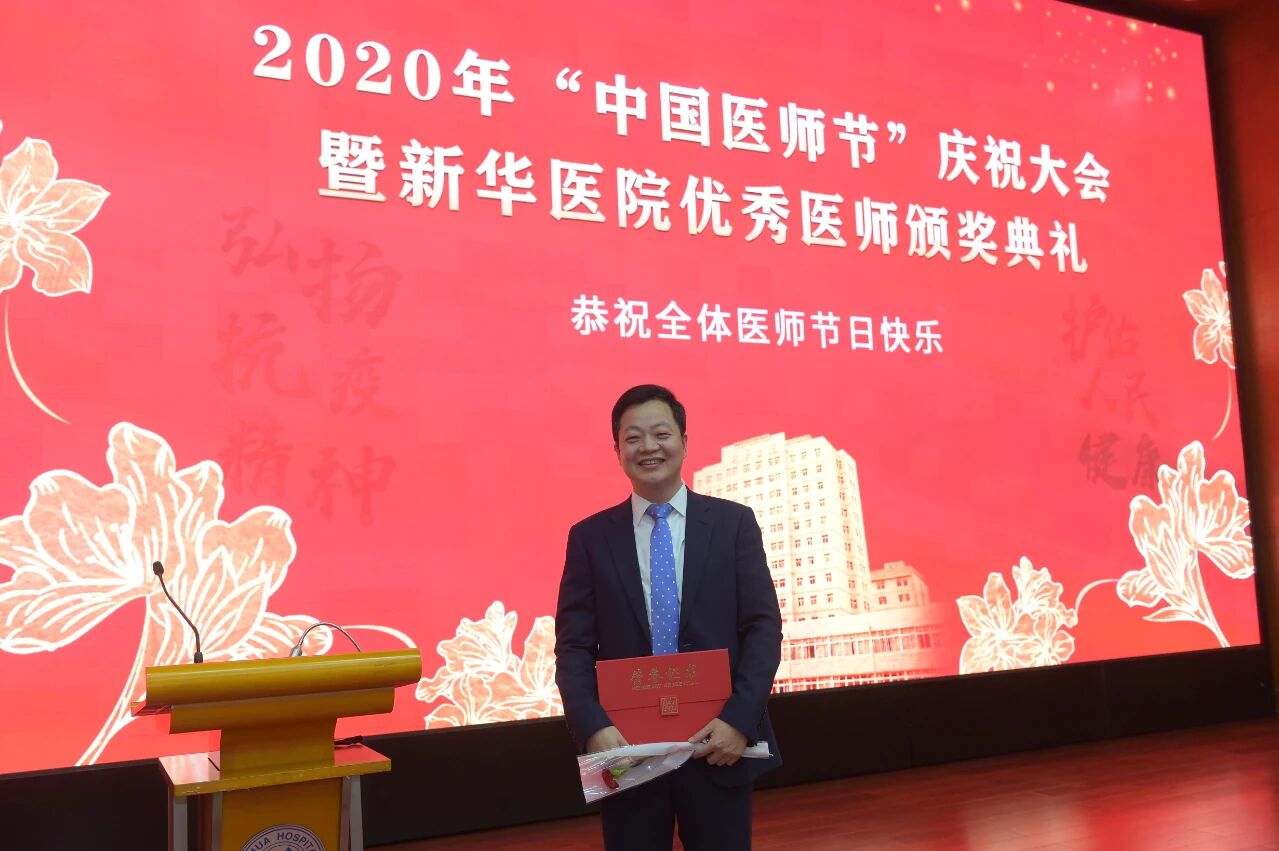
Xinhua Hospital has named him a “Physician of Craftsmanship,” a “Person Who Moved Xinhua,” and a “Model of Service.” As a principal contributor he has received six research awards, including a 2020 Shanghai Medical Science and Technology Award, second prize.
Five years can change many lives.
Five years ago, the interviewer tells him, your record fit on one sheet of paper. Now it is a whole stack. He laughs, looking just as he did then, and asks whether he has grown more middle-aged. Not at all, comes the serious reply. No thermos of goji and chrysanthemum tea. Still handsome, only a little gray at the temples.
“From one sheet of paper to what you call a stack,” he replies, just as seriously, “in fact I haven’t changed.”
So they count it out on their fingers.
He still keeps up his habit of reading MIT Technology Review, one of the oldest and most influential magazines on technology and business, founded in 1899 and covering the internet, communications, energy, biomedicine, and more. Whenever he has time he buries himself in his study, reading, taking notes, and thinking, and he especially likes reading about breakthrough technologies.
“The definition of a breakthrough technology is very simple. It is a solution that lets people use technology at a high level of quality. Electrophysiology has had breakthroughs like that, and we have lived through them. It is a great honor.”
He has stayed clear-headed. Over these years he has clearly thought more deeply, about operations, about disease itself, about everything new technology brings.
“From the Stone Age to the digital age, humanity took a hundred thousand years. From Thales noticing static electricity to Faraday discovering electromagnetic induction, scientists took two thousand years. In the twenty-first century, innovation is gushing out. Whether this sharp tool of technology brings humanity joy or grief, and where humanity will go amid such vigorous technical progress, is a simple but pointed question that all of us need to think about.”
He has also kept his kindness and warmth toward people, especially when a patient is sitting across from him.
“I often ask myself what the original intention is,” he says. “Over these years I have come to see that the original intention is conscience. It is the light that flashes before your eyes the moment you first put on the white coat. So whether you see stars or dust, a doctor’s heart stays as it was at the start.”
Change or no change, the interviewer says, you are always there. You won’t turn into a bird and fly off to your mountain.
“We are still on the road,” he says, with a warm smile. “Understanding the essence of medicine, or the disruptive innovations in electrophysiology, they are all scenery along the way, and all of it beautiful.”
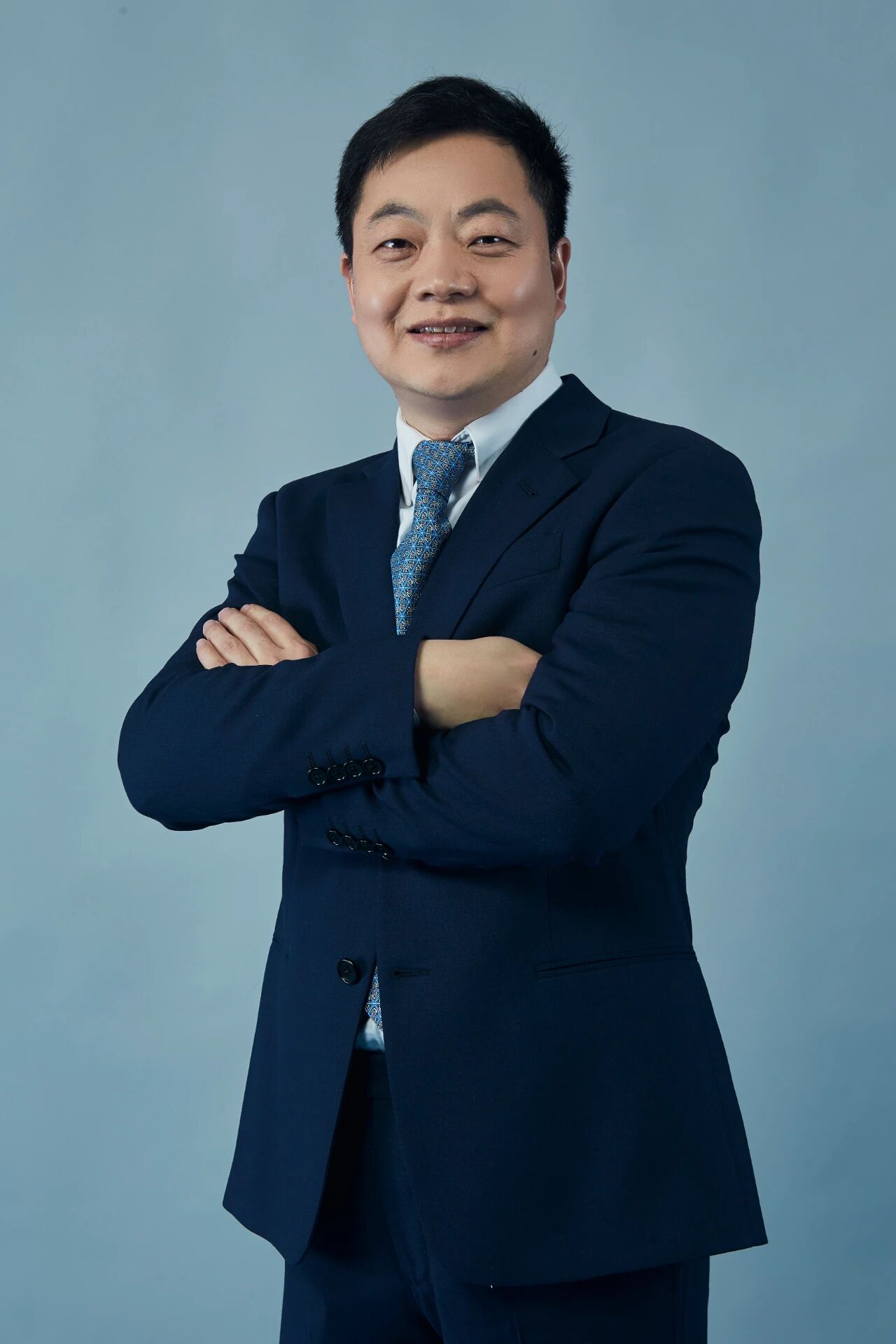
Is he as happy as he was five years ago? “Yes,” he says. “Five years flow by like water. Some people see dust, some see stars. As for happiness, I feel about the same as before. Perhaps it is because I don’t want much in the way of material things, but I do want to shape my inner life (he laughs).”
The outward changes are plain to see. His professional title, his administrative post, his standing in the field have all moved on. He went from master’s to doctoral supervisor, became national vice chair of the young and middle-aged electrophysiology committee, and is now deputy director of his department. On the research side he leads two national projects under way, as well as a cultivation project of a major research program of the National Natural Science Foundation. “These changes,” he says, “come mostly from my skills maturing over these years.”
Five years of effort have not been wasted. From a beginner feeling his way he has made a leap in quality and is now regarded as one of the leaders in his specialty. But he sees it as more than personal progress. “It is the progress of cardiology at Xinhua Hospital, and even more the progress of medical technology. Technology really is changing lives.”
His department has brought in better equipment, and the advantages are striking. With precise navigated ablation, the force applied can be measured to the gram and the position to the millimeter. The traces of the early, exploratory days, which he compares to driving a manual car, have almost disappeared. “Now it is all automatic.” In the past, to protect themselves from radiation, electrophysiologists wore lead aprons weighing around fifteen kilograms. With the newer approach, which he calls zero-X-ray precision EP, or green electrophysiology, the operator no longer has to wear heavy lead or absorb large doses of X-rays. Patients benefit even more, above all pregnant women and children, groups once off-limits for electrophysiology treatment where breakthroughs are now being made. The age range has widened too, and more and more people in their eighties and nineties are being treated.
“Because electrophysiology is at the front of the field, it has finally become precise and green,” he says. “The ones who benefit most are, of course, the patients. What gratifies us most is that operating time has fallen from five or six hours five years ago to one or two hours now.”
He is full of enthusiasm for what comes next. “Technology changes lives, and it changes life itself. Anything is possible. Things we once thought had to be treated by surgery may one day be managed with medication, with no operation at all.” Electrophysiology has entered the era of three-dimensional navigation. “Two-dimensional methods are very limited. Three-dimensional navigation is completely disruptive, like a smartphone compared with the brick-sized mobile phones of twenty years ago.”
“The future is already here, and it is coming faster than we can imagine,” he says. “So we have to face it with an open, inclusive mind. Even if one day machines replace surgeons, I believe the new era will create new kinds of work. You must never stop trying. Be willing to accept change, keep learning all your life, and do what you can, for example in preventing disease and in care after treatment. Helping more people not to fall ill brings benefits without limit.”
His own focus has shifted greatly. “In the past I paid more attention to the specific operation. Now, besides that, I think about what causes the disease, how patients do afterward, and even how to help them live longer.”
Take atrial fibrillation. After ablation, some patients do very well, others less so, and some go on to have a cerebral infarction or stroke. How to reduce those strokes is a question his team works on. They now perform left atrial appendage closure to lower the risk of embolic stroke. Studies show that atrial fibrillation raises the risk of embolic stroke five- to sevenfold compared with normal rhythm, and that more than 90 percent of clots in non-valvular atrial fibrillation come from the left atrial appendage. Strokes caused by atrial fibrillation are more severe than ordinary cerebral infarctions, with high rates of death, disability, and recurrence. The team assesses each patient’s risk, and those at moderate to high risk have the appendage closed. “It cuts off the source of the clot directly,” he says, “and we hope it can spare patients the risk and trouble of taking anticoagulants every day for life.”
He has given many lectures on stroke caused by atrial fibrillation, teaching and sharing the team’s experience and urging doctors in community hospitals to watch for it and prevent it. The team’s “one-stop” treatment, combining appendage closure with catheter ablation, has kept a world-leading volume for three years in a row, and in the past two years it has published six papers in leading international cardiology journals, including titles in the European Heart Journal family.
“But we care about more than rising numbers of procedures,” he says. “We want patients to recover better.” The team is working on many new projects, including pulsed field ablation and external ablation, which, unlike ordinary ablation inside the body, is delivered from outside it, somewhat as chemotherapy is. “Our first patient treated with external ablation has recovered very well.” They are also looking closely at medication. Anticoagulant and antithrombotic drugs taken every day carry a long-term risk of bleeding. “If one day patients could do without them, that would be a great blessing.”
Zero-X-ray precision EP was founded three years earlier by his mentor, Professor Li Yigang, and drew a strong response in the field as soon as it was proposed. Green electrophysiology is now a hot topic everywhere. “It is not just a change in one electrophysiology technique,” Wang says. “It is a new field, a new platform, and a new direction for the whole of cardiac intervention. Intervention, as a new minimally invasive approach, has revolutionized the treatment of heart disease and saved countless patients. The trend suggests that not only catheter ablation but pacemaker implantation and other cardiac interventions may one day use zero or nearly zero X-rays. That is something that can really be achieved.”
It is still early days, he adds. Understanding of the technique needs to grow, and today’s devices and catheters, developed for the two-dimensional era, still need breakthroughs for the three-dimensional one. “What most needs a breakthrough is our thinking. We must not ignore the harm X-rays do to patients. But in learning green electrophysiology, we cannot pay for it with patient safety. Never go for zero radiation just for the sake of zero radiation and expose the patient to the risk of injury. In every situation the patient’s interest comes first and the patient’s risk must be kept to a minimum. This technique has vitality because patients benefit more.”
What has made him happiest in recent years? “Still the same thing,” he says. “Curing patients and seeing them start over.”
In 2004 his team treated a patient with atrial fibrillation by ablation. It was the team’s very first atrial fibrillation ablation. “We needed courage, and the patient needed even more. After we talked it through, he decided to take the risk and try this new treatment, and that encouraged us.” The operation went smoothly and worked very well.
Sixteen years later the same man developed atrial flutter and needed another ablation, and Wang Qunshan performed it himself. During the procedure he made a surprising discovery. After sixteen years, the ring of the original ablation was still there and the pulmonary veins were still electrically isolated. The team found the flutter in less than half an hour, everything after that went smoothly, and the operation was over within an hour. “The operation in 2004 took eight hours,” he says. “There is simply no comparison. Sixteen years ago he was in the prime of life, and now he has entered old age. After this operation he can still live his days in peace, and I am truly happy for him. Meeting this old friend again was a continuation of the friendship between doctor and patient, and a fine story of beating disease together.”
What is the best treatment? “Not necessarily the most advanced,” he says, “but the most individual, the most suitable.” That very day in his specialist clinic, a patient with premature beats had insisted he must take a particular drug, because an expert had told him so years before and it was the only thing that would make him well. Wang examined him and explained that the drug no longer suited his present condition, and that another would suit him better. “Everyone understands the stories of the man who marked the side of his boat to find a sword he had dropped in the river, or who climbed a tree to look for fish,” he says. “But when it happens to you, you don’t know what to do.”
ShanghaiDoctor.cn: From a humanistic point of view, how do you think about medicine?
Wang Qunshan: “I would sum it up in four Chinese characters that mean a doctor’s heart stays as it was at the start. First, as a doctor, you always hope the patient can return to the way they were before the heart disease. Second, however many titles and honors you have, never forget how you felt when you entered the profession. Give every patient the same devotion, kindness, and sincerity you gave as a junior doctor, and when a patient needs you, offer humanistic care, whatever help you can, and real comfort.”
ShanghaiDoctor.cn: Besides that original intention, what else has not changed over the years?
Wang Qunshan: “My nature hasn’t changed. I am still someone willing to settle down and do the work. I think, therefore I am. I still love learning and come to the unknown with a sincere heart. Learning is lifelong, and my curiosity has always been there.”
ShanghaiDoctor.cn: You supervise more and more students. How do you teach?
Wang Qunshan: “First, teach by example; what you do matters more than what you say. Second, teaching and learning grow together. As you teach, your own thinking becomes more rigorous. In a time when science moves so fast, you cannot use old eyes to solve today’s problems, so as teachers we have to keep learning. Third, each generation should surpass the last. Between the waves in front and the waves behind there is, as I see it, a kind of competition, and as the wave in front, you always hope the one behind rises a little higher. Students today grow up and study in better conditions than before, but the pressure and competition they face are also like nothing before. As teachers we should pass on more of our experience of facing setbacks.”
ShanghaiDoctor.cn: What do you say to them most often?
Wang Qunshan: “Look up at the stars, and keep your feet on the ground. Young people who are still growing must set a goal for who they want to become, and under real conditions make every effort in that direction, dare to take on challenges, create opportunities for themselves, and change their own circumstances.”
ShanghaiDoctor.cn: What kind of doctor should one become?
Wang Qunshan: “Before being a doctor, first be an upright person. Beyond that, set yourself a goal in your field: to become an excellent doctor. Not necessarily the most famous, but someone who goes to the very limit of what he can do, rather than just getting by.”
ShanghaiDoctor.cn: If you taught medical students a class unrelated to their specialty, what would you talk about?
Wang Qunshan: “I might talk about the history of cardiology, or of electrophysiology. I would want students to see how medicine has developed, and realize that each period understood disease differently. History tells us that our understanding of disease keeps advancing. Medical history is also bound up with people. We can see what outstanding physicians contributed in different eras, and understand that electrophysiology is a living tradition, handed down from one generation to the next. Success does not come at once. It accumulates slowly.”
ShanghaiDoctor.cn: What do you most want to do now?
Wang Qunshan: “To do my daily work well and complete my research projects properly. I am quite a practical person. If I can do well whatever is within my power, that is enough. I don’t have many grand dreams about the distant future.”
ShanghaiDoctor.cn: What have you been reading lately?
Wang Qunshan: “Bits and pieces of humanities books, for example a book by a journalist recording important events of China’s forty years of reform and opening up, events closely tied to ordinary people’s lives.”
ShanghaiDoctor.cn: Do you ever plan a spur-of-the-moment trip with your family?
Wang Qunshan: “For me that has always been something I wish for but can’t manage. My family’s support makes me feel a little guilty, and my child has also missed a lot of time with me. Perhaps that is the price of my devotion to my profession. You can’t gain without losing something, so all I can do is try to give more to my patients. As the saying goes, when the wind rises, one should strive toward life.”
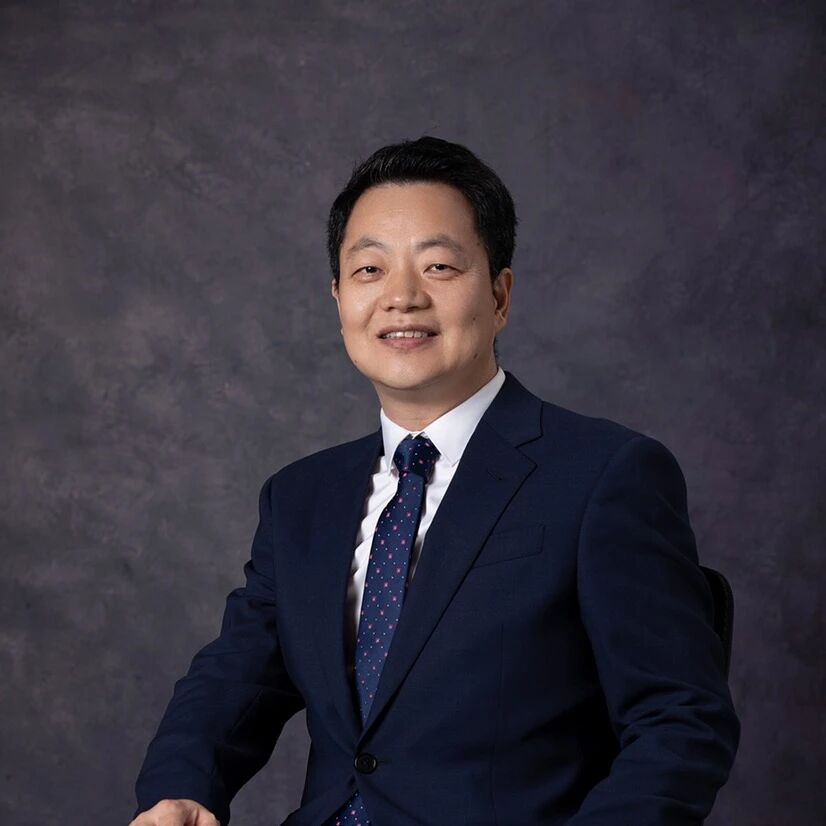
Five years after his first interview, Wang Qunshan’s record has grown from a page to a stack, and he insists that he has not changed. The evidence is on both sides. Operations that took five or six hours now take one or two; the lead apron is coming off; a man he first treated in 2004 came back sixteen years later and was done in under an hour. And still he speaks of the light he saw the moment he first put on the white coat, and of the patient across the desk who needs a different drug from the one he remembers.
Editor: Chen Qing
If you need any help from Dr. Wang, be free to let us know at Chenqing@ShanghaiDoctor.cn.
Adapted from the Yewen Renyi (晔问仁医) interview “王群山 | 风乍起,合当奋意向人生.”
Dr. Wang Qunshan | Cardiac Electrophysiology, and Meeting the Rising Wind
Dr. Ren Yunyun | Obstetric Ultrasound, and the Work No One Sees
Dr. Qian Yiming | Emergency Medicine, and Neither Joy nor Fear on the Great Tide
Dr. Wang Xudong | Craniomaxillofacial Surgery, and Years Written into Chapters
Wang Xiaoning | Operating Room Nursing, and a Grace Like the Orchid
Dr. Li Guichao | Radiation Oncology, and a Peach Blossom Spring in the Heart
Dr. Lu Yanan | Pediatric Heart Surgery, and Feeling Another’s Pain as One’s Own
Dr. Chen Sun | Newborn Heart Intervention, and Staying Young Enough to Be Moved
Dr. Wu Yurong | Fetal Echocardiography, and Kindness as Part of the Job
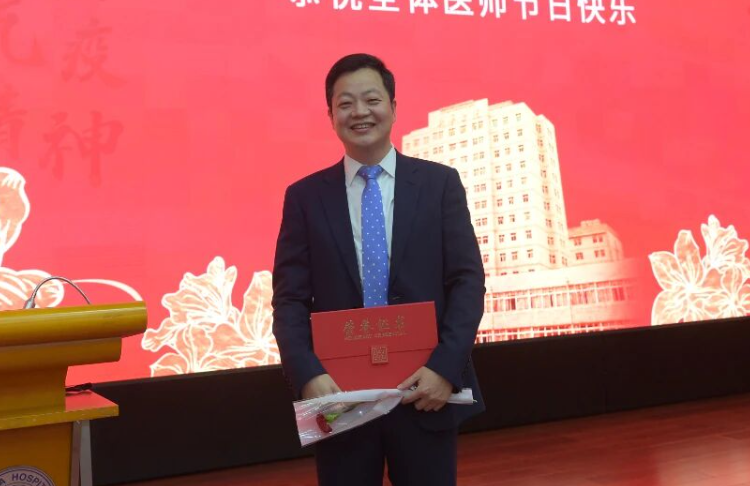
Dr. Wang Qunshan | Cardiac Electrophysiology, and Meeting the Rising Wind
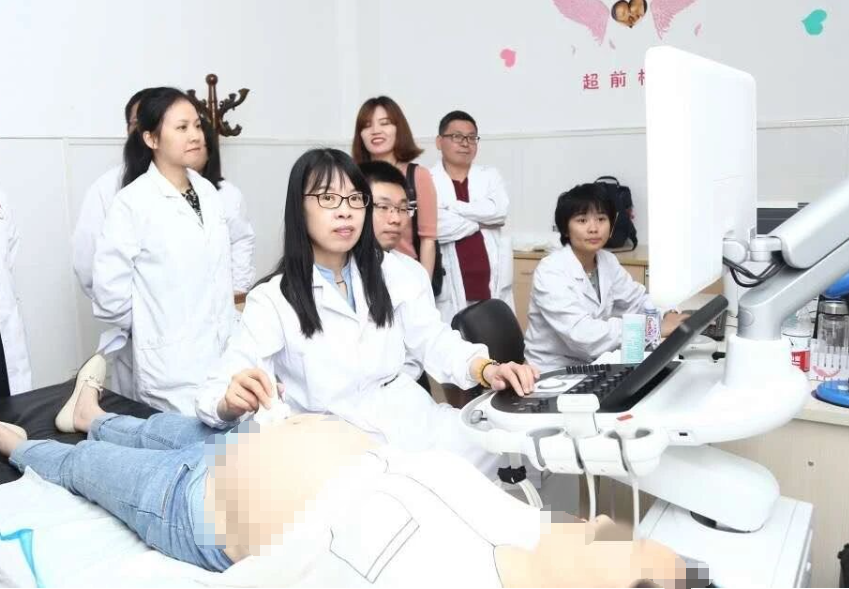
Dr. Ren Yunyun | Obstetric Ultrasound, and the Work No One Sees
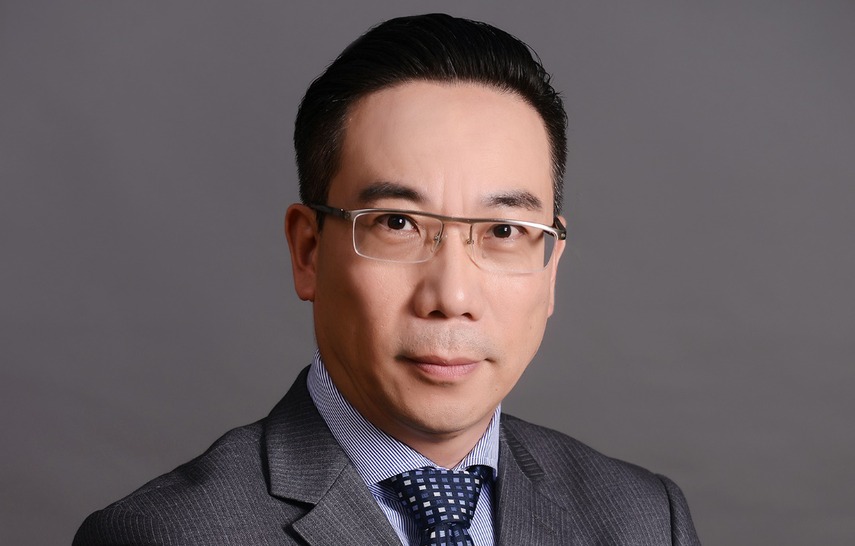
Dr. Qian Yiming | Emergency Medicine, and Neither Joy nor Fear on the Great Tide
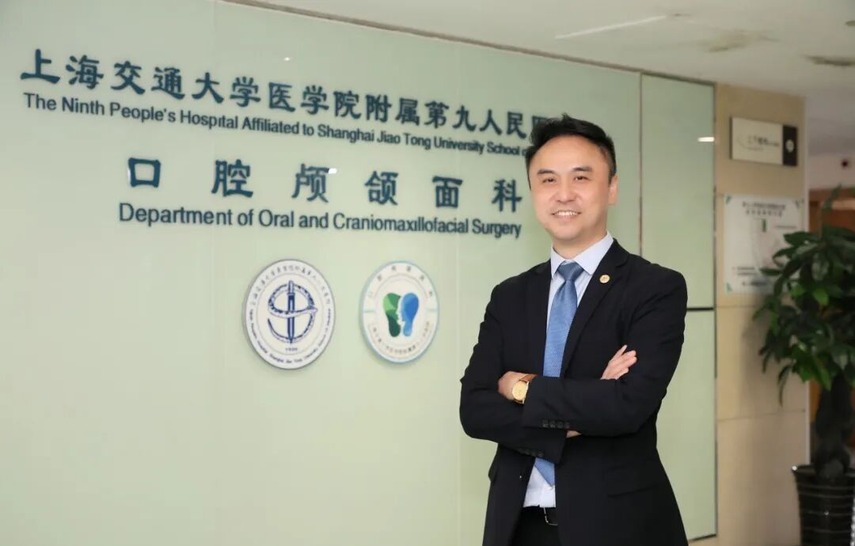
Dr. Wang Xudong | Craniomaxillofacial Surgery, and Years Written into Chapters
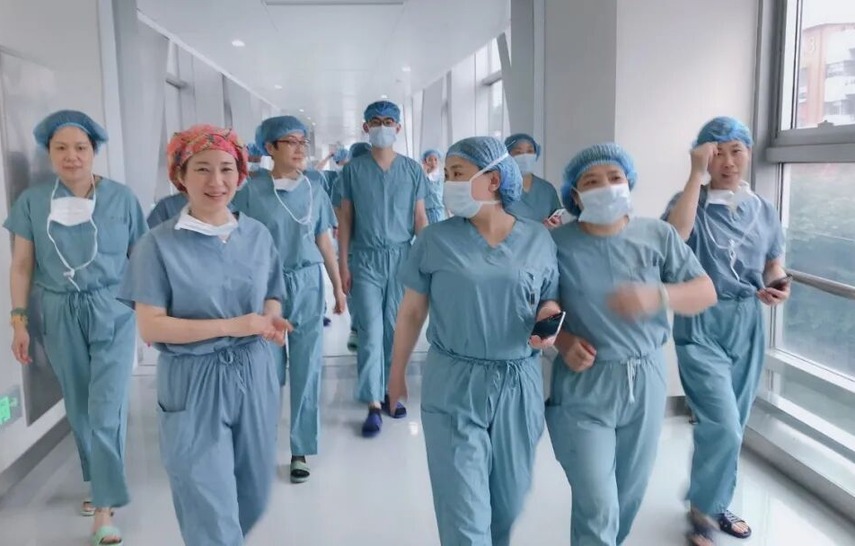
Wang Xiaoning | Operating Room Nursing, and a Grace Like the Orchid
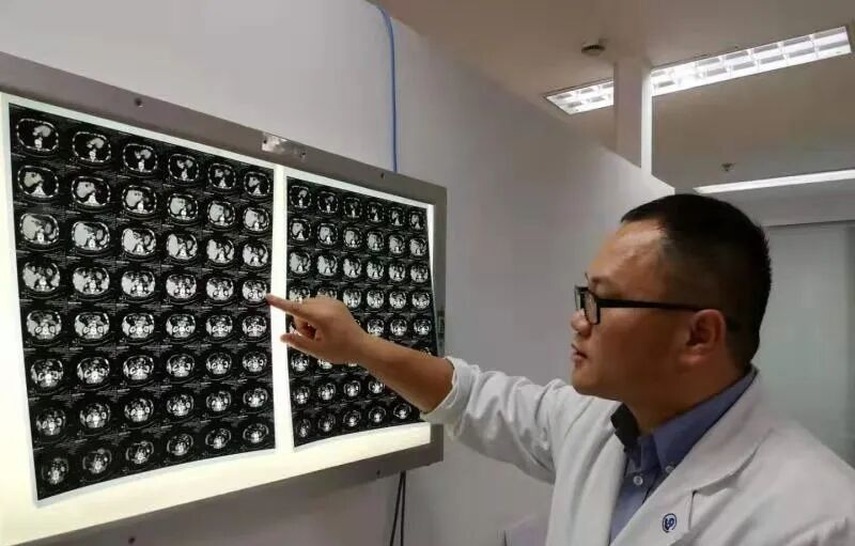
Dr. Li Guichao | Radiation Oncology, and a Peach Blossom Spring in the Heart
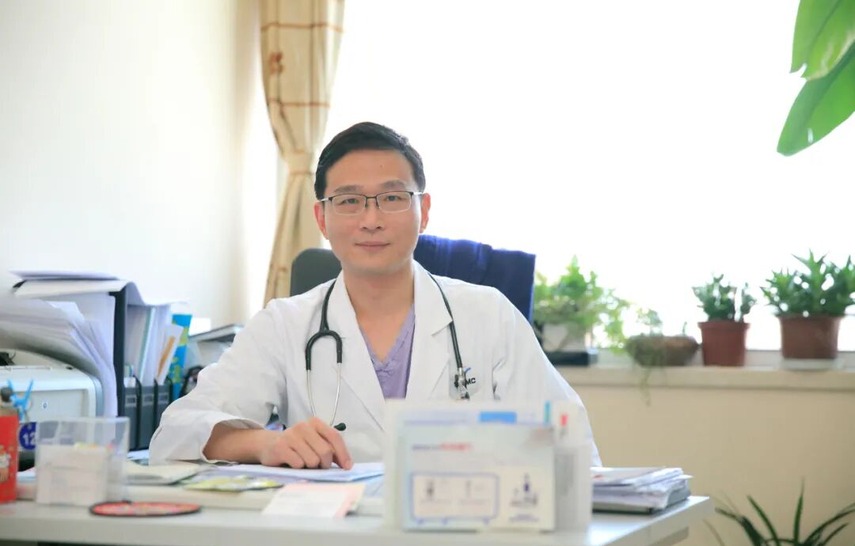
Dr. Lu Yanan | Pediatric Heart Surgery, and Feeling Another’s Pain as One’s Own
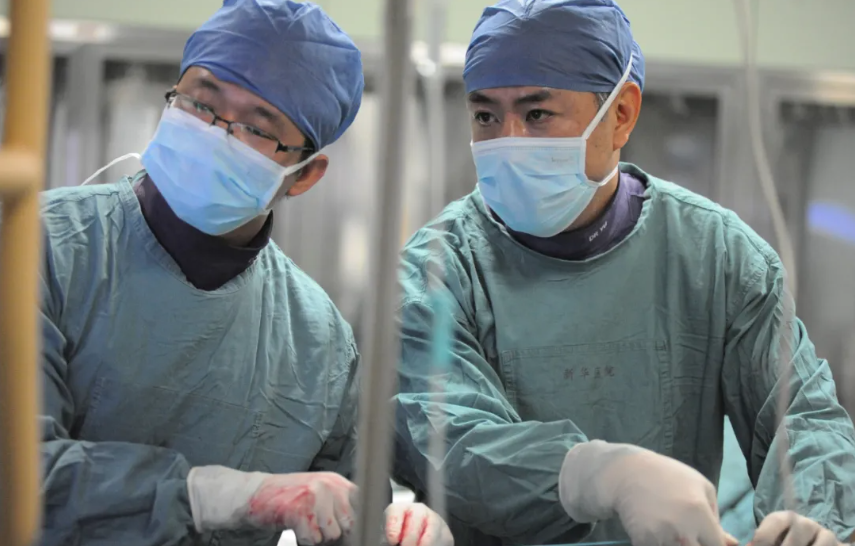
Dr. Chen Sun | Newborn Heart Intervention, and Staying Young Enough to Be Moved
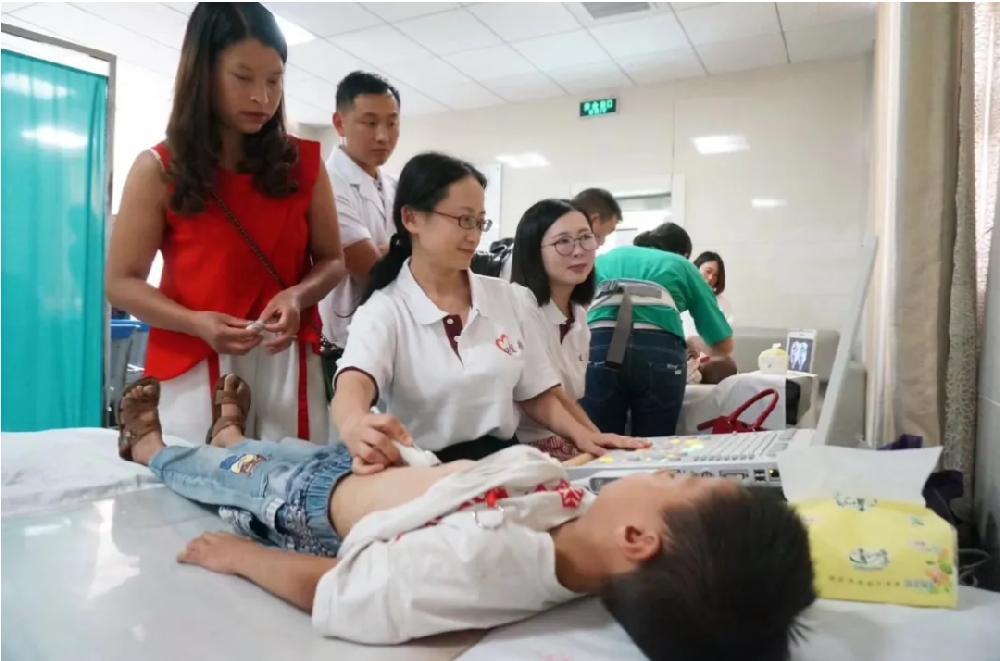
Dr. Wu Yurong | Fetal Echocardiography, and Kindness as Part of the Job
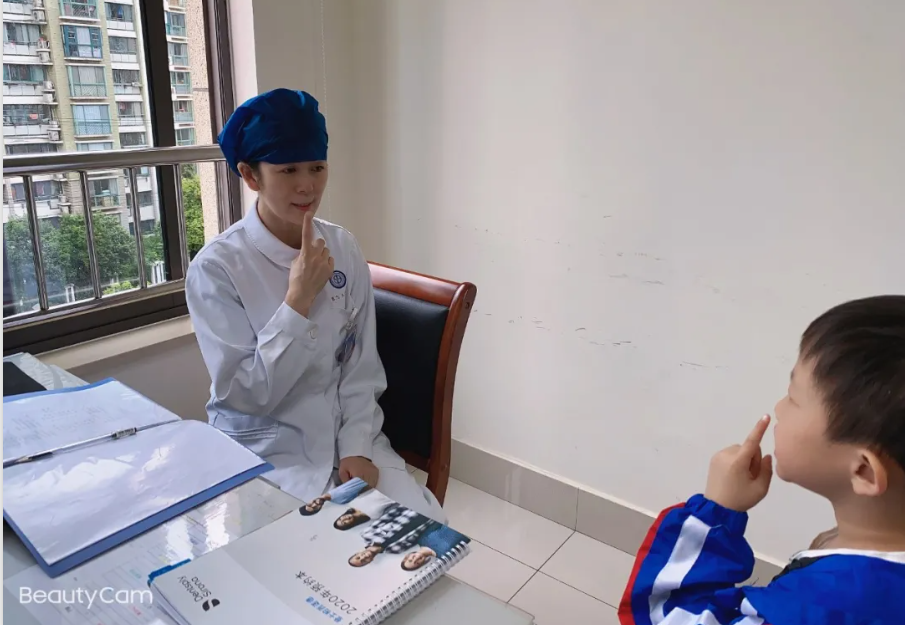
Jiang Liping | Speech Therapy, and the Lamp She Carries
Copyright © 2023 Yewen Renyi & ShanghaiDoctor.cn (This website is a non - profit medical humanities platform. The information contained herein is solely for biographical and historical purposes and does not constitute any medical advice.) 沪ICP备2023005392号-2 XML 沪公网安备31010902100835号
 中文
 English
 Español
 沪公网安备31010902100835号
